Remember the Signature AIR Tune? Meet the Jewish Refugee Who Composed it!!!

For an entire generation, the radio and the All India Radio hold a very cherished place. I remember my grandfather tuning it each evening listening to the news. My mother tells me stories of how she and her sister would huddle around the device to hear the latest songs.

What strings all these memories together is the signature tune that would play at the break of dawn.

Based on raag Shivaranjini, the lilting violin notes playing to the background of a tambura evokes a sense of nostalgia – almost eight decades since its composition.

While millions are familiar with the tune, few are aware that it was created by the most improbable source – a Czech Jewish refugee fleeing the Nazis in Europe!
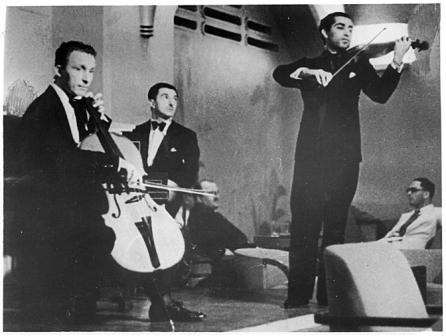


Shown here performing at the Willingdon Gymkhana with Kaufmann at the piano, Edigio Verga on cello and Mehli Mehta playing the violin.      Photo Source

A Czech national, Walter was born in 1907 in Karlsbad, today known as Karlovy Vary. His father, Julius Kaufmann, was Jewish while his mother had converted to Judaism. Julius died near the Czech border after they fled Karlsbad under the Nazis.

In 1934, after Hitler’s invasion of Prague, 27-year-old Walter Kaufmann arrived in Mumbai. A refugee, Walter perhaps did not intend to stay on in India for as long as he did. He was in India’s city of dreams for fourteen years.

One may wonder why he landed in Mumbai of all places in the world. In one of the letters that were later published, he even says, “I could easily get a visa.”

Early days

However, having come to India, his initial years were not easy. As a trained musician, he was hoping to find takers for his talent, but his initial tryst with Indian music was not pleasant. He found it beyond comprehension.

Undeterred, he founded the Bombay Chamber Music Society within months of his arrival, which performed every Thursday at the Willingdon Gymkhana. Walter’s correspondence with his family back home confirmed that he stayed at Rewa House, a two-storied bungalow off Warden Road (now Bhulabhai Desai Road) towards Mahalaxmi temple.

In one year, the society had performed more than 130 times, while the audience at these performances kept increasing.

According to Scroll, in the same letter, Walter is disarmingly honest in describing his initial reactions to Indian music. The first records he heard were “alien and incomprehensible.”

But he wasn’t willing to give up.

“As I knew that this music was created by people with heart and intellect, one could assume that many, in fact, millions would be appreciating or in fact loving this music…I concluded that the fault was all mine and the right way would be to undertake a study tour to the place of its origin,” he wrote

From 1936 to 1946, Walter worked at AIR as the director of music, and it was here that he composed the iconic signature tune with noted Indian orchestra conductor Mehli Mehta, who played the violin for it.

It is amazing that the tune that generations of Indians grew listening to was created by a European – proving that music knows no boundaries, and is truly a universal language.

Connection to the Hindi film industry

Walter moved to Mumbai at a time when there was a shift from silent movies. His adept mastery over western music helped him in the Indian film industry as well. He composed the background score for several films by Mohan Bhavnani (a friend he had met in Berlin).

Albert Einstein, in a letter dated 23 January 1938, wrote a recommendation letter for Walter Kaufmann.

In that letter in German, he wrote, “Mr Walter Kaufmann of Prague, currently in Bombay (India), has been known to me for years as an inventive and gifted musician. He has already written many compositions, he is an authority on Eastern music, and he has had extensive experience as a teacher as well. With his youthful energy and likeable nature, he would be eminently suited for the position of director of choirs and orchestras in schools or universities.”

After India

In 1946, Walter left India and went on to spend a year in England, where he was a guest conductor at the BBC. From 1948 to 1957, he was the Musical Director and Conductor of the Winnipeg Symphony Orchestra, Winnipeg, Manitoba, Canada.

It was in 1957 that Walter moved to the United States permanently with his second wife, Freda.

He joined the School of Music at Indiana University in Bloomington as Professor of Music in the Department of Musicology, where he taught till 1977. He died there in 1984.

While it has been over three decades to Walter Kaufmann’s demise, he has been immortalised through his signature tune that millions of Indians continue to wake up to.

(Edited by Shruti Singhal)

Source…..Vidya Raja in http://www.the betterindia.com

Natarajan

Message for the Day …..” Once jealousy takes root in your mind, in due course, it will destroy all your other achievements. It promotes demonic qualities, dehumanises an individual and reduces one to the condition of an animal. “

Jealousy manifests itself in many forms, including the form of finding fault even in the Divine. People are jealous if someone earned a better name than themselves. Some are jealous of those who are more good looking than themselves. Students envy others who secure more marks in the examination. A jealous person cannot bear to see the other person who is better placed, more beautiful or more prosperous. This is a sign of human weakness. Once jealousy takes root in your mind, in due course, it will destroy all your other achievements. It promotes demonic qualities, dehumanises an individual and reduces one to the condition of an animal. Because of its egregious evil tendency, jealousy should be rooted out from the very beginning. You must learn to enjoy another’s prosperity and happiness. This is a great virtue.

Source…. http://media.radiosai.org/

Message for the Day…..” The message of Sankranti is the promotion of love among one’s kith and kin and friends by all of them coming together to celebrate this festival. Develop harmony towards everyone.”

On Sankranti, it is a custom to offer a mixture of jaggery and sesame seeds (til) to all. Jaggery is sweet and is a symbol of love. Til is also known as sneha, which means friendship. Therefore, the offer of the jaggery-tilmixture means offering ‘love surcharged with friendliness’ to people. The message of Sankranti is the promotion of love among one’s kith and kin and friends by all of them coming together to celebrate this festival. Develop harmony towards everyone. Much of what passes for friendship today consists in associating with persons when they are affluent and benefiting from their wealth. When they are in distress, the same persons will not even look at them. This is not true friendship. True friendship must emanate from the heart and should remain unaffected by weal or woe. In fact, God alone can be an unfailing friend in all situations. He is with you, above you, below you, beside you and around you.

Source…..http://media.radiosai.org/

Message for the Day….” Significance of Movement of Sun from South to North on Makara Sankaranthi …”

Makara Sankramana marks the movement of Sun from the south to the north. The northward movement of the Sun is considered highly significant, both spiritually and scientifically. The significant inner spiritual meaning of the Sun’s northward journey must be properly understood. North is represented by Himachala (the Himalayas). Hima means snow. It is pure, untainted and extremely cool. Achala means that which is steady and unshakeable. Himachaladoes not refer to the physical Himalayan region. It represents that which is cool, peaceful and steady. All these endows one with the quality of perfect peace (Prasanthi). From today the Sun is moving towards such a state. The Sun symbolizes the vision of man. The northward movement of the Sun is a call to human beings to turn their vision towards that which is cool, peaceful and unchanging. The lesson you must learn is that you should direct your vision inwards.

Source….http://media.radiosai.org/

Message for the Day ….” ‘Equal-mindedness is yoga’ (Samatvam yogamuchyate), says the Gita. The ancient sages practised this virtue. Equal-mindedness is the index of contentment. And this should be taught to our young people and cultivated by them. One who has” achieved contentment can enjoy the bliss of Divine grace”.

The great spiritual masters like Ramakrishna Paramahamsa, Vivekananda, Tulsidas, and so on led supremely contented lives. There were numerous occasions when they would not even get food to eat. They regarded such occasions as invitations by God to observe fasting (upavasam); for them this was food for their Spirit. Through contemplation of God, they enjoyed such fasts. Whenever they were entertained to a rich feast, they considered that too as a gift from God. Whether it was a fast or feast, they looked upon both with the same sense of contented acceptance. They were not depressed by the former or elated by the latter. ‘Equal-mindedness is yoga’ (Samatvam yogamuchyate), says the Gita. The ancient sages practised this virtue. Equal-mindedness is the index of contentment. And this should be taught to our young people and cultivated by them. One who has achieved contentment can enjoy the bliss of Divine grace.

Source……http://media.radiosai.org/

Message for the Day….” Envy is like the pest that attacks the root of a tree. Envy can destroy your entire life. We enjoy many things in life – knowledge, wealth, position, power, etc. But if the virus of envy enters our minds, it will pollute everything.”

Forbearance endows you with strength to face the slings and arrows of outrageous fortune. A person without forbearance easily succumbs to reverses and difficulties. Together with truth and forbearance, you must cultivate freedom from jealousy too. Envy is like the pest that attacks the root of a tree. Envy can destroy your entire life. We enjoy many things in life – knowledge, wealth, position, power, etc. But if the virus of envy enters our minds, it will pollute everything. Never give place to envy even in the smallest matter. If a fellow-student scores more marks than you, do not feel envious. If others do better than you, feel happy for them, rather than allow yourself to be consumed by envy. If someone is better dressed than yourself or is more wealthy, you should feel that they are enjoying what they have and you should be content and happy with what you have. To be free from envy is truly divine.

Source………http://media.radiosai.org/

” பழமொழி …அர்த்தமுள்ள பொன் மொழிகள் !!!

Natarajan's avatarTake off with Natarajan

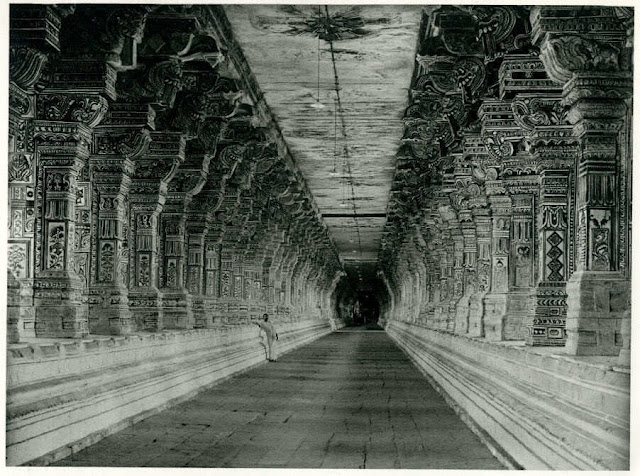
c1446-corridorof1000pillarsinramanathaswamytempleinrameswaram-tamilnadu1928

பழமொழிகளில் நாட்டுப்புற மருத்துவம்

மக்களால் பயன்படுத்தப்படும் பழமொழிகளால் மக்களின் பண்பாட்டையும், பழக்க வழக்கங்களையும், சமுதாயப் பின்னணியையும் அறிந்து கொள்ள முடிகின்றது. இத்தகைய பழமொழிகளில் மருத்துவச் செய்திகளும், நோய் ஏற்படாமல் இருக்கக் கடைப்பிடிக்க வேண்டிய வழிமுறைகளும், மற்றும் மருந்துப் பொருட்களும் கூறப்படுவதுடன், ஆதனால் தீரும் நோய் பற்றியும் அறிவுறுத்தப்பட்டுள்ளன.

“இளைத்தவனுக்கு எள்ளைக்கொடு;
கொளுத்தவனுக்குக் கொள்ளைக் கொடு”

எள், கொள்ளு என்பவை இரண்டும் உணவு வகைகள் ஆகும். எள் என்பது நல்ல சத்துள்ள உணவாகும். மிகவும் மெலிந்த தேகம் கொண்டவர்கள் எள்ளைத் தின்றால் நன்கு உடல் பெருக்கும் என்றும், அதிகமான உடலைக் கொண்டவர்கள் கொள்ளைத் தின்றால், உடல் மெலிந்து போதுமான அளவோடு இருக்கும் என்றும் இப்பழமொழி கூறுகிறது.

“ஆற்றுநீர் வாதம் போக்கும்; அருவி நீர் பித்தம் போக்கும்; சோற்று நீர் இரண்டையும் போக்கும்”

மனிதர்களுக்கு ஏற்படக் கூடிய 4448 நோய்களுக்கும் அடிப்படை வாதம், பித்தம், கபம் என்ற மூன்றுமே ஆகும். இவற்றுள் வாதம், பித்தம் தொடர்பாக ஏற்படும் நோய்களைப் போக்கும் வழிமுறைகளை இப்பழமொழி விளக்குகின்றது. ஆற்று நீரிலும், அருவி நீரிலும் உயர்ந்த தாதுப் பொருட்களும், மூலிகைச் சத்துக்களும், நிறைந்து காணப்படும். ஏனெனில், ஆற்றுப் படுகையிலும், அருவிக்கு நீர் வரும் மலைப் பகுதியிலும் மூலிகைச் செடிகள் நிறைந்து காணப்படும். இந்நீர் மூலிகைகளின் மீது பட்டு வருவதால் இத்தகைய குணமுடையதாக உள்ளது. வாதநோய் தொடர்பாக நரம்புக்கோளாறுகளும், பித்தநோய் தொடர்பாக மூளைக் கோளாறும் ஏற்படுகின்றன. இவற்றைக் குணப்படுத்த ஆற்று நீரும்…

View original post 433 more words

Message for the Day…” Sadhana alone can steel people to forge ahead on the spiritual path. The wise are buoyed up by the bliss of their genuine awareness. Hang on, persist in your sadhana, have faith in yourself and derive strength and joy only from God!”

In order to live up to the high standards of morality which Indian culture exhorts, you must cultivate love, nonviolence, fortitude and equanimity. The last three guard and foster the first. Many people have succeeded with the help of the latter three qualities, to get their minds established in Universal love! Indeed, quite a large number of spiritual aspirants have also given up their spiritual ascent midway because they lose confidence in their true selves. The first faint whisper of doubt disheartens them and they slide back into a life of sensual satisfactions. They lose faith in God who is the Embodiment of Love and is their real sustenance. Sadhana alone can steel people to forge ahead on the spiritual path. The wise are buoyed up by the bliss of their genuine awareness. Hang on, persist in your sadhana, have faith in yourself and derive strength and joy only from God!

Source……http://media.radiosai.org/

Message for the Day…..” Gurus are pupils too, learning lessons of equality, equanimity and selfless love with your Omniscient Guru.”

Balvikas Gurus should keep their emotions under control and not exhibit depression, dejection or wavering will. Your quality of work is more important than quantity, so don’t undertake to do more than what you can render satisfactorily. Let your own conscience be the judge and decide whether you discharge your duty sufficiently to the children and society. You may face various problems while conducting the classes – solve them with discrimination and deep love. Meet these problems with a desire to serve the children better and you will be able to overcome them easily. Gradually you will realise that Balvikas is devised not merely for education of children but also for gurus. Balvikas duties will elevate and sublimate the guru’s thoughts and emotions far better than any other spiritual discipline. Remember that as gurus, you too have a guru guiding you and overseeing your Seva. Gurus are pupils too, learning lessons of equality, equanimity and selfless love with your Omniscient Guru.

Source……..http://media.radiosai.org