The valley Of Names….

For over seventy years, people have been driving out in their RVs to a remote desert area near the city of Yuma, in the US state of Arizona, to write their names and leave messages on the desert floor. Unlike regular graffiti that is hurtful to the environment, at Valley of Names messages are spelled out by carefully arranging rocks and small boulders in the hard-packed white sand.

The practice probably began during the Second World War when U.S. Army General George Patton brought his soldiers to this flat rocky area to train. This training camp, known as the Desert Training Center, was the largest military training ground in the history of military maneuvers. The camp grounds stretched from the outskirts of Pomona, California to within 50 miles of Phoenix, Arizona, and from the suburbs of Yuma to the southern tip of Nevada.


Photo credit: Bob Bales/Flickr

The earliest messages were probably made by the soldiers and the area took the name of Graffiti Mesa. After the war, the area was rediscovered and by the 1960’s the tradition had become a rite of passage for local off-roaders. In the 1970s, what was a four-acre area with a few hundred names swelled to thousands of names spread over 1,200 acres of the desert floor.

Every few years a team of volunteers would go out to clear away debris from the desert winds and replace rocks that might have been washed away in a storm. These messages are precious; some of them are over fifty years old.

Earlier there was plenty of lava rock on the east side of the hill to work with. Now they are all used up and visitors have to haul their own rocks to create the graffiti. There are some who have been coming back to this site for more than 20 years.

Source…. http://www.amusingplanet.com

Natarajan


Message for the Day….” Wherever you are, whatever work you do, do it as an act of worship, an act of dedication, an act for the glory of God who is the Inspirer, the Witness, the Master.”

Establish unity among yourselves first; do not seek faults in others or excellences in your own selves. The Fatherhood of God and the Brotherhood of Man – have full faith in this and fill every act of yours with that reverence and love. Wherever you are, whatever work you do, do it as an act of worship, an act of dedication, an act for the glory of God who is the Inspirer, the Witness, the Master. Do not divide your activities as, “These are for my sake” and “These are for God.” See all work as one. When you work, there should be no remainder, nothing pending. Finish all, down to the last. They should not recur again. If you offer all activities at the feet of the Lord and free them from any trace of egoistic attachment, the consequence will not bind you: you are free, you are liberated, you have Moksha (liberation).

Source…. http://media.radiosai.org/

Natarajan

Message for the Day….” Food is the medicine for the illness of hunger; drink, for the illness of thirst; to cure bhava roga (affliction of the cycle of birth and death), God (Bhagawan) is the medicine; for the disease of desire, Jnana (wisdom) is the cure. For the infection of ashanti(anxiety), the remedy is bhajans. For the diseases of doubt, despair and hesitation, which is common to all aspirants, the most effective remedy is doing good to others (paropakara)”

Food is the medicine for the illness of hunger; drink, for the illness of thirst; to cure bhava roga (affliction of the cycle of birth and death), God (Bhagawan) is the medicine; for the disease of desire, Jnana (wisdom) is the cure. For the infection of ashanti(anxiety), the remedy is bhajans. For the diseases of doubt, despair and hesitation, which is common to all aspirants, the most effective remedy is doing good to others (paropakara). Service today has become a common word but its value is much depreciated. Really speaking, only those who are afflicted with equal agony, at the sight of pain and suffering, distress or disease, have the right to serve; for, they are not serving others, they are serving themselves, serving to remove as fast and as intelligently as they can, their own agony! When you feel that you are serving your own pain, you are curbing your own ego. Otherwise service heightens your self-esteem and develops a sense of superiority, which is harmful spiritually

Source….. http://media.radiosai.org

Natarajan

Message for the Day…. ” Never encourage differences based on region, language, religion, or any such flimsy grounds. “

Some may insist that only Sai Bhajan should be sung, only the name and form of Sathya Sai be used. This is a great mistake. You are thereby dishonouring Sai. If you attach yourself to Sai and detach yourself from Krishna, you get a plus there and a minus here; the resultant gain is zero. Do not develop fanaticism or sectarianism in spirituality. Others may have these, but that is no reason why you should meet them with the same failings. Try your best to avoid such infection. If others require help, go and help them! This will make them realise the loving universal nature of your attitude. Never encourage differences based on region, language, religion, or any such flimsy grounds. Narrow-minded ideas will undermine the spiritual outlook, the attitude of unity and oneness which is the keynote of the spirit. Spirituality is a field where inner joy, inner satisfaction, and internal purity are always more important than outer expression!

Source….http://media.radiosai.org/

Natarajan


Joke for the Day….” Two Roofers get themselves in a Fix ….” !!!

Two Roofers, Bob and Dan, were putting a new roof on a barn when a bundle of shingles slid down the slope and knocked the ladder over.

Bob and Dan decided since it was early they would continue working because someone would surely come around by quitting time.

It was nearing 5 PM and they hadn’t seen hide nor hair of anyone.

So, they walked around the roof a few times and finally decided there was only one way down.

On the West side of the barn was a big manure pile.

Bob says, “It’s the only way down. I will go first.” Bob jumped.

Dan heard the squishy landing and yelled, “Hey Bob! How deep did you go?”

Bob yells back, “I went to my ankles Dan, come on JUMP!”

Dan jumps… and sinks clear up to his neck in manure!

“I thought when you jumped you went up to your ankles?” He shouts at his friend.

“I did…” Explained Bob, “but I landed head first!”

Source…. http://www.ba-ba mail.com

Natarajan


வாரம் ஒரு கவிதை ….: ” என்றும் என் இதயத்தில் ….”

என்றும் என் இதயத்தில் …
————————-
என் இதயம் வலித்தது …ரொம்ப
வலிக்கிறதா மகனே …கேட்டாள்
என் அம்மா என் இதயத்தில் உள்ளே
இருந்து !
இல்லை அம்மா …பரவாயில்லை
இப்போ …சொன்னேன்  நான் !
இல்லை …இல்லை … வலி நீ
பொறுக்க  மாட்டாய் !..உடனே
செய்து கொள் இதய அறுவை சிகிச்சை
மகனே !  நான் இருப்பேன் உன் கூட
என்றாள்  என் அம்மா !
இல்லை அம்மா … இதய அறுவை
சிகிச்சை வேண்டாம் எனக்கு !
நீ குடி இருக்கும் என்   இதயத்தை அறுக்க
விட மாட்டேன்  நான் ! சொன்னேன் நான் !
என்றும் என் இதயத்தில் அம்மா  நீ
இருக்கும் போது எனக்கு என்ன
கவலை அம்மா ?
எதையும் தாங்கும் இதயம் எனக்கு
நீ கொடுத்த பரிசு அம்மா ! இந்த
வலி மட்டும் அல்ல … வேறு எந்த
வலியையும் நீ குடி இருக்கும் என்
இதயம் தாங்கும்  அம்மா !
என்றும் என் இதயத்தில் அம்மா நீ
இருந்தால் அது போதும் எனக்கு
அம்மா !
Natarajan  in http://www.dinamani.com dated  27th May  2018
Natarajan

Kamikatsu: The Town That Produces No Trash….

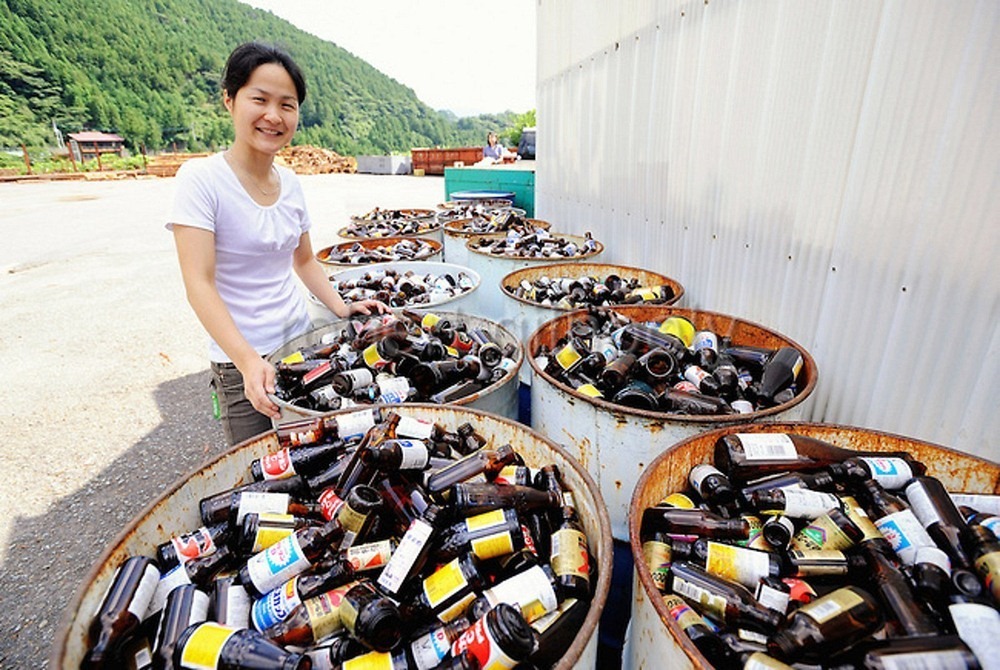
Do you find separating trash by paper and plastic a chore? Then think about the residents of Kamikatsu, a small town in the mountains of Shikoku Island in south-west Japan, who have to segregate trash into 45 different categories. At the waste collection center, there are separate bins for different types of products: newspapers, magazines, cartons, metal caps, plastic bottles, aluminum cans, steel cans, spray cans, fluorescent lights, and so on. You might think this is an overkill, but Kamikatsu’s residents have a goal to achieve—zero waste, and they are already at 80 percent complete.

Originally, Kamikatsu disposed trash just like any other small town around the world: they dumped it in nature or burned it at their homes. But burning trash produces an awful lot of greenhouse gases, and landfills pollute the environment. So Kamikatsu’s people decided to change. In 2003, they introduced the concept of “Zero Waste”.

In the beginning, it was difficult for everyone. Washing and sorting the trash became a tedious and time consuming task. Both glass and plastic bottles must be relieved of their caps and sorted by color. Plastic bottles for soy sauce and cooking oil must be kept separate from Pet bottles that once contained mineral water and green tea. Any plastic or paper wrapping around the bottles must be removed. Newspapers and magazines have to be piled into neat bundles and tied with a twine. The rules are myriad.

There are no garbage trucks to collect trash from homes, so residents have to bring their own trash to the recycling center. Workers at the center then make sure the trash has been properly sorted and goes into the right bins. Used clothes, jewelry and other stuff that people no longer need are dropped off at the recycling store and exchanged for other items that others have dropped off, at no cost. Down the street, there’s a local factory where the women of the town produce items from unwanted goods, like teddy bears from old kimono.

What was originally a huge burden became a way of life in Kamikatsu. People began to look at trash differently. They became more conscious of what they buy, how they use and how they dispose things. One store owner in Kamikatsu said that since the program started, he began to buy things that only came in cardboard boxes so that boxes can be used for packing other things.

Eventually, the small town of just over 1,700 people become so good at recycling that only 20 percent of trash produced goes to the landfill, but they hope to eliminate even that by 2020.

Source….www.amusingplanet.com

Natarajan


Ice Stupas: These Artificial Glaciers Are Solving Water Crises in The Himalayas….

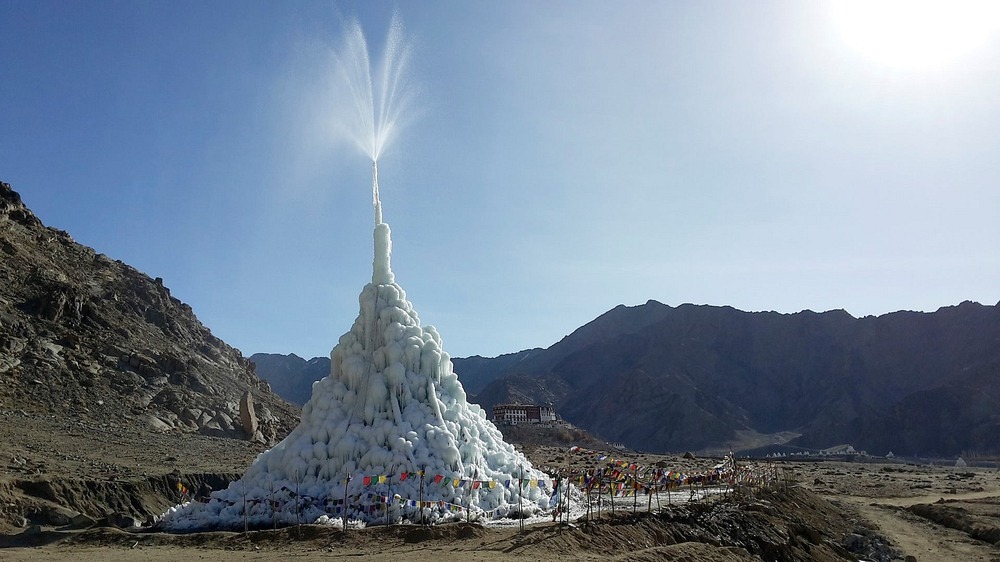
High in the Himalayas in northern India, at a remote village near Phyang Monastery in Ladakh, stands two gigantic ice cones. They were built last winter by piping water from glaciers and streams high up in the mountains, and allowing the water to freeze in the cold winter nights. All throughout spring, the sun slowly melted the cones providing a steady supply of water for the villagers to irrigate their fields of barley, apples, and other crops. These ice cones are called ice stupas, because of their distinct shape resembling the mound-like Buddhist shrine. If everything goes as planned, there will be fifty more of these ice stupas everywhere in Ladakh providing farmers with tens of millions of liters of water to irrigate their crops with it.

The Ladakh region in  in India is a cold desert. Being located on the leeward side of the Himalayas, monsoon clouds are denied entry leading to a dry and rainless climate. The main source of water here is the winter snowfall on the mountains.

Each winter large shelves of ice form at high altitudes and melt throughout the spring, flowing downwards as streams around which civilization thrive on the mountain. But during the two crucial months of April and May, when farmers plant new crops, the streams dry up. By mid-June, as temperature rise sharply, fast melting of the snow and glaciers in the mountains causes an excess of water and even flash flooding at times. By autumn, all farming activities ceases and yet, a small stream continue to flow throughout the winter steadily and wastefully going into the Indus river without being of use to anybody.                                                                                                                                                   Photo credit: Sonam Wangchuk

In 2014, a Ladakhi engineer, innovator and education reformist Sonam Wangchuk, came up with a solution to the problem—collect the wasting winter water from the streams and store it in giant ice mountains that melt in spring and feed the farms when water is most needed.

The idea grew in his mind one warm May morning when Wangchuk noticed ice under a bridge, which made him realize that it was direct sunlight that was melting the ice on the ground and not ambient temperature.

Wangchuk’s solution is very simple and elegant that requires no pumps or power to work. An underground pipe brings water from high up the mountains, usually 60 meters or more, to lower altitude where it is allowed to spray out into the freezing winter air by the pressure of gravity alone. The water instantly freezes before it falls to the ground, slowly forming a huge ice cone roughly 30 to 50 meters tall. The cone shape also has the advantage of having a low surface area in comparison to its volume, exposing very little of the ice to direct sunlight, and thus delaying its melting.

One of the first prototypes Wangchuk built was 20 feet tall and contained 150,000 liters of water. It lasted throughout the spring and into mid-May even when the temperature was above 20°C. Another much larger stupa grown near a forest survived until July.

The two ice stupas Wangchuck built near Phyang Monastery are about 80 feet tall and contained enough water to irrigate 10 hectares of land throughout the dry months. It was entirely a crowdfunded project. For his work, Wangchuck also received financial assistance from the Swiss watch giant Rolex. The money, he says, will be used to build more ice towers.

Source…..Kaushik  in http://www.amusingplanet.com

Natarajan