“Where did You Learn” ?……asked Mahaperiavaa…..

source:::: input from one of my friends.. a “must read”..by everybody in the present day context ….

Natarajan

A good message for the young and the old alike!

“Where did you learn?” (An article written by Dr. C.R. Swaminathan, former Deputy Educational advisor to Govt. of India given to a souvenir. Here is a gist of the article.)

This happened in the year 1956-57, when H.H. Sri Kanchi Mahaswamigal was camping at the Madras Sanskrit College, Mylapore, Madras. One evening, Mahaswamigal was about to address a huge gathering in which great personalities like Rajaji were present. He was contemplating about the topic he should speak on. Suddenly, he called late Prof. Sankaranarayana Iyer, who was standing by the side of the dais and recited two lines of a Sanskrit verse. He asked the Professor if he remembered the remaining two lines of that verse. The Professor pleaded ignorance and got down from the dais.

This conversation took place before the mike, so audience gathered could easily hear its details. Dr.C.R. Swaminathan, the author of the article on Mahaperiyava, heard the beginning of the Sanskrit verse that Periyavaa recited. Since he happened to know the other two lines of the verse, he went to Prof. Sankaranarayana Iyer and told him those two lines. The Professor went up the dais again and recited the lines before Mahaswamigal. Mahaperiyava asked him, “You said you did not know the lines. How come you know them now?” The professor replied “Someone in the audience remembered it and told me.”

Mahaperiyavaa inquired who was the person and told the Professor to call Dr. Swaminathan to the dais. When he came, Paramacharya inquired about his name and occupation. Then the sage asked, “Where did you study?” Thinking that the question was about his academic education, Dr. Swaminathan replied that he studied in the Presidency College, Madras. “Not that. Where did you learn this verse?”. Dr. C.R. said that his grandfather taught him the verse when he was a child. Paramacharya inquired about his native place, his grandfather’s name and his family details. The entire conversation was held before the mike, so the audience heard every bit of it. The verse in question was the following:
arthaaturaanam na gurur na bandhu,
kshudhaathuranam na ruciki na pakvam,
vidyaturaanaam, na sukham, na nidra,
kaamaaturanam na bhayam na lajja.

One who pursues wealth knows no guru or relations.
One who is hungry knows not taste or if the food was cooked well.
One who pursues knowledge knows neither comfort nor sleep.
One who has desires knows no fear or shame.

Later in the discourse, Paramacharya dealt with the Kenopanishad and explained how Goddess Parvati came as a teacher to enlighten the celestials about the supreme Brahmin. When concluding the discourse, he referred to the earlier incident and said: “Before I started delivering my discourse, I called a young man to the stage to know where from he learnt the subhashita verse, of which I recited the first half. I knew who he was. What I wanted him to tell you about his reciting the other two lines this moral verse was that he had learnt it, not from his school or college, but from his grand-father, and that too during his childhood days. It was to impress upon you all that children should get moral education at home from elders because they cannot get it from the modern schools and colleges”.

Dr. Swaminathan concluded his article with these words:”I am recalling this incident to show that an insignificant person like myself, extremely nervous, while standing before H.H. on the dais, noticed by about thousands of people forming the audience, could be utilized by the Acharya to drive home to the audience that –

(a) a joint family system with elderly parents and grandparents can serve as a
valuable supplement to the school education of young children.

(b) the elders can usefully spend their time by narrating such stories and morals to the children and

(c) such teaching can be retained in one’s memory only if imparted at the formative age.”

The above incident happened about 56 years before, but the message holds good even today and will stand for years to come.

=== > Being “human” is being to others what you are to yourselves.

=== > We come to love not by finding a perfect person, but by learning to see an imperfect
person perfectly.

சென்னை …..பெயர் எப்படி வந்தது ? How did chennai get its name?

source:::: tamil thayagam net

Natarajan

Very interesting article on how chennai got its name

சென்னை என்ற பெயருக்கும் அங்குள்ள பல இடங்களின் பெயருக்கும் அந்த பெயர்கள் எப்படி வந்தன என்று தெரியுமா ? தொடர்ந்து படியுங்கள் :

சென்னை: –
சென்னபசவ நாயக்கன் என்பவன் தான் ஆண்ட பகுதியை 1600 வருடம் வாக்கில் வெறும் 10000 ரூபாய்க்கு கிழக்கிந்திய கம்பனியாரிடம் விற்றுவிட்டாராம். அவர் ஆண்ட பகுதியின் ஞாபகமாய சென்னப் பட்டணம் என்று அழைக்கப்பட்ட இடம் சென்னையாகி விட்டது.

மதராஸ் :-
முகமதியர்கள் பலர் இங்கே பள்ளிவாசல்களை நிறுவி தொழுகை நடத்தியபடி இருந்ததால், மதராஸே என்று அழைக்கப்பட்டது பின் நாளில் மெட்ராஸாகிவிட்டது.

கோடம்பாக்கம் –
கோடா பாக் : குதிரைகளும் அதை வளர்ப்பவர்களும் நிறைந்த பகுதியாய் இருந்த இடம் இன்று கோடம்பாக்கம் ஆகிவிட்டது.

மாம்பலம்:
மாம்லான் எனும் ஆங்கிலேய கலக்டெர் தங்கியிருந்த இடம் இன்று மாம்பலமாகி விட்டது

மற்றொரு பெயர் காரணம்

மா அம்பலம் :-
ஒரு காலத்தில் மிகப் பெரிய சிவாலயம் இங்கிருந்ததாகவும் அந்த ஆலயம் அடங்கிய பகுதி மா அம்பலம் என வழங்கப் பட்டதாம். இன்றைய க்ருஷ்ணவேணி திரையரங்கமே ஒரு கோவில் மிகப் பெரிய திருக்குளம் என்று சொல்லப்படுகிறது.

சைதாப்பேட்டை: சதயு புரம் :
சதயு எனும் மன்னன் 108 சிவாலயங்களை எழுப்பினான். அதில் 108வது சிவாலயம் சதயுபுரத்தில் இருக்கும் திருக்காரணீசன். சதயுபுரம் கூப்பிட வசதியாய் சைதாபேட்டையாகிவிட்டது.

கிண்டி:-
ப்ருங்கி முனிவர் தன்னுடைய தவக்காலத்தில் பூஜைக்கான கிண்டியைப் பொருத்திய இடம் இன்று கிண்டியாகிவிட்டது.

பரங்கிமலை:-
ப்ருங்கி முனிவர் வழிபட்ட சிவாலயம் இன்றும் பரங்கி மலையில் இருப்பதாகச் சொல்கிறார்கள். சர்ச்சுக்குள் பழைய கோவிலின் கட்டமைப்புகள் இருப்பாதாகச் சொல்லப்படுகிறது (ஆய்வுக்குரியது).

சேத்துப்பட்டு:
மண்பாண்டம் செய்யும் குயவர்கள் அதற்கான மண்ணை இந்த பகுதியில் சேறு போல் குழைத்து மாட்டு வண்டியில் எடுத்துச் செல்வார்களாம். சேறு குழைத்த இடம் சேற்றுப்பட்டு.

எழுமூர்:
இன்றும் சென்னையில் சூர்யோதயம் விழும் முதலிடம் எழுமூர். பூமி மட்டத்தின் மேல் தளத்தில் உள்ளது. சூரியன் எழுமூர் இன்று எழும்பூராகிவிட்டது. இதற்கு சாட்சி, தாஸப்ரகாஷ் அருகிலுள்ள சந்தில் இருக்கும் சிவனுக்கு எழுமீஸ்வரர் என்று பெயர்.திருநாவுக்கரசரால் வைப்புத் தலமாய் பாடப்பட்ட திருத்தலம்.

ராயபுரம்:
பல்லவ மன்னனின் அமைச்சரவையில் இருந்த ராயர்களுக்கு ஒதுக்கப்பட்ட மானியம் ராயர்புரம் இன்று ராயபுரம்.

சிந்தாதரிப்பேட்டை: சின்ன தறிப் பேட்டை :
சிறிய அள்விலே தறி வைத்துக்கொண்டு குழந்தைகளுக்கான துணிகளை நெய்த பகுதி இன்று சிந்தாதரிப்பேட்டை.

தண்டையார்பேட்டை :
பல்லவ ராஜ்யத்தில் உள்ள கோவில்களின் கைங்கர்ய தொண்டை ப்ரதிபலன் பாராது ஆற்றி வந்த அன்பர்களுக்கான் குடியிருப்புக்கு கொடுக்கப் பட்ட மான்யம் தொண்டையார் புரி இன்று தண்டையார் பேட்டை.

புரசவாக்கம்: புரசைப் பாக்கம்:
புரசுக் காடுகள் மண்டியிருந்த பகுதி இன்று புரசவாக்கம்.

அமிஞ்சிகரை: அமைந்தகரை அமர்ந்தகரை:
ராமபிரான் (லவகுசர்களிடம் போரிட்டு வெற்றி காண முடியாமல்) அமர்ந்த கூவக்கரை இன்று அமைந்தகரை.

செங்கல்பட்டு: செங்கழுநீர் பட்டு :
செங்கழுநீர் பூக்கள் நிறைந்த குளங்களை நிறைய கொண்ட இடம் இன்று செங்கல்பட்டு.

பெருங்களத்தூர் :
பெரிய பெரிய குளங்களை தன்னகத்தே கொண்ட விவசாய பூமி இன்று பெரிய குளத்தூர் இன்று பெருங்களத்தூர்.

பல்லாவரம்:
பல்லவபுரம் பல்லவர்கள் எழுப்பிய சமணப்பள்ளிகள் உள்ள இடம். அனகாபுத்தூர் அருகே இன்றும் காணலாம்.

பரங்கிமலை:-
பரங்கியர் என ஆங்கிலேயருக்குப் பெயர். St. Thomas Mount -ல் பரங்கிப் படையினர் வசித்ததனால், அது பரங்கிமலையாக வழங்கியிருக்க வேண்டும். மற்றோர் உதாரணம் – பரங்கிப் பேட்டை – Porto Novo – போர்த்துகீசியரின் கோட்டை – கடலூர் அருகிலுள்ளது.

பூந்தமல்லி :
பூந்தண் எனும் அசுரனுக்கு ஈசன் மோக்ஷம் கொடுத்த இடம். மல்லிகாடுகள் அடர்ந்த இடம் இன்று பூந்தமல்லி.

நந்தம்பாக்கம்:
நந்தர்கள் எனும் வம்சத்தவர்கள் ராமனை வரவேற்ற இடம் இன்று நந்தம்பாக்கம்.

ராமாபுரம்:
ராமபிரான் தங்கிய மாஞ்சோலை இன்று ராமாபுரம்.

போரூர்:
முருகப்பெருமான் சூரஸம்ஹாரத்திற்கு ஆயுதம் எடுத்த இடம் இன்று போரூர்.

குன்றத்தூர்:
குன்றுகள் நிறைந்த ஊர் (சீக்கிரம் போய் பாருங்க… ஏன்னா மல முழுங்கிங்க புல் டோசரோட காலி பண்ணிக்கிட்டிருக்காங்க).

ஸ்ரீ பெரும் பூதூர்:
அசுர பூதங்கள் நிர்மாணம் பண்ணிய சிவாலயபுரி இன்று ஸ்ரீ பெரும்புதூர்.

சுங்குவார் சத்திரம்:
பழங்காலத்தில் வரி வசூலித்த டோல்கேட் இன்று சுங்குவார் சத்திரம்.

நந்தனம்:-
மா அம்பலத்திலிருந்த சிவாலய நந்தவனம் இருந்த இடம் இன்று நந்தனம். இங்கு பூமியுலிருந்து எடுக்கப்பட்ட நந்தி சிஐடி நகரில் இருக்கிறது.

யானை கவுணி :
திருக்குடை வைபவத்தில் எம்பெருமான் யானை போல் ஒடி தாண்டினாராம்.ஒரே சமயத்தில் இரண்டு ரயில்வே கேட்டுகள் போடப்பட்ட பெரிய நுழைவயில் யானகவுணி.

மாதவரம்:
மாதவன் ஈசனிடம் வரம் பெற்ற இடம் இன்று மாதவரம். புராதன சிவ்-விஷ்ணு ஆலயங்கள் உள்ளன.

வளசரவாக்கம்: வள்ளி சேர் பாக்கம்:
முருகப் பெருமான் வள்ளியோடு சேர்ந்த இடம் இன்று வளசரவாக்கம். இங்கு 7 அடி முருக விக்ரகம் பூமியிலிருந்து கிடைத்து கோவில் கட்டியிருக்கிறார்கள். எல்லா டீவி சீரியலிலும் தவறாமல் இக்கோவில் வரும்.

ஈக்காட்டுதாங்கல் :
ஈர காடு தங்கல் : வருடத்தில் ஒருநாள் திருவல்லிக்கேணி பார்த்தசாரதி பெருமாள் இங்கே ராத்தங்கலுக்கு வருவார். எங்குபார்த்தாலும் தண்ணீரில் மிதக்கும் காட்டிற்கு நடுவே எம்பெருமானின் சோலை இருந்ததாம். இன்று ஸ்வாஹா…….

முகப்பேர் : மகப்பேர் ஸந்தானபுரி.

முகலிவாக்கம் :
கோவூர் ஈசனின் க்ரீடம் (மௌளி) இருந்த இடம் மௌளிவாக்கம் இன்று முகலிவாக்கம்.

அயனாவரம்: அயன் (ப்ரஹ்ம்மா பூசித்த சிவன்) வரம் பெற்ற இடம்.

(இணையத்தில் இருந்து)

World”s First Flying Car !!!!!!..”Transition”….

source::::: bbc .com

Natarajan

US company Terrafugia has put on display a prototype car that is licensed to fly as well as drive, at the New York International Auto Show.

It is the first fully integrated flying car in the world to have met both the standards of the FAA (Federal Aviation Administration) and the NHTSA (National Highway Traffic Safety Administration), according to Cliff Allen, vice-president of sales at Terrafugia.

This makes it the first “street legal aeroplane”, he said.

Known as the Transition, the versatile vehicle has two seats, four wheels and retractable wings.

“

It is expected to be available next year, with a price tag in the region of $279,000 (£176,300).

Test flight

The vehicle currently has an experimental certificate from the FAA, meaning the company has permission to fly it in US airspace for test purposes. The company hopes in time it will gain a light sport aircraft licence.

The hybrid vehicle completed its first successful test flight at Plattsburgh International Airport near Montreal in Canada last month.

A retired US Air Force test pilot took the maiden voyage – after volunteering his services.

Transition completed a successful test flight on 23 March this year at Plattsburgh International Airport

“We are very fortunate to have found him,” said Dr Samuel Schwegart, an engineer at Terrafugia working on the project.

The vehicle flew at 1,400ft for eight minutes.

However, important details still need to be worked out from test data, including the stall speed of the aircraft.

There are significant design challenges marrying a roadworthy vehicle with a skyworthy one, according to Dr Schwegart.

“We were curious to see how it would take off,” says Dr Schwegart. “Unlike a normal plane, it cannot rock back on its rear wheels at the moment of take-off, because it is designed to be stable as a car on the road.”

The engineers also found that Transition needed more speed than anticipated on take-off, to generate the necessary lift for ascent.

A hard landing was also reported, but nothing of concern, according to Dr Schwegart.

Maintenance levels

“You can pull up at a regular gas station to fill it up,” says Dr Schwegart. A full tank holds 23 US gallons (87 litres) of fuel.

The vehicle has retractable wings allowing it to fit in a suburban garage
It requires Premium 91-octane fuel, and does 35 miles to the gallon on the road, and 28 miles in the air.

“The discrepancy is because of drag,” according to Dr Schwegart.

Although Transition can be stored in a normal garage, it needs a 1,700ft (520m) runway to take off.

According to the company, this is no problem, as there are 5,000 state airports in the United States. And there are a further 5,000 private ones, which might just mean a simple runway belonging to a farmer in a field.

Terrafugia calculates that you are rarely further than half an hour from a take-off point – and there are apps like Foreflight which will tell you where the nearest one is, whether you are on the ground, or up in the air hoping to come down.

“You just do your pre-flight checks, unfold your wings and away you go,” says Dr Schwegart.

Target market

The automated folding wings are an important feature of the vehicle, as wing design has confounded previous attempts to bring flying cars to a mass market.

Moulton Taylor’s Aerocar in the late 1940s gained a flying certificate in the US, but its detachable wings put many potential customers off.

They had to be fixed to the vehicle by hand, and transported on a trailer that was so long, it required a special road licence.

Terrafugia’s Transition has 100 pre-orders, which in it’s current small production facility in Woburn, Massachusetts, already means a 2-3 year backlog.

The initial target market for Transition was pilots, according to Dr Schwegart, but the company is now reaching out to people with no aviation background.

Terrafugia says the New York Auto Show has expanded their order book
The vehicle offers an “advanced level of freedom in life, more efficiency in personal travel”, according to a company representative.

With a range of 644 miles (1,035km) on a full tank, the vehicle could in theory make a non-domestic journey. For the time being, however, the vehicle is restricted by its licence to flying in the United States.

Concorde is Out…But Supersonic Jet may Take Off !!!!!!

source:::: bbc .com….travel

Natarajan

On a gusty March day in 1969, the future of air travel was revealed.

A spontaneous burst of applause could just be heard over the deafening roar of the plane’s four giant engines as they sped the sleek aircraft into the sky. Twenty seven minutes later the screech of wheels and a whoosh of a parachute, signaled the end of the maiden voyage of Concorde, one of only two supersonic passenger planes to ever fly.

When the slender, beak-nosed aircraft entered service seven years later they whisked champagne-sipping passengers across the Atlantic in just three and a half hours. The twenty craft went on to fly routes for another 27 years to South America, Malaysia and beyond, proving a hi-tech vision of glamorous, fast-living. But it all came to an end in 2003, when the fleet was retired over concerns about high operation costs, limited demand for the expensive tickets and the jets’ safety, following a deadly crash three years earlier.

But supersonic, commercial air travel still holds an allure for passengers, pilots and engineers alike. And now, with the help of modern materials and advanced computer simulations, aerospace researchers hope they will be able to overcome some of the issues that Concorde faced, providing a blueprint for the next generation of supersonic planes.

Big bang theory

Two of the main problems facing any supersonic aircraft are increased drag, meaning increased fuel consumption, and that famous “sonic boom”, a loud gunshot-like noise that disturbed anyone unfortunate to be under the flight path.

The blast, which occurs when the plane breaks the sound barrier, is why Concorde was limited to routes over the ocean. You could travel from London or Paris to New York at high speeds, but there was no onward connection to Los Angeles. And several other countries were forced to ban the plane from its airports or even airspace, for the disturbance it caused.

“Although the aircraft is moving faster than the speed of sound, it generates pressure waves that only move AT the speed of sound” explains Professor Karthik Duraisamy, from Stanford University, an expert in modeling this type fluid flow.

“The pressure waves start bunching up together, and create a so-called shockwave. If you’re standing on the ground and the plane flies above you, the wave passes over you. That’s the sonic boom.”

Big names in the aviation industry are trying to find solutions, including Boeing, Lockheed Martin, and Nasa. The space agency recently conducted wind tunnel tests of designs from both manufacturers that showed the showed the boom could be reduced to levels that are generally thought to be acceptable for routine overland flights. But an engineer at MIT, believes that a radical idea from the 1950s may hold the key to ‘boomless’, fuel-efficient craft.

Professor Qiqi Wang is part of a team that has shown that a bi-plane – essentially two, stacked wings – could bring huge improvements over the traditional delta-wing seen on Concorde. The idea was first proposed by German engineer Adolf Busemann, an influential aerospace designer who among other things first proposed the use of ceramic tiles to protect the Space Shuttle on reentry. According to theory, the Busemann bi-plane, when travelling at supersonic speeds, should produce less drag meaning it should use less fuel. Plus, the triangular wings can be “tuned” so that sonic boom is almost entirely eliminated.

“When we have two wings, if we place them in a carefully designed manner, the shockwaves from the two wings can cancel each other” says Prof.Wang.

However, the design has a major limitation for a plane – it lacks lift. The two wings create a narrow channel that limits the amount of air that can flow between them. When the plane accelerates through the sound barrier it becomes “choked” with air, causing an incredible amount of drag – much larger than a traditional Concorde-like design. This effectively means that a supersonic bi-plane works beautifully on paper, it could never reach supersonic speeds in the first place. Not only that, but the sonic-boom cancellation only works at a specific speed. If you are not at that exact speed, you don’t get the desired effect.

Shape shifters

To address these problems Wang turned to computer modeling to come up with an optimum wing shape for different speeds. The researchers then crunched through the 700 different shapes to produce an optimal configuration that would work at all speeds. Amongst the design tweaks they came up with were a smoothed inner surface for each wing to help air flow. The overall result is a wing that could fly at supersonic speeds, with half the drag of Concorde; something that could significantly cut fuel use.

Whilst it sounds like Wang and his team have cracked the problem, there is still a long way to go. So far, Wang has only shown the bi-wing concept working in two dimensions. Scaling this up to a three-dimensional prototype is more of a challenge. And expanding wing design to plane design, and getting everything to work together will be harder still.

“We are experts in designing components, and we are experts in designing something for a specific condition” says Duraisamy, who was not involved in the MIT work. In a supersonic aircraft though, nothing is constant. The conditions at take-off and landing are very different to the conditions at cruising speed. The plane encounters a whole range of possibilities, from different temperatures to different air densities.

“When you think about a supersonic aircraft it has to take-off at zero velocity, and has to reach a supersonic velocity and keep flying there,” says Duraisamy. “It also operates at zero altitude to extremely high altitude.”

But a Japanese group at Tohoku University may hold the key. The group has also been working on a Busemann bi-plane called Misora (Mitigated Sonic Boom Research Airplane and the Japanese for “beautiful sky”). However, unlike the MIT project that aims to design one wing for all uses, the Japanese project has proposed movable control surfaces so that the wings could change shape at different speeds. And if that sounds far-fetched, consider Concorde’s “drooping nose” that could be raised and lowered at different stages of flight. Of course to shape and sculpt a wing will take much more sophisticated technology and materials, but these shape-shifters could hold the key to next-generation supersonic air travel.

“I think that’s very likely” says Wang.

However if you are holding off booking that dream transatlantic trip in the hope of the shorter flight time in the near future, you may have a long wait. Duraisamy believes it will be “15 to 20 years” before anything like Concorde is seen in the skies again. And even then, it probably won’t get around all of the problems Concorde encountered.

“Maybe a supersonic business jet will come first,” he says, “because people are willing to pay the money.”

Stowaway Pet Cat Survives 10 hour Flight !!!!!!!

A U.S. woman says the pet cat that sneaked into her luggage for a flight to Florida has returned home safely and seems unaffected by his surprise vacation.

Ethel Maze tells The Circleville Herald newspaper that Bob-Bob the cat spent 10 hours in a suitcase before she opened it last week. She says the cat was lethargic and wet from perspiration, and at first she thought he’d died.

Eventually the cat perked up, and he spent the week in a crate at Maze’s hotel. He rode in a carrier near Maze’s seat for the return flight.

The man who handled the bags for Maze’s group at Port Columbus International Airport in Ohio told reporters he thought he saw the bag move but loaded it anyway.

source:::::BIGPOND TIMES , Brisbane

Natarajan

Lost in Aircrash… Found after 46 Years!!!!!

Copies of The Hindu found in diplomatic bag that went down with AI aircraft 46 years ago

LATE MAIL: A mail bag recovered from the Air India Flight 101 that crashed into Mont Blanc in France on the morning of January 24, 1966, displayed at the Ministry of External Affairs in New Delhi on Tuesday. Photo: Sandeep Saxena
The HinduLATE MAIL: A mail bag recovered from the Air India Flight 101 that crashed into Mont Blanc in France on the morning of January 24, 1966, displayed at the Ministry of External Affairs in New Delhi on Tuesday. Photo: Sandeep Saxena

A bag of Indian diplomatic mail, which went down with an Air India (AI) aircraft 46 years ago in the French Alps, was on Tuesday put on display in the Ministry of External Affairs.

A tough khaki sack with Ministry of External Affairs stencilled in fading black, it yielded not diplomatic papers but Air India calendars and newspapers, including copies of The Hindu, then priced at just 13 paise. Dated January 21, 1966, The Hindu’s slightly shrivelled front page indicated that the previous day had been newsy — Indira Gandhi, the Prime Minister designate, had said a new Cabinet would be sworn in on January 25 but declined to answer questions on the probable candidates.

The bag was in the cargo hold of an Air India flight, named Kanchenjunga, which crashed on Mont Blanc in the Swiss Alps while descending for a stopover at Geneva killing all the 117 aboard, including noted nuclear physicist and father of the Indian nuclear programme Homi Jahangir Bhabha and upcoming trade union leader Satish Loomba. Eerily another Air India plane, the Malabar Princess, had crashed on the same south-west face of Mont Blanc in 1950.

There has been virtually no trace of the Malabar Princess. But in the case of Kanchenjunga, there was a shoe, cables and a jute bag stamped ‘Diplomatic Mail’ and ‘Ministry of External Affairs’ “sitting as if someone had just placed it there,’’ said mountain rescue worker Arnaud Christmann and his neighbour Jules Berger who chanced upon the debris on August 21.

Glaciers and mountain faces pose forbidding challenges for human beings seeking to explore them. Nature in the form of snow drifts tends to cover the tracks only too well. If this bag took 46 years to recover, closer home it took 35 years before a salvage team reached the remains of sepoy Bali Ram who, along with his comrades at Garhwal Rifles, died when a Leh-bound Indian Air Force troop lifter crashed on the South Dhaka Glacier near Manali, Himachal Pradesh in 1968.

இன்ஸ்டன்ட் கவிதை ….பிள்ளையாரப்பா !!!!!

தகப்பன் சாமிக்கு அண்ணனே என் அப்பன் பிள்ளையார்

அப்பனே ….அப்பமொடு அதிரசம் அவல் பொரியும்

உன் மனம் மகிழ மோதகமும் தப்பாமல் உனக்கு

நான் தருவேன் அப்பா …..

தப்பு என் மீது எது இருந்தாலும் …. நீ

தப்பாமல் என் வீடு வந்து அப்பமெல்லாம் சப்பு கொட்டி

சாப்பிடு அப்பா !!!!! என் அப்பனே பிள்ளையாரப்பா !!!!!!        pillayaru

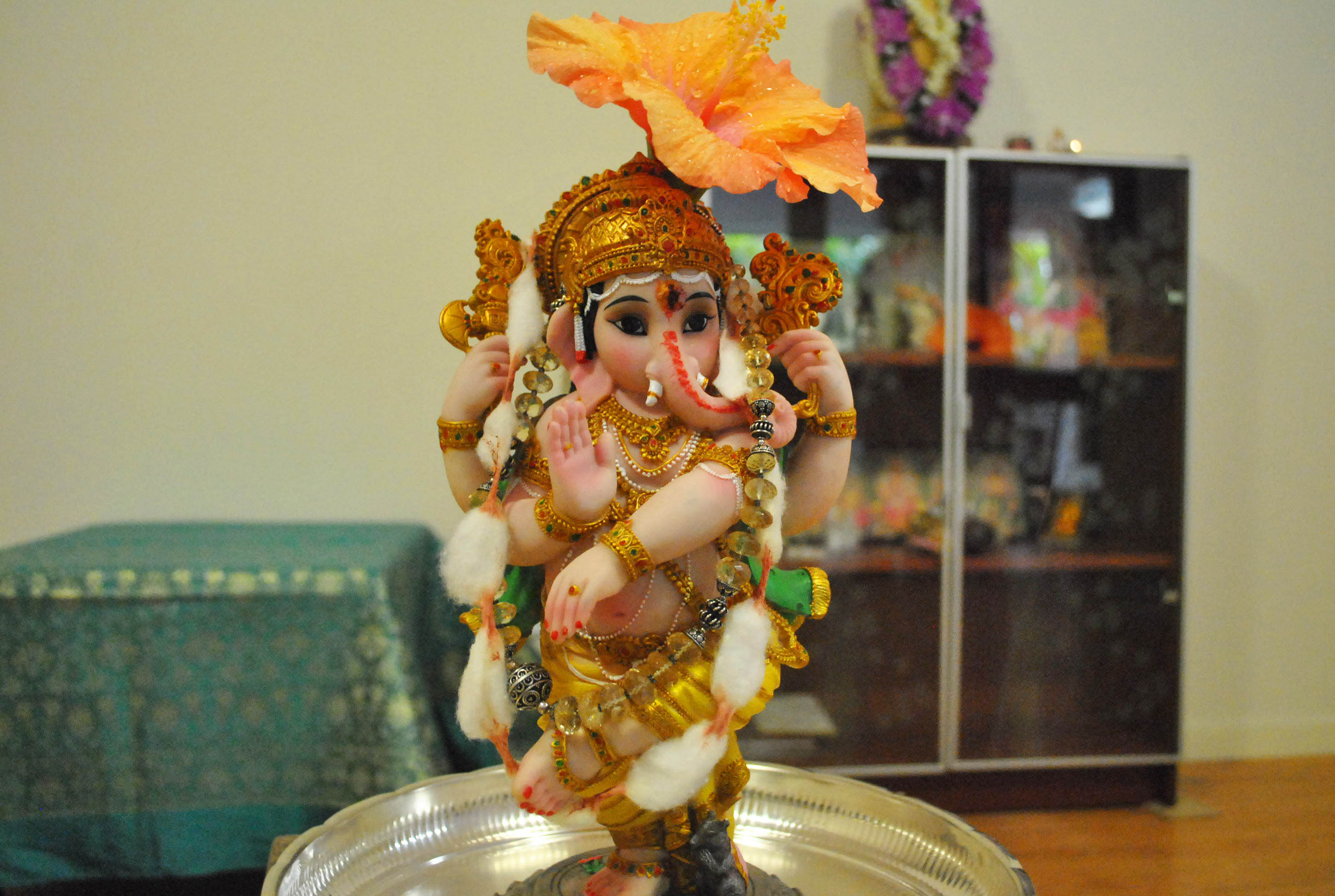
A poetic welcome to Pillayar on this DAY of GANESH CHATURTHI….

Natarajan

மோதகப் பிரியன் மனம் மகிழ ……

HAPPY BIRTHDAY TO OUR PILLAYAR…. on this day we normally make traditional Kolukattai…A friend of mine from chennai has given ideas for making Modern Kolukattai with different ingredients ….

It will certainly be useful for our people living all over the world…Keeping in mind the ingredients they get in their respective countries!!!!!!

Have a cheerful GANESH POOJA with modern kolukkattai !!!!!!!!

Natarajan

மோதகப் ப்ரியன்’ மகிழும் ‘பலவகை கொழுக்கட்டைகள் !!!

மோதகப் ப்ரியன்’ விநாயகப் பெருமானைப் போற்றி மகிழும் விநாயகர் சதுர்த்தி திருநாளை, பொன்னாளாக கொண்டாட உதவும் வகையில், ‘பலவகை கொழுக்கட்டைகள் இங்கே.

”ஆவியில் வேக வைப்பதால், கொழுக் கட்டை எளிதில் ஜீரணமாகும். எனவே, விருப்பப்படும் நாட்களில் எல்லாம் செய்து பரிமாற… பீட்ரூட் கொழுக்கட்டை, சேமியா கொழுக்கட்டை, ட்ரை ஃப்ரூட்ஸ் கொழுக் கட்டைகள். விநாயகர் அருளால் உங்கள் இல்லத்தில் எல்லா வளமும் நிறைந் திருக்கட்டும்”

புரோட்டீன் கொழுக்கட்டை

தேவையானவை: பச்சரிசி மாவு – ஒரு கப், சோயா பீன்ஸ் – அரை கப், கடுகு – அரை டீஸ்பூன், உளுத்தம்பருப்பு, கடலைப்பருப்பு – தலா ஒரு டீஸ்பூன், இஞ்சி – ஒரு சிறிய துண்டு, பச்சை மிளகாய் – 4, கறிவேப்பிலை – சிறிதளவு, பெருங்காயத்தூள் – ஒரு சிட்டிகை, தண்ணீர் – ஒன்றரை கப், எண்ணெய் – 4 டீஸ்பூன், உப்பு – தேவையான அளவு.
செய்முறை: சோயா பீன்ஸை ஊற வைத்து, ரவை போல கொர கொரப்பாக அரைத்துக் கொள்ளவும். இஞ்சி, பச்சை மிளகாய், சிறிதளவு உப்பு மூன்றையும் சேர்த்து அரைத்து இதனுடன் கலக்கவும். கடாயில் 2 டீஸ்பூன் எண்ணெய் விட்டு, சூடானதும் கடுகு, உளுத்தம்பருப்பு, கடலைப்பருப்பு போட்டு வறுத்து, பெருங்காயத்தூள் சேர்க்கவும். அத்துடன் அரைத்த சோயா பீன்ஸ் விழுது சேர்த்து, கறிவேப்பிலையை கிள்ளி போட்டு, சிறிதளவு உப்பு சேர்த்துக் கிளறவும். வெந்து உதிரியாகும் வரை கிளறி எடுக்கவும். இதுதான் பூரணம்.

கடாயில் தண்ணீர் விட்டு, சிறிதளவு உப்பு, ஒரு டீஸ் பூன் எண்ணெய் விட்டு கொதிக்கவிடவும். இதில் பச்சரிசி மாவு தூவி கட்டி இல்லாது கிளறி எடுக்கவும். ஆறியதும் கையில் எண்ணெய் தடவிக் கொண்டு, அரிசி மாவில் எலுமிச்சம் பழ அளவு எடுத்து உருட்டி, கிண்ணம் போல் செய்து அதில் சோயா பூரணம் ஒரு டீஸ்பூன் அளவு வைத்து மூடி, கொழுக்கட்டை வடிவம் கொடுக்கவும். தயாரித்தவற்றை ஆவியில் வேக வைத்து எடுத்தால்… புரோட்டீன் கொழுக்கட்டை தயார்.
குறிப்பு: சத்தான, புதுமையான இந்தக் கொழுகட்டை, எல்லோருக்கும் ஏற்றது. எளிதில் ஜீரணம் ஆகக் கூடியது.

பீட்ரூட் கொழுக்கட்டை

தேவையானவை: பீட்ரூட் துருவல், அரிசி மாவு – தலா ஒரு கப், தேங்காய் துருவல் – கால் கப், பொடித்த வெல்லம் – முக்கால் கப், ஏலக்காய்த்தூள் – கால் டீஸ்பூன், நெய் – 4 டீஸ்பூன், முந்திரிப்பருப்பு – 10.

செய்முறை: அரிசி மாவை வெறும் கடாயில் வறுக்கவும். கடாயில் வெல்லம், தண்ணீர் சேர்த்து சூடாக்கி, வெல்லத்தை கரையவிட்டு வடிகட்டவும். அரிசி மாவுடன் பீட்ரூட் துருவல், தேங்காய் துருவல், ஏலக்காய்த்தூள், முந்திரிப்பருப்பு, நெய் விட்டு கலந்து… வடிகட்டிய வெல்லக் கரைசலை அதில் விட்டு, கெட்டியாக பிசைந்து கொள்ளவும். கலவையில் சிறிது சிறிதாக எடுத்து உருட்டி, லேசாக தட்டி, ஆவியில் வேக வைத்து எடுக் கவும். மேலே முந்திரிப்பருப்பை வைத்து அலங்கரிக்கவும்.

ஹெர்பல் கொழுக்கட்டை

தேவையானவை: பச்சரிசி மாவு – ஒரு கப், கொத்தமல்லி இலை – ஒரு கப், புதினா – கால் கப், இஞ்சி – ஒரு சிறிய துண்டு, பச்சை மிளகாய் – 4, எலுமிச்சைச் சாறு – ஒரு டீஸ்பூன், தண்ணீர் – ஒன்றரை கப், எண்ணெய் – 4 டீஸ்பூன், உப்பு – தேவையான அளவு.

செய்முறை: கொத்தமல்லி, புதினா, இஞ்சி, பச்சை மிளகாயை சுத்தம் செய்து ஒன்றாக சேர்த்து அரைத்துக் கொள்ளவும். இதில் எலுமிச்சைச் சாறு விட்டு கலக்கவும். கடாயில் தண்ணீர் விட்டு உப்பு, சிறிதளவு எண்ணெய், அரைத்த விழுது ஆகியவற்றை சேர்த்து கொதிக்கவிடவும் (ஒரு கொதி போதுமானது). இதில் பச்சரிசி மாவு தூவி கட்டி இல்லாது கெட்டியாக கிளறி எடுத்து ஆறவிடவும். கையில் எண்ணெயை தடவிக் கொண்டு கலவையில் சிறிது எடுத்து, சிறுசிறு உருண்டைகளாக உருட்டி வைத்து ஆவியில் வேக வைத்து எடுத்தால்… ஹெர்பல் கொழுக்கட்டை தயார்.
குறிப்பு: இது, நல்ல வாசனை யாகவும் ருசியாகவும் இருக்கும். பித்தத்தை தணிக்கும். பசியைத் தூண்டக்கூடியது.

பஞ்சரத்ன கொழுக்கட்டை

தேவையானவை: இட்லி அரிசி, துவரம்பருப்பு, பயத்தம்பருப்பு, உளுத்தம்பருப்பு, கடலைப்பருப்பு – தலா அரை கப், காய்ந்த மிளகாய் – 6, இஞ்சி – ஒரு சிறிய துண்டு, பச்சை மிளகாய் – 2, கொத்தமல்லி – கறிவேப்பிலை – ஒரு கைப்பிடி அளவு, கடுகு – அரை டீஸ்பூன், பெருங்காயம் – ஒரு சிட்டிகை, எண்ணெய் – 4 டீஸ்பூன், உப்பு – தேவையான அளவு.

செய்முறை: அரிசி, பருப்புகளை சுத்தம் செய்து ஒன்றாக சேர்த்து 30 நிமிடம் ஊற வைக்கவும். பிறகு, தண்ணீர் வடித்து காய்ந்த மிளகாய், உப்பு, இஞ்சி, பச்சை மிளகாய் சேர்த்து கெட்டியாக அரைத்து எடுக்கவும். கொத்தமல்லி, கறிவேப்பிலையை கிள்ளிப் போட்டு கலக்கவும். இட்லித் தட்டில் எண்ணெய் தடவி விட்டு, அரைத்து எடுத்த கலவையில் கொஞ்சம் கொஞ்சமாக எடுத்து உருட்டி வைக்கவும். அப்படியே ஆவியில் வேக வைத்து எடுக்கவும். கடாயில் சிறிதளவு எண்ணெய் விட்டு, சூடானதும் கடுகு, பெருங்காயம் தாளித்து, வேக வைத்த உருண்டைகளைப் போட்டு கலந்து எடுக்கவும்.

காரடையான் நோன்பு கொழுக்கட்டை

தேவையானவை: அரிசி மாவு – ஒரு கப், காராமணி – கால் கப், பொடித்த வெல்லம் – முக்கால் கப், தேங்காய் துண்டுகள் – 3 டேபிள்ஸ்பூன், ஏலக்காய்த்தூள் – அரை டீஸ்பூன், நெய் – அரை டீஸ்பூன், தண்ணீர் – 2 கப், உப்பு – ஒரு சிட்டிகை.

செய்முறை: காராமணியை வெறும் கடாயில் வறுத்து வேகவிட்டு எடுக்கவும். அரிசி மாவை வெறும் கடாயில் பொன்னிறமாக வறுத்து எடுக்கவும். வெல்லத்துடன் தண்ணீர் சேர்த்து கரையவிட்டு கொதிக்க வைத்து வடிகட்டி எடுத்து, மீண்டும் கொதிக்கவிடவும். இத்துடன் வேக வைத்த காராமணி, தேங்காய் துண்டுகள், உப்பு, ஏலக்காய்த் தூள், நெய் கலந்து… கொதிக்கும்போது அரிசி மாவை தூவி கெட்டியாக கிளறி எடுக்கவும். ஆறியதும் ஈர கையினால் கலவையை நன்கு பிசைந்து கலக்கவும். சிறிதளவு கலவை எடுத்து உருட்டி உள்ளங்கையில் வைத்து லேசாக தட்டி நடுவில் ஓட்டை போட்டு தயார் செய்யவும். அப்படியே ஆவியில் வேக வைத்து எடுக்கவும்.
குறிப்பு: இதற்கு தொட்டுக் கொள்ள ஃப்ரெஷ் வெண்ணெய் ஒரு டீஸ்பூன் வைத்து பரிமாறவும்.

ஏகாதசி கொழுக்கட்டை

தேவையானவை: அரிசி ரவை, தேங்காய் துருவல் – தலா ஒரு கப், வெல்லத்தூள் – கால் கப், ஏலக்காய்த்தூள் – கால் டீஸ்பூன், எண்ணெய் – 2 டீஸ்பூன், தண்ணீர் – 2 கப், உப்பு – ஒரு சிட்டிகை.
செய்முறை: கடாயில் தண்ணீர், உப்பு, ஒரு டீஸ்பூன் எண்ணெய் சேர்த்து கொதிக்கவிடவும். உடனே அரிசி ரவையைப் போட்டு கெட்டியாக கிளறி எடுத்து ஆறவிடவும். தேங்காய் துருவல், வெல்லத்தூள், ஏலக்காய்த்தூள் சேர்த்துக் கலந்து வைத்துக் கொள்ளவும். கையில் எண்ணெய் தடவிக் கொண்டு, அரிசி ரவை கலவையில் இருந்து சிறிய கமலா ஆரஞ்சு அளவு எடுத்து உருட்டி, நடுவில் குழி செய்து 2 டீஸ்பூன் அளவு தேங்காய் கலவை வைத்து மூடி, வட்டமாக உருட்டவும். அப்படியே ஆவியில் வேக வைத்து எடுக்கவும்.

குறிப்பு: நம் முன்னோர்கள் ஏகாதசிக்கு இதை மட்டுமே ஒரு வேளை உணவாக எடுத்துக் கொண்டு விரதம் இருந்தனர். அதனால்தான் இந்தப் பெயர்!

சேமியா கொழுக்கட்டை

தேவையானவை: சேமியா – 200 கிராம், தேங்காய் – ஒன்று (துருவிக் கொள்ளவும்), காய்ச்சிய பால் – 2 கப், அரிசி மாவு – 3 டேபிள்ஸ்பூன், நறுக்கிய வெங்காயம் – ஒரு கப், பச்சை மிளகாய் – 5 (நறுக்கியது), கடுகு, சீரகம், எள் – தலா அரை டீஸ்பூன், உளுத்தம்பருப்பு – ஒரு டீஸ்பூன், கறிவேப்பிலை – சிறிதளவு, எண்ணெய், உப்பு – தேவையான அளவு.

செய்முறை: சேமியாவை வறுத்து, பாலில் 30 நிமிடம் ஊற வைக்கவும். கடாயில் எண்ணெய் விட்டு, சூடானதும் கடுகு, உளுத்தம்பருப்பு, கறிவேப்பிலை, வெங்காயம், நறுக்கிய பச்சை மிள காய் ஆகியவற்றை வதக்கவும். தேங்காய் துருவல் சேர்த்து, தீயை நிறுத்திவிட்டு கலக்கவும். பாலில் ஊறிய சேமியா, உப்பு, அரிசி மாவு, எள்ளு, சீரகம் ஆகிய வற்றையும் அதில் கலக்கவும். கையினால் நன்கு மசித்து கலந்து சிறுசிறு உருண்டைகளாக உருட்டி, ஆவியில் வேகவைத்து எடுக்கவும்.

பாஸ்தா மசாலா கொழுக்கட்டை

தேவையானவை: அரிசி மாவு – ஒரு கப், தக்காளி – 2, வெங்காயம், குடமிளகாய், கேரட் – தலா ஒன்று, பாஸ்தா (டிபார்ட்மென்ட் கடைகளில் கிடைக்கும்) – ஒரு கப், இஞ்சி – பூண்டு விழுது – ஒரு டீஸ்பூன், பச்சை மிளகாய் விழுது – அரை டீஸ்பூன், கொத்தமல்லி, புதினா – சிறிதளவு, தக்காளி சாஸ் – ஒரு டீஸ்பூன், எண்ணெய் – 4 டீஸ்பூன், உப்பு – தேவையான அளவு.

செய்முறை: பாஸ்தாவில் கொதிநீர் விட்டு 10 நிமிடம் ஊற வைத்து எடுக்கவும். அரிசி மாவை வெறும் கடாயில் வறுத்து… உப்பு, சிறிதளவு எண்ணெய் சேர்த்துக் கலந்து, தண்ணீர் விட்டு கெட்டியாக பிசைந்து கொள்ளவும். அரிசி மாவை சிறு சிறு உருண்டைகளாக உருட்டி ஆவியில் வேக வைத்து எடுக்கவும். கடாயில் எண்ணெய் விட்டு சூடானதும் நறுக்கிய வெங்காயம், தக்காளி, குடமிளகாய், கேரட் துண்டுகள், உப்பு, இஞ்சி – பூண்டு விழுது, பச்சை மிளகாய் விழுது சேர்த்து வதக்கவும். பிறகு, தண்ணீர் தெளித்து வேக வைக்கவும். வெந்து சேர்ந்தாற்போல் வந்ததும், பாஸ்தாவை அதில் சேர்த்து கலந்துவிடவும். ஆவியில் வேக வைத்த அரிசி மாவு உருண்டைகளை சேர்த்து, லேசாக கலக்கவும். நிறைவாக, தக்காளி சாஸ், புதினா, கொத்தமல்லி தூவி கலக்கினால்… பாஸ்தா மசாலா கொழுக்கட்டை தயார்

சேவரி கொழுக்கட்டை

தேவையானவை: மிச்சமாகிப் போன சேவரி (ஓமப்பொடி, தேன்குழல், காராசேவு, காராபூந்தி போன்றவை) – ஒரு கப், அரிசி மாவு – ஒரு கப், மிளகுத்தூள் – ஒரு டீஸ்பூன், தண்ணீர் – ஒன்றரை கப், எண்ணெய் – 2 டீஸ்பூன், உப்பு – ஒரு சிட்டிகை.

செய்முறை: மிச்சமாகிப் போன ஓமப்பொடி, தேன்குழல், காராசேவு, காராபூந்தி எதுவாகிலும் ஒன்றாகக் கலந்து, மிக்ஸியில் கொரகொரப்பாக தூள் செய்யவும். இதனுடன் மிளகுத் தூள் சேர்த்துக் கலந்தால்… பூரணம் தயார். கடாயில் தண் ணீர், உப்பு, எண்ணெய் விட்டு கொதிக்கவிடவும். கொதி வந்ததும் அரிசி மாவு தூவி, கட்டி இல்லாது கிளறி எடுத்து ஆறவிடவும். கையில் எண்ணெய் தடவிக் கொண்டு, அரிசி மாவு கலவையில் சிறிது எடுத்து உருட்டி குழி செய்து, பூரணம் ஒரு டீஸ்பூன் அளவு வைத்து மூடவும். அப்படியே ஆவியில் வேக வைத்து எடுக்கவும். இதை நினைத்த நேரத்தில் செய்து அசத்தலாம்.

டிரை ஃப்ரூட்ஸ் கொழுக்கட்டை

தேவையானவை: அரிசி மாவு – ஒரு கப், பேரீச்சம்பழம் (விதை நீக்கியது) – 10, முந்திரி, பாதாம், பிஸ்தா – தலா 10, திராட்சை, வெல்லம் – தலா 50 கிராம், பொட்டுக்கடலை – 4 டீஸ்பூன், எண்ணெய் – 2 டீஸ்பூன், உப்பு – ஒரு சிட்டிகை.

செய்முறை: கடாயில் தண்ணீர், உப்பு, சிறிதளவு எண்ணெய் சேர்த்து கொதிக்கவிட்டு… அதில் அரிசி மாவு தூவி கெட்டியாக கிளறி எடுக்கவும். இதுதான் மேல் மாவு. முந்திரி, பாதாம், பிஸ்தா, பொட்டுக்கடலையை மிக்ஸி யில் கொரகொரப்பாக தூள் செய்து எடுக்கவும். பேரீச்சம்பழம், திராட்சை, வெல்லம் சேர்த்து அரைத்து, பருப்பு தூள்களை சேர்த்து ஒரு சுற்று சுற்றி எடுத்தால்… பூரணம் தயார். கையில் எண்ணெய் தடவிக் கொண்டு மேல் மாவில் சிறிது எடுத்து உருட்டி, கிண்ணம் போல் செய்து, ஒரு டீஸ்பூன் பூரணத்தை அதில் வைத்து மூடி, வேண்டிய வடிவம் கொடுக்கவும், அப்படியே ஆவியில் வேகவைத்து எடுக்கவும்.
குறிப்பு: திராட்சை, பேரீச்சம்பழத்தை வெந்நீரில் ஊற வைத்தும் அரைத்து எடுக்கலாம்.

ராகி கொழுக்கட்டை

தேவையானவை: ராகி (கேழ்வரகு) மாவு – 2 கப், அரிசி மாவு – ஒரு கப், பச்சை மிளகாய் – 4, வெங்காயம் – ஒன்று (நறுக்கிக் கொள்ளவும்), கடுகு, சீரகம் – தலா ஒரு டீஸ்பூன், உளுத்தம்பருப்பு – 2 டீஸ்பூன், கறிவேப்பிலை – சிறிதளவு, எண்ணெய் – 4 டீஸ்பூன், உப்பு – தேவையான அளவு.

செய்முறை: ராகி மாவு, அரிசி மாவை சேர்த்து வெறும் கடாயில் சூடுபட வறுக்கவும். கடாயில் எண்ணெய் விட்டு, சூடானதும் கடுகு, உளுத்தம்பருப்பு, சீரகம் தாளிக்கவும். வெங்காயம், நறுக்கிய பச்சை மிளகாய், கறிவேப்பிலை போட்டு புரட்டவும். உப்பு சேர்த்துக் கிளறவும். தேவையான அளவு தண்ணீர் விட்டு, கொதி வந்தவுடன் மாவு தூவி கிளறவும். கெட்டியானதும் இறக்கி ஆறவிடவும். ஈரக் கையினால் கலவையில் சிறிதளவு எடுத்து உருட்டி லேசாக தட்டி வைக்கவும். தயாரித்தவற்றை ஆவியில் வேக வைத்து எடுக்கவும்.
குறிப்பு: இது எல்லோருக்கும் ஏற்றது. சுகர் பிராப்ளம் உள்ளவர்களுக்கு மிகவும் நல்லது.

மின்ட் கொழுக்கட்டை

தேவையானவை: அரிசி மாவு – ஒரு கப், தேங்காய் துருவல், பொட்டுக்கடலை, புதினா – தலா அரை கப், பச்சை மிளகாய் – 4, எலுமிச்சைச் சாறு – 2 டீஸ்பூன், எண்ணெய் – 4 டீஸ்பூன், உப்பு – தேவையான அளவு.

செய்முறை: பொட்டுக்கடலை, புதினா, தேங்காய் துருவல், பச்சை மிளகாய் ஆகியவற்றுடன் எலுமிச்சைச் சாறு சேர்த்து, உப்பு போட்டு அரைத்துக் கொள்ளவும். கடாயில் 2 கப் தண்ணீர் விட்டு… உப்பு, எண்ணெய் சேர்த்துக் கலந்து கொதிக்கவிடவும். கொதி வந்ததும் அரைத்து வைத்த விழுதை போட்டு கலக்கவும். உடன் அரிசி மாவை தூவி கெட்டியாக கிளறி எடுக்கவும். கையில் எண்ணெய் தடவிக் கொண்டு, மாவை சிறுசிறு உருண்டைகளாக செய்யவும். அப்படியே ஆவியில் வேக வைத்து எடுக்கவும்.

சோயா சங்ஸ் ஸ்வீட் கொழுக்கட்டை

தேவையானவை: சோயா சங்ஸ் (பெரிய மளிகைக் கடைகளில் கிடைக்கும்) – 20 அல்லது 25, பொடித்த வெல்லம் – முக்கால் கப், ஏலக்காய்த்தூள் – கால் டீஸ்பூன், பச்சரிசி மாவு – ஒரு கப், உப்பு – ஒரு சிட்டிகை, எண்ணெய் – 4 டீஸ்பூன்.
செய்முறை: சோயா சங்ஸை சுடுநீரில் 10 நிமிடம் ஊற வைத்து, தண்ணீர் வடித்து உதிர்த்து துளாக்கவும். கடாயில் வெல்லம், தண்ணீர் சேர்த்து சூடாக்கி, வெல் லத்தை கரையவிட்டு வடிகட்டி, பச்சை வாசனை போக கொதிக்கவிடவும். தூளாக்கிய சோயா சங்ஸை இதில் போட்டு, ஏலக்காய்த்தூள் கலந்து, சிறிதளவு எண்ணெய் சேர்த்து, அடிபிடிக்காமல் கிளறி எடுக்கவும். இதுதான் பூரணம்.

கடாயில் தண்ணீர் விட்டு, உப்பு, கொஞ்சம் எண்ணெய் விட்டு கொதிக்கவிடவும். இதில் பச்சரிசி மாவைத் தூவி கெட்டியாக கிளறி எடுக்கவும். ஆறியதும் கட்டி இல்லாது பிசைந்து கொள்ளவும். மாவில் சிறிது எடுத்து உருட்டி கிண்ணம் போல் செய்து, தேவையான அளவு சோயா சங்ஸ் பூரணம் வைத்து மூடவும். தயாரித்தவற்றை ஆவியில் வேக வைத்து எடுக்கவும்.

கம்பு இனிப்பு கொழுக்கட்டை

தேவையானவை: அரிசி மாவு – 2 டீஸ்பூன், கம்பு மாவு – ஒரு கப், தேங்காய் துருவல் – அரை கப், ஏலக்காய்த்தூள் – கால் டீஸ்பூன், பொடித்த வெல்லம் – முக்கால் கப்.

செய்முறை: அரிசி மாவு, கம்பு மாவை வெறும் கடாயில் சேர்த்து சூடுபட வறுத்து, கலந்து எடுத்து வைக்கவும். வெல்லத்துடன் தண்ணீர் சேர்த்து கரையவிட்டு கொதிக்க வைத்து வடிகட்டவும். மாவுக் கலவையில் ஏலக்காய்த்தூள், தேங்காய் துருவல் சேர்த்துக் கலக்கவும். இதில் வெல்லக் கரைசலை விட்டுக் கலந்து, சப்பாத்தி மாவு போல பிசையவும். கலவையில் சிறிது எடுத்து நீளவாட்டில் உருட்டவும். தயாரித்தவற்றை ஆவியில் வேக வைத்து எடுக்கவும்.

கேபேஜ் கொழுக்கட்டை

தேவையானவை: முட்டைகோஸ் துருவல் – 2 கப், உளுத்தம்பருப்பு, கடலைப்பருப்பு – தலா 2 டீஸ்பூன், காய்ந்த மிளகாய் – 4, பெருங்காயத்தூள் – கால் டீஸ்பூன், அரிசி மாவு – 2 கப், புளி – பெரிய நெல்லிக்காய் அளவு, எண்ணெய் – 4 டீஸ்பூன், உப்பு – தேவையான அளவு.

செய்முறை: கடாயில் எண்ணெய் விட்டு சூடானதும், காய்ந்த மிளகாய், உளுத்தம்பருப்பு, கடலைப்பருப்பு, பெருங்காயத்தூள் போட்டு வறுத்து எடுக்கவும். அதே கடாயில் முட்டைகோஸ் துருவலை சேர்த்து பச்சை வாசனை போக வதக்கவும். ஆறியதும் எல்லாவற்றையும் மிக்ஸியில் போட்டு, புளி, உப்பு சேர்த்து கெட்டியாக அரைத்து எடுக்கவும். தண்ணீரை கொதிக்க வைத்து… உப்பு சேர்த்து, எண்ணெய் விட்டு, இதில் அரிசி மாவை தூவி கெட்டியாக கிளறி எடுக்கவும். ஆறியதும் கையில் எண்ணெய் தடவிக் கொண்டு, மாவில் சிறிது எடுத்து உருட்டி தட்டையாக செய்து, அதில் 2 டீஸ்பூன் அளவு முட்டைகோஸ் பூரணம் வைத்து மூடவும். அப்படியே ஆவியில் வேக வைத்து எடுக்கவும்.

உசிலி கொழுக்கட்டை

தேவையானவை: அரிசி மாவு – ஒரு கப், உளுத்தம்பருப்பு – கால் கப், கடுகு – அரை டீஸ்பூன், காய்ந்த மிளகாய் – 2, கறிவேப்பிலை – சிறிதளவு, பெருங்காயத்தூள் – ஒரு சிட்டிகை, பொடியாக நறுக்கிய இஞ்சி, பச்சை மிளகாய் – தலா ஒரு டீஸ்பூன், எண்ணெய், உப்பு – தேவையான அளவு.

செய்முறை: அரிசி மாவை வெறும் கடாயில் வறுக்கவும். உப்பு, ஒரு டீஸ்பூன் எண்ணெய் விட்டு கலக்கவும். சுடுநீர் விட்டு சப்பாத்தி மாவு போல் பிசைந்து சிறு உருண்டைகளாக செய்யவும். அப்படியே ஆவியில் வேக வைத்து எடுக்கவும். உளுத்தம் பருப்பை ஊற வைத்து, தண்ணீர் வடித்து, காய்ந்த மிளகாய் சேர்த்து கெட்டியாக அரைத்து எடுக்கவும். கடாயில் கொஞ்சம் எண்ணெய் விட்டு கடுகு, சிறிதளவு உளுத்தம்பருப்பு, பெருங்காயத் தூள் தாளிக்கவும். இஞ்சித் துண்டுகள், பச்சை மிளகாய் துண்டுகள், கறிவேப்பிலை போட்டு கிளறவும். அதனுடன் அரைத்த உளுத்தம்பருப்பு விழுதை சேர்த்துக் கிளறவும். வெந்து உதிரியாக வந்ததும், வேக வைத்த கொழுக்கடைகளை சேர்க்கவும். லேசாக கலந்து இறக்கவும்.

ஸ்பிரவுட் கொழுக்கட்டை

தேவையானவை: முளைகட்டிய பயறு – ஒரு கப், பச்சை மிளகாய் – 3 (நறுக்கவும்), தேங்காய் துருவல் – கால் கப், அரிசி மாவு – ஒரு கப், கறிவேப்பிலை – சிறிதளவு, பெருங்காயத்தூள் – கால் டீஸ்பூன், எண்ணெய் – 4 டீஸ்பூன், உப்பு – தேவையான அளவு.

செய்முறை: கடாயில் கொஞ்சம் எண்ணெய் விட்டு பெருங்காயத்தூள், கறிவேப்பிலை தாளித்து… முளைகட்டிய பயறு, உப்பு, பச்சை மிளகாய் துண்டுகள் சேர்த்து தண்ணீர் தெளித்து வேகவிடவும். பயறு வெந்ததும் தேங்காய் துருவலை கலந்து எடுக்கவும். கடாயில் தண்ணீர் விட்டு சூடாக்கி… உப்பு, எண்ணெய் சேர்த்து, கொதித்து வரும்போது அரிசி மாவை சேர்த்து கெட்டியாக கிளறி எடுக்கவும். ஆறியதும் நன்கு பிசைந்து கொள்ளவும். கையில் எண்ணெய் தடவிக் கொண்டு மாவில் கொஞ்சம் கொஞ்சமாக எடுத்து உருட்டி, சின்ன கிண்ணம் போல் செய்து, பயறு கலவையை உள்ளே வைத்து மூடவும். அப்படியே ஆவியில் வேக வைத்து எடுத்தால்… ஸ்பிரவுட் கொழுக்கட்டை தயார்.

மணி பேக் கொழுக்கட்டை

தேவையானவை: அரிசி மாவு – ஒரு கப், பட்டாணி, வெல்லம் – தலா அரை கப், தேங்காய் துருவல் – கால் கப், ஏலக்காய்த் தூள் – அரை டீஸ்பூன், எண் ணெய் – 2 டீஸ்பூன், உப்பு – தேவையான அளவு,

செய்முறை: பட்டாணியை முதல் நாளே ஊற வைத்து, அடுத்த நாள் வேக வைத்து மசித்துக் கொள்ளவும். கடாயில் ஒன்றரை கப் தண்ணீர் விட்டு… உப்பு, சிறிதளவு எண்ணெய் சேர்த்து கொதிக்கவிடவும். அதில் அரிசி மாவு தூவி, கட்டி இல்லாமல் கெட்டியாக கிளறி எடுக்கவும். கடாயில் வெல்லம், தண்ணீர் சேர்த்து சூடாக்கி, வெல்லத்தை கரையவிட்டு வடிகட்டி எடுக்கவும். அதில் பட்டாணி விழுது, தேங்காய் துருவல், ஏலக்காய்த்தூள் சேர்த்து, ஒரு டீஸ்பூன் எண்ணெய் விட்டு அடிபிடிக்காமல் கிளறி எடுக்கவும். இதுதான் பூரணம். கையில் எண்ணெய் தடவிக் கொண்டு, அரிசி மாவு கலவையில் இருந்து சிறிது எடுத்து உருட்டி கிண்ணம் போல் செய்து, அதனுள் பூரணத்தை கொஞ்சம் வைத்து, பை போல் சுருக்கி ஒட்டிவிடவும். அப்படியே ஆவியில் வேகவைத்து எடுக்கவும்.
சுருக்குப் பை வடிவத்தில், பார்க்க அழகாக இருக்கும் இது, சுவையிலும் சூப்பர்தான்!

முத்து கொழுக்கட்டை

தேவையானவை: ஜவ்வரிசி – ஒரு கப், மைதா – 2 டீஸ்பூன், இஞ்சி – பச்சை மிளகாய் விழுது – ஒரு டீஸ்பூன், கறிவேப்பிலை, கொத்தமல்லி – சிறிதளவு, மிளகாய்த்தூள் – கால் டீஸ்பூன், தேங்காய் துருவல் – 4 டீஸ்பூன், எண்ணெய் – 2 டீஸ்பூன், உப்பு – தேவையான அளவு.

செய்முறை: ஜவ்வரிசியை தேவையான அளவு சுடுநீர் விட்டு 2 மணி நேரம் ஊறவிடவும். நன்கு ஊறியதும் அழுத்தி பிசையவும். அத்துடன் மைதா, உப்பு, இஞ்சி – பச்சை மிளகாய் விழுது சேர்த்து… கறிவேப்பிலை, கொத்தமல்லி கிள்ளி போட்டு, மிளகாய்த்தூள், தேங்காய் துருவல் சேர்த்து, எண்ணெய் விட்டுக் கலந்து பிசைந்து, சிறு உருண்டைகளாக தயார் செய்யவும். அப்படியே ஆவியில் வேக வைத்து எடுத்தால்…. முத்து கொழுக்கட்டை தயார்.

பூந்தி கொழுக்கட்டை

தேவையானவை: அரிசி மாவு – ஒரு கப், இனிப்பு பூந்தி – ஒரு கப், எண்ணெய் – 2 டீஸ்பூன், உப்பு – ஒரு சிட்டிகை.

செய்முறை: கடாயில் ஒன்றரை கப் தண்ணீர், ஒரு டீஸ்பூன் எண்ணெய் மற்றும் உப்பு சேர்த்து அடுப்பில் வைக்கவும். கொதி வந்ததும் அரிசி மாவைக் கொட்டி, கட்டியில்லாமல் கெட்டியாக கிளறி எடுக்கவும். ஆறியதும், கையில் எண்ணெய் தடவிக் கொண்டு, பெரிய நெல்லிக்காய் அளவு மாவு எடுத்து உருட்டி கிண்ணம் போல செய்து, அதனுள் 2 டீஸ்பூன் அளவு பூந்தி வைத்து மூடி, கொழுக்கட்டை வடிவம் கொடுக்கவும். தயாரித்த வற்றை ஆவியில் வேக வைத்து எடுக்கவும்.

கருப்பட்டி கொழுக்கட்டை

தேவையானவை: அரிசி மாவு – ஒரு கப், கருப்பட்டி – அரை கப், தேங்காய் துருவல் – ஒரு கப், ஏலக்காய்த்தூள் – அரை டீஸ்பூன், பொட்டுக்கடலை மாவு – 2 டீஸ்பூன், நல்லெண்ணெய் – 2 டீஸ் பூன், தண்ணீர் – ஒன்றே கால் கப், உப்பு – ஒரு சிட்டிகை.

செய்முறை: கடாயில் தண்ணீர் விட்டு… உப்பு சேர்த்து, சிறிதளவு எண்ணெய் விட்டு அடுப்பில் வைக்கவும். கொதித்து வரும்போது அரிசி மாவு தூவி, கட்டி இல்லாது கெட்டியாகும் வரை கிளறி எடுத்து ஆறவிடவும். கடாயில் கருப்பட்டியுடன் தண்ணீர் சேர்த்து சூடாக்கி, கருப்பட்டியை கரையவிட்டு வடிகட்டி, இத்துடன் தேங்காய் துருவல், ஏலக்காய்த்தூள், பொட்டுக்கடலை மாவு சேர்த்து பூரணமாக கிளறி எடுக்கவும். கையில் எண்ணெய் தடவிக் கொண்டு, மாவு கலவையில் சிறிது எடுத்து உருட்டி, கிண்ணம்போல் செய்து, பூரணம் கொஞ்சம் வைத்து மூடவும். அப்படியே ஆவியில் வேக வைத்து எடுக்கவும்.

வெஜிடபிள் கொழுக்கட்டை

தேவையானவை: அரிசி மாவு – ஒரு கப், முட்டைகோஸ் துருவல், கேரட் துருவல் – தலா கால் கப், கொத்தமல்லி இலை – கால் கப், மிளகுத்தூள் – ஒரு டீஸ்பூன், நறுக்கிய இஞ்சி, பச்சை மிளகாய் – தலா ஒரு டீஸ்பூன், எண்ணெய் – 4 டீஸ்பூன், உப்பு – தேவையான அளவு.

செய்முறை: கடாயில் தேவையான அளவு தண்ணீர் விட்டு.. சிறிதளவு உப்பு சேர்த்து, கொஞ்சம் எண்ணெய் விட்டு கொதிக்கவிடவும். அதில் அரிசி மாவு தூவி கட்டி இல்லாது கெட்டியாக கிளறி எடுத்து வைக்கவும். கடாயில் 2 டீஸ்பூன் அளவு எண்ணெய் விட்டு, சூடானதும் முட்டைகோஸ், கேரட் துருவல், கொத்தமல்லி இலை, இஞ்சி, பச்சை மிளகாய், உப்பு சேர்த்து சுருள கிளறவும். மிளகுத்தூள் கலந்து இறக்கவும். இதுதான் பூரணம். கையில் எண்ணெய் தடவிக் கொண்டு அரிசி மாவு கலவையில் சிறிது எடுத்து உருட்டி, கிண்ணம் போல் செய்து அதில் பூரணம் வைத்து மூடவும். அப்படியே ஆவியில் வேக வைத்து எடுக்கவும்.

தினை மாவு பனைவெல்ல கொழுக்கட்டை

தேவையானவை: தினை மாவு (சூப்பர் மார்க்கெட், காதி கடைகளில் கிடைக்கும்), பனைவெல்லம் – தலா ஒரு கப், தேங்காய் துண்டுகள் – அரை கப், ஏலக்காய்த்தூள், சுக்குப் பொடி – தலா அரை டீஸ்பூன், எண்ணெய் – 2 டீஸ்பூன், உப்பு – தேவையான அளவு.

செய்முறை: தினை மாவை வெறும் கடாயில் வறுத்து… உப்பு, சிறிதளவு எண்ணெய் விட்டு கலந்து, கொதி நீர் தெளித்து பிசிறி மூடி வைக்கவும். இதை 10 நிமிடம் ஊறவிடவும். பனைவெல்லத்தை நீரில் கரைத்து வடிகட்டி எடுக்கவும். இத்துடன் சுக்குப் பொடி, ஏலக்காய்த்தூள், தேங்காய் துண்டுகள் சேர்த்து சுடவைத்து, கொதித்து வரும்போது பிசிறி வைத்த மாவை கொட்டி கலக்கவும். கெட்டியாக வந்ததும் இறக்கவும். கையில் எண்ணெய் தடவிக் கொண்டு, மாவை சிறு சிறு உருண்டைகளாக செய்யவும். அப்படியே ஆவியில் வேக வைத்து எடுக்கவும்.

கார கொழுக்கட்டை

தேவையானவை: அரிசி மாவு – ஒரு கப், கறிவேப்பிலை – சிறிதளவு, இட்லி மிளகாய்ப் பொடி, தேங்காய் துருவல் – தலா 4 டீஸ்பூன், எண்ணெய் – 2 டீஸ்பூன், உப்பு – தேவையான அளவு.

செய்முறை: கடாயில் தண்ணீர் விட்டு, சிறிதளவு எண்ணெய், உப்பு சேர்த்து, அடுப்பில் வைக்கவும். கொதி வந்ததும் கறிவேப்பிலையை கிள்ளிப் போடவும். தேங்காய் துருவல், இட்லி மிளகாய்ப் பொடி, அரிசி மாவு தூவி கெட்டியாக கிளறவும். தீயை நிறுத்திவிட்டு, ஆறவிடவும். கையில் எண்ணெயை தடவிக் கொண்டு, பெரிய நெல்லிக்காய் அளவு அரிசி மாவு கலவை எடுத்து உருட்டி தயார் செய்யவும். அவற்றை ஆவியில் வேக வைத்து எடுக்கவும்.

இஞ்சி இனிப்பு கொழுக்கட்டை

தேவையானவை: அரிசி மாவு – ஒரு கப், நறுக்கிய இஞ்சி, பொடித்த வெல்லம் – தலா அரை கப், பொட்டுக்கடலை – 2 டீஸ்பூன், எண்ணெய், நெய் – தலா ஒரு டீஸ்பூன், உப்பு – தேவையான அளவு.

செய்முறை: கடாயில் தண்ணீர், உப்பு, சிறிதளவு எண்ணெய் சேர்த்து சுடவைத்து, கொதித்து வரும்போது அரிசி மாவு தூவி கெட்டியாக கிளறி எடுக்கவும். கடாயில் நீர் விட்டு சூடாக்கி வெல்லத்தை கரையவிட்டு வடிகட்டி எடுக்கவும். இஞ்சித் துண்டுகள், பொட்டுக்கடலையை சேர்த்து அரைத்து, வெல்லக் கரைசலில் சேர்த்து, நெய் விட்டு பூரணமாக கிளறி எடுக்கவும். அரிசி மாவு கலவையில் கொஞ்சம் எடுத்து உருட்டி, குழி செய்து, சிறிது இஞ்சி பூரணம் வைத்து மூடி உருட்டி, லேசாக அழுத்தவும். அப்படியே ஆவியில் வேக வைத்து எடுக்கவும்.இது ஜீரணத்துக்கு மிகவும் நல்லது.

கம்பு மசாலா கொழுக்கட்டை

தேவையானவை: கம்பு மாவு – ஒரு கப், வேக வைத்த உருளைக்கிழங்கு – ஒன்று, வெங்காயம் – ஒன்று (நறுக்கிக் கொள்ளவும்), இஞ்சி – பூண்டு விழுது – அரை டீஸ்பூன், மிளகாய்த்தூள் – கால் டீஸ்பூன், தண்ணீர் – ஒன்றே கால் கப், எண்ணெய் – 4 டீஸ்பூன், உப்பு – தேவையான அளவு.

செய்முறை: கடாயில் தண்ணீர், உப்பு, ஒரு டீஸ்பூன் அளவு எண்ணெய் சேர்த்து சுட வைத்து, கொதித்து வரும்போது கம்பு மாவை சேர்த்து, கட்டி இல்லாமல் கிளறி எடுத்து வைக்கவும். உருளைக்கிழங்கை தோல் நீக்கி மசித்துக் கொள்ளவும். இத்துடன் வெங்காய துண்டுகள், இஞ்சி – பூண்டு விழுது, மிளகாய்த்தூள், உப்பு கலந்து பிசைந்து சிறு உருண்டைகள் செய்து கொள்ளவும். கையில் எண்ணெய் தடவிக் கொண்டு, கம்பு மாவு கலவையில் சிறிது எடுத்து உருட்டி குழித்து, மசாலா கலவை உருண்டையை அதில் வைத்து மூடவும். அப்படியே ஆவியில் வேக வைத்து எடுக்கவும்.

கோதுமை மாவு கொழுக்கட்டை

தேவையானவை: கோதுமை மாவு – அரை கப், தேங்காய் துருவல் – 2 கப், வெல்லம் – அரை கப், ஏலக்காய்த்தூள் – அரை டீஸ்பூன், உப்பு – ஒரு சிட்டிகை, எண்ணெய் – தேவையான அளவு.

செய்முறை: கோதுமை மாவுடன் உப்பு சேர்த்துக் கலக்கி, தண்ணீர் விட்டு சப்பாத்தி மாவு போல கெட்டியாக பிசையவும். கடாயில் ஒரு டீஸ்பூன் எண்ணெய் விட்டு… தேங்காய் துருவல், வெல்லம், ஏலக்காய்த்தூள் சேர்த்து பூரணமாக கிளறி எடுக்கவும். பிசைந்து வைத்த கோதுமை மாவில் சிறிது எடுத்து உருட்டி கிண்ணம் போல் செய்து, பூரணம் கொஞ்சம் வைத்து மூடி, கொழுக்கட்டை வடிவம் கொடுக்கவும். சூடான எண்ணெயில் 4, 5 கொழுக்கட்டைகளாக போட்டு பொரித்து எடுக்கவும்.

குறிப்பு: ஹோமம் செய்யும் நாளில் இதனை தயாரிப்பது வழக்கம்.

கோசுமல்லி கொழுக்கட்டை

தேவையானவை: மைதா – ஒரு கப், பாசிப்பருப்பு, கேரட் துருவல், தேங்காய் துருவல், கொத்தமல்லி இலை – தலா 4 டீஸ்பூன், கறிவேப்பிலை – சிறிதளவு, எண்ணெய், உப்பு – தேவையான அளவு.

செய்முறை: மைதா மாவில் உப்பு, எண்ணெய் விட்டு கலந்து, தண்ணீர் தெளித்து கெட்டியாக சப்பாத்தி மாவு போல் பிசைந்து கொள்ளவும். ஒரு பாத்திரத்தில் பாசிப்பருப்பை ஊற வைத்து தண்ணீர் வடித்து எடுக்கவும். இத்துடன் கேரட் துருவல், தேங்காய் துருவல், கொத்தமல்லி, கறிவேப்பிலை, உப்பு சேர்த்துக் கலந்து கொள்ளவும். மைதா மாவில் பெரிய நெல்லிக்காய் அளவு எடுத்து, சப்பாத்தி போல இட்டு, அதனுள் ஒரு டீஸ்பூன் அளவு பருப்பு – காய் கலவை வைத்து மூடி ஒட்டிவிடவும். அப்படியே ஆவியில் வேகவைத்து எடுக்கவும்.

உண்டிலி பாயச கொழுக்கட்டை

தேவையானவை: அரிசி மாவு – ஒரு கப், தேங்காய் துருவல் – அரை கப், வெல்லம் – 100 கிராம், ஏலக்காய்த்தூள் – அரை டீஸ்பூன், சாரைப்பருப்பு – ஒரு டீஸ்பூன், நெய் – 2 டீஸ்பூன், பால் – 500 மில்லி, உப்பு – ஒரு சிட்டிகை.

செய்முறை: அரிசி மாவில் ஒரு டீஸ்பூன் நெய் விட்டு, சிட்டிகை உப்பு போட்டு கலக்கவும். அதில் கொதி நீர் விட்டு, சப்பாத்தி மாவு போல் பிசைந்து, மணி மணியாக உருட்டவும். அப்படியே ஆவியில் வேக வைத்து எடுக்கவும். தேங்காய் துருவல், வெல்லம், ஏலக்காய்த்தூள் ஆகியவற்றை சேர்த்து அரைத்து, பாலில் கலந்து கொதிக்கவிடவும். பால் கலவை பாதியாக குறுகியதும், ஒரு டீஸ்பூன் நெய்யில் சாரைப்பருப்பை வறுத்து சேர்க்கவும். ஏலக்காய்த்தூள் சேர்த்துக் கலக்கவும். உருட்டி, வேக வைத்த கொழுக்கட்டைகளை, பால் கலவை சேர்த்து, கொதி வந்ததும் இறக்கவும்.

டேட்ஸ் அண்ட் ஓட்ஸ் கொழுக்கட்டை

தேவையானவை: ஓட்ஸ் – ஒரு கப், பேரீச்சம்பழம் – 10 (விதை நீக்கவும்), பொட்டுக்கடலை – 2 டீஸ்பூன், வெல்லம் – பெரிய எலுமிச்சம் பழ அளவு, அரிசி மாவு – ஒரு கப், நெய் – ஒரு டீஸ்பூன், உப்பு – ஒரு சிட்டிகை.

செய்முறை: ஓட்ஸ், பொட்டுக்கடலையை மிக்ஸியில் தூளாக்கவும்.. கடாயில் வெல்லம், தண்ணீர் சேர்த்து சூடாக்கி… வெல்லத்தை கரைய விட்டு, வடிகட்டி, மீண்டும் அடுப்பில் வைத்து, ஓட்ஸ் – பொட்டுக்கடலை பொடி சேர்த்து கெட்டியாக கிளறி எடுத்தால்… பூரணம் தயார். பேரீச்சம்பழத்தை நடுவில் நீள வாட்டில் பிளந்து பூரணத்தை ஸ்டப் செய்து கொள்ளவும். கடாயில் தண்ணீர், உப்பு சேர்த்து சுட வைத்து, கொதித்து வரும்போது அரிசி மாவை தூவி கெட்டியாக கிளறி எடுக்கவும். பெரிய நெல்லிக்காய் அளவு மாவுக் கலவை எடுத்து, உருட்டி குழி செய்து, அதில் டேட்ஸ் – ஓட்ஸ் பூரணத்தை வைத்து மூடவும் அப்படியே ஆவியில் வேக வைத்து எடுத்தால்… புதுமையான, சத்தான டேட்ஸ் அண்ட் ஓட்ஸ் கொழுக்கட்டை
தயார்.

__._,_.___

பிள்ளையார் பிள்ளையார் அருமையான பிள்ளையார் !!!!!!

பிள்ளையார் பிள்ளையார் பெருமை வாய்ந்த பிள்ளையார்:
 Source::::::”:Dinamalar”….Tamil daily…
 Natarajan

* “வி’ என்றால் சிறப்பு. “நாயகன்’ என்றால் தலைவர். சிறப்பு மிக்க தலைவர் என்பது பொருள். கடவுளுக்கெல்லாம் மேலான தலைமைக் கடவுளாக விநாயகப் பெருமான் விளங்குகிறார்.

* மூவரும் தேவரும் போற்றும் தனிப்பெருந்தெய்வம் விநாயகப் பெருமான். ஓங்கார வடிவமுடையவர். போற்றுபவர் துயர் போக்கும் கடவுள். அடியவர்களுக்கு எளிதில் அருள்புரியும் கருணைக்கடல். இடர்களைப் போக்கி வழிகாட்டுபவர் என்பதால் விக்னேஸ்வரன் என்று பெயர் பெற்றார்.

* விநாயகர் ஒரு கொம்பு (தந்தம்), இரு செவிகள், மூன்று திருக்கண்கள், நான்கு திருத்தோள்கள், ஐந்து திருக்கரங்கள், ஆறுஎழுத்து மந்திரம் கொண்டவர். அவரை வழிபட்டால் பிறவிகள் நீங்கும். எண்திசைகளும் புகழும். நவமணிகளும் பெற்று செல்வவளத்துடன் வாழச் செய்வார்.
* விநாயகருக்கு இடைக்கு கீழே பூத உடம்பும், இடையிலிருந்து கழுத்துவரை தேவவுடம்பும், மிருகத்தலையும் உள்ளது. ஒரு கொம்பு ஆண்மையையும், கொம்பில்லாத பகுதி பெண்மையையும் என்று எல்லாவற்றையும் தன்னுள்ளே கொண்டிருக்கிறது.
* விநாயகர், யானையை அடக்கும் கருவிகளான பாசமும், அங்குசமும் வைத்திருக்கிறார். தன்னை அடக்குவார் ஒருவரும் இல்லை என்பதைக் குறிக்கும் வகையில் தன் கைகளில் இக்கருவிகளை ஏந்தியுள்ளார்.

* விநாயகருக்கு ஐந்து கரங்கள். கும்பம் ஏந்திய திருக்கரம் படைத்தலையும், மோதகம் ஏந்திய கரம் காத்தல் தொழிலையும், அங்குசம் ஏந்திய கரம் அழித்தல் தொழிலையும், பாசம் வைத்திருப்பது மறைத்தலையும், தந்தம் ஏந்திய கரம் அருளல் தன்மையையும் விளக்குகிறது. உலகவுயிர்களுக்கு வேண்டிய ஐம்பெரும் தொழில்களையும் விநாயகப்பெருமானே செய்து இப்பெரிய உலகத்தை இயக்குகிறார்.

* கரும்பு, அவரை, பழங்கள், சர்க்கரை, பருப்பு,நெய், எள், பொரி, அவல், துவரை, இளநீர், தேன்,பயறு, அப்பம், பச்சரிசி, பிட்டு, வெள்ளரிப்பழம், கிழங்கு, அன்னம், கடலை முதலிய பொருட்களை விநாயகருக்கு நிவேதனம் செய்யலாம். இந்நிவேதனப் பொருட்களை அருணகிரிநாதர் திருப்புகழில் குறிப்பிடுகிறார்.

* விநாயகருக்கு உகந்தது அருகு. இது ஓரிடத்தில் முளைத்து, கொடிபோல நீண்டு ஆறு இடங்களில் வேரூன்றிக் கிளைக்கும் தன்மையுடையது. “”அருகு போல் வேரூன்றி” என்பது பழமொழி. அருகம்புல் இட்டு காய்ச்சிய நீரைக் குடித்தால் காய்ச்சல் தீரும். யோகிகள் யோகப்பயிற்சியில் விளையும் சூடு தணிய அருகுக்கஷாயம் அருந்துவார்கள். இதற்கு “மூதண்டக் கஷாயம்’ என்று பெயர்.

* விநாயகரின் சக்திகளாக சித்தி, புத்தி உள்ளனர். அவர் எப்போதும் பிரம்மச்சாரியாக விளங்குபவர். தம்மை வழிபடும் அன்பர்களுக்கு காரிய சித்தியும், அதற்கு புத்தியும் அருள்பவர். அதனால், சித்தி புத்தி என்ற பண்புகளை இரு மனைவிகளாக்கி சித்தி புத்தி விநாயகர் ஆனார். அடியார்களின் இடையூறுகளை அகற்றுவதற்கு வல்லபம் (வல்லமை) வேண்டும். எனவே, இவர் வல்லபை என்னும் சக்தியுடனும் இருப்பார்.
* விநாயகரின் சக்தியாகிய வல்லபை மரீசமுனிவரது புதல்வி.
 

தோப்புக்கரணம் பிறந்த கதை:

ஜமுகாசுரன் என்னும் அசுரன், தேவர்களுக்கு கொடுமைகள் செய்து வந்தான். தேவர்கள் தன்னைக் கண்டால் தோப்புக்கரணம் இடவேண்டும் என்று நிர்ப்பந்தித்தான். தேவர்களும் பயந்துபோய் இச்செயலைச் செய்து வந்தனர். அவனைச் சம்ஹாரம் செய்ய கிளம்பினார் விநாயகர். விநாயகரையும் தோப்புக்கரணம் இடுமாறு கஜமுகாசுரன் ஆணையிட்டான். கோபமடைந்த விநாயகர் தன் தந்தத்தால் அவனைக் குத்திக் கொன்றார். கஜமுகாசுரன் அழிந்ததும் அவனுக்கு போட்டு வந்த தோப்புக்கரணத்தை நன்றியுணர்வுடன் தேவர்கள் விநாயகப்பெருமானுக்குச் செய்யத் தொடங்கினர். இதுமுதல் தோப்புக்கரணம் போடும் வழக்கம் வந்தது. 
 

விநாயகரை கரைப்பது ஏன்?

கருங்கல், பொன், வெள்ளி, செம்பு, பளிங்கு, மரம், சுதை, வெள்ளெருக்கு வேர் முதலியவைகளால் விநாயகரை வடித்து வழிபாடு செய்யலாம். இவற்றில் சுதை மற்றும் மரத்தாலான வடிவங்களுக்கு அபிஷேகம் செய்ய முடியாது என்பதால், மலர் அலங்காரம் மட்டும் செய்து கொள்ளலாம். மஞ்சள், சந்தனம், களிமண் முதலியவற்றால் செய்த திருமேனிகளை பூஜித்தபின் தூய்மையான நீரில் கரைத்துவிட வேண்டும். மண்ணில் பிறக்கும் நீ இந்த மண்ணுக்கே சொந்தமாவாய் என்பது இதன் தாத்பர்யம். 
 

ஐந்து சுவாமி பூஜை:

பிள்ளையார், சூரியன், அம்பிகை, விஷ்ணு, சிவன் என்று ஐம்பெரும் தெய்வங்களையும் ஒரே நேரத்தில் ஒரே பீடத்தில் வைத்து பூஜை செய்வதற்கு கணபதி பஞ்சாயதனம் என்பர். இதில் விநாயகப்பெருமானை ஐந்து தெய்வங்களுக்கும் நடுவில் வைத்து வழிபட வேண்டும். 
 

எங்கும் இவரது அருளாட்சி:

குழந்தைகள் முதல் பெரியவர்கள் வரை முதலில் வழிபாடு செய்வது விநாயகரைத் தான். பள்ளிக்குச் செல்லும் குழந்தைகள், பரீட்சை என்று வந்து விட்டால், “”பிள்ளையாரப்பா! எனக்கு அருள் செய்வாய்,” என்று இவரிடம் போய் நிற்பார்கள். நம் மனதில் மட்டுமல்ல, நாம் செல்லுகின்ற வழியெல்லாம் நமக்குத் துணையாக இருப்பவரும் இவரே. ஆற்றங்கரை, அரசமரம், முச்சந்தி, தெருக்கோடி, முட்டுச்சந்து, ஊர்ப் பொது இடம் என்று எல்லா இடங்களிலும் இவருடைய அருளாட்சிதான் நடக்கிறது. 
 

இழந்த பொருளை தரும் விநாயகர்:

தேவாரம் பாடிய மூவரில் ஒருவரான சுந்தரர், தன் நண்பரான சேரமான் பெருமாள் நாயனாரிடம் பொன்னும் பொருளும் ஏராளமாகப் பெற்றுக் கொண்டு, ஊர் திரும்பிக் கொண்டிருந்தார். சுந்தரருடன் திருவிளையாடல் புரிய திருவுளம் கொண்டார் சிவன். சிவகணங்களை வேடர் வடிவில் அவரிடம் அனுப்பி, அவரிடமிருந்த பொன்னையும், பொருளையும் பறித்து மறைத்து வைக்கும்படி ஆணையிட்டார். திருமுருகன்பூண்டி என்ற தலத்துக்கு சுந்தரர் சென்றபோது, பொருள்களை வேடர்களிடம் இழந்தார். இதுபற்றி இறைவனிடம் முறையிட்டார். அங்கிருந்த விநாயகர் சுந்தரரை பெயர் சொல்லி கூப்பிட்டு, பொருளை மறைத்து வைத்திருந்த இடத்தைக் காட்டி அருளினார். அதனால் இவ்விநாயகருக்கு “கூப்பிடு விநாயகர்’ என்ற சிறப்புப் பெயர் உண்டானது. கையில் இருக்கும் பொருள்களை தவறுதலாகவோ அல்லது தீயவர்களாலோ இழந்தவர்கள் கூப்பிடு விநாயகரை வழிபட்டால் அவர் அருளால் தொலைந்த பொருள் மீண்டும் வந்து சேரும். கோவை மாவட்டத்தில் திருமுருகன்பூண்டி உள்ளது. 
 

Collapse of Arctic Sea Ice……A Warning….

Arctic Expert Predicts Final Collapse Of Sea Ice Within Four Years

Arctic Ocean


One of the world’s leading ice experts has predicted the final collapse of Arctic sea ice in summer months within four years. 

In what he calls a “global disaster” now unfolding in northern latitudes as the sea area that freezes and melts each year shrinks to its lowest extent ever recorded, Prof Peter Wadhams of Cambridge University calls for “urgent” consideration of new ideas to reduce global temperatures.

In an email to the Guardian he says: “Climate change is no longer something we can aim to do something about in a few decades’ time, and that we must not only urgently reduce CO2 emissions but must urgently examine other ways of slowing global warming, such as the various geoengineering ideas that have been put forward.”

These include reflecting the sun’s rays back into space, making clouds whiter and seeding the ocean with minerals to absorb more CO2.

Wadhams has spent many years collecting ice thickness data from submarines passing below the arctic ocean. He predicted the imminent break-up of sea ice in summer months in 2007, when the previous lowest extent of 4.17 million square kilometres was set. This year, it has unexpectedly plunged a further 500,000 sq km to less than 3.5m sq km. “I have been predicting [the collapse of sea ice in summer months] for many years. The main cause is simply global warming: as the climate has warmed there has been less ice growth during the winter and more ice melt during the summer.

“At first this didn’t [get] noticed; the summer ice limits slowly shrank back, at a rate which suggested that the ice would last another 50 years or so. But in the end the summer melt overtook the winter growth such that the entire ice sheet melts or breaks up during the summer months.

“This collapse, I predicted would occur in 2015-16 at which time the summer Arctic (August to September) would become ice-free. The final collapse towards that state is now happening and will probably be complete by those dates”.

Wadhams says the implications are “terrible”. “The positives are increased possibility of Arctic transport, increased access to Arctic offshore oil and gas resources. The main negative is an acceleration of global warming.”

“As the sea ice retreats in summer the ocean warms up (to 7C in 2011) and this warms the seabed too. The continental shelves of the Arctic are composed of offshore permafrost, frozen sediment left over from the last ice age. As the water warms the permafrost melts and releases huge quantities of trapped methane, a very powerful greenhouse gas so this will give a big boost to global warming.”

This article originally appeared on guardian.co.uk

Read more: http://www.guardian.co.uk/environment/2012/sep/17/arctic-collapse-sea-ice##ixzz26oHKOI5j