Ancient Heritage of OMR area Chennai…..

SOURCE::::: Article by V.Sriram…wellknown historian of city…

Natarajan

Temples on OMR that bear evidence to a glorious past

When the Madras Christian College shifted to the Tambaram-Selaiyur area in 1930, it was recorded by Alice Barnes, wife of Professor Edward Barnes, that the 390 acres of the college campus had just a few Palmyra trees. Bird and wildlife however abounded thanks to numerous water bodies. It was all open space with very little development and what little there was, was thanks to the electrification of the Tambaram line of the South Indian Railway, which ensured availability of surplus power for local use.
But that does not mean that the area was devoid of heritage. The region was ruled by the Pallavas with Kanchipuram as their capital and Mamallapuram as their port city. The area was then known as Tondaimandalam and later was successively administered by the Cholas, Pandyas, Vijayanagar kings and their vassals.
Velacheri was clearly a historic settlement for there is continuous mention of the place from the 9th century AD. By the reign of Kulothunga I (1070 – 1120 AD), it was named after his wife as Dinachintamani-Chaturvedimangalam. It was a Brahmin village and evidence of that is attested to by several streets that still bear allied names. Velacheri appears to have had a strong local administration as evinced by inscriptions that detail the functioning of the village Sabha. Two ancient Chola temples still survive in Velacheri. The first is the Dandeeswarar Temple with Chola inscriptions dating from the reign of Gandaraditya (949-957AD). The other is the Selliyamman Temple. In addition, several Vishnu images have surfaced from this village and it is believed that there were at least four temples dedicated to Vishnu located in the vicinity. Some of these images have now been housed in new shrines built for them.
Thorapakkam must have been an ancient port given its name but there are no published details of any inscriptions in the area. An interesting and ancient shrine dedicated to Rama is in the village of Unamanjeri, which is close to Vandalur. Though the temple is tiny, it has a large tank abutting it, testifying to its past glory. It was built during the Vijayanagar period and a copper plate inscription from the time of King Achyuta Raya (1530-1542 AD) refers to his having granted this village of Uhinai (such being its ancient name) to Vedic scholars. The same inscription states that Uhinai was known thereafter as Achyutendra Maharaya Puram. The Srinivasa Perumal temple at Semmancheri is also of a very ancient period. It has however since been completely renovated and bears very little trace of its history.
Tiruporur is another village on OMR that has a large temple dedicated to Murugan. A vast tank that is always full of water fronts it. Legend has it that the shrine was developed by a holy personage around 450 years ago. It is now a thriving settlement, made busy by the real-estate developments in the area. The police station in Tiruporur is a genuine antique. Still bearing its foundation stone dating to 1902, it is splendidly preserved and worth a visit.
Of much greater vintage is the Vedapuriswarar temple at Tirukazhugukunram which is not very far from OMR. A vast shrine that spans the top of a hillock and much of the surrounding area, it is built on the lines of the Tiruvannamalai temple. A unique feature is that while Lord Shiva has his shrine on the hillock, the consort has hers at the base of the hill. The famous singing saints, Appar, Sundarar, Manikkavachakar and Tirugnanasambandar, dating from the 6th to 8th centuries have visited this shrine. A very interesting feature of this shrine and one from which it derived its name was that a pair of vultures/eagles would visit the hillock each morning and be fed by the priests. This was said to have continued for centuries and there is documentary evidence from at least the early 20th century. The birds (or their successors) do not come there anymore, the last sighting being sometime in 1998.
Yet another temple, small and exquisite though its exact age is uncertain, is the Pudupakkam Veera Anjaneyar temple, located just off OMR on the Kelambakkam side. It shot to fame because of a persistent legend that a superstar of Tamil cinema is a regular visitor.
This is of course not a comprehensive list. There are several more lesser-known temples along this route, all of which are just being discovered and renovated as the areas around them develop as residential colonies. This is a welcome development. But what is very important is that the restoration and renovation ought to be done keeping aesthetics and temple traditions in mind.
Sriram V

A Tale of Two Diplomats…..

SOURCE:::::Article by N.R.KRISHNAN IN “THE HINDU”…i am sure that you will really enjoy reading this one and can not control your laugh after reading!!!!!,. Mr. Krishnan, former Secretary to GOI has so nicely penned down this story that makes you feel as if you are watching a scene in a movie of comedy of errors !!!!

Natarajan

Following the industrial liberalisation process that began in India in July 1991, Udyog Bhavan in New Delhi witnessed a steady stream of delegations of foreign businessmen and diplomats to call on the Minister for Industry. Since there was no minister of Cabinet rank in the ministry — the responsibility being looked after by the then Prime Minister — the Minister of State had the task of receiving the visitors and assuring them of the government’s genuine desire to promote foreign investment in India. The Minister of State, the affable P.J. Kurien, charmed the visitors and sent them back with the feeling that the elephant, after years of remaining in chains, had started taking majestic strides as befitted an elephant.

But what about the boys who were supposed to minister to the daily needs of the elephant? And, there hangs the tale of the two diplomats.

In the early 1990s, the foreign diplomatic corps in New Delhi had its fair share of women of high official rank. The Finnish Ambassador, a lady, was slated to call on Mr. Kurien at 11a.m. on a particular day and the Protocol Officer of the Ministry, a burly, lovable man, was instructed to receive the visitor at the entrance and escort her to the Minister’s room. As the clock struck eleven, an automobile with a diplomatic number plate drove up to the entrance and out stepped a lady of foreign origin, to be sure. Complying with the instructions given to him, the Protocol Officer welcomed her and took her to the Minister’s room, and hung around in the corridor to escort her back to her car at the end of the visit.

The Minister had his own inimitable way of entertaining his guests. Treating them to export-quality fried cashewnuts, Bourbon biscuits and delicious filter coffee was de riguer with him. As the foreigners enjoyed every sip and popped in the nuts, he would proceed to relate how cashewnut came to acquire its name — from the south Indian words ‘casu’ meaning a coin of fairly low denomination and ‘ettu’ meaning eight nuts to a coin — and laugh heartily to be joined in by the visiting dignitaries and the ministry officials. True to script, initial pleasantries were exchanged with the Finnish Ambassador and the talks began in right earnest.

The Joint Secretary in the Ministry looking after the paper industry set the ball rolling expressing India’s interest in acquiring paper manufacturing technology from Finland, a truly acknowledged leader in the area. The Ambassador put forward her country’s readiness to share gem cutting and polishing expertise with India as India had a big gems and jewellery industry. Feeling that he had not conveyed clearly what India needed from Finland, the Joint Secretary took pains to bring out India’s keenness in acquiring paper technology. But the Ambassador went on reiterating her country’s interest in sharing expertise in gems.

At some point in this vaudeville, the Ambassador dropped the name of Antwerp which made the Indian official wonder how on earth that city known for its diamond cutting industry could be in Finland. Just as when both sides started showing discomfort with the way the talks were going, the door of the Minister’s room opened a little and a foreign lady peeped in and sensing that some other meeting was on stepped back hurriedly. Little attention was paid to the intrusion and the intruder and the talks continued to meander in their uncertain direction.

After all, since no uncertainty could last too long, the Joint Secretary asked the Ambassador gently whether he had got it right in hearing the word Antwerp or could it have been something else. Now, it was the turn of the Ambassador to seek a clarification. Turning to the Minister, she enquired whether he was Mr. Chidambaram, the Minister for Commerce. A visibly shaken Mr. Kurien replied that he was not and wanted to know whether she was the Ambassador of Finland. “No, I am the Ambassador of Netherlands. I came to call on the Minister of Commerce. Were you expecting the Finnish Ambassador?” shot back the lady and added “She is the one who just looked into the room.”

The bombshell set people running in all directions in search of the real Finnish Ambassador. A search party found her sitting quietly on a chair in the room of the Personal Assistant to the Minister. She was taken to the Minister’s room where everyone apologised profusely to her for the mix-up. She, of course, took it all sportingly. Reconstruction of events later revealed that she had arrived at the ministry a little later than the first visitor and was presumed to be some official of the Finnish Embassy accompanying the Ambassador. She was led up to the Minister’ room but she would not enter preferring to wait in the room of the Personal Assistant.

In the midst of the confusion prevailing inside and outside the Minister’ room following the unexpected turn of events, the Dutch Ambassador had been left high and dry. She had left the room and was found in the corridor with a lost look on her face. A senior official escorted her respectfully to the room of the Commerce Minister, almost a good three-quarters of an hour after her appointed time. Whether the Commerce Minister was made wise of the reasons for the delay was not known.

Some years later, at a farewell dinner thrown by the Finnish Embassy in honour of their outgoing Ambassador, this writer reminded her of the incident touching off a hearty round of laughter.

(P.S. The Ministry of Industry was put on silent mode over the incident and officials were instructed not to utter a word to the Press. Lo and behold, the incident went on to find mention in the weekly juicy column of a national economic daily. The Official Secrets Act was not invoked.)

(The writer is a former Secretary to the Government of India. His email is nrkrishnan20@hotmail.com)

Keywords: official secrets, diplomats meeting

தமிழ் சினிமா …..ஒரு பிளாஷ் பேக் !!!!!!

SOURCE::::: INPUT FROM ONE OF MY CONTACTS…..GOOD TO SHARE WITH EVERYBODY THRO MY SITE..

Natarajan.

ர்ர்ர்ர்ரீவைண்ட் சினிமா!

ஒரு மாறுதலுக்காக இந்த முறை கொஞ்சம் சினிமா மேட்டர்களைக் கத்தரித்துப் போட்டிருக்கிறேன். இவையும் உங்களுக்குப் பிடிக்கும் என்று நம்புகிறேன்.

பழைய காலத்து சினிமாப் பத்திரிகையின் அட்டைப்படம் இது1
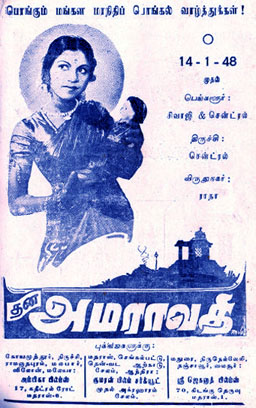
ஹொன்னப்ப பாகவதர் என்று ஒரு நடிகரைக் கேள்விப்பட்டதுண்டா? அவர் நடித்த படத்துக்கான இந்த விளம்பரத்தைக் கொஞ்சம் பாருங்களேன்…
ரைட்டு… இப்ப இந்த சினிமா விளம்பரம் வெளியான ஆண்டு என்னன்னு கவனிச்சுப் பாருங்களேன்… சர்ப்ரைஸா இருக்கும்!
செருகளத்தூர் சாமா என்கிற நடிகர் நடித்த இந்தப் படத்துக்கான விளம்பரம் வித்தியாசமா இருந்தது எனக்கு. உங்களுக்கு என்ன தோணுது?
மாடர்ன் தியேட்டர்ஸ் ‘ஆயிரம் தலை வாங்கிய அபூர்வ சிந்தாமணி’ படம் வெளியாகப் போற தியேட்டர்லாம் சொல்லிக்கூட விளம்பரம் பண்ணி அசத்தியிருக்காங்க அக்காலத்துலயே…
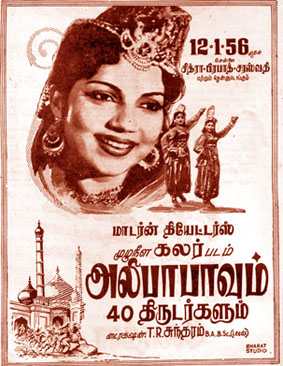
ரைட்… இப்ப நம்க்குப் பிடிச்ச மக்கள் திலகம் நடிச்ச. தமிழ்ல வந்த முதல் கலர்ப்படமான அலிபாபா படத்தோட விளம்பரம்
மக்கள் திலகமும் நடிகர் திலகமும் சேர்ந்து நடிச்ச கூண்டுக்கிளி படத்தோட விளம்பரம் இங்க….

NEW AND OLD LANDMARKS OF OMR…..CHENNAI

SOURCE:::::ARTICLE BY V.SRIRAM  ON MADRAS HISTORY….

Natarajan

New and old landmarks of OMR

August 9, 2012 
Old Mahabalipuram Road (OMR) or Rajiv Gandhi Expressway as it is now known, is not all that old. Several accounts of visits to what was called Seven Pagodas have survived from the 1850s. The only route was via Guindy-Chromepet-Tambaram-Chingleput-Tirukkazhukundram. The last stage involved taking a boat somewhere near Sadras to cross the Buckingham Canal. This was an un-metalled road especially towards the end. The best option was to travel by boat, leaving Madras at nightfall and reaching destination by the morning. The journey was via the Buckingham Canal and boats could be hired at Adyar. Trains were the next best option. The car came last and was to be taken only time was a constraint. Certainly, it made it the fastest to Mamallapuram – it needed only five hours. Till 1960 at least, that was the only route, though the boat journey at the end became unnecessary with a viaduct connecting the road to Mamallapuram.
It would therefore be safe to surmise that OMR as we know of it, is not all that old. It definitely gained popularity as a route to Mamallapuram only after the Kotturpuram bridge was constructed in 1987 and provided a direct link to Taramani and beyond. And it became ‘Old’ only when the newer route, the East Coast Road, was completed in 1998. Though an ancient part of South India, the villages that lined OMR receive very little mention in the works of those who documented Madras and its neighbourhood. One reason was probably that anything south of Adyar river was not within Madras city jurisdiction and came under Chingleput district. It therefore received less attention. But these were undoubtedly ancient villages and testimony to their age is the presence of several temples along this stretch, of which more in a later column. In this note let us take a look at what Jawaharlal Nehru referred to as the temples of modern India – the educational institutions and centres of excellence.
Undoubtedly, the educational and intellectual hub of Chennai is Taramani. This tiny settlement first shot to fame when the third Indian Institute of Technology was set up here with German help in 1959. Around 600 acres was forest land in the Guindy reserve was made over to IIT and nestled in its midst was Taramani. The village was shifted and even now, one entrance to the IIT is called the Taramani Gate. A probable reason for locating IIT here was the presence of other educational institutions in the vicinity such as the Central Leather Research Institute (established 1948), the Central Electronics Engineering Research Institute (1953) and the College of Engineering, Guindy. Soon others were to follow.
But what is often forgotten is the mother of them all – the Central Polytechnic (CPT). Begun as the Madras Trades School by the Department of Industries in 1912, it operated first from rented premises in Broadway. There in 1946, it was named as the CPT and by then, it had seven departments that dealt with Civil, Mechanical, Electrical and Sanitary Engineering and the disciplines of Cinematography and Sound, Printing Technology and Fisheries. The CPT shifted to Taramani in 1957/58 and over time several of its departments became independent units in the same place – the Institutes of Printing and Film Technology being two such. Today the entire area is referred to as the CPT campus. Another name is the CIT campus, for the CPT and all its offspring are Central Institutes of Technology, set up with funds from the Government of India.
Also in the CPT campus is the Roja Muthiah Research Library, founded thanks to a University of Chicago initiative. It commemorates Muthiah Chettiar, a signboard painter of Kottaiyur, Chettinad, who had a passion for collecting printed matter of all kinds. His habit of signing off his artworks with a rose earned him the prefix of Roja. Roja Muthiah’s collection of printed matter in Tamil numbered over a 100,000 at the time of his death in the 1990s. This was prevented from disintegration by several research scholars and the University of Chicago. The collection was shifted to Chennai. The RMRL was formed and initially functioned in Mogappair before shifting to Taramani in the last decade.
Media skills are honed at the Asian College of Journalism. Founded in 1994 by the Indian Express Group, it came under a not-for-profit trust in 2000 and was housed initially at 100, Mount Road, once the home of The Hindu. In the last decade, the ACJ shifted to Taramani. An institution of a different kind is the National Institute of Fashion Technology (NIFT), which was set up under the Ministry of Textiles, Govt. of India in 1986. The Chennai branch was set up in 1995 and made its shift to the Taramani-Velacheri intersection in the last decade. Mathematics has its share of OMR and has a presence at both ends. In Taramani is the Institute of Mathematical Sciences of Matscience as it is popularly known. The brainchild of mathematician Alladi Ramakrishnan inaugurated in Mylapore in 1962 by Nobel laureate S Chandrashekar and was later shifted to Taramani in 1969. It came under the Department of Atomic Energy, Govt. of India in the 1980s. At the Siruseri end is the Chennai Mathematical Institute. Founded in 1989 as part of the SPIC Foundation, it became autonomous in the 1990s. It made its move to Siruseri in 2005.
Thorapakkam, which comes immediately after Velacheri, has its own educational institutions to boast of. This is thanks to the Jain community of Madras, which can trace its links with the city almost from the beginning of time. The modern Jains from Rajasthan came to Madras from the early 1800s. And when they did, they also began contributing to what has been a Jain tradition in this region from Pallava times – the fostering of education. The Dhanraj Baid Jain College begun in 1972 commemorates DB Jain, a businessman-philanthropist who came to Madras in 1903 and stayed on. The Trust that promoted this college also branched into engineering in 1980 with the MNM Jain College, also set in Thorapakkam on a 20-acre campus.
Perhaps it was all this educational and intellectual presence that encouraged IT companies to flock to this area from the 1990s. The most visible symbol of this is Tidel Park, constructed in 2000 as a collaborative exercise by TIDCO and ELCOT. Tidel Park came up on the grounds of the MGR Film City, which was planned as a film shooting location and a tourist attraction in 1994 on 70 acres.
After Taramani, the area was largely paddy fields and open spaces interspersed with water bodies. Major development took place along this route only from the last decade when over 900 acres in Siruseri and Padur was allotted to SIPCOT to develop an IT Park, said to be the largest in Asia. A visitor to the Park would today assume that this is a different world. But what is often forgotten is another national first – the Vikram Sarabhai Instronics Industrial Estate (VSIIE). While it is well-known that the first industrial estate in the country was the one in Guindy, set up in the 1950s, what is not recollected is that as early as 1971, Chennai had the VSIIE which was the only estate devoted to electronics and instrumentation. Begun wit h 29 acres it expanded to over 140 by 1976. It is still a symbol of the region’s focus on industrialisation. Another industrial landmark now undergoing a metamorphosis is SRP Tools. Set up in the 1960s it emerged as a leader in cutting tools before being sold to the Mitsubishi group a few years ago.
Another landmark is the Aavin Dairy at Sholinganallur. This may have begun only in 1995 but it commemorates the fifty plus years of co-operative procurement, processing and marketing of milk in Tamil Nadu. The Aavin facility here processes 3.4 lakhs litres of milk per day.
So much of history and human endeavour in what is relatively a new part of Chennai. But what about the ancient history of the region? More of that in a subsequent post.

Sriram V

The writer is a well known historian of the city

FIRST LINE BEACH….CHENNAI….A ROAD WITH BANKING HISTORY…

SOURCE…ARTICLE BT SHRI.V.SRIRAM …HISTORIAN OF CITY….

FIRST LINE BEACH….AN IMPORTANT LAND MARK OF CHENNAI HOUSING MANY BANKS AND COMMERCIAL HOUSES AND CUSTOM HOUSE HAS GOT ITS OWN HISTORY…. HISTORY OF MADRAS WILL BE INCOMPLETE WITHOUT A MENTION OF FIRST LINE BEACH!!!!

PL READ FURTHER ABOUT THIS HISTORIC ROAD …ROAD CONNECTED TO BANKING HISTORY…

NATARAJAN

First Line Beach, or Rajaji Salai, is the road that starts off from Fort St George and carries on to Royapuram. It is a long stretch, with a series of impressive buildings on the left and the port on its right. In its time, it was THE most important road of the city, for its commercial strength and therefore clout was immense. The business establishments on the left were responsible for the port on the right and when the port became established it further strengthened the businesses on the left. It was a symbiotic relationship that lasted a good 150 years at least and several historic buildings have survived to tell that tale.
The story of First Line Beach really begins with Customs House and Bentinck’s Building (present Singaravelar Maligai). Prior to 1798, goods from ships were offloaded opposite Fort St George and the Customs Office was located within the Fort. It was in that year that Edward, Second Lord Clive, in his capacity as Governor decided that the Customs needed a building of their own, outside the Fort.
First Line Beach was then just a beach, it was then the equivalent of the Marina for Black (now George) Town and people used to flock there in the evenings. The merchants of Fort St George, under increasing pressure to leave its protective walls and set up business outside, had already seen the commercial possibilities of this stretch and work had begun in 1793 on what was to be the new Business Exchange – Bentinck’s Buildings. It was next to it therefore that Customs House was built, from 1798 onwards. With that there was no looking back for First Line Beach. The beach vanished and in its place came up a fine commercial district.
Bentinck’s Buildings was home to the first merchants, all British. Next to it came up certain appurtenances such a stationery store, which still survives as the Government Stationery Depot. All the godowns were close by and these, going by their character, gave their names to streets such as Godown Street and Bunder Street. But by 1817, the merchants were becoming bigger than the facilities that Bentinck’s Buildings could provide. They began building headquarters for themselves on the same stretch and moved out. From 1817 to 1862, Bentinck’s Building housed the Supreme Court of Madras and then till 1892 it housed the High Court. From then on it became the Collectorate of Madras (and now Chennai). The old building was demolished in the 1990s and replaced by the Singaravelar Maligai. Outside it stands a small remnant – a cupola that once housed a statue of Lord Cornwallis, which is now inside the Fort Museum.
The big names in Madras business by 1817 were three – Parry, Binny and Arbuthnot. Each built its offices in the vicinity. Parry, established in 1798, identified its space as early as 1801. It became Parry’s Corner for this was land’s end. At that time there was no First Line Beach and during high tide, the water practically lapped Parry’s walls. The property was purchased in 1803 and over the years an Indo-Saracenic edifice came up, known as Dare House, named after Thomas Parry’s successor – JW Dare. Dare House was completely demolished and rebuilt in the then prevalent art-deco style between 1938 and 1940. It remains a handsome landmark even now.
Binny built their offices a few blocks away on Armenian Street and so we will not focus on them, beyond mentioning that it was in that office in 1836 that a few merchants got together to found the Madras Chamber of Commerce, now the second-oldest such body in the whole of India.
Arbuthnot came on the scene in the early 1800s and by the 1850s had built its handsome classical edifice on First Line Beach, separated by a street, named Arbuthnot Street, from Bentincks Building. In its time it appeared that nothing could stop Arbuthnot. The firm grew and grew until a sensational crash in 1906 which left thousands insolvent. Out of its ashes emerged the Indian Bank, founded and run by Indians, as opposed to Arbuthnot which was British. Indian Bank in turn purchased Arbuthnots’ headquarters and functioned from there till 1970 when it had the structure demolished and put up its present multi-storey building.
By the 1850s, work on a kind of port for Madras had begun, opposite First Line Beach. That is a long and involved story that needs to be told in full later. But the location of the port and so many successful businesses soon meant that railways, post and telegraph and banking had to soon come to First Line Beach. And they did in full measure.
On 1st July 1856, India’s second oldest and South India’s first railway station opened for business. This was at Royapuram, at the northern end of First Line Beach. The railway line, run by the Madras Railway Company (MRC), connected Royapuram to Arcot. It expanded over time, with its headquarters being a beautiful classical building that now lies derelict next to the Royapuram Station. In 1907, the MRC was merged with the Southern Mahratta Railway, becoming the M&SM Railway. It shifted its office to near Central Station and Royapuram waned in importance. The station is now restored and there is talk of reviving it as an important junction.
Postal services may have begun in Madras in 1786, but the head post office remained within Fort St George till 1870. Then in moved to the Mercantile Bank Building on First Line Beach. In 1874, land was identified for a GPO on the same road. To a magnificent design by Robert Fellowes Chisholm, work began and was completed in 1884. This was also the Central Telegraph Office and functions as GPO even now.
Surprising though it may seem now, India did not have one central bank till 1920. Each of the Presidencies had their own banks which could print and issue currencies. The Bank of Madras fulfilled that role and had its own handsome premises on First Line Beach, designed by Henry Irwin and built by Thatikonda Namberumal Chetty in 1895. The Bank of Madras merged into the Imperial Bank of India when it was formed as the central bank in 1921. This in 1955 became the State Bank of India. The SBI continues to function from the Bank of Madras Building.
Another building that reminds us of old banking history is the office of the Hong Kong and Shanghai Banking Corporation, earlier known as the Mercantile Bank building. The Chartered Mercantile Bank of India began business in Madras in 1854 and became the Mercantile Bank of India in 1893. It moved into the present building in 1923 and later merged into the HSBC which still retains the old façade.
There is much more to tell about First Line Beach and so let us look at it in subsequent updates…
Sriram V
The writer is a well known historian of the city

malarum ninaivugal…..

நினைவுகள்—சுஜாதாவின் ஒரு அருமையான கட்டுரை.
Hi All,
A very lovable piece.
Whenever I read Sujatha, I catch his ” Oh, This is Sujatha’s signet phrase.
Any guess what will be in this write-up?

சுஜாதாவின் ஒரு அருமையான கட்டுரை.
       பழைமை நினைவுகள்—சுஜாதாவின் ஒரு அருமையான கட்டுரை. 

  
சுஜாதாவின் ஒரு கட்டுரை.
 
மே மாதம் மூன்றாம் தேதி, எனக்கு எழுபது வயது நிறைகிறது. இதற்கான அடையாளங்கள் என்ன என்று யோசித்துப் பார்க்கிறேன். மெரீனாவில் நடக்கும்போது எதிர்ப்படுபவர்கள் பெரும் பாலும் என்னைவிட சின்ன வயசுக்காரர்களாகத் தெரிகிறார்கள். ஒரு தாத்தா மாட்டினார். நிச்சயம் என்னைவிட மூத்தவர். சிமென்ட் பெஞ்சில், என் பக்கத்தில் வந்து உட்கார்ந்தார். 
“யு ஆர் எ ரைட்டர்! எனக்கு எத்தனை வயசு சொல்லுங்க, பார்க்கலாம்!” என்று கண் சிமிட்டலுடன் கேட்டார்.நான் யோசித்து, ‘‘கட்டை விரலால் மூக்கைத் தொடுங்கோ” என்றேன். “எதுக்குப்பா?” “தொடுங்களேன்!”  சற்று வியப்புடன் தொட்டார்.
“மத்த விரல்களை றெக்கை மாதிரி அசை யுங்கோ!” என்றேன். ‘‘இதிலிருந்து
கண்டுபிடிச்சுட முடியுமா, என்ன?’Õ என்று, விரல்களைச் சொன்னபடி அசைத் தார். 
“ரெண்டு கையையும் பரப்பி, ஏரோப்ளேன் மாதிரி வெச்சுண்டு ஒரே ஒரு தடவை லேசா குதிங்கோ. பாத்து… பாத்து…” “இது என்னப்பா ட்ரிக்கு?” என்று அப்படியே செய்தார். “உங்களுக்கு இந்த மே பன்னண்டு வந்தா எண்பத்தோரு வயசு!” என்றேன். அசந்து போய், “கை குடு. எப்படிப்பா இத்தனை கரெக்டா சொன்னே?” “ஒரு ட்ரிக்கும் இல்லை, சார்! நேத்திக்குதான் இதே பெஞ்சில், இதே சமயம் வந்து
உட்கார்ந்து, உங்க வயசு, பர்த்டே எல்லாம் சொன் னீங்க. மறந்துட் டீங்க!”
என்றேன். தாத்தா மாதிரி அத்தனை மோசம் இல்லை என்றாலும், எனக்கும் சமீபத்திய ஞாபகங்கள் சற்றே பிசகுகின்றன. ஒரு அறையிலிருந்து மற்றொரு அறைக்குச் சென்றால், எதற்காக வந்தோம் என்பது மறந்தே போகிறது. பெயர்கள் ஞாபகம் இருப்பதில்லை. ஆந்தைக்கு இங்கிலீஷில் என்ன என்று சட்டென நினைவு வருவதில்லை. ‘படையப்பா’வில் ரஜினிக்கு முன்னால் கால் போட்டுக் கொண்டு உட்கார்ந்தாரே… அந்த நடிகை யின் பெயர் என்ன என்று ஒரு நாள் அதிகாலை கண் விழித்ததும், ஒரு மணி நேரம் யோசித்தேன், கிட்டவில்லை. 
மனைவி எழக் காத்திருந்து அவளிடம் கேட்டேன். “ரம்யா கிருஷ்ணன்” என்றாள்.
இம்மாதிரி, நியூரான்கள் களைத்துப் போவது தெரிகிறது. ஆனால், நீண்ட நாள்
ஞாபகங்கள் பத்திரமாக இருக்கின்றன. அது மூளையில் வேறு பேட்டை போலும்!
கிட்டத்தட்ட அறுபது ஆண்டுகளுக்கு முன், சின்ன வயசில் கோயமுத்தூரில்
அம்மா\அப்பாவுடன் ஜட்கா வண்டியில் “ஜகதலப்ரதாபன்” சினிமா போனது, ஒண்ணாம் கிளாஸ் டீச்சருக்கு ஆனந்த விகடனும், அமிர்தாஞ்சனும் கொண்டு போய்க் கொடுத்தது, பள்ளி மணியை அகாலமாக அடித்தது, எனக்குத் தம்பி பிறந்தது… இதெல்லாம் தெளிவாக ஞாபகம் உள்ளது. ஸ்ரீரங்கத்துக் கதைகள் அனைத்தும் என் நீண்ட நாள் ஞாபகங்களின் வடிவம்தான்! 
டெல்லியில், பெட்ரோல் எழுபத்தைந்து பைசாவும், பால் ஐம்பத்தைந்து பைசாவும் கொடுத்து வாங்கி தாராளமாக வாழ்ந்தது, என் முதல் கதை, முதல் நாவல் பிரசுரமானது, எஸ்.ஏ.பி’யின் கடிதக் குறிப்பு எல்லாம் ஞாபகம் உள்ளது. ரம்யா கிருஷ்ணன் போன்ற மேட்டர்தான் சட்டென்று வழுக்கிவிடுகிறது. மெரீனாவில், ஷார்ட்ஸ் ஸ்னீக்கரில் ஓடும் இளைஞர்களைப் பார்த்து முன்பு
பொறாமைப்படுவேன். இப்போது புன்னகைக்கிறேன். பொதுவாகவே, பொறாமைப்படுவதற்கான விஷயங்களும், அதட்டிச் சொல்வதற்கான விஷயங்களும் குறைந்து வருகின்றன. ஹிந்துவின் “ஆபிச்சுவரி” பார்க்கையில், இறந்தவர் என்னைவிட சின்னவரா, பெரியவரா என்று முதலில் பார்ப்பேன். சின்னவராக இருந்தால், ‘பரவால்லை… நாம தப்பிச்சோம்!’
என்றும், பெரியவ ராக இருந்தால் கழித்துப் பார்த்து, ‘பரவால்லை… இன்னும் கொஞ்ச நாள் இருக்கு என்றும் எண்ணுவேன். எதிர்காலம் என்பதை இப்போதெல் லாம் வருஷக் கணக்கில் நினைத்துப் பார்ப்பது இல்லை. மாதக் கணக்கில்… ஏன், உடம்பு சரியில் லாமல் இருக்கும்போது வாரக் கணக்கில், நாள் கணக்கில் அந்தந்த நாளை வாழத் தோன்றுகிறது. Today I am alright, thank God! 
சயின்ஸ் அதிகம் படித்ததால், கடவுளைப் பற்றிய குழப்பங்கள் தீர்க்க முடியாமல்
இருக்கின்றன. யேட்ஸ் சொன்னதுபோல், “சிலர் கடவுள் இருக்கிறார் என்கிறார்கள். பிறர் கடவுள் இல்லை என்கிறார்கள். உண்மை ஒருக்கால் இரண்டுக்கும் இ டையில் எங்கோ இருக்கிறது!”. 
ஆனால், டி.என்.ஏ. ரகசியத்தையும், உயிரின வேறுபாடுகளையும், அண்டசராசரங்களின் அளவையும் பார்க்கும்போது, நம்மை மீறிய சக்தி புலன் உணர்வுக்கும், நம் அற்ப வார்த்தைகளுக்கும் அகப்படாத ஒரு சக்தி இருப்பதில் எனக்கு நம்பிக்கை வந்துவிட்டது. நான் நாத்திகன் அல்ல. மிஞ்சிப்போனால், ரஸ்ஸல் படித்தபோது ‘அக்னாஸ்டிக்’காக அதாவது, கடவுள் இருப்பைப் பற்றித் தெரியாதவனாக இருந்திருக்கிறேன். மறுபிறவியில் எனக்கு நம்பிக்கை இல்லை. பிறந்தால் இதே ஞாபகங்கள், இதே முதுகுவலியுடன் தமிழ்நாட்டில் பிறக்க வேண்டும். தமிழில் மீண்டும் கதைகள் எழுத வேண்டும். நடக்கிற காரியமா? முற்றிலும் புதிய பிறப்பு, தேசம், பெயர், உடல் என்றால் அது மறுபிறவி அல்ல… வேறு பிறவி. மேலும், எங்கேயாவது ஸ்விஸ் நாட்டில் பிறந்து வைத்தால், பாஷை தெரியாமல் கஷ்டப்படுவேன். இறந்ததும் என்ன ஆகிறது என்பதைப் பற்றி நசிகேதனைப்போல யோசிக்கும் போது, சட்டென்று ஒரு திடுக்கிடல் ஏற்படும். அந்தச் சமயத்தில் மல்லிகை வாசனையையோ, ஒரு குழந்தையின் புன்சிரிப்பையோ எண்ணிப் பார்த்துக் கவனத்தைக் கலைத்துக்கொள்வேன். சொர்க்கம், நரகம் இதில் எல்லாம் நம்பிக்கை இல்லை. இரண்டும் இங்கே தான் என்று எண்ணுகிறேன். அப்படி ஒருக்கால் இருந்தால், நரகத்துக்குப் போகத்தான் விரும்புகிறேன். அங்கே தான் சுவாரஸ்யமான ஆசாமிகள் இருப்பார்கள். சொர்க்கத்தில், நித்ய அகண்ட பஜனைச் சத்தம் எனக்கு ஒரு நாளைக்கு மேல் தாங்காது. ஆரம்பத்தில் இளைஞனாக இருந்த போது, ஏரோப்ளேன் ஓட்டவும், கித்தார் வாசித்து உலகை வெல்லவும், நிலவை விலை பேசவும் ஆசைப்பட்டேன். நாளடைவில் இந்த இச்சைகள் படிப்படி யாகத் திருத்தப்பட்டு, எளிமைப்படுத்தப் பட்டு, எழுபது வயதில் காலை எழுந் தவுடன் சுகமாக பாத்ரூம் போனாலே சந்தோஷப்படுகிறேன். வாழ்க்கையே இவ்வகையில் progressive
compromises (படிப்படியான சமரசங்களால் ஆனது). 
இன்றைய தினத்தில், என் டாப்டென் கவலைகள் அல்லது தேவைகள் என்றால்…
முதலிடத்தில் உடல் நலம், மனநலம், மற்றவருக்குத் தொந்தரவு கொடுக்காமல் இருப்பது, தெரிந்தோ தெரியாமலோ யார் மனதையும் புண் படுத்தாமல் இருப்பது, இன்சொல், அனுதாபம், நல்ல காபி, நகைச்சுவை உணர்வு, நான்கு பக்கமாவது படிப்பது, எழுதுவது போன்றவை பட்டியலில் உள்ளன. பணம் அதில் இல்லை. முதலிலேயே அது லிஸ்ட்டை விட்டுப் போய்விட்டது. 
தி.ஜானகிராமனின் “கொட்டு மேளம்” கதையில் வரும் டாக்டருக்குப் போல, மனைவி அவ்வப்போது வர வேண்டிய பணத்தையும், ஏமாற்றிய ஜனங்களை யும் எனக்குச் சொல்லிக் காட்டுவாள். அவளும் இப்போது இதில் பயனில்லை என்று நிறுத்திவிட்டாள். பணம் பிரதானமாக இல்லாததால், இன்று எழுபது வயசில் மனச்சாட்சி உறுத்தாமல் வாழ முடிகிறது. ஜெயிலுக்குப் போன தில்லை. ஒரே ஒரு தடவை டில்லியிலும், ஒரு தடவை பெங்களூரிலும் ஒன்வேயில் ஸ்கூட்டர் ஓட்டியதால், மாஜிஸ்ட்ரேட் கோர்ட்டுக்குப் போயிருக்கிறேன். வோட்டிங் மெஷினுக் காக சாட்சி சொல்ல, கேரளா ஹைகோர்ட் டில்
இருந்து சுப்ரீம் கோர்ட் வரை போயிருக்கிறேன். 
அம்பலம் இணைய (www.ambalam.com) இதழில் ஒரு வாசகர் கேள்வி கேட்டிருந்தார்…
“நாற்பது வருஷ மாக உங்களைத் தொடர்ந்து படித்து வருகிறேனே… என்னைப் பற்றி என்ன நினைக்கிறீர் கள்?” என்று.
நீண்ட யோசனைக்குப் பிறகு பதில் அளித்தேன்… “நாற்பது வருஷம் உங்களைத்
தொடர்ந்து படிக்க வைத்திருக்கிறேனே, என்னைப் பற்றி நீங்கள் என்ன
நினைக்கிறீர்களோ அதேதான்!” என்று. என் எழுத்து, என்னைப் பல தேசங்களுக்கு
அழைத்துச் சென்றிருக்கிறது. பல வகைப்பட்ட மனிதர்களைச் சந்திக்க
வைத்திருக்கிறது. பிரைவேட் ஜெட்டி லிருந்து ஃப்ரீமாண்ட் மிஷன் பீக் மலை யுச்சி மாளிகை வரை அனுமதித்திருக்கிறது. பெயர் தெரியாத வாசகர்கள் நள்ளிரவில் கூப்பிட்டுப் பாராட்டியிருக் கிறார்கள். மனைவிமார்கள் அழுதிருக்கிறார்கள். கணவன்கள், மனைவிகள் மேல் சந்தேகப்பட்டுத் தற்கொலை செய்து கொள்ளுமுன், கடைசி ஆறுதலுக்கு என்னை விளித்திருக்கிறார்கள். ‘ரோஜா’ வெளிவந்த சமயத்தில், பெங்களூருக் குத் தனியாக ஓடி வந்த இளம்பெண் அதிகாலை ஜலஹள்ளியில், ‘அரவிந்த
சாமியுடன் என்னை மண முடி!’ என்று கதவைத் தட்டி யிருக்கிறாள். “ஆ” கதையைப் படித்துவிட்டு, “என் மகளை மணம் செய்துகொள்ள வேண் டும்” என்று திருநெல்வேலில் இருந்து வந்த மனநிலை சரியில்லாத இளைஞரும், ‘பாலம்’ கதையைப் படித்து விட்டு என்னைக் கொல்ல வர தேதி கேட்டிருந்த கோவை வாசியும் என் வாசகர்கள்தான். வாழ்க்கையின் அத்தனை பிரச்னைகளுக்கும், முதுகுவலியில் இருந்து முண்டகோபனிஷத் வரை யோசனை சொல்லியிருக்கிறார்கள்; கேட்டிருக்கிறார்கள். மிகச் சிறந்த
நண்பர்களையும், அற்புதக் கணங்களையும் என் எழுத்தால் பெற்றிருக்கிறேன். அதுதான் என்னுடைய நோபெல்! 

__._,_.___
RECENT ACTIVITY:

Yahoo! Groups

.

__,_._,___