Tell your Shoe size…I will tell your Age!!!!!

Somethig for fun and play!!!

Natarajan

THIS IS SO ACCURATE

Your shoes can tell you your age. Try this and see:

· 1. Take your shoe size.
· 2. Multiply it by 5.
· 3. Add 50.
· 4. Multiply by 20…
· 5. Add 1012.
· 6. Subtract the year you were born

The first digit of the answer is your shoe size,
while the last 2 digits will be your age.

TRY IT. YOU WILL BE AMAZED !!

source:::: unknown

A Team with a Different Target …

Source:::: “THE HINDU “….
Natarajan

:A. Gopal, K. Naveen and R. Muthu Kumar have inaugurated a first of its kind of Jeep Clinic in Coimbatore that specialises in providing remodelled jeeps.

Three friends buy old jeeps and restore them into hi-tech, road worthy vehicles. K. Jeshi visits them at their Jeep Clinic where they carry out the transformation

It was nothing more than junk when they bought the Willys GPA, a jeep manufactured in 1941 during the Second World War. Three engineers from Coimbatore bid for it at a Defence Yard auction and towed it all the way to Coimbatore. Here, they lovingly restored it, and today it stands pretty at their recently inaugurated Jeep Clinic. A. Gopal, K. Naveen and R. Muthu Kumar have converted their love for jeeps into a business opportunity. They refer to their clinic as a high-tech private hospital for jeeps! It is here that old jeeps are given new life. “Other than the chassis and the engine, we replace almost everything else – the nuts, screws and bolts – and rebuild the body. The vehicle is ripped open, and re-modelled from scratch,” says Gopal.

The three friends want to make jeeps affordable. One has to spend a minimum of Rs. 2.75 lakhs to buy a re-modelled performance oriented jeep, they say.

They show off a Low bonnet Willys GPW, another World War classic. They have retained its original map reading lamp, Lucas headlights, the logo, emblem, and the military colour. The Willys Station Wagon, a limited edition jeep, also occupies pride of place. It is the first commercial civilian utility wagon, manufactured by Willys in 1954 after World War II.

“There are just two or three of these vehicles around. One of them is stationed at the Chief Minister’s Kodanad Estate. For ours, we had to wait for five years to get it directly from the owner in Andhra Pradesh. It’s an asset,” Gopal says with pride as he points to the Wagon that has an amazingly generous leg space.

They have retained the number plate of the previous owner, as well as the original blue paint on the outside, the windshield with original beading, door handles and the steering wheel. Many have shown interest in buying it but they are not ready to sell.

Affordable

Gopal is a storehouse of information. He has collected the technical details of Jeeps right from 1939 onwards to the latest Wrangler Sport, introduced in 2011. Every jeep has a history, he says. “A jeep is like Spiderman…it can jump, hop and run, uninterruptedly, there’s no stopping. We want to build interest in these vehicles. We want to do that by making jeeps affordable. The sturdy body that weighs around 1400kgs (1.2 tonnes) ensures safety too.”

Automobile evolution began with jeeps, says Naveen. “Cars came much later. Our future generations should know the history. In the West, jeeps are popular even today as it is suits any terrain,” he says. Their single-seater high bonnet open jeep (Willys CJ 3B), a 1953 model, comes with a foldable windshield.

The Mahindra Major, a commercial passenger jeep is another prized possession. So is a Mahindra MM 540. “The original owner is the former Commissioner of Police, Triunelveli. We got it at an auction and converted it to look like a military vehicle. It comes with a set of 12-lights in the front that is good enough to light up the jungle.”

A work in progress at their clinic is the black Mahindra Thar CRDe. If you leave the door open, a pre-recorded voice asks you to shut it. It will soon have an automated rain-detection sensor that activates the wiper the minute water falls on the wind shield. “The owner, an Australian, wants to convert his Rs. 8 lakh Thar into a hi-tech vehicle, on the lines of Wrangler Sport (it costs Rs. 1.5 crore). We are doing the automation for just Rs. 7 lakh; his total spend is just Rs. 15 lakh,” explains Muthu.

Safe technology

He has developed a unique high-tech mobile Security Access Control System for the Thar which allows its owner to control the vehicle anywhere in the world through a wide area network. “The mobile phone becomes the remote,” he says. If someone tries to steal the car, an in-built spy camera captures the footage and the owner can see it on his mobile. From the mobile phone, he can cut the fuel supply and activate the jeep horn. As the kit is connected with the nerve centre of the car, any attempt to deactivate it results in the car going dead. This device can be installed in cars, two-wheelers, and buses too.”

To add muscle to the Thar, they have also added the high lift jack to raise the vehicle by nearly 40 inches if the wheels get stuck. There is GPS tracking, voice recognition systems, rugged tyres, and wooden interiors. “Every hi-tech automation aims at ensuring safety to the vehicle, driver and co-passengers.”

They have delivered over 100 jeeps to customers across the country over the last seven years. “Jeep Clinic is a registered company. We are not a roadside garage,” Gopal clarifies. A chunk of his customers are from Karnataka, Andhra and Kerala as well as the North, especially from Punjab, and Bengal.

The three friends have travelled as far as the Pakistan border to buy jeeps on auction and to source components. “Every day is a learning process. Our mission is to retain the old culture, the history and infuse it with new technology for a never-before driving experience. It is the ultimate thrill.”

Visit http://www.jeepclinic.com

Keywords: Jeep Clinic, jeep restoration company, Coimbatore

Home Turned into Public Libraray……

Source::::::bbc net…..

Natarajan

The man who turned his home into a public library

By Kate McGeownBBC News, Manila

Nanie Guanlao's library

If you put all the books you own on the street outside your house, you might expect them to disappear in a trice. But one man in Manila tried it – and found that his collection grew.

Hernando Guanlao is a sprightly man in his early 60s, with one abiding passion – books.

They’re his pride and joy, which is just as well because, whether he likes it or not, they seem to be taking over his house.

Guanlao, known by his nickname Nanie, has set up an informal library outside his home in central Manila, to encourage his local community to share his joy of reading.

The idea is simple. Readers can take as many books as they want, for as long as they want – even permanently. As Guanlao says: “The only rule is that there are no rules.”

Find out more

Nanie Guanlao in his library
  • Kate McGeown’s interview with Nanie Guanlao was featured on Outlook on BBC World Service

It’s a policy you might assume would end very quickly – with Mr Guanlao having no books at all.

But in fact, in the 12 years he’s been running his library – or, in his words, his book club – he’s found that his collection has grown rather than diminished, as more and more people donate to the cause.

“It seems to me that the books are speaking to me. That’s why it multiplies like that,” he says with a smile. “The books are telling me they want to be read… they want to be passed around.”

Guanlao started his library in 2000, shortly after the death of his parents. He was looking for something to honour their memory, and that was when he hit upon the idea of promoting the reading habit he’d inherited.

“I saw my old textbooks upstairs and decided to come up with the concept of having the public use them,” he says.

So he put the books – a collection of fewer than 100 – outside the door of his house to see if anyone wanted to borrow them. They did, and they brought the books back with others to add to the collection – and the library was born.

Guanlao's library

Such is the current turnover that Guanlao confesses he has no idea how many books are in his possession, but there are easily 2,000 or 3,000 on the shelves and in the boxes stacked outside his front door.

And that’s before you move inside, where books are rapidly encroaching into every available space. You can hardly get into the front room, the car has long since been moved out of the garage, and books are even stacked all the way up the stairs.


“Start Quote

You don’t do justice to these books if you put them in a cabinet or a box”

Nanie Guanlao

The library is not advertised, but somehow, every day, a steady stream of people find their way there.

On the day we visited, some shop assistants came to browse during their lunch break, a local man borrowed a weighty tome about the history of St John’s Gospel, and some school children picked up some textbooks – although I noticed they’d were taking some fashion magazines as well.

But it’s people like Celine who sustain the library. She lives down the road from Guanlao, and she arrived with two bulging bags of books – some of which she was returning, others of which she was planning to donate.

She says she loves the concept of the library, because Filipinos – certainly those who are not particularly wealthy – have limited access to books.

Nanie Guanlao with some of his readersGuanlao gave up his job to run the library

“I haven’t been to any public libraries except the national library in Manila,” she says, explaining that it is quite far away – and it is not possible to borrow any books.

If she wants to buy a book, the average price is about 300 pesos (£4.50, $7), she says. Imported books – especially children’s books – could easily be twice that amount.

“Considering the income here, I think parents have other priorities,” she adds.

To help the poorest communities in Manila, Nanie Guanlao does not wait for them to find him – he goes to them, on his “book bike”, which has a large basket piled high with books.

Literacy in the Philippines

  • The Philippines has one of the highest literacy rates in the developing world
  • Approximately 93% of the population 10 years of age and older are literate
  • Filipino (based on Tagalog) is the official national language, English is the language of government and instruction in education

Source: US State Department

He’s also started to set his sights outside Manila. He’s already given several boxes of books to a man trying to set up a similar venture in Bicol province, a 10-hour drive from Manila, and his latest plan is to help a friend who wants to start up a library in the far south of the country.

She wants to set up a “book boat”, travelling around the islands of Sulu and Basilan – an area better known as a hideout for separatist rebels than for any great access to literature.

As we sat outside Nanie Guanlao’s house in the midday sun, watching people browse through his collection, he tells me why he thought it was worth spending all his time – even to the point of giving up his job and surviving purely on his savings – to maintain the library.

“You don’t do justice to these books if you put them in a cabinet or a box,” he says.

“A book should be used and reused. It has life, it has a message.

“As a book caretaker, you become a full man.”

Nanie Guanlao’s story was featured on the BBC World Service programme Outlook. Listen via i-player or browse the Outlook podcast archive.

மோதகப் பிரியன் மனம் மகிழ ……

HAPPY BIRTHDAY TO OUR PILLAYAR…. on this day we normally make traditional Kolukattai…A friend of mine from chennai has given ideas for making Modern Kolukattai with different ingredients ….

It will certainly be useful for our people living all over the world…Keeping in mind the ingredients they get in their respective countries!!!!!!

Have a cheerful GANESH POOJA with modern kolukkattai !!!!!!!!

Natarajan

மோதகப் ப்ரியன்’ மகிழும் ‘பலவகை கொழுக்கட்டைகள் !!!

மோதகப் ப்ரியன்’ விநாயகப் பெருமானைப் போற்றி மகிழும் விநாயகர் சதுர்த்தி திருநாளை, பொன்னாளாக கொண்டாட உதவும் வகையில், ‘பலவகை கொழுக்கட்டைகள் இங்கே.

”ஆவியில் வேக வைப்பதால், கொழுக் கட்டை எளிதில் ஜீரணமாகும். எனவே, விருப்பப்படும் நாட்களில் எல்லாம் செய்து பரிமாற… பீட்ரூட் கொழுக்கட்டை, சேமியா கொழுக்கட்டை, ட்ரை ஃப்ரூட்ஸ் கொழுக் கட்டைகள். விநாயகர் அருளால் உங்கள் இல்லத்தில் எல்லா வளமும் நிறைந் திருக்கட்டும்”

புரோட்டீன் கொழுக்கட்டை

தேவையானவை: பச்சரிசி மாவு – ஒரு கப், சோயா பீன்ஸ் – அரை கப், கடுகு – அரை டீஸ்பூன், உளுத்தம்பருப்பு, கடலைப்பருப்பு – தலா ஒரு டீஸ்பூன், இஞ்சி – ஒரு சிறிய துண்டு, பச்சை மிளகாய் – 4, கறிவேப்பிலை – சிறிதளவு, பெருங்காயத்தூள் – ஒரு சிட்டிகை, தண்ணீர் – ஒன்றரை கப், எண்ணெய் – 4 டீஸ்பூன், உப்பு – தேவையான அளவு.
செய்முறை: சோயா பீன்ஸை ஊற வைத்து, ரவை போல கொர கொரப்பாக அரைத்துக் கொள்ளவும். இஞ்சி, பச்சை மிளகாய், சிறிதளவு உப்பு மூன்றையும் சேர்த்து அரைத்து இதனுடன் கலக்கவும். கடாயில் 2 டீஸ்பூன் எண்ணெய் விட்டு, சூடானதும் கடுகு, உளுத்தம்பருப்பு, கடலைப்பருப்பு போட்டு வறுத்து, பெருங்காயத்தூள் சேர்க்கவும். அத்துடன் அரைத்த சோயா பீன்ஸ் விழுது சேர்த்து, கறிவேப்பிலையை கிள்ளி போட்டு, சிறிதளவு உப்பு சேர்த்துக் கிளறவும். வெந்து உதிரியாகும் வரை கிளறி எடுக்கவும். இதுதான் பூரணம்.

கடாயில் தண்ணீர் விட்டு, சிறிதளவு உப்பு, ஒரு டீஸ் பூன் எண்ணெய் விட்டு கொதிக்கவிடவும். இதில் பச்சரிசி மாவு தூவி கட்டி இல்லாது கிளறி எடுக்கவும். ஆறியதும் கையில் எண்ணெய் தடவிக் கொண்டு, அரிசி மாவில் எலுமிச்சம் பழ அளவு எடுத்து உருட்டி, கிண்ணம் போல் செய்து அதில் சோயா பூரணம் ஒரு டீஸ்பூன் அளவு வைத்து மூடி, கொழுக்கட்டை வடிவம் கொடுக்கவும். தயாரித்தவற்றை ஆவியில் வேக வைத்து எடுத்தால்… புரோட்டீன் கொழுக்கட்டை தயார்.
குறிப்பு: சத்தான, புதுமையான இந்தக் கொழுகட்டை, எல்லோருக்கும் ஏற்றது. எளிதில் ஜீரணம் ஆகக் கூடியது.

பீட்ரூட் கொழுக்கட்டை

தேவையானவை: பீட்ரூட் துருவல், அரிசி மாவு – தலா ஒரு கப், தேங்காய் துருவல் – கால் கப், பொடித்த வெல்லம் – முக்கால் கப், ஏலக்காய்த்தூள் – கால் டீஸ்பூன், நெய் – 4 டீஸ்பூன், முந்திரிப்பருப்பு – 10.

செய்முறை: அரிசி மாவை வெறும் கடாயில் வறுக்கவும். கடாயில் வெல்லம், தண்ணீர் சேர்த்து சூடாக்கி, வெல்லத்தை கரையவிட்டு வடிகட்டவும். அரிசி மாவுடன் பீட்ரூட் துருவல், தேங்காய் துருவல், ஏலக்காய்த்தூள், முந்திரிப்பருப்பு, நெய் விட்டு கலந்து… வடிகட்டிய வெல்லக் கரைசலை அதில் விட்டு, கெட்டியாக பிசைந்து கொள்ளவும். கலவையில் சிறிது சிறிதாக எடுத்து உருட்டி, லேசாக தட்டி, ஆவியில் வேக வைத்து எடுக் கவும். மேலே முந்திரிப்பருப்பை வைத்து அலங்கரிக்கவும்.

ஹெர்பல் கொழுக்கட்டை

தேவையானவை: பச்சரிசி மாவு – ஒரு கப், கொத்தமல்லி இலை – ஒரு கப், புதினா – கால் கப், இஞ்சி – ஒரு சிறிய துண்டு, பச்சை மிளகாய் – 4, எலுமிச்சைச் சாறு – ஒரு டீஸ்பூன், தண்ணீர் – ஒன்றரை கப், எண்ணெய் – 4 டீஸ்பூன், உப்பு – தேவையான அளவு.

செய்முறை: கொத்தமல்லி, புதினா, இஞ்சி, பச்சை மிளகாயை சுத்தம் செய்து ஒன்றாக சேர்த்து அரைத்துக் கொள்ளவும். இதில் எலுமிச்சைச் சாறு விட்டு கலக்கவும். கடாயில் தண்ணீர் விட்டு உப்பு, சிறிதளவு எண்ணெய், அரைத்த விழுது ஆகியவற்றை சேர்த்து கொதிக்கவிடவும் (ஒரு கொதி போதுமானது). இதில் பச்சரிசி மாவு தூவி கட்டி இல்லாது கெட்டியாக கிளறி எடுத்து ஆறவிடவும். கையில் எண்ணெயை தடவிக் கொண்டு கலவையில் சிறிது எடுத்து, சிறுசிறு உருண்டைகளாக உருட்டி வைத்து ஆவியில் வேக வைத்து எடுத்தால்… ஹெர்பல் கொழுக்கட்டை தயார்.
குறிப்பு: இது, நல்ல வாசனை யாகவும் ருசியாகவும் இருக்கும். பித்தத்தை தணிக்கும். பசியைத் தூண்டக்கூடியது.

பஞ்சரத்ன கொழுக்கட்டை

தேவையானவை: இட்லி அரிசி, துவரம்பருப்பு, பயத்தம்பருப்பு, உளுத்தம்பருப்பு, கடலைப்பருப்பு – தலா அரை கப், காய்ந்த மிளகாய் – 6, இஞ்சி – ஒரு சிறிய துண்டு, பச்சை மிளகாய் – 2, கொத்தமல்லி – கறிவேப்பிலை – ஒரு கைப்பிடி அளவு, கடுகு – அரை டீஸ்பூன், பெருங்காயம் – ஒரு சிட்டிகை, எண்ணெய் – 4 டீஸ்பூன், உப்பு – தேவையான அளவு.

செய்முறை: அரிசி, பருப்புகளை சுத்தம் செய்து ஒன்றாக சேர்த்து 30 நிமிடம் ஊற வைக்கவும். பிறகு, தண்ணீர் வடித்து காய்ந்த மிளகாய், உப்பு, இஞ்சி, பச்சை மிளகாய் சேர்த்து கெட்டியாக அரைத்து எடுக்கவும். கொத்தமல்லி, கறிவேப்பிலையை கிள்ளிப் போட்டு கலக்கவும். இட்லித் தட்டில் எண்ணெய் தடவி விட்டு, அரைத்து எடுத்த கலவையில் கொஞ்சம் கொஞ்சமாக எடுத்து உருட்டி வைக்கவும். அப்படியே ஆவியில் வேக வைத்து எடுக்கவும். கடாயில் சிறிதளவு எண்ணெய் விட்டு, சூடானதும் கடுகு, பெருங்காயம் தாளித்து, வேக வைத்த உருண்டைகளைப் போட்டு கலந்து எடுக்கவும்.

காரடையான் நோன்பு கொழுக்கட்டை

தேவையானவை: அரிசி மாவு – ஒரு கப், காராமணி – கால் கப், பொடித்த வெல்லம் – முக்கால் கப், தேங்காய் துண்டுகள் – 3 டேபிள்ஸ்பூன், ஏலக்காய்த்தூள் – அரை டீஸ்பூன், நெய் – அரை டீஸ்பூன், தண்ணீர் – 2 கப், உப்பு – ஒரு சிட்டிகை.

செய்முறை: காராமணியை வெறும் கடாயில் வறுத்து வேகவிட்டு எடுக்கவும். அரிசி மாவை வெறும் கடாயில் பொன்னிறமாக வறுத்து எடுக்கவும். வெல்லத்துடன் தண்ணீர் சேர்த்து கரையவிட்டு கொதிக்க வைத்து வடிகட்டி எடுத்து, மீண்டும் கொதிக்கவிடவும். இத்துடன் வேக வைத்த காராமணி, தேங்காய் துண்டுகள், உப்பு, ஏலக்காய்த் தூள், நெய் கலந்து… கொதிக்கும்போது அரிசி மாவை தூவி கெட்டியாக கிளறி எடுக்கவும். ஆறியதும் ஈர கையினால் கலவையை நன்கு பிசைந்து கலக்கவும். சிறிதளவு கலவை எடுத்து உருட்டி உள்ளங்கையில் வைத்து லேசாக தட்டி நடுவில் ஓட்டை போட்டு தயார் செய்யவும். அப்படியே ஆவியில் வேக வைத்து எடுக்கவும்.
குறிப்பு: இதற்கு தொட்டுக் கொள்ள ஃப்ரெஷ் வெண்ணெய் ஒரு டீஸ்பூன் வைத்து பரிமாறவும்.

ஏகாதசி கொழுக்கட்டை

தேவையானவை: அரிசி ரவை, தேங்காய் துருவல் – தலா ஒரு கப், வெல்லத்தூள் – கால் கப், ஏலக்காய்த்தூள் – கால் டீஸ்பூன், எண்ணெய் – 2 டீஸ்பூன், தண்ணீர் – 2 கப், உப்பு – ஒரு சிட்டிகை.
செய்முறை: கடாயில் தண்ணீர், உப்பு, ஒரு டீஸ்பூன் எண்ணெய் சேர்த்து கொதிக்கவிடவும். உடனே அரிசி ரவையைப் போட்டு கெட்டியாக கிளறி எடுத்து ஆறவிடவும். தேங்காய் துருவல், வெல்லத்தூள், ஏலக்காய்த்தூள் சேர்த்துக் கலந்து வைத்துக் கொள்ளவும். கையில் எண்ணெய் தடவிக் கொண்டு, அரிசி ரவை கலவையில் இருந்து சிறிய கமலா ஆரஞ்சு அளவு எடுத்து உருட்டி, நடுவில் குழி செய்து 2 டீஸ்பூன் அளவு தேங்காய் கலவை வைத்து மூடி, வட்டமாக உருட்டவும். அப்படியே ஆவியில் வேக வைத்து எடுக்கவும்.

குறிப்பு: நம் முன்னோர்கள் ஏகாதசிக்கு இதை மட்டுமே ஒரு வேளை உணவாக எடுத்துக் கொண்டு விரதம் இருந்தனர். அதனால்தான் இந்தப் பெயர்!

சேமியா கொழுக்கட்டை

தேவையானவை: சேமியா – 200 கிராம், தேங்காய் – ஒன்று (துருவிக் கொள்ளவும்), காய்ச்சிய பால் – 2 கப், அரிசி மாவு – 3 டேபிள்ஸ்பூன், நறுக்கிய வெங்காயம் – ஒரு கப், பச்சை மிளகாய் – 5 (நறுக்கியது), கடுகு, சீரகம், எள் – தலா அரை டீஸ்பூன், உளுத்தம்பருப்பு – ஒரு டீஸ்பூன், கறிவேப்பிலை – சிறிதளவு, எண்ணெய், உப்பு – தேவையான அளவு.

செய்முறை: சேமியாவை வறுத்து, பாலில் 30 நிமிடம் ஊற வைக்கவும். கடாயில் எண்ணெய் விட்டு, சூடானதும் கடுகு, உளுத்தம்பருப்பு, கறிவேப்பிலை, வெங்காயம், நறுக்கிய பச்சை மிள காய் ஆகியவற்றை வதக்கவும். தேங்காய் துருவல் சேர்த்து, தீயை நிறுத்திவிட்டு கலக்கவும். பாலில் ஊறிய சேமியா, உப்பு, அரிசி மாவு, எள்ளு, சீரகம் ஆகிய வற்றையும் அதில் கலக்கவும். கையினால் நன்கு மசித்து கலந்து சிறுசிறு உருண்டைகளாக உருட்டி, ஆவியில் வேகவைத்து எடுக்கவும்.

பாஸ்தா மசாலா கொழுக்கட்டை

தேவையானவை: அரிசி மாவு – ஒரு கப், தக்காளி – 2, வெங்காயம், குடமிளகாய், கேரட் – தலா ஒன்று, பாஸ்தா (டிபார்ட்மென்ட் கடைகளில் கிடைக்கும்) – ஒரு கப், இஞ்சி – பூண்டு விழுது – ஒரு டீஸ்பூன், பச்சை மிளகாய் விழுது – அரை டீஸ்பூன், கொத்தமல்லி, புதினா – சிறிதளவு, தக்காளி சாஸ் – ஒரு டீஸ்பூன், எண்ணெய் – 4 டீஸ்பூன், உப்பு – தேவையான அளவு.

செய்முறை: பாஸ்தாவில் கொதிநீர் விட்டு 10 நிமிடம் ஊற வைத்து எடுக்கவும். அரிசி மாவை வெறும் கடாயில் வறுத்து… உப்பு, சிறிதளவு எண்ணெய் சேர்த்துக் கலந்து, தண்ணீர் விட்டு கெட்டியாக பிசைந்து கொள்ளவும். அரிசி மாவை சிறு சிறு உருண்டைகளாக உருட்டி ஆவியில் வேக வைத்து எடுக்கவும். கடாயில் எண்ணெய் விட்டு சூடானதும் நறுக்கிய வெங்காயம், தக்காளி, குடமிளகாய், கேரட் துண்டுகள், உப்பு, இஞ்சி – பூண்டு விழுது, பச்சை மிளகாய் விழுது சேர்த்து வதக்கவும். பிறகு, தண்ணீர் தெளித்து வேக வைக்கவும். வெந்து சேர்ந்தாற்போல் வந்ததும், பாஸ்தாவை அதில் சேர்த்து கலந்துவிடவும். ஆவியில் வேக வைத்த அரிசி மாவு உருண்டைகளை சேர்த்து, லேசாக கலக்கவும். நிறைவாக, தக்காளி சாஸ், புதினா, கொத்தமல்லி தூவி கலக்கினால்… பாஸ்தா மசாலா கொழுக்கட்டை தயார்

சேவரி கொழுக்கட்டை

தேவையானவை: மிச்சமாகிப் போன சேவரி (ஓமப்பொடி, தேன்குழல், காராசேவு, காராபூந்தி போன்றவை) – ஒரு கப், அரிசி மாவு – ஒரு கப், மிளகுத்தூள் – ஒரு டீஸ்பூன், தண்ணீர் – ஒன்றரை கப், எண்ணெய் – 2 டீஸ்பூன், உப்பு – ஒரு சிட்டிகை.

செய்முறை: மிச்சமாகிப் போன ஓமப்பொடி, தேன்குழல், காராசேவு, காராபூந்தி எதுவாகிலும் ஒன்றாகக் கலந்து, மிக்ஸியில் கொரகொரப்பாக தூள் செய்யவும். இதனுடன் மிளகுத் தூள் சேர்த்துக் கலந்தால்… பூரணம் தயார். கடாயில் தண் ணீர், உப்பு, எண்ணெய் விட்டு கொதிக்கவிடவும். கொதி வந்ததும் அரிசி மாவு தூவி, கட்டி இல்லாது கிளறி எடுத்து ஆறவிடவும். கையில் எண்ணெய் தடவிக் கொண்டு, அரிசி மாவு கலவையில் சிறிது எடுத்து உருட்டி குழி செய்து, பூரணம் ஒரு டீஸ்பூன் அளவு வைத்து மூடவும். அப்படியே ஆவியில் வேக வைத்து எடுக்கவும். இதை நினைத்த நேரத்தில் செய்து அசத்தலாம்.

டிரை ஃப்ரூட்ஸ் கொழுக்கட்டை

தேவையானவை: அரிசி மாவு – ஒரு கப், பேரீச்சம்பழம் (விதை நீக்கியது) – 10, முந்திரி, பாதாம், பிஸ்தா – தலா 10, திராட்சை, வெல்லம் – தலா 50 கிராம், பொட்டுக்கடலை – 4 டீஸ்பூன், எண்ணெய் – 2 டீஸ்பூன், உப்பு – ஒரு சிட்டிகை.

செய்முறை: கடாயில் தண்ணீர், உப்பு, சிறிதளவு எண்ணெய் சேர்த்து கொதிக்கவிட்டு… அதில் அரிசி மாவு தூவி கெட்டியாக கிளறி எடுக்கவும். இதுதான் மேல் மாவு. முந்திரி, பாதாம், பிஸ்தா, பொட்டுக்கடலையை மிக்ஸி யில் கொரகொரப்பாக தூள் செய்து எடுக்கவும். பேரீச்சம்பழம், திராட்சை, வெல்லம் சேர்த்து அரைத்து, பருப்பு தூள்களை சேர்த்து ஒரு சுற்று சுற்றி எடுத்தால்… பூரணம் தயார். கையில் எண்ணெய் தடவிக் கொண்டு மேல் மாவில் சிறிது எடுத்து உருட்டி, கிண்ணம் போல் செய்து, ஒரு டீஸ்பூன் பூரணத்தை அதில் வைத்து மூடி, வேண்டிய வடிவம் கொடுக்கவும், அப்படியே ஆவியில் வேகவைத்து எடுக்கவும்.
குறிப்பு: திராட்சை, பேரீச்சம்பழத்தை வெந்நீரில் ஊற வைத்தும் அரைத்து எடுக்கலாம்.

ராகி கொழுக்கட்டை

தேவையானவை: ராகி (கேழ்வரகு) மாவு – 2 கப், அரிசி மாவு – ஒரு கப், பச்சை மிளகாய் – 4, வெங்காயம் – ஒன்று (நறுக்கிக் கொள்ளவும்), கடுகு, சீரகம் – தலா ஒரு டீஸ்பூன், உளுத்தம்பருப்பு – 2 டீஸ்பூன், கறிவேப்பிலை – சிறிதளவு, எண்ணெய் – 4 டீஸ்பூன், உப்பு – தேவையான அளவு.

செய்முறை: ராகி மாவு, அரிசி மாவை சேர்த்து வெறும் கடாயில் சூடுபட வறுக்கவும். கடாயில் எண்ணெய் விட்டு, சூடானதும் கடுகு, உளுத்தம்பருப்பு, சீரகம் தாளிக்கவும். வெங்காயம், நறுக்கிய பச்சை மிளகாய், கறிவேப்பிலை போட்டு புரட்டவும். உப்பு சேர்த்துக் கிளறவும். தேவையான அளவு தண்ணீர் விட்டு, கொதி வந்தவுடன் மாவு தூவி கிளறவும். கெட்டியானதும் இறக்கி ஆறவிடவும். ஈரக் கையினால் கலவையில் சிறிதளவு எடுத்து உருட்டி லேசாக தட்டி வைக்கவும். தயாரித்தவற்றை ஆவியில் வேக வைத்து எடுக்கவும்.
குறிப்பு: இது எல்லோருக்கும் ஏற்றது. சுகர் பிராப்ளம் உள்ளவர்களுக்கு மிகவும் நல்லது.

மின்ட் கொழுக்கட்டை

தேவையானவை: அரிசி மாவு – ஒரு கப், தேங்காய் துருவல், பொட்டுக்கடலை, புதினா – தலா அரை கப், பச்சை மிளகாய் – 4, எலுமிச்சைச் சாறு – 2 டீஸ்பூன், எண்ணெய் – 4 டீஸ்பூன், உப்பு – தேவையான அளவு.

செய்முறை: பொட்டுக்கடலை, புதினா, தேங்காய் துருவல், பச்சை மிளகாய் ஆகியவற்றுடன் எலுமிச்சைச் சாறு சேர்த்து, உப்பு போட்டு அரைத்துக் கொள்ளவும். கடாயில் 2 கப் தண்ணீர் விட்டு… உப்பு, எண்ணெய் சேர்த்துக் கலந்து கொதிக்கவிடவும். கொதி வந்ததும் அரைத்து வைத்த விழுதை போட்டு கலக்கவும். உடன் அரிசி மாவை தூவி கெட்டியாக கிளறி எடுக்கவும். கையில் எண்ணெய் தடவிக் கொண்டு, மாவை சிறுசிறு உருண்டைகளாக செய்யவும். அப்படியே ஆவியில் வேக வைத்து எடுக்கவும்.

சோயா சங்ஸ் ஸ்வீட் கொழுக்கட்டை

தேவையானவை: சோயா சங்ஸ் (பெரிய மளிகைக் கடைகளில் கிடைக்கும்) – 20 அல்லது 25, பொடித்த வெல்லம் – முக்கால் கப், ஏலக்காய்த்தூள் – கால் டீஸ்பூன், பச்சரிசி மாவு – ஒரு கப், உப்பு – ஒரு சிட்டிகை, எண்ணெய் – 4 டீஸ்பூன்.
செய்முறை: சோயா சங்ஸை சுடுநீரில் 10 நிமிடம் ஊற வைத்து, தண்ணீர் வடித்து உதிர்த்து துளாக்கவும். கடாயில் வெல்லம், தண்ணீர் சேர்த்து சூடாக்கி, வெல் லத்தை கரையவிட்டு வடிகட்டி, பச்சை வாசனை போக கொதிக்கவிடவும். தூளாக்கிய சோயா சங்ஸை இதில் போட்டு, ஏலக்காய்த்தூள் கலந்து, சிறிதளவு எண்ணெய் சேர்த்து, அடிபிடிக்காமல் கிளறி எடுக்கவும். இதுதான் பூரணம்.

கடாயில் தண்ணீர் விட்டு, உப்பு, கொஞ்சம் எண்ணெய் விட்டு கொதிக்கவிடவும். இதில் பச்சரிசி மாவைத் தூவி கெட்டியாக கிளறி எடுக்கவும். ஆறியதும் கட்டி இல்லாது பிசைந்து கொள்ளவும். மாவில் சிறிது எடுத்து உருட்டி கிண்ணம் போல் செய்து, தேவையான அளவு சோயா சங்ஸ் பூரணம் வைத்து மூடவும். தயாரித்தவற்றை ஆவியில் வேக வைத்து எடுக்கவும்.

கம்பு இனிப்பு கொழுக்கட்டை

தேவையானவை: அரிசி மாவு – 2 டீஸ்பூன், கம்பு மாவு – ஒரு கப், தேங்காய் துருவல் – அரை கப், ஏலக்காய்த்தூள் – கால் டீஸ்பூன், பொடித்த வெல்லம் – முக்கால் கப்.

செய்முறை: அரிசி மாவு, கம்பு மாவை வெறும் கடாயில் சேர்த்து சூடுபட வறுத்து, கலந்து எடுத்து வைக்கவும். வெல்லத்துடன் தண்ணீர் சேர்த்து கரையவிட்டு கொதிக்க வைத்து வடிகட்டவும். மாவுக் கலவையில் ஏலக்காய்த்தூள், தேங்காய் துருவல் சேர்த்துக் கலக்கவும். இதில் வெல்லக் கரைசலை விட்டுக் கலந்து, சப்பாத்தி மாவு போல பிசையவும். கலவையில் சிறிது எடுத்து நீளவாட்டில் உருட்டவும். தயாரித்தவற்றை ஆவியில் வேக வைத்து எடுக்கவும்.

கேபேஜ் கொழுக்கட்டை

தேவையானவை: முட்டைகோஸ் துருவல் – 2 கப், உளுத்தம்பருப்பு, கடலைப்பருப்பு – தலா 2 டீஸ்பூன், காய்ந்த மிளகாய் – 4, பெருங்காயத்தூள் – கால் டீஸ்பூன், அரிசி மாவு – 2 கப், புளி – பெரிய நெல்லிக்காய் அளவு, எண்ணெய் – 4 டீஸ்பூன், உப்பு – தேவையான அளவு.

செய்முறை: கடாயில் எண்ணெய் விட்டு சூடானதும், காய்ந்த மிளகாய், உளுத்தம்பருப்பு, கடலைப்பருப்பு, பெருங்காயத்தூள் போட்டு வறுத்து எடுக்கவும். அதே கடாயில் முட்டைகோஸ் துருவலை சேர்த்து பச்சை வாசனை போக வதக்கவும். ஆறியதும் எல்லாவற்றையும் மிக்ஸியில் போட்டு, புளி, உப்பு சேர்த்து கெட்டியாக அரைத்து எடுக்கவும். தண்ணீரை கொதிக்க வைத்து… உப்பு சேர்த்து, எண்ணெய் விட்டு, இதில் அரிசி மாவை தூவி கெட்டியாக கிளறி எடுக்கவும். ஆறியதும் கையில் எண்ணெய் தடவிக் கொண்டு, மாவில் சிறிது எடுத்து உருட்டி தட்டையாக செய்து, அதில் 2 டீஸ்பூன் அளவு முட்டைகோஸ் பூரணம் வைத்து மூடவும். அப்படியே ஆவியில் வேக வைத்து எடுக்கவும்.

உசிலி கொழுக்கட்டை

தேவையானவை: அரிசி மாவு – ஒரு கப், உளுத்தம்பருப்பு – கால் கப், கடுகு – அரை டீஸ்பூன், காய்ந்த மிளகாய் – 2, கறிவேப்பிலை – சிறிதளவு, பெருங்காயத்தூள் – ஒரு சிட்டிகை, பொடியாக நறுக்கிய இஞ்சி, பச்சை மிளகாய் – தலா ஒரு டீஸ்பூன், எண்ணெய், உப்பு – தேவையான அளவு.

செய்முறை: அரிசி மாவை வெறும் கடாயில் வறுக்கவும். உப்பு, ஒரு டீஸ்பூன் எண்ணெய் விட்டு கலக்கவும். சுடுநீர் விட்டு சப்பாத்தி மாவு போல் பிசைந்து சிறு உருண்டைகளாக செய்யவும். அப்படியே ஆவியில் வேக வைத்து எடுக்கவும். உளுத்தம் பருப்பை ஊற வைத்து, தண்ணீர் வடித்து, காய்ந்த மிளகாய் சேர்த்து கெட்டியாக அரைத்து எடுக்கவும். கடாயில் கொஞ்சம் எண்ணெய் விட்டு கடுகு, சிறிதளவு உளுத்தம்பருப்பு, பெருங்காயத் தூள் தாளிக்கவும். இஞ்சித் துண்டுகள், பச்சை மிளகாய் துண்டுகள், கறிவேப்பிலை போட்டு கிளறவும். அதனுடன் அரைத்த உளுத்தம்பருப்பு விழுதை சேர்த்துக் கிளறவும். வெந்து உதிரியாக வந்ததும், வேக வைத்த கொழுக்கடைகளை சேர்க்கவும். லேசாக கலந்து இறக்கவும்.

ஸ்பிரவுட் கொழுக்கட்டை

தேவையானவை: முளைகட்டிய பயறு – ஒரு கப், பச்சை மிளகாய் – 3 (நறுக்கவும்), தேங்காய் துருவல் – கால் கப், அரிசி மாவு – ஒரு கப், கறிவேப்பிலை – சிறிதளவு, பெருங்காயத்தூள் – கால் டீஸ்பூன், எண்ணெய் – 4 டீஸ்பூன், உப்பு – தேவையான அளவு.

செய்முறை: கடாயில் கொஞ்சம் எண்ணெய் விட்டு பெருங்காயத்தூள், கறிவேப்பிலை தாளித்து… முளைகட்டிய பயறு, உப்பு, பச்சை மிளகாய் துண்டுகள் சேர்த்து தண்ணீர் தெளித்து வேகவிடவும். பயறு வெந்ததும் தேங்காய் துருவலை கலந்து எடுக்கவும். கடாயில் தண்ணீர் விட்டு சூடாக்கி… உப்பு, எண்ணெய் சேர்த்து, கொதித்து வரும்போது அரிசி மாவை சேர்த்து கெட்டியாக கிளறி எடுக்கவும். ஆறியதும் நன்கு பிசைந்து கொள்ளவும். கையில் எண்ணெய் தடவிக் கொண்டு மாவில் கொஞ்சம் கொஞ்சமாக எடுத்து உருட்டி, சின்ன கிண்ணம் போல் செய்து, பயறு கலவையை உள்ளே வைத்து மூடவும். அப்படியே ஆவியில் வேக வைத்து எடுத்தால்… ஸ்பிரவுட் கொழுக்கட்டை தயார்.

மணி பேக் கொழுக்கட்டை

தேவையானவை: அரிசி மாவு – ஒரு கப், பட்டாணி, வெல்லம் – தலா அரை கப், தேங்காய் துருவல் – கால் கப், ஏலக்காய்த் தூள் – அரை டீஸ்பூன், எண் ணெய் – 2 டீஸ்பூன், உப்பு – தேவையான அளவு,

செய்முறை: பட்டாணியை முதல் நாளே ஊற வைத்து, அடுத்த நாள் வேக வைத்து மசித்துக் கொள்ளவும். கடாயில் ஒன்றரை கப் தண்ணீர் விட்டு… உப்பு, சிறிதளவு எண்ணெய் சேர்த்து கொதிக்கவிடவும். அதில் அரிசி மாவு தூவி, கட்டி இல்லாமல் கெட்டியாக கிளறி எடுக்கவும். கடாயில் வெல்லம், தண்ணீர் சேர்த்து சூடாக்கி, வெல்லத்தை கரையவிட்டு வடிகட்டி எடுக்கவும். அதில் பட்டாணி விழுது, தேங்காய் துருவல், ஏலக்காய்த்தூள் சேர்த்து, ஒரு டீஸ்பூன் எண்ணெய் விட்டு அடிபிடிக்காமல் கிளறி எடுக்கவும். இதுதான் பூரணம். கையில் எண்ணெய் தடவிக் கொண்டு, அரிசி மாவு கலவையில் இருந்து சிறிது எடுத்து உருட்டி கிண்ணம் போல் செய்து, அதனுள் பூரணத்தை கொஞ்சம் வைத்து, பை போல் சுருக்கி ஒட்டிவிடவும். அப்படியே ஆவியில் வேகவைத்து எடுக்கவும்.
சுருக்குப் பை வடிவத்தில், பார்க்க அழகாக இருக்கும் இது, சுவையிலும் சூப்பர்தான்!

முத்து கொழுக்கட்டை

தேவையானவை: ஜவ்வரிசி – ஒரு கப், மைதா – 2 டீஸ்பூன், இஞ்சி – பச்சை மிளகாய் விழுது – ஒரு டீஸ்பூன், கறிவேப்பிலை, கொத்தமல்லி – சிறிதளவு, மிளகாய்த்தூள் – கால் டீஸ்பூன், தேங்காய் துருவல் – 4 டீஸ்பூன், எண்ணெய் – 2 டீஸ்பூன், உப்பு – தேவையான அளவு.

செய்முறை: ஜவ்வரிசியை தேவையான அளவு சுடுநீர் விட்டு 2 மணி நேரம் ஊறவிடவும். நன்கு ஊறியதும் அழுத்தி பிசையவும். அத்துடன் மைதா, உப்பு, இஞ்சி – பச்சை மிளகாய் விழுது சேர்த்து… கறிவேப்பிலை, கொத்தமல்லி கிள்ளி போட்டு, மிளகாய்த்தூள், தேங்காய் துருவல் சேர்த்து, எண்ணெய் விட்டுக் கலந்து பிசைந்து, சிறு உருண்டைகளாக தயார் செய்யவும். அப்படியே ஆவியில் வேக வைத்து எடுத்தால்…. முத்து கொழுக்கட்டை தயார்.

பூந்தி கொழுக்கட்டை

தேவையானவை: அரிசி மாவு – ஒரு கப், இனிப்பு பூந்தி – ஒரு கப், எண்ணெய் – 2 டீஸ்பூன், உப்பு – ஒரு சிட்டிகை.

செய்முறை: கடாயில் ஒன்றரை கப் தண்ணீர், ஒரு டீஸ்பூன் எண்ணெய் மற்றும் உப்பு சேர்த்து அடுப்பில் வைக்கவும். கொதி வந்ததும் அரிசி மாவைக் கொட்டி, கட்டியில்லாமல் கெட்டியாக கிளறி எடுக்கவும். ஆறியதும், கையில் எண்ணெய் தடவிக் கொண்டு, பெரிய நெல்லிக்காய் அளவு மாவு எடுத்து உருட்டி கிண்ணம் போல செய்து, அதனுள் 2 டீஸ்பூன் அளவு பூந்தி வைத்து மூடி, கொழுக்கட்டை வடிவம் கொடுக்கவும். தயாரித்த வற்றை ஆவியில் வேக வைத்து எடுக்கவும்.

கருப்பட்டி கொழுக்கட்டை

தேவையானவை: அரிசி மாவு – ஒரு கப், கருப்பட்டி – அரை கப், தேங்காய் துருவல் – ஒரு கப், ஏலக்காய்த்தூள் – அரை டீஸ்பூன், பொட்டுக்கடலை மாவு – 2 டீஸ்பூன், நல்லெண்ணெய் – 2 டீஸ் பூன், தண்ணீர் – ஒன்றே கால் கப், உப்பு – ஒரு சிட்டிகை.

செய்முறை: கடாயில் தண்ணீர் விட்டு… உப்பு சேர்த்து, சிறிதளவு எண்ணெய் விட்டு அடுப்பில் வைக்கவும். கொதித்து வரும்போது அரிசி மாவு தூவி, கட்டி இல்லாது கெட்டியாகும் வரை கிளறி எடுத்து ஆறவிடவும். கடாயில் கருப்பட்டியுடன் தண்ணீர் சேர்த்து சூடாக்கி, கருப்பட்டியை கரையவிட்டு வடிகட்டி, இத்துடன் தேங்காய் துருவல், ஏலக்காய்த்தூள், பொட்டுக்கடலை மாவு சேர்த்து பூரணமாக கிளறி எடுக்கவும். கையில் எண்ணெய் தடவிக் கொண்டு, மாவு கலவையில் சிறிது எடுத்து உருட்டி, கிண்ணம்போல் செய்து, பூரணம் கொஞ்சம் வைத்து மூடவும். அப்படியே ஆவியில் வேக வைத்து எடுக்கவும்.

வெஜிடபிள் கொழுக்கட்டை

தேவையானவை: அரிசி மாவு – ஒரு கப், முட்டைகோஸ் துருவல், கேரட் துருவல் – தலா கால் கப், கொத்தமல்லி இலை – கால் கப், மிளகுத்தூள் – ஒரு டீஸ்பூன், நறுக்கிய இஞ்சி, பச்சை மிளகாய் – தலா ஒரு டீஸ்பூன், எண்ணெய் – 4 டீஸ்பூன், உப்பு – தேவையான அளவு.

செய்முறை: கடாயில் தேவையான அளவு தண்ணீர் விட்டு.. சிறிதளவு உப்பு சேர்த்து, கொஞ்சம் எண்ணெய் விட்டு கொதிக்கவிடவும். அதில் அரிசி மாவு தூவி கட்டி இல்லாது கெட்டியாக கிளறி எடுத்து வைக்கவும். கடாயில் 2 டீஸ்பூன் அளவு எண்ணெய் விட்டு, சூடானதும் முட்டைகோஸ், கேரட் துருவல், கொத்தமல்லி இலை, இஞ்சி, பச்சை மிளகாய், உப்பு சேர்த்து சுருள கிளறவும். மிளகுத்தூள் கலந்து இறக்கவும். இதுதான் பூரணம். கையில் எண்ணெய் தடவிக் கொண்டு அரிசி மாவு கலவையில் சிறிது எடுத்து உருட்டி, கிண்ணம் போல் செய்து அதில் பூரணம் வைத்து மூடவும். அப்படியே ஆவியில் வேக வைத்து எடுக்கவும்.

தினை மாவு பனைவெல்ல கொழுக்கட்டை

தேவையானவை: தினை மாவு (சூப்பர் மார்க்கெட், காதி கடைகளில் கிடைக்கும்), பனைவெல்லம் – தலா ஒரு கப், தேங்காய் துண்டுகள் – அரை கப், ஏலக்காய்த்தூள், சுக்குப் பொடி – தலா அரை டீஸ்பூன், எண்ணெய் – 2 டீஸ்பூன், உப்பு – தேவையான அளவு.

செய்முறை: தினை மாவை வெறும் கடாயில் வறுத்து… உப்பு, சிறிதளவு எண்ணெய் விட்டு கலந்து, கொதி நீர் தெளித்து பிசிறி மூடி வைக்கவும். இதை 10 நிமிடம் ஊறவிடவும். பனைவெல்லத்தை நீரில் கரைத்து வடிகட்டி எடுக்கவும். இத்துடன் சுக்குப் பொடி, ஏலக்காய்த்தூள், தேங்காய் துண்டுகள் சேர்த்து சுடவைத்து, கொதித்து வரும்போது பிசிறி வைத்த மாவை கொட்டி கலக்கவும். கெட்டியாக வந்ததும் இறக்கவும். கையில் எண்ணெய் தடவிக் கொண்டு, மாவை சிறு சிறு உருண்டைகளாக செய்யவும். அப்படியே ஆவியில் வேக வைத்து எடுக்கவும்.

கார கொழுக்கட்டை

தேவையானவை: அரிசி மாவு – ஒரு கப், கறிவேப்பிலை – சிறிதளவு, இட்லி மிளகாய்ப் பொடி, தேங்காய் துருவல் – தலா 4 டீஸ்பூன், எண்ணெய் – 2 டீஸ்பூன், உப்பு – தேவையான அளவு.

செய்முறை: கடாயில் தண்ணீர் விட்டு, சிறிதளவு எண்ணெய், உப்பு சேர்த்து, அடுப்பில் வைக்கவும். கொதி வந்ததும் கறிவேப்பிலையை கிள்ளிப் போடவும். தேங்காய் துருவல், இட்லி மிளகாய்ப் பொடி, அரிசி மாவு தூவி கெட்டியாக கிளறவும். தீயை நிறுத்திவிட்டு, ஆறவிடவும். கையில் எண்ணெயை தடவிக் கொண்டு, பெரிய நெல்லிக்காய் அளவு அரிசி மாவு கலவை எடுத்து உருட்டி தயார் செய்யவும். அவற்றை ஆவியில் வேக வைத்து எடுக்கவும்.

இஞ்சி இனிப்பு கொழுக்கட்டை

தேவையானவை: அரிசி மாவு – ஒரு கப், நறுக்கிய இஞ்சி, பொடித்த வெல்லம் – தலா அரை கப், பொட்டுக்கடலை – 2 டீஸ்பூன், எண்ணெய், நெய் – தலா ஒரு டீஸ்பூன், உப்பு – தேவையான அளவு.

செய்முறை: கடாயில் தண்ணீர், உப்பு, சிறிதளவு எண்ணெய் சேர்த்து சுடவைத்து, கொதித்து வரும்போது அரிசி மாவு தூவி கெட்டியாக கிளறி எடுக்கவும். கடாயில் நீர் விட்டு சூடாக்கி வெல்லத்தை கரையவிட்டு வடிகட்டி எடுக்கவும். இஞ்சித் துண்டுகள், பொட்டுக்கடலையை சேர்த்து அரைத்து, வெல்லக் கரைசலில் சேர்த்து, நெய் விட்டு பூரணமாக கிளறி எடுக்கவும். அரிசி மாவு கலவையில் கொஞ்சம் எடுத்து உருட்டி, குழி செய்து, சிறிது இஞ்சி பூரணம் வைத்து மூடி உருட்டி, லேசாக அழுத்தவும். அப்படியே ஆவியில் வேக வைத்து எடுக்கவும்.இது ஜீரணத்துக்கு மிகவும் நல்லது.

கம்பு மசாலா கொழுக்கட்டை

தேவையானவை: கம்பு மாவு – ஒரு கப், வேக வைத்த உருளைக்கிழங்கு – ஒன்று, வெங்காயம் – ஒன்று (நறுக்கிக் கொள்ளவும்), இஞ்சி – பூண்டு விழுது – அரை டீஸ்பூன், மிளகாய்த்தூள் – கால் டீஸ்பூன், தண்ணீர் – ஒன்றே கால் கப், எண்ணெய் – 4 டீஸ்பூன், உப்பு – தேவையான அளவு.

செய்முறை: கடாயில் தண்ணீர், உப்பு, ஒரு டீஸ்பூன் அளவு எண்ணெய் சேர்த்து சுட வைத்து, கொதித்து வரும்போது கம்பு மாவை சேர்த்து, கட்டி இல்லாமல் கிளறி எடுத்து வைக்கவும். உருளைக்கிழங்கை தோல் நீக்கி மசித்துக் கொள்ளவும். இத்துடன் வெங்காய துண்டுகள், இஞ்சி – பூண்டு விழுது, மிளகாய்த்தூள், உப்பு கலந்து பிசைந்து சிறு உருண்டைகள் செய்து கொள்ளவும். கையில் எண்ணெய் தடவிக் கொண்டு, கம்பு மாவு கலவையில் சிறிது எடுத்து உருட்டி குழித்து, மசாலா கலவை உருண்டையை அதில் வைத்து மூடவும். அப்படியே ஆவியில் வேக வைத்து எடுக்கவும்.

கோதுமை மாவு கொழுக்கட்டை

தேவையானவை: கோதுமை மாவு – அரை கப், தேங்காய் துருவல் – 2 கப், வெல்லம் – அரை கப், ஏலக்காய்த்தூள் – அரை டீஸ்பூன், உப்பு – ஒரு சிட்டிகை, எண்ணெய் – தேவையான அளவு.

செய்முறை: கோதுமை மாவுடன் உப்பு சேர்த்துக் கலக்கி, தண்ணீர் விட்டு சப்பாத்தி மாவு போல கெட்டியாக பிசையவும். கடாயில் ஒரு டீஸ்பூன் எண்ணெய் விட்டு… தேங்காய் துருவல், வெல்லம், ஏலக்காய்த்தூள் சேர்த்து பூரணமாக கிளறி எடுக்கவும். பிசைந்து வைத்த கோதுமை மாவில் சிறிது எடுத்து உருட்டி கிண்ணம் போல் செய்து, பூரணம் கொஞ்சம் வைத்து மூடி, கொழுக்கட்டை வடிவம் கொடுக்கவும். சூடான எண்ணெயில் 4, 5 கொழுக்கட்டைகளாக போட்டு பொரித்து எடுக்கவும்.

குறிப்பு: ஹோமம் செய்யும் நாளில் இதனை தயாரிப்பது வழக்கம்.

கோசுமல்லி கொழுக்கட்டை

தேவையானவை: மைதா – ஒரு கப், பாசிப்பருப்பு, கேரட் துருவல், தேங்காய் துருவல், கொத்தமல்லி இலை – தலா 4 டீஸ்பூன், கறிவேப்பிலை – சிறிதளவு, எண்ணெய், உப்பு – தேவையான அளவு.

செய்முறை: மைதா மாவில் உப்பு, எண்ணெய் விட்டு கலந்து, தண்ணீர் தெளித்து கெட்டியாக சப்பாத்தி மாவு போல் பிசைந்து கொள்ளவும். ஒரு பாத்திரத்தில் பாசிப்பருப்பை ஊற வைத்து தண்ணீர் வடித்து எடுக்கவும். இத்துடன் கேரட் துருவல், தேங்காய் துருவல், கொத்தமல்லி, கறிவேப்பிலை, உப்பு சேர்த்துக் கலந்து கொள்ளவும். மைதா மாவில் பெரிய நெல்லிக்காய் அளவு எடுத்து, சப்பாத்தி போல இட்டு, அதனுள் ஒரு டீஸ்பூன் அளவு பருப்பு – காய் கலவை வைத்து மூடி ஒட்டிவிடவும். அப்படியே ஆவியில் வேகவைத்து எடுக்கவும்.

உண்டிலி பாயச கொழுக்கட்டை

தேவையானவை: அரிசி மாவு – ஒரு கப், தேங்காய் துருவல் – அரை கப், வெல்லம் – 100 கிராம், ஏலக்காய்த்தூள் – அரை டீஸ்பூன், சாரைப்பருப்பு – ஒரு டீஸ்பூன், நெய் – 2 டீஸ்பூன், பால் – 500 மில்லி, உப்பு – ஒரு சிட்டிகை.

செய்முறை: அரிசி மாவில் ஒரு டீஸ்பூன் நெய் விட்டு, சிட்டிகை உப்பு போட்டு கலக்கவும். அதில் கொதி நீர் விட்டு, சப்பாத்தி மாவு போல் பிசைந்து, மணி மணியாக உருட்டவும். அப்படியே ஆவியில் வேக வைத்து எடுக்கவும். தேங்காய் துருவல், வெல்லம், ஏலக்காய்த்தூள் ஆகியவற்றை சேர்த்து அரைத்து, பாலில் கலந்து கொதிக்கவிடவும். பால் கலவை பாதியாக குறுகியதும், ஒரு டீஸ்பூன் நெய்யில் சாரைப்பருப்பை வறுத்து சேர்க்கவும். ஏலக்காய்த்தூள் சேர்த்துக் கலக்கவும். உருட்டி, வேக வைத்த கொழுக்கட்டைகளை, பால் கலவை சேர்த்து, கொதி வந்ததும் இறக்கவும்.

டேட்ஸ் அண்ட் ஓட்ஸ் கொழுக்கட்டை

தேவையானவை: ஓட்ஸ் – ஒரு கப், பேரீச்சம்பழம் – 10 (விதை நீக்கவும்), பொட்டுக்கடலை – 2 டீஸ்பூன், வெல்லம் – பெரிய எலுமிச்சம் பழ அளவு, அரிசி மாவு – ஒரு கப், நெய் – ஒரு டீஸ்பூன், உப்பு – ஒரு சிட்டிகை.

செய்முறை: ஓட்ஸ், பொட்டுக்கடலையை மிக்ஸியில் தூளாக்கவும்.. கடாயில் வெல்லம், தண்ணீர் சேர்த்து சூடாக்கி… வெல்லத்தை கரைய விட்டு, வடிகட்டி, மீண்டும் அடுப்பில் வைத்து, ஓட்ஸ் – பொட்டுக்கடலை பொடி சேர்த்து கெட்டியாக கிளறி எடுத்தால்… பூரணம் தயார். பேரீச்சம்பழத்தை நடுவில் நீள வாட்டில் பிளந்து பூரணத்தை ஸ்டப் செய்து கொள்ளவும். கடாயில் தண்ணீர், உப்பு சேர்த்து சுட வைத்து, கொதித்து வரும்போது அரிசி மாவை தூவி கெட்டியாக கிளறி எடுக்கவும். பெரிய நெல்லிக்காய் அளவு மாவுக் கலவை எடுத்து, உருட்டி குழி செய்து, அதில் டேட்ஸ் – ஓட்ஸ் பூரணத்தை வைத்து மூடவும் அப்படியே ஆவியில் வேக வைத்து எடுத்தால்… புதுமையான, சத்தான டேட்ஸ் அண்ட் ஓட்ஸ் கொழுக்கட்டை
தயார்.

__._,_.___

Collapse of Arctic Sea Ice……A Warning….

Arctic Expert Predicts Final Collapse Of Sea Ice Within Four Years

Arctic Ocean


One of the world’s leading ice experts has predicted the final collapse of Arctic sea ice in summer months within four years. 

In what he calls a “global disaster” now unfolding in northern latitudes as the sea area that freezes and melts each year shrinks to its lowest extent ever recorded, Prof Peter Wadhams of Cambridge University calls for “urgent” consideration of new ideas to reduce global temperatures.

In an email to the Guardian he says: “Climate change is no longer something we can aim to do something about in a few decades’ time, and that we must not only urgently reduce CO2 emissions but must urgently examine other ways of slowing global warming, such as the various geoengineering ideas that have been put forward.”

These include reflecting the sun’s rays back into space, making clouds whiter and seeding the ocean with minerals to absorb more CO2.

Wadhams has spent many years collecting ice thickness data from submarines passing below the arctic ocean. He predicted the imminent break-up of sea ice in summer months in 2007, when the previous lowest extent of 4.17 million square kilometres was set. This year, it has unexpectedly plunged a further 500,000 sq km to less than 3.5m sq km. “I have been predicting [the collapse of sea ice in summer months] for many years. The main cause is simply global warming: as the climate has warmed there has been less ice growth during the winter and more ice melt during the summer.

“At first this didn’t [get] noticed; the summer ice limits slowly shrank back, at a rate which suggested that the ice would last another 50 years or so. But in the end the summer melt overtook the winter growth such that the entire ice sheet melts or breaks up during the summer months.

“This collapse, I predicted would occur in 2015-16 at which time the summer Arctic (August to September) would become ice-free. The final collapse towards that state is now happening and will probably be complete by those dates”.

Wadhams says the implications are “terrible”. “The positives are increased possibility of Arctic transport, increased access to Arctic offshore oil and gas resources. The main negative is an acceleration of global warming.”

“As the sea ice retreats in summer the ocean warms up (to 7C in 2011) and this warms the seabed too. The continental shelves of the Arctic are composed of offshore permafrost, frozen sediment left over from the last ice age. As the water warms the permafrost melts and releases huge quantities of trapped methane, a very powerful greenhouse gas so this will give a big boost to global warming.”

This article originally appeared on guardian.co.uk

Read more: http://www.guardian.co.uk/environment/2012/sep/17/arctic-collapse-sea-ice##ixzz26oHKOI5j

How Cool India is …….Few Tips for NRIs ……

SOURCE:::::AN ARTICLE BY Divakar in silicon india net….makes an interesting read and a good tip for Indians working abroad…

Natarajan

Cool things about living in India (for Desis)

Logically thinking, western world has so much more to offer than India. Living in India is simply painful. Or is it? Is there anything cool about living in India? I just wanted to compile a few cool things of living in India. I am very well aware of down side of things. But for these who never lived overseas, for those who returned already and for those who will return soon, here are a few points.

1. Freedom:

You are no longer restricted by H1s, i94s and Green Card restrictions etc. When you are living in own country you have a great sense of freedom to do what you always wanted to do.

2. For-ever Vacation

Best thing I liked living in India is like it’s a continuous vacation. No need to save all leaves, pack your bags and travel 36hours for a vacation. It’s like a permanent vacation. Every week-end is a vacation.

3. Driving is optional

With easy availability of drivers, auto-walas, cabs, trains, buses etc., when you don’t feel like driving there are other options available.

4. Your spouse is no longer dependent on you

He/She can have their own life and not depending on you. If your spouse is home maker, she can have her own friend circle and go out on her own and have a life for herself.

5. Help from Parents and in-laws

When kids are sick, when you have too much work or travel, when you are not in great shape to take care of kids, you have the luxury to call-in help from parents or in-laws.

6. Raising kids

You can raise kids the way you want them to raise. In general you have more control on their activities when you are in India.

7. Festivals

This is cool. Do you miss Diwali, Krishnastami, Holi, Ganesh Chaturthi? Well you don’t if you live in India.

8. Medical help

Developed countries have great medical facilities and advanced technologies but for all small ailments, I felt India has availability of doctors better. Easy to get appointments, easy to get medicines, you get treatment customized to Indian kind of bodies. J

Another great help is easy availability of homeopathy and ayurvedic doctors/medicines.

9. Domestic help

Good or bad, but when you need, there is better availability of domestic help like maids, general labor etc., Very useful during parties, functions/events and house renovations etc.

10. Food

I felt the variety of food availability is great in India. Vegetarian restaurants, South Indian restaurants, north-Indian restaurants, along with all major international food chains. You don’t miss international style food and you don’t miss Indian style either.

I miss good Mexican and Thai food in India though.

11. Weather

This one is my favorite. Do you like going out with jacket on, gloves, covering your ears and face and wearing inners? Or just wear light clothing and dash out? Warm throughout the year is one big asset India can offer.

12. Friend circle for kids

Indian Kids in general have more fun in India than elsewhere. Many kids to play with, they freely play outside and parents need not be too much worries about who they are playing with etc. No question of Kids getting discriminated against.

13. Career

In general, (in a broad sense), not many opportunities to move to senior management in US while being an Indian programmer. In India you can choose a clear career path and not stuck up in technical coding roles for ever.

14. Stability in Marriage

Several of my friends and I felt more stability in marriage and more completeness in family life while living in India.

15. Spiritual help

With access to unlimited Indian TV and media, there is lot of spiritual guidance you can obtain (for Hindu culture) easily. You have access to vedic pundits, vedic literature, pooja help and wide wide variety of temples to visit while you live in India.

16. Friends Circle and Social Life

In western world most of the friend circle is about other desis at work. If you grew up in India, when you live here, you are in touch with school friends, you have neighbors, friends from your home town, in addition to work friends. So the “friends and acquaintance” part of life is more fulfilling.

17. Involvement Political system

Getting involved in local issues, voting, taking a stand in building the home country are some gifts that you miss when you live overseas. Living overseas has an effect in life that you live a detached life from social-political issues, which is okay, but for those desis who like getting involved, nothing like living in India and be active in political and social causes.

18. Living in minority vs living in majority

In India you are part of majority. There is a bit of insecurity when you live in minority. Your color is odd, your religion is strange and in general you don’t fit-in.

19. Don’t need to act (like fake)

Living natural is so much stress free. I observed may desis trying to force fit themselves into a different environment. Faking accent, faking newly learnt styles, generally struggling to fit-in.

20. Work related stress

Work related stress is so much easy to handle when you have an entire support system behind you and work is not only thing in your life that’s going-on. Stress gets spread out and its affects are minimized when you live in home country.

21. Career switching

I have seen several IT people coming back and getting into entertainment industry, start their businesses, take over their family businesses etc. I guess, for IT guys career switching is easier here in India into completely new fields only when you live here and pursue your dream.

22. Helping others and contributing to society

Are you the kind of guy who takes pleasure helping others? There is immense pleasure in helping the fellow county-men come up the curve than donating money to some charity in US/Europe. If you grew up in India, its more fulfilling to help your villagers, old friends etc. It’s not always about money, it’s about time you spend with them and help.

Well, that said, if you are happy where you are, whatever part of world, Don’t change.

Do You Know This ?…Your Mobile Phone is a carrier of germs …

SOURCE:::: Silicon India Net….

Natarajan

Nearly half of the teens throughout the world would find their lives worthless or say their social lives would end if they are detached from their cell phones. Next to clothing cell phones speak most about their social status or popularity. But the true and harsh fact about which the younger generation or most of the people are unaware of, is that cellphones are filthier as they carry 10 times more bacteria than toilet seats!

The only reason predicted is that cellphones are often passed from person to person and are never cleaned. Therefore the germs keep building on and the diseases spread around. About 10 times the amount of bacteria responsible for nausea and stomach upset are found flocking on the mobile phones. The major handset manufacturers are also carelessly overlooking the marketability of a washable device particularly for those working at the healthcare department.

Bugs get on to the phone as it is closer to our hand and mouth. Some people are even reluctant about cleaning the mobile as it is an electronic device. Bathrooms are frequently sanitized as we associate them with germs. But other commonly handled objects like cell phones, remote controls, computer keyboards and cash machines stay away of the schedule.

A research conducted by mHealth Insight also states that the ad agencies would make a huge profit if they dare to launch washable mobiles in the market.

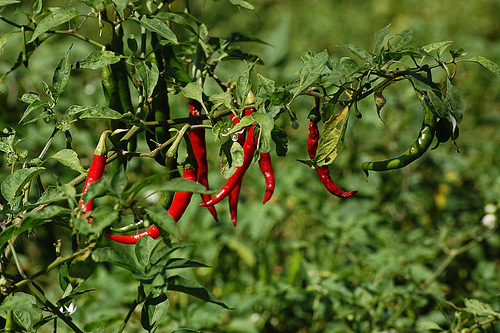
மிளகாயும் அழகுதான் …அளவுடன் சாப்பிட்டால் !!!!!!

SOURCE:::Input from one of my contacts….we never knew that our chillie has got such a solid history!!!!

Natarajan

மிளகாயில் இத்தனை தகவல்களா ?

உப்பளத்தில் குளித்து வெயிலோடு உறவாடி…வத்தலானேன்

சங்க காலம் முதல் சமையலின் காரச் சுவைக்காக மிளகு பயன்பாட்டில் இருந்தது.
அதேபோல கி.மு. 7500 ஆண்டுகளுக்கு முன்னரே அமெரிக்க உணவில் மிளகாய் இருந்திருக்கிறது என்பதற்கான ஆதாரங்களை கண்டுபிடித்துள்ளார்கள். 

ஈயூடோவரில் 6000 வருடங்களுக்கு முன்னரே தேர்ந்தெடுத்த இனமாகப் பயிரிடப்பட்டுள்ளதாம். மத்திய மற்றும் தென் அமெரிக்காவில் முதல் முதலாகப் பயிரப்பட்ட செடியாகவும் இதையே சொல்கிறார்கள். 


கிரிஸ்தோபர் கொலம்பஸ் அவர்கள் அமெரிக்காவிலிருந்து கண்டுபிடித்து ஐரோப்பிய நாடுகளுக்கு அறிமுகப்படுத்தினார். அப்பொழுது Chille pepper என அழைத்தார்கள்.

ஐரோப்பியாவிலிருந்து போர்த்தீக்கேய வியாபாரிகளால் ஆசியாவிற்கு கொண்டு வரப்பட்டிருக்கலாம் என நம்புகிறார்கள். 

மிளகாய் இனங்களில் 400 வகைகள் இருக்கின்றன என்கிறார்கள். அசாம் மிளகாய் மிகவும் சிறிய வகையானது. காரத்தில் மிகவும் கூடியது. 

இலங்கையில் கானல் கொச்சிக்காய் என ஒரு வகை இதுவும் சிறியது அதீத காரமானது. ஊசி மிளகாய் எனத் தமிழகத்தில் அழைக்கப்படுகிறது. 

நன்றி – subaillam.blogspot.com

 தென்பகுதியில்  ஒரு வகை சராய் (உறைப்பு ) என  கூறி விற்பார்கள். ஒரு சிறிய மிளகாய் ஒரு கறிக்குப் போதுமானது.

பூட்டான் நாட்டில் மிளகாயை பழ வகைகளில் அடக்குகிறார்கள். பழத்தைப் பதனிட்டு போத்தலில் அடைத்துப் பயன்படுத்துகிறார்கள். 

கார வேறுபாடுகள் 

காரம் என்பது ஒரு சுவை என்ற போதும், காரத்தை விஞ்ஞான ரீதியாகவும் அளக்கலாம். 


மிளகாய்களை காரத்தன்மை கொண்டு வகைப்படுத்த சுகோவில் அளவு (scoville units )பயன்படுத்தப்படுகிறது

இனிப்பு மிளகாய் – காரத்தன்மை 0 -1000 சுகோவில் அளவுவரை இருக்கும். குடமிளகாய், இனிப்பு பனானா, செர்ரிமிளகாய், பிமென்டோ இவ்வகையைச் சார்ந்தன என்கிறார்கள்.

மிதமான கார மிளகாய் – இதன் காரத் தன்மை 1000 – 3000 சுகோவில்வரை ஆன்ரோ, பசில்லா,கஸ்காபெல், சண்டியா இந்தவகையைச் சேர்ந்தவை.

இடைப்பட்ட கார மிளகாய் – 3000 – 6000 சுகோவில்வரை அலபினோ,மியாசாய் இந்த வகைகள்.

காரமிளகாய் – 5000 – 100,000 சுகோவில் வரை. டபாஸ்கோ, செர்ரானோ,கயேன், பிக்வின், தாய்லாந்து மிளகாய் இவ்வகையின.

அதீதகார மிளகாய் – 80,000 – 300,000 சுகோவில்வரை ஆபெர்னரோ, ஸ்காட்ச்பானெட்டு அதீத வகையைச்சேர்ந்தனவாக இருக்கின்றன என்கிறார்கள்.

வடிவ வேறுபாடுகள் 

மிளகாய்களில் நீளமானவை, வட்டவடிவமானவை, குறுகியவை, அகன்ற வகை, ஒடுங்கிய வகை என பலவகைகள் இருக்கின்றன. 

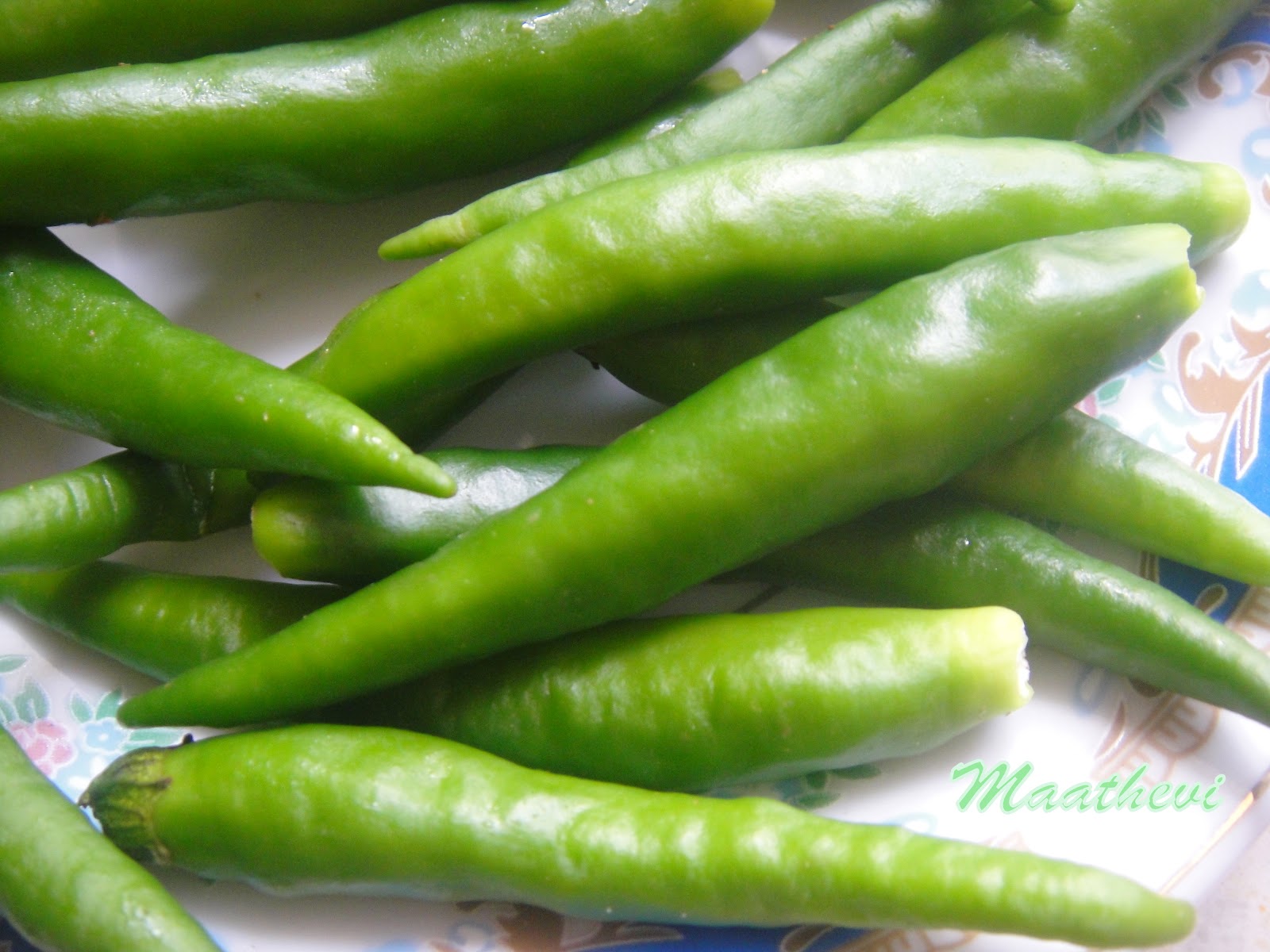
பச்சை கலர் மிளகாய்கள்தான் பெரும்பாலும் இருக்கின்றன. 


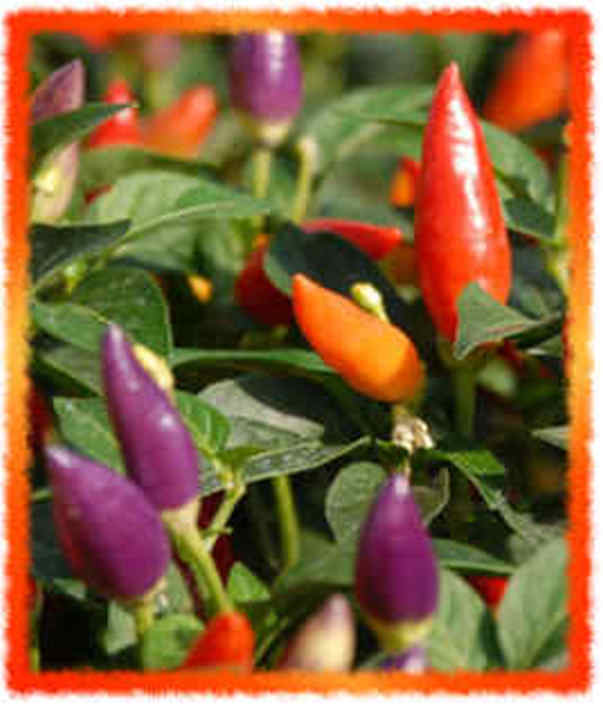
கறுப்பு, வெள்ளை, கத்தரிப்பூ,மஞ்சள்,சிவப்பு வர்ணங்களிலும் மிளகாய்கள் இருக்கின்றன.


கத்தரிப்பூ

மிளகாய் வத்தல்கள் 

பச்சை மிளகாயை நாங்கள் மோரில் இட்டு வத்தலாக்கிப் பயன்படுத்துகிறோம்;. 

மார்ச் ஏப்ரல் கோடை ஆரம்பத்தில் வத்தல் மிளகாய் இடும் காலம் தொடங்கிவிடும். 

முன்னோர்கள் நாலு ஐந்து கிலோ மிளகாயை வாங்கி அவித்து உலர வைத்து பெரிய டப்பாக்களில் அடைத்து வைத்துக் கொள்வார்கள். குடும்பமும் பெரிதல்லவா மழைக் காலத்திற்கும் கைகொடுக்கும். 

இப்பொழுது குடும்பங்கள் சிறியதாக இருப்பதால் கால்கிலோ அரைக்கிலோ மிளகாயே தாராளமாகப் போதும். 

கத்தரிக்காய், வெண்டைக்காய் பொரித்த குழம்பு, தக்காளி குழம்பு, மோர்குழம்பு, வெங்காயக் குழம்புகளிலும் பப்படக் குழம்பு, மோர்களிகளிலும் வத்தல் மிளகாயைப் பொரித்துக் கலந்து கொள்ள சுவை கூட்டும். 

வத்தல் மிளகாய்ச் சட்னி, வத்தல் மிளகாய் காரக் குழம்பும் செய்து கொள்ளலாம். 


வத்தல் மிளகாயை சாதம், புட்டுக்குப் பொரித்து உண்பார்கள் யாழ் மக்கள். வத்தல் மிளகாயும் தயிர்ச் சோறும் நல்ல கொம்பினேஸன்.

விரத காலத்தில் அப்பளம், மோர் மிளகாய், வடகம் இல்லாத சமையல் இருக்காது. 

சுவையும் அதுவே தண்டனையாகவும் அதுவே 

காரத்திற்காகப் பயன்படுத்தும் மிளகாய் தண்டனைகளுக்காகவும் பயன்படுத்தப்படுகிறது. உண்மையை வரவழைக்க மிளகாய் சாக்கினுள் ஆளைக் கட்டி வைப்பார்கள் எனச் சொல்லக் கேட்டிருக்கிறேன். 

பழைய காலத்தில் சிறுவர்களுக்கு மிளகாயை கண்ணில் பூசுவேன் என வெருட்டுவார்கள். 

கள்ளனை விரட்டவும் மிளகாய்பொடி பயன்படுகிறது. துணிவுள்ளவர்கள் உங்கள் கண்களைக் காப்பாற்றி கள்ளனை விரட்டுங்கள். 

இந்திய இராணுவத்தினர் பயங்கரவாதிகளுக்கு எதிரான ஆயுதமாக மிளகாயைப் பயன்படுத்துகிறார்களாம்.  கண்ணீர் புகைக் குண்டு போன்ற கிரனேட்டுகளைத் தயாரிக்க உலகின் மிகக் காரமான மிளகாயைப் பயன்படுத்துகிறார்களாம். 1,000,000 சுகோவில் ( Scoville units) அளவிற்கு அதிகமான மிளகாய் இதுவாம்.


சடங்கு சம்பிரதாயங்களில் மிளகாய் 

இத்துடன் சிறு குழந்தைகளுக்கு கண்ணூறு கழிக்கவும் மிளகாயையும் உப்பையும் சுற்றி எடுத்து அடுப்பில் போட்டு வெடிக்க வைக்கும் வழக்கமும் இருந்திருக்கிறது. 

கடைகளின் வாயில்களில் மிளகாயையும் எலுமிச்சம் பழத்தையும் தொங்க விட்டிருப்பதையும் காணலாம். 

வத்தல் மிளகாய் செய்வோமா? 


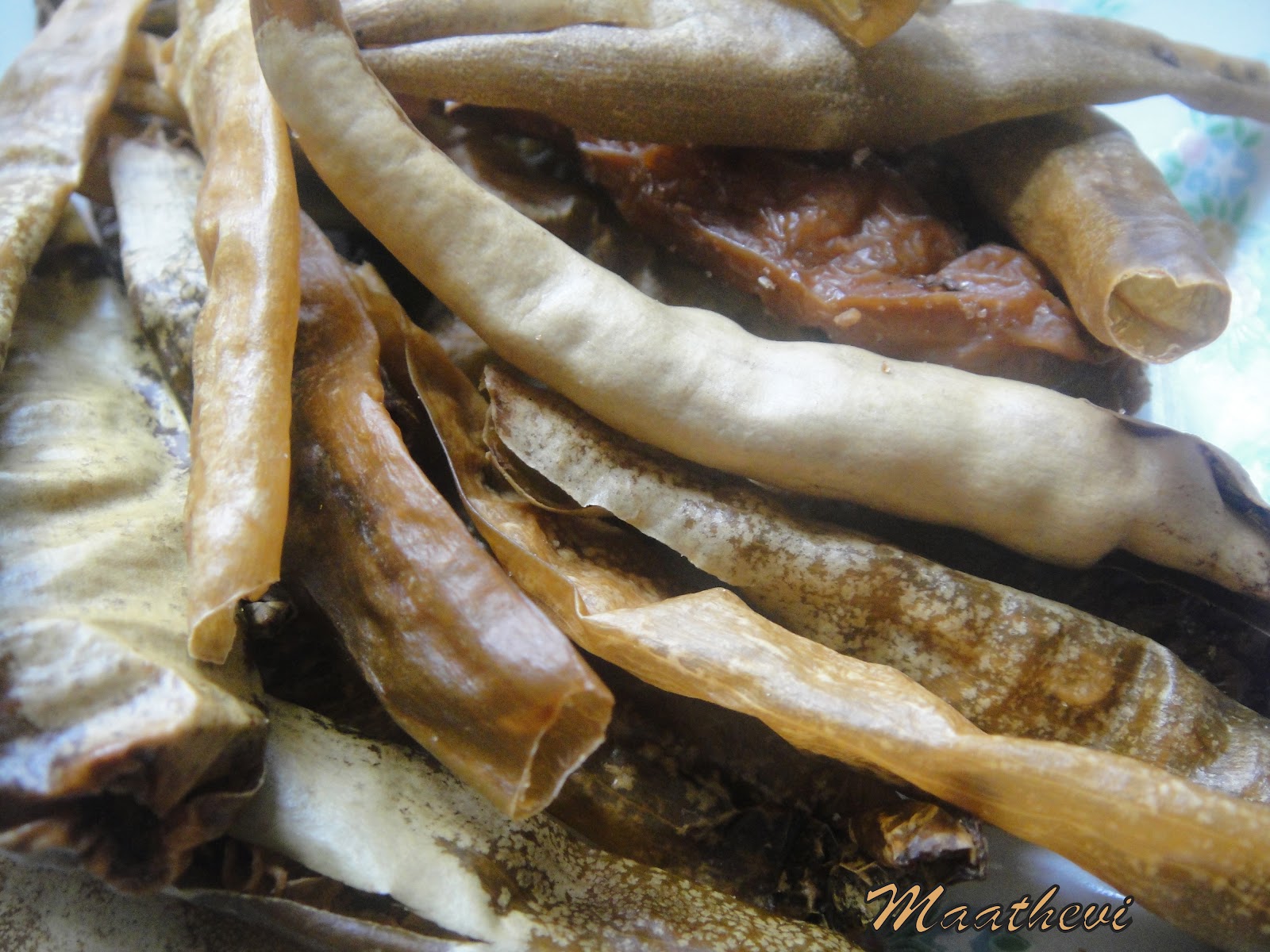
உப்பு மிளகாய், வத்தல்மிளகாய், மோர் மிளகாய், உப்பு புளி மிளகாய் என பல பெயர்களில் அழைக்கிறார்கள்.

இவ் வத்தல் மிளகாயில் நலமுண்டா எனக்கேட்காதீர்கள். அடிக்கடி சாப்பிடுவது உடல் நலத்துக்கு கெடுதியைத் தரும். நாக்கின் சுவைக்கு எப்போதாவது சாப்பிடலாம். 

அல்சர் நோயுள்ளவர்கள் இந்தப் பக்கம் போகவே வேண்டாம். உப்பு அதிகம் என்பதால் பிரசர் இருப்பவர்கள்  நிட்சயமாக தவிர்த்துக் கொள்ள வேண்டும். கொலஸ்ரோல் உள்ளவர்களுக்கும் எண்ணையில் பொரிப்பதால் ஏற்றதல்ல. 

சில செய்முறைகள்


1.    மோர்மிளகாய். 
உப்பு, மோருடன் காய்களைப்போட்டு ஊற வைத்து இரண்டு நாட்கள் வீட்டினுள்ளே மூடி வைத்து எடுத்து வெயிலில் காய வைத்து எடுப்பார்கள்.
2. உப்பு மிளகாய்.
நீரில் உப்பிட்டு மிளகாய் போட்டு ஒரு கொதி விட்டு எடுத்து வடித்து வெயிலில் காயவிடுதல்.
3.    உப்பு புளி மிளகாய்.

புளி நீரில் உப்பிட்டு மிளகாயைப் போட்டு ஒரு கொதிவிட்டு எடுத்து வெயில் உலர வைத்து எடுத்தல். 

மூன்று முறைகளுமே வெவ்வேறு சுவைகளைத் தரும்.

GOA….Some Facts we do not know…..

SOURCE:::: INPUT FROM ONE OF MY FRIENDS…. INTERESTING READ….

Natarajan

DID YOU KNOW THESE FACTS ABOUT GOA?

1. That the only state in India having two official state languages is Goa with Konkani and Marathi.

2. That Goa is the smallest state of India having a national highway road span of only 120 km N to S and around 80 kms E to W.

3. That Goa’s official language, Konkani, is the only Indian language that is written in two scripts, Devnagri and Roman English script.

4. That Goa is the only state where the state road transport is named after an old age dynasty called Kadamba.

5. That Goa is the second state after Orissa where the world famous Olive Ridley Turtles come to lay their eggs on Morjim beach.

6. That Goa is the state having the whole non-decomposing miraculous remains of St Francis Xavier atOld Goa.

7. That Goa is the only Indian state with an active and enforced uniform Civil Code implemented by the Portuguese.

8. That if you are a Goan you can avail of Portuguese Nationality Passport.

9. That the first printing press of Asia was installed in Goa at St Pauls’ college in 1556.

10. That the first medical school of India was established in Goa set up in 1842 at Panaji, demolished in 2004.

11. That Goa is exporting 60% of India’s Mineral Ore to Japan.

12. That Goa is the first state in India to permanently host the international film festival.

13. That Goa is the only place where one can hire a two wheeler taxi called “pilots.”

14. That Goa’s only airport is military airport of the Navy.

15. That the one and only one Naval Aviation Museum of Asia is located at Vasco in Goa.

16. That India has only two temples dedicated to the Brahma of the Hindu Trinity. One is in Rajasthan and other in Goa; 17.7 km from Valpoi in the village of Carambolim Brahma Temple.

17. That Mumbai owes its daily bread to Goa more precisely, to migrant bakers from Saligao and Siolim who brought with them the blessed Pao to Mumbai.

18. That Goa, even though the smallest state in India, has the highest bank saving deposit.

19. That Asia’s only floating casino is launched in Goa’s coastal waters at Panaji harbour known as “Caravela.”

20. That India’s largest laterite stone carving of St. Mirabai is at ancestral Goa at Loutolim village.

21. That Goa is the only state of India having the highest forest destiny cover of 33% of total land mass.

22. That the first English medium high school in Goa was established in 1896 at St. Josephs’ High School, Arpora.

23. Goa is the first state in India werein one can register car, bike or other vehicle on line from the dealers directly which started in June ’06 and one need not go to R.T.O. for registration.

24. That petrol is cheaper in Goa than the other states as implemented by the newly elected CM.