Meet Rathika Ramaswamy… India”s First Female Wildlife Photographer…..

When I travel, some people get scared of my big lenses; others wonder whether a single lady can travel by herself in a forest.” 

“Wildlife is like a magnet, the closer you are to it, the strongest it attracts you.”

“When you take pictures of wildlife there is no second shoot. Everything happens in a nanosecond.”

Delhi-based wildlife photographer Rathika Ramasamy is an engineer and MBA. But her passion for clicking pictures led her to become India’s first female wildlife photographer. This is her story! 

For some people, moving around a city is scarier than walking in the heart of a forest.

It is all a matter of perspective; the real challenge is to find out which of the two is truly frightening for us.

Rathika Ramasamy found her answer by looking through the lenses of her camera.

Before becoming a professional photographer she was a kid who liked to capture family picnics on the camera that her father had gifted her.

Even as a teenager she took the quality of her clicks as seriously as any regular school subject.

Finally, she was among a crowd of software engineers in Chennai who celebrated their graduation in the late nineties, and some years later a young lady with an MBA.

The first step into the wild was not a step in a jungle, but a move toward embracing her passion as a full time occupation regardless of her remarkable academic achievements.

“After my graduation I knew I did not want an office job. I thought a lot of people could be software engineers, but wildlife photography was not everybody’s cup of coffee,” she said.

So she grabbed her camera, the support all her family was giving her and took off on her venture.

Radhika Ramasamy

“Birds were my first love,” Ramasamy says.

“Their colours and movements during migration are just pure grace and beauty,” she adds.

However, the first time she captured their flight with her new digital camera, the pictures she downloaded were too dark and had the wrong angles.

“It was time to upgrade,” she said, “so I taught myself the technical skills to become a photographer.”

While studying the mechanics of photography, she became a regular visitor to the numerous national parks around Delhi where she had moved in 1999 after her wedding.

Rajaji, Sariska, Ranthambore became her second home, alongside the National Chambal Wildlife Sanctuary, Corbett Tiger Reserve and many other protected areas.

“By then, I had totally fallen in love with wildlife and I have never looked back since,” smiles Ramasamy.

“Wildlife is like a magnet, the closer you are to it, the strongest it attracts you, and the harder it is to get away.”

When Ramasamy goes out for a shoot, she normally spends a few days wandering in the animals’ natural habitat simply observing how it is, what the dynamics of its ecosystem are and how her subjects fit in.

“When you take pictures of wildlife, there is no second shoot. Everything happens in a nanosecond, so you need to learn to predict the animals’ movements by learning their habits,” she continues.

“This is 70 per cent of the knowledge you are supposed to have and it comes from patience, observation and passion.”

Technical knowledge follows as a consequence.

“If you really want to know how to take a good shot, you start picking up the skills that you need,” Ramasamy says.

Nonetheless, she admits that it took her quite some time to learn.

“Now there are workshops where aspiring wildlife photographer can teach you about cameras in a few months and I would recommend that interested persons attend those.”

When I travel, some people get scared of my big lenses; others wonder whether a single lady can travel by herself in a forest.

“I am here neither to let myself be dissuaded, nor to prove I am brave. So, I do everything to make myself and others feel safe: I always pre-book, and inform my relatives about my movements.”

She makes it clear that her journey is not about what other people think.

“I want to be the best wildlife photographer in India,” she says firmly, and underlines that gender plays virtually no role in her mission.

“At the moment I am probably the only one taking this as a full time profession; most people consider it a hobby,” she explains, “it is equally challenging for men and women because it does not give any financial security, which I found only after working very hard on my shots.”

“It’s up to people whether they want to find inspiration in what I do or in my gender, but for me it is important that they acknowledge the quality of my pictures,” she concludes.

SOURCE:::::: http://www.rediff.com

Natarajan

” Helping Others Against all Odds … An Incredible True story …”

Helping Others Against All Odds

There are heroes, and then there are people like Jia Haixia and Jia Wenqi, who put even heroes to shame with their sheer determination to do good against all odds. Haixia is completely blind. Wenqi has lost both of his arms. Yet instead of each of them living their lives as a handicapped person, they have joined forces to do good.
For more than 10 years, Haixia and Wenqi have been replanting trees around Yeli village in Northeastern China. 

blind and armless planting trees

53 year old Jia Wenqui had an accident at the age of 3 and lost both his arms.

blind and armless planting trees

Also 53 year old Jia Haixia was born blind in one eye, then lost the other in a work-related accident 15 years ago. 

blind and armless planting trees

Due to their handicapps, they were hard pressed to find jobs. Working together, they make up for each other’s handicaps perfectly. 

blind and armless planting trees

blind and armless planting trees

In the last decade, they’ve planted together as many as 10,000 trees. 

blind and armless planting trees

Each day, they start their work at 7am. Haixia often carrying Wenqui over streams or difficult obstacles. 

blind and armless planting trees

blind and armless planting trees

Since they don’t have the money to get saplings, they use tree cuttings instead. 

blind and armless planting trees

Haixia climbs trees to get the best cuttings, aided by Wenqui’s guiding eyes.

blind and armless planting trees

He then digs holes to plant them.  Wenqui’s job is then to care for and water the young trees.  

blind and armless planting trees

Their work is immensely important to their village, as it helps protect it from a flood. 

blind and armless planting trees

They have recently become famous in China for their amazing work, and rumor has it that Haixia might get treatment for one of his eyes to fix his congenital cataract. We sure hope that’s true. 

blind and armless planting trees

Source:::: http://www.ba-bamail.com

Natarajan

Lady Plumber

qalumny's avatarFunny and Interesting Stuff People Have Sent Me

Lady Plumber001
 
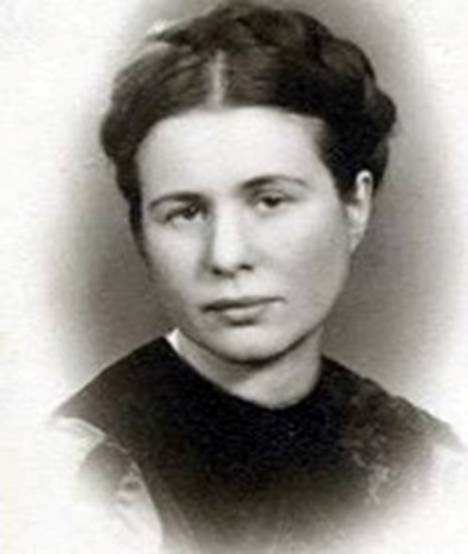
Irena Sendler
Died: May 12, 2008 (aged 98) Warsaw, Poland 
 
Lady Plumber002


During WWII, Irena, got permission to work in the Warsaw ghetto, as a Plumbing/Sewer specialist.
She had an ulterior motive.
 
Irena smuggled Jewish infants out in the bottom of the tool box she carried.   She also carried a burlap sack in the back of her truck for larger kids.  Irena kept a dog in the back of her truck that she had trained to bark when the Nazi soldiers let her in and out of the ghetto.   The soldiers, of course, wanted nothing to do with the dog and the barking which covered the kids/infants noises.
 
Lady Plumber003


During her time of doing this, she managed to smuggle out and save 2500 kids/infants.  Ultimately, she was caught, however, and the Nazi’s broke both of her legs and arms and beat her severely.

View original post 218 more words

Sikkim: breaking Indian stereotypes..

Prakash Chettri's avatarTravelling with Light

What is a picture of India inside your head?

well the place where I belong is nowhere closer to your imagination, yet it is an integral part of India,  the irony is, rest of the country hardly know we exist.Yes we have often faced questions like “Sikkim? where is it?”, and “Is it a part of China?” and other discouraging comments from most of the mainland Indian population when we say that we hail from Sikkim. often ignoring their lack of geography and national heritage, we move along, trying not to explain where we belong and what we are.

well this is for all the Indians why is Sikkim famous all over the world, yet is still an enigmatic state of well balanced cultural and modern framework.

Gangtok_night_amit_mitraA view of Gangtok at night

Ten reasons why Sikkim is different than the rest of the country:

1)The people: the…

View original post 600 more words

An old man from India

Nillu Nasser's avatarNillu Z Nasser

Photo by Lewis Photo by Lewis

An old man came from India,
scooped up his savings
to visit his new grandchild
The baby, quiet and soft,
suffered from an ailment
that marred its first days

Still the man beamed,
his heart filled with gladness
that the child was there,
a gift, a fighter
he planned to lift up
with his own hands

There was exhaustion
etched on the faces
of the mother and father
Fear cast a shadow
that threatened to
blot out the light

The old man could not protect them
so he walked in his helplessness
as he would at home,
where the streets were dusty
and the vapours drove away
the clouds in his mind

He paced the asphalt streets
in the land of the brave
A poor man praying,
a grandfather seeking
to renew his courage
on that lonely walk

And they came, with enforcements,
with sirens and loudspeakers

View original post 147 more words

” ” அச்சு இற்று முறிந்த இடம் … அச்சரப்பாக்கம்…” !!!

“இளையாத்தங்குடிப் பிள்ளையாருக்குத் தாமே

தள்ளாத வயதில் துள்ளும் பாலகனைப் போல்

முட்டிக்கால் தோப்புக்கரணம் போடுகிறார்பெரியவா”

(கைலாஸ சங்கரனின் மறு அவதாரமோ!)

734324_514749501889171_935875765_n.jpg

ராமேச்வரத்தில் அப்போது நிர்மாணமாகி வந்த

ஸ்ரீ சங்கரமடத்துக்குச் சென்னையிலிருந்து சிலர்

விக்கிரகங்களுடன் சென்ற லாரி வழியே ‘ஆக்ஸில்’

உடைந்து நின்று விட்டது. இளையாத்தங்குடியிலிருந்த

பெரியவாளுக்குத் தகவல் தெரிவிக்கப்பட்டது.

“எந்த இடத்தில் நின்று விட்டது” என்று வினவுகிறார்.

“அச்சரப்பாக்கத்தில்” என்று பதில் வருகிறது.

பெரியவாள் முகத்தில் புன்னகை விரிகிறது.

இடுக்கண் வருங்கால் நகைக்கிறார்.

இளையாத்தங்குடிப் பிள்ளையாருக்குத் தாமே

தள்ளாத வயதில் துள்ளும் பாலகனைப் போல்

முட்டிக்கால் தோப்புக்கரணம் போடுகிறார்.

ராமேச்ர விஷயம் விக்கினமின்றி நடைபெறவே

விக்னேஸ்வர வழிபாடு என்பது வெளிப்படை.

மூர்த்தி வழிபாட்டுக்கு மேம்பட்ட முற்றிய அருள்

நிலையில் இருந்து இவரே இடையூற்றைத்

தீர்த்துவிடலாம்.ஆயினும் விக்கினம் தீர்க்கவே

ஏற்பட்ட தெய்வத்தை, மானுடருக்கு முன்னுதாரணமாகத்

தாமே வழிபட்டுக் காட்டுகிறார்.அதைச் சொல்லாமல்

சொல்லுகிறார்.

“பரமசிவன் பிள்ளையாரை வேண்டிக் கொள்ளாமலே

திரிபுர தகனத்துக்குப் புறப்பட்டார். ‘எந்தக் காரியம்

ஆரம்பித்தாலும் பிள்ளையாரை முதலில் பூஜிக்க வேண்டும்

என்று லோகத்துக்கு ஏற்பட்ட சம்பிரதாயத்தை ஈஸ்வரனே

செய்து காட்டினால்தானே, மற்ற ஜனங்களும் அப்படிச்

செய்வார்கள்? அதனால், ஈஸ்வரன் இப்படிப் பண்ணாத போது

அவர் புறப்பட்ட ரதத்தின் அச்சு முறிந்து போயிற்று.அப்புறம்

அவர் விக்னேஸ்வரரைப் பிரார்த்தனை செய்து கொண்ட பிறகு

தான் அது புறப்பட்டது.

அச்சு இற்று முறிந்த போன இடம்தான் ‘அச்சரப்பாக்கம்’ என்று

இப்போது சொல்லும் அச்சிறுப்பாக்கமான ஊர்.அங்கேயேதான்

நம் லாரியும் அச்சு முறிந்து நின்றிருக்கிறது.!”

எப்பேர்ப்பட்ட பொருத்தம்! பொருந்தாமல் இடையூறு

ஏற்பட்டதிலேயே ஒரு பொருத்தம் கண்டுவிட்டார்.

“கைலாஸ சங்கரன் ரதத்தில் போனபோது எங்கே அச்சு

முறிந்ததோ, அதே ஊரில் காலடி சங்கரர் லாரியில்

போகிறபோது ஆக்ஸில் உடைந்திருப்பதால் இவர்

அவனுடைய அவதாரமே என்றும் நிரூபணம் ஆகிறது!”

என்று பின்னரும் ஒரு பொருத்தம் காட்டிவிட்டார்

Read more: http://periva.proboards.com/thread/8611/#ixzz3RUElITvx

SOURCE:::: http://www.periva.proboards.com

Natarajan