” An Out Of the World” Selfie !!!

THIS has to be the selfie to end all selfies.

In fact it’s so good, it’s out of this world.

NASA astronaut Mike Hopkins, a flight engineer on NASA’s Expedition 38, snapped himself during a space walk on Christmas Eve.

He was joined by NASA astronaut Rick Mastracchio, whose image reflects in Hopkins’ helmet visor.

And as if that isn’t impressive enough, the astronaut is photobombed – by EARTH!

The legendary space selfie was posted on NASA’s website.

Legend ... NASA astronaut Mike Hopkins on his second space walk. Picture: NASA

Legend … NASA astronaut Mike Hopkins on his second space walk. Picture: NASA

Admittedly, although Hopkins arms are stretched in the selfie position we can’t be sure if he actually took the picture himself. But it sure looks like it.

The space walk was the second for the astronauts over a four-day period to change a degraded pump module on the outside of the Earth-orbiting International Space Station.

The pump module controls the flow of ammonia through cooling loops and radiators outside the space station, and, combined with water-based cooling loops inside the station, removes excess heat into the vacuum of space.

source::::news.com.au

natarajan

Iconic “Earth Rise” Photo !!!

Earth

The Earth is seen rising above the lunar horizon from the Apollo 8 spacecraft.  


On Dec. 24, 1968 — 45 years ago this Christmas eve — Apollo 8 astronauts Frank Borman, Jim Lovell, and William Anders became the first humans to leave Earth’s orbit and circle the moon.

The mission was historic, but even more memorable is the famous “Earthrise” photo that resulted, showing Earth for the first time rising above the lunar landscape.

Until that point, no humans eyes had ever seen our blue marble from space.

In Life’s “100 Photographs That Changed the World,” acclaimed wilderness photographer Galen Rowell described the unprecedented view of Earth as “the most influential environmental photographic ever taken.” The image of our planet, which seems so small and vulnerable in the blackness of space, made people aware of its fragility.

Earthrise is now one of the most reproduced space photos of all time, appearing on U.S. postage stamps, posters, and the cover of Time magazine in 1969. Many have pointed out the irony of the photo since Apollo 8 was sent to study and take pictures of the moon’s surface — not look back at Earth.

“Of all the objectives NASA had set before launch, no one had thought of photographing the earth from lunar orbit,” Robert Zimmerman wrote in his book “
Genesis: The Story of Apollo 8 : the First Manned Flight to Another World.”

The famous photo was taken during the spacecraft’s fourth pass around the moon, at which point the spacecraft had changed its orbit, making it possible to see the Earth climbing above the lunar horizon.

None of the astronauts were prepared for that moment, particularly lunar module pilot Anders who had been put in charge of photography since there was no lunar module (this was seven months before the first moon landing).

In an interview for a BBC Documentary, Anders described the sequences of events like this:

I don’t know who said it, maybe all of us said, ‘Oh my God. Look at that!’ and up came the Earth. We had had no discussion on the ground, no briefing, no instructions on what to do. I jokingly said, ‘well it’s not on the flight plan,’ and the other two guys were yelling at me to give them cameras. I had the only colour camera with a long lens. So I floated a black and white over to Borman. I can’t remember what Lovell got. There were all yelling for cameras, and we started snapping away.

For some time, there was controversy over which astronaut — Borman or Anders — pushed the camera button. Both claimed to be responsible. An investigation of transcripts later revealed that Anders took the iconic colour photograph, while Borman, being the first to recognise “earthrise,” took the first photo. This photo was in black-and-white and was overshadowed by the colour photo for obvious reasons. In “The Elusive Apollo 8 Earthrise Photo,” author Fred Spier contends that command module pilot Lovell also played his part — it was his authority that moved Anders to take the shot:

Experienced astronaut Frank Borman was the first to the importance of the picture, while equally experienced astronaut James Lovell was quick to follow. Space rookie William Anders, however, was in charge of taking the photos. In doing so, Anders had to follow a rather tight and well-defined photo plan, in which there was little or no room for unplanned snapshots, as he complained later during a debriefing session. As a result, Anders first offered some resistance and then quickly did what the other told him to do. Although it now seems beyond doubt that Anders actually snapped the famous picture, it also seems fair to say the picture came as a result of the combine efforts of all three astronauts.    

source:::::business insider.com

natarajan

Do You Know the Names of Full Moons !!!

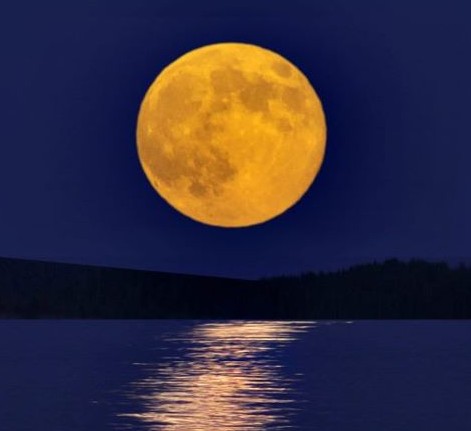
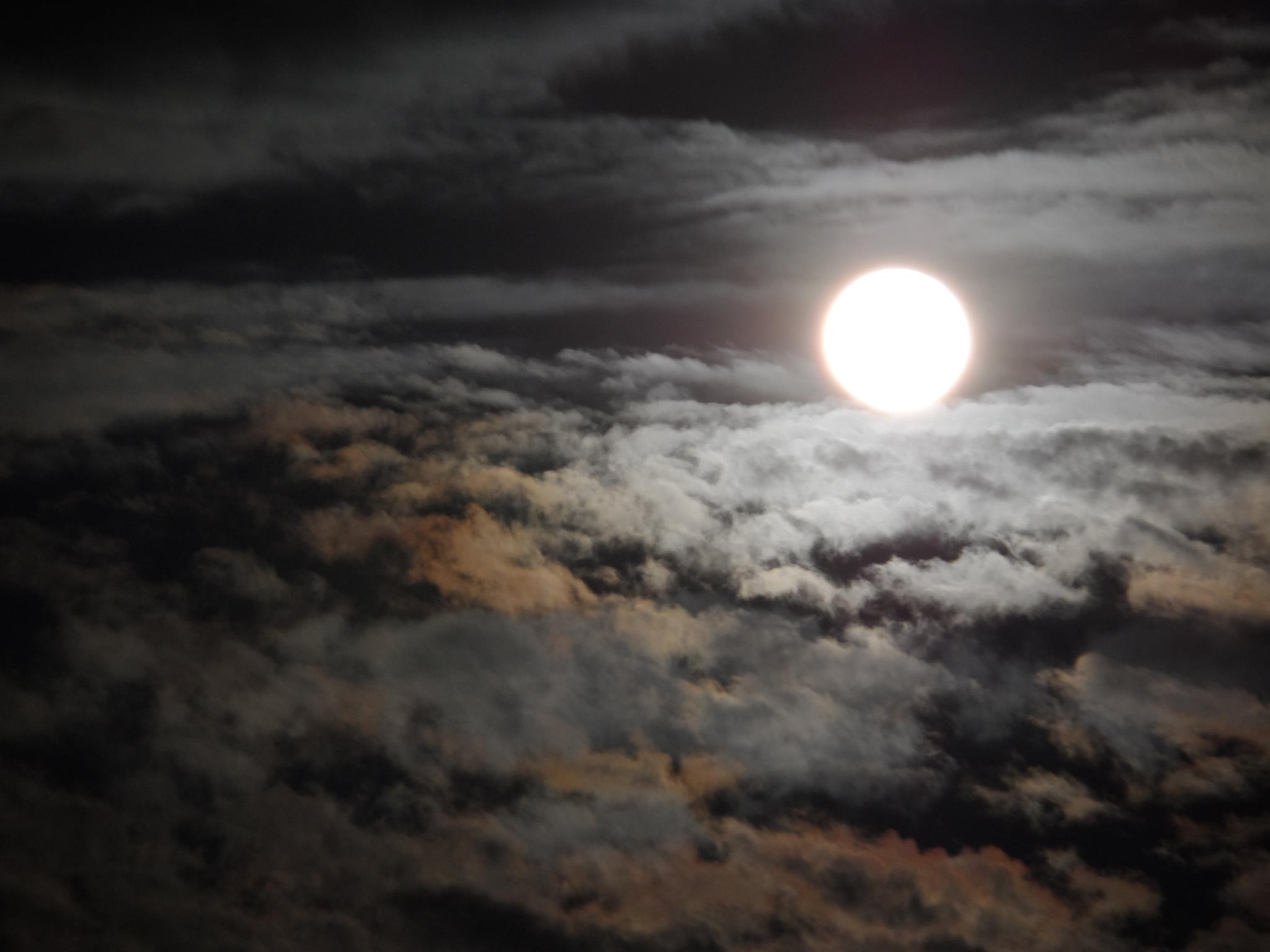
Some almanacs like to give each month a special full moon name. Other almanacs like to reference full moons relative to seasonal markers, as defined by equinoxes and solstices. Is one way better than the other? No. Both have their roots in folklore. Of course, both the monthly names and the seasonal names necessarily favor either the Northern or Southern Hemisphere. That’s because the moon has different characteristics in the two hemispheres, at opposite times of year. For example, the Harvest Moon is the full moon closest to the autumnal equinox. So it falls in September or October for the Northern Hemisphere, and it falls in March or April for the Southern Hemisphere.

Here we list common full moon names – first by month (Northern and Southern Hemisphere) – and then by season (works for both hemispheres).

Photo by EarthSky Facebook friend Janet Wilson Fenn

Full moon via EarthSky Facebook friend Lee Capps

Northern Hemisphere full moon names by month:
January: Old Moon, Moon After Yule
February: Snow Moon, Hunger Moon, Wolf Moon
March: Sap Moon, Crow Moon, Lenten Moon
April: Grass Moon, Egg Moon
May: Planting Moon, Milk Moon
June: Rose Moon, Flower Moon, Strawberry Moon
July: Thunder Moon, Hay Moon
August: Green Corn Moon, Grain Moon
September: Fruit Moon, Harvest Moon
October: Harvest Moon, Hunter’s Moon
November: Hunter’s Moon, Frosty Moon, or Beaver Moon
December: Moon Before Yule, or Long Night Moon

Southern Hemisphere full moon names by month:
January: Hay Moon, Buck Moon, Thunder Moon, Mead Moon
February (mid-summer): Grain Moon, Sturgeon Moon, Red Moon, Wyrt Moon, Corn Moon, Dog Moon, Barley Moon
March: Harvest Moon, Corn Moon
April: Harvest Moon, Hunter’s Moon, Blood Moon
May: Hunter’s Moon, Beaver Moon, Frost Moon
June: Oak Moon, Cold Moon, Long Night’s Moon
July: Wolf Moon, Old Moon, Ice Moon
August: Snow Moon, Storm Moon, Hunger Moon, Wolf Moon
September: Worm Moon, Lenten Moon, Crow Moon, Sugar Moon, Chaste Moon, Sap Moon
October: Egg Moon, Fish Moon, Seed Moon, Pink Moon, Waking Moon
November: Corn Moon, Milk Moon, Flower Moon, Hare Moon
December: Strawberry Moon, Honey Moon, Rose Moon

About once every 19 years, February has no full moon at all.

Moreover, in 7 out of every 19 years, two full moons will fall in the same calendar month. The second of the month’s two full moons is popularly referred to as a Blue Moon. The next Blue Moon by this definition will happen on July 31, 2015.

January 2013 full moon from EarthSky Facebook friend Fernando Alvarenga in San Salvador.

Full moon via Flickr user Ava Verino

Full moon names by season (Northern or Southern Hemisphere):
After the winter solstice:
Old Moon, or Moon After Yule
Snow Moon, Hunger Moon, or Wolf Moon
Sap Moon, Crow Moon or Lenten Moon

After the spring equinox:
Grass Moon, or Egg Moon
Planting Moon, or Milk Moon
Rose Moon, Flower Moon, or Strawberry Moon

After the summer solstice:
Thunder Moon, or Hay Moon
Green Corn Moon, or Grain Moon
Fruit Moon, or Harvest Moon

After the autumnal equinox:
Harvest Moon, or Hunter’s Moon
Hunter’s Moon, Frosty Moon, or Beaver Moon
Moon Before Yule, or Long Night Moon

There are usually three full moons in between an equinox and a solstice, or vice versa. Seven times in 19 years, four full moons fall in a single season. In that case, the third of a season’s four full moons is also called a Blue Moon. The next Blue Moon by this definition will happen on August 21, 2013.

Full moon via Michelle Eve Photography

Photo via EarthSky Facebook friend Patricia Smith Mims

source::::Earth sky news site….

natarajan

Image of The Day !!!

View larger. | Conor Ledwith Photography captured this flock of starlings - otherwise known as a murmuration - in December 2013.  The bright object in the sky is Venus.  Visit Conor Ledwith on Facebook.

Conor Ledwith Photography captured this flock of starlings on December 13, 2013. The bright object in the sky is the planet Venus. Visit Conor Ledwith on Facebook.

Conor Ledwith Photography posted this photo on EarthSky Facebook, late in the day on December 13. He wrote:

Today’s evening sky with a murmuration of starlings at Galway, Ireland. The planet Venus is peeking out in the last light of day.

.

These flocks frequently expand and contract, seemingly without any sort of leader. Each starling changes its course and speed based on the movement of its closest neighbors.

A flock of starlings is known as a “chattering,” “clattering,” “cloud,” “congregation,” or “murmuration.” Whatever the case, it’s breathtaking.

source:::::Earth sky News site

natarajan