Stunning Images of the Year !!!

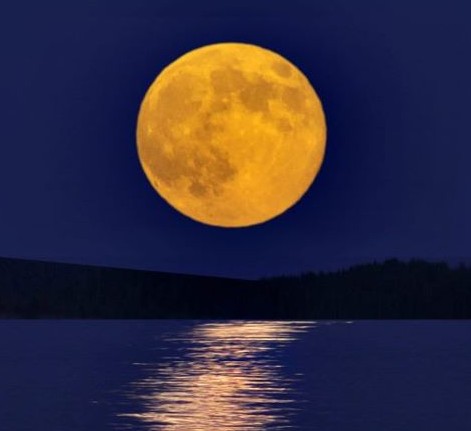
Moonshine: Tim Taylor took this dramatic photograph of the moon over the French Alps

Moonshine: Tim Taylor took this dramatic photograph of the moon over the French Alps


Misty eyed: This tender moment between a Japanese macaques mother and baby was captured by Jasper Doest

Misty eyed: This tender moment between a Japanese macaques mother and baby was captured by Jasper Doest

Gotcha: UK-based photographer Peter Downing won a best single image in a portfolio category for this shot of a kingfisher in Worcester

Gotcha: UK-based photographer Peter Downing won a best single image in a portfolio category for this shot of a kingfisher in Worcester
Race to the finish: Camels ridden by robotic jockeys race to the finish line to the joy of the watching crowd in this picture taken by Jason Edwards

Race to the finish: Camels ridden by robotic jockeys race to the finish line to the joy of the watching crowd in this picture taken by Jason Edwards

Leap of faith: British photographer Cat Vinton was commended for this image of a sea gypsy spear fishing on the Andaman Sea

Leap of faith: British photographer Cat Vinton was commended for this image of a sea gypsy spear fishing on the Andaman Sea

Dramatic: US photographer Justin Mott took home the One Shot, Extraordinary prize for this image taken in Phuket, Thailand

Dramatic: US photographer Justin Mott took home the One Shot, Extraordinary prize for this image taken in Phuket, Thailand

Human nature: This photograph of human towers being built at a festival in Catalonia, Spain was taken by David Oliete

Human nature: This photograph of human towers being built at a festival in Catalonia, Spain was taken by David Oliete

source:::::mailonline.com UK

natarajan


Do You Know the Names of Full Moons !!!

Some almanacs like to give each month a special full moon name. Other almanacs like to reference full moons relative to seasonal markers, as defined by equinoxes and solstices. Is one way better than the other? No. Both have their roots in folklore. Of course, both the monthly names and the seasonal names necessarily favor either the Northern or Southern Hemisphere. That’s because the moon has different characteristics in the two hemispheres, at opposite times of year. For example, the Harvest Moon is the full moon closest to the autumnal equinox. So it falls in September or October for the Northern Hemisphere, and it falls in March or April for the Southern Hemisphere.

Here we list common full moon names – first by month (Northern and Southern Hemisphere) – and then by season (works for both hemispheres).

Photo by EarthSky Facebook friend Janet Wilson Fenn

Full moon via EarthSky Facebook friend Lee Capps

Northern Hemisphere full moon names by month:
January: Old Moon, Moon After Yule
February: Snow Moon, Hunger Moon, Wolf Moon
March: Sap Moon, Crow Moon, Lenten Moon
April: Grass Moon, Egg Moon
May: Planting Moon, Milk Moon
June: Rose Moon, Flower Moon, Strawberry Moon
July: Thunder Moon, Hay Moon
August: Green Corn Moon, Grain Moon
September: Fruit Moon, Harvest Moon
October: Harvest Moon, Hunter’s Moon
November: Hunter’s Moon, Frosty Moon, or Beaver Moon
December: Moon Before Yule, or Long Night Moon

Southern Hemisphere full moon names by month:
January: Hay Moon, Buck Moon, Thunder Moon, Mead Moon
February (mid-summer): Grain Moon, Sturgeon Moon, Red Moon, Wyrt Moon, Corn Moon, Dog Moon, Barley Moon
March: Harvest Moon, Corn Moon
April: Harvest Moon, Hunter’s Moon, Blood Moon
May: Hunter’s Moon, Beaver Moon, Frost Moon
June: Oak Moon, Cold Moon, Long Night’s Moon
July: Wolf Moon, Old Moon, Ice Moon
August: Snow Moon, Storm Moon, Hunger Moon, Wolf Moon
September: Worm Moon, Lenten Moon, Crow Moon, Sugar Moon, Chaste Moon, Sap Moon
October: Egg Moon, Fish Moon, Seed Moon, Pink Moon, Waking Moon
November: Corn Moon, Milk Moon, Flower Moon, Hare Moon
December: Strawberry Moon, Honey Moon, Rose Moon

About once every 19 years, February has no full moon at all.

Moreover, in 7 out of every 19 years, two full moons will fall in the same calendar month. The second of the month’s two full moons is popularly referred to as a Blue Moon. The next Blue Moon by this definition will happen on July 31, 2015.

January 2013 full moon from EarthSky Facebook friend Fernando Alvarenga in San Salvador.

Full moon via Flickr user Ava Verino

Full moon names by season (Northern or Southern Hemisphere):
After the winter solstice:
Old Moon, or Moon After Yule
Snow Moon, Hunger Moon, or Wolf Moon
Sap Moon, Crow Moon or Lenten Moon

After the spring equinox:
Grass Moon, or Egg Moon
Planting Moon, or Milk Moon
Rose Moon, Flower Moon, or Strawberry Moon

After the summer solstice:
Thunder Moon, or Hay Moon
Green Corn Moon, or Grain Moon
Fruit Moon, or Harvest Moon

After the autumnal equinox:
Harvest Moon, or Hunter’s Moon
Hunter’s Moon, Frosty Moon, or Beaver Moon
Moon Before Yule, or Long Night Moon

There are usually three full moons in between an equinox and a solstice, or vice versa. Seven times in 19 years, four full moons fall in a single season. In that case, the third of a season’s four full moons is also called a Blue Moon. The next Blue Moon by this definition will happen on August 21, 2013.

Full moon via Michelle Eve Photography

Photo via EarthSky Facebook friend Patricia Smith Mims

source::::Earth sky news site….

natarajan

Image of The Day !!!

View larger. | Conor Ledwith Photography captured this flock of starlings - otherwise known as a murmuration - in December 2013.  The bright object in the sky is Venus.  Visit Conor Ledwith on Facebook.

Conor Ledwith Photography captured this flock of starlings on December 13, 2013. The bright object in the sky is the planet Venus. Visit Conor Ledwith on Facebook.

Conor Ledwith Photography posted this photo on EarthSky Facebook, late in the day on December 13. He wrote:

Today’s evening sky with a murmuration of starlings at Galway, Ireland. The planet Venus is peeking out in the last light of day.

.

These flocks frequently expand and contract, seemingly without any sort of leader. Each starling changes its course and speed based on the movement of its closest neighbors.

A flock of starlings is known as a “chattering,” “clattering,” “cloud,” “congregation,” or “murmuration.” Whatever the case, it’s breathtaking.

source:::::Earth sky News site

natarajan

Guards ” Caught Off Guard ” …. Hilarious Video !!!


Being a professional guard isn’t an easy job. You have to be ready to perform complex manuavers, ride horses, be quick on your step and above all – never break formation.

Well, that’s how it’s supposed to be, anyway…  even when they are ” caught off guard ” !!!!


source :::: baba mail and you tube

natarajan


A ” Close Shave ” For This Spring -Heeled Impala !!!

Dramatic scene captured at the South Luangwa National Park in Zambia….

This spring-heeled impala must be thankful for his sharp reflexes after he leapt high into the air to narrowly avoid the snapping jaws of a hungry crocodile.

The predator’s desperate lunge sent the animal high-jumping into the air, startling the yellow-billed oxpeckers that were resting on his back.

Although it was a lucky escape for the impala, one can’t help but feel pity for the crocodile – a specimen whose clumsy attempts to find a meal are a source of mirth to local guides.

Leap: A spring-heeled impala jumps into the air to avoid the snapping jaws of this hungry crocodile in Zambia

That's some altitude: The impala continues its impressive leap as his fellows decide they had better flee too

Airtime: Even before the startled impala has landed from his leap, his pals have made good their escape

Where's everybody gone? The hungry crocodile, it turns out, is well known among local guides for being 'useless'

Where’s everybody gone? The hungry crocodile, it turns out, is well known to local guides for being ‘useless’

The crocodile had arrived slowly, gliding across the surface of the still water, before hiding beneath at the very edge of the river bank, where it was spotted by a steely-eyed elephant.

The protective pachyderm saw that the crocodile had moved itself into an attack position and unsuccessfully tried to shepherd the impala away from the riverside – even at one point trying to stamp on the submerged predator.

But the impala failed to heed the elephant’s warning and their protector eventually lost patience and drifted away – leaving the crocodile free to make his move.

The dramatic images of his attack were captured by Kendal-based amateur photographer Rob Brookes, 64, at the South Luangwa National Park in Zambia, where he was on safari with wife Sue.

Three elephants drinking water together shortly before the abortive attack: A protective pachyderm had tried to warn the impalas and even give the crocodile a good kick before they eventually lost interest

Mr Brookes said: ‘Even though I knew it was there, the expectation was tremendous as neither Sue nor myself have ever seen a croc attack and certainly not from the four metres or so we were away from this one.

‘Our guides were familiar with this croc and had very little regard for its ability, describing it as “useless”. Nonetheless I was holding my breath for longer than was healthy.’

The scene was played out on the banks of the Luangwa river which, at the very end of the dry season, had been reduced to a series of connected but quite shallow pools.

‘Rather surprisingly the impala didn’t retreat very far from the crocodile after the attack and soon returned to the river bank,’ said Mr Brookes.

‘They were however, very nervous and startled themselves with their own reflections for several minutes.

‘As soon as three or four of them had settled down and resumed drinking, the croc once again launched an attack but for some unknown reason this was completely in the wrong direction from where the impala were and served only to confirm the low opinion our guides had of him.

‘All in all I believe it managed five unsuccessful attacks during that day.’

 source:::Damien Gayle in Mail on line Uk
natarajan


” Look Alike ” ? !!!…Not Real one ? !!!

Dressed in a reindeer costume, Prince George enjoys his first Christmas, surrounded by all four generations of the Royal Family.

As well as delighted parents William and Kate, there’s uncle Harry in the role of Santa Claus.

And the Queen, Prince Charles and the Duchess of Cornwall also make an appearance.

At first glance, you’d be forgiven for thinking you are privy to an advance sneak peek into the Royal family’s Christmas album.

But not is all as it seems. For this Sandringham scene has been created by spoof photographer Alison Jackson, using lookalikes.
Prince George grabs hold of a cuddly toy Corgi as his doting parents the Duke and Duchess of Cambridge and great-grandmother the Queen look on adoringly


Santa's little helper, Prince George peers around the door with his parents and great-grandmother the Queen, as Prince Harry dressed as Father Christmas delivers gifts for his nephew


Tiny Prince George squeals with delight as his father Prince William hands his son yet another present, as grandparents Prince Charles and Camilla join the festivities


As Prince William and Kate prepare to move into their new home Anmer Hall on the Sandringham estate, the Duke ensures his young son will be fully kitted out with the right footwear for life in the countryside

  • Spoof photographer Alison Jackson imagines Prince George’s first Christmas
  • You could be forgiven for thinking the snaps are straight from the Royal family’s album

source::::mailonlineuk.com

natarajan