” Sorry… You are in No Parking Zone ” !!!

It turns out one Colorado cop has quite the sense of humour.

The Blackhawk was part of the Army National Guard units called in to help rescue stranded victims of the Colorado flood.

He had to park in the street, and he got ticketed for “facing the wrong way” and “parking in a no parking zone.”

We found the image on a Reddit post titled: “Blackhawk pilot must land on a street in Colorado to help in a rescue from the floods; gets this amusing ticket from local police in return.”

The Redditor also posted this image of the helicopter parked in the street and this image, as verification.

But don’t worry, another commenter claiming police experience pointed out that there “no court date” and no “section codes for violations” — so it had to be a practical joke.

Ticket Colorado


Ticket Redditq


source ::::business insider.com

natarajan

Best Views From The Cockpit !!!

The best views from the cockpit

Patrick Smith, a pilot and author of Cockpit Confidential, reveals the most memorable sights from the sky. 

On a typical 747 with four hundred passengers, a mere quarter of them will be lucky enough, if that’s the correct word, to be stationed at a window. In a ten-abreast block, only two of those seats come with a view. If flying has lost the ability to touch our hearts and minds, perhaps that’s part of the reason: there’s nothing to see anymore.

There’s something instinctively comforting about sitting at the window – a desire for orientation. Which way am I going? Has the sun risen or set yet? For lovers of air travel, of course, it’s more than that. To this day, the window is always my preference, even on the longest and most crowded flight. What I observe through the glass is no less a sensory moment, potentially, than what I’ll experience sightseeing later on. Traveling to Istanbul, for instance, I remember the sight of the ship-clogged Bosporus from 10,000 feet as vividly as I remember standing before the Süleymaniye Mosque or the Hagia Sofia.

For pilots, obviously, there isn’t much choice. We spend hours in what is essentially a small room walled with glass. Cockpit windows are surprisingly large, and although there’s often little to see except fuzzy gray cirrus or pitch – blackness, the panorama they provide is occasionally spectacular.


The best views from the cockpit

New York City

The arrival patterns into LaGuardia will sometimes take you along the Hudson River at low altitude, skirting the western edge of Manhattan and offering a breathtaking vista of the New York skyline – that “quartz porcupine,” as Vonnegut termed it.


The best views from the cockpit

Shooting stars (especially during the annual, late-summer Perseids meteor shower)

Most impressive are the ones that linger on the horizon for several seconds, changing color as they burrow into the atmosphere. I’ve seen shooting stars so bright they were visible even in daylight.


The best views from the cockpit

The Northern Lights

At its most vivid, the aurora borealis has to be seen to be believed. And you needn’t traipse to the Yukon or Siberia; the most dazzling display I’ve ever witnessed was on a flight between Detroit and New York. The heavens had become an immense, quivering, horizon–wide curtain of fluorescence, like God’s laundry flapping in the night sky.


The best views from the cockpit

Flying into Africa

I love the way the Cap Vert peninsula and the city of Dakar appear on the radar screen, perfectly contoured like some great rocky fishhook – the westernmost tip of the continent, and the sense of arrival and discovery it evokes. There it is, Africa! And further inland, the topography of Mali and Niger. From 30,000 feet, the scrubby Sahel looks exactly like 40-grade sandpaper, sprayed lightly green and spattered with villages – each a tiny star with red clay roads radiating outward.


The best views from the cockpit

The eerie, flickering orange glow of the Venezuelan oil fields — an apocalyptic vista that makes you feel like a B-17 pilot in 1945.


The best views from the cockpit

Similar, but more depressing, are the thousands of slash-and-burn fires you’ll see burning throughout the Amazon. Some of the fire fronts are miles long – walls of red flame chewing through the forests.


The best views from the cockpit


Compensating for the above are the vast, for-now untouched forests of Northeastern South America. Over Guyana in particular the view is like nothing else in the world – an expanse of primeval green as far as the eye can see. No towns, no roads, no clear-cutting or fires. For now.


Climbing out over the “tablecloth” – the cloud deck that routinely drapes itself over Table Mountain in Cape Town, South Africa.


The best views from the cockpit

The frozen, midwinter oblivion of Northeastern Canada. I love passing over the jaggedy, end-of-the-world remoteness of Newfoundland, Labrador, and Northern Quebec in midwinter – a gale-thrashed nether-region of boulders, forests, and frozen black rivers.


The best views from the cockpit

The majestic, primordial nothingness of Greenland. The great circle routes between the United States and Europe will sometimes take you over Greenland. It might be just a brush of the southern tip, but other times it’s forty-five minutes across the meatier vistas of the interior. If you’ve got a window seat, do not miss the opportunity to steal a peek, even if it means splashing your fast-asleep seatmate with sunshine.


The best views from the cockpit


Other views aren’t spectacle so much as just peculiar…

One afternoon we were coasting in from Europe, about 200 miles east of Halifax, Nova Scotia. “Gander Center,” I called in. “Got time for a question?”

“Yeah, go ahead.”

“Do you have any idea what the name of that strange little island is that we just passed over?”

“Sure do,” said the man in Gander. “That’s Sable Island.”

Sable Island is one of the oddest places I’ve ever seen from aloft. The oceans are full of remote islands, but Sable’s precarious isolation makes it especially peculiar. It’s a tiny, ribbony crescent of sand, almost Bahamian in shape and texture, all alone against the relentless North Atlantic. It’s like a fragment of a submerged archipelago—-a miniature island that has lost its friends.

“Island,” maybe, is being generous. Sable is really nothing more than a sand bar, a sinewy splinter of dunes and grass – 26 miles long and only a mile wide – lashed and scraped by surf and wind. How staggeringly vulnerable it appears from 38,000 feet.

I’d flown over Sable many times and had been meaning to ask about it. Only later did I learn that the place has been “the subject of extensive scientific research,” according to one website, “and of numerous documentary films, books, and magazine articles.” Most famously, it’s the home of 250 or so wild horses. Horses have been on Sable since the late eighteenth century, surviving on grass and fresh water ponds. Transient visitors include grey seals and up to 300 species of birds. Human access is tightly restricted. The only permanent dwelling is a scientific research station staffed by a handful of people.


The best views from the cockpit

But all right, okay, enough with the terrestrial stuff. I know that some of you are wondering about UFOs. This is something I’m asked about all the time. For the record, I have never seen one, and I have never met another pilot who claims to have seen one. Honestly, the topic is one that almost never comes up, even during those long, dark flights across the ocean. Musings about the vastness of the universe are one thing, but I cannot recall ever having had a conversation with a colleague about UFOs specifically. Neither have I seen the topic discussed in any industry journal or trade publication.

I once received an email asking me about a supposed “tacit agreement” between pilots that says we will not openly discuss UFO sightings out of fear of embarrassment and, as the emailer put it, “possible career suicide.” I had to laugh at the notion of there being a tacit agreement among pilots over anything, let alone flying saucers. And although plenty of things in aviation are tantamount to career suicide, withholding information about UFOs isn’t one of them.


The best views from the cockpit

In 2011, a poll by the website PrivateFly.com revealed travellers’ favourite airports to land at. Barra Island in the Outer Hebrides – with its unique beach runway – came out on top.


The best views from the cockpit

London City Airport (pictured), Jackson Hole, Aruba, Male, St Barts, Queenstown, Gibraltar, Narvik and St Maarten completed the top 10.


The best views from the cockpit

Paro Airport, in the Himalayan country of Bhutan, is regularly named among the scariest airports to land at. It is located in a deep valley, and landing involves negotiating a series of mountains, rapid descents and then a steep bank to the left. Only a handful of pilots are certified to land there.


The best views from the cockpit

Other scary touch-downs include Matekane in Lesotho, Saba in the Caribbean, Tenzing-Hillary airport in Lukla, Nepal, Funchal in Madeira, and Courchevel.


source::::Patrick Smith in The Telegraph …UK

natarajan


Highest Altitude Civilian Airport In the World !!!

World's highest-altitude airport in China.

AT 4411m above sea level, a new airport in a mountainous Tibetan village sits about halfway to the cruising altitude of most commercial planes.

The Daocheng Yading Airport was opened in China on Monday, becoming the highest-altitude civilian airport in the world.

The airport is in Garzi, a restive and remote Tibetan region of south-western Sichuan province.
The first planes touch down at the world's highest altitude airport. Picture: AP
The first planes touch down at the world’s highest altitude airport.

It will cut journey times from the provincial capital of Chengdu from a two-day drive to a little more than an hour in the air.

The 1.58 billion yuan ($258 million) airport, designed to handle 280,000 passengers a year, will help open up the nearby Yading Nature Reserve to tourism, the official Xinhua news agency said, referring to an area renowned for its untouched natural beauty.

source::::news.com.au

natarajan

Read more: http://www.news.com.au/travel/news/daocheng-yading-airport-claims-world-record-for-highest-altitude/story-e6frfq80-1226720989926#ixzz2fCoRmxiX


என்னமோ பறக்குது… மர்மமா இருக்குது…!!!


ஆகாயத்தில் அதிசயமாக நாம் பார்ப்பதில் முக்கிய இடம் பிடிப்பது விமானங்கள்தான். சில வேளைகளில் அழியாத நெடுங்கோடாகப் புகை விட்டுக்கொண்டு பறக்கும் ஜெட் விமானங்கள் என்றால் சில நேரங்களில் நமக்கு ஓசைகூட கேட்கும் அல்லது கேட்பது போன்ற பிரமை ஏற்படும். வலவன் ஏவா வானவூர்தி அல்ல என்றாலும் அதில் ஏறிப் பயணம் செய்யாதவர்களுக்கு வாழ்க்கையில் ஒரு முறையாவது ஏறிச் செல்ல வேண்டும் என்ற ஆசை எழுவது இயற்கைதான். ஆனால், அதில் அடிக்கடி சென்று பயணப்பட்டவர்களுக்கோ சில – பல சந்தேகங்கள் தோன்றித் தோன்றி மறையும். ஆசையாகவும் மகிழ்ச்சியாகவும், சில வேளைகளில் அச்சத்துடனும் விமானங்களில் செல்வோரே அதிகம். அவர்களில் பலருக்கு ஏற்படும் சந்தேகங்களுக்கு விடை தருகிறார் விமானி பேட்ரிக் ஸ்மித். ‘காக்பிட் கான்பிடன்ஷியல்’ என்ற பெயரில் அவர் எழுதியிருக்கும் தகவல்கள் அனைவருக்குமே பொதுவானவை. பயணிகளின் சந்தேகங்களுக்குக் கேள்வி-பதில் வடிவில் அவர் சில விளக்கங்களைத் தந்திருக்கிறார்.

விமானம் பறக்கும்போது திடீரென தூக்கித்தூக்கிப் போடுவதும் அப்படியும் இப்படியும் அலைக்கழிப்பதும் குலுங்குவதும் என்னைக் குலைநடுங்கச் செய்கிறது, செத்துவிடுவோமோ என்றுகூட அஞ்சுகிறேன், இந்த அச்சம் நியாயமானதுதானே?

இல்லை. விமானத்தை அப்படியே தலைகீழாகத் தூக்கிப் போடும்படியோ, விண்ணிலிருந்து வீசி எறியும் வகையிலோ எதுவும் நடந்துவிடாது.காற்றழுத்தம் குறைவான வான் பகுதியில் விமானம் செல்லும்போது குலுங்குவது இயல்பானது. அது உங்களுக்கு அச்சத்தையும் அசௌகரியத்தையும் ஏற்படுத்தலாம், ஆனால் அதனால் விமானம் கீழே விழுந்துவிடாது.

ஜெட் விமானத்தின் எல்லா இன்ஜின்களும் செயலிழந்துவிட்டால் விமானத்தால் பத்திரமாகத் தரை இறங்க முடியுமா?

முடியும். மலையிலிருந்து கீழே இறங்கும்போது உங்களுடைய கார் இன்ஜினை அணைத்துவிட்டால் எத்தனை ஆபத்தோ அத்தனை ஆபத்து இதில் இருந்தாலும் விமானத்தைத் தொடர்ந்து இயக்கவும் தரையில் இறக்கவும் முடியும்.

விமானத்திலிருந்து எரிபொருளைக் கொட்டிவிட முடியும் என்று தெரிகிறது, விமானம் இறங்கும்போது எடை குறைய வேண்டும் என்பதற்காக இதைச் செய்கிறார்களா?

ஆமாம். எல்லா சந்தர்ப்பங்களிலும் அல்ல. விமானம் மேலே எழும்போது இருக்கும் எடையைவிட கீழே இறங்கும்போது இருக்கும் எடையானது அதற்கு அழுத்தத்தை ஏற்படுத்துகிறது. நெருக்கடியான நேரங்களில் அந்த நெருக்கடியைக் குறைக்க எரிபொருள் வெளியே கொட்டப்படுகிறது. இது அதிகப் பயணிகளை ஏற்றிச் செல்லும் பெரிய விமானங்களில்தான் சாத்தியம். சிறிய ரக விமானங்களில் கூடுதல் எரிபொருள் தீரும்வரை வானில் வட்டமடித்த பிறகே தரையில் இறக்குவார்கள்.

விமானம் பறந்துகொண்டிருக்கும்போது அதை மின்னல் தாக்கினால் என்ன ஆகும்?

ஒரு சேதமும் ஏற்படாது. விமானத்தின் அலுமினியத்தாலான உடல் அதைக் கடத்திவிடும்.

விமானம் பறக்கும்போது கழிப்பறையில் உள்ளவை கீழே கொட்டிவிடுமா?

இல்லை. விமானக் கழிப்பறையில் சேரும் கழிவுகள் விமானத்தின் கடைசிப் பகுதியில் உள்ள கழிவுத் தொட்டிக்கு அவ்வப்போது சென்றுவிடும். அது வெளியே சிந்தாது, சிதறாது.

விமானி அறையிலிருந்து வரும் மணியோசைக்கு என்ன அர்த்தம்?

இரு விதமான தேவைகளுக்காக மணியை ஒலிப்போம். முதல் வகை, இன்டர்காமில் பேசுங்கள் என்று விமானப் பணிக்குழுவினரை அழைப்பதற்காக. இரண்டாவது, விமானம் 10,000 அடி உயரத்தை எட்டிய பிறகு சீட் பெல்டைப் பயணிகள் தளர்த்தலாம் என்று அறிவிப்பதற்காக, மீண்டும் தரை இறங்குவதற்கு முன்னால் சீட் பெல்டைப் போடுங்கள் என்று கூறுவதற்காக. சில வேளைகளில் சீட் பெல்டை யாராவது போடவில்லை என்பதை எங்கள் முன்னால் உள்ள விளக்கு எரிந்து எச்சரித்தால் விமானப் பணிக்குழுவினருக்கு அதைத் தெரிவிப்பதற்காகவும்.

சில விமான நிலையங்களுக்கு 3 எழுத்தில் நீங்கள் வைத்திருக்கும் பெயர்கள் எரிச்சலூட்டுபவையாக இருக்கின்றனவே?

சிலரை நினைவுகூர்வதற்காகவும் சில வேளைகளில் ஆபாசமான பொருள் தரும் வாசகங்களைத் தவிர்ப்பதற்காகவும் விமான நிலையங்களின் பெயர்களைச் சுருக்குகிறார்கள், அது விமானிகளுடைய பயன்பாட்டுக்கானது, பயணிகள் அதுகுறித்துக் கவலைப்பட ஏதும் இல்லை.

நவீன ரக விமானங்கள் அதுவாகவே பறந்துவிடுமாமே?

நிச்சயம் இல்லை. மருத்துவமனைகளில் கட்டப்படும் நவீன அறுவைக்கூடமே நோயாளிக்கு அறுவைச் சிகிச்சை செய்துவிடுமா என்ன?

விமானம் பறக்கத் தொடங்கும்போதும் தரை இறங்கும்போதும் பயணிகள் தங்களுக்கு முன்னால் இருக்கும் சீட் டிரேக்களை மூடி வைக்க வேண்டும், விளக்குகளின் வெளிச்சத்தைக் குறைக்க வேண்டும், சீட் பெல்டுகளைப் போட வேண்டும். கண்ணாடிகளைத் திரைபோட்டு மூட வேண்டும் என்றெல்லாம் ஏன் கழுத்தறுக்கிறீர்கள்?

விமானம் திடீரென தன்னுடைய வேகத்தை இழந்தால் இருக்கையிலிருந்து நீங்கள் முன்னே வீசப்படுவதற்கு வாய்ப்புகள் உண்டு. அப்போது நீங்கள் நிலைகுலையாமல் இருக்கவும் முன்புற சீட்டின் பின்னால் போய் முட்டிக்கொள்ளாமல் இருக்கவும் சீட் பெல்ட் போட்டு டிரேயை மூடி வைக்குமாறு கூறுகிறோம். விளக்கு வெளிச்சத்தைக் குறைப்பதும் கண்ணாடிகளின் திரையைப் போடுவதும் விமானத்துக்குள் ஏதாவது பறந்து விழுகிறதா, நெருப்புப் பிடித்து எரிகிறதா என்று விமானப் பணிப்பெண்கள் எளிதாகப் பார்ப்பதற்காகத்தான். இது பாதுகாப்பு நடவடிக்கை, பயணிகளின் நலனில் அக்கறை கொண்டே மேற்கொள்ளப்படுகிறது.

விமானம் பறக்கும்போது பயணிகள் நன்றாகத் தூங்க வேண்டும் என்பதற்காக விமானத்துக்குள் ஆக்சிஜன் அளவு குறைக்கப்படும் என்கிறார்களே?

சுத்த அபத்தம், அப்படி எங்கும் செய்வதில்லை.

விமானம் பறக்கும்போது பயணி யாராவது கிறுக்குப்பிடித்து கதவைத் திறந்துவிட வாய்ப்பு இருக்கிறதா?

விமானம் பறக்கும்போது கதவுகளையோ அவசர வழிகளையோ யாராலும் திறக்க முடியாது. விமானி அறையில் உள்ள கட்டுப்பாட்டு அமைப்பு அதை அனுமதிக்கவே அனுமதிக்காது.

கைபேசிகளும் மடிக்கணினிகளும் ஆபத்தானவையா?

அது நேரத்தையும் சூழலையும் பொறுத்தது. கைபேசிகளைக் கொண்டு வெடிகுண்டுகளை வெடிக்கச் செய்யலாம் என்பதும் ஒரு காரணம். பல வேளைகளில் சோம்பேறித்தனத்தாலோ, இறங்கி வீட்டுக்குப் போகும் அவசரத்திலோ சில பயணிகள் கைபேசிகளை மறந்து விமானத்திலேயே விட்டுச் செல்கின்றனர். இது தற்செயலா, திட்டமிட்டா என்று தெரியாதபோது பதற்றம் ஏற்படுகிறது. எனவேதான் எச்சரிக்கையாக இருக்க வேண்டியிருக்கிறது. விமானம் உயரக் கிளம்பும்போதோ தரை இறங்கும்போது அதில் ஏற்படும் வேக மாறுதல்களின்போது மடிக்கணினி கையிலிருந்து நழுவி வெகு வேகமாகப் பறக்கத் தொடங்கலாம். அப்போது அது யார் மீதாவது பட்டால் விபரீத விளைவுகள் ஏற்படலாம்.டேப்லட்டுகள், மின் புத்தகங்கள் போன்றவற்றை விமானிகளே இப்போது விமானத்துக்குள் பயன்படுத்துவதால் அவற்றின் மீதான கட்டுப்பாடுகளைத் தளர்த்தலாமா என்று விமானப் பயண நிர்வாகிகள் சிந்தித்துவருகின்றனர்.

-தி நியூ யார்க் டைம்ஸ், தமிழில்: சாரி

source:::::tamil.thehindu.com

natarajan

“Planes Fly Themselves…No Need For Pilots ” …. Is It True ?

We are told that planes basically fly themselves. How true is this?

Air travel has always been rich with conspiracy theories, urban legends, and old wives’ tales. I’ve heard it all. Nothing, however, gets me sputtering more than the myths and exaggerations about cockpit automation—this pervasive idea that modern aircraft are flown by computer, with pilots on hand merely as a backup in case of trouble. The press and pundits repeat this garbage constantly, and millions of people actually believe it. In some not-too-distant future, we’re told, pilots will be engineered out of the picture altogether.

This is so laughably far from reality that it’s hard to get my arms around it and begin to explain how the idea even arose, yet it amazes me how often this contention turns up—in magazines, on television, in the science section of the papers. Perhaps people are so gullible because they simply don’t know any better. Flying is mysterious, and information is hard to come by. If the “experts” say automatic planes are possible, then why not?

But one thing you’ll notice is that these experts tend to be academics—professors, researchers, etc.—rather than pilots. Many of these people, however intelligent and however valuable their work might be, are highly unfamiliar with the day-to-day operational aspects of flying planes. Pilots too are guilty. “Aw, shucks, this plane practically lands itself,” one of us might say. We’re often our own worst enemies, enamored of gadgetry and, in our attempts to explain complicated procedures to the layperson, given to dumbing down. We wind up painting a caricature of what flying is really like and in the process undercut the value of our profession.

Essentially, high-tech cockpit equipment assists pilots in the way that high-tech medical equipment assists physicians and surgeons. It has vastly improved their capabilities, but it by no means diminishes the experience and skill required to perform at that level and has not come remotely close to rendering them redundant. A plane is as able to fly itself about as much as the modern operating room can perform an operation by itself. “Talk about medical progress, and people think about technology,” wrote the surgeon and author Atul Gawande in a 2011 issue of The New Yorker. “But the capabilities of doctors matter every bit as much as the technology. This is true of all professions. What ultimately makes the difference is how well people use technology.” That about nails it.

And what do terms like “automatic” and “autopilot” mean anyway? Typically I click off the autopilot around a thousand feet or so and hand-fly the rest of the landing. On takeoff, I fly manually at least through 10,000 feet, and sometimes all the way up to cruise.

The autopilot is a tool, along with many other tools available to the crew. You still need to tell it what to do, how to do it, and when to do it. I prefer the term autoflight system. It’s a collection of several different functions controlling speed, thrust, and both horizontal and vertical navigation—together or separately, and all of it requiring regular crew inputs to work properly. On the jet I fly, I can set up an automatic climb or descent any of about six different ways, depending what’s needed. The media will quote supposed experts saying things like “pilots fly manually for only about ninety seconds of every flight.” Not only is this untrue, but it also neglects to impart any meaningful understanding as to the differences between manual and automatic, as if the latter were as simple as pressing a button and folding your arms.

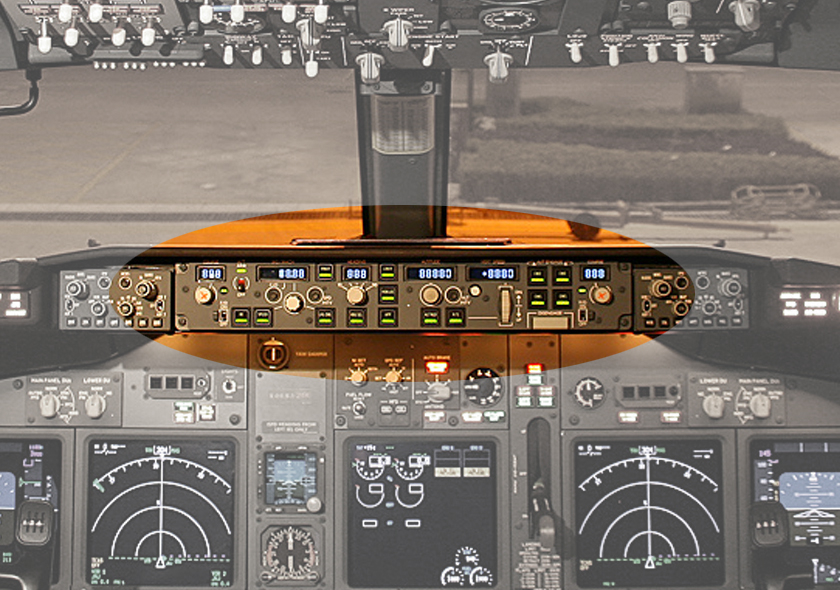
The autopilot control panel of a Boeing 737 (color highlight)

One evening I was sitting in economy class when our jet came in for an unusually smooth landing. “Nice job, autopilot!” yelled some knucklehead behind me. Amusing, maybe, but wrong. It was a fully manual touchdown, as the vast majority of touchdowns are. Yes, it’s true that most jetliners are certified for automatic landings, called “autolands” in pilot-speak. But in practice they are rare. Fewer than 1 percent of landings are performed automatically, and the fine print of setting up and managing one of these landings is something I could talk about all day. If it were as easy as pressing a button, I wouldn’t need to practice them twice a year in the simulator or periodically review those tabbed, highlighted pages in my manuals. In a lot of respects, automatic landings are more work-intensive than those performed by hand. The technology is there if you need it for that foggy arrival in Buenos Aires with the visibility sitting at zero, but it’s anything but simple.

A flight is a very organic thing—complex, fluid, always changing—in which decision-making is constant and critical. For all of its scripted protocols, checklists, and SOP, hundreds if not thousands of subjective inputs are made by the crew, from deviating around a cumulus buildup (how far, how high, how long), to troubleshooting a mechanical issue to handling an onboard medical problem. Emergencies are another thing entirely. I’m talking about the run-of-the-mill situations that arise every single day, on every single flight, often to the point of task saturation. You’d be surprised how busy the cockpit can become.

Another thing we hear again and again is how the sophisticated, automated Boeing or Airbus has made flying “easier” than it was in years past. On the contrary, it’s probably more demanding than it’s ever been. Once you account for all of the operational aspects of modern flying –- not merely the hands-on aspects of driving the plane, but familiarity with everything else that the job entails, from flight-planning to navigating to communicating—the volume of requisite knowledge is far greater than it used to be. The emphasis is on a somewhat different skill set, but it’s wrong to suggest that one skill set is necessarily more important than another.

But, you’re bound to point out, what about the proliferation of remotely piloted military drones and unmanned aerial vehicles (UAVs)? Are they not a harbinger of things to come? It’s tempting to see it that way. These machines are very sophisticated and have proven themselves reliable—to a point. But a drone is not a commercial jet carrying hundreds of people. It has an entirely different mission and operates in a wholly different environment—with far less at stake should something go wrong. You don’t simply take the drone concept, scale it up, build in a few redundancies, and off you go.

I would like to see a drone perform a high-speed takeoff abort after a tire explosion, followed by the evacuation of 250 passengers. I would like to see one troubleshoot a pneumatic problem requiring an emergency diversion over mountainous terrain. I’d like to see it thread through a storm front over the middle of the ocean. Hell, even the simplest things. On any given flight there are innumerable contingencies, large and small, requiring the attention and subjective appraisal of the crew.

And adapting the UAV model to the commercial realm would require, in addition to gigantic technological challenges, a restructuring of the entire commercial aviation infrastructure, from airports to ATC. We’re talking hundreds of billions of dollars, from the planes themselves to the facilities they’d rely on. We still haven’t perfected the idea of remote control cars, trains, or ships; the leap to commercial aircraft would be harder and more expensive by orders of magnitude.

And for what? You’d still need human beings to operate these planes remotely. Thus I’m not sure what the benefit of this would be in terms of cost.

It amuses me that as aviation technology progresses and evolves, so many people see elimination of the pilot as the logical, inevitable endpoint. I’ve never understood this. Are modern medical advances intended to eliminate doctors? Of course not. What exists in the cockpit today is already a fine example of how progress and technology have improved flying—making it faster, far safer, and more reliable than it once was. But it has not made it easy, and it is a long, long way from engineering the pilot out of the picture—something we needn’t be looking for in the first place.

I know how this sounds to some of you. It comes across as jealousy, or I sound like a Luddite pilot trying to defend his profession against the encroachment of technology and an inevitable obsolescence. You can think that all you want. I am not against the advance of technology. I’m against foolish extrapolations of it.

source::::Patrick Smith in” Ask The Pilot..”

natarajan.

Playing Tennis on the Wings Of a Flying Plane !!!

Dare Devil – Ivan Unger and Gladys Roy playing tennis on the wings of a flying airplane in 1927. — with Martim Alves de LimaNuri LomelinKhawar Mehmood,Juanjo Moreno Vélez and Bilal Ahmed…


source::::: input from a friend of mine…

natarajan

Boeing 747 Jumbo Jet Yesterday…. Hostel cum Hotel on Ground Today !!!!

Aviation fans are in for a treat as a 450-seater jumbo jet has been converted into a unique hotel – letting guests sleep on a Boeing 747.

The unique Jumbo Stay hostel has a selection of 27 cabins to choose from, with some en-suite and all with Wi-Fi and flatscreen TVs.

For frequent flyers it might not exactly be their cup of tea, in fact far from it, but for aeroplane enthusiasts, it could be the next big buzz.
Jumbo Stay: For those who have never had a Jumbo experience, they can now book a cheap night in a converted jet in Sweden for as little as £42 a night

Jumbo Stay: For those who have never had a Jumbo experience, they can now book a cheap night in a converted jet in Sweden for as little as £42 a night


Guests can even stay in the luxurious cockpit suite, which has panoramic views of the airport in Arlanda, near Stockholm, Sweden
.

The plane – which now remains grounded – can also be used for conferences and is open 24 hours a day, seven days a week for guests to come and visit.

The owner and the man behind Jumbo Stay is Swedish business man Oscar Divs, who bought the 1976 Boeing 747-200 and converted it into the hostel.

 The grounded Boeing 747 is now a fixed hostel at Arlanda airport, near Stockholm, where gusts can even pay to stay in the cockpit suite


The rooms are all kitted out with flatscreen TVs, WiFi and en-suites


Unusual: The unique Jumbo Stay hostel has a selection of 27 cabins to choose from with rooms having elevated views of the airport  The unique Jumbo Stay hostel has a selection of 27 cabins to choose from


The 1976 Jumbo is now a fixed hostel feature at the Arlanda airport near Stockholm, in Sweden

Open for business: The 1976 Jumbo is now a fixed hostel feature at the Arlanda airport near Stockholm, in Sweden


Oscar said: ‘I was getting ready to expand my hostel business in 2006 when I heard about an old wreck of an aircraft for sale at Arlanda.

‘Since I had for a long time wanted to establish my business at Arlanda I didn’t hesitate for a second when this opportunity struck.’

The airplane, a decommissioned jumbo jet built in 1976, was last operated by Transjet, a Swedish airline that went bankrupt in 2002

The airplane, a decommissioned jumbo jet built in 1976, was last operated by Transjet, a Swedish airline that went bankrupt in 2002

The unique style of accommodation is likely to appeal to aviation enthusiasts, but perhaps not frequent flyers


Mr Divs said the opportunity to buy the Jumbo came at exactly the right time: 'Since I had for a long time wanted to establish my business at Arlanda I didn't hesitate for a second when this opportunity struck'


Cosy: Guests have the same hotel luxuries as standard accommodation, including en-suites, flatscreen TVs and WiFi


Guests have a hefty flight of stairs to climb if they want to stay in the Jumbo, climbing to entrances either at the front or the back of the plane

Guests have a hefty flight of stairs to climb if they want to stay in the Jumbo, climbing to entrances either at the front or the back of the plane

The prices at the Jumbo hostel range from 50 euros – around £42 – for a shared single sex dorm to almost 200 euros – £170 – a night for the exclusive pilot’s suite.

The airplane, a decommissioned jumbo jet built in 1976, was last operated by Transjet, a Swedish airline that went bankrupt in 2002.

Guests will recognise the jet as one of the most popular planes for holiday travel, and the owner promises guest will have an experience like no other in this novelty hostel.
Transformation: Much work has gone into converting the decommissioned Jumbo from a passenger plane to a comfortable hostel with places to kick back and relax

Transformation: Much work has gone into converting the decommissioned Jumbo from a passenger plane to a comfortable hostel with places to kick back and relax

Some parts of the aeroplane still resemble the traditional Boeing 747 interior

Some parts of the aeroplane still resemble the traditional Boeing 747 interior

source:::: mailonline.com UK

natarajan


What Causes Turbulance ?….Is It Dangerous ?

Turbulence is what nervous fliers fear the most when they board an aircraft. It is also the most common cause of injury to air passengers – pilots will always keep their seatbelts fastened while seated on an aircraft and will usually advise you to do the same. But is it really something to be afraid of? British Airways pilot Steve Allright explains.

What causes turbulence, and is it dangerous?
What causes turbulence?
Many different things may cause turbulence, but each and every one of them is known and understood by pilots. Every day I fly, I expect a small amount of turbulence, just as I’d expect the odd bump in the road on the drive to work. Turbulence is uncomfortable but not dangerous. It is part of flying, and is not to be feared.
Different aspects of the weather cause different types of turbulence. CAT is an abbreviation for Clear Air Turbulence – the most common form of turbulence you are likely to experience.

Air tends to flow as a horizontal snaking river called a jet stream. A jet stream can sometimes be thousands of miles long but is usually only a few miles wide and deep. Depending on the direction of travel, our flight planners either avoid (into a headwind) or use (into a tailwind) these jet streams to cut fuel costs, as they can flow up to 250 mph. Just like a fast-flowing river swirling against the riverbank, where the edge of the jet stream interacts with slower moving air, there may be some mixing of the air which causes turbulence.

Can it be avoided?

You cannot see CAT, you cannot detect it on radar and you cannot accurately forecast it, but there are other ways of avoiding it. In the main we rely reports from other aircraft, which we hear either directly or which are passed on by air traffic control. We then consider the options available to us. Our endeavours to fly at an altitude that has been reported as smooth may be prevented by several constraints such another aircraft occupying that level, or the weight of the aircraft at that time.

Whatever the circumstances, your pilot will find the most comfortable path to your destination without compromising your safety. Just like you, we experience the movement and would prefer a smoother ride.

Is turbulence more likely on certain routes?

Any airport is at the mercy of strong winds on any given day. The same applies to jet streams on any given route, although there is generally more chance of turbulence crossing the ITCZ (Intertropical Convergence Zone) when flying south across Africa, for example.

How bad can turbulence get?

Flight crews around the world share a common classification of turbulence: light, moderate and severe. The definitions are laid down in our manuals and help us to make an assessment as to what our course of action should be. For the fearful flyer, even light turbulence can be upsetting. For pilots, light turbulence is no different to a bumpy road for a taxi driver or a slightly uneven section of track for a train driver – a small, but totally safe, inconvenience and very much part of our daily lives. In light turbulence, the aircraft may be deviating by just a few feet in altitude.

Moderate turbulence strikes no fear into pilots, as they will experience this level of turbulence for a few hours in every thousand hours they fly. It usually lasts for no more than 10 or 15 minutes, but occasionally may last for several hours, on and off. This sort of turbulence will unsettle even some regular travellers and will cause drinks to spill. The aircraft may be deviating in altitude by 10 or 20 feet. No action is required by the pilot to control the aircraft, but the flight crew may decide to try a different altitude if the turbulence persists.

Severe turbulence is extremely rare. In a flying career of over 10,000 hours, I have experienced severe turbulence for about five minutes in total. It is extremely uncomfortable but not dangerous. The aircraft may be deviating in altitude by up to 100 feet (30 metres) or so, up as well as down, but nothing like the thousands of feet you hear some people talking about when it comes to turbulence.

I should stress that this level of turbulence is so rare that leisure travellers will almost certainly never experience it and nor will most business people.

  • Steve Allright is a British Airways training captain and co-author of the new book Flying with Confidence. British Airways regularly runs “Flying with Confidence” courses at airport around the UK. Seewww.flyingwithconfidence.com

source:::::The Telegraph UK

natarajan

Golden Age Of AirTravel…. Thro ” The Lense of a Flight Attendant !!!

A Lebanese photographer who worked as a flight attendant for nearly ten years has documented the behind-the-scenes life of air crew.
Lucien Samaha’s love affair with aircraft started when he was a young boy. His father and uncles worked for an airline and he spent the first ten years of his life flying first class to spend time with his family.
Samaha, who always carried a camera with him, has recently exhibited a selection of the 600 plus images he took during his time flying with TWA.


Team work: Crew members enjoy a mid-flight shoulder rub in 1982

Team work: Crew members enjoy a mid-flight shoulder rub in 1982


Boarding pass: Pilots and flight attendants sit on the steps of the plane in Frankfurt in 1983

Boarding pass: Pilots and flight attendants sit on the steps of the plane in Frankfurt in 1983

Light hearted: A stewardess jokes around on board a flight in 1985

Light hearted: A stewardess jokes around on board a flight in 1985


‘Flight Attendants epitomized international glamor and adventure to me. Growing up, I often dreamed of becoming one,’ he said.

High life: Samaha with his father in 1958, who also worked on airlinesHigh life: Samaha with his father in 1958, who also worked on airlines

As his 18th birthday approached Samaha, who had studied photography in high school, realized the life of luxury he had experienced for free on board planes would end.

‘I wouldn’t be able to jaunt around the world at will, for free – something I had been used to all my life,’ he said.

‘My only solution was to follow my childhood dream and become a flight attendant.’


On his 20th birthday Samaha was hired by TWA and began studying at the Breech Training Academy. He took photographs nearly the entire time, according to Slate.

‘I was shooting everything during that time, from fashion photography in Milan to photographing on layovers … street photography around the world,’ he said.

It was a glamorous period for flying. Samaha learned how to carve chateaubriand and how to serve caviar in first class as he worked on flights from Chicago, Tel Aviv, Rome and Paris.

Samaha, a documentary photographer who was part of the launch team for Kodak’s first digital camera and explained that he often used small cameras to help his subjects feel more relaxed.

 Sky's the limit: The moon shines over this passenger jet as it waits at JFK in New York in 1982
 Sky’s the limit: The moon shines over this passenger jet as it waits at JFK in New York in 1982

Driving seat: A first officer sits in the cockpit of a TWA aircraft in 1978

Driving seat: A first officer sits in the cockpit of a TWA aircraft in 1978

Ground crew: Drivers in Cairo wait to meet the plane in 1982

round crew: Drivers in Cairo wait to meet the plane in 1982


‘People become relaxed with a small point-and-shoot camera, and that’s my aesthetic. I like intimacy … the smaller and quirkier the camera, the better—and I feel l can take great pictures with it,’ he said.

A collection of photos from that time, entitled The Flight Attendant Years: 1978-1986, is being shown at the Lombard Freid Gallery in New York. Many of Samaha’s former colleagues on the airlines have been invited to the gallery to view the images.

His work can also be viewed at Luciensamaha.net.

Turbo: Crew pose in one of the engines in 1978

Turbo: Crew pose in one of the engines in 1978

Training camp: New recruits at the Breech Academy in 1978

Training camp: New recruits at the Breech Academy in 1978.

High jinx: Air crew celebrate Easter in Las Vegas in 1982

High jinx: Air crew celebrate Easter in Las Vegas in 1982

Arrivals: An attendant rides the shuttle bus at Cairo airport in 1983

An attendant rides the shuttle bus at Cairo airport in 1983

Going places: Samaha combined his love of air travel and photography for eight years

source::::mailonline .com uk

natarajan


“World”s Best Airport” to Double Its Capacity with New Terminal !!!

Airs and graces: Singapore's Changi Airport.

Singapore will build a new terminal that will double the capacity of Changi Airport in a bid to retain its edge as a regional aviation hub, Prime Minister Lee Hsien Loong said on Sunday.

Construction work will begin soon and will be completed in 12 to 15 years, Lee announced in his annual policy speech.

“T5 (Terminal 5) sounds like a terminal, but it is actually a whole airport by itself, as big as today’s Changi Airport,” said Lee.
Singapore's Changi Airport: you could spend a few weeks here and not realise you missed your flight.

SINGAPORE’S CHANGI AIRPORT

Singapore’s Changi Airport: you could spend a few weeks here and not realise you missed your flight!!!

He did not reveal the cost of the new facility, but said it would include a third runway that would double the capacity of Changi, which handled 51.2 million passengers last year.


Changi Airport, named the world’s best by Britain-based consultancy Skytrax this year, currently has three terminals with a total capacity of 66 million passengers a year.

In February it started to demolish its terminal for budget airlines to replace it with a larger facility.

The new facility, Terminal 4, will have the capacity to handle 16 million passengers a year when it opens in 2017.

In his speech late Sunday, Lee said there was growing competition from other major international airports in Southeast Asia.

He noted that Malaysia’s Kuala Lumpur International Airport and Thailand’s Suvarnabhumi Airport are planning to expand.

“The question is do we want to stay this vibrant hub of Southeast Asia, or do we want to let somebody take over our position, our business and our jobs?” Lee said.

Passenger traffic at Changi totalled 51.2 million last year, the first time in the airport’s 31-year history that the number of people passing through crossed 50 million.

As of January 1, 2013, Changi handled more than 6500 weekly scheduled flights with 110 airlines connecting Singapore to 240 cities in 60 countries.

source::::Sydney Morning Herald

natarajan