The Little Girl Behind The Beard Of Abraham Lincoln !!!

In 1860, the clean shaven Abraham Lincoln was running for President of the United States. That’s when he received the following letter from an 11 year old girl by the name of Grace Bedell from New York, dated October 15, 1860:

“Dear Sir

My father has just home from the fair and brought home your picture and Mr. Hamlin’s. I am a little girl only 11 years old, but want you should be President of the United States very much so I hope you wont think me very bold to write to such a great man as you are. Have you any little girls about as large as I am if so give them my love and tell her to write to me if you cannot answer this letter. I have yet got four brothers and part of them will vote for you any way and if you let your whiskers grow I will try and get the rest of them to vote for you you would look a great deal better for your face is so thin. All the ladies like whiskers and they would tease their husbands to vote for you and then you would be President. My father is going to vote for you and if I was a man I would vote for you to but I will try to get every one to vote for you that I can I think that rail fence around your picture makes it look very pretty I have got a little baby sister she is nine weeks old and is just as cunning as can be. When you direct your letter direct to Grace Bedell Westfield Chautauqua County New York.

I must not write any more answer this letter right off Good bye

Grace Bedell”

Apparently not too busy campaigning to answer the letter of a little girl, Lincoln wrote her back from Illinois on October 19, 1860:

“My dear little Miss

Your very agreeable letter of the 15th is received – I regret the necessity of saying I have no daughters – I have three sons – one seventeen, one nine, and one seven years of age. They, with their mother, constitute my whole family. As to the whiskers have never worn any do you not think people would call it a silly affection if I were to begin it now?

Your very sincere well wisher

A. Lincoln”

Lincoln had numerous documented instances of self-deprecating jokes concerning his less than attractive visage. In once such instance, while publicly debating with his longtime rival Stephen Douglas- after Douglas called him “two-faced”- Lincoln reportedly replied, “If I had another face, do you think I’d wear this one?” (Note: Douglas was not only Lincoln’s political rival, but also a rival outside of politics- Lincoln’s wife, Mary Todd was courted by both Lincoln and Douglas originally.  In the end, Lincoln perhaps wished he’d lost that battle given accounts of his married life- more in the Bonus Facts below.)

Given his attitude about his appearance, it’s perhaps not surprising that despite not definitively saying he would grow a beard, after replying to “little Miss” on October 19, 1860, Lincoln’s facial hair situation went like this (personally, I think he should have stopped at the middle one):

lincolns-beard

But this isn’t the end of the story. On Lincoln’s trip from Illinois to Washington D.C., the now President-elect made a stop in Westfield, New York on February 19, 1861.

On the train platform, he related the story behind his decision to grow a beard and asked if the little girl in question was in the crowd. She was and approached; at which point, according to Bedell, he said:

“‘Gracie, look at my whiskers. I have been growing them for you.’ Then he kissed me. I never saw him again.”

Bonus Facts:

  • Abraham Lincoln married Mary Todd, at the Edward’s home (her sister’s place) in Springfield, Illinois. Nicknamed Molly, Mary Todd first met Lincoln in 1840 when she was 21 and he was 31. Her family wasn’t too happy about the relationship because of Lincoln’s poverty & lack of political prospects. Nevertheless, she accepted his proposal and they were engaged. In 1841, they broke off the engagement and were separated for a while, till the fall of 1842. It was then, with the help of mutual friends (Mr. and Mrs. Simeon Francis), that the couple reunited and wasted no time in getting married (married after just 1 day back together, in fact). Lincoln’s best man stated on Lincoln’s wedding day, he “looked like a man going to the slaughter” and it was reported that he also referred to his bride to be as “the devil” on the way to his wedding.  Their marriage was rocky right from the start and never seemed to get better.  Once, after a man sought retribution with Lincoln over his wife’s behavior (including beating the man with a broom), Lincoln said to him “Taggart, I’ve been putting up with her for the past 15 years, can you not put up with her for just 5 minutes for our friendship’s sake?”
  • Shortly before Lincoln decided to grow a beard, something of a beard revolution swept the United States and by the mid-19th century the formerly predominately clean-shaven men of America now nearly universally were sporting beards. In fact, one reporter, doing a story on the new trend in 1857, walked the streets of Boston and after counting 543 men that walked by him, found that 62% of them were now sporting bushy beards and all but 4 of the rest had some other type of significant facial hair. Even those four that lacked any significant facial hair sported what would later be called Side Burns, after General Ambrose Burnside.
  • The clean shaven look that Lincoln at the time was still clinging too, was essentially out of style. Needless to say, had Lincoln been running today, his campaign manager, rather than a little girl, would have told him he needed to grow some facial hair with most of the voting populace sporting it- particularly because at the time facial hair in America began being associated with radicalism; the Republican party was that.
  • John C. Frémont was the first candidate for the American Presidency to sport a beard when he ran in 1856.
  • After Lincoln, every elected President except William McKinley would sport facial hair. This trend finally ended when Woodrow Wilson took office in 1913.  From then on, U.S. Presidents have remained clean shaven.
  • During the Civil War, Bedell, now aged 15 in 1864, wrote another letter to Lincoln, only very recently discovered in 2007. This time, she was asking if Lincoln could help her find work as her father had recently lost “nearly all his property” and she wanted to help support her family, though her parents hadn’t asked her too. There is no record of whether Lincoln replied or ever even saw the letter.
  • As for what happened to Bedell, she went on to marry a Civil War veteran by the name of George Billings sometime around 1870 and took up work first farming, and then later George switched to banking. She lived to the ripe old age of 87 years old, dying in 1936.

source::::::todayifoundout.com

natarajan

Festival Of Lights From Around The World ….

As India is all set to celebrate Diwali, we take a look at how other cultures celebrate their own respective festivals of lights.

Diwali is upon us all. Each year, Hindus celebrate the festival by lighting up their homes and lives. Probably India’s most important festival, Diwali is the time when almost every Hindu home has a light on its doorstep and a lantern on its window.

Light has always been a symbol of hope and happiness and different cultures in the world have their own festival of lights.

While different countries celebrate the festival differently, overall, the celebrations involve processions led by a young girl (who plays St Lucia) wearing a crown of candles and distributing sweets.

In Sweden, traditionally, the eldest daughter of the family plays Lucia though every city and region elects their own ‘St Lucias’ who then go about distributing goodies in people’s homes, churches, malls and old people’s homes. Saint Lucia’s Day  is celebrated largely in Italy and Scandinavia on December 13 each year believed to be the shortest day of the year coinciding with Winter Solstice.

The festival of lights and feasting amongst the Jewish, Hanukkah is an eight-day celebration that commemorates the rededication of the Holy Temple in Jerusalem in 2nd century BC.

Hanukkah starts on the 25th day of Kislev (around November and December) and is observed by kindling of the lights in the nine-branched Menorah or Hanukiah, a unique candelabrum, adding one light for each night.

Even though this one has no roots in religion, Berlin’s Festival of Lights has become one of the most anticipated events each year.

As part of the festival between October 9-20, Berlin’s world-famous landmarks, buildings and sites are illuminated.

For nearly two weeks, numerous events transform the German capital into a sparkling metropolis that attracts over a million visitors.

The Thai festival of lights is known as Loi Krathong. It falls on the full moon night of the twelfth lunar month (around November) and is one of the most recognised Thai festival around the world.

Loy can be translated as ‘to float’ though ‘kratong’ does not have an appropriate English equivalent though it refers to the lotus-shaped receptacle that holds betel nuts, flowers, joss sticks, candle and coins.

Traditionally a kratong was made out of banana leaves, though this isn’t the case anymore.

On the auspicious day, people gather along water bodies, make a silent wish, light the candle and joss sticks and set the kratong to float away.

The flame signifies fulfilment and longevity and it is believed that couples make a wish together on this day stay together forever.

While the legends around the origins of the festival vary — the most popular version suggests that it is a thanksgiving practice of sorts to the water goddess Phra Mae Kongka — its practice originally began in the 13th century when a young queen called Nang Noppamas set a boat laden with candle and incense down a river.

Next up, we have our neighbour, China where the Lantern Festival is celebrated on the 15th day of the Chinese Lunar New Year (around February) and marks the end of the Chinese New Year celebrations.

Several legends are associated with the origins of the festival. One of them relates to the appeasing of Taiyi, the god with 16 dragons, who would decide when to inflict hardships upon the humans.

Another one relates to an ancient warrior who led a revolt against an ancient Chinese king while yet another one is associated with Tianguan is the Taoist god of good fortune.

In ancient times, young women and men were chaperoned out on to the streets in the hope of finding love, though the practice has died a gradual death.

Said to have originated in the 17th century France as a tribute to Mother Mary to prevent the town of Lyon from a plague, theFestival of Lights is a unique Lyonnaise tradition that lasts four days.

The festivities peak on December 8 as every house in the town lights candles on their windowsills and bring the city to life.

Besides private households, the city’s municipal council also hosts professional performances and various professional artists and designers light up facades of various buildings.

The Spanish Las Fallas is more a festival of fire than it is of light. Celebrated originally in the city of Valencia, Spain as a commemoration to Saint Joseph, the patron saint of carpenters, the festival is celebrated in March by burning of ninots, life-sized puppets or dolls that represent current events or characters.

Ninots are made out of wood and papier-mache and set on fire at midnight as celebrations include parades and bullfights among other activities.

The Japanese summer festival of Aomori Nebuta Matsuri observed in the Aomori Prefecture is one of the largest Festival of Lights in Japan attracting thousands of tourists.

The word ‘Nebuta’ refers to a float of an illuminated warrior figure that is paraded through the city as dancers perform to traditional music.

Held in August each year, the final night sees a brilliant display of fireworks and floating away of lanterns into the sea.


source::::rediff.com

natarajan
படித்ததில் பிடித்தது …இந்த நாளின் பெயர் தேன்சிட்டு !!!

ஆண் தேன் சிட்டு

காலையில் நாம் கண்விழிக்கும்போது அற்புதமான பாடல் ஒன்றைக் கேட்டால் எப்படி இருக்கும்?

கல்லூரி நாட்களில் இளையராஜாவின் ஏதாவதொரு பாடலைக் காலையில் கேட்டுவிட்டுக் கல்லூரிக்குச் செல்வது வழக்கம். அந்த நாள் முழுவதும் காதுக்குள்ளே அந்தப் பாடலின் நாதம் ஓடிக்கொண்டேயிருக்கும். அப்படித்தான் ஏதோ ஒரு நாளில் கண் விழிக்கும்போது பறவைகளின் குரலுக்குப் பழகினேன். ஏதாவது ஒரு பறவையின் குரல் என்னை எழுப்பும். முதல் தடவை நான் எழுந்தது அக்காக்குயிலின் கூவலுக்கு. அதிகாலையில் இடைவிடாமல் “அக்கா அக்கா அக்கா அக்கா அக்கக்கக்கா… பிரெய்ன் பீவர் பிரெயின் பீவர்” என்று கத்திக்கொண்டிருந்தது. தொலைவிலிருந்து கத்தினாலும் அதிகாலையில் அதன் குரல் மிகவும் துல்லியமாகக் கேட்டது. உடனே, கைபேசியில் அதன் கூவலைப் பதிவுசெய்துகொண்டேன். தொடர்ந்து வந்த நாட்களில் அக்காக்குயில் நள்ளிரவிலோ அதிகாலையிலோ பகலிலோ என்று எல்லா நேரங்களிலும் கூவுவதைக் கேட்க முடிந்தது. அது தூங்குமா இல்லையா என்று வியப்பாக இருந்தது. பிறகு, பதிவுசெய்வதை விட்டுவிட்டு, உற்றுக்கேட்பதில் மட்டும் ஈடுபட்டேன்.

பெயரறியாப் பறவையின் அழைப்பு

அதன் பிறகு, பெயரறியாப் பறவையொன்று என்னை எழுப்ப ஆரம்பித்தது. ஆங்கிலத்தில் ‘மேக்பை-ராபின்’என்று அதன் பெயரைப் பிறகு தெரிந்துகொண்டேன். எங்கும் பரவலாகக் காணப்படும் இந்தப் பறவைக்குத் தமிழில் என்ன பெயர் என்று நான் பல புத்தகங்களில் தேடிப்பார்த்தும் பலரிடமும் கேட்டும் பலனில்லை. பிற்பாடு தியடோர் பாஸ்கரனிடம் கேட்டபோது, சில இடங்களில் அந்தப் பறவையை சுப்பிரமணிக்குருவி என்று அழைப்பார்கள் என்று சொன்னார். நான் என்னுடைய கவிதைத் தொகுப்பில் சோலைப்பாடி என்ற பெயரை இதற்குக் கொடுத்திருந்தேன். ஆனால், சோலைப்பாடி என்ற பெயர் உண்மையில் ஷாமா என்ற பறவையினத்தின் தமிழ்ப் பெயர் என்று தியடோர் பாஸ்கரன் சொன்னார். அதனால், ஒரு வசதிக்காக மேக்பை-ராபினை நான் ‘காலைப்பாடி’என்ற பெயரில், அதாவது நான் வைத்த பெயரில் அழைக்கிறேன். காலை சரியாக 5.25-க்குக் காலைப்பாடி எழுப்பிவிடும். அதற்கு விதவிதமான சத்தங்கள் உண்டு. அதன் சத்தத்தை நானும் என் அக்காவின் குழந்தையும் பறவையின் ராகத்தோடு இப்படி ஒலிபெயர்ப்போம்: “பால்காரர் வந்தாச்சு எழுந்திரிடி… பால்காரர் வந்தாச்சு எழுந்திரிடி… கதவத் திறந்திரடி…”

பால்காரர் வரும் நேரத்துக்கு அந்தப் பறவை கத்துவதோடு நாங்கள் இயற்றிய வரியோடும் அதன் ஒலி பொருந்திப்போகிறது. அப்போது எழுந்திருக்கவில்லையென்றால், சற்று நேரத்தில் தையல்சிட்டு வந்து “ட்டுவ்வி ட்டுவ்வி ட்டுவ்வி” என்றும் வேறு சில விதங்களிலும் சத்தம்போட ஆரம்பித்துவிடுவார். அப்போதும் எழுந்திரிக்கவில்லை என்றால், சற்று நேரத்தில் தேன்சிட்டுக்கள், தவிட்டுக்குருவிகளின் பட்டாளம்,கொண்டைக்குருவிகள் எல்லாம் வந்து இரைச்சல் போட ஆரம்பித்துவிடும். அப்போதும் எழுந்திருக்கவில்லை என்றால், அந்த நாளை நான் இழந்துவிட்டேன் என்று பொருள்.

ஒரு நாள் எப்படி இரண்டு நாள்?

யாரோ சொல்லி எங்கோ படித்த ஞாபகம்: “நீங்கள் அதிகாலையில் எழுந்தால் உங்களுக்கு அன்று கிடைப்பது இரண்டு நாள்.”

அது உண்மைதான் என்பதை என் அனுபவத்தில் நான் பார்த்துக்கொண்டிருக்கிறேன். பறவைகள் அதிகாலையில்தான் மிகவும் சுறுசுறுப்பாக இருக்கும். அந்தச் சமயத்தில் பலவிதமான ஒலிகளையும் எழுப்பும். மனிதச் சத்தங்களும் இயந்திரங்கள், வாகனங்கள் போன்றவற்றின் சத்தங்களும் இல்லாத சமயம் என்பதால், பறவைகளின் ஒலி மட்டும்தான் அப்போது கேட்கும். அதுவும் துல்லியமாகவும் ஏதோ கச்சேரி நடப்பதுபோன்றும் கேட்கும். அந்தத் தருணத்தில் விழித்துக்கொண்டால் மட்டுமே அந்த நாளை நாம் காப்பாற்ற முடியும்.

பறக்கும் நாட்கள்

ஒருமுறை பக்கத்துவீட்டுச் சின்னப் பையனுடன் பறவை பார்த்தலுக்குச் சென்றிருந்தேன். எதையோ நினைத்துக்கொண்டிருந்த நான் அவனிடம், “இன்னைக்கு என்ன கிழமை?” என்று கேட்டேன். பறவை பார்ப்பதில் மும்முரமாக இருந்த அவன் “தேன்சிட்டு” என்றான். ஒரு கணம் என்ன என்று வியப்பில் பார்த்துவிட்டு அதற்கப்புறம் யோசித்தேன். அவன் சொல்வது ஏன் உண்மையாக இருக்கக் கூடாது? இந்த நாளின் பெயர் தேன்சிட்டு என்று இருந்தால் எவ்வளவு அற்புதமாக இருக்கும். அடுத்த நாள் கொண்டலாத்திக் கிழமை, அதுக்கு அடுத்த நாள், குக்குறுவான் கிழமை, அப்புறம் மரங்கொத்திக் கிழமை. கிழமைகளுக்குப் பறவைகளின் பெயர்களை ஏன் சூட்டக் கூடாது? உலகில் நமக்குத் தெரிந்தவரை பல மொழிகளிலும் சமுதாயங்களிலும் நட்சத்திரங்கள் மற்றும் கோள்களின் பெயரைத்தான் கிழமைகளுக்குச் சூட்டுகிறார்கள். எந்த மொழியிலாவது கிழமைகளுக்குப் பறவைகளின் பெயர்கள் சூட்டியிருக்கிறார்களா என்று தேடிப்பார்க்க வேண்டும். குறைந்தபட்சம் ஏதாவது பழங்குடிகளின் மொழியிலாவது அப்படி இல்லாமலா இருக்கும்?

சொல்லப்போனால், பறவைகளுக்கும் நாட்களுக்கும் நிறைய ஒற்றுமை. நாட்களே பறவைகள்தானே? நாள் கணக்கில், மாதக் கணக்கில், ஆண்டுக் கணக்கில், யுகக் கணக்கில் நாட்கள் வருகின்றன போகின்றன, வலசை வரும் பறவைகளைப் போல. எங்கிருந்து வருகின்றன; எங்கு செல்கின்றன? தேன்சிட்டு, தேனை உறிஞ்சுவதுபோல நாட்களெல்லாம் நம் ஆயுளைக் கொஞ்சம்கொஞ்சமாக உறிஞ்சிக்கொண்டிருக்கின்றன. மரங்கொத்தி மரத்தைக் கொத்துவதுபோல் நாட்கள் நம்மைக் கொத்துகின்றன. மீன்கொத்தி மீனைப் பிடித்துச்செல்வதுபோல நாட்கள் ஒரு நாள் நம்மைப் பிடித்துச் செல்கின்றன. அதே நேரத்தில், குயிலின் பாடலைப் போல இனிமையான நாட்களும் இருக்கின்றன. மயில்தோகைபோல மகிழ்ச்சியாக விரியும் நாட்களும் இருக்கின்றன. ஆந்தைபோல அப்படியே அசையாமல் இருக்கும் நாட்களும் இருக்கின்றன. ஒரே மாதிரி எந்த இரண்டு பறவையும் கிடையாது, ஒரே மாதிரி எந்த இரண்டு நாட்களும் கிடையாது. சில மதங்களில் காலத்தைப் பறவையாக உருவகித்துக் காலப்பறவை என்று சொல்வதுண்டு. நாம் சாதாரணமாகப் பேசும்போதும் எழுதும்போதும்கூட “நாட்களெல்லாம் பறந்தோடிவிட்டன” என்று சொல்வது வழக்கம்.

இன்றைய நாளை, தேன்சிட்டு நாளாக நான் அறிவிக்கிறேன். நான் இப்படி அறிவிக்கும்போது என் வீட்டுத் தோட்டத்தில் தேன்சிட்டின் கூடொன்று சுவரில் மாட்டிய நாள்காட்டிபோல் அசைவதைப் பார்க்கிறேன். அதன் உள்ளிருந்து எட்டிப்பார்க்கிறது குஞ்சுத் தேன்சிட்டு, காற்றில் சலசலக்கும் நாள்காட்டியிலிருந்து எட்டிப்பார்க்கும் அடுத்த நாளைப் போல.

ஆசை – தொடர்புக்கு: asaidp@gmail.com

source::::The Hindu….Tamil
natarajanபடித்ததில்

Message For The Day….Focus On Eternal Values and Keep Your Heart Free from Lust and Anger…

There are greater things in life that grant joy and peace – try to get a hold of them. Each and every one of you have earned the right to live in joy and possess these greater things – no one can take these away from your grasp. Fix your attention on the eternal values, and then you will not be swept off your feet by gusts of passion or fits of fury. In the past, sages and saints controlled the vagaries of their minds and dwelt in peace and bliss. You too must ensure that the temple of the Lord in your innermost heart is not overwhelmed by the sands of lust and anger (Kama and Krodha). When all live in this manner, the community will become an ideal one.

Sathya Sai Baba

இது உங்களுக்கு தெரியுமா ?….பிரதோஷம் எத்தனை வகை !!!

மாதத்தில் இருமுறை பிரதோஷ வழிபாடு செய்யப்படுகிறது சிவன் ஆலயங்களில். இது அனைவரும் அறிந்த ஒன்றுதான்.
ஆனால் பிரதோஷத்தில் எத்தனை வகைகள் இருக்கிறது என்பது உங்களுக்கு தெரியுமா?
தெரிந்தால் சந்தோசம். தெரியாவிட்டால் தெரிந்து கொள்ளுங்கள்.
நித்திய பிரதோஷம்.


தினமும் மாலை வேளையில் சூரிய அஸ்த்தமனத்திற்கு முந்தைய 90 நிமிடங்கள் நித்திய பிரதோஷம் எனப்படும். இந்த நேரத்தில் தினம் தோறும் சிவனை வணங்குதல் நல்லது.
திவ்ய பிரதோஷம்.


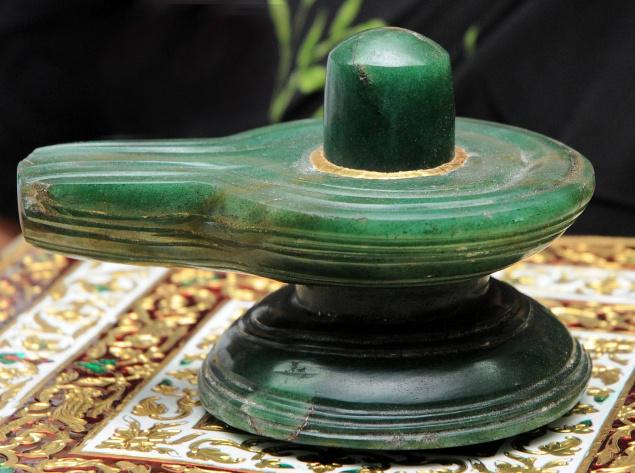
பிரதோஷ தினத்தன்று துவாதசியும், திரயோதசியும்   சேர்ந்து வந்தால் அது திவ்ய பிரதோஷம் எனப்படும்.  அன்று மரகத லிங்கத்திற்கு அபிழேகம் செய்தால் முன்ஜென்ம கர்மம் விலகும்.
தீராத வியாதிகள் தீரும். வழக்கு தொல்லைகள் அகலும். கணவன் மனைவி ஒற்றுமை ஓங்கும். இதற்கு வாய்ப்பு கிடைக்காதவர்கள் பஞ்சலோகத்தால் ஆன சிவலிங்கத்திற்கு அபிழேகம் செய்தும் பூரண பலனை பெறலாம்.
தீப பிரதோஷம் ( மகா பிரதோஷம் )


சனிக்கிழமையும் திரயோதசி  திதியும் இணைந்து வருகிற தினம் மகா பிரதோஷம். அன்று முறையாக விரதம் இருந்து சிவாலயம் சென்று விளக்கேற்றி வழிபாடு செய்ய வேண்டும்.
உங்கள் வயது என்னவோ அதற்க்கு ஏற்றார் போல் அதே எண்ணிக்கையில்  விளக்கேற்றி வணங்கலாம்.
உதாரணமாக உங்களுக்கு வயது 25 என்றால் 25 விளக்குகள் ஏற்றி வழிபடுவது சிறப்பு.
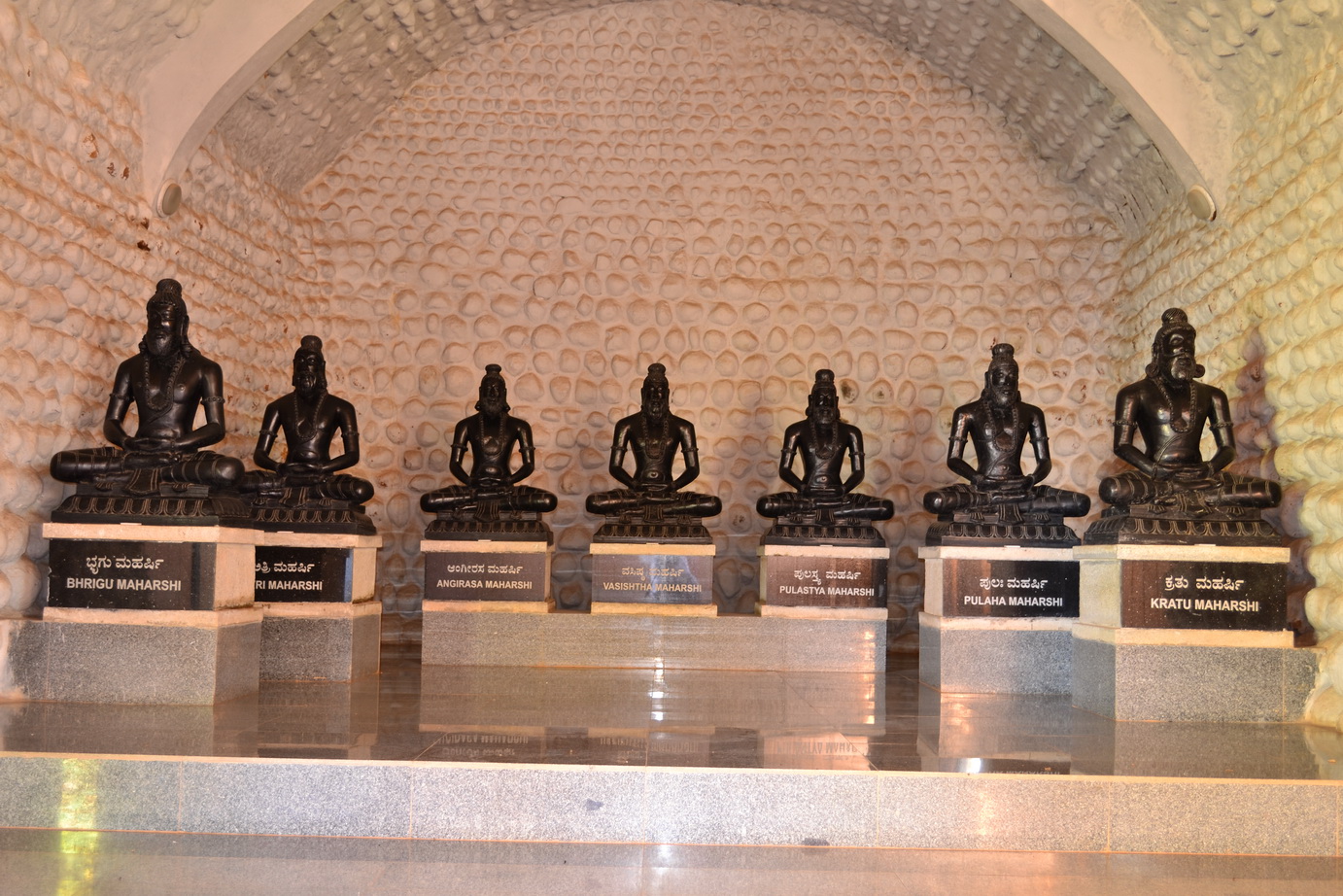
சப்தரிஷி பிரதோஷம்.


பிரதோஷ காலத்தில் முறையாக பூஜைகளை முடித்த பின், வெட்ட வெளியில், வானம் முழுமையாக தெரிகிற இடத்தில் நின்று கவனித்தால் சப்தத ரிஷி மண்டலம் என்று சொல்லக்கூடிய நட்ச்சத்திர கூட்டம் தெரியும்.
அந்த ரிஷிகளை வணங்கினால் அவர்கள் ஆசிர்வாதம் கிடைக்கும். ஒரு வேலை வானம் தெளிவாக தெரியாவிட்டால் கிழக்கு முகம் நின்று சப்த ரிஷிகளை மனதில் தியானித்து வணங்கலாம்.
ஏகாட்ச்சர பிரதோஷம் 


வருடத்தில் ஒரு முறை மட்டும் வரும் மகா பிரதோஷத்தை  ஏகாட்ச்சர பிரதோஷம் என்பார்கள். அன்றைய தினம் சிவாலயம் சென்று ஓம் என்ற பிரணவ மந்திரத்தை சொல்லி வழிபட்டால் கோடி தோஷம் விலகும்.
அர்த்தநாரி பிரதோஷம்.


வருடத்தில் இரண்டு முறை மட்டும் மகா பிரதோஷம் வந்தால், அதற்கு அர்த்தநாரி பிரதோஷம் என்று பெயர். அந்த நாளில் பிரிந்து வாழும் தம்பதிகள் சிவாலயம் சென்று வழிபட்டால் ஓன்று சேர்ந்து வாழலாம். மேலும் கருத்து வேற்றுமையோடு வாழும் தம்பதிகள் விரதம் இருந்து சிவனை வழிபட்டால் எல்லா நம்மையும் பெறலாம். பிரித்தவர்கள் கூடுவார்கள்.
திரிகரண பிரதோஷம்.


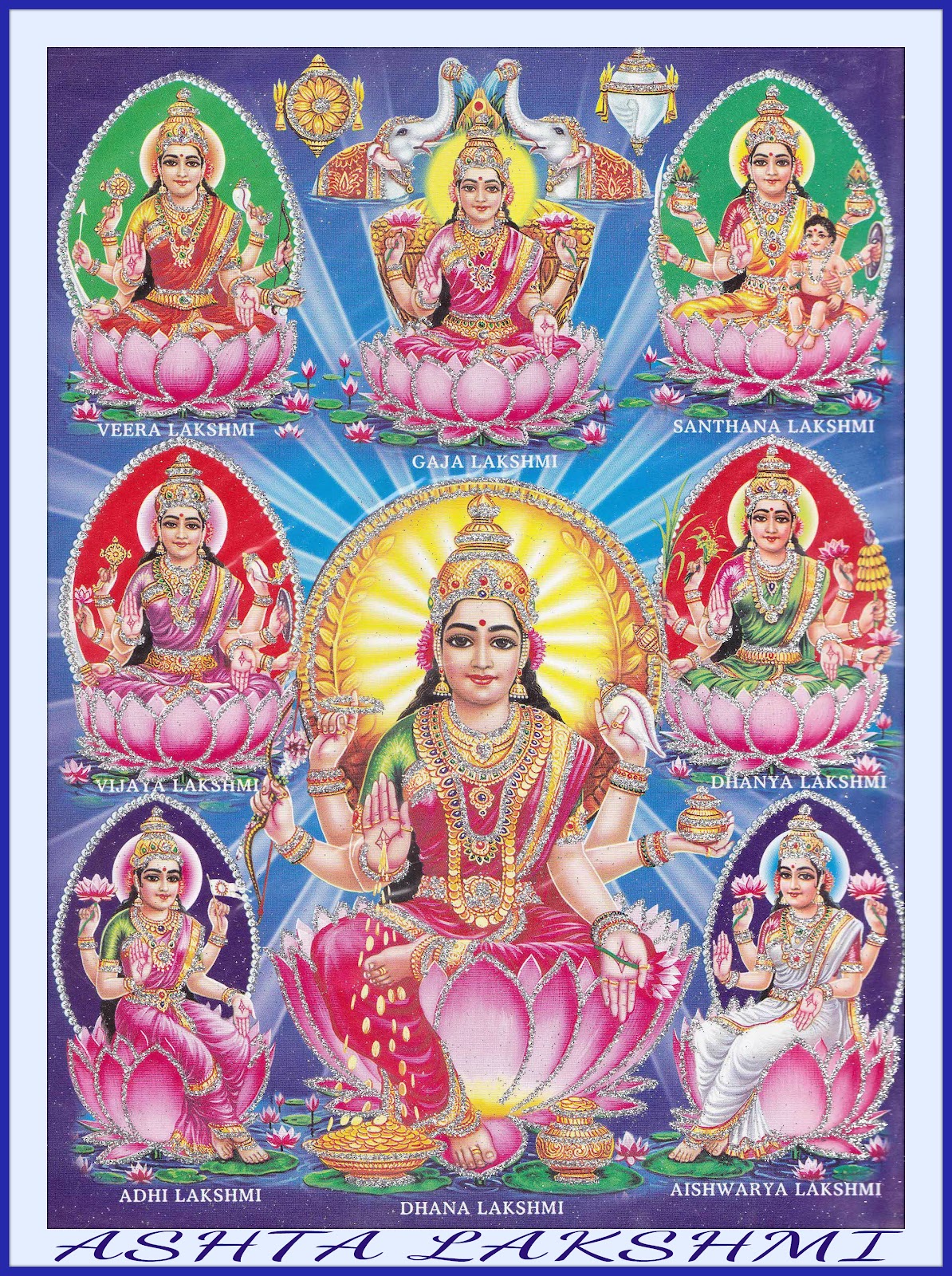
வருடத்திற்கு மூன்று முறை பிரதோஷம் வந்தால் அதை திரிகரண பிரதோஷம் என்பார்கள். இதை முறையாக கடைபிடித்தால் இல்லாமை என்ற சொல் இல்லாமல் போய்விடும்.  அஷ்ட லக்ஷ்மிகளின் அருளாசியும் கிட்டும்.

பிரம்ம பிரதோஷம் 


பிரம்மாவிற்கு திருவண்ணாமலையில் ஏற்பட்ட சாபம் நீங்க,ஒரு வருடத்தில் வரும் நான்கு சனிக்கிழமைகளில் வந்த சனி பிரதோஷத்தை முறையாக கடைப்பிடித்து சாப விமோசனம் பெற்றார். நாமும் இந்த பிரதோஷத்தை கடிபிடித்தால் முன்னோர் சாபம், முன்வினை பாவம் எல்லாம் விலகிவிடும்.

 
ஆட்சரப பிரதோஷம் 


வருடத்தில் ஐந்து முறை மகா பிரதோஷம் வந்தால் அதற்க்கு இந்த பெயர். தாருகா வனத்து ரிஷிகள் தான் என்ற அகந்தை கொண்டு ஈசனை எதிர்த்தனர்.
பார்த்தார் ஈசன். பிட்சாடனார் வேடத்தில் வந்து தாருகா வன ரிஷிகளுக்கு பாடம் புகட்டினார்.  தங்கள் தவறை உணர்ந்த ரிஷிகள் இந்த பிரதோஷ விரதத்தை கடைப்பிடித்து சாப விமோசம் பெற்றதால் இதற்கு இந்த பெயர் வந்தது.  தெரிந்தே தவறுகள்  செய்தவர்கள் இதை அனுஷ்டிக்கலாம்.
கந்த பிரதோஷம். 


சனிக்கிழமையும், திரயோசசி திதியும், கிருத்திகை நட்சத்திரமும் சேர்ந்து வரும் பிரதோஷம் கந்த பிரதோஷம் என்று பெயர்.  இது முருக பெருமான் சூர சம்ஹாரத்திற்கு முன் வழிபட்டதால் இந்த பெயர் வந்தது. முருகனருள் வேண்டுபவர்கள் இந்த வழிபாட்டை செய்யலாம்.
சட்ஜ பிரபா பிரதோஷம் 


தேவகியும் வசுதேவரும் கம்சனால் சிறைபிடிக்க பட்டனர். ஏழு குழந்தைகளை கம்சன் கொன்றான். எனவே எட்டாவது குழந்தை பிறப்பதற்கு முன்பு ஒரு வருடத்தில் வரும் ஏழு மகா பிரதோஷத்தை அவர்கள் அனுஷ்ட்டித்ததால் கிருஷ்ணன் பிறந்தான்.
வருடத்தில் ஏழு மகா பிரதோஷம் வந்து அதை கடைபிடித்தால் பிறவி என்னும் பெரும் கடலை நீந்தி, பிறப்பில்லா பெருமையை பெறலாம்.
அஷ்டதிக் பிரதோஷம்


ஒரு வருடத்தில் எட்டு மகா பிரதோஷம் முறையாக கடைபிடித்தால் அஷ்ட்டதிக் பாலகர்களும் மகிழ்ந்து நீடித்த புகழ், கீர்த்தி, செல்வாக்கு ஆகியவற்றை தருவார்கள்.
நவகிரக பிரதோஷம் 


வருடத்தில் ஒன்பது மகா பிரதோஷம் வந்தால் அது நவகிரக பிரதோஷம். இப்படி ஒன்பது பிரதோஷம் வருவது மிக மிக அரிது.
அப்படி வந்தால், அதை நீங்கள் அனுஷ்ட்டித்தால் சகல கிரக  தோஷமும் விலகும்.  தடை பட்ட திருமணம், புத்திர பாக்கியம், வேலை வாய்ப்பு, பொன் பொருள் ஆடை ஆபரண சேர்க்கை எல்லாம் கிட்டும்.
துத்த பிரதோஷம் 


இதற்கு வாய்ப்புகள் குறைவுதான். வருடத்தில் பத்து மகா பிரதோஷம் வந்து, அந்த பத்து பிரதோஷத்தையும் அனுஷ்ட்டித்தால் இந்த உலகமே கையில் கிடைத்த மாதிரி உச்சாணி கொம்புக்கு போவார்கள்.
source::::mahaperiavaa.wordpress.com
natarajan

ஒன்பது வரியில் ராமாயணம் !!!

 ராமாயணம் படிக்க இயலாவிடின் சுருக்கமாக, ஒன்பது வரியில் உள்ள இந்த வரிகளைப் பாராயணம் செய்தால் மன அமைதி, மகிழ்ச்சி நிலவும். இதை தினமும் பாராயணம் செய்தால் ராமாயணம் முழுவதும் படித்த பலனைப் பெறலாம். எல்லா காரியங்களிலும் வெற்றி கிட்டும்.

‘ஸ்ரீராமம் ரகுகுல திலகம்
சிவதனுசாக் ருஹீத சீதா ஹஸ்தகரம்
அங்குல் யாபரண சோபிதம்
சூடாமணி தர்ஸன கரம்
ஆஞ்சநேயம் ஆஸ்ரயம்
வைதேஹி மனோகரம்
வானர ஸைன்ய ஸேவிதம்
சர்வ மங்கல கார்யானுகூலம்
சத்தம் ஸ்ரீராமசந்த்ரம் பாலயமாம்.

 source:::: input from a friend of mine
 natarajan

Going to Granada or Grenada !!!….Double Check your Ticket !!!

A British Airways passenger ended up at the wrong destination due to a mix-up. Picture: Supplied

A British Airways passenger ended up at the wrong destination due to a mix-up.


AS SHE sipped her gin and tonic at 30,000ft, Lamenda Kingdon chatted to a fellow passenger about how much she was looking forward to visiting Spain.

She was aghast when her neighbour replied: “Not on this plane, you won’t.”

It was then that the grandmother discovered that, rather than heading for the historic city of Granada, her flight was bound for the Caribbean island of Grenada.

Thanks to a misunderstanding, instead of booking the 62-year-old on a two-hour flight to southern Spain, the air miles travel firm Avios had put her on a 10-hour journey across the Atlantic.

Mrs Kingdon had planned her trip to Granada, with its famous Alhambra palace, as part of a ‘bucket list’ of activities after she was diagnosed with breast cancer and a brain tumour.

She booked the flight over the phone using her late husband’s air miles and did not notice when the ticket arrived that the destination was one letter different – and some 6437 kilometres away – from the place she wanted to go to. Mrs Kingdon, a former life coach from Plymouth, packed her bags and boarded her British Airways flight at Gatwick last month, oblivious to the mistake until two hours after takeoff.

“After lunch and a gin and tonic I began to chatting to the lady sitting next to me,” she said. “I told her how much I was looking forward to seeing the Alhambra.

“She replied: ‘Not on this flight, you won’t be.'”

“She then grabbed the elbow of a passing stewardess and told her: “This lady thinks she’s going to Spain’.”

“I looked at the ticket and it did indeed say Grenada. I had noticed the departure and arrival times were vastly different – but I presumed that had something to do with the time difference.” The sympathetic flight crew ushered Mrs Kingdon into the first-class cabin and gave her champagne. At a scheduled stop in St Lucia, she was put on a flight back to Gatwick. There she was met by apologetic airline staff who put her in a hotel for the night and arranged for Avios, which has links to BA, to reimburse her points and fly her to Malaga, the nearest major airport to Granada, the following day.

Avios also apologised for the mistake and gave Mrs Kingdon enough points for her next dream destination – New Zealand. Since her return from Granada, Mrs Kingdon has been given the all clear by her cancer doctors and hopes to make the trip next year.

“Looking back on the Granada mix up, I genuinely don’t blame anyone,” she said yesterday. “The person on the other end of the phone probably just misheard me.

“I honestly didn’t notice the spelling difference.

“But I’m certainly not complaining. They treated me wonderfully once they found out what had happened.”


source:::::news.com.au

natarajan

Message For The Day…You Realise that Only Reality is you as HE…

You will have faith in God when you have yourself discovered that this Universe must have a Creator and Protector who runs the show. To firmly grasp that idea, your heart must be very pure, your mind must be clear. To achieve this, performing your ordained duties (karma) sincerely is very essential. The scriptures delve in a detailed manner the methods to perform one’s duties. Of the hundred parts in the Vedas, 80 are for Duty (Karma), 16 for Worship (Upasana) and four for Wisdom (Jnana). Wisdom is the final destination in the journey. Karma has to be done in order to educate the impulses and train your feelings. Then you develop the attitude of upasana, of humility before the great Unknown, and finally, you realise that the only reality is you, which is the same as He.


Sathya Sai Baba