” An Out Of the World” Selfie !!!

THIS has to be the selfie to end all selfies.

In fact it’s so good, it’s out of this world.

NASA astronaut Mike Hopkins, a flight engineer on NASA’s Expedition 38, snapped himself during a space walk on Christmas Eve.

He was joined by NASA astronaut Rick Mastracchio, whose image reflects in Hopkins’ helmet visor.

And as if that isn’t impressive enough, the astronaut is photobombed – by EARTH!

The legendary space selfie was posted on NASA’s website.

Legend ... NASA astronaut Mike Hopkins on his second space walk. Picture: NASA

Legend … NASA astronaut Mike Hopkins on his second space walk. Picture: NASA

Admittedly, although Hopkins arms are stretched in the selfie position we can’t be sure if he actually took the picture himself. But it sure looks like it.

The space walk was the second for the astronauts over a four-day period to change a degraded pump module on the outside of the Earth-orbiting International Space Station.

The pump module controls the flow of ammonia through cooling loops and radiators outside the space station, and, combined with water-based cooling loops inside the station, removes excess heat into the vacuum of space.

source::::news.com.au

natarajan

Post -It Notes were invented by Accident !!!

Today I found out Post-It Notes were invented by accident.


There were actually two accidents that lead to the invention of the Post-It note.  The first was by Spencer Silver.  According to the former Vice President of Technical Operations for 3M Geoff Nicholson (now retired), in 1968, Silver was working at 3M trying to create super strong adhesives for use in the aerospace industry in building planes.  Instead of a super strong adhesive, though, he accidentally managed to create an incredibly weak, pressure sensitive adhesive agent called Acrylate Copolymer Microspheres.

This adhesive did not interest 3M management as it was seen as too weak to be useful.  It did have two interesting features, though.  The first is that, when stuck to a surface, it can be peeled away without leaving any residue.  Specifically, the acrylic spheres only stick well to surfaces where they are tangent to the surface, thus allowing weak enough adhesion to be able to be peeled easily.  The second big feature is that the adhesive is re-usable, thanks to the fact that the spheres are incredibly strong and resist breaking, dissolving, or melting.   Despite these two notable features, no one, not even Silver himself, could think up a good marketable use for it.  Thus, even with Silver promoting it for five years straight to various 3M employees, the adhesive was more or less shelved.

Finally, in 1973, when Geoff Nicholson was made products laboratory manager at 3M, Silver approached him immediately with the adhesive and gave him samples to play with.  Silver also suggested what he saw as his best idea for what to use the adhesive for, making a bulletin board with the adhesive sprayed on it.  One could then stick pieces of paper to the bulletin board without tacks, tape, or the like.  The paper could subsequently be easily removed without any residue being left on the sheets.  While this was a decent idea, it wasn’t seen as potentially profitable enough as annual bulletin board sales are fairly low.

Now enter the second accident by chemical engineer Art Fry.  Besides working at 3M as a Product Development Engineer and being familiar with Silver’s adhesive thanks to attending one of Silver’s seminars on the low-tack adhesive, he also sung in a church choir in St. Paul, Minnesota.  One little problem he continually had to deal with was accidentally losing his song page markers in his hymn book while singing, with them falling out of the hymnal.  From this, he eventually had the stroke of genius to use some of Silver’s adhesive to help keep the slips of paper in the hymnal.  Fry then suggested to Nicholson and Silver that they were using the adhesive backwards.  Instead of sticking the adhesive to the bulletin board, they should “put it on a piece of paper and then we can stick it to anything.”

This initially proved easier said than done, in terms of practical application.  It was easy enough to get the adhesive on the paper, but the early prototypes had the problem that the adhesive would often detach from the paper and stay on the object the paper was stuck to, or, at least, leave some of the adhesive behind in this way.  There was no such problem with the bulletin boards Silver had made because he had specifically made them so that the adhesive would bond better with the board than the paper. Two other 3M employees now entered the scene, Roger Merrill and Henry Courtney.  The two were tasked with coming up with a coating that could be put on the paper to make the adhesive stay bonded to it and not be left behind on whatever the paper was stuck to when it was removed, a task at which they were ultimately successful at achieving.

Interestingly, because management at 3M still didn’t think the product would be commercially successful, they more or less shelved it for three years, even though the Post-It notes were extremely popular internally at 3M labs during that span.    Finally, in 1977, 3M began running test sale runs of the Post-It note, then called “Press ‘n Peel”, in a certain areas in four different cities to see if people would buy and use the product.  It turned out, no one much did, which confirmed in the minds of the executives that it wasn’t a good commercial product.

Luckily for offices the world over, Nicholson and Joe Ramey, Nicholson’s boss, didn’t feel like giving up yet.  They felt the marketing department had dropped the ball in that they hadn’t given businesses and people samples of the product to use to let them see for themselves how useful the notes could be.  So a year after the initial flop, 3M tried again to introduce the Post-It note to the world, this time giving huge amounts of free sample Post-It note pads away in Boise, Idaho, with the campaign deemed “The Boise Blitz”.  This time, the re-order rate went from almost nothing, in the previous attempt, to 90% of the people and businesses that had received the free samples.  For reference, this was double the best initial rate 3M had ever seen for any other product they’d introduced.  Two years later, the Post-It note was released throughout the United States.

So after 5 years of constant rejection for the adhesive and another seven years in development and initial rejection, Post-It notes were finally a hit and have since become a mainstay in offices the world over, today being one of the top five best selling office supply products in the world.


Bonus Facts:

  • Ever wonder why the standard color for Post-It notes is yellow?  It turns out this was kind of an accident as well.  The official story from some at 3M is that it was because it created a “good emotional connection with users” and that it would “contrast well stuck to white paper”.  However, according to Geoff Nicholson there was no such thought given to the color.  The real reason Post-It notes were yellow was simply because the lab next door to where they were working on the Post-It note “had some scrap yellow paper – that’s why they were yellow; and when we went back and said ‘hey guys, you got any more scrap yellow paper?’ they said ‘you want any more go buy it yourself’, and that’s what we did, and that’s why they were yellow. To me it was another one of those incredible accidents. It was not thought out; nobody said they’d better be yellow rather than white because they would blend in – it was a pure accident.”
  •  Post-It notes are occasionally used in art-work.  One such famous example was in 2008 when Shay Hovell used 12,000 Post-It notes to create a replica of the Mona Lisa.  The most expensive Post-It note art piece was done by R.B. Kitaj and sold for £640 (about $1000) in 2000.

source:::::today i foundout.com

natarajan


படித்ததில் பிடித்தது !!!…வித்தியாசமான தீர்ப்பு !!!

பல காலங்களுக்கு முன்பு நியூயார்க் நகரில் பிரபலமான நீதிபதியாகப் பணியாற்றிய ஃபியாரெல்லா லா கார்டியா என்பவர் வித்தியாசமான தீர்ப்புகள் வழங்கி மக்களைக் கவர்ந்தவர். அவரை எல்லோரும் “லிட்டில் ஃபிளவர்’ என்று பிரியமாக அழைப்பார்கள்.

ஒருநாள் இவர் முன்னே ஓர் ஏழைக் கிழவனைக் கொண்டுவந்து நிறுத்தினார்கள். ஒரு கடையில் ரொட்டித் துண்டு திருடியதாகப் போலீஸ் அவரைப் பிடித்து வந்திருந்தது.

“”ஐயா, எனக்குப் பசி தாங்கவில்லை. அதனால்தான் ரொட்டி திருடினேன்…” என்றார் அந்தக் கிழவர்.

“”நீங்கள் எதற்காகத் திருடினாலும் குற்றம் குற்றம்தான். மன்னிப்பு கிடையாது. உங்களுக்குப் பத்து டாலர் அபராதம்…” என்று தீர்ப்பளித்த நீதிபதி, “”உங்களிடம் காசு இல்லை என்பது தெரியும். ஆகவே நானே அதைக் கட்டுகிறேன்..” என்று சொல்லி தன் கோட்டுப் பையிலிருந்து பத்து டாலர் எடுத்துக் கோர்ட்டு குமாஸ்தாவிடம் கொடுத்தார்.

அத்துடன் அவர் நிற்கவில்லை. “”பசிக் கொடுமை தாங்காமல் ஒருவர் ரொட்டி திருடினார் என்றால் இந்த ஊருக்கு அவமானம். ஆகவே இங்கே நீதிமன்றத்தில் கூடியிருக்கும் ஒவ்வொருவருக்கும் அரை டாலர் அபராதம் விதிக்கிறேன்…” என்றார்.

அந்தத் தீர்ப்பின்படி கோர்ட் குமாஸ்தா தன் தொப்பியை எல்லாரிடமும் நீட்ட ஒவ்வொருவரும் அரை டாலர் போட்டார்கள். சேர்ந்த பணத்தை “”இந்தாருங்கள்…” என்று அந்தக் கிழவரிடம் கொடுத்தார் நீதிபதி லிட்டில் ஃபிளவர்!

தண்டனையை எதிர்பார்த்துவந்த கிழவர் நாற்பத்தேழு டாலருடன் குஷியாக வெளியேறினார்.

– “நாலு மூலை’ என்ற நூலில் ராகி.ரங்கராஜன்

source::::Dinamani …Tamil Daily.  blogspot page

natarajan

Try Not to Laugh !!!…” Spelling Mistake ” !!!…

Two men were walking home after a Halloween party and decided to take a shortcut through the cemetery just for laughs.
Right in the middle of the cemetery they were startled by a tap-tap-tapping noise coming from the misty shadows.
Trembling with fear, they found an old man with a hammer and chisel, chipping away at one of the headstones.

“Holy cow, Mister,” one of them said after catching his breath, “You scared us half to death — we thought you were a ghost! What are you doing working here so late at night?”

“Those fools!” the old man grumbled. “They misspelled my name”

source:::: input from my friend

natarajan

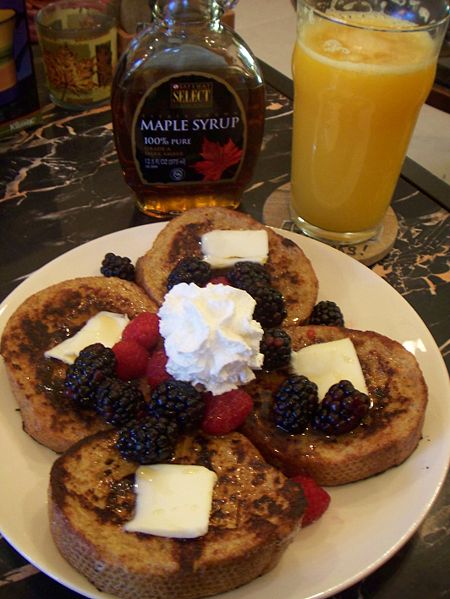
French Toast is Not From France !!!


Myth: French toast was invented in France. 

French toast was not invented in France. In fact, French toast was around long before France even existed as a country. The exact origins of French toast are unknown, but it isn’t surprising that humans seem to have come up with the recipe quickly, given that French toast is traditionally made out of stale bread. Bread has been a staple food for most cultures since food first began being prepared and, up until very recently, the vast majority of humans would have never dreamed of wasting any food; thus, one has to find a way to make stale bread palatable. Soaking it in milk and egg and then cooking it, seems logical enough, making a good tasty meal while not wasting any bread.

The earliest reference to doing just this dates all the way back to 4th century Rome, in a cookbook attributed to Apicius, and it is thought to predate this work by a good margin. This style of “French” toast was called Pan Dulcis. The Romans would take the bread and soak it in a milk and egg mixture, and then cook it, typically frying it in oil or butter, pretty much just like it’s made today in many countries in the world.

This practice became common throughout Europe in the Middle Ages, including making it primarily out of stale bread. Indeed, the name for French toast in France itself is “pain perdu”, which literally means “lost bread” (it is also called this in Belgium, New Orleans, Acadiana, Newfoundland, and the Congo, among other places). It’s interesting to note, for the naysayers who like to cling to the belief that it came from France, that before the French called it pain perdu, they called it “pain a la Romaine” (Roman bread).

Another popular myth as to the origins of the name “French toast”, perpetuated in such publications asWhy Do Donuts Have Holes, is that French toast actually came from America, specifically, being created in 1724. The name “French” came from the chef who first made it, Joseph French. Supposedly, Mr. French was bad at grammar and when he named it, simply forgot the apostrophe, as in: Frenchs toast, instead of French’s toast. Alas, if only the Grammar Nazis of the day would have correct him.

This story, of course, is pure fiction as there are numerous references throughout history of what is now called, in North America, French toast. Indeed, there are numerous cookbooks from the middle ages throughout Europe that even give the classical recipes for French toast. Further, the name “French toast” pre-dates the 18th century, with the earliest references popping up in the mid-17th century, before the story of the grammatically inept Joesph French. Before that time, it was also known as German toast, Spanish toast, and a variety of other names, only some of which had anything to do with the name of a country.

North Americans call it French toast for very similar reasons as to why they call fried potato strips “French fries”. Simply that they were popularized in America by French immigrants. Note: for more on the fascinating history of the French Fry, check out Misconception Junction’s companion site Today I Found OutThe History of French Fries

source::::today i found out .com

natarajan

” Are You Smarter than ” Seniors ” !!!


This is a test for us ‘older kids’!

The answers are printed below, (after the questions) but don’t cheat! answer them first…..

01. After the Lone Ranger saved the day and rode off into the sunset, the grateful citizens would ask, Who was that masked man? Invariably, someone would answer, I don’t know, but he left this behind. What did he leave behind?________________.

02. When the Beatles first came to the U.S. .In early 1964, we all watched them on The _______________ Show.

03. Get your kicks, __________________.’

04. ‘The story you are about to see is true. The names have been changed to ___________________.’

05. ‘In the jungle, the mighty jungle, ________________.’

06. After the Twist, The Mashed Potato, and the Watusi, we ‘danced’ under a stick that was lowered as low as we could go in a dancecalled the ‘_____________.’

07. Nestle’s makes the very best… _________ ______.’

08. Satchmo was America ‘s ‘Ambassador of Goodwill.’ Our parents shared this great jazz trumpet player with us. His name was _________________.

09. What takes a licking and keeps on ticking? _______________.

10. Red Skeleton’s hobo character was named __________________ and Red always ended his television show by saying, ‘Good

Night, and ‘________ ________.. ‘

11. Some Americans who protested the Vietnam War did so by burning their______________.

12. The cute little car with the engine in the back and the trunk in the front was called the VW. What other names did it go by? ____________ &_______________.

13. In 1971, singer Don MacLean sang a song about, ‘the day the music died.’ This was a tribute to ___________________.

14. We can remember the first satellite placed into orbit. The Russians did it. It was called ___________________.

15. One of the big fads of the late 50’s and 60’s was a large plastic ring that we twirled around our waist. It was called the __ ______________.

Answers:
01. The Lone Ranger left behind a silver bullet.
02. The Ed Sullivan Show
03. On Route 66
04. To protect the innocent.
05. The Lion Sleeps Tonight
06. The limbo
07. Chocolate
08. Louis Armstrong
09. The Timex watch
10. Freddy, The Freeloader and ‘Good Night and God Bless.’
11. Draft cards (Bras were also burned. Not flags, as some have guessed)
12. Beetle or Bug
13. Buddy Holly
14. Sputnik
15. Hoola-hoop

Send this to your ‘older’ friends, (Better known as Seniors.) It will drive them crazy! And also keep them busy and let them forget their aches and pains for a few minutes !!!

source::::baba mail site

natarajan

Laughter the Best Medicine …” I Say Sam Ting ” !!!

Walking through San Francisco ‘s Chinatown, a tourist from the Midwest was enjoying the artistry of all the Chinese restaurants, shops, signs and banners.

When he turned a corner and saw a building with the sign
‘Moishe Plotnik’s Laundry.’
‘Moishe Plotnik?’ he wondered. ‘How does that belong inChinatown?’
He walked into the shop and saw a fairly standard looking dry cleaner, although he could see that the proprietors were clearly aware of the uniqueness of the store name as there were baseball hats, T-shirts and coffee mugs emblazoned with the logo’Moishe Plotnik’s Chinese Laundry.’ The tourist selected a coffee cup as a conversation piece to take back to his office. Behind the counter was a smiling old Chinese gentleman who thanked him for his purchase.
The tourist asked, ‘Can you explain how this place got a name like ‘Moishe Plotnik’s Laundry?”
The old man answered, ‘Ah..Evleebody ask me dat. It name of owner.’
Looking around, the tourist asked, ‘Is he here now?’
‘It me, Me him!’ replied the old man.
‘Really? You’re Chinese.
How did you ever get a Jewish name like Moishe Plotnik?’
It simple’ said the old man. ‘Many, many year ago I come to this country. I, standing in line at ‘ Document Center of Immiglation.’
Man in front of me was man from Poland ..’
‘Lady at counter look at him and say to him, ‘What you name?’
He(Polish man)say to her, ‘Moishe Plotnik.’
Then she look at me and say, ‘What your name?’
I say,’Sam Ting.’


source:::::input from a friend of mine

natarajan

Coldest Place on Earth !!!

NASA scientists have discovered the coldest place on our planet. It’s a high ridge in Antarctica on the East Antarctic Plateau. On a clear winter night, temperatures can dip below -133.6 degrees F (-92 degrees C)

The new record is several degrees colder than the previous low of minus 128.6 F (minus 89.2 C), set in 1983 at the Russian Vostok Research Station in East Antarctica. The coldest permanently inhabited place on Earth is northeastern Siberia, where temperatures dropped to a bone-chilling 90 degrees below zero F (minus 67.8 C) in the towns of Verkhoyansk (in 1892) and Oimekon (in 1933).

Scientists at the National Snow and Ice Data Center made the discovery by analyzing 32 years of data from several satellites that have mapped Antarctica’s surface temperature.

Near a high ridge that runs from Dome Arugs to Dome Fuji, the scientists found clusters of pockets that have plummeted to record low temperatures dozens of times. The lowest temperature the satellites detected was minus 136 F (minus 93.2 C), on Aug. 10, 2010.

With remote-sensing satellites, scientists have found the coldest places on Earth, just off a ridge in the East Antarctic Plateau. The coldest of the cold temperatures dropped to minus 135.8 F (minus 93.2 C) -- several degrees colder than the previous record. Image Credit: Ted Scambos, National Snow and Ice Data Center

With remote-sensing satellites, scientists have found the coldest places on Earth, just off a ridge in the East Antarctic Plateau. The coldest of the cold temperatures dropped to minus 135.8 F (minus 93.2 C) — several degrees colder than the previous record. Image Credit: Ted Scambos, National Snow and Ice Data Center

 
The quest to find out just how cold it can get on Earth – and why – started when the researchers were studying large snow dunes on the East Antarctic Plateau. When the scientists looked closer, they noticed cracks in the snow surface between the dunes, which were possibly created when wintertime temperatures got so low the top snow layer shrunk. This led scientists to wonder what the temperature range was, and prompted them to hunt for the coldest places using data from satellite sensors.

Video Link is given below …

Read more about how scientists found and measured Earth’s coldest place, from NASA

source::::: Earth sky News site

natarajan


World Outside My Window !!!


Some people look outside their window and see a beautiful tree. Then there are some who can see a beautiful view of the surrounding area. Then there are some, like those on the internation space station, that can look outside their windows and see the entire world. One might say that is the ultimate of views.

A beautiful video of the view one sees from outside this particular window… 

pl click the link above  for the video and watch the world as seen from ISS  WINDOW !!!!

NATARAJAN

source::::: youtube

natarajan