Inflight Food ….A Down Memory Lane !!!


On this day in 1919, the first airline meal – a three-shilling lunchbox – was served between London and Paris. Here are some more notable moments in the history of plane food


Airline food through the ages
Airline meals were born on October 11, 1919

October 11, 1919: The first airline meals were served on a Handley-Page flight from London to Paris. They were pre-packed lunch boxes at three shillings each (15p).

1936: United Airlines installs the first on-board kitchens to provide air passengers with hot meals. Other airlines soon follow suit.

1950s: The golden age of air travel. Table cloths and silver service. A 1958 promotional video from Pan Am sums it up perfectly. “Spacious cabins, air conditioned but draught-free. Roominess extends to the powder rooms. Near sonic speed but inside, no movement at all. Delicious food adds to the enjoyment. It’s prepared in four simulateously operating galleys, where dishes can be cooked in five-minute ovens. The travail has been taken out of travel.

March 2, 1969: Concorde enters service. Flights on the aircraft – with British Airways and Air France – become renowned for their high-quality cuisine. Champagne, caviar, black truffle, foie gras, and lobster with saffron were served to this guest on one of the model’s final flights, in 2003.

1970s: Airline deregulation sees the cost of tickets fall. Offering the cheapest fare becomes more important than providing the best food and service. Southwest Airlines, the world’s first low-cost carrier, starts flying in 1971.

1973: French airline Union de Transports Aériens recruits chef Raymond Oliver to reevaluate their menus. Airlines begin to favour salty, rich and spicy food that is suited to reheating and retains its flavour at 30,000ft. As explained in our recent Travel Truths feature “Why is plane food so bad?”: “At high altitudes our taste buds simply don’t work properly. The low humidity dries out our nasal passages, and the air pressure desensitises our taste buds, which is why airlines often opt for salty stews or spicy curries.”

1985: Ryanair is founded. It will go on to become the world’s 7th largest airline, with a fleet of more than 300 planes, but will face constant criticism about the cost of its in-flight food and drink. It currently charges £5.50 for a cheese and tomato panini and £3 for a cup of tea.

1987: Robert Crandall, chief executive of American Airlines, reportedly trims $40,000 off the carrier’s annual outgoings by removing a single olive from every salad served in first class.

2001: The website airlinemeals.net launches, giving passengers a forum to discuss plane food, and to post photographs of in-flight suppers. Nearly 30,000 images have been uploaded since.

2001/2002: The September 11 terrorist attacks have an influence on in-flight dining. Airlines begin using plastic cutlery. Some carriers – particularly in the US – suffer financially, prompting many to cut costs by dropping meal services in favour of peanuts and soft drinks.

2006: A plot to blow up at least 10 transatlantic flights using liquid explosives, sees all liquids greater than 100ml banned from flights. Passengers are left with little option but to purchase overpriced drinks from the airport terminal shops or an even more overpriced drink on board their plane. The rules remain in place.

January, 2009: An amusing letter sent to Sir Richard Branson, describing a “culinary journey of hell” on board a Virgin Atlantic flight, goes viral. The meal contained “more mustard than any man could consume in a month”, potatoes “passed through the digestive tract of a bird”, a “cuboid of beige matter”, and “a dessert with peas in”.

July, 2009: British Airways scraps free meals on thousands of short-haul flights in an attempt to cut losses, further blurring the lines between full-service and no-frills carriers. This year the airline began charging passengers more when they check in a bag.

2011: British Airways gets help from Heston Blumenthal, of Fat Duck fame, for its in-flight offerings – a partnership that was recorded for the Channel 4 documentary Heston’s Mission Impossible. Other airlines also seek help from celebrity chefs. Singapore Airlines sign up Carlo Cracco, a two-star Michelin chef in Milan, and Air France employs Joel Robuchon.

December, 2012: The Japanese flag carrier, Japan Airlines, serves Kentucky Fried Chicken to its passengers over the Christmas period. In Japan, the restaurant’s food is a surprisingly popular part of the festival season.

April 2013: Air Baltic unveils a novel new food ordering system that allows customers to choose every aspect of their in-flight meal when they book their seat.

July 2013: A report by Travelsupermarket.com reveals that airlines charge up to 2,600 per cent more than supermarkets for in-flight food and drink.


SOURCE::::Oliver Smith in The Telegraph UK

Natarajan


Spectacular Moon – Venus Pairing on The Sky !!!

On the  evening  of September 8, 2013 , the moon swept past the planet Venus in the west after sunset. Our friends across the globe shared their photos of Venus and the moon in their skies. As the line of sunsets swept westward around the globe, the images came first from Australia and New Zealand, then Asia, the Middle East, Europe and finally the Americas. As the day passed, we could see from the images that the moon was drawing closer and closer to Venus. Why? Because the moon is moving in orbit around Earth, and its movement across half a day is noticeable in the sky. You can see that movement of the moon by looking at the photos below, from top to bottom.

If you had cloudy skies, or were stuck inside – or just want to relive the beauty of that night’s evening twilight sky – here are some of the best views of the spectacular moon-Venus pairing of September 8, 2013.

Ipswich,Queensland, Australia.  Photo credit: Matthew Paul

On EarthSky’s social media pages, we began seeing Venus-moon photos early in the day on September 8, since night had already fallen in Australia and New Zealand. This one is from our friend Matthew Paul in Ipswich, Queensland, Australia.

India.  Photo credit: Rajib Maji.jp

Here’s another one from India. Photo via Rajib Maji

Grand Mosque in Kuwait.  Photo credit:Abdulmajeed Alshatti

This is the moon and VEnus on September 8, 2013, over the Grand Mosque in Kuwait. Photo via EarthSky Facebook friend Abdulmajeed Alshatti

Kozani, Macedonia, Greece. Photo credit: Nikos Matiakis

Nikos Matiakis sent in this photo from Kozani, Macedonia, Greece.

Pedrag Agatonovic in Serbia captured this beautiful image.

Pedrag Agatonovic in Serbia captured this beautiful image.

Near occultation. Santa Maria, Rio Grande do Sul, Brazil.  Photo credit: Crístian-Rubert.

As seen from parts of South America, the moon actually passed in front of Venus. Astronomers call this kind of event an occultation. Crístian Rubert captured this photo from Santa Maria, Rio Grande do Sul, Brazil, shortly before the occultation began.

Sao Paulo, Brazil.  Photo credit: Igor Alexandre

Another beauty from Sao Paulo, Brazil. Why is the angle different from the photos taken in the Northern Hemisphere? It’s just an effect of perspective, between one part of Earth and another. Photo via Igor Alexandre

Anguilla, British West Indies. Photo credit: Kristin Bourn

Kristin Bourn captured this shot from Anguilla, British West Indies.

Brookline, Massachusetts. Photo credit: Eileen Claffey

Eileen Claffey, got this beautiful image from Brookline, Massachusetts.

Oyster Pond, Cape Cod, Chatham, Massachusetts.  Photo credit: Phyllis Mandel

Phyllis Mandel is another wonderful photographer, who captured the moon and Venus at Oyster Pond, Cape Cod, Chatham, Massachusetts.

Waxahachie, Texas.  Photo credit: Tracy Lynn Jones

Tracy Lynn Jones in Waxahachie, Texas sent in this beautiful shot.

New Albany, Indiana.  Photo credit:  Duke March

Duke Marsh captured this image from New Albany, Indiana.

San Cristobal, New Mexico. Photo credit: Geraint Smith

Geraint Smith of San Cristobal, New Mexico posted this photo.

source::::Earth sky news site

natarajan

படித்ததில் பிடித்தது …நிலவில் கால் வைத்த முதல் மனிதர் யார் !!!

இந்தக் கேள்விக்கு யாராயிருந்தாலும்
உடனே பதில் சொல்லிவிடுவீர்க
ள்.நீல்ஆம்ஸ்ட்ராங் என்று. நிலவில் முதன்
முதலில் கால் வைத்திருக்க வேண்டியவர்
யார் தெரியுமா? பல
பேருக்கு தெரியாது அவர் எட்வின்
சி ஆல்ட்ரின்.
அவர்தான் நிலவுக்கு சென்ற
அப்பல்லோ விண்கலத்தின் பைலட்
அதாவது விமானி. ஆல்ட்ரின்
அமெரிக்காவின் விமானப் படையில்
பணிபுரிந்தவர். மேலும் விண்
நடை அனுபவம் உள்ளவர். அதனால் அவர்
விமானியாக நியமிக்கப்பட்டார்.

நீல் ஆம்ஸ்ட்ராங்க் அமெரிக்காவின் கப்பல்
படையில் வேலை பார்த்தவர். மிகுந்த
தைரியசாலி என்பதால்தான் இந்த
பயணத்திற்கு தேர்ந்தெடுக்கப்பட்டார்.
அவர் கோ-பைலட் அதாவது இணை விமானி.
இவர்கள் சென்ற அப்பல்லோ விண்கலம்
நிலவை அடைந்ததும்
நாசாவிலிருந்து பைலட் பர்ஸ்ட்
என்று கட்டளை பிறப்பிக்கப்பட்டது.
ஆனால் ஆல்ட்ரினுக்கோ மனதில் சின்ன
தயக்கம்.
இடது காலை எடுத்து வைப்பதா?
வலது காலை எடுத்து வைப்பதா? என்றல்ல.
‘நிலவில் முதன் முதலில் கால்
எடுத்து வைக்கிறோம்.
புவியீர்ப்பு விசையற்ற இடத்தில்
இருக்கிறோம்.
கால் வைக்கும் இடம் எப்படி இருக்கும்
என்று தெரியாது. புதை மணலாக
இருந்து உள்ளே இழுத்துவிட்டால்
எரி மணலாக
இருந்து காலை சுட்டுவிட்டால்
தயக்கத்தில் மணிக்கணக்காக
தாமதிக்கவில்லை. சில நொடிகள்தான்
தாமதித்திருப்பார்.
அதற்குள் நாசாவில்
இருந்து இரண்டாவது கட்டளை பிறப்பிக்க
டது. கோ பைலட் நெக்ஸ்ட்.
நீல் ஆம்ஸ்ட்ராங் கட்டளை வந்த அடுத்த
நொடி காலடி எடுத்து வைத்தார்.
உலக வரலாறு ஒரு நொடி தயக்கத்தில்
மாற்றி எழுதப்பட்டது. திறமையும்
தகுதியும் இருந்தும் கூட தயக்கத்தின்
காரணமாக தாமதித்ததால்
இன்று ஆல்ட்ரினை யாருக்கும்
தெரியவில்லை.
முதலாவது வருபவரைத்தான் இந்த உலகம்
நினைவில் வைத்திருக்கும்
என்பது மட்டுமல்ல, தயக்கம், பயம்
இவை எந்த அளவுக்கு நம்
வெற்றியை பாதிக்கும்
என்பதற்கு இதுவே உதாரணம்.
இனி நிலவை பார்க்கும் போதெல்லாம்
இந்தச் சம்பவத்தை நினைவில் வைத்துக்
கொள்ளுங்கள்.
ஒரு நிமிடத் தயக்கம் நம்முடைய மிகப்
பெரிய வெற்றிகளைத்
தடுத்து விடுகிறது. நாம்
எல்லோருமே மிகப்பெரும்
சாதனைகளை படைக்கிற
வல்லமை உடையவர்கள்தான். நம்முடைய
தயக்கம். பயம், கூச்சம் இவைதான் நம் முதல்
எதிரி.
source::::: input from face book
natarajan

” The First Man To Walk In Space Almost Got Stuck out There “!!!

This one’s a bit longer than normal, but I thought it was a very interesting read so hopefully you do too!

That lucky individual was Alexei Leonov, who was born in the Soviet Union on May 30, 1934. He was one of the twenty Soviet Air Force Pilots to be chosen for the first cosmonaut group. Originally, his historic walk was supposed to have happened on the Vostok 11 mission, but as that was cancelled; it was later performed on the Voskhod 2 mission instead. After eighteen long months of training for the event, Leonov was ready to become the first person to walk in space.

The Voskhod 2 launched on March 18, 1965. In addition to Leonov, Pavel Belyayev was on board to man the ship while Leonov attempted the space walk. It was the first trip into space for both of the crew members.

Once in orbit, Leonov strapped on an EVA (extra-vehicular activity) backpack to his spacesuit. It provided him with just 45 minutes of oxygen, which would allow him to breathe and keep cool; meanwhile, heat, moisture, and carbon dioxide would be vented into space via a relief valve.

VoskhodBelyayev pressurized the inflatable airlock, which took seven minutes to fully inflate. Everything went smoothly at first and Leonov spent a total of 12 minutes and 9 seconds out on his space walk. He described the experience by saying he felt “like a seagull with its wings outstretched, soaring high above the Earth.”

Unfortunately, all good things must come to an end, and he needed to get back inside the spacecraft before he ran out of air. But getting back inside proved to be a problem.

He maneuvered himself back to the airlock, but then realized that his suit had become incredibly stiff. Due to the lack of atmospheric pressure, it had bloated with oxygen. His feet and hands had pulled away from his boots and gloves, and he knew it was going to be incredibly difficult to get himself back into the ship safely.

There was only one way to do it: wriggle in head-first while bleeding off the oxygen in his suit.

“I knew I might be risking oxygen starvation, but I had no choice. If I did not reenter the craft, within the next 40 minutes my life support would be spent anyway.”

Leonov thought about contacting mission control about his predicament and let them know about the risky thing he was about to do, but decided not to. He knew that he was the only one who could do anything about the situation and he didn’t want to worry the people on the ground.

As he released oxygen and exerted himself, his suit began to heat up dangerously with his core body temperature rising 3.2 degrees Fahrenheit (1.8 degrees Celsius), as he slowly clambered into the airlock inch by inch.

Once he was finally in, he had to let even more air out so he could curl his body around to close the hatch, which he eventually accomplished. At last with the hatch sealed, Belyayev was able to pressurize the airlock again and Leonov made it back inside the spacecraft after the heart-stopping few minutes of struggle.

On the ground, people had watched the very first spacewalk, though Leonov’s struggle to get back inside the spacecraft wasn’t televised. At the first sign of trouble, the transmissions shown on televisions on Earth “randomly” stopped with no explanation, with most assuming technical difficulties with the broadcast feed.

Leonov was thankful they didn’t show his re-enty, “My family was therefore spared the anxiety they would have had to endure had they known how close I came to being stranded in space.”

Unfortunately, this was only the start of the problems. Just five minutes before they were scheduled to begin re-entry, the crewmen discovered that the automatic guidance system wasn’t functioning. They would have to land the spacecraft manually and were also dangerously low on fuel to maneuver to boot.

To do the necessary maneuvers, Leonov stated:

“Pasha began orienting the craft for reentry. This was no easy task—in order to use the optical device necessary for orientation, he had to lean horizontally across both seats in the spacecraft, while I held him steady in front of the orientation porthole. We then had to maneuver ourselves back into the correct positions in our seats very rapidly so that the spacecraft’s center of gravity was correct during the reentry burn.”

The difficulty of the landing was compounded by politics. They had to land on Soviet soil; if they overshot and landed in China, which had very poor relations with Soviet Russia at the time, a potential international incident could have ensued. They also had to choose somewhere without many people. Thus, Leonov chose Perm, a sparsely populated area far from China. It seemed like a safe bet.

However, additional problems started as they entered the Earth’s atmosphere. The craft began spinning uncontrollably.  Why?  The orbital module was still attached to the landing module.  The modules hadn’t fully detached when they were supposed to, due to a thick communication cable connecting the two.

Not only did it throw the landing location off significantly, but the two craft spun around one another, subjecting the cosmonauts to as high as 10 G’s of force.  So much, that Lenov said that the “small blood vessels in our eyes burst”.

At around 62 miles high (100 km), the cable burned up and they were able to stabilize and land successfully… in two meters of snow in Solikamsk on the outskirts of frigid Siberia.

Upon attempting to open the hatch, they further had difficulty after the explosive bolts blew.  Rather than the hatch opening, it was stuck shut:

“Looking out of the window, we could see the hatch was jammed against a big birch tree. We had no alternative but to start rocking the hatch violently back and forth, trying to shift it clear of the tree. Then, using all his strength, Pasha managed to push the hatch away from the remains of the bolts, and it slid back and disappeared into the snow.”

At this point, Leonov and Belyayev’s families were told that the two had landed safely and were resting before returning to Moscow. However, Soviet officials hadn’t picked up on the rescue signal, and had little idea where they’d landed or even if they were still alive.

Lucky for the cosmonauts, a cargo plane did pick up on the signal and the word of their location spread around.  Initial attempts at rescue were made by civilian aircraft, with helicopter pilots and others throwing the two down supplies, including wolf skin boots and cognac. (Note: contrary to popular belief, drinking alcohol in such a situation would make hypothermia significantly more likely, rather than it heating your body.)

In the end, they ultimately had to spend the night in a place packed with wolves and bears during mating season- when they’re most aggressive- and where the temperature dropped to -22 degrees Fahrenheit (-30 C) according to Leonov. They also had no way to re-seal the landing module, so simply had to hunker down and endure the night.

The temperature problem was compounded by the fact that their suits had sweat sloshing around up to their ankles, along with being soaked through the inner layers.

“We had to strip naked, take off our underwear, and wring the moisture out of it. We then had to pour out what liquid had accumulated in our spacesuits. We went on to separate the rigid part of the suit from its softer lining—nine layers of aluminum foil and a synthetic material called dederone—and then put the softer part of the suits back on over our underwear and pull our boots and gloves back on.”

The next day, a rescue crew arrived traveling via skis, while another came a day later and chopped down trees, making a log cabin and a huge fire to keep the team and cosmonauts warm.  They then all traveled nine kilometers by ski to a clearing where a helicopter was waiting for them.

Upon arriving in the town of Leninsk, they had one last duty: to report on their mission. Leonov said simply,

“Provided with a special suit, man can survive and work in open space. Thank you for your attention.”

He didn’t go into detail about his brush with death. It’s possible that he was told not to; details of the harrowing mission weren’t released until much later.

Bonus Facts:

  • You are simultaneously hurtling around the Sun at 66,600 mph while sitting on a “rock” that is spinning at about 1,070 mph. On top of that, our whole solar system is rocketing through space around the center of the Milky Way at about 559,234 mph.  On top of that, our galaxy is hurtling through space at about 671,080 mph, with respect to our local group of galaxies.  On top of that, for all we know, our entire universe is hurtling through some medium at some other ridiculous speed. Either way, you’re moving really, really fast right now while reading this. Slow down you crazy kids with your rap music. 😉
  • Leonov said that had he been unable to get back inside the space craft, he had a suicide pill to make his death swifter and more pleasant than dying of asphyxia.

source:::: todayifoundout.com

natarajan

Why The Hottest Part of Summer is called “Dog Days ” !!!

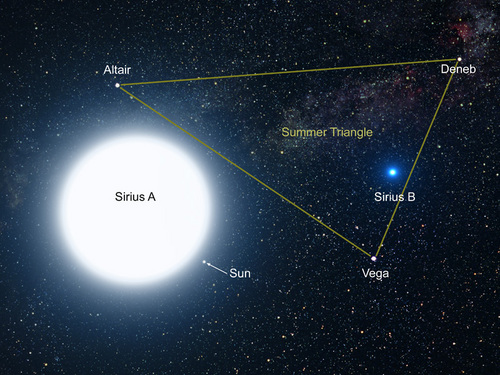
Sirius

The earliest reference to some aspect of this expression goes all the way back to the Ancient Egyptians.  They noted that the heliacal rising of the star Sirius heralded the hottest part of the summer.  However, it isn’t exactly known why the ancient Egyptians associated this star with a dog (the star’s hieroglyph is a dog).  Sirius would appear in Egypt, after about a 70 day absence, just before the season where the Nile typically floods.  So it is thought the star’s hieroglyphic symbol being a dog symbolized a “watchdog”.

On the other hand, it’s very possible it was for the same reason the Ancient Greeks and Ancient Romans would also eventually associate this star with a dog.  Namely, that it is the brightest star in what is now known as the Canis Major (Latin for “Greater Dog” or “Big Dog”) constellation.  This constellation simply looks a little bit like a dog and Sirius is the brightest star in the constellation, so the star got named the “Dog Star” and it’s heliacal rising marked the start of the hottest part of the year, which then became the “Dog Days”.

The Roman’s expression for Dog Days was diēs caniculārēs (Latin for “Dog Days”).  The Greeks also had a similar expression that literally translated to “Dog Days”.  They both believed that, when Sirius rose around the same time as the Sun, this contributed to that time of year becoming hotter.  As such, they would often make sacrifices to Sirius, including sacrificing dogs, to appease Sirius with the hope that this would result in a mild summer and would protect their crops from scorching.

source::::: todayifoundout.com

natarajan

Read more at http://www.todayifoundout.com/index.php/2010/10/why-the-hottest-part-of-the-summer-is-called-the-dog-days/#0O6QczEJivpym1RO.99

Best Views From The Cockpit !!!

The best views from the cockpit

Patrick Smith, a pilot and author of Cockpit Confidential, reveals the most memorable sights from the sky. 

On a typical 747 with four hundred passengers, a mere quarter of them will be lucky enough, if that’s the correct word, to be stationed at a window. In a ten-abreast block, only two of those seats come with a view. If flying has lost the ability to touch our hearts and minds, perhaps that’s part of the reason: there’s nothing to see anymore.

There’s something instinctively comforting about sitting at the window – a desire for orientation. Which way am I going? Has the sun risen or set yet? For lovers of air travel, of course, it’s more than that. To this day, the window is always my preference, even on the longest and most crowded flight. What I observe through the glass is no less a sensory moment, potentially, than what I’ll experience sightseeing later on. Traveling to Istanbul, for instance, I remember the sight of the ship-clogged Bosporus from 10,000 feet as vividly as I remember standing before the Süleymaniye Mosque or the Hagia Sofia.

For pilots, obviously, there isn’t much choice. We spend hours in what is essentially a small room walled with glass. Cockpit windows are surprisingly large, and although there’s often little to see except fuzzy gray cirrus or pitch – blackness, the panorama they provide is occasionally spectacular.


The best views from the cockpit

New York City

The arrival patterns into LaGuardia will sometimes take you along the Hudson River at low altitude, skirting the western edge of Manhattan and offering a breathtaking vista of the New York skyline – that “quartz porcupine,” as Vonnegut termed it.


The best views from the cockpit

Shooting stars (especially during the annual, late-summer Perseids meteor shower)

Most impressive are the ones that linger on the horizon for several seconds, changing color as they burrow into the atmosphere. I’ve seen shooting stars so bright they were visible even in daylight.


The best views from the cockpit

The Northern Lights

At its most vivid, the aurora borealis has to be seen to be believed. And you needn’t traipse to the Yukon or Siberia; the most dazzling display I’ve ever witnessed was on a flight between Detroit and New York. The heavens had become an immense, quivering, horizon–wide curtain of fluorescence, like God’s laundry flapping in the night sky.


The best views from the cockpit

Flying into Africa

I love the way the Cap Vert peninsula and the city of Dakar appear on the radar screen, perfectly contoured like some great rocky fishhook – the westernmost tip of the continent, and the sense of arrival and discovery it evokes. There it is, Africa! And further inland, the topography of Mali and Niger. From 30,000 feet, the scrubby Sahel looks exactly like 40-grade sandpaper, sprayed lightly green and spattered with villages – each a tiny star with red clay roads radiating outward.


The best views from the cockpit

The eerie, flickering orange glow of the Venezuelan oil fields — an apocalyptic vista that makes you feel like a B-17 pilot in 1945.


The best views from the cockpit

Similar, but more depressing, are the thousands of slash-and-burn fires you’ll see burning throughout the Amazon. Some of the fire fronts are miles long – walls of red flame chewing through the forests.


The best views from the cockpit


Compensating for the above are the vast, for-now untouched forests of Northeastern South America. Over Guyana in particular the view is like nothing else in the world – an expanse of primeval green as far as the eye can see. No towns, no roads, no clear-cutting or fires. For now.


Climbing out over the “tablecloth” – the cloud deck that routinely drapes itself over Table Mountain in Cape Town, South Africa.


The best views from the cockpit

The frozen, midwinter oblivion of Northeastern Canada. I love passing over the jaggedy, end-of-the-world remoteness of Newfoundland, Labrador, and Northern Quebec in midwinter – a gale-thrashed nether-region of boulders, forests, and frozen black rivers.


The best views from the cockpit

The majestic, primordial nothingness of Greenland. The great circle routes between the United States and Europe will sometimes take you over Greenland. It might be just a brush of the southern tip, but other times it’s forty-five minutes across the meatier vistas of the interior. If you’ve got a window seat, do not miss the opportunity to steal a peek, even if it means splashing your fast-asleep seatmate with sunshine.


The best views from the cockpit


Other views aren’t spectacle so much as just peculiar…

One afternoon we were coasting in from Europe, about 200 miles east of Halifax, Nova Scotia. “Gander Center,” I called in. “Got time for a question?”

“Yeah, go ahead.”

“Do you have any idea what the name of that strange little island is that we just passed over?”

“Sure do,” said the man in Gander. “That’s Sable Island.”

Sable Island is one of the oddest places I’ve ever seen from aloft. The oceans are full of remote islands, but Sable’s precarious isolation makes it especially peculiar. It’s a tiny, ribbony crescent of sand, almost Bahamian in shape and texture, all alone against the relentless North Atlantic. It’s like a fragment of a submerged archipelago—-a miniature island that has lost its friends.

“Island,” maybe, is being generous. Sable is really nothing more than a sand bar, a sinewy splinter of dunes and grass – 26 miles long and only a mile wide – lashed and scraped by surf and wind. How staggeringly vulnerable it appears from 38,000 feet.

I’d flown over Sable many times and had been meaning to ask about it. Only later did I learn that the place has been “the subject of extensive scientific research,” according to one website, “and of numerous documentary films, books, and magazine articles.” Most famously, it’s the home of 250 or so wild horses. Horses have been on Sable since the late eighteenth century, surviving on grass and fresh water ponds. Transient visitors include grey seals and up to 300 species of birds. Human access is tightly restricted. The only permanent dwelling is a scientific research station staffed by a handful of people.


The best views from the cockpit

But all right, okay, enough with the terrestrial stuff. I know that some of you are wondering about UFOs. This is something I’m asked about all the time. For the record, I have never seen one, and I have never met another pilot who claims to have seen one. Honestly, the topic is one that almost never comes up, even during those long, dark flights across the ocean. Musings about the vastness of the universe are one thing, but I cannot recall ever having had a conversation with a colleague about UFOs specifically. Neither have I seen the topic discussed in any industry journal or trade publication.

I once received an email asking me about a supposed “tacit agreement” between pilots that says we will not openly discuss UFO sightings out of fear of embarrassment and, as the emailer put it, “possible career suicide.” I had to laugh at the notion of there being a tacit agreement among pilots over anything, let alone flying saucers. And although plenty of things in aviation are tantamount to career suicide, withholding information about UFOs isn’t one of them.


The best views from the cockpit

In 2011, a poll by the website PrivateFly.com revealed travellers’ favourite airports to land at. Barra Island in the Outer Hebrides – with its unique beach runway – came out on top.


The best views from the cockpit

London City Airport (pictured), Jackson Hole, Aruba, Male, St Barts, Queenstown, Gibraltar, Narvik and St Maarten completed the top 10.


The best views from the cockpit

Paro Airport, in the Himalayan country of Bhutan, is regularly named among the scariest airports to land at. It is located in a deep valley, and landing involves negotiating a series of mountains, rapid descents and then a steep bank to the left. Only a handful of pilots are certified to land there.


The best views from the cockpit

Other scary touch-downs include Matekane in Lesotho, Saba in the Caribbean, Tenzing-Hillary airport in Lukla, Nepal, Funchal in Madeira, and Courchevel.


source::::Patrick Smith in The Telegraph …UK

natarajan


என்னமோ பறக்குது… மர்மமா இருக்குது…!!!


ஆகாயத்தில் அதிசயமாக நாம் பார்ப்பதில் முக்கிய இடம் பிடிப்பது விமானங்கள்தான். சில வேளைகளில் அழியாத நெடுங்கோடாகப் புகை விட்டுக்கொண்டு பறக்கும் ஜெட் விமானங்கள் என்றால் சில நேரங்களில் நமக்கு ஓசைகூட கேட்கும் அல்லது கேட்பது போன்ற பிரமை ஏற்படும். வலவன் ஏவா வானவூர்தி அல்ல என்றாலும் அதில் ஏறிப் பயணம் செய்யாதவர்களுக்கு வாழ்க்கையில் ஒரு முறையாவது ஏறிச் செல்ல வேண்டும் என்ற ஆசை எழுவது இயற்கைதான். ஆனால், அதில் அடிக்கடி சென்று பயணப்பட்டவர்களுக்கோ சில – பல சந்தேகங்கள் தோன்றித் தோன்றி மறையும். ஆசையாகவும் மகிழ்ச்சியாகவும், சில வேளைகளில் அச்சத்துடனும் விமானங்களில் செல்வோரே அதிகம். அவர்களில் பலருக்கு ஏற்படும் சந்தேகங்களுக்கு விடை தருகிறார் விமானி பேட்ரிக் ஸ்மித். ‘காக்பிட் கான்பிடன்ஷியல்’ என்ற பெயரில் அவர் எழுதியிருக்கும் தகவல்கள் அனைவருக்குமே பொதுவானவை. பயணிகளின் சந்தேகங்களுக்குக் கேள்வி-பதில் வடிவில் அவர் சில விளக்கங்களைத் தந்திருக்கிறார்.

விமானம் பறக்கும்போது திடீரென தூக்கித்தூக்கிப் போடுவதும் அப்படியும் இப்படியும் அலைக்கழிப்பதும் குலுங்குவதும் என்னைக் குலைநடுங்கச் செய்கிறது, செத்துவிடுவோமோ என்றுகூட அஞ்சுகிறேன், இந்த அச்சம் நியாயமானதுதானே?

இல்லை. விமானத்தை அப்படியே தலைகீழாகத் தூக்கிப் போடும்படியோ, விண்ணிலிருந்து வீசி எறியும் வகையிலோ எதுவும் நடந்துவிடாது.காற்றழுத்தம் குறைவான வான் பகுதியில் விமானம் செல்லும்போது குலுங்குவது இயல்பானது. அது உங்களுக்கு அச்சத்தையும் அசௌகரியத்தையும் ஏற்படுத்தலாம், ஆனால் அதனால் விமானம் கீழே விழுந்துவிடாது.

ஜெட் விமானத்தின் எல்லா இன்ஜின்களும் செயலிழந்துவிட்டால் விமானத்தால் பத்திரமாகத் தரை இறங்க முடியுமா?

முடியும். மலையிலிருந்து கீழே இறங்கும்போது உங்களுடைய கார் இன்ஜினை அணைத்துவிட்டால் எத்தனை ஆபத்தோ அத்தனை ஆபத்து இதில் இருந்தாலும் விமானத்தைத் தொடர்ந்து இயக்கவும் தரையில் இறக்கவும் முடியும்.

விமானத்திலிருந்து எரிபொருளைக் கொட்டிவிட முடியும் என்று தெரிகிறது, விமானம் இறங்கும்போது எடை குறைய வேண்டும் என்பதற்காக இதைச் செய்கிறார்களா?

ஆமாம். எல்லா சந்தர்ப்பங்களிலும் அல்ல. விமானம் மேலே எழும்போது இருக்கும் எடையைவிட கீழே இறங்கும்போது இருக்கும் எடையானது அதற்கு அழுத்தத்தை ஏற்படுத்துகிறது. நெருக்கடியான நேரங்களில் அந்த நெருக்கடியைக் குறைக்க எரிபொருள் வெளியே கொட்டப்படுகிறது. இது அதிகப் பயணிகளை ஏற்றிச் செல்லும் பெரிய விமானங்களில்தான் சாத்தியம். சிறிய ரக விமானங்களில் கூடுதல் எரிபொருள் தீரும்வரை வானில் வட்டமடித்த பிறகே தரையில் இறக்குவார்கள்.

விமானம் பறந்துகொண்டிருக்கும்போது அதை மின்னல் தாக்கினால் என்ன ஆகும்?

ஒரு சேதமும் ஏற்படாது. விமானத்தின் அலுமினியத்தாலான உடல் அதைக் கடத்திவிடும்.

விமானம் பறக்கும்போது கழிப்பறையில் உள்ளவை கீழே கொட்டிவிடுமா?

இல்லை. விமானக் கழிப்பறையில் சேரும் கழிவுகள் விமானத்தின் கடைசிப் பகுதியில் உள்ள கழிவுத் தொட்டிக்கு அவ்வப்போது சென்றுவிடும். அது வெளியே சிந்தாது, சிதறாது.

விமானி அறையிலிருந்து வரும் மணியோசைக்கு என்ன அர்த்தம்?

இரு விதமான தேவைகளுக்காக மணியை ஒலிப்போம். முதல் வகை, இன்டர்காமில் பேசுங்கள் என்று விமானப் பணிக்குழுவினரை அழைப்பதற்காக. இரண்டாவது, விமானம் 10,000 அடி உயரத்தை எட்டிய பிறகு சீட் பெல்டைப் பயணிகள் தளர்த்தலாம் என்று அறிவிப்பதற்காக, மீண்டும் தரை இறங்குவதற்கு முன்னால் சீட் பெல்டைப் போடுங்கள் என்று கூறுவதற்காக. சில வேளைகளில் சீட் பெல்டை யாராவது போடவில்லை என்பதை எங்கள் முன்னால் உள்ள விளக்கு எரிந்து எச்சரித்தால் விமானப் பணிக்குழுவினருக்கு அதைத் தெரிவிப்பதற்காகவும்.

சில விமான நிலையங்களுக்கு 3 எழுத்தில் நீங்கள் வைத்திருக்கும் பெயர்கள் எரிச்சலூட்டுபவையாக இருக்கின்றனவே?

சிலரை நினைவுகூர்வதற்காகவும் சில வேளைகளில் ஆபாசமான பொருள் தரும் வாசகங்களைத் தவிர்ப்பதற்காகவும் விமான நிலையங்களின் பெயர்களைச் சுருக்குகிறார்கள், அது விமானிகளுடைய பயன்பாட்டுக்கானது, பயணிகள் அதுகுறித்துக் கவலைப்பட ஏதும் இல்லை.

நவீன ரக விமானங்கள் அதுவாகவே பறந்துவிடுமாமே?

நிச்சயம் இல்லை. மருத்துவமனைகளில் கட்டப்படும் நவீன அறுவைக்கூடமே நோயாளிக்கு அறுவைச் சிகிச்சை செய்துவிடுமா என்ன?

விமானம் பறக்கத் தொடங்கும்போதும் தரை இறங்கும்போதும் பயணிகள் தங்களுக்கு முன்னால் இருக்கும் சீட் டிரேக்களை மூடி வைக்க வேண்டும், விளக்குகளின் வெளிச்சத்தைக் குறைக்க வேண்டும், சீட் பெல்டுகளைப் போட வேண்டும். கண்ணாடிகளைத் திரைபோட்டு மூட வேண்டும் என்றெல்லாம் ஏன் கழுத்தறுக்கிறீர்கள்?

விமானம் திடீரென தன்னுடைய வேகத்தை இழந்தால் இருக்கையிலிருந்து நீங்கள் முன்னே வீசப்படுவதற்கு வாய்ப்புகள் உண்டு. அப்போது நீங்கள் நிலைகுலையாமல் இருக்கவும் முன்புற சீட்டின் பின்னால் போய் முட்டிக்கொள்ளாமல் இருக்கவும் சீட் பெல்ட் போட்டு டிரேயை மூடி வைக்குமாறு கூறுகிறோம். விளக்கு வெளிச்சத்தைக் குறைப்பதும் கண்ணாடிகளின் திரையைப் போடுவதும் விமானத்துக்குள் ஏதாவது பறந்து விழுகிறதா, நெருப்புப் பிடித்து எரிகிறதா என்று விமானப் பணிப்பெண்கள் எளிதாகப் பார்ப்பதற்காகத்தான். இது பாதுகாப்பு நடவடிக்கை, பயணிகளின் நலனில் அக்கறை கொண்டே மேற்கொள்ளப்படுகிறது.

விமானம் பறக்கும்போது பயணிகள் நன்றாகத் தூங்க வேண்டும் என்பதற்காக விமானத்துக்குள் ஆக்சிஜன் அளவு குறைக்கப்படும் என்கிறார்களே?

சுத்த அபத்தம், அப்படி எங்கும் செய்வதில்லை.

விமானம் பறக்கும்போது பயணி யாராவது கிறுக்குப்பிடித்து கதவைத் திறந்துவிட வாய்ப்பு இருக்கிறதா?

விமானம் பறக்கும்போது கதவுகளையோ அவசர வழிகளையோ யாராலும் திறக்க முடியாது. விமானி அறையில் உள்ள கட்டுப்பாட்டு அமைப்பு அதை அனுமதிக்கவே அனுமதிக்காது.

கைபேசிகளும் மடிக்கணினிகளும் ஆபத்தானவையா?

அது நேரத்தையும் சூழலையும் பொறுத்தது. கைபேசிகளைக் கொண்டு வெடிகுண்டுகளை வெடிக்கச் செய்யலாம் என்பதும் ஒரு காரணம். பல வேளைகளில் சோம்பேறித்தனத்தாலோ, இறங்கி வீட்டுக்குப் போகும் அவசரத்திலோ சில பயணிகள் கைபேசிகளை மறந்து விமானத்திலேயே விட்டுச் செல்கின்றனர். இது தற்செயலா, திட்டமிட்டா என்று தெரியாதபோது பதற்றம் ஏற்படுகிறது. எனவேதான் எச்சரிக்கையாக இருக்க வேண்டியிருக்கிறது. விமானம் உயரக் கிளம்பும்போதோ தரை இறங்கும்போது அதில் ஏற்படும் வேக மாறுதல்களின்போது மடிக்கணினி கையிலிருந்து நழுவி வெகு வேகமாகப் பறக்கத் தொடங்கலாம். அப்போது அது யார் மீதாவது பட்டால் விபரீத விளைவுகள் ஏற்படலாம்.டேப்லட்டுகள், மின் புத்தகங்கள் போன்றவற்றை விமானிகளே இப்போது விமானத்துக்குள் பயன்படுத்துவதால் அவற்றின் மீதான கட்டுப்பாடுகளைத் தளர்த்தலாமா என்று விமானப் பயண நிர்வாகிகள் சிந்தித்துவருகின்றனர்.

-தி நியூ யார்க் டைம்ஸ், தமிழில்: சாரி

source:::::tamil.thehindu.com

natarajan

Photos of Beautiful collection of Insects !!!

The USGS Native Bee Inventory and Monitoring Program is program run by biologists with the U.S. Geological Survey in Maryland. Part of their work is to develop identification tools and keys for native bee species by creating accurate and detailed pictures of native bees and the plants and insects they interact with. The biologists set up a mini studio surrounded by a styrofoam cooler with a black background to make their macro shots, stacking anywhere from 30 to 300 photos to get an image in focus. They have shared their collection of more than 1,200 photos online, from whuich I’ve selected the following  photos


Eugloss dilemma, a male orchid bee from the Biscayne National Monument in Florida


Leiobunum flavum, a species of arachnids known as harvestmen, from Beltsville, Maryland — from the collection of Dejen Mengis.(CC BY USGS/Sam Droege# 

Exomalopsis analis, a bee from the Dominican Republic. (CC BY USGS/Sam Droege) #


An Oak Timberworm, Arrhenodes minutus, found at a moth light owned by photographer Sam Droege.


Apple Bark Borer moth, Synanthedon pyri, found in Beltsville, Maryland.


Xylocopa cubaecola, a female Cuban Carpenter Bee, found on the base of Guantanamo Bay, Cuba.


Harlequin bug eggs, Murgantia histrionica, a common pest of brassicas, these were raised by the Weber USDA lab at Beltsville, Maryland.


Unknown Jumping spider, Beltsville, Maryland, possibly an immature Thiodina sylvana.


Augochloropsis metallica, a bee collected in Laurel, Maryland.


Unknown Wasp, Yellowstone National Park.

Buffalo Treehopper, unknown species in the genus Ceresa, Collected in Beltsville, Maryland.


Chlorion aerarium, the Steel Blue Cricket Hunter, a wasp found in Cumberland, Maryland.


Leucauge venusta, Orchard Orb Weaver, Upper Marlboro, Maryland.


Gratiana pallidula beetle, Patuxent Wildlife Research Center, Anne Arundel County, Maryland


Rove beetle, Staphylinidae, species unknown, found at moth light in Upper Marlboro, Maryland.


Trichiotinus assimilis, a common Flower Chafer scarab beetle.


Tabanidae, unknown Deer Fly form near Bowie, Maryland.


Unknown spider found March 21, 2013 in a steam tunnel underneath the Beltsville Agriculture Research Center, possibly Pholcus phalangioides. (CC BY USGS/Sam Droege# 


Tabanus atratus, Black Horse Fly, found in Upper Marlboro, Maryland.


source :::::The Atlantic  …. mail credit :::: senthil natarajan

natarajan

Frog Photobombs NASA Launch Photo !!!!

frogphotobomb

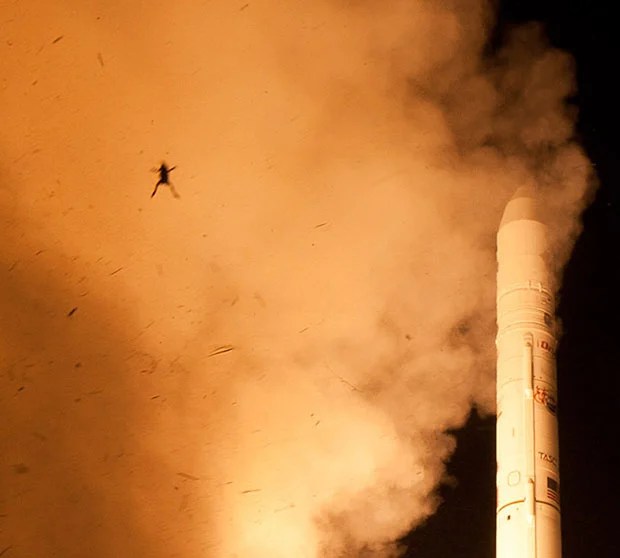
Check out this photograph NASA captured recently during the launch of its LADEE spacecraft. Notice anything unusual? If you’re thinking that the strange dark spot seen in the middle of the smoke plume looks familiar, you’re right — that’s a frog.

Here’s the original, uncropped version of the photo:

fullpicture


It was captured on September 7, 2013 during the launch of the Lunar Atmosphere and Dust Environment Explorer (LADEE) spacecraft. The craft will enter orbit around the Moon’s equator in order to study the exosphere and dust particles in the area.

The photograph itself was captured using a sound trigger that was set to detect when the launch sequence started. The NASA photo team has confirmed that the frog in the frame is in fact real, and states that it was captured in just one of the photos produced by the remote cameras active at the scene of the launch.

Here’s a closer crop showing our little amphibious friend:

frogcloseup

It’s a one-of-a-kind photograph. “The condition of the frog, however, is uncertain,” NASA says.


Image credit: Photograph by NASA/Wallops Flight Facility/Chris Perry   inPETA PIXEL

source:::::senthil natarajan …