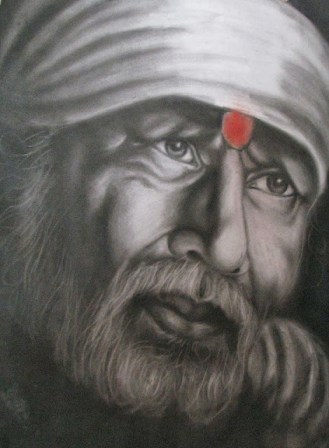
Message For The Day….Serve the Society, Help The Poor and Needy in Distress…

Today while Science is making rapid strides, morally people are going down. Selfishness and self-interest dominate every one of the many activities. The unlimited proliferation of desires is the root cause of people’s misery and ruination. If you follow two main principles, you can reach the goal of human life: Sarva jiva namaskaaram Keshavam prathi gachathi – the reverence shown to every being reaches God. Sarva jiva thiraskaaram Keshavam prathi gachathi – similarly, insult to any beings amounts to insulting God. Understand and internalize the Omnipresence of the Lord. In the Gita, Krishna declares that sacrificing the fruits of your actions is the best and easiest way of realizing God. Sacrifice (Thyaga) is the only means of attaining liberation. Serve the society, help the poor and needy in distress, and manifest the human quality of compassion.


Sathya Sai Baba

Want a Better Life ?…Move to One of These Countries !!!

It’s a known fact that being born in the right country at the right time to right parents gives an advantage in all stages of life. So, which is the best country to be born in 2013?

Let’s take a look at nations that are the best to be born in 2013.


Switzerland

Rank in 2013: 1

Score in 2013: 8.22

Rank in 1988: 13


Australia

Rank in 2013: 2

Score in 2013: 8.12

Rank in 1988: 18


Norway

Rank in 2013: 3

Score in 2013: 8.09

Rank in 1988: 13


Sweden

Rank in 2013: 4

Score in 2013: 8.02

Rank in 1988: 9


Denmark

Rank in 2013: 5

Score in 2013: 8.01

Rank in 1988: 24


Singapore

Rank in 2013: 6

Score in 2013: 8.00

Rank in 1988: 36


New Zealand

Rank in 2013: 7

Score in 2013: 7.95

Rank in 1988: 18


The Netherlands

Rank in 2013: 8

Score in 2013: 7.94

Rank in 1988: 10


Canada

Rank in 2013: 9

Score in 2013: 7.81

Rank in 1988: 5


Hong Kong

Rank in 2013: 10

Score in 2013: 7.80

Rank in 1988: 7


Finland

Rank in 2013: 11

Score in 2013: 7.76

Rank in 1988: 18


Ireland

Rank in 2013: 12

Score in 2013: 7.74

Rank in 1988: 15


Austria

Rank in 2013: 13

Score in 2013: 7.73

Rank in 1988: 12


Taiwan

Rank in 2013: 14

Score in 2013: 7.67

Rank in 1988: N/A


Belgium

Rank in 2013: 15

Score in 2013: 7.51

Rank in 1988: 14


Germany

Rank in 2013: 16

Score in 2013: 7.38

Rank in 1988 (East Germany): 36


The United States

Rank in 2013: 17

Score in 2013: 7.38

Rank in 1988: 1


The United Arab Emirates

Rank in 2013: 18

Score in 2013: 7.33

Rank in 1988: 32


South Korea

Rank in 2013: 19

Score in 2013: 7.25

Rank in 1988: 10


Israel

Rank in 2013: 20


Score in 2013: 7.23

Rank in 1988: 30


Italy

Rank in 2013: 21

Score in 2013: 7.21

Rank in 1988: 4


Kuwait

Rank in 2013: 22

Score in 2013: 7.18

Rank in 1988: N/A


Chile

Rank in 2013: 23

Score in 2013: 7.10

Rank in 1988: N/A


Cyprus

Rank in 2013: 24

Score in 2013: 7.10

Rank in 1988: N/A


Japan

Rank in 2013: 25

Score in 2013: 7.08

Rank in 1988: 6


France

Rank in 2013: 26

Score in 2013: 7.04

Rank in 1988: 2


The United Kingdom

Rank in 2013: 27

Score in 2013: 7.01

Rank in 1988: 7


The Czech Republic

Rank in 2013: 28

Score in 2013: 6.96

Rank in 1988: N/A


Spain

Rank in 2013: 29

Score in 2013: 6.96

Rank in 1988: 15


Source::::Economist &Rediff.com

natarajan

மாற்றத்தின் வித்தகர் …கும்பகோணம் குருசாமி பாலசுப்ரமணியன் !!!

உலகில் நீ விரும்பும் மாற்றமாக நீயே மாறிவிடு! – காந்தியின் வாழ்க்கைச் செய்திகளிலேயே மகத்தானது இதுதான். உண்மையில் இந்த உலகின் உயிரியக்கத்துக்கும் மகத்தான மாற்றங்களுக்கும், தான் விரும்பும் மாற்றமாகவே மாறியவர்கள்தான் ஆதார சுருதியாக நிற்கிறார்கள். அவர்களில் பலர், சின்ன விஷயங்களிலிருந்து மாற்றங்களை முன்னெடுக்கத் தொடங்கியவர்கள். மிக யதார்த்தமாகத் தன் வாழ்வின், தொழிலின் ஒரு பகுதியாக மாற்றங்களைக் கையாள்பவர்கள். பிரமாண்டங்களை வெறுப்பவர்கள். விளம்பர வெளிச்சத்திலிருந்து ஒதுங்கியிருப்பவர்கள். தான் ஏதும் விசேஷமாகச் செய்யவில்லை என்ற உணர்வோடு, வெகுளியாகச் சிரிப்பவர்கள். நமக்குப் பக்கத்திலும் அப்படிப்பட்டவர்கள் இருக்கிறார்கள். அன்றாடம் நாம் மிகச் சாதாரணமாகப் பார்த்துக்கொண்டே கடக்கும் அசாதாரணர்கள். ஆச்சர்யமாக, ஏதோ ஒரு வகையில் காந்தி சொல்லும் இயல்போடும் இயற்கையோடும் எளிமையோடும் தங்களைப் பொருத்திக்கொண்டவர்கள். அவர்களுடைய அணிவகுப்பே இந்த ‘மாற்றத்தின் வித்தகர்கள்’. நாம் ஏற்கெனவே பார்த்த முகங்கள்… பார்க்காத பரிமாணங்களில்…

கும்பகோணம் குருசாமி பாலசுப்பிரமணியன். 10 ஆண்டுகளுக்கு முன் இவரைப் பற்றி முதல்முறையாகக் கேள்விப்பட்ட முதல் செய்தியே இன்றைக்கும் அசரடிக்கவைக்கக் கூடியது.

கு. பாலசுப்பிரமணியன்

“ஒரு மளிகைக் கடைக்காரர் பள்ளிக்கூடம் நடத்துறார். படிக்கிறவங்களுக்கும் காசு கிடையாது; படிப்பு சொல்லிக்கொடுக்கு றவங்களுக்கும் காசு கிடையாது. பல வருஷமா நடக்குற அந்தப் பள்ளிக்கூடத்துல படிச்ச பல புள்ளைங்க பெரிய பெரிய வேலைகளுக்குப் போய்ட்டாங்க. இப்போ அந்தப் புள்ளைங்க எல்லாம் சேர்ந்து வாடகைக் கட்டடத்துல நடக்குற அந்தப் பள்ளிக்கூடத்துக்குச் சொந்தமா ஒரு கட்டடம் கட்டியிருக்காங்க. ஆனா, அந்த ஏழை மளிகைக் கடைக்காரர் இன்னமும் வாடகை வீட்டுலதான் இருக்கார்.”

அந்த மளிகைக் கடைக்காரர் பாலசுப்பிர மணியன். அவரை அறிந்தவர்களுக்கு பாலுஜி. பள்ளிக்கூடத்தின் பெயர் ‘காந்தியடிகள் நற்பணிக் கழகம்’. 300-க்கும் மேற்பட்டவர்கள் படிக்கிறார்கள். பெரும்பாலானவர்கள் கும்பகோணம் மற்றும் அதைச் சுற்றியுள்ள கிராமப்புற ஏழைச் சிறார்கள். விசேஷம் என்னவென்றால், இவர்களில் பெரும்பாலானவர்கள் வேலைக்குச் சென்றுகொண்டே படிப்பவர்கள். ஆகையால், எல்லாப் பள்ளிக்கூடங்களும் இயங்கும் நேரத்தில் இந்தப் பள்ளி இயங்காது. காலை 6 மணி முதல் 8 மணி வரை. மாலை 6 மணி முதல் 9 மணி வரை. இந்த இரு நேரங்களில் சௌகரியமான நேரத்தில் மாணவ -மாணவியர் வருகிறார்கள். பள்ளிக்கூடத்தின் ஆசிரியர்களும் இப்படித்தான். வேலைக்குச் சென்றுகொண்டே கல்விச் சேவை தருபவர்கள். 38 ஆண்டுகளில் 10 ஆயிரத்துக்கும் மேற்பட்டவர்களுக்குக் கல்வி அளித்து அனுப்பியிருக்கிறார் பாலுஜி.

“அப்போ நான் எட்டாவது படிச்சுக்கிட்டுருந்தேன். வகுப்புல நான்தான் படிப்பில் முதல் மாணவன். அப்பா போய்ட்டார். வீட்டுக்கு நான்தான் மூத்த பையன். ரெண்டு தம்பிங்க. ஒரு தங்கச்சி எனக்குக் கீழே இருந்தாங்க. படிப்பைவிட்டுட்டு மளிகைக் கடை வேலைக்குப் போனேன். வேலைக்குப் போய்ட்டேனே தவிர, படிப்பு ஆசை விடலை. பிரைவேட்டாவே 10-வது, 12-வது எழுதினேன், பி.ஏ. பண்ணினேன், எம்.ஏ. முடிச்சேன். இந்தியும் படிச்சேன்.

இந்தப் பகுதி நெசவாளர்கள் அதிகம் உள்ள பகுதி. ஏழ்மை காரணமா நிறைய குழந்தைங்க படிக்க முடியாத சூழல். கடைக்கு வரும்போது அவங்களைப் பார்க்க அத்தனை சங்கடமா இருக்கும். ஏதாவது செய்யணுமேனு தோணும். கொஞ்ச நாள் கழிச்சு நானே சின்னதா கடை ஆரம்பிச்சதுக்கு அப்புறம் சாயுங்கால நேரத்தை இவங்களுக்கு ஒதுக்குவோம்னு முடிவெடுத்தேன். என்னை மாதிரியே நல்லெண்ணம் உள்ள – படிச்சுக்கிட்டு இருக்குற சில பசங்களைச் சேர்த்துக்கிட்டு ‘காந்தியடிகள் நற்பணிக் கழக’த்தைத் தொடங்கினேன். யாருக்கும் யாரும் காசு தர வேண்டாம். அன்னைக்கு எல்லாம் இருந்த பெரிய செலவு கட்டடத்துக்கு வாடகை தர்றதுதான். மாசம் அம்பது ரூபா. ஒருகட்டத்துல இங்கே படிச்சு வெளியே வேலைக்குப் போன பிள்ளைங்களே இங்கே சொல்லிக்கொடுக்க ஆரம்பிச்சாங்க. கழகத்துக்குச் சொந்தக் கட்டடம் கட்டினாங்க. இன்னைக்கு ஆலமரம் மாதிரி ஆயிடுச்சு கழகம். விழுதுகள் தாங்குது” என்கிற பாலுஜி, இரு ஆசிரியர்களை அறிமுகப்படுத்தினார்.

ஒருவர் ராதாகிருஷ்ணன். இன்னொருவர் அகிலா.

“ராதாகிருஷ்ணன் இங்கே உள்ள ஆசிரியர்களிலேயே மூத்தவர். இங்கே படிச்சவர். சுகாதாரத் துறையில தஞ்சாவூர் பக்கத்துல உள்ள வல்லத்துல வேலை செய்றார். தினமும் 100 கி.மீ. பயணம் செஞ்சாலும் இங்கே ஒரு நாள் விடாம வந்துபோதிக்கிறார். அகிலா இங்கே உள்ள ஆசிரியர்களிலேயே சின்ன பொண்ணு. ஒன்பதாம் வகுப்பு படிச்சுக்கிட்டே, இங்கே உள்ள பிள்ளைகளுக்கு இந்தி கத்துக்கொடுக்கிறார். இங்குள்ள 38 ஆசிரியர்களும் இப்படித்தான்” என்கிற பாலுஜி அடுத்தடுத்து சொல்லும் விஷயங்கள் மிக முக்கியமானவை.

“இங்கே வர்ற நிறைய பேர் ஏதோ காசு வாங்காம கல்வி கொடுக்குறதுதான் பெரிய காரியம்னு நெனைக்குறாங்க. அது இல்லை. இங்கே நாங்க எதைக் கல்வியா கொடுக்குறோம்கிறதுதான் முக்கியம்னு நாங்க நெனைக்கிறோம். பணம்தான் உலகம்னு ஓடிக்கிட்டு இருக்குறவங்களுக்கு மத்தியில, பணம் மட்டும் வாழ்க்கை இல்லைனு சொல்லிக்கொடுக்குறோம். அறம்தான் உண்மையான வாழ்க்கையோட ஆதாரம்னு சொல்லிக்கொடுக்குறோம். இங்கே படிச்ச ஒரு மாணவர் சுங்கத் துறையில ஒரு பெரிய பதவிக்கு, நல்ல சம்பளத்துக்கு வேலை கிடைச்சுப் போனார். கொஞ்ச நாள்ளேயே அந்த வேலை வேணாம்னு சொல்லி ஒதுங்கிட்டார். காரணம் என்ன தெரியுமா? லஞ்சம் வாங்காம, லஞ்சம் வாங்குறதைத் தடுக்காம அங்கே வேலை பார்க்க முடியாதுங்கிற சூழல். எங்க பிள்ளைங்க ஒருபோதும் தவறான பாதையில போக மாட்டாங்க. பணத்துக்குப் பின்னாடி ஓட மாட்டாங்க. இதைச் சொல்லிக்கொடுக்குறதுதான் முக்கியம்னு நெனைக்குறேன்” என்று சொல்லும் பாலுஜி எங்கிருந்து இந்த அறவுணர்வைப் பெற்றார்? எப்படி அதை அணையாமல் காக்கிறார்?

பாலுஜியின் பதில்: காந்தி. “செம்பியன்மாதவிங்கிற குக்கிராமத்துல உள்ள காந்தியடிகள் நடுநிலைப் பள்ளிதான் எனக்குள் காந்தியை விதைச்சுது. அந்தப் பள்ளிக்கூடத்தை நடத்துன தாளாளர் ஆர்.என்.ராமசாமியும் ஆசிரியர் வி.ராமச்சந்திரனும் படிப்பைவிட முக்கியம் அறம்னு சொல்லி எங்களை வளர்த்தாங்க. நல்ல விஷயங்களை அடுத்தவங்களுக்குப் போதிக்கிறதைவிட முக்கியம், நாம பின்பற்றுவதுனு சொல்லிக்கொடுத்தாங்க. அப்போ அவங்க எங்களுக்குச் சுட்டிக்காட்டின வழிகாட்டி காந்தி. தான் உண்மைனு நினைச்ச அறத்துக்காகக் கடைசிவரைக்கும் வாழ்ந்தார் காந்தி. அந்த வைராக்கியம் வந்துடுச்சுன்னா எவ்வளவு கஷ்டங்கள் வந்தாலும் அறம் நம்மையும் காப்பாற்றும்!”

சமஸ் – தொடர்புக்கு: writersamas@gmail.com

source:::::: The Hindu…Tamil

natarajan

” என்ன விலைக்கு வாங்கினாரு ” ? !!!

நமக்கெல்லாம் சுதந்திரம் வாங்கி தந்த புண்ணியவான்!

source ::::: dinamani …tamil daily

natarajan

Kindly read my blog dated 15 AUGUST  along with this ….   “உடைப்போம் தடை கற்களை …படைப்போம் ஒரு புது சரித்திரம் ”  .pl click the link below and read …

natarajan

https://natarajank.com/2013/08/15/%E0%AE%89%E0%AE%9F%E0%AF%88%E0%AE%AA%E0%AF%8D%E0%AE%AA%E0%AF%8B%E0%AE%AE%E0%AF%8D-%E0%AE%A4%E0%AE%9F%E0%AF%88-%E0%AE%95%E0%AE%B1%E0%AF%8D%E0%AE%95%E0%AE%B3%E0%AF%88-%E0%AE%AA%E0%AE%9F%E0%AF%88/


Why The Hottest Part of Summer is called “Dog Days ” !!!

Sirius

The earliest reference to some aspect of this expression goes all the way back to the Ancient Egyptians.  They noted that the heliacal rising of the star Sirius heralded the hottest part of the summer.  However, it isn’t exactly known why the ancient Egyptians associated this star with a dog (the star’s hieroglyph is a dog).  Sirius would appear in Egypt, after about a 70 day absence, just before the season where the Nile typically floods.  So it is thought the star’s hieroglyphic symbol being a dog symbolized a “watchdog”.

On the other hand, it’s very possible it was for the same reason the Ancient Greeks and Ancient Romans would also eventually associate this star with a dog.  Namely, that it is the brightest star in what is now known as the Canis Major (Latin for “Greater Dog” or “Big Dog”) constellation.  This constellation simply looks a little bit like a dog and Sirius is the brightest star in the constellation, so the star got named the “Dog Star” and it’s heliacal rising marked the start of the hottest part of the year, which then became the “Dog Days”.

The Roman’s expression for Dog Days was diēs caniculārēs (Latin for “Dog Days”).  The Greeks also had a similar expression that literally translated to “Dog Days”.  They both believed that, when Sirius rose around the same time as the Sun, this contributed to that time of year becoming hotter.  As such, they would often make sacrifices to Sirius, including sacrificing dogs, to appease Sirius with the hope that this would result in a mild summer and would protect their crops from scorching.

source::::: todayifoundout.com

natarajan

Read more at http://www.todayifoundout.com/index.php/2010/10/why-the-hottest-part-of-the-summer-is-called-the-dog-days/#0O6QczEJivpym1RO.99

Divine Image of the Day….


Quote of BABA:
If any devotee meditated on Me day and night with complete self surrender, he experiences complete union (without any difference) with Me like sweetness and sugar, waves and sea, eye and its lusture.   


source:::::H.Deepa in Sri Shirdi Sai Speaks

natarajan


Message For The Day….Take the Name of God and Repeat it with Faith….

Develop faith in yourselves, so that you can stand like a rock braving the rushing waters of the flood of negation. That faith will make you overcome the changing circumstances of the outer world. Keep the flame of detachment (vairagya) burning with tiny sticks until it grows into a big bonfire; welcome all chances to develop discrimination (viveka). Take the Name of the Lord and repeat it always. Sing to the Lord with faith and enthusiasm. Let the whole environment reverberate with the devotion you put into every Name that you sing. The Lord’s Name promotes comradeship and establishes concord; it stills all storms and grants peace. Become a blossom, exude the fragrance of seva (selfless service) and prema (love); then you will find a place in the garland that adorns the Lord.


Sathya Sai Baba

” ஏன் இன்று அந்த தெலுங்கர் வரலையா ” ?

காஞ்சி மஹானின் கருணை உள்ளத்திற்கு இது தான் அளவென்று சொல்ல முடியாது. பக்தர்களை இனம் பிரித்துப் பார்ப்பது அவருக்குப் பிடிக்காத காரியம். நல்லவன் யார் கெட்டவன் யார் என்பதையெல்லாம் அவரவர்களின் செயல்பாடுகளின் மூலம் அறியக்கூடியவர் அவர்.

1980ஆம் வருட வாக்கில் பெரியவா வடக்கே பாத யாத்திரை செய்யக் கிளம்பிய சமயம், ஆந்திராவில் ஒரு பெளர்ணமி நாளில் அந்த மஹானுக்கு ஷவரம் செய்து முடிகளை அகற்ற தெலுங்கரான ஒரு நாவிதர் அழைத்து வரப்பட்டார். அடுத்தடுத்த பெளர்ணமி நாட்களிலும் அதே நாவிதர் ஸ்ரீமடத்திற்கு அழைத்துவரப்பட்டு பெரியவா சேவைக்கு அமர்த்தப்பட்டார்.

மஹானை ஸ்பர்ஸித்து தொண்டு செய்யும் பாக்கியம் பெற்ற அந்த நாவிதர் சிரத்தையோடு தன் தொழிலைச் செய்தார். மஹானுக்கு பணி செய்யும் மகத்துவத்தை முதலில் புரியாமல் இருந்தவருக்கு மாதந்தோறும் இந்தத் திருப்பணி கிட்டியதில் மஹான் சிலரை ஈர்த்து ஆட்கொண்டுவிட்டதில் வியப்பே இல்லை எனலாம்.

அதனால் பணிவிடைகள் செய்ய வருவது போல் அல்லாமல் இந்த நாவிதர் பூர்வ பக்தியோடு வரும் நிலை தானாக அவருக்கு ஏற்படலாயிற்று. அப்படி வரும்போது மஹாபெரியவாளுக்கு ஏழ்மையான இந்த பக்தர் எதைக் கொண்டு வர முடியும்?

ஒரு மூட்டை நிறைய புற்று மண் மாங்குச்சி என மஹான் உபயோகிக்கும் வஸ்துக்களைக் கொண்டுவந்து சமர்ப்பித்தபின் முடி இறக்கும் பணியைச் செய்துவிட்டு விடைபெறுவது தொடர்ந்தது.

மஹாபெரியவா வடக்கே இருந்து திரும்பவும் காஞ்சி ஷேத்திரம் வந்தாயிற்று. தெலுங்கு தேசத்திலிருந்து நாவிதர் காஞ்சி வருவதும் தொடர்ந்தது.
இப்படித் தொடர்ச்சியாக வந்து கொண்டு இருந்த அந்த நாவித பக்தரின் மனதில் தாழ்வு மனப்பான்மை பக்தியினால் எழுந்தது. புற்று மண்ணை ஒரு அழுக்கான துணியில் கட்டி அதோடு மாங்குச்சியை தட்டில் வைத்து ஒரு ஓரமாக வைத்துவிடுவார்.

அதேசமயம் பெரியவா முன் அவர் விரும்பாமலேயே பக்தர்கள் சமர்ப்பிக்கும் உயரிய பழவகைகள் முந்திரி, பிஸ்தா பருப்பு, விலை உயர்ந்த சால்வைகள், தங்க நாணயங்கள் என பல தட்டுகளில் அணிவரிசைகளுக்கிடையே மஹாபெரியவா என்னும் ஏழை பங்காளனுக்கு நாவிதர் சமர்ப்பித்துச் செல்லும் அழுக்கு மூட்டையே உயர்வாகத் தெரியும்.

மஹானின் முன்னால் சமர்ப்பிக்கப்படும் பொருள்களைப் பார்த்தபோதுதான் அந்த நாவிதனுக்கு மனதில் ஆதங்கம் ஏற்பட்டது. தானும் இப்படி தரிசனத்திற்கு அடுத்த தடவை வரவேண்டும் என்று தீர்மானித்த அந்த பக்தர் தான் புற்று மண் வைத்த தட்டில் விலை உயர்ந்த பழங்கள், தேங்காய் திராட்சை என பல வஸ்துக்கள் நிறைந்திருக்க அத்துடன் சில ரூபாய் நோட்டுக்களும் காணப்பட்டன.

மற்றவர்களுக்கு இணையாகத் தானும் மஹானுக்கு இதைப்போன்ற வஸ்துக்களைச் சமர்ப்பிக்க வேண்டும் என்று அந்த நாவிதர் நினைத்ததன் விளைவு இது.
இருந்தாலும் மஹானின் முன்னிலையில் இவைகள் சமர்ப்பிக்கப்பட்டபோது அவரிடமிருந்து ஒரு சந்தேகம் எழுந்தது.

“ஏன் இன்னிக்கு அந்தத் தெலுங்கர் வரலையோ” என்று கேட்க, மடத்து சிப்பந்திகள் தெலுங்கர் சமர்ப்பித்த தட்டைக் காண்பித்தனர்.

“என்ன இது, அவர் எப்போதும் கொண்டு வந்து வைக்கிற மாதிரி தெரியலையே” என்று அந்த பக்தரைப் பிரத்தியேகமாக அங்கீகரிக்கவே கேட்பது போல மஹான் வினவ, அப்போதுதான் அந்த உண்மை வெளிப்பட்டது. நாவிதர் மஹானின் முன்னால் சற்று தூரத்தில் நிற்க, “உனக்கேது இவ்வளவு பணம்” என்கிற கேள்வியை கேட்டு அவரது உண்மையான பக்தியை வெளிக்கொணர்ந்தார்.

எல்லோரையும் போல் மஹானுக்கு தன்னால் ஏதும் கொண்டு போக முடியவில்லையே என்று வருந்திய அந்த நாவிதர் தெரு ஓரத்தில் தன் மனைவி மற்றும் இரு குழந்தைகளுடன் வசித்து வந்த குடிசையை விற்றுவிட்டார்.

மனைவியும் குழந்தைகளும் தெருவில் நிற்க இவர் குடிசை விற்ற பணத்தில் மஹானுக்குத் தேவை என நினைத்து வாங்கிய பொருட்களோடு மீதம் இருந்த பணத்தையும் தட்டிலேயே வைத்து மஹான் முன் சமர்ப்பித்துவிட்டார். அப்போதுதான் அங்கிருந்த மற்ற பக்தர்களுக்கு இவரைப் பற்றித் தெரியலாயிற்று.
குடும்பத்தையே தெருவில் நிறுத்திவிட்டு இப்படித் தன் உடைமைகள் யாவையும் மஹானின் மீது கொண்ட பக்திக்காக சமர்ப்பித்து நிற்கும் நாவிதரின் பக்தி மேன்மையை அனைவரும் அறியச் செய்தார் மஹான்.

அவருக்காக ஒரு நிரந்தரமான வீட்டைக் கட்டித் தரும்படி உத்தரவிட்டார் மஹான். அவருக்கு மேலும் பேரின்பம் அருளினார் என்பதைச் சொல்லவும் வேண்டுமா?

source:::::www.periva.proboards.com

natarajan
Read more: http://periva.proboards.com/thread/5278/barbers-devotion-mahaperiyavaa/#ixzz2gMUA2eU4

” Your job Doesn’t Define You..But Being a Good Human Being Does ” !!!


A doctor, a lawyer, a little boy and a priest were out for a Sunday afternoon flight on a small private plane. Suddenly, the plane developed engine trouble. In spite of the best efforts of the pilot, the plane started to go down. Finally, the pilot grabbed a parachute and yelled to the passengers that they better jump, and he himself bailed out.
Unfortunately, there were only three parachutes remaining.
The doctor grabbed one and said “I’m a doctor, I save lives, so I must live,” and jumped out.
The lawyer then said, “I’m a lawyer and lawyers are the smartest people in the world. I deserve to live.” He also grabbed a parachute and jumped.
The priest looked at the little boy and said, “My son, I’ve lived a long and full life. You are young and have your whole life ahead of you. Take the last parachute and live in peace.”
The little boy handed the parachute back to the priest and said, “Not to worry Father. The smartest man in the world just took off with my back pack.”
Moral: Your job doesn’t always define you, but being a Good Human being Does.
source:::: H.DEEPA … Shri shirdi sai speaks
natarajan

“Innovation is Rarely Able to be Clearly Understood at the Time It “s Happening ” !!!

Today’s technology represents such a serendipitous hodgepodge that it might seem unfair to judge historical figures’ wrong-headed assumptions about the future.

But why not?

Looking back over tech history gives valuable insights into how past innovation was brought to commercial fruition.

Thus, to provide a bit of context for the following five pronouncements — which over time have proven to be woefully off the mark — Forbes.comspoke to Bruce Seely, historian of technology at Michigan Tech University and the president of the Society for the History of Technology (SHOT).

1. Martin Van Buren on the dangers of “high speed” rail travel.

“…railroad carriages are pulled at the enormous speed of fifteen miles per hour by ‘engines’ which,

in addition to endangering life and limb of passengers, roar and snort their way through the countryside. The almighty certainly never intended that people should travel at such breakneck speed.” — New York Governor Martin Van Buren, 1829.

Why was Van Buren so taken aback by railroad technology at the time?

Seely says the former New York governor and former U.S. president wasn’t the only one.

“There were even some physicians at the time who questioned whether the human body could stand a 25 mph speed,” said Seely.

And in 1829, Seely says no one really foresaw the commercial possibility that railroads presented for long haul freight. However, Seely says it’s more likely that Van Buren was simply reacting to a novel technology that he as a politician could never have anticipated.

2. William Henry Pickering’s dim view of aviation.

“…gigantic flying machines speeding across the Atlantic carrying innumerable passengers in a way analogous to our modern steam ships…such ideas are wholly visionary…” — William Henry Pickering, astronomer, 1910.

Only seven years after the Wright brothers’ first powered flight, airplanes in 1910 still remained very fragile, Seely notes.

But Pickering’s quote is particularly frustrating, Seely says, because the noted Harvard astronomer was someone that in the public mind would seem to have some special knowledge about aviation. But, in fact, Seely says Pickering had “no insights at all” about how these aircraft fly.

“the phrase — ‘such ideas are wholly visionary,’ really jumps out at me,” said Seely, “as if this is somehow a problem. Almost any large scale technical breakthrough requires a visionary to push it through because they are either going against an existing technical system or [advocating] one that is very expensive to develop.”

3. Ernest Rutherford’s atomic myopia.

“the energy produced by the breaking down of the atom is a very poor kind of thing. Anyone who expects a source of power from the transformation of these atoms is talking moonshine.” – Ernest Rutherford, physicist, 1933.

“With Rutherford, you think, ‘this is a guy involved in nuclear physics’,” said Seely. “Surely, he must have insight into what was going on.”


But by 1933, Rutherford is not necessarily at the front and center of the most exciting research, says Seely. For, as he notes, it was a time when a new generation of physicists had emerged; developing novel but controversial theories, such as quantum mechanics.

It took World War II to bring nuclear energy to term.

4. Harry Warner’s wariness of movies with sound.

“Who the hell wants to hear actors talk?” — Hollywood movie mogul Harry Warner, 1925.

Like all movie moguls of the 1920s, Seely says Harry Warner was very much worried about the technological investment of talkies, such as soundstages and cinema sound systems.

“They were concerned that the existing way their industry operated was going to overtaken by technology,” said Seely, “that it was going to be turned upside down due to tech.”

Talkies are wonderful proof that when you change one piece of a technical system, he says, the whole system changes.

Thus, the film industry was in upheaval from 1926 to the mid-1930s trying to find money to make this transition during the depression.

5. Henry David Thoreau’s misgivings about the telegraph.

Arguably, the ultimate uber hippie, Thoreau asserted a 19th century version of Springsteen’s refrain of “57 channels (and nothin’ on).”

“We are in great haste to construct a magnetic telegraph from Maine to Texas; but Maine and Texas, it may be, have nothing important to communicate.” — Henry David Thoreau, 1854.


As soon as Morse’s telegraph technology was proven, it was understood that in fact there was a lot to say from Texas to Maine and vice-versa, says Seely. The main reason the federal government put money into the telegraph, he adds, was to enable a democratic government to function on a continental scale.

The telegraph was just as useful for stock markets and newspapers also trying to function on a continental scale.

However, Thoreau was from an era of face to face or words on paper communications.

“The idea that you had an electrical medium as an intermediary took getting used to,” said Seely. “I [myself] am from a world of books and articles. Today, I can’t see that Twitter makes any sense; 140 characters aren’t enough to say anything.”

What’s the lesson in all this?

“Innovation is rarely able to be clearly understood at the time it’s happening,” said Seely, “and people who find ways to make the technology work [point it] in directions that the original innovators never imagined.”

source:::::Bruce Dorminey in Forbes.com

natarajan