A Thought Provoking Painting ” Beijing 2008″…!!!


Amazing thought-provoking painting “Beijing 2008” by Chinese-Canadian artist Liu Yi.

The woman with the tattoos on her back is China. On the left, focused intensely on the game, is Japan. The one with the shirt and head cocked to the side is America. Lying provocatively on the floor is Russia. And the little girl standing to the side is Taiwan.

This painting, named “Beijing 2008”, has been the subject of much discussion in the west as well as on the internet. What’s interesting is that this painting is called “Beijing 2008”, yet it depicts four women playing mahjong, and conceals a wealth of meaning within…

China’s visible set of tiles “East Wind” has a dual meaning. First, it signifies China’s revival as a world power. Second, it signifies the military might and weaponry that China possesses has already been placed on the table. On one hand, China appears to be in a good position, but we cannot see the rest of her hand. Additionally, she is also handling some hidden tiles below the table.

America looks confident, but is glancing at Taiwan, trying to read something off of Taiwan’s expression, and at the same time seems to be hinting something at Taiwan.

Russia appears to be disinterested in the game, but this is far from the truth. One foot hooks coyly at America, while her hand passes a hidden tile to China, both countries can be said to be exchanging benefits in secret. Japan is all seriousness while staring at her own set of tiles, and is oblivious to the actions of the others in her self-focused state.

Taiwan wears a traditional red slip, symbolizing that she is the true heir of Chinese culture and civilization. In one hand she has a bowl of fruit, and in the other, a paring knife. Her expression as she stares at China is full of anger, sadness, and hatred, but to no avail; unless she enters the game, no matter who ends up as the victor, she is doomed to a fate of serving fruit.

Outside the riverbank is darkened by storm clouds, suggesting the high tension between the two nations is dangerously explosive. The painting hanging on the wall is also very meaningful; Mao’s face, but with Chiang Kai Shek’s bald head, and Sun Yat-Sen’s mustache.

The four women’s state of UnCloth represent the situation in each country. China is Unclad on top, clothed with a skirt and underwear on the bottom. America wears a bra and a light jacket, but is Unclad on the bottom. Russia has only her underwear left. Japan has nothing left.

At first glance, America appears to be most composed and seems to be the best position, as all the others are in various states of unclothedness. However, while America may look radiant, her vulnerability has already been exposed. China and Russia may look Unclad, yet their key private parts remain hidden.

If the stakes of this game is that the loser strips off a piece of clothing, then if China loses, she will be in the same state as Russia (similar to when the USSR dissolved). If America loses, she also ends up in the same state as Russia. If Russia loses, she loses all. Japan has already lost everything.

Russia seems to be a mere “filler” player, but in fact is exchanging tiles with China. The real “filler” player is Japan, for Japan has nothing more to lose, and if she loses just once more she is immediately out of the game.

America may look like she is in the best position, but in fact is in a lot of danger, if she loses this round, she will give up her position as a world power. Russia is the most sinister, playing along with both sides, much like when China was de-occupied, she leaned towards the USSR and then towards America; as she did not have the ability to survive on her own, she had to weave between both sides in order to survive and develop.

There are too many of China’s tiles that we cannot see. Perhaps suggesting that China has several hidden aces? Additionally China is also exchanging tiles with Russia, while America can only guess from Taiwan’s expression of what actions have transpired between Russia and China. Japan on the other hand is completely oblivious, still focused solely on her own set of tiles.

Taiwan stares coldly at the game from aside. She sees everything that the players at the table are doing, she understands everything that is going on. But she doesn’t have the means or permission to join the game, she isn’t even given the right to speak. Even if she has a dearth of complaints, she cannot voice it to anyone, all she can do is to be a good page girl, and bring fresh fruit to the victor.

The final victor lies between China and America, this much is apparent. But look closely; while America is capable, they are playing Chinese Mahjong, not Western Poker. Playing by the rules of China, how much chance at victory does America really have?


source::::nairaland forum site

natarajan

படித்ததில் பிடித்தது …நிலவில் கால் வைத்த முதல் மனிதர் யார் !!!

இந்தக் கேள்விக்கு யாராயிருந்தாலும்
உடனே பதில் சொல்லிவிடுவீர்க
ள்.நீல்ஆம்ஸ்ட்ராங் என்று. நிலவில் முதன்
முதலில் கால் வைத்திருக்க வேண்டியவர்
யார் தெரியுமா? பல
பேருக்கு தெரியாது அவர் எட்வின்
சி ஆல்ட்ரின்.
அவர்தான் நிலவுக்கு சென்ற
அப்பல்லோ விண்கலத்தின் பைலட்
அதாவது விமானி. ஆல்ட்ரின்
அமெரிக்காவின் விமானப் படையில்
பணிபுரிந்தவர். மேலும் விண்
நடை அனுபவம் உள்ளவர். அதனால் அவர்
விமானியாக நியமிக்கப்பட்டார்.

நீல் ஆம்ஸ்ட்ராங்க் அமெரிக்காவின் கப்பல்
படையில் வேலை பார்த்தவர். மிகுந்த
தைரியசாலி என்பதால்தான் இந்த
பயணத்திற்கு தேர்ந்தெடுக்கப்பட்டார்.
அவர் கோ-பைலட் அதாவது இணை விமானி.
இவர்கள் சென்ற அப்பல்லோ விண்கலம்
நிலவை அடைந்ததும்
நாசாவிலிருந்து பைலட் பர்ஸ்ட்
என்று கட்டளை பிறப்பிக்கப்பட்டது.
ஆனால் ஆல்ட்ரினுக்கோ மனதில் சின்ன
தயக்கம்.
இடது காலை எடுத்து வைப்பதா?
வலது காலை எடுத்து வைப்பதா? என்றல்ல.
‘நிலவில் முதன் முதலில் கால்
எடுத்து வைக்கிறோம்.
புவியீர்ப்பு விசையற்ற இடத்தில்
இருக்கிறோம்.
கால் வைக்கும் இடம் எப்படி இருக்கும்
என்று தெரியாது. புதை மணலாக
இருந்து உள்ளே இழுத்துவிட்டால்
எரி மணலாக
இருந்து காலை சுட்டுவிட்டால்
தயக்கத்தில் மணிக்கணக்காக
தாமதிக்கவில்லை. சில நொடிகள்தான்
தாமதித்திருப்பார்.
அதற்குள் நாசாவில்
இருந்து இரண்டாவது கட்டளை பிறப்பிக்க
டது. கோ பைலட் நெக்ஸ்ட்.
நீல் ஆம்ஸ்ட்ராங் கட்டளை வந்த அடுத்த
நொடி காலடி எடுத்து வைத்தார்.
உலக வரலாறு ஒரு நொடி தயக்கத்தில்
மாற்றி எழுதப்பட்டது. திறமையும்
தகுதியும் இருந்தும் கூட தயக்கத்தின்
காரணமாக தாமதித்ததால்
இன்று ஆல்ட்ரினை யாருக்கும்
தெரியவில்லை.
முதலாவது வருபவரைத்தான் இந்த உலகம்
நினைவில் வைத்திருக்கும்
என்பது மட்டுமல்ல, தயக்கம், பயம்
இவை எந்த அளவுக்கு நம்
வெற்றியை பாதிக்கும்
என்பதற்கு இதுவே உதாரணம்.
இனி நிலவை பார்க்கும் போதெல்லாம்
இந்தச் சம்பவத்தை நினைவில் வைத்துக்
கொள்ளுங்கள்.
ஒரு நிமிடத் தயக்கம் நம்முடைய மிகப்
பெரிய வெற்றிகளைத்
தடுத்து விடுகிறது. நாம்
எல்லோருமே மிகப்பெரும்
சாதனைகளை படைக்கிற
வல்லமை உடையவர்கள்தான். நம்முடைய
தயக்கம். பயம், கூச்சம் இவைதான் நம் முதல்
எதிரி.
source::::: input from face book
natarajan

நவராத்திரி வழிபாடு !!! மகாபெரியவர் சொல்வதை கேட்போமா !!!


நவராத்திரி கொண்டாட்டம் – மகாபெரியவர் சொல்றதை கேளுங்க!
(ஆண்களுக்கு சிவராத்திரி போன்று, பெண்களுக்கு நவராத்திரி)

05-10-2013. 
Navarathiri Special

காஞ்சி மகாபெரியவர், ஒரு நவராத்திரி சமயத்தில் பக்தர்கள் முன்னிலையில் ஆற்றிய அருளுரை இதோ: 

உலகில் தீமை அழிந்து நன்மை பெருகிட நவராத்திரிகொண்டாடப்படுகிறது. ஆண்களுக்கு சிவராத்திரி போன்று, பெண்களுக்கு நவராத்திரி முக்கியம். குடும்பத்தில் மகிழ்ச்சி பெருகவும், தீர்க்க சுமங்கலியாய் வாழவும் சுமங்கலிகள் இந்த ஒன்பது நாட்களிலும் அம்பிகையை பூஜிக்க வேண்டும்.

முதல் மூன்று நாட்கள் துர்க்கையை வழிபட மனதில் தைரியம் வளரும். அடுத்த மூன்று நாட்கள் அம்பிகையை லட்சுமியாக வழிபட செல்வச் செழிப்பு உண்டாகும். அடுத்த மூன்று நாட்கள் சரஸ்வதியாக, தேவியை பூஜிக்க கல்விவளர்ச்சி மேம்படும். ஞானம் கைகூடும்.

தினமும் காலையில் சர்க்கரைப்பொங்கல், உளுந்தவடையும், மாலையில் சுண்டல், பால் பாயசமும் நைவேத்யம் செய்ய வேண்டும். பத்தாவது நாள் விஜயதசமியாக கொண்டாடவேண்டும். இந்நாட்களில் சவுந்தர்ய லஹரி, லட்சுமி, துர்கா அஷ்டோத்ரம், மகிஷாசுர மர்த்தினி ஸ்தோத்திரம், தேவி பாகவதம் போன்றவற்றை பாடலாம்.
நவராத்திரியின்போது சுமங்கலிகள் நூல் புடவை அணிவது சிறப்பு.

கன்னி பூஜை: முதல்நாள், ஒரு கன்னிக்கும் (பெண் குழந்தை), ஒரு சுமங்கலிக்கும் பூஜை செய்ய வேண்டும். அந்த குழந்தைக்கு பாவாடை, சட்டை, மஞ்சள், குங்குமம், வளையல், கண்ணாடி, சீப்பு, பூ ஆகியவற்றை வழங்கி மகிழ்விக்க வேண்டும். இதே போல், இரண்டாம் நாள் இரு கன்னிகளும், மூன்றாம் நாள் மூன்று கன்னிகளும் என ஒவ்வொரு நாளும் ஒரு குழந்தையை அதிகப்படுத்தி, ஒன்பதாம் நாள் ஒன்பது கன்னிகளுக்கு பூஜை செய்ய வேண்டும். சுமங்கலியைப் பொறுத்தவரை, தினமும் ஒருவரே போதுமானது.

கொலு விதிமுறை: நவராத்திரி பூஜை செய்பவர்கள் மனத்தூய்மை, ஒழுக்கத்துடன் இருப்பது அவசியம். அம்பிகை கொலு வீற்றிருக்கும் இடம் எப்போதும் தூய்மையோடும், கோலம் இட்டு அழகுடனும் இருப்பது மிக அவசியம். பூக்களால் அம்பிகையை தினமும் அலங்காரம் செய்ய வேண்டும். கொலு வைத்தவர்கள் துக்க நிகழ்ச்சிக்குப் போகக்கூடாது. தேவி உபாசகர்களை வீட்டிற்கு அழைத்து மரியாதை செய்ய வேண்டும். நவராத்திரியின் போது, வீட்டில் சண்டை சச்சரவு செய்வதோ, வீண் பொழுதுபோக்கு, கேளிக்கைகளில் ஈடுபடுவதோ கூடாது.

காஞ்சிப்பெரியவரின் இந்த அறிவுரைகளைப் பின்பற்றி நவராத்திரியைக் கொண்டாடுங்கள். வாழ்வில் எல்லா நன்மையும் பெற்று மகிழ்வீர்கள். 

நவராத்திரி வழிபாடு தோன்றிய காரணம்!

நவராத்திரியின் சிறப்புப் பற்றியும், இதை அனுஷ்டிக்க வேண்டிய முறை, கிடைக்கக்கூடிய பலன்கள் பற்றியும் தேவி மஹாத்மியத்தில் விரிவாகக் கூறப்பட்டுள்ளது. முன்னொரு காலத்தில் சும்பன், நிசும்பன் என இரு அசுரர்கள் இருந்தார்கள். அவர்கள் தெய்வங்களிடம் வரம் பல பெற்று, தங்களை அழிக்க யாருமில்லை என்று தலைக்கனம் பிடித்துத் திரிந்தார்கள். அவர்களது ஆட்சிக்காலத்தில் மக்கள் மிகவும் அல்லலுற்றனர். தவசீலர்களால் வேள்விகளைச் செய்ய முடியவில்லை. அனைவரும் இந்த இரு அரக்கர்களையும் கண்டு அஞ்சி நடுங்கினர். இனியும் இப்படியே போனால் மக்கள் தாங்கமாட்டார்கள் என்று எண்ணிய தேவர்கள், மஹா விஷ்ணுவிடமும், சிவனிடமும் முறையிட்டனர். அவர்கள் பிரம்மனையும் சேர்த்துக் கொண்டு, என்ன செய்வது என ஆலோசித்தனர். ஆண்கள் யாராலும் அந்த இரு அசுரர்களையும் வெல்ல முடியாது என்பது வரம். அதனால் தேவர்களும் மூவர்களும் அன்னை ஆதி சக்தியை நோக்கிப் பிரார்த்தித்தனர்.

மக்களின் துன்பம் கண்டு சகியாத அவளும் மிக அழகான மங்கையின் வடிவம் கொண்டு பூமிக்கு வந்தாள். அவளுடைய அழகுக்கு யாரும் நிகர் இல்லை என விளங்கினாள். பிரம்மா, விஷ்ணு, சிவன் என மூவரும் தங்களுடைய சக்திகளை எல்லாவற்றையும் ஒன்று திரட்டி அன்னைக்கு அளித்துவிட்டு, சிலை என ஆனார்கள். அதே போல இந்திரனும் திக்குப் பாலர்களும் தங்களுடைய ஆயுதங்களை எல்லாம் அளித்துவிட்டு சிலையாக நின்றார்கள். அப்படி அவர்கள் நின்றதால்தான் அதைக் குறிக்கும் வகையில் பொம்மைக் கொலு வைக்கும் பழக்கம் வந்தது. அன்னை அந்த ஆயுதங்களை பத்துக் கரங்களில் தாங்கி, போர்க்கோலம் பூண்டு சும்ப, நிசும்பர்களையும், அவர்களது படைத்தளபதிகளான மது, கைடபன், ரக்தபீஜனையும் அழித்து தர்மத்தை நிலைநாட்டினாள்.

அவள் வெற்றி பெற்ற தினமே விஜயதசமி. ஒன்பது நாட்கள் போர் விடாமல் நடந்தது. அதனாலேயே நவராத்திரியாகக் கொண்டாடுகிறோம். ஏன் ராத்திரி? ஒன்பது பகலில் கொண்டாடலாம் என்று கேள்வி எழுவது சகஜம். அந்நாட்களில் போருக்கு என்று சில சட்ட திட்டங்கள் உண்டு. மாலை நேரம் சூரிய அஸ்தமனம் ஆன பிறகு போர் புரிய மாட்டார்கள். படைகள் தங்கள் கூடாரங்களில் ஓய்வெடுத்துக் கொள்ளும். அப்போது அன்னையின் படைக்கு ஊக்கம் கொடுக்கவும், மறுநாளைய போரில் உற்சாகமாகப் போரிடவும் வேண்டி அன்னையைக் குறித்த ஆடல், பாடல் போன்ற கலை நிகழ்ச்சிகள் நடைபெறும். இது ஒன்பது இரவுகள் நடந்தது. அதனாலேயே நாம் நவராத்திரியாகக் கொண்டாடுகிறோம்.

source:::::Dinamalar…Tamil Daily
natarajan

” இந்தியாவின் மறு பக்கம் …. நாம் மறக்கவும் மறுக்கவும் முடியாது ” !!!

படம்: நாகாரா கோபால்

படம்: நாகாரா கோபால்

என்னைச் சந்திக்க வரும் இளைஞர்களிடம் பேசிக்கொண்டிருக்கும் போது பெரும்பான்மையோர் இந்தியா மீது கடும் சலிப்பும் கோபமும் கொண்டிருக்கிறார்கள் என்பது வெளிப்படையாகத் தெரிகிறது.

ஓர் இளைஞர் “இந்தியாவை சீனாவின் கையில் ஒப்படைத்துவிட வேண்டும், அப்போதுதான் இந்தியா உருப்படும்” என்றார்.

இன்னொருவர் “பிரிட்டிஷ்காரர்களிடமே திரும்ப ஒப்படைத்துவிட வேண்டும், அவர்கள்தான் இன்றுள்ள எல்லா முன்னேற்றங்களுக்கும் காரணம். நம்மால் ஆட்சி செய்ய முடியவில்லை என்பதை வெளிப்படையாக ஒப்புக்கொள்ள வேண்டும்” என்று ஆவேசப்பட்டார். இவர்களைப் போல இந்தியாவைப் பிரிக்க வேண்டும், உடைக்க வேண்டும், இந்தியாவுக்கு எதிர்காலமே கிடையாது, இந்தியா ஓர் இருண்ட தேசம் என எதிர்மறையான எண்ணங்கள் கொண்ட இளைஞர்கள் பெருகிக்கொண்டிருக்கிறார்கள்.

படித்த, மத்தியதர, உயர்தர இளைஞர்களே இந்தியாவை வெறுப்பதில் முன்னணியில் இருக்கிறார்கள். அவர்கள் இந்தியாவை வெறுக்கக் காரணம், அதன் குழப்பமான அன்றாட வாழ்க்கை. வாகன நெருக்கடி துவங்கி குடிநீர், வீடு, போக்குவரத்து, சுகாதாரம், கல்வி, கேளிக்கை என அவர்கள் விரும்பும் வசதிகள் இந்தியாவில் கிடைப்பதில்லை.

இளைஞர்கள் பலருக்கும் இந்தியா பிடிக்காமல் போனதற்கு முக்கியக் காரணம், ஊழல் மலிந்துபோன அரசியல் மற்றும் பொருளாதார மோசடிகள். இவற்றிலிருந்து இந்தியாவைக் காப்பாற்றக்கூடிய உண்மையான வழிகாட்டிகள், தேர்ந்த தலைவர்கள், நம்பிக்கையூட்டும் முன்மாதிரிகள் இந்தியாவில் இல்லை என்பதே அவர்களின் பெருங்குறை.

இளைஞர்களின் கோபத்தை நாம் ஒதுக்கிவிட முடியாது. இவர்கள்குறித்து நாம் கவனம்கொள்ளவும் இந்தப் பிரச்சினைகளின் ஆணிவேர்குறித்து ஆராயவும் வேண்டியிருக்கிறது. 50 ஆண்டுகளுக்கு முன்பு தேசத் தலைவர்களின் பெயர்களைப் பிள்ளைகளுக்குச் சூட்டினார்கள். இன்று அப்படிப் பெயர் சூட்டும் தகுதியுள்ள தலைவர்கள் பொதுவாழ்க்கையில் அருகிவிட்டார்கள் என்பதே உண்மை. இந்தியாவின் இன்றைய அரசியல் ஏமாற்றம் தருகிறது. அதிகாரப் போட்டி அருவருக்க வைக்கிறது. மதவாதம் நம்மைத் துண்டாட நினைக்கிறது. ஆனால், இந்தக் காரணங்களுக்காகவெல்லாம் இந்தியா மீண்டும் அடிமைப்பட வேண்டும் என்று நினைப்பது முட்டாள்தனம் என்றே நான் நினைக்கிறேன்.

இந்தியா பற்றிய எனது மதிப்பீடு அனுபவங்களிலிருந்து உருவானது. இந்தியாவின் எல்லையோர மாநிலங்கள் வரை சுற்றிவந்தவன் என்ற முறையில், நான் அதன் இன்றைய சமூக, அரசியல் நெருக்கடிகளை நன்றாகவே அறிவேன். அவை தீர்க்கப்பட வேண்டிய பிரச்சினைகளே. ஆனால், இந்த நெருக்கடிகள் அத்தனையும் மீறி ‘இந்தியா ஒன்றிணைந்து இருக்க வேண்டும், ஒருமித்து வளர வேண்டும்’ என்ற குரல் இந்தியாவின் ஏழை, எளிய மக்களிடம் தொடர்ந்து வெளிப்பட்டுக்கொண்டேயிருக்கிறது.

இந்தியா குறித்த எதிர்மறை எண்ணங்கள் உருவாவதற்கு நிறைய காரணிகள் இருக்கின்றன. அவை ஒருநாளில் உருவானதில்லை, காலனிய ஆட்சிதொட்டுப் பரவிவருபவை. இந்த எண்ணங்கள் திட்டமிட்டு உருவாக்கப்பட்டு, வளர்த்தெடுக்கப்படுகின்றன, செயல்படுத்தப்படுகின்றன. கடலில் மிதக்கும் பனிப்பாளம்போல பிரச்சினைகளின் மேல் நுனி மட்டும்தான் நம் கண்களுக்குத் தெரிகின்றது.

இன்று இந்திய அரசியல் என்பது தேசியம் சார்ந்த ஒன்றில்லை, பிராந்தியக் கட்சிகளின் அரசியல் சார்ந்தது. ஈழப் பிரச்சினையின் குரல் வடக்கே ஒலிக்கவேயில்லை. காஷ்மீர் பிரச்சினை நமக்கு வெறும் செய்தி. இதுதான் இன்றைய இந்தியாவின் நிலை. இப்படி உள்ள இந்தியா எப்படி ஒன்றிணைந்து செயல்பட முடியும் என்ற கேள்வி எழக்கூடும். இந்தியாவை மதிப்பிட அதன் இன்றைய அரசியல், பொருளாதாரச் சீர்கேடுகள், அகம், புறம் சார்ந்த பிரச்சினைகள் மட்டும் போதாது. கடந்த இரண்டாயிரம் ஆண்டுகளில் இந்தியா வளர்ந்துள்ள விதம், இதன் பல்வேறு பண்பாட்டுக் கூறுகள், உயரிய ஜனநாயகம், மக்களின் நம்பிக்கைகள், இந்த நிலையை அடைவதற்குத் தந்த உயிரிழப்புகள், போராட்டங்கள் இத்தனையும் கணக்கில் எடுத்துக்கொள்ளப்பட வேண்டும்.

இந்தியாவைப் பற்றிக் கடுமையாகப் பேசுபவர்களில் பலர் ஒருமுறைகூட இந்தியாவைக் குறுக்கும் நெடுக்கும் பயணம் செய்ததில்லை. அவர்களுக்கு இந்தியா என்பது ஒரு சொல், ஒரு வரைபடம், ஊடகம் உருவாக்கிவைத்த ஒரு பிம்பம், அவ்வளவே. இந்திய சுதந்திரம் என்பது இன்றுள்ள இளைஞனுக்கு வெறும் கறுப்பு வெள்ளை நினைவு. சுதந்திர தினம் என்பது விடுமுறை நாள். தேசம் என்பது ஓர் அடையாளம், அவ்வளவே. வரலாற்றை, சமூக நீதிக்கான போராட்டத்தின் கள அனுபவங்களை இன்றுள்ள தலைமுறைக்குக் கற்றுத்தர மறந்துவிட்டோம் என்பதே உண்மை.

இந்தியாவை வெறுக்கும் ஓர் இளைஞனிடம் நான் சொன்னேன், “ஒரேயொரு முறை மோட்டார் சைக்கிளை எடுத்துக்கொண்டு கன்னியாகுமரி தொடங்கி இமயம் வரை இலக்கில்லாமல் போய் வா, அதன் பிறகு இந்தியா பற்றிய உனது எண்ணங்கள் தானே மாறிவிடும்.”

அவன் என்னிடம் கேட்டான்: “வறுமையும் ஊழலும் மதச் சண்டைகளும் பொருளாதார மோசடிகளும் நிரம்பிய இந்தியாவில் காண என்ன இருக்கிறது?”

“நீ சொல்வது உண்மைதான் நண்பனே, ஆனால் இவை மட்டுமே இந்தியா இல்லை. கண்ணுக்குத் தெரிகிற இந்தியாவுக்குள், முனைந்து காண வேண்டிய இன்னொரு இந்தியா ஒளிந்திருக்கிறது” என்றேன்.

இந்தியாவை ஒன்று சேர்த்து வைத்திருப்பது நிலப்பரப்பு மட்டுமில்லை. இரண்டாயிரம் வருடங்களுக்கு மேலாக நீளும் அதன் அழியாத நினைவுகள், அந்த நினைவுகளின் வழியாக வலியுறுத்தப்படும் அறம், தர்மம், நம்பிக்கை.

வரலாற்றில் இந்தியா எத்தனையோ நெருக்கடிகளை, சவால்களைச் சந்தித்துக் கடந்து வந்திருக்கிறது. அந்த அனுபவக் குரல் இந்தியப் பெருநிலத்தின் ஊடே கதைகளாக, கவிதைகளாக, வாய்மொழி மரபாக, வரலாறாகத் திரும்பத் திரும்ப நினைவூட்டப்பட்டுக்கொண்டேயிருக்கிறது. அதிகாரத்துக்கு இந்தக் குரல் கேட்காமல் இருக்கலாம். ஆனால், எழுதுபவர்களுக்கு இந்தக் குரல் நன்றாகக் கேட்கவே செய்கிறது. மனசாட்சியுள்ள மனிதர்களுக்கு இக்குரல் கேட்கும் என்ற நம்பிக்கையும் இருக்கிறது.

எஸ். ராமகிருஷ்ணன், எழுத்தாளர், தொடர்புக்கு: writerramki@gmail.com

source::::::The Hindu …Tamil
natarajaindia

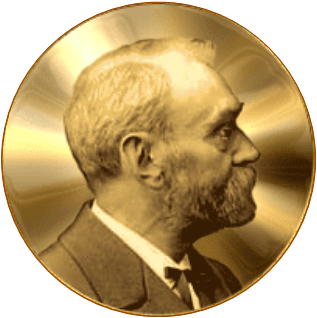
Do you know ?… Alfred Nobel Was once Nicknamed “Merchant of Death ” !!!

Today I found out Alfred Nobel, who left most of his fortune to start the Nobel Prizes, was once nicknamed “The Merchant of Death”.

The “Merchant of Death” title was given to him due to Nobel inventing, and making most of his vast fortune off of, dynamite and other types of explosives, such as “ballistite”, which was the precursor to quite a lot of military grade explosive devices.

Nobel came up with the idea of using his money for these annual prizes after his brother, Ludvig, died in 1888 and a French newspaper mistakenly thought it had been Alfred Nobel himself who died.  The newspaper published the obituary under the title: “The Merchant of Death is Dead”, going on to state: “Dr. Alfred Nobel, who became rich by finding ways to kill more people faster than ever before, died yesterday.”

When Nobel read this, he began thinking of how to improve his public image after his death and decided on leaving his enormous fortune to fund a set of prizes named after himself. The Nobel Prizes were created as awards for people who made the greatest contributions to mankind in subjects that interested Nobel, namely Physics, Chemistry, Medicine, Literature and Peace.

Nobel did a lot of his own work in Physics and Chemistry and was an enthusiast of various literature of the day.  He also saw the benefit to advancements in medicine. The “peace” prize was thought to have been suggested and promoted by his former lover and secretary Bertha Kinsky, who later won the award in 1905, just a few years after the Nobel Prizes were established.  The idea of a peace award appealed to him because of his reputation as a war monger, and the fact that a huge point to the Nobel Prizes, as stated, was to fix his reputation as a “Merchant of Death”.

Bonus Facts:

  • Alfred Nobel invented around 355 things, most notable was his invention of dynamite, in 1867, which he was originally going to call “Nobel’s Safety Powder”, as it was basically a safer version of nitroglycerin and he was attempting to improve his image as a maker of dangerous explosives. He ultimately went with “dynamite”, which was derived from the Greek for “power”.
  • All total, Nobel left 94% of his fortune to be used towards the Nobel Prizes. His total fortune, adjusted for inflation, would be worth about $250 million today.
  • Along with the group setup to select the winners of the Nobel Prizes, a separate group, The Nobel Foundation, was founded to manage Nobel’s money.  To date, along with annually bequeathing money to award winners, The Nobel Foundation has grown Nobel’s assets up to around half a billion dollars.

source:::::todayifoundout.com

natarajan

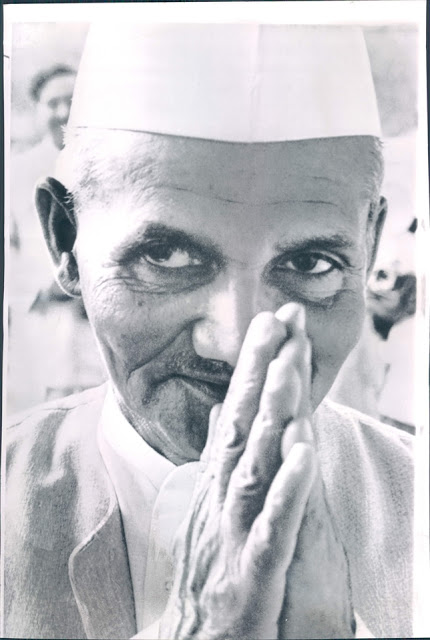
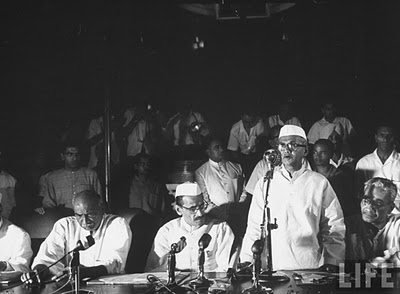
” என்ன விலைக்கு வாங்கினாரு ” ? !!!

நமக்கெல்லாம் சுதந்திரம் வாங்கி தந்த புண்ணியவான்!

source ::::: dinamani …tamil daily

natarajan

Kindly read my blog dated 15 AUGUST  along with this ….   “உடைப்போம் தடை கற்களை …படைப்போம் ஒரு புது சரித்திரம் ”  .pl click the link below and read …

natarajan

https://natarajank.com/2013/08/15/%E0%AE%89%E0%AE%9F%E0%AF%88%E0%AE%AA%E0%AF%8D%E0%AE%AA%E0%AF%8B%E0%AE%AE%E0%AF%8D-%E0%AE%A4%E0%AE%9F%E0%AF%88-%E0%AE%95%E0%AE%B1%E0%AF%8D%E0%AE%95%E0%AE%B3%E0%AF%88-%E0%AE%AA%E0%AE%9F%E0%AF%88/


How the Word “Spam” Came to Mean “Junk Message” !!!

spam

While some have suggested that this was because SPAM (as in the Hormel meat product) is sometimes satirized as “fake meat”, thus spam messages are “fake messages”, this potential origin, while plausible enough on the surface, turns out to be not correct at all.

The real origin of the term comes from a 1970 Monty Python’s Flying Circus skit.  In this skit, all the restaurant’s menu items devolve into SPAM.  When the waitress repeats the word SPAM, a group of Vikings in the corner sing “SPAM, SPAM, SPAM, SPAM, SPAM, SPAM, SPAM, SPAM, lovely SPAM!  Wonderful SPAM!”, drowning out other conversation, until they are finally told to shut it.

Exactly where this first translated to internet messages of varying type, such as chat messages, newsgroups, etc, isn’t entirely known as it sort of happened all over the place in a very short span of years, in terms of the name being applied to these messages.  It is, however, well documented that the users in each of these first instances chose the word “spam” referring to the 1970 Monty Python sketch where SPAM singing was drowning out conversation and SPAM itself was unwanted and popping up all over the menu.

Some examples of these first instances of unsolicited/unwanted messages being referred to as spam:

Some examples of these first instances of unsolicited/unwanted messages being referred to as spam:

  • First documented case among Usenet users was March 31, 1993.  This is often incorrectly stated to be the first usage of the term spam as referring to spam messages.  This first Usenet case came when Richard Depew, who had been playing with some moderation software, accidentally ended up posting around 200 duplicate messages in a row to news.admin.policy newsgroup.  The first person to call this spam is thought to be Joel Furr on March 31, 1993.  Depew himself when he apologized referred to his messages as spam.
  • A more likely “first use” of the word spam, referring to certain electronic messages, comes from MUDs (multi-user-dungeons).  This was a sort of real time multi-person shared environment; a somewhat primitive version of The Sims Online or Second Life and the like.  In it, users could chat and interact with other people, locations, and objects, as well as create objects and share them with the community.  Basically a really advanced chat room.   The name MUD comes from the fact that it reminded people of certain aspects of Dungeons and Dragons.  In any event, spamming was used here to refer to a few different things including: flooding the computer with random data; “spam the database” by flooding it with new objects; and flooding a chat session with a ton of unwanted text.  Basically, anything that had to do with filling other member’s accounts with unwanted electronic junk.   One of the earliest documented uses of the word spam from MUDders comes from 1990 when they were, ironically enough, discussing the origins of the word “spam” as referring to electronic junk messages.  Undocumented sources say it had been around quite a bit before that among MUDders, which is evidenced by the content of the documented message.
  • Others say that the term originated on Bitnet’s Relay, which was a very early chat system in the 1980s.  Supposedly, users would occasionally come on and annoy other users with unwanted text, including the actual SPAM SPAM SPAM song from Monty Python.
  • Another similar chat system TRS-80 also reported the same phenomenon and also called it spam.  Both these latter two chat system origins are not documented, but numerous former users of these systems have stated they remember this term being use commonly among users of these systems.

spam Spam SPam SPAm SPAM SPAM SPAM, lovely SPAM; Wonderful SPAM…

Bonus Facts:

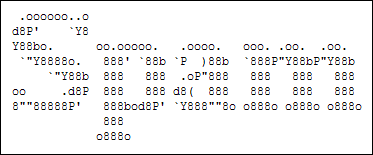
  • spam ascii artIn the early days of the internet, spam was significantly more annoying than it is today, not just because of the lack of effective filters back then, but because of the extremely slow internet connections.  Even just an ASCII art spam picture sent a few times in a row could take an enormous amount of time to download with often no real way for the end user to get around this except to wait it out or disconnect.
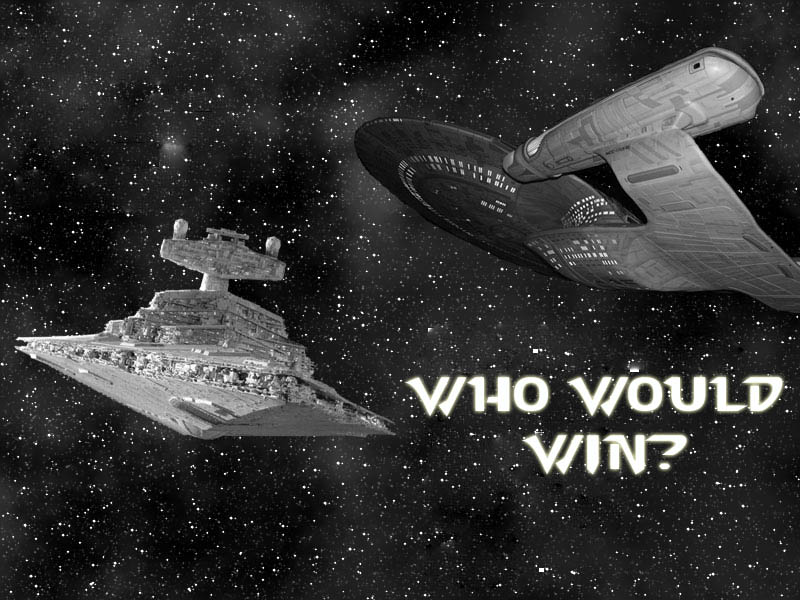
  • Also in the early days of chat rooms, it was a common tactic among chatters to use large blocks of meaningless text to annoy other groups.  For instance, Star Trek chatters would invade a Star Wars chat room and post large amounts of random text, making it impossible for the Star Wars people to talk.  NERD-FIGHT!!! :-)
  • Star Wars vs Star TrekAround the same time the term spam became popular among Usenet groups, it also spread to refer to email spam, which quickly dominated the world of spam and still does to this day.  Early spam bots simply harvested emails from Usenet newsgroup messages, which gave them extremely large email lists to work from.
  • IRC (Internet Relay Chat) was named after Bitnet’s Relay.
  • The earliest documented commercial spam message is often incorrectly cited as the 1994 “Green Card Spam” incident.  However, the actual first documented commercial spam message was for a new model of Digital Equipment Corporation computers and was sent on ARPANET to 393 recipients by Gary Thuerk in 1978.
  • The famed Green Card Spam incident was sent April 12, 1994 by a husband and wife team of lawyers, Laurance Canter and Martha Siegal.  They bulk posted, on Usenet newsgroups, advertisements for immigration law services.  The two defended their actions citing free speech rights.  They also later wrote a book titled “How to Make a Fortune on the Information Superhighway“, which encouraged and demonstrated to people how to quickly and freely reach over 30 million users on the Internet by spamming.
  • Before it was called “spamming”, as referring to unsolicited messages in a chat or forum or the like, the generally used terms for these actions were “flooding” and “trashing”.
  • Cisco Systems, in 2009, released the following numbers for the origins of spam by country in descending order: Brazil at 7.7%; USA at 6.6%; India at 3.6%; South Korea at 3.1%; Turkey at 2.6%; Vietnam at 2.5%; China at 2.4%; Poland at 2.4%; Russia at 2.3%; Argentina at 1.5%.  Surprisingly, you have to go all the way down to number 91 on the list before you get to Nigeria.
  • Of all email spam, about 73% is attempting to steal the user’s identity in some way (phishing), including possible bank information or gaining enough information to open new credit accounts from the user.
  • Of the 90 trillion emails sent in 2009, 81% were spam.  That amounts to about 200 billion spam emails sent every day.
  • Though not called spam, back then, telegraphic spam messages were extremely common in the 19th century in the United States particularly.  Western Union allowed telegraphic messages on its network to be sent to multiple destinations.  Thus, wealthy American residents tended to get numerous spam messages through telegrams presenting unsolicited investment offers and the like.  This wasn’t nearly as much of a problem in Europe due to the fact that telegraphy was regulated by post offices in Europe.
  • Spam, referring to messages, rather than the food product, was first added to a major English dictionary in the New Oxford Dictionary of English in 1998.  It defined spam as “Irrelevant or inappropriate messages sent on the Internet to a large number of newsgroups or users.”
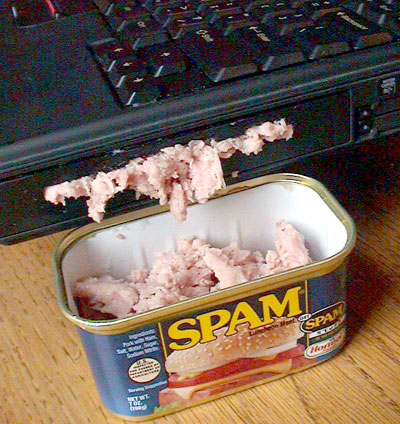
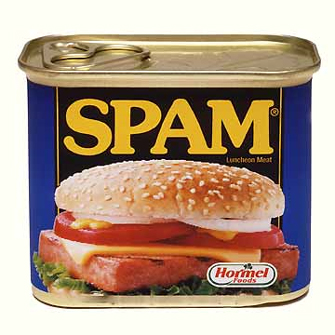
  • spam tinSPAM, as made by Geo. A. Hormel & Co. was originally registered as a trademark in 1937, being a conflation of “spiced ham”, which was the original name.  The name “SPAM” was chosen from entries in a naming contest at Hormel.  Specifically, the name was suggested by Kenneth Daigneau, who was the brother of a then Hormel Vice president.  He was given $100 prize for winning the naming contest.
  • If you are wondering why I’m continually capitalizing all the letters in the food product SPAM, it is because, according to the official Hormel trademark guidelines, SPAM, as referring to the food product, should be spelled with all capital letters.  They also stipulate it should always be used as an adjective as in “SPAM meat”, but I’m ignoring that one and just calling it SPAM. :-)
  • Hormel was able to successfully defend their trademark of SPAM by limiting it to this capitalized version; thus the more prevalent usage and meaning and spelling “spam” and “Spam” referring to internet messages, doesn’t conflict with their trademark.  Initially, they unsuccessfully defended their trademark by including “Spam”, but lost that case and resorted to “SPAM”.  Hormel states that “Ultimately, we are trying to avoid the day when the consuming public asks, ‘Why would Hormel Foods name its product after junk email?”
  • Other backronyms surrounding SPAM are: “Something Posing As Meat”; “Specially Processed Artificial Meat”; “Stuff, Pork and Ham”; “Spare Parts Animal Meat”; and “Special Product of Austin Minnesota”.
  • Backronyms surround internet spam include: “stupid pointless annoying messages” and “shit posing as mail”.
  • When the US offered the UK citizens affected by WWII SPAM, while they struggled to rebuild their agricultural base, the British citizens assumed it was an acronym and they backronymed it to “Specially Processed American Meats”.
  • SPAM is a canned, precooked meat product (originally ham, but now SPAM from a variety of meats is available).
  • Austin, Minnesota is known as “SPAM town USA”, not for internet spam, but for the fact that the town produces all of the food product SPAM sold in North America, South America, and Australia.  SPAM sold in the UK is produced in Denmark by the company Tulip, who Hormel has licensed its production out to.
  • As of 2007, over seven billion cans of SPAM have been sold.
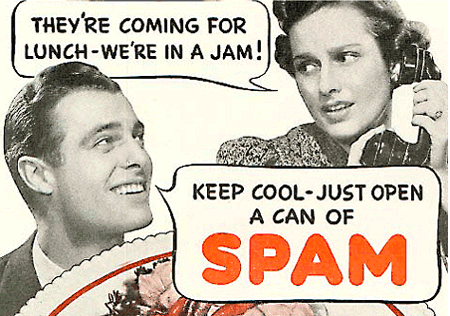
  • spam adHawaii, Guam, and the Commonwealth of the Northern Mariana Islands eat the most SPAM per capita in the United States, with an average of about 16 tins per year eaten per person.
  • Hawaii, Guam, and CNMI, all have McDonald’s restaurants that serve SPAM.  Burger Kings in Hawaii also serve SPAM since 2007 to better compete with the McDonalds there.
  • SPAM is also nicknamed “The Hawaiian Steak”, due to its extreme popularity there.
  • The term spam today is poised to take another slight shift in meaning.  It is now becoming common for people to refer to any unsolicited/unwanted advertisements, messages, or telemarketer calls as spam, even if the former two aren’t electronically based.

source::::todayifoundout.com

natarajan