Message For the Day…” You Must Upkeep The Name , Honour and Reputation of Your Family…”

Even animals react based on your feelings. As is the feeling so is the reaction. Every being goes by these three: reaction, reflection and resound. It is only the evil tendencies, the bad feelings amongst human beings which cause wild reaction from animals. Two sons born in the same family constantly fight. What is the reason for hatred? Their own minds are responsible for their temperament. Never have bad temperament. You must always cultivate and develop noble feelings. All of you have good upbringing, good family and good education. You must upkeep the name, honour and reputation of your family and the University you studied. To earn a good name, you must have good friendship. “Tell me who your friends are, I shall tell you who you are” is a famous quote. As is the company, so you are. Therefore always seek and keep good company – it is your good fortune to have and be in good company.

Sathya Sai Baba

Message For the Day…” Don’t Brood Over the Past and Don’t Worry about Future… “

Everyone is very interested about their future. What is future? It is based on the past. Don’t brood over the past and don’t worry about the future. Past is past. What is the use in thinking about it or worrying about something that is dead and gone? Just forget it! Present is very important. Live in the moment and follow the present. Often many think of the past or of the future and ruin the present. Many times you feel you were happy in the past and are unhappy now. To what extent were you happy then? Has your attitude changed since the past? Has the dirtiness in your mind been cleansed? Believe that you are happy now; you have sufficiency in everything. Your mind is right now blessed. You must always “Help Ever and Hurt Never”. Bhagawan wants you to appreciate the importance of the “present” and work for your progress, living in the present and living in the moment.

Sathya Sai Baba

Jack and Jill …with a Positive and Motivational Modification !!!

Jack and  Jill…


Jack and Jill  2.0 Version: This is What You Should Teach Your Kids

Screengrab from Chu Chu TV’s YouTube channel

Finally, a nursery rhyme has been revised to keep up with the times. Jack and Jill, that famous nursery rhyme about a boy who broke his crown, has been seemingly upgraded and we think the latest version sounds much better than the one we’ve been teaching kids since forever.

The original goes:

Jack and Jill
Went up the hill
To fetch a pail of water,
Jack fell down
And broke his crown
And Jill came tumbling after.

So basically, we’ve been telling toddlers all over the world, about two children who walk up a hill to fetch water only to fall and roll down with a broken crown and an empty bucket. Ummm… Tumbled and went home to nurse a broken crown? That’s it? Not exactly a happy thing to teach a child now, is it?

This reworked Jack and Jill however tells us how the kids had a strong will even after they fell down and got right back up, determined not to tumble again. And not only did they not fall down this time, they also successfully brought back a full pail of water. A happy, positive ending.

Lesson well taught and hopefully shall be learned as well. Watch the new and improved Jack and Jill here:


Source::::You Tube and  ndtv.com

Natarajan

Message For the Day…” For a Student , Period of Education is Like Cultivation Season …”

Just as the cultivation season is the most important time for the farmer, the youth is the most important time in the life of a student. The farmer waits for the opportune moment to sow his seeds so that he can reap rich harvest. Time is a very critical element for the success of the crop. During the cultivation season, the farmer does not care about food, water or sleep, and works hard with his entire focus on achieving a good harvest. He believes that a good crop is the only source of all happiness. So too, for the student (Vidhyarthi), the period of their education is like the cultivation season. It is the most important time and is the very basis of their lives. They must dedicate all their time, without worrying even about hunger, thirst and sleep, or loss and gain, and must only focus on building their good character and gaining full and complete knowledge.

Sathya Sai Baba

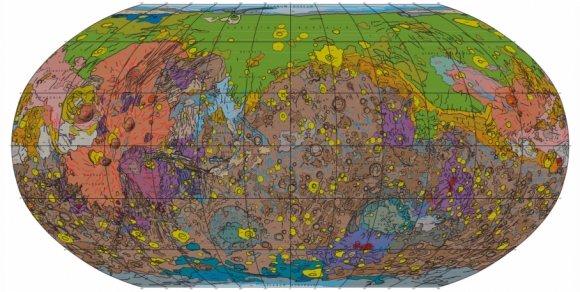
Image of the Day…Geologic Map of Mars …

Geologic map of planet Mars

USGS released this cool geologic map of Mars this week, which was prepared for NASA. What to see first? Notice impact craters, in yellow.

View interactive map sheet. | Geologic map of Mars via Denneth Tanaka et.al. 2014

USGS released this geologic map of Mars yesterday (July 14, 2015), which was prepared for NASA. If you click to the map at USGS’ site, and use the tools at the lower right, you can explore Mars. Popular Science has a good explanation of what you’ll be seeing:

All the different colored parts represent areas of crust that were formed at different times and from different processes. For example, the extensive green area near the north pole represents lowland plains formed during the Red Planet’s Hesperian Epoch, about 3.7 billion to 3 billion years ago. Scientists think those northern plains are covered in sediment from what were once Martian rivers and lakes. You can learn more about the green area, or any other colored area, in the extensive key on the right side of the map sheet.

One easy thing to spot are impact craters, which are roundish and marked on the map in bright yellow. Can you find Gale Crater, the site where NASA’s Curiosity rover landed? Gale Crater is just southwest of Elysium Planitia, which is the mostly pink area on the right side of the map.

Explore the larger, interactive map sheet here, from USGS


Source:::: Earth sky news site

Natarajan

” எக்ஸாம் இன்னிக்கு இருக்கோ …. ”

சாதாரணமான ஒரு குடும்பத்தைச் சேர்ந்தவன் அவன். வயது பன்னிரண்டு அல்லது பதிமூன்று இருக்கலாம். ஐந்தாவதோ ஆறாவதோ படித்துக் கொண்டிருக்கலாம்.

மாநிறம். எண்ணெய் அதிகம் கண்டிராத தலை. தடிமனான அரை டிராயர்; கசங்கிப் போன மேல்சட்டை… அரை டிராயரும் மேல்சட்டையும் என்ன நிறம் என்பதைப் பார்த்த மாத்திரத்தில் எவரும் சொல்லி விடமுடியாது. அழுக்கேறிப் போயிருந்தாலும் அந்த ஆடைகள் அவ்வப்போது துவைத்துத் தான் அணியப் படுகின்றன என்பதை அதைப் பார்க்கும் எவராலும் புரிந்து கொள்ள முடியும். நெற்றியில் ஒரு வளைந்த கீற்றாக – முறையே இல்லாமல் ஏனோ தானோ என்று விபூதி பூசப்பட்டிருந்தது. ஒருவேளை இங்கு கிளம்பி வருகிற அவசரத்தில் அவனது அம்மா இட்டு விட்டிருக்கலாம்.

தேர்வு காலங்களில் கிராமத்தில் இருப்பவர்கள் தெருமுனையில் உள்ள பிள்ளையார் கோவிலுக்குப் போய், ஒரு சின்ன கற்பூரத்தை ஏற்றி வைத்து, பேனாவை பிள்ளையார் பாதத்தில் வைத்து வழிபட்டு விட்டுப் பரிட்சை எழுதப் போவார்கள். இது ஒரு விதமான நம்பிக்கை. அதாவது இறைவன் அருளோடு தேர்வு எழுதப் போகிறோம் என்கிற ஒரு தைரியம் மாணவர்களுக்கு வரும்.

அது போல் இந்த சிறுவன் காஞ்சிபுரத்தில் வசிப்பவன் என்பதாலும், மஹா பெரியவாளின் சாந்நித்யம் பற்றி யாரோ சொல்ல – அவன் தகுதிக்கு ஏதோ கேள்விப்பட்டிருந்தாலும் இன்று தேர்வு எழுதப் போகும் முன் ஸ்ரீமடத்துக்கே வந்து விட்டான் போலிருக்கிறது.

விடிகாலை நேரத்தில் விஸ்வரூபதரிசனம் காண வந்திருந்த பக்தர்கள் பலரும் இன்னமும் நகராமல் அங்கேயே நின்றிருந்தபடி பெரியவா தரிசனத்தில் திளைத்திருந்தார்கள். இதைத் தவிர, காலை வேளையில் ஏராளமான பக்தர்கள் வேறு ஸ்ரீமடத்தில் குவிந்து விட்டிருந்தார்கள். நாம பஜனைகளும் சங்கர கோஷமுமாக ஸ்ரீமடமே பக்தி மணம் கமழ… அருள் நிரம்பிக் காணப்பட்டது.

இவ்வளவு கூட்டம் பெரியவா தரிசனத்திற்காகக் காத்து நின்றாலும், சிறுவனாகப் பட்டவன் வரிசையில் நின்று கொண்டிருக்கும் எந்த ஒரு பக்தரைப் பற்றியும் கவலைப் படாமல், ராஜபாட்டை போல் விறுவிறுவென்று நடந்து மஹா பெரியவாளின் சந்நிதியை நெருங்கினான்.

முகத்தில் உற்சாகம் கொப்பளிக்க, பெரியவாளைப் பார்த்தபடியே நின்றான். அவனை எவரும் தடுக்கவில்லை. ஏதும் கேள்வி கேட்கவில்லை. காரணம் – அந்தச் சிறுவனின் ஆர்வத்தையும் பரபரப்பையும் பார்த்த பின் இயல்பான அந்த பக்திக்குத் தடை போட எவருக்கும் விருப்பமில்லை.

“மடத்துக்குப் போய் சாமியைக் கும்பிடணும்னா, அவருக்குத் தோதா ஏதாவது எடுத்துட்டுப் போகணும்” என்று அவனுக்கு யார் சொல்லிக் கொடுத்தார்களோ…. தெரியவில்லை. தன் கையில் தொடுத்த ஒரு மாலையை வைத்திருந்தான். அந்த மாலையைப் பார்த்த பல பக்தர்களும் வெவ்வேறு விதமான உணர்ச்சிகளைத் தங்களுக்குள் வெளிப்படுத்திக்கொண்டு விமர்சித்துப் பேசினார்கள்.

சிலர் வியந்தார்கள்; சிலர் வெளியே ஏதும் பேச முடியாமல் தங்களுக்குள் கேலியாகச் சிரித்துக் கொண்டார்கள்.

பலரது விமரிசனத்துக்கும் கேலிச் சிரிப்புக்கும் உள்ளான அந்த மாலையில் அப்படி என்ன விசேஷம் என்கிறீர்களா?

அது – துளசி மாலை!

அதுவும் துளசியை அடர்த்தியாக – கொத்துக் கொத்தாக வைத்துக் கட்டப்பட்ட மாலை இல்லை. தனித் தனி துளசி இலைகளைக் கோணாமாணா என்று – ஒரு முறை இல்லாமல் கோர்த்துத் தொடுக்கப்பட்டிருந்த மாலை.

ஒருவேளை அடுத்தடுத்து துளசி இலைகளை நெருக்கமாக வைத்துத் தொடுத்திருந்தால் அதில் இடைவெளி என்பதே தெரியாமல் போயிருக்கும். ஆனால் இந்தச் சிறுவன் தொடுத்துக் கொண்டு வந்திருந்த துளசி மாலையில் இடைவெளி அதிகம் தெரிந்தது. அதனால் பார்த்தவுடன் ’மாலை’ என்று சொல்வதற்கு எவருக்கும் வாய் வராது.

இதில் இன்னொரு அலங்கோலமும் வெளிப்பட்டது. அதாவது இறைவழிபாட்டிற்குக் கொண்டு செல்கிற துளசியைப் பெரும்பாலும் வாழைநாரில்தான் கட்டுவார்கள். ஆனால் இந்தச் சிறுவன் ஒரு சணலில் இந்த ’மாலை’யைக் கட்டி எடுத்து வந்திருந்தான். (வீட்டில் ஏதாவது பொருளைக் கட்டி வைத்திருந்த மூட்டையில் இருந்த சணலை மட்டும் பிரித்து எடுத்திருப்பான் போலிருக்கிறது). இது போன்ற காரணங்களால் சிறுவன் எடுத்து வந்திருந்த துளசி மாலையைப் பார்த்து சிலர் சிரித்தார்கள்.
ஆனால் பக்குவப்பட்ட சிலர், ”இந்த வயதில் இந்த அளவுக்கு பெரியவாளிடம் ஒரு பக்தி இருக்கிறதே… வெறுங்கையோடு வரக்கூடாது என்கிற நாசூக்கு தெரிந்திருக்கிறதே” என்று நெகிழ்ந்தார்கள்.

ஒரு கட்டத்தில் பெரியவாளின் திருப்பார்வை அவன் மேல் விழுந்தது. ஒரு புன்னகையை உதட்டோரம் தவழ விட்டு, ”அருகில் வா” என்பது போல் அவனுக்கு ஜாடை காட்டினார்.
விறுவிறுவென்று நடந்து முன்னுக்கு வந்தான்.

”என்ன?” என்பது போல் ஆச்சரியமான முகத்துடன் தலையை மேலும் கீழும் அசைத்து ரசனையாகக் கேட்டது அந்தப் பரப்ரம்மம்.

சிறுவன் சந்தோஷமானான். தனக்கு உரிய அங்கீகாரம் இந்த சந்நிதானத்தில் கிடைத்துவிட்டது என்பதாக மகிழ்ந்தான். கையில் துளசி மாலையோடு பெரியவாளை இன்னும் நெருங்கி, அவரின் திருவடி அருகே இதை சமர்ப்பித்தான். பெரியவாளின் கைங்கர்யப் பணிக்காக அங்கே இருந்த சீடர் ஒருவர் அந்த துளசி மாலையை அங்கிருந்து எடுத்து வேறு இடத்தில் சேர்ப்பிப்பதற்காகக் குனிந்தார்.

சற்றே நிமிர்ந்து அந்த சீடரைப் பார்த்த பெரியவா, ’வேண்டாம்’ என்பது போல் வலது ஆட்காட்டி விரலை இடப்புறமும் வலப்புறமும் அசைத்து சமிக்ஞை செய்தார். சீடரையும் தள்ளி நிற்கச் சொன்னார். அந்த மாலையைத் தான் அகற்றுவதைப் பெரியவா விரும்பவில்லை என்பதைப் புரிந்து கொண்ட சீடன், நின்ற வாக்கிலேயே அப்படியே ரிவர்ஸில் நகர்ந்து கொண்டான்.

”எக்ஸாம் இன்னிக்கு இருக்கோ?” – சிறுவனைப் பார்த்துப் பெரியவா கேட்டார்.

இவ்வளவு பேர் கூடி இருக்கும் இடத்தில் தன்னைப் பார்த்துப் பெரியவா ஒரு கேள்வி கேட்கிறார் என்பது அந்தச் சிறுவனின் முகத்தில் ஏராளமான சந்தோஷத்தைக் கொடுத்திருந்தது. தவிர, தனக்குத் தேர்வு இருப்பதைப் பெரியவா எப்படிக் கண்டு பிடித்தார் என்கிற ஆச்சரியமும் அவன் முகத்தில். பிரகாசமானவன், “ஆமா சாமி, இன்னைக்கு சயின்ஸ்” என்று கூடுதல் தகவலையும் சொன்னான்.

”தொளசி மாலையை எனக்காகக் கொண்டு வந்தியோ?” என்று அவனைப் பார்த்துக் கேட்டு, அந்த மாலையைக் கையில் எடுத்தார்.

இப்படியும் அப்படியும் அதை ஆராய்ந்தார். தான் காணிக்கையாக எடுத்து வந்திருந்த மாலையைப் பெரியவா தன் கையால் எடுத்து விட்டார் என்பதைப் பார்த்த மாத்திரத்திலேயே அச்சிறுவனுக்குப் பெருமை பிடிபடவில்லை…”எங்க வீட்டுலேயே துளசிச் செடி இருக்கு… அதுலேர்ந்து நானே பறிச்சுக் கட்டினேன்.”
அந்தப் பரப்ரம்மம் அவனைப் பார்த்துச் சிரித்தது. கூடி இருந்த திரளான பக்தர்களும் அடுத்துப் பெரியவா என்ன செய்யப் போகிறார் என்பதைக் கவனிப்பதில் ஆர்வமானார்கள். ஒரு க்ஷண நேரத்தில் இந்தச் சிறுவன் பெரியவரின் கவனத்தை இப்படிக் கவர்ந்து விடுவான் என்று அங்கிருந்த எவரும் எதிர் பார்க்கவில்லை. சிறுவன் மேல் பெரியவா செலுத்தும் கரிசனத்தைக் கண்டு, சீடர்களும் மடத்துச் சிப்பந்திகளும் கூட அதிசயப் பட்டுப் போனார்கள்.

அந்தத் துளசி மாலையை தன் கையில் எடுத்துக் கொண்டார். வலக் கரத்தால் அந்த மாலையை எடுத்துத் தன் தலைக்கு மேல் வைத்தார். என்ன புண்ணியம் செய்ததோ அந்தத் துளசி மாலை! பெரியவாளின் தலையில் அமர்ந்து கொண்டது. துளசி மாலை பெரியவா சிரசில் அப்படியே நின்றது. சுற்றிலும் நின்றிருந்த தன் பக்தர்களை இப்படியும் அப்படியும் திரும்பிப் பார்த்தார் பெரியவர். எல்லாப் பக்கமும் திரும்பிப் பார்க்கிற வேளையில் அவர் முகத்தில் ஒரு புன்னகை ததும்பியது. ”இந்தக் கோலத்தில் நான் எப்படி இருக்கேன்? இந்த மாலை நன்னா இருக்கா?” என்று பெரியவா கேட்பதாக எல்லோருக்கும் பட்டது.

பெரியவாளுக்கு சமர்ப்பிக்க வேண்டி பக்தர்கள் வாங்கி வந்திருந்த எத்தனையோ மலர் மாலைகள் அவருக்கு முன்னால் – சற்றும் மணம் குறையாமல் – மலை போல் குவிந்திருந்தன. ரோஜா, மல்லிகை, சம்பங்கி என விதம் விதமான மலர்களைக் கொண்டு மிகவும் நேர்த்தியாகத் தொடுக்கப்பட்டிருந்த மாலைகள் அவை. ஆனால், அனைத்தையும் விட்டு விட்டு, ஒரு ஒழுங்குமுறையே இல்லாத, ஒரு மாலைக்கு உரிய எந்த விதமான இலக்கணத்திலும் சேராத, சாதாரண சிறுவன் கொண்டு வந்த துளசி மாலை ஏனோ பெரியவாளுக்குப் பிடித்து விட்டது. தானே அதை ஸ்வீகரித்துக் கொண்டார்.

’இதுதான் பக்தி’ என்பதை அங்கு வந்திருந்த அனைத்து பக்தர்களுக்கும் உணர்த்தும் விதத்தில், ‘இந்த மாலையை அணிந்திருக்கிற நான் எப்படி இருக்கேன்?’ என்பதாக அனைவரையும் பார்த்தாரோ? எத்தனையோ மலர் மாலைகள் இருந்தும் அன்பின் மிகுதியால் – ஆர்வத்தின் வெளிப்பாடாகத் தொடுத்துக் கொண்டு வரப்பட்ட இந்தத் துளசி மாலை என் உள்ளத்தைக் கவர்ந்து விட்டது என்பதைப் பகட்டான பக்தர்களுக்கு உணர்த்துகிறாரோ?

பக்தி என்றால் என்ன என்பதைப் பற்றிப் பெரிதும் படிக்காத, கேட்காத இந்தச் சிறுவன் தன் செய்கையால் அங்கிருந்த அனைவருக்கும் பெரியவரின் அருட்செயலின் மூலம் உணரச் செய்து விட்டான். செல்வச் செழிப்பில் திளைக்கும் எத்தனையோ பக்தர்கள் குவிந்திருக்கும் இந்த சந்நிதானத்தில் தான் அன்புடன் எடுத்து வந்திருக்கும் ஒரு துளசி மாலைக்கு இவ்வளவு மரியாதையா என்று சிறுவன் திகைத்துப் போனான்.

அவன் விழிகளில் லேசாக ஈரம் ததும்பியது. சரேலென்று தரையில் விழுந்து பெரியவாளை நமஸ்கரித்தான். எழுந்து நின்றான். சுமார் பத்து நிமிடங்கள் கழித்துத் தான் அந்தத் துளசி மாலையைத் தன் தலையிலிருந்து எடுத்துக் கீழே வைத்தார் பெரியவா. புன்னகை அரும்ப அந்த சிறுவனை ஆசீர்வதித்தார். கல்கண்டும் குங்குமமும் கொடுத்தார்.

தன் தலையில் வைத்திருந்த மாலையை அருட் பிரசாதமாக அவனிடமே கொடுத்தார். அதன் அருமை தெரிந்தோ தெரியாமலோ பயபக்தியுடன் வாங்கிக் கொண்டான். எந்த ஒரு மாலையைப் பார்த்துப் பரிகசித்துத் தங்களுக்குள் விமர்சித்துக் கொண்டார்களோ, அந்த பக்தர்கள் இப்போது நெகிழ்ந்து போனார்கள். அவர்களின் பரிகசிப்புக்கு உள்ளான மாலை இப்போது புனிதம் பெற்று விட்டது.

மாலையைப் பெற்றுக்கொண்டு வெளியேறும் அந்தச் சிறுவனிடம் இருந்து, “குழந்தே, அதில் இருந்து ரெண்டு துளசி தளங்களைப் பிய்ச்சு எங்ககிட்ட தாயேன். அது பெரியவா பிரசாதம்” என்று கெஞ்சும் குரலில் கேட்டனர்.

அப்படிக் கேட்டவர்களுக்கெல்லாம் துளசி இலைகளைப் பிய்த்துக் கொடுத்துவிட்டு, “எக்ஸாமுக்கு டயமாச்சு. ஸ்கூல்ல பெல் அடிச்சுடுவாங்க..” என்று சொல்லி விட்டான் ஒரே ஓட்டம்! இன்று சயின்ஸ் தேர்வாயிற்றே!

Read more: http://periva.proboards.com/

Natarajan

Sankalpam and its Meaning …

Sankalpam and its meaning

We are always curious to know the meaning of the Sankalpam that we take before the start of a pooja or a ritual. Firstly, we need to know the Hindu Cosmic cycle.

1 Mahayuga = Sum of 4 Yugas(Krita, Treta, Dwapara and Kali) = 4,320,000 years. 
1000 such mahayugas comprise a day-time of Brahma also known as a Kalpa. 
The kalpa is ruled by 14 manus in succession. 
The reigning period of a manu is onemanvantara which is 71.42 mahayugas.

There is an equivalent night-time of 4,320,000,000 years. The day-night of Brahma together constitutes one Brahma day (8.64 billion years). 360 Brahma days constitute a Brahma year while 360 years represent the lifetime of Brahma which is the life of the cosmos. Doing this simple calculation gives the age of the cosmos to be 311 trillion years. 

Carl Sagan, the noted scientist says in relation to this, “”The Hindu religion is the only one of the world’s great faiths dedicated to the idea that the Cosmos itself undergoes an immense, indeed an infinite, number of deaths and rebirths. It is the only religion in which the time scales correspond, to those of modern scientific cosmology. Its cycles run from our ordinary day and night to a day and night of Brahma, 8.64 billion years long. Longer than the age of the Earth or the Sun and about half the time since the Big Bang. And there are much longer timescales still.”
We are presently in the Sveta-Varaha kalpa in the reigning period of Vaivaswatha – the 7th manu. In this manvantara we are in the 28th mahayuga. As per our Cosmology, Brahma is supposed to have completed 50 Brahma years and is in his51st year. That is why he is called “Parardha-dvaya-jivin”(ie) he lives for two parardhas. A parardha is half.

Two halves make one. He is called so as he has completed one half of his tenure. These terminologies makes better sense in relation to the Sankalpa. 

The actual Sankalpa mantra and its meaning runs like this

“…. Dviteeya parardhe – in the 2nd half of Brhama’s life
Svetavaraha kalpe – in the kalpaof Sveta-Varaha
Vaivaswatha manvantare – in thereining period of the current manu Vaivaswatha
Ashta Vimsati tamey – in the 28thmahayuga of the current manavantara
Kaliyuge – in this kali yuga
Prathame Padhe – in the firstquarter of this yuga
Jamboodveepe – this denotes theplace where the ritual is performed. India

was known as Jambudveepa
Bharata Varshe, Bharata Kande -in the land of Bharat
Sakhabde Mero, Dakshine Parsve -to the South of the Meru mountain
Asmin Varthamane Vyavaharike -in the current period now reigning
Prabhavadi Shasti Samvatsaranam Madya – among the cycle of 60 years starting from 

Prabhava
…..Nama Samvatsare – the name ofthe year in the 60 year Hindu calendar

…. Ayane – Dakshinayane (Aadito Marghazi) or Uttarayane (Thai to Aani)

…. Ritou – denotes the 6seasons or Ritus – Vasantha, Greeshma, Varsha, Sharadh, Hemantha 

                 and Shishira

…. Maasey – one of the 12 tamil months

…. Pakshey – either ShuklaPaksham (day after Amavasya till and including Pournami) or 

                      Krishna Paksham(day after Pournami till and including Amavasya)

…. Subha Thithou – one of the15 days between Pournami and Amavasya

                     (Prathama, Dvithiya, Trithiya,Chaturthi, Panchami, Shasti, Saptami,

                      Ashtami, Navami, Dasami,Ekadasi, Dwadashi, Trayodasi, Chaturdasi,

                      Pournami or Amavasya

…. Vasara Yuktayam – one of thedays of the week (Bhanu, Soma, Bhowma, Soumya, Guru, 

                     Brugu and Sthira)

…. Nakshatra Yuktayam – the day’s star or Nakshatram.

After saying the above the name of the ritual is said. The Paramacharya says the Sankalpam is 

a kind of record of what you performed with finer details going down to the dayand location 

of the ritual. It seems to me the fore runner for a kind ofbookkeeping or a system of 

maintaining minutes of a meeting. 

Sankalpam: Detailed explanation

Let us understand the meaning of the phrases that the Sankalpam is comprised of. 
To understand the phrases in the Sankalpam we need to understand the concept of the 
Cosmic Cycle and Cosmic time calculations

Cosmic Cycle

Time, as per Hindu practices, has evolved and revolves around the life cycle of Brahma, the Creator. This is known as the Hindu Cosmic cycle. Cosmic cycles are infinitely recurring periods of the universe, comprising its creation, preservation and dissolution.
Time Calculations

We start by using a calendaryear as the basis. Unless otherwise specified, year shall mean a Calendar Year. One year for humans represents one day for the divine beings. 360 such divine days make one divine year. 12,000 such divine years makes a Mahayuga comprising the 4 yugas of Krita, Treta, Dwapara and Kali yugas.

i.e. each Yuga comprises of thefollowing calendar years:

• Kali yuga     —        432,000 years

• Dwapara yuga  –   864.000 years

• Treta yuga     —   1,296,000 years

• Krita yuga —-       1,728,000 years.
Kalpa

Total for one Mahayuga (Also called Chatur Yuga) = 4,320,000 years or 4.32 million years.

72 Mahayugas constitutes one ‘Manvantara’ (i.e.) the life of a Manu, the law giver ( we are in the 28thMahayuga)

14 such Manvantaras make one dayor Kalpa of the Creator Brahma.

2 kalpas = 1 day and night of Brahma ( called Ahoratras )

360 ahoratras = 1 year of Brahma
Parardhe

Half the life span of Brahma, OR50 Brahma years. We are in the 51st Brahma Year, OR the second or Dwiteya Pararadhe

Two Parardhe : Life span of Brahma ie 100 years

After that, pralaya equal to the duration of 2 parardhas take place, and at its end, a new cycle starts. 

Jamboo dveepey

Then , the Sankalpa refers to the geographical position of the place where the ritual is performed. This could be the historical or mythological name of the place. Sri Bhagavatham deals with the geography of the world in a great detail. It divides the world into seven dweepas. India is in Jambu dweepa and America in Krauncha dweepa.
Bharata varshey, Bharata:khandey, Sakhabde, mero: dakshiney parsvey
In the geographical part to the south of the Meru Mountain in the land of Bharata. Meru is the mythological heavenly mountain, and our planet Earth is south of it. Technically , this also means that this particular term merO:

dakshiNE pArSvE would be applicable to all parts of the world. 

……nAma samvatsarE
Resuming the reference to time,the Sankalpa proceeds further as follows:

Samvatsaram is a Year. Hinducalendar has a 60 year cycle. Next year is Nandhana corresponding to the Year (2012 -2013)
……AyaNE (Ayanam)

As per calendars based on thesolar system the year is divided into two halves in accordance with the movement of the sun, Northwards and Southwards. The former is termed Uttaraayanam and the latter Dakshinaayanam.

Dakshinayanam (6 months) – Aadi to Margazhi

Uttarayanam (6 months) – Thai to AaNi 

……Ritou (Rithus)

The year is divided into 6 seasons or RITUS, which correspond to 2 months

each of the Lunar Calendar. These are as follows:

• Chithirai & Vaikasi =Vasantha Rithu (March-April, April-May)

• Aani & Aadi = Greeshama Rithu (May-June, June-July)

• Aavani & Puratasi = Varsha Rithu (July-Aug, Aug-Sep)

• Iypasi & Karthigai =Sharadh Rithu (Sep-Oct, Oct-Nov)

• Markazhi & Thai = Hemantha Rithu (Nov-Dec, Dec-Jan)

• Masi & Panguni = Shishira Rithou (February/March)
……Subha-tithau (Thithis)

These are days of the month calculated from the day after Pournami, till

Amavasya, or vice versa.

Pournami/Amavasya + 1: Prathama

+ 2. Dvithiya

+ 3. Trithiya

+ 4. Chaturthi

+ 5. Panchami

+ 6. Shashti

+ 7. Saptami

+ 8. Ashtami

+ 9. Navami

+ 10. Dasami

+ 11. Ekadasi

+ 12. Dvadashi

+ 13. Trayodasi

+ 14. Chaturdasi

+ 15. PourNami OR Amavasya

……mAsE (Months)

• Chitirai – Mesham April – May

• Vaikasi – Rishabam May – June

• Aani – Mithunam June – July

• Aadi – Kadakam July – August

• Aavani – Simham August – Sep

• Puratasi – Kannya Sep – Oct

• Iypasi – Tulam Oct – Nov

• Karthigai – Virchikam Nov -Dec

• Markazhi = Dhanur Dec – Jan

• Thai – Makaram Jan – Feb

• Masi – Kumbam Feb – March

• Panguni – Meenam March – April 

……pakshE (Paksham)

Shukla Pakshe: day after Amavasya till and including Pournami

Krishna Pakshe: day after Pournami till and including Amavasya
.

……vAsara (days of a week)

• Sunday: Bhanu Vasara;

• Monday: Indu /Soma Vasara;

• Tuesday: Bhowma Vasara;

• Wednesday: Soumya Vasara;

• Thursday: Guru Vasara;

• Friday: Brugu Vasara;

• Saturday: Sthira Vasara
……nakshatra yuktAyAm (Nakshatram)

Aswani/ Aswinee ,

BharaNi/ apabharaNee ,

Kaarthikai/ Krutthikaa ,

ROhiNi/ ROhiNee ,

Mrugaseersham/ Mrugasiras ,

thiruvAdhirai/ AardhrA ,

Punarpoosam / PunarvasU ,

Poosam / Pushyam,

Aayilyam/. AaslEshA ,

Makam / MaghA ,

Pooram/ Poorvabhalgunee ,

Hastham/ HasthA ,

Chittirai/ ChithrA ,

SvAthi / SvAthee ,

VisAkam/ VisAkaa ,

anusham/ anurAdhA ,

KEttai/ JyEshtA ,

Moolam/ Moolaa ,

PoorAdam/ , PoorvAshADaa ,

UttharAdam/ UtthaAshAdaa ,

ThiruvONam/ SravaNam ,

Avittam/ Dhanishtaa ,

Sathayam/ Sathabhishak ,

PorrattAthi/ Poorvabhadhra ,

UttharattAdhi/UthrabhdhrA ,

Revathy/REvathee .    


Source:::: http://proframanathan.blogspot.in

Natarajan

Message For the Day…” Chanting the Name of the Lord is the Means to Liberation in this Kali Yuga…”

Just as all rivers merge in the ocean, all branches of education end in spiritual education. You must experience that kind of totality and merge with Divinity. Traditions and truths are being separated into various groups and the vicious syndrome of dislike for one person towards the other has come into existence. However, not just in the past, even in the present, there are quite a few people who conduct themselves as per the traditional rules and guidelines with purity to attain the ultimate goal in life. The means to liberation, in Krita Yuga was Meditation (Dhyanam), in Tretha Yuga was performing ritualistic worship (Yagna), in Dwapara Yuga it was worship (Archana), and in the present Kali Yuga, it is chanting the Name of the Lord (Namasmarana). Any or all of these methods, when followed with utmost sincerity and devotion, will help one achieve the ultimate goal of life which is Liberation (Moksha).


Sathya Sai Baba

Message For the Day…”Truth is Precious Gift from God to You …”

Many of you do not consider the sacred values of Sathya, Dharma, Shanthi, Prema and Ahimsa as inner current that are present within you. In fact, they form the basic foundation of human life. Without the basic fundamentals, the more knowledge you acquire, the greater and longer you continue to be a fool, if you do not invest effort to realize your true nature. Truth is present and latent within everyone. It is a precious gift from God. Whether you recognize these facts or not, and even if you consider them as irrelevant, these facts remain. Hence now onwards, you must install Truth deeply in your heart. Love is the natural fruit of developing Truth. If you grow in truthfulness, then as a result, Love blossoms from within. Along with Sathya and Prema, comes Ahimsa. Truth sustains Ahimsa or Non-Violence. You will find that the value of Non-violence is often absent, in every person, wherever and whenever Love is absent.

Sathya Sai Baba

” உன் ரெண்டாவது மகன் தில்லியிலா வேலை பாக்கறான் …? “

ஆகாயத்தில் ஆரத்தி காட்டி……

அஞ்சலை துப்புறவு தொழில் செய்பவள். அவளை வறுமை கடுமையாக வாட்டியது. அவளுக்கு இரண்டு செல்வங்கள். 1984ம் வருடம், நடமாடும் தெய்வமாம் காஞ்சி மஹான் பாரதமெங்கும் தமது புனித யாத்திரையை மேற்கொண்ட போது இந்தப் பெண் வசிக்கும் கிராமத்திற்கும் விஜயம் செய்தருளினார்.

மஹானைப் பற்றி தெரிந்து கொள்ளும் சூழ்நிலையில் அவள் இருக்கவில்லை. ”நம்ம ஊருக்கு ஒரு சாமியார் வந்து தங்கி இருக்காரே, அவரைப் பார்த்துவிட்டு வரலாம்” என்று நடமாடும் தெய்வம் முகாமிட்டு இருந்த இடத்திற்கு வந்தாள்.

தன்னுடன், தன் இரு பாலகர்களையும் அழைத்துச் சென்றிருந்தாள்.

பக்தை என்று குறிப்பட முடியாத அந்த நிலையில் ஏதோ பார்வையாளராய் வந்தவள், மஹானைப் பார்த்து வணங்கிவிட்டு தன் பிள்ளைகளோடு நகர எத்தனித்தாள். “பேர் என்ன கேளு” மஹான் உத்தரவு. “அஞ்சலைங்க” என்று சொன்ன அவள், தான் செய்யும் தொழிலையும் சொல்லி, தனக்கு இரு பிள்ளைகள் என்று ஒப்புவித்து விட்டு நகரும் நிலையில்தான் அப்போதும் அவள் மனநிலை இருந்தது.

“அவளைக் கூப்பிடு” சென்றவளை தெய்வம் அழைத்தது. அவள் வந்தாள் – பயம் ஒரு பக்கம்.

“உன் பேரு அஞ்சலைன்னு சொன்னியே……. நீ எதுக்கும் பயப்படமாட்டாயோ?” என்று அன்பும் குறும்பும் கலந்து காருண்ய மூர்த்தியின் வினா எழுந்தது.

அஞ்சலை மஹானின் தீட்சண்ய பார்வையால் ஆட் கொள்ளப்பட்டு அப்போது பரம பக்தையின் நிலைக்குத் தள்ளப்பட்டாள்.

விளையாட்டாக மஹான் இன்னொரு கேள்வியைக் கேட்க பக்தைக்கு வறுமையின் வேதனையிலும் சிரிப்புதான் வந்தது.

அந்தக் கேள்வி..

“உன் இரண்டாவது மகன் டில்லியிலா வேலை பார்க்கறதா சொன்னே?”

அந்த இரண்டாவது பையன், அஞ்சலையின் பக்கத்தில் புடைவைத் தலைப்பை விடாமல் பிடித்தபடி கிழிந்த நிக்கரும், அழுக்கான சட்டையும் மூக்கில் ஒழுகலுமாக பாலகனாகக் காட்சி தந்து கொண்டிருந்தான்.

இந்தக் கேள்வியைக் கேட்டு அஞ்சலை பதில் சொல்ல முடியாமல் நின்றாள்.

மஹான் அவளுக்குப் பூரண அனுக்கிரகம் பொழிந்து அனுப்பினார்.

அப்போதே மஹானை மனதில் இருத்திக் கொண்ட அந்த பக்தை, தன் இரண்டாவது பிள்ளையைப் பற்றிக் கேட்பதன் உட்பொருள் என்னவாக இருக்கும் என்கிற சிந்தனை துளியும் இல்லாமல் ‘மஹா பெரியவா பக்தி’ என்னும் அருள் மட்டுமே அவளுக்குப் பெரிதாகத் தெரிந்தது.

தினமும் குளித்து முடித்துவிட்டு கற்பூரத்தை வெளியே சூரியனுக்குக் காட்டுவாள். மனம் நிறைய மஹான் இடம் பெற்றிருந்தார். அவர் படம் கூட அவள் வீட்டில் இல்லை. தனக்கு அந்த அருகதை இல்லை என்று தன்னை சமாதானம் செய்து கொண்ட அவள், எந்த பக்தருக்கும் தோன்றாத எண்ணமாய் எங்கும் வியாபித்திருக்கும் மஹானை, ஆகாயத்தில் ஆரத்தி காட்டி ஆராதிக்கும் மனப் பக்குவத்தில் இருந்தாள்.

வாழ்க்கையில் படிப்படியாக வந்த சிரமங்களை பயமில்லாமல் எதிர்கொண்ட அஞ்சலை, சுமார் 25 வருடங்களுக்குப் பிறகு 2008-ஆம் ஆண்டு திரும்பவும் அந்த ஊருக்கு ரதயாத்திரையாக மஹானின் உற்சவ மூர்த்தி வந்தடைந்தபோது பேரானந்தம் அடைந்தாள்.

“பெரியவர் நம்மை விட்டுப் போகவே இல்லை; அப்படி நினைக்கிறவங்க அந்த தெய்வத்தைப் புரியாதவங்க. இந்த ரதத்திலே மெய்யாலுமே அவரு வந்திருக்காருன்னு நான் நிச்சயமா சொல்வேன்” என்று ரதயாத்திரையோடு சென்றவர்களிடம் தனது பக்தியை அஞ்சலை சொன்னாள்.

அவளுக்குப் பக்கத்தில் இருபத்தியேழு வயது நிரம்பிய அவளது இளைய மகன் – கிராமத்திற்கு வந்திருக்கிறான் – மஹான் ஆசி வழங்கிய பாலகன் இவன் தான். மஹான் சொன்னபடி அவன் தலைநகர் தில்லியில் மனிதவள மேம்பாட்டுத்துறை அமைச்சகத்தில் அதிகாரியாக இருக்கிறான். இப்போது அவனது மகனுக்கு முடி இறக்க கிராமத்திற்கு வந்திருக்கிறான். இதை அவள் விபரமாகச் சொன்னபோது அன்றே அவன் டெல்லியில் வேலை பார்ப்பதாகச் சொன்ன மஹானின் அருளாசியை நினைத்து ஊர்வலத்தில் சென்ற பக்தர்கள் பரவசமடைந்தனர்.

மஹானே நேரில் வந்துவிட்டார் என்று ரதத்தை நோக்கிக் கை கூப்பிய அஞ்சலையைக் கண்டு பக்தர்கள் மெய்சிலிர்த்தார்கள். இன்று இந்த அஞ்சலையைப் போன்ற பக்தர்கள் உலகமெங்கும் இருக்கிறார்கள் என்பதை நம்மால் மறுக்க முடியாது.

ஜய ஜய சங்கர! ஹர ஹர சங்கர!!

sOURCE:::: http://www.periva.proboards.com

Natarajan
Read more: http://periva.proboards.com/thread/7573/sarvajna-sarva-vyapi-mahaperiyavaa-venkatasaamy#ixzz37UAL20Hi