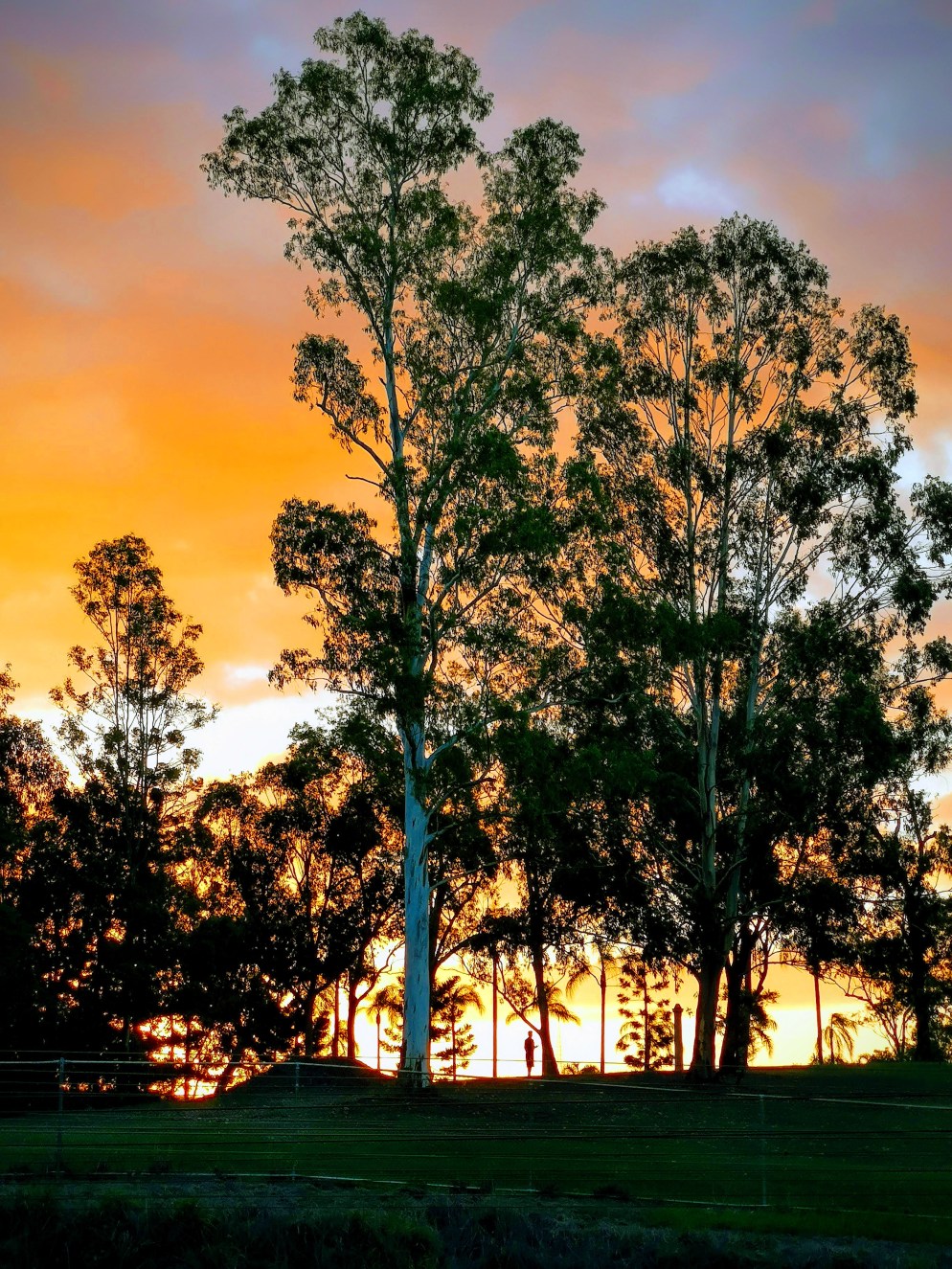
 Sky.with.Golden color tempted me to click this photo thro my mobile camera on a charming evening…. Location…Brisbane Australia
Month.May.2019
Natarajan.K
Sky.with.Golden color tempted me to click this photo thro my mobile camera on a charming evening…. Location…Brisbane Australia
Month.May.2019
Natarajan.K

A rare phenomena … on the Sky… This fascinating treat on the sky of Brisbane Australia
was clicked by me thro my Mobile Camera in May 2019 .A treat for eyes
K.Natarajan
This story was first published on December 23rd, 2010
Message with a series of attached pictures claims that the pictures were created on a typewriter by the artist Paul Smith.
The claims in the message are true. As stated in the email, American artist Paul Smith created all of his artwork using a typewriter. He passed away in June 2007.
Subject: Amazing Typewriter/WOW!
He lived at Rose Haven Nursing Home, Roseburg, OR, for years.
This is incredible–especially when you finally get to the bottom and read the biography of the man who painstakingly accomplished these works!
These pictures are unbelievable and amazing. Hope you enjoy them as much as I did.
Typewriter Art Can you believe that this art was created using a typewriter?
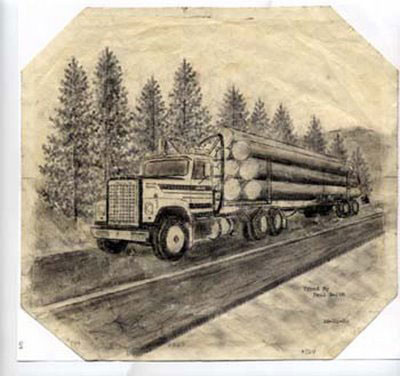

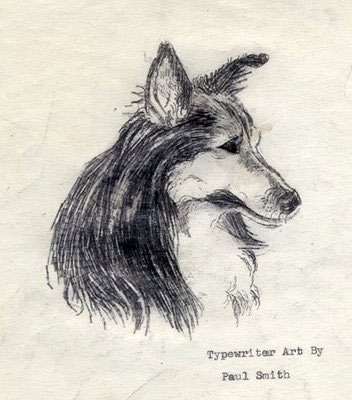

Paul Smith, the man with extraordinary talent was born in Philadelphia on September 21, 1921 with severe cerebral palsy. Not only had Paul beaten the odds of a life with spastic cerebral palsy, a disability that impeded his speech & mobility but also taught himself to become a master artist as well as a terrific chess player even after being devoid of a formal education as a child.
When typing, Paul used his left hand to steady his right one.. Since he couldn’t press two keys at the same time, he almost always locked the shift key down and made his pictures using the symbols at the top of the number keys. In other words, his pictures were based on these characters ….. @ # $ % ^ & * ( ) _ .
Across seven decades, Paul created hundreds of pictures. He often gave the originals away. Sometimes, but not always, he kept or received a copy for his own records.
As his mastery of the typewriter grew, he developed techniques to create shadings, colors, and textures that made his work resemble pencil or charcoal drawings.” This great man passed away on June 25, 2007, but left behind a collection of his amazing artwork that will be an inspiration for many.
Editor’s note: The message generally circulates with many other examples of Paul Smith’s work, which have been omitted from this example. You can view these pictures and more via the artist’s website
This email forward, which features the work of artist Paul Smith, explains that all of the pictures were created using just a typewriter.
The claims in the email are true. The extraordinary art of Paul Smith was indeed created on a typewriter and is now known all around the world. This inspirational man, who did not allow cerebral palsy to stop him from living a remarkable life, was an accomplished chess player as well as an artist.
Paul was born in Philadelphia on September 21, 1921. He died on June 25, 2007 while a resident of the Rose Haven Nursing Center in Roseburg, Oregon.
More details about the artist, along with galleries of his work, are available on the Paul Smith Foundation website. The website, now archived via the Internet Archive’s Wayback Machine, notes:
Across seven decades, Paul created hundreds of pictures. He often gave the originals away. Sometimes, but not always, he kept or received a copy for his own records. Be sure to visit the gallery at this site to see images of his pictures in detail.
As his mastery of the typewriter grew, he developed techniques to create shadings, colors, and textures that made his work resemble pencil or charcoal drawings.
It’s interesting to see how he gradually refined his use of perspective and coloring, and how his subject matter reflected the events and personalities of the times.
An article on the Chessville website also provides an interesting insight into the artist’s life.
in https://www.hoax-slayer.net/
Natarajan
After that glorious stroke at midnight in August 1947, following two centuries under the colonial yoke, India finally became free.
While citizens reeled under the after-effects of a hurried partition, leaders had a mammoth task at hand. They needed to plan and act towards the development of the new nation—economically and socially—and her people as producers and consumers.
“Correcting the disequilibrium” in the economy and an improvement in “the living standards” of the people featured in the objectives for the First Five Year Plan(1951-52 to 1955-56).
In a February 1947 session of then Bombay’s legislative assembly, a member raised the inhuman conditions of rickshaw pullers. This discussion set many wheels in motion.
 haws be discontinued.
Navalmal Kundalmal Firodia, a freedom fighter, saw in this an opportunity to provide low-cost public transport to the country. The image of a three-wheeler “goods carrier” from a trade paper caught his eye and inspiration.
He submitted a plan to Desai and was told that if the vehicle was satisfactory from “a technical viewpoint”, it could be permitted under the public conveyance plan.
Firodia’s Jaya Hind Industries, set up a joint venture with Bachhraj Trading Corporation (later Bajaj Auto Private Limited), to replicate the vehicle in the image. It was manufactured by Italy’s Piaggio.
To better understand the nuances, Firodia bought a scooter and two three-wheeler goods carriers from the Italian company, studying the models and making several modifications to arrive at the final product.
Painted in hues of green and yellow, it was a mix of the hand-drawn carriages of the time and the automated two-wheeler. This contraption would soon become commonplace on Indian roads and affix its reliability on the Indian psyche.
The industrialist in Firodia had perhaps foreseen how it would enable independent Indians to undertake convenient and affordable trips around the country’s myriad cities and towns.
With the approval in the Bombay province, he saw and used another opportunity to popularise his vehicle—the prohibition of cycle rickshaws in Pune.
By December 1950, N Keshava Iyengar, the Mayor of Bangalore, approved the licenses of ten auto rickshaws in the capital of the princely state of Mysore. These vehicles “resembled a scooter pulling a passenger cabin attached to its rear”.
 is Italian wife, on its maiden journey!
While people hailed the autos, the jatka union (hand-drawn cart) in Bangalore and the tongawallahs in Pune were unimpressed; the last-mile connectivity to and from public transport that auto rickshaws provided stood in their way.
As did the restrictions from the Monopolies and Restrictive Trade Practices Act, 1969.
A coffee-table about Kamalnayan Bajaj, the pioneer of Bajaj Auto, highlights this in the following words.
“In the beginning, we were licensed to make 1,000 scooters and auto rickshaws per month. In 1962, we applied to increase manufacturing capacity to 30,000 and 6,000 auto rickshaws per year. In 1963, we applied to increase capacity from 24,000 scooters to 48,000. In 1970, we asked for 100,000. Eventually, in 1971, the government approved an increase to 48,000.”
While the Bajajs and Firodias went their separate ways, with the auto rickshaw coming under the Bajaj Group, Bangalore’s ten auto rickshaws grew to 40.
The fact that middle-class Indians did not yet have enough disposable income to own vehicles furthered the popularity of the auto rickshaw, and it became the symbol of affordable urban transport.
In the financial year 1977, the company introduced rear engine auto rickshaws and sold 100,000 vehicles.
Until 1980, the vehicles were only allowed to carry two passengers at a time. However, this changed in the next two decades, and today, autos can transport as many as can fit themselves on the seats!
As per data from EMBARQ, auto rickshaws in tier-2 cities (population between 1 and 4 million) number between 15,000 and 30,000, to more than 50,000 in tier-1 cities (population more than 4 million).
The sector also employs an estimated 5 million people!
While auto drivers have been criticised for irregularities in the fare system, and their disregard to the safety of passengers, autos remain the quintessential mode of intermediate or even end-to-end transport for an Indian.
Taxi aggregators born in India and abroad have take note of this, and as a result, co-opted the vehicle in their business models.
Interestingly, Firodia was not just responsible for bringing the three-wheeler goods chassis from Italy and converting it into a passenger vehicle in India, but also coined the term ‘auto-rickshaw’.
The word now finds a place in the Oxford Dictionary, and since its introduction in 1949, the auto has not gone off the road.
Featured image: Pxhere
(Edited by Gayatri Mishra)
Source…..Shruti Singhal in http://www.the betterindia.com
Natarajan
This Republic Day, we take a look at the iconic objects that collectively defined the Indian experience over the past 68 years. From things that brought the world to our living rooms to tasty treats, take a nostalgic journey down memory lane!
Members of the Joshi family would gather around their prized possession at 7 every evening. The main door of the house was open–it wouldn’t be long before the neighbouring kids, their parents and maybe even grandparents joined the regular party.
A beautifully knit blue-green cover protects the wooden radio box which is only taken off when the radio is switched on and tuned in. One member of the family reaches the top shelf to pull out the long antenna of the radio and turns the two knobs till the radio frequency sets perfectly.
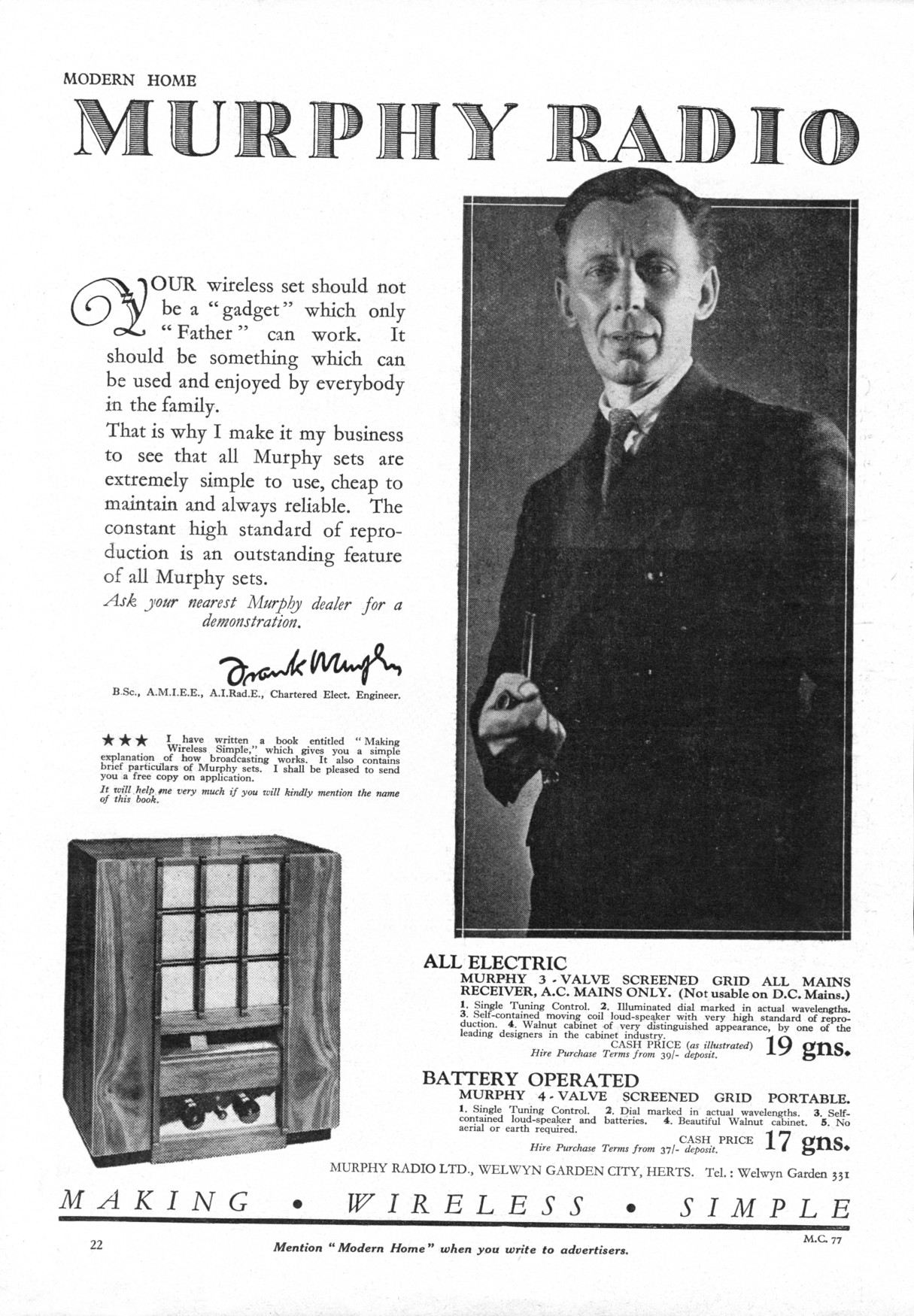
In the 1960s and 70s, when the television was still a rich man’s luxury, it was Murphy Radio that brought people together.

The Murphy Radio was founded by Frank Murphy and E J Power in 1929. The radio company had manufactured sets for the British Armed Forces to use during the Second World War, but they aimed to make radio sets “a homely gadget”, one that did not need military expertise to operate.
In a 1931 advertisement, Murphy had said, “Your wireless set should not be a “gadget” which only “Father” can work. It should be something which can be used and enjoyed by everybody in the family. That is why, I made it my business to see that all Murphy sets are extremely simple to use, cheap to maintain and always reliable. The constant high standard of reproduction is an outstanding feature of all Murphy sets.”
Although the founder left his company in 1937 to establish another called the Frank Murphy Radio or FM Radio, the name ‘Murphy’ stayed.
This brand debuted in Indian households in 1948–just a year after we got independence and even before we became a republic!
Jyoti Sohini, a 70-year-old homemaker from Pune, fondly recollects the ‘Murphy days’. “It was a very popular brand in those days. The Murphy Baby calendar especially was very famous. The radio set was a common possession where I lived, but even then, there would be a huge crowd at our place, eager to listen to the cricket commentary,” she tells The Better India.
Adding to the programmes that they listened to in that era, Jyoti says Radio Ceylon, Binaca Geetmala, Vividh Bharati and Pune Kendra (a local news bulletin) were popular.
Much like this family in Pune, India fell in love with the brand and its adorable mascot–the Murphy baby or Murphy Munna. Print ads featured the chubby-cheeked Rinpoche, looking inquisitively, with a finger placed near his lip, instantly garnering the adoration of Indian families.
The three-year-old Kagyur Tulku Rinpoche fascinated many mothers or expectant mothers of that era. For millennials like me, the perfect reference point is Anurag Basu’s 2012 film, Barfi, where Ranbir Kapoor’s reel life mother names him after the Murphy because “Murphy Munna jaisa lalla, Amma ka tha sapna” (Mother wanted a baby just like the Murphy’s).
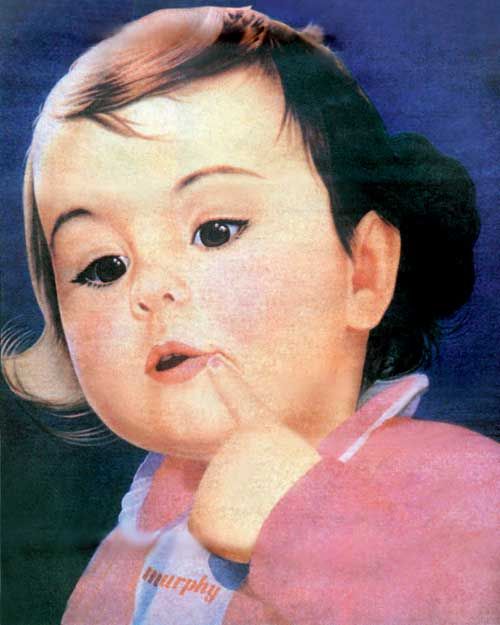
The makers wanted me in the ad, as the original Murphy baby who was a girl, had died. They were looking for someone identical.”
Rinpoche went on to become a monk for about 20 years before marrying Mandakini, an actress. But that is a story for another time.
Much like Rinpoche, Mohammed Rafi composed a tagline jingle for the brand to attract more customers.
“Murphy ghar ghar ki rounak, tarah tarah ke Murphy radio, la deten hain ghar mein jaan (Murphy is the pride of homes, different kinds of Murphys bring life to the home),” played as an advertisement while superstars like Sharmila Tagore, featured in print ads.
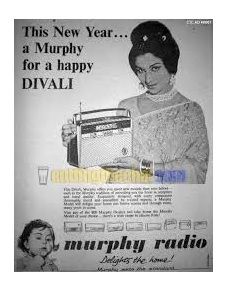
Catchy phrases that spoke of the Murphy Radio as something that “delights the home” and “sets the standard” added to the aspirational sentiment.
Kamlesh says, “I used to be a calm child. But I can only recall one instance where I had cried for many days insisting [that] my father buy a radio. He bought the radio set on Diwali. I still have a memory of placing the radio right next to the black-and-white Keltron TV set in our sitting room.”
Writing for the Caleidoscope, Levine Lawrence says, “Those were the glory days of BBC, Voice of America, Radio Moscow and our own All India Radio. Vividh Bharati, the colourful movie songs and trivia programme was transmitted by the Sri Lanka Broadcasting Corporation due to a ban on film songs on Akashvani!”
Eventually, the radio gave way for black-and-white TV, which in turn, was replaced by the colour TV and now, the Internet.
Even as we surf the web to find such fascinating stories about the times and technologies of the past, the simplicity of the radio and the magnificent events it covered–right from Nehru declaring India’s independence in the speech that still gives us goosebumps to the wars that India fought later–can hardly be replaced.
(Edited by Shruti Singhal)
Source……Tanvi Patel in http://www.the better india.com
Natarajan

This story was first published on May 9, 2013
An image circulating via social media supposedly depicts a strange half cat creature with only two legs and no ears caught in action by Google Street View cameras.
Half cat is no mystery. The strange looking puss is the result of some digital tomfoolery. And the image was not captured via Google Street View. The source image used in the manipulation was snapped in 2003 – well before Google Street View was launched – and depicts “Thumbelina”, a perfectly normal cat, strolling along a street in Ottawa (See original image below).
Spotted On Google Street View: Half A Cat A new species, perhaps?

This picture of what appears to be a bizarre two-legged, no-eared cat has been circulating via social media since 2013. Descriptions of the strange creature claim that it was captured via Google Street View images.
The image has generated a lot of tongue-in-cheek speculation with commentators suggesting that it could depict a new species, an alien visitor or a mutant puss.
But, the truth is little more down to earth. Half Cat is the result of digital manipulation. As the following image shows, Half Cat was created by photoshopping a picture of the beautiful Thumbelina, most probably without her permission or knowledge:

The The source picture was reportedly taken back in 2003 and was posted to picture sharing website imgur. The image is said to show Thumbelina walking near Parliament Hill, Ottawa.
And, given that Google Street View was not launched until 2007, it is clear that Thumbelina’s picture was not snapped by Street View cameras as suggested in the circulating messages.
Thumbelina’s thoughts on the unauthorized use of her picture have so far gone unrecorded.
Source…https://www.hoax-slayer.net/
Natarajan
Photographer John Moore, who took the picture that has come to symbolise the horror of the new family-separation policy in the United States, reveals what happened that night.

A two-year-old girl in a bright pink shirt is crying. It’s the middle of the night, and she’s only visible thanks to bright lights, likely from cars and cameras. She’s sobbing, her head tilted back in fear as she looks up at a strange man touching her mother. But nobody can soothe her.
This image of a Honduran girl crying as United States Border Patrol agents search her mother has come to represent the heartbreak being experienced by illegal immigrants separated from their children.
Pulitzer prize-winning photographer John Moore has been documenting the immigrant experience for a decade, riding along with both Border Patrol agents and immigrant trains in order to get the story.
Speaking of the image, he speaks about the June 12 ride-along that resulted in the emblematic picture — not to mention the other heartbreaking photos he captured of this mother and child.
That fateful night
On June 12, after seeking access, he accompanied Border Patrol agents to the banks of the Rio GrandeRiver on the outskirts of McAllen, Texas.
Waiting with the guards for hours, he finally heard rafts coming across the river. They waited a little longer and then suddenly moved in to see nearly dozen of them – mostly women and children.
Describing that moment itself, Moore says, “Most of these families were scared, to various degrees. “I doubt any of them had ever done anything like this before — flee their home countries with their children, travelling thousands of miles through dangerous conditions to seek political asylum in the United States, many arriving in the dead of night.”
While the agents were trying to get the families into buses, he finally spoke to one woman who identified herself as a Honduran. She was travelling with her two-year-old. “The mother told me they had been travelling for a full month and were exhausted,” says Moore, who speaks Spanish. “They were taken into custody with a group of about 20 immigrants, mostly women and children, at about 11 pm,” he was quoted as saying to Getty Images FOTO.
Describing what happened next, Moore says, “Before transporting them to a processing center, transportation officers body searched everyone and the mother was one of the last. She was told to set the child down, while she was searched. The little girl immediately started crying. While it’s not uncommon for toddlers to feel separation anxiety, this would have been stressful for any child. I took only a few photographs and was almost overcome with emotion myself. Then very quickly, they were in the van, and I stopped to take a few deep breaths.”
Moore says he doesn’t know what became of the 2-year-old Honduran girl, adding that the asylum seekers he photographed likely had no idea of the new “zero tolerance” policy that has led to families being separated from their children, since they had been travelling for a month under harsh circumstances.
Source….www.rediffmail.com
Natarajan

“மழை நீர்… உயிர் நீர்…”, “மரம் வளர்ப்போம்; மழை பெறுவோம்…” இப்படி மழை நீருக்காக ஏராளமான வாசகங்கள் பெரும்பாலும், வாகனங்களின் பின்புறம்தான் எழுதப்படுகின்றன. கான்கிரீட் காடான நகரங்களில் மழை நீர், சாக்கடையிலும், கடலிலும்தான் கலக்கின்றன. பெய்யும் மழை நீரைச் சேகரிக்க முடியாமல், கோடை காலத்தில், தண்ணீர் பஞ்சம் ஏற்பட்டு, கேன் தண்ணீரை நம்பி காலத்தை ஓட்டி வருகிறோம்.
கோவையில் இந்தாண்டு கோடை காலம் முதலே நல்ல மழை பெய்து வருகிறது. கோவையில் ஓராண்டில் பெய்யும் சராசரி மழை அளவு 620 மி.மீட்டர். இந்த நீரைச் சேகரித்தாலே குடிநீர் பஞ்சம் எட்டிக்கூட பார்க்காது. ஆனால், பெய்யும் மழை நீரைச் சேகரிக்க முடியாததால், கடந்த சில ஆண்டுகளாக, கோவையில் கோடை காலத்தில் கடுமையான தண்ணீர் பஞ்சம் ஏற்படுகிறது. நிலத்தடி நீர் மட்டமும் கணிசமாகக் குறைந்துவிட்டது.
இந்நிலையில், கோவையில் மழை நீரைச் சேமிப்பதற்காக, பொது இடங்களில், மழைநீர் சேகரிப்புக் கிணற்றை தன்னார்வலர்கள் அமைத்து வருகின்றனர். அதன்படி, இந்தியாவின் “மழைநீர் மனிதன்” என்று அழைக்கப்படும் சேகர் ராகவனின் ஆலோசனைப்படி, ரேக் அமைப்பு, கோவை குளங்கள் பாதுகாப்பு அமைப்பு மற்றும் சில நல்ல உள்ளங்கள் உதவியுடன், கோவை மாநகராட்சியுடன் இணைந்து மழைநீர் சேகரிப்பு கிணறை அமைத்து வருகின்றனர்.

மழைநீர் சேகரிப்பு கிணறு
மழை நீர் அதிகளவில் வீணாகக்கூடிய பொது இடங்களில், குழி தோண்டி, அதில் கான்கிரீட் ரிங்கை அமைத்தால் போதும். உதாரணத்துக்கு எட்டு அடி குழிதோண்டி, அதில் தொட்டி போல, நான்கு அடி விட்டமுள்ள, காங்கிரீட் ரிங்கை இறக்கி வைத்தால்போதும். சராசரியாக எட்டு அடி ஆழமுள்ள குழியில் 3,000 லிட்டர் நீரை சேமிக்கலாம். இதில் சேமிக்கப்படும் நீர், கொஞ்சம், கொஞ்சமாக நிலத்தில் இறங்கும். இதன் மூலம், சுற்றுவட்டாரப் பகுதிகளில் நிலத்தடி நீர் மட்டம் உயரும். சென்னையில் வெற்றி பெற்ற இந்த மழைநீர் சேகரிப்புக்கிணறுகளை, கோவையில் முதல்கட்டமாக, குறிச்சி பகுதியில் மாநகராட்சிக்கு சொந்தமான ரிசர்வ் சைட்டிலும், துடியலூர் பகுதியிலும் நடைமுறைப்படுத்தியுள்ளனர்.
இதுகுறித்து சேகர் ராகவன், “பூமிக்குள் நீர் இறங்குவதற்கு, 10 முதல் 15 அடி ஆழத்துக்கு குழி தோண்டலாம். நமக்கு தகுந்தாற்போல் ரிங் அமைத்துக் கொள்ளலாம். ஆண்டுக்கு ஒரு முறை மட்டும் இதைச் சுத்தம் செய்தால் போதும். இதை வீடுகளிலும் அமைக்கலாம். தெருக்களின் ஓரமாகவும் அமைக்கலாம். நீர் சேமித்து வைக்கும் தொட்டியாக இதைப் பார்க்கக் கூடாது. நீரை நிலத்தடிக்கு அனுப்பி வைக்கும் திட்டமாகத்தான் பார்க்கவேண்டும். சென்னையில் பல இடங்களில் இந்த மழைநீர் சேகரிப்புக் கிணற்றை அமைத்துள்ளோம். இதன் மூலம் வெள்ள அபாயத்தையும் தவிர்க்கலாம். நிலத்தடி நீர் அளவையும் அதிகரிக்கலாம். குறிப்பாக, அடுக்குமாடி குடியிருப்புப் பகுதிகளில் இதுபோன்ற கிணறுகளை அமைப்பது மிகவும் நல்லது. நிலத்தடி நீர் என்பது, வங்கியை போன்றது. அதில் தண்ணீரைச் செலுத்தினால்தான், மீண்டும் அதில் இருந்து, தண்ணீரை எடுக்க முடியும். 10 அடி ஆழம், 3 அடி காங்கிரீட் ரிங்குடன் கூடிய மழை நீர் சேகரிப்பு கிணறை அமைக்க 12 ஆயிரம் ரூபாய் ஆகும்” என்றார்.
ரேக் (Raac) அமைப்பின் ரவீந்திரன், “தற்போதைக்கு, பெரும்பாலான பகுதிகளில், மழை நீரைச் சேகரிப்பதற்காக, 200 அடிக்கு போர் போட்டு, ஆறு அடிக்கு குழித் தோண்டி, அதில் கற்களை போடுவார்கள். இதற்கு 75 ஆயிரம் ரூபாய்வரை செலவாகும். எல்லோராலும் இதை அமைக்க முடியாது. அவற்றை பராமரிப்பதும் கடினம். ஆனால், மழை நீர் சேகரிப்புக் கிணறுகளை அமைக்க அவ்வளவு செலவு ஆகாது. இதை, பராமரிப்பதும் மிகவும் எளிது. 15 ஆயிரம் ரூபாய் செலவுசெய்து ஓர் கிணற்றை அமைத்தால், அதன் மூலம் 15 ஆண்டுகளுக்கு மழை நீரைச் சேமிக்கலாம். பொது இடங்களில் மழை நீரைச் சேமிப்பதற்கு இது மிகவும் எளிதான வழி. இதுதொடர்பாக, மக்களிடையே விழிப்பு உணர்வும் செய்து வருகிறோம். மழைக்காலம் முழுவதுமே மழை நீர் சேகரிப்புக் கிணற்றை அமைக்கத் திட்டமிட்டுள்ளோம்” என்றார்.
சமூக ஆர்வலர் டிம்பிள் கூறுகையில், “சென்னை அண்ணாநகரில் என் உறவினர் வீடு உள்ளது. அவர்களுடையே தெருவே லாரி தண்ணீரை பிடித்துக் கொண்டிருக்கும். ஆனால், இவர்கள் பிடிக்க மாட்டார்கள். அப்போதுதான், மழைநீர் சேகரிப்பு கிணறு குறித்துத் தெரியவந்தது. அப்போதிலிருந்தே, இந்தத் திட்டத்தைக் கோவைக்கு கொண்டு வரவேண்டும் என்று ஆசை இருந்தது. எங்களது அப்பார்ட்மென்ட் அருகே, இப்படி வீணாகும் மழைநீரை பார்க்கும்போது, எனக்கு வருத்தமாக இருக்கும். பின்னர், சேகர் ராகவனுடன் ஆலோசித்து, எங்களுடைய அப்பார்ட்மென்ட் அருகே உள்ள ரிசர்வ் சைட்டில் கிணறு அமைத்தோம். 2,500 சதுரடி பகுதியில் பெய்யும் மழை நீர், இதில் சேமிக்கப்படும். கோவை முழுவதும் இதுபோன்று 44 ஆயிரம் குழிகள் அமைக்கலாம் என்கின்றனர். அப்படி அமைக்கும்போது, நிலத்தடி நீரின் அளவு ஒன்பது மீட்டர் வரை அதிகரிக்கும். எனவே, பள்ளிகள், அரசு அலுவலகங்கள், ஷாப்பிங் மால்கள் போன்ற பகுதிகளில் இதுபோன்ற கிணறுகளை அமைக்கலாம். அந்தப் பகுதிகளில் உள்ள மக்கள் இணைந்து, தங்களின் பங்களிப்பில்கூட இதுபோன்று குழிகளை அமைக்கலாம்” என்றார்.
மழை பெய்வதற்கு முயற்சி செய்யாவிடினும், குறைந்தது பெய்யும் மழை நீரையாவது சேமிக்க முன் வருவோம்…!
Source….. http://www.vikatan.com
Natarajan
The Peekskill meteorite car sitting at a collector’s garage in Peekskill. Photo credit: Ryan Thompson/Flickr
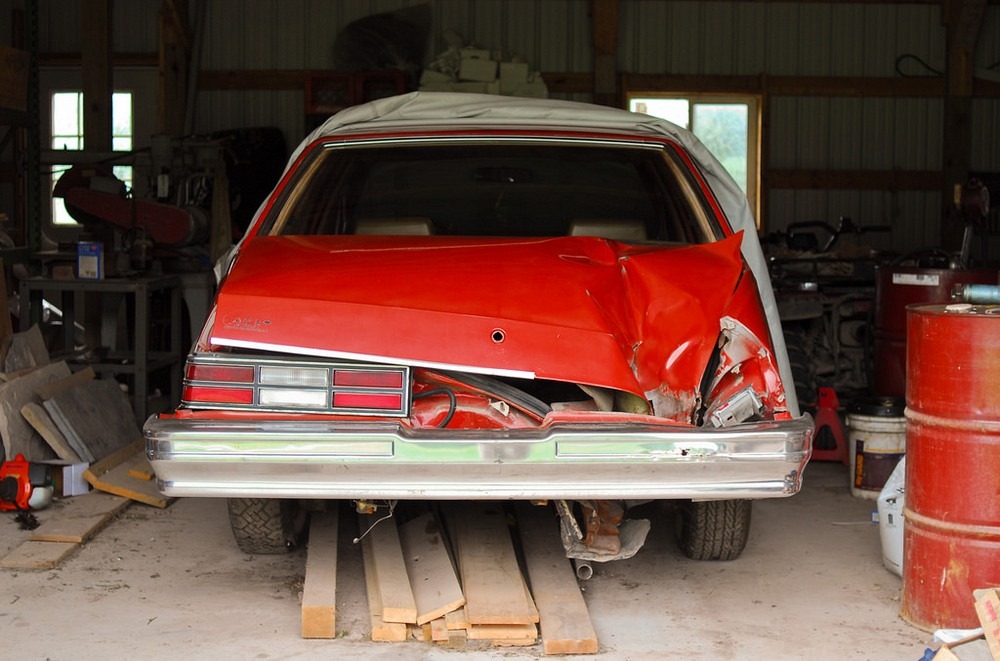
On October 9, 1992, a brilliant fireball flashed across the evening sky over eastern United States startling thousands of spectators attending the weekly high school football matches being played across the East Coast. The fireball, that witnesses described as being brighter than the full moon, was travelling almost horizontally and heading northeast. In just forty seconds, the meteorite had crossed four states travelling 700 kilometers through the atmosphere. The intense heat and friction broke the space rock into more than 70 pieces, several of which were large and fast enough to produce their own glowing trails. A considerably weighty chunk of the meteorite, about the size of a bowling ball, eventually touched ground at Peekskill, New York, with a loud boom.
17-year-old high-school student Michelle Knapp was watching television in her parents’ living room when she heard a thunderous crash outside. Knapp ran outside to investigate the noise. There she found, standing on the driveway, her 1980 Chevy Malibu. The Malibu’s trunk was twisted and battered with a hole through it. A sizeable rock over 12 kilograms in weight lay under the car, embedded in the asphalt. It was still smoking and smelled of rotten eggs. The rock had narrowly missed the fuel tank.
Understandably, Michelle was not happy; she had recently bought the car for $400 and now it was totaled. Michelle did what anybody else would have done—she called the cops and reported an act of vandalism. It was a neighbor who reasoned that vandals can’t throw rocks through cars and surmised that the rock was from outer space. The suspicion proved correct when the very next day, a curator from the American Museum of Natural History in New York City confirmed that the object was indeed a meteorite, the same one that streaked across the northeastern sky distracting coaches and parents from their kid,s football games.
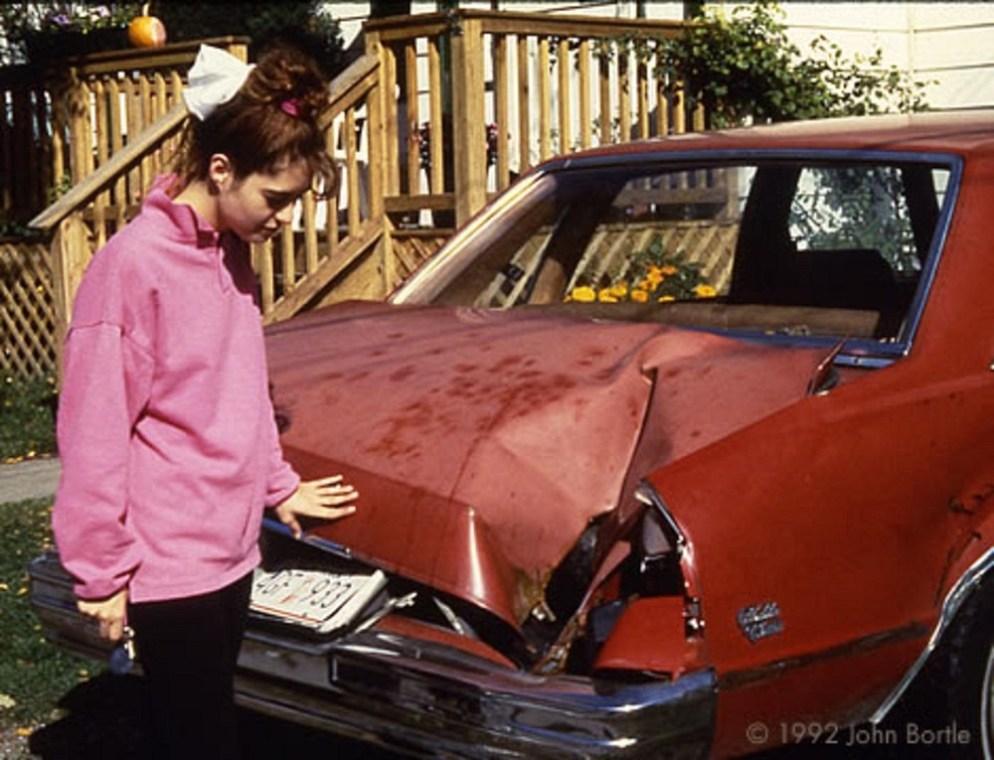
Michelle Knapp in the driveway with her Malibu taken only days after the historic impact. Photo credit: John Bortle
It was this impeccable timing of the Peekskill meteorite that made it one of the most witnessed and most recorded meteorite events in history. Dozens of spectators to the high school football games had brought camcorders with them, and when the meteorite flashed over their heads many of these cameras turned skywards, towards the brief but more exciting event. As many as 16 different observers from various locations recorded the event on tape—a record that was not broken until 2013 when a meteor exploded over Russia. The sixteen videos of the fireball taken from multiple perspectives made it possible for scientists to determine the exact trajectory of the meteorite. Indeed, Peekskill is one of the few meteorites whose orbit is precisely known.
As for the car, Michelle spent no time securing a deal with a renowned meteorite collector for an amount that was nearly two orders of magnitude more than what Michelle had paid. Since then, the car has been on display in numerous cities throughout the world, including Paris, Tokyo, Munich and more.
Source……Kaushik in http://www.amusing planet .com
Natarajan

 Take off with Natarajan