Image of the Day… Earth Seen From Mars & Mars Seen From Earth !!!


View larger. | Via ridingwithrobots.org.

Click on the picture for a larger view. To learn more about viewing Earth in Mars’ sky, see the postCuriosity rover sees Earth and moon from Mars. To learn more about viewing Mars in Earth’s sky, see EarthSky’s February 2014 guide to the five visible planets.

Source::::Earth sky news site

Natarajan


வாழ்த்துக்கள் சஞ்சய் ராஜாராம் …

சஞ்சய ராஜாராம்


கோதுமை உற்பத்தியை உயர்த்திய இந்திய விஞ்ஞானிக்கு உலக

உணவு விருது

இந்திய தாவரவியல் விஞ்ஞானி சஞ்சய ராஜாராமுக்கு 2014-ம் ஆண்டுக்கான உலக உணவு விருது அறிவிக்கப்பட்டுள்ளது.

உலக கோதுமை உற்பத்தியை பசுமைப் புரட்சி மூலம் 20 கோடி டன் உயர்த்தியமைக்காக இவ்விருது அறிவிக்கப்பட்டுள்ளது.

உலக உணவு விருது அறக்கட்டளை நிறுவனர் கென்னத் எம். குய்ன், அமெரிக்க வெளியுறவுத்துறை அமைச்சர் ஜான் கெர்ரி ஆகியோர் இதனை அதிகாரப்பூர்வமாக அறிவித்தனர். இவ்விருதுக்கான பரிசுத் தொகை 2.5 லட்சம் அமெரிக்க டாலர்களாகும் (சுமார் ரூ.1.5 கோடி).

ராஜாராம், குளிர்காலம் மற்றும் கோடைகாலத்துக்கு ஏற்ற ஒட்டுவகை கோதுமை ரகங்களைக் கண்டுபிடித்தார். இவ்வகைக் கோதுமை அதிக அளவு மகசூல் கொடுக்கக்கூடியவை.

மொத்தம் 480-க்கும் அதிகமான அதிக மகசூல் தரும் கோதுமை ரகங்களை ராஜாராம் கண்டறிந்தார். இந்த கோதுமை ரகங்கள் 51 நாடுகளில் சிறு மற்றும் பெரு விவசாயிகளால் பெரிதும் பயிர் செய்யப்படுகின்றன. உலகம் முழுதும் சுமார் 6 கோடி ஹெக்டேர் வயல்களில் இவரது கோதுமை ரகங்கள் பயிர் செய்யப்பட்டன என்பது குறிப்பிடத்தக்கது.

விருது குறித்த அறிவிப்பை வெளியிட்ட அமெரிக்க வெளியுறவுத் துறை அமைச்சர் ஜான் கெர்ரி கூறுகையில், “ராஜாராமின் சேவை, நாம் இன்னும் பணி செய்ய வேண்டும் என அனைவரையும் தூண்டுவதாக இருக்கிறது. அடுத்த 30 ஆண்டுகளுக்கு 200 கோடிக்கும் அதிகமான மக்களுக்கான தேவையைப் பூர்த்தி செய்வது என்பது கணக்கிடுவதற்குத் சிரமம். இது இரண்டாவது பசுமைப் புரட்சிக்கான நேரமாகும்.

ராஜாராம் கண்டறிந்த நூற்றுக்கணக்கான கோதுமை ரகங்களுக்காக நாம் நன்றி சொல்லக் கடமைப் பட்டிருக்கிறோம். அவர் கண்டுபிடித்த கோதுமை ரகங்கள் ஆண்டுக்கு 20 கோடி டன் கோதுமை உற்பத்தியை அதிகரித்து, உலகம் முழுவதும் லட்சக் கணக்கானவர்களின் உணவுத் தேவையை நிறைவு செய்துள்ளது” என்றார்.

பசுமைப் புரட்சியின் தந்தை என கூறப்படும் நார்மன் இ போர்லாக், சர்வதேச மக்காச்சோளம் மற்றும் கோதுமை மேம்பாட்டு மையத்தின் (சிஐஎம்எம்ஒய்டி) கோதுமைத் திட்டத்தை 1976-ம் ஆண்டு முதல் 2001-ம் ஆண்டு வரை வழிநடத்தி வந்தார். அவருக்குப் பிறகு அத்திட்டத்தின் இயக்குநர் பொறுப்பை ராஜாராம் ஏற்றார்.

உத்தரப்பிரதேச மாநிலத்தில் பிறந்த ராஜாராம், ஆஸ்திரேலியாவின் சிட்னி பல்கலைக் கழகத்தில் டாக்டர் பட்டம் பெற்றார். தற்போது மெக்ஸிகோவில் வசித்து வருகிறார்.

Topics: வணிகம்| வணிகம்| வேளாண்மை|

Source::: The Hindu …Tamil

Natarajan

A Giant Telescope on the Top of Mountain !!!


Eso1225c
Artist’s rendering of the future telescope which will be the ‘largest eye on the sky.’

On June 19, the top of Cerro Armazones, a 10,000-foot mountain in northern Chile’s Atacama Desert, was blown up to make way for

European Extremely Large Telescope, or E-ELT.


The telescope’s main mirror will measure almost 130 feet, making it the biggest optical/near-infrared telescope in the world, according to the

European Space Agency (ESO). In a statement, officials called it the “world’s biggest eye on the sky.”


Screen Shot 2014 06 19 at 11.08.38 AM

The location of Cerro Armazones, where the European Extremely Large Telescope will be built.


The mission of the telescope will be to “tackle some of the biggest scientific challenges of our time,” ESO said. It will do this by “allowing detailed studies of subjects including planets around other stars, the first objects in the Universe, super-massive black holes, and the nature and distribution of the dark matter and dark energy which dominate the Universe.”

The first use of the telescope is set to take place in the early 2020s.


Source::: : Business Insider …AU

NATARAJAN


Have a Look at The Customozied Jumbo Jets of Billionaires !!!


Boeing 747 8 Interior

Boeing

Boeing 747-8 custom interior with 4786 sq. ft. of space.


The $65 million Gulfstream G650 may be the pinnacle of the private jet market, but it just doesn’t do the job for billionaires who prefer to fly with more than a dozen or so passengers.


For that, the uber wealthy turn to Airbus and Boeing, who are more than happy to customize their jets — even the widebodies that can carry hundreds of people — for private use.

Commercial jet manufacturers have been replacing the rows of economy seats in their aircraft with sofas and entertainment centers since the late 1990s. A recent influx of billionaires from Russia, the Middle East, and China has led to a new focus on this part of the business. Since opening the private jet branch in 1997, Airbus has sold over 170 aircraft. Boeing got started in 1996, and has delivered on 195 of 217 total orders received.

The main reason to go with an Airbus A380 or a Boeing 747 over a puny Gulfstream or Bombardier? According a “Billionaires Study” commissioned by Airbus, the wealthiest among us like to travel with family members and business associates. (This, apparently, is particularly true for Middle Eastern oil magnates.)

That’s not to say outfitting a jumbo jet for personal use is always a rational economic decision. For some, the bigger and more luxurious the plane, the better. That’s why Airbus and Boeing don’t just sell their planes, they offer a wide variety of customization options to give customers exactly what they want.

So how much does a personalized widebody plane cost? The manufacturers don’t exactly publish price lists, but we’ve seen figures between $80 million for a Boeing 737, $280 million for a Boeing 747-8, and up to $300 million for an A380.

Here’s a look at what’s available for billionaires ready to spend that big a pile of dough:


Boeing 787 Interior

Boeing

Boeing 787 interior ready for conversion.


ACJ319_Cabin_Tyrolean_Jet_Services_Airbus1

Airbus

Airbus A319 Corporate Jet.


Boeing Deer Jet

Deer Jet

Deer Jet owned Boeing with bedroom suite and shower.


Boeing Jet Interior

Boeing

Boeing interior with shower and king-sized bed.


Boeing 747 8 Sleeping Space

Boeing

Boeing 747-8 with sleeping space for 8.


ACJ318_Airbus_Tyrolean_Jet_Services_cabin1

Airbus

Airbus A318 Corporate Jet.


Airbus Phoenix_cabin_concept_Majhong_table_arrangement1

Airbus

Airbus Asian market interior with mahjong table.


Boeing Jet Shower

Boeing

Boeing interior shower.


ACJ319_Acropolis_Aviation_on_VVIP _angled_view_1

Airbus

Airbus A319 custom interior.

Read more: http://www.wired.com/2014/06/the-jumbo-jets-boeing-and-airbus-turn-into-posh-private-planes/#ixzz352DvEjqr

Source:::: Business Insider Select.au

Natarajan


” The OverView Effect” … Our World Looks More Organised !!!


Looking down from the heavens, these photos represent what satellites, hovering above the atmosphere, can see from high up, revealing a whole new world of shapes. The world can look more organized than it seems from down below, and these photos give a whole new meaning to the landscapes we’re used to seeing.

Don’t miss out on the video explaining this amazing phenomenon called: “The Overview Effect”.


Bourtange, Vlagtwedde, Netherlands
satellite photos
Barcelona, Spain
satellite photos
309th Aerospace Maintenance and Regeneration Group Tucson, Arizona, USA
satellite photos
Central Park, New York City, New York, USA
satellite photos
Great Wall of China, Northern China
satellite photos
Desert Shores Community, Las Vegas, Nevada, USA
satellite photos
New Bullards Bar Reservoir, Yuba County, California
satellite photos
Residential Development, Killeen, Texas, USA
satellite photos
Venice, Italy
satellite photos
Vineyards, Huelva, Spain
satellite photos
Plasticulture / Greenhouses, Almeria, Spain
satellite photos
Durrat Al Bahrain, Bahrain
satellite photos
Amazon Rainforest Deforestation, Para, Brazil
satellite photos


Port Newark-Elizabeth Marine Terminal, Newark, New Jersey, USA
satellite photos
Boca Raton, Florida, USA
satellite photos
Venture Out RV Resort, Mesa, Arizona, USA
satellite photos
Port of Los Angeles, Los Angeles, California, USA (containers)
satellite photos
Puente de Vallecas, Madrid, Spain
satellite photos
Agricultural Development, Addis Ababa, Ethiopia
satellite photos
Our Lady of Almudena Cemetery, Madrid, Spain
satellite photos
Palm Island / Hibiscus Island, Miami Beach, Florida, USA
satellite photos
Inman Yard, Atlanta, Georgia, USA
satellite photos
Spaghetti Junction (A-3 and M-50), Madrid, Spain
satellite photos
Agricultural Development, Loxahatchee, Florida, USA
satellite photos
Brøndby Haveby, Brønby Municipality, Denmark
satellite photos
Terraced Rice Paddies, Yuanyang County, Yunnan, China
satellite photos
Clearcutting in the El Dorado National Forest, Georgetown, California, USA
satellite photos
Edson, Kansas, USA
satellite photos
Central Pivot Irrigation Fields. Ha’il, Saudi Arabia
satellite photos

Source: Carlos. P  in ba-ba mail site

Natarajan

” The Little Known Man Who Saved the World … “

The Man Who Saved the World
In 1962, the U.S. and the Soviet Union were on the brink of possible mutual destruction- the world as a whole was facing a possible nuclear winter and all the devastation that would come with it. The Cold War had been escalated to “tepid” and was close to becoming hot with the failure of the Bay of Pigs in 1961 and the ensuing Cuban Missile Crisis.

In May 1962, Soviet President Nikita Khrushchev and Cuban President Fidel Castro reached a “secret” agreement that allowed the Soviets to start building missile sites in Cuba, including stocking them with nuclear missiles- 42 of them.

It should be noted here that the U.S. at this time had nuclear missiles in Turkey and Italy that could hit Moscow within 16 minutes of being launched. On the flip-side, the Soviets had plenty of nukes pointed at and perfectly capable of destroying the U.S.’ allies throughout Europe. However, the Soviets did not have nearly the capability to destroy targets in the U.S. itself. Certainly they had enough nukes and intercontinental ballistic missiles to destroy all the major cities in the U.S. and more, but their missiles at this point weren’t extremely accurate at those distances, so weren’t as good as a “mutual destruction” deterrent. Indeed, there were some among the U.S. brass that felt the loss of allies throughout Europe and the lesser direct causalities from long range nukes that managed hit their targets in the U.S. were acceptable losses given the payoff would be the annihilation of the Soviet Union and the end of that threat to the United States. So if the Soviet Union had nukes in Cuba, that tipped the balance in the Cold War back to near even, rather than in the U.S.’s favor as before.

In the fall of 1962, the United States sent a US U-2 aircraft to fly over Cuba to attempt to confirm the rumors that they had heard about the Soviet missile sites in Cuba. On October 14th, 1962, the U-2 arrived back with pictures of these missiles sites. A day later, the pictures were presented to President Kennedy. Tensions rose and alarms were sounded. And, thus, on October 15th, 1962 the 13-day ordeal that became known as the Cuban Missile Crisis began.

Vasili Arkhipov was born on January 30th, 1926 to a poor, peasant family near Moscow in the town of Staraya Kupavna. At the age of 16, he began his education at the Pacific Higher Naval School. Vasili saw his first military action as a minesweeper in the Pacific Theater at the tail end of World War II. In 1947, he graduated from the Caspian Higher Naval School and served on submarines in the Soviet Black Sea, Northern, and Baltic fleets. In 1961, Vasili got his first taste of crisis management in an incident that, while extremely momentous, wasn’t even close to what he’d help with later.

This first incident happened when Vasili was appointed deputy commander of the new K-19 sub (known today as “the Widowmaker”), one of the first Soviet nuclear subs, which was also equipped with a nuclear ballistic missile. On July 4th, 1961, as the sub was conducting exercises near Greenland, a major leak was discovered in the radiant cooling system. Since no backup cooling system was installed pre-sail, the reactor on the sub was in real danger of a nuclear meltdown. In order to prevent a nuclear accident unlike any the world had ever seen before, the captain of the sub sent workers into high-radiation areas to build a cooling system on the spot. Every member of the sub did what they could to prevent disaster. Vasili, lending his engineering expertise, helped contain the overheating reactor. The crew succeeded, but not before these workers and many on the crew developed radiation sickness. Every worker that was sent as first responders into the high-radiation areas died within days. Due to this, a mutiny nearly erupted on board the K-19 sub. Vasili backed his captain in continuing the work and was, eventually, awarded a medal for his bravery in a time of crisis and loyalty to the Soviet Union. All of this, though, was a precursor to the day Vasili Arkhipov saved the world.

After his time on the K-19 sub, Vasili was made second in command on the B-59, one of four attack submarines that was ordered to travel to Cuba on October 1st, 1962. The sub contained 22 torpedoes, one of which was nuclear, holding the same strength as the bomb that was dropped on Hiroshima. The captains of each of the four subs were given permission to fire their nuclear torpedoes at their own discretion, so long as they had the backing of the political officer on board. Unknown to the crew of the B-59, the United States began their naval blockade of Cuba on October 24th and informed the Soviets that they would be dropping practice depth charges (think warning shots) to force subs to surface and be identified.

Moscow could not communicate this information to the B-59 due to it being too deep underwater to receive radio transmissions. On October 27th, 1962, US destroyers and the aircraft carrier USS Randolph located the sub, trapped it, and began dropping depth charges to force it to surface. The sub’s crew, which had been traveling for nearly 4 weeks with very little communication with Moscow, was very tired and not aware of circumstances. The sub’s captain, Valentin Savitsky, believed that nuclear war had already broken out between the Soviet Union and the US and wanted to fire the nuclear torpedo.

Fortunately, particularly given the heightened tensions at the time, in this case, one other person had veto power over firing besides the captain and the political officer, the second in command Vasili Arkhipov. Vasili, despite being second in command on the B-59, was the leader of the fleet of the four Soviet subs sent. Had Vasili not been present, nuclear war would have likely happened as both the captain and the political officer wanted to launch the nuclear torpedo. Vasili vehemently disagreed, arguing that since no orders had come from Moscow in a long time, such a drastic action was ill-advised and the sub should surface to contact Moscow. A heated argument broke out- legend, probably false- says punches were thrown. Eventually, though, Vasili won the day (his reputation as a hero in the K-19 mutiny reportedly helped in the debate) and the sub surfaced. Upon meeting their American enemies, they were instructed to head back to Russia. They obliged, (additionally, they began to have mechanical issues on board the sub) and headed east. Nuclear war was averted. Vasili Arkhipov was a hero… again.

When the sub arrived back in Russia, the crew of the B-59 were met with trepidation. After all, they had pretty much surrendered to the Americans. Said one Russian admiral to the submariners, “‘It would have been better if you’d gone down with your ship.”

Despite the not-so-hero’s welcome he originally received from the Soviets upon his return, to his wife, Olga, Vasili was always the man who saved the world,
“The man who prevented a nuclear war was a Russian submariner. His name was Vasili Arkhipov. I was proud and I am proud of my husband, always.”


Source:::: Today i foundout.com

Natarajan
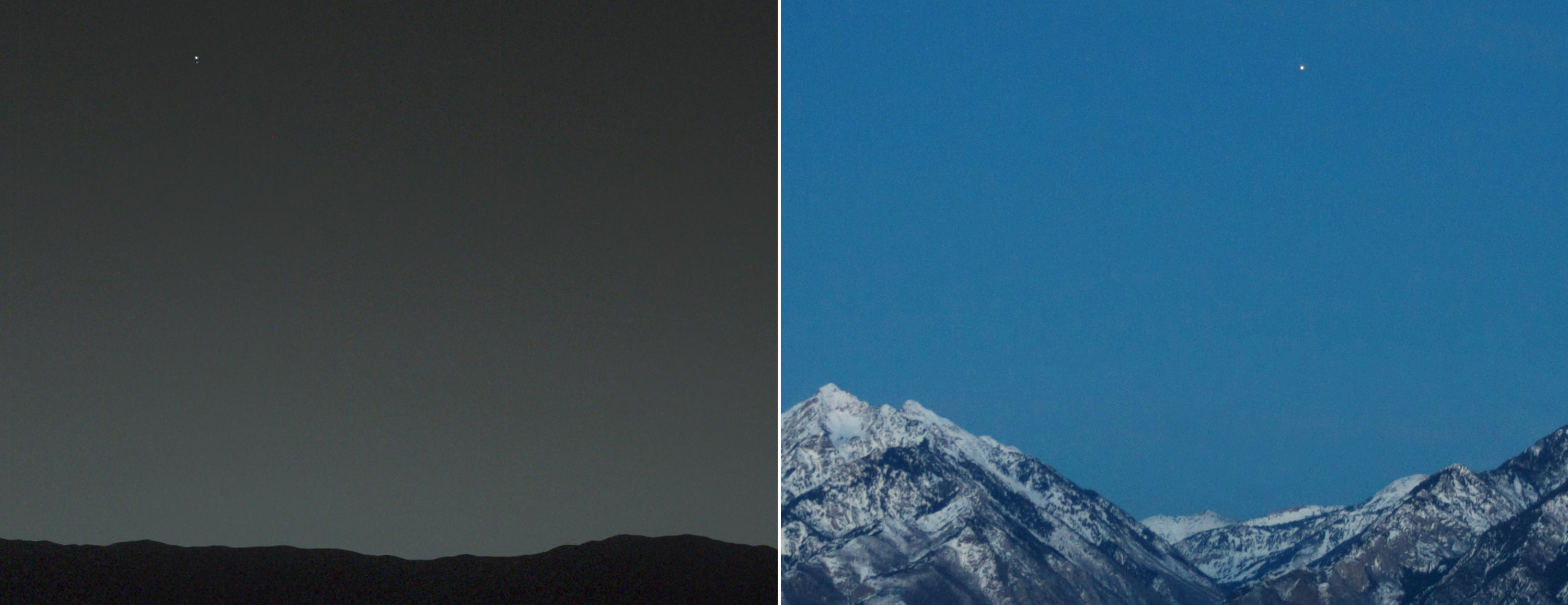
Image of the Day …

View from space: New York City

Astronaut’s view of New York, New York.

View larger. | Image credit: NASA

Check out the way the narrow island of Manhattan, between the Hudson River and the East River, looks from the International Space Station (ISS). The photo was taken on May 5 by the Expedition 39 crew. Central Park looks pretty green – playing fields appear as white dots. The two darker zones are where the tallest buildings of Midtown and the Financial District cast long shadows even in this early afternoon view.

Via NASA Earth Observatory

Source:::: earth sky news site

Natarajan

How Kids Make us Laugh and Laugh … !!!


Why We Love Children…

There are a number of reasons we love kids! And it isn’t just because they’re adorable, laugh out loud most of the time, and look great in photos. It’s also about how much they make us laugh, forget whatever worries we were going on about, and give in to the charm that is the innocence of a child. (And then we laugh some more…)
Why We Love Children
NUDITY 

I was driving with my three young children one warm summer evening when a woman in the convertible ahead of us stood up and waved. She was stark naked! As I was reeling from the shock, I heard my 5-year-old shout from the back seat, ‘Mom, that lady isn’t wearing a seat belt!’
Why We Love Children
OPINIONS 

On the first day of school, a first-grader handed his teacher a note from his mother. The note read, ‘The opinions expressed by this child are not necessarily those of his parents ..’
Why We Love Children
KETCHUP 
A woman was trying hard to get the ketchup out of the jar.. During her struggle the phone rang so she asked her 4-year-old daughter to answer the phone.. ‘Mommy can’t come to the phone to talk to you right now She’s hitting the bottle.’
Why We Love Children
MORE NUDITY 
A little boy got lost at the YMCA and found himself in the women’s locker room. When he was spotted, the room burst into shrieks, with ladies grabbing towels and running for cover. The little boy watched in amazement and then asked, ‘What’s the matter, haven’t you ever seen a little boy before?’
Why We Love Children
POLICE # 1 
While taking a routine vandalism report at an elementary school, I was interrupted by a little girl about 6 years old. Looking up and down at my uniform, she asked, ‘Are you a cop? Yes,’ I answered and continued writing the report. My mother said if I ever needed help I should ask the police. Is that right?’ ‘Yes, that’s right,’ I told her. ‘Well, then,’ she said as she extended her foot toward me, ‘would you please tie my shoe?’
Why We Love Children
POLICE #2 

It was the end of the day when I parked my police van in front of the station. As I gathered my equipment, my K-9 partner, Jake, was barking, and I saw a little boy staring in at me. ‘Is that a dog you got back there?’ he asked.
‘It sure is,’ I replied.
Puzzled, the boy looked at me and then towards the back of the van. Finally he said, ‘What’d he do?
Why We Love Children
ELDERLY 

While working for an organization that delivers lunches to elderly shut-ins, I used to take my 4-year-old daughter on my afternoon rounds. She was unfailingly intrigued by the various appliances of old age, particularly the canes, walkers and wheelchairs. One day I found her staring at a pair of false teeth soaking in a glass. As I braced myself for the inevitable barrage of questions, she merely turned and whispered, ‘The tooth fairy will never believe this!
Why We Love Children
DRESS-UP 

A little girl was watching her parents dress for a party. When she saw her dad donning his tuxedo, she warned, ‘Daddy, you shouldn’t wear that suit.’
‘And why not, darling?’
‘You know that it always gives you a headache the next morning!’
Why We Love Children
DEATH 

While walking along the sidewalk in front of his church, our minister heard the intoning of a prayer that nearly made his collar wilt. Apparently, his 5-year-old son and his playmates had found a dead robin. Feeling that proper burial should be performed, they had secured a small box and cotton batting, then dug a hole and made ready for the disposal of the deceased.
The minister’s son was chosen to say the appropriate prayers and with sonorous dignity intoned his version of what he thought his father always said: ‘Glory be unto the Father, and unto the Son, and into the hole he goes.’
Why We Love Children
SCHOOL 

A little girl had just finished her first week of school. ‘I’m just wasting my time,’ she said to her mother. ‘I can’t read, I can’t write, and they won’t let me talk!’
Why We Love Children
BIBLE 

A little boy opened the big family Bible. He was fascinated as he fingered through the old pages. Suddenly, something fell out of the Bible. He picked up the object and looked at it. What he saw was an old leaf that had been pressed in between the pages.
‘Mama, look what I found,’ the boy called out.
‘What have you got there, dear?’
With astonishment in the young boy’s voice, he answered, ‘I think it’s Adam’s underwear!’

Source:::: ba-ba mail site

Natarajan

விற்பனைக்கு வந்த தாத்தாவின் பொக்கிஷம் …

கட்டங்களுக்குள் அடைபட்ட சித்திரங்களாக நகரும் காமிக்ஸ் கதைகள் நம் மனதில் மாறாமல் தங்கியிருப்பவை. பலரின் பால்ய நினைவிலிருந்து பிரித்தெடுக்க முடியாதவை. வெளிநாட்டு காமிக்ஸ் புத்தகங்களின் தாக்கத்தில் தமிழிலேயே நேரடியாக உருவாக்கப்பட்ட காமிக்ஸ் புத்தகங்கள் நம் பார்வையில் அதிகம் படாதவை. தமிழில் காமிக்ஸ் தயாரிப்பில் முழுமூச்சுடன் இயங்கியவர்களில் முக்கியமானவர் முல்லை தங்கராசன்.

லாரி ஓட்டுநராகத் தன் வாழ்க்கையைத் தொடங்கிய முல்லை தங்கராசன், ‘டிரைவர்’ என்ற மாத இதழை நடத்தினார். நான்கு சக்கர வாகன ஓட்டுநர்களுக்கான குறிப்புகள், சாலை விதிகள் உள்ளிட்ட விஷயங்களைத் தாங்கிவந்த இதழ் அது. 1969-ம் ஆண்டு ஒரு சித்திரக் கதையில் சினிமாவைப் புகுத்தினார்.

எம்.ஜி.ஆர். போலவே தோற்றம் கொண்ட ஒருவர்தான் அந்த சித்திரக்கதையின் நாயகன். எம்.ஜி.ஆர். மற்றும் அறிஞர் அண்ணாவிடம் அந்தப் புத்தகத்தைக் கொடுத்து வாழ்த்து பெற்றார் தங்கராசன்.

மாயாஜால, மந்திரக் கதைகள் எழுதுவதிலும் தனிச்சிறப்பு பெற்றவராக விளங்கியவர் இவர். பின்னர், முத்து காமிக்ஸ் நிறுவனத்தில் பதிப்பாசிரியராகவும் பணிபுரிந்தார். அந்நிறுவனத்திலிருந்து வெளியே வந்த பின்னர் மாயாவி என்ற பெயரில் காமிக்ஸ் புத்தகங்களை வெளியிட்டார். சிறுவர்களுக்கான கதைப் படங்கள் கற்பனையைத் தூண்டும் விதத்தில் அமைய வேண்டும் என்ற கொள்கை கொண்ட இவர், முழு வண்ணத்திலான காமிக்ஸ் புத்தகங்களையே உருவாக்கினார்.

தமிழ் காமிக்ஸ் உலகில் குறிப்பிடத் தக்க சாதனையைச் செய்த இவர், காமிக்ஸ் ரசிகர்களின் உலகுக்கு வெளியே அறிமுகமே ஆகாதவர். இவரைப் பற்றியும் இவரது காமிக்ஸ் புத்தகம்பற்றியும் சமீபத்தில் தெரியவரக் காரணம், அமெரிக்காவில் வசிக்கும் இவரது பேரன் மதன்ராஜ் மெய்ஞானம்தான்.

இவர் பணிநிமித்தமாக கலிபோர்னியாவில் சில ஆண்டுகளாக வசித்துவருகிறார். திரைப்படத் துறையில் ஆர்வமுள்ள இவர், குறும்படங்களில் உதவி இயக்குநராகவும் பணிபுரிகிறார். ஒரு விடுமுறை நாளில் இவர் ‘டோர்சே புக்ஸ்’ என்ற அமேசான் இணையதள விற்பனை அங்காடியில் இருக்கும் புத்தகங்களைப் பார்த்துக்கொண்டிருந்தார்.

அப்போது ஒரு புத்தகம் இவரது பார்வையில் பட்டது. கண்களில் ஆனந்தக் கண்ணீர் பொங்க, அந்தப் புத்தகத்தை உடனடியாக வாங்கிவிட்டார் மதன்ராஜ்.

‘ஸ்ரீ வெங்கடேசுவரர் புராணச் சித்திரங்கள்’ என்ற பெயர் கொண்ட அந்தப் புத்தகம், தமிழில் அதிக முறை பதிப்பிக்கப்பட்ட காமிக்ஸ் புத்தகம், அதிகம் விற்பனையான காமிக்ஸ் புத்தகம், அதிக மொழிகளில் மொழிமாற்றம் செய்யப்பட்ட தமிழ் காமிக்ஸ் புத்தகம் என்று பல்வேறு சிறப்புகளைப் பெற்றது.

எஸ். கணேசன் என்ற ஓவியர் வரைந்த வண்ண ஓவியங்களுடன் 1971-ல் இரண்டு ரூபாய்க்கு விற்கப்பட்ட அந்தப் புத்தகத்தை 40 ஆண்டுகளுக்குப் பின்னர் மதன்ராஜ் வாங்கியபோது அதன் விலை பல ஆயிரம் ரூபாய். காமிக்ஸ் புத்தகங்களின் பொக்கிஷ மதிப்பு எத்தகையது என்பதை அறிய இந்த ஒரு தகவல் போதும்!

கிங் விஸ்வா, காமிக்ஸ் ஆர்வலர்,
தொடர்புக்கு: prince.viswa@gmail.com

Keywords: காமிக்ஸ் கதைகள், புத்தகங்கள், காமிக்ஸ், சித்திரக் கதை
Topics: சமூகம்| பதிவுகள்| பொது|

Source:::: கிங் விஸ்வா  in THE HINDY…TAMIL

Natarajan

Watch the Earth’s Orbit Flash by in Seconds….First Ever Vine video From ISS !!!

  • Vine was created by Nasa astronaut Reid Wiseman over the weekend 
  • Timelapse condenses 92-minute orbit into the span of around six seconds
  • Sun never sets because ISS’ orbit is in alignment with the ‘terminator’ line
  • Terminator line marks barrier between light and dark on Earth’s surface
  • This happens up to four times a year but is most common around the time of the summer solstice

Astronauts on the International Space Station (ISS) can see as many as 16 sunrises and sunsets in a 24-hour period.

But on some occasions, the location of the station means the sun never sets at all, providing stunning views for the crew on board.

Now, Nasa astronaut Reid Wiseman has revealed this incredible sight from orbit, in the first ever Vine video to be sent from space.

The timelapse condenses a 92-minute orbit into the span of around six seconds showing the space station hurtling around the planet at  17,500 mph (27,600 km/h).

WHAT CAUSES A NEVER-SETTING SUN?

In certain orbits of the Earth, the sun never sets on the ISS because the space station is in alignment with the day/night terminator line.

This line marks the barrier between light and dark on the surface of the Earth.

In this scenario, something known as the ‘beta angle’ increases. This is the imaginary line between the sun and the path of the ISS around Earth.

When beta angle exceeds 69º, it is in constant sunlight. This happens two to four times a year and is most extreme near the summer solstice on June 21.

The timelapse condenses a 92-minute orbit into the span of around six seconds showing the space station hurtling around the planet at  17,500 mph (27,600 km/h).

 The sun never sets because the space station’s orbit comes into alignment with the day and night terminator line.

This marks the barrier between light and dark on the surface of the Earth.

In this scenario, something known as the ‘beta angle’ increases. This is the imaginary line between the sun and the path of the ISS around Earth.

Writing in the Weather Centre blog, Tony Rice explained that as the beta angle gets higher, the time the ISS is in sunlight also increases.

The sun never sets because the space station's orbit comes into alignment with the day and night terminator line. This marks the barrier between light and dark on the surface of the Earth

The sun never sets because the space station’s orbit comes into alignment with the day and night terminator line. This marks the barrier between light and dark on the surface of the Earth


During this period, the so-called ¿beta angle¿ increases. This is the imaginary line between the sun and the path of the ISS around Earth. As the beta angle gets higher, the time the ISS is in sunlight increases. When beta angle exceeds 69º, it is in constant sunlight

During this period, the so-called ‘beta angle’ increases. This is the imaginary line between the sun and the path of the ISS around Earth. As the beta angle gets higher, the time the ISS is in sunlight increases. When beta angle exceeds 69º, it is in constant sunlight

‘When beta angle exceeds 69º, it is in constant sunlight, and mission control keeps an even closer around-the-clock watch on power production and temperatures,’ he said.

‘This happens two to four times a year but is most extreme near the summer solstice coming on June 21.’

Previous space shuttles would enter something known as a ‘barbeque mode’ which would cause them to do slow barrel rolls to avoid overheating.

On the ISS, an Active Thermal Control System transfers heat through to large radiators extending under the station that can then be released into space.

Reid Wiseman from Baltimore (pictured) is currently serving as flight engineer aboard the International Space Station for Expedition 41.   Wiseman¿s space Vine has gained over 4,000 likes and nearly 2,000 retweets since it was posted on Saturday

Reid Wiseman from Baltimore (pictured) is currently serving as flight engineer aboard the International Space Station for Expedition 41.   Wiseman’s space Vine has gained over 4,000 likes and nearly 2,000 retweets since it was posted on Saturday

‘1st Vine from space! Single Earth orbit. Sun never sets flying parallel w/terminator line,’ Wiseman explained in the clip, which he shared over the weekend.

Vine is a mobile service that creates short looping videos which are six seconds or less. So far, Wiseman’s Vine has gained over 4,000 likes and nearly 2,000 retweets.

The 38-year-old from Baltimore is currently serving as flight engineer aboard the International Space Station for Expedition 41.

The last time Twitter saw a space ‘first’ was when astronaut Mike Massimino sent the first tweet from orbit in 2009.

'My parents were waving in Maryland at sunrise, so I took a picture of them,' Wiseman wrote with this shot

‘My parents were waving in Maryland at sunrise, so I took a picture of them,’ Wiseman wrote with this shot

Source:::: y ELLIE ZOLFAGHARIFARD  in Daily Mail Australia

Natarajan