
communication

How the Word “Spam” Came to Mean “Junk Message” !!!

While some have suggested that this was because SPAM (as in the Hormel meat product) is sometimes satirized as “fake meat”, thus spam messages are “fake messages”, this potential origin, while plausible enough on the surface, turns out to be not correct at all.
The real origin of the term comes from a 1970 Monty Python’s Flying Circus skit. In this skit, all the restaurant’s menu items devolve into SPAM. When the waitress repeats the word SPAM, a group of Vikings in the corner sing “SPAM, SPAM, SPAM, SPAM, SPAM, SPAM, SPAM, SPAM, lovely SPAM! Wonderful SPAM!”, drowning out other conversation, until they are finally told to shut it.
Exactly where this first translated to internet messages of varying type, such as chat messages, newsgroups, etc, isn’t entirely known as it sort of happened all over the place in a very short span of years, in terms of the name being applied to these messages. It is, however, well documented that the users in each of these first instances chose the word “spam” referring to the 1970 Monty Python sketch where SPAM singing was drowning out conversation and SPAM itself was unwanted and popping up all over the menu.
Some examples of these first instances of unsolicited/unwanted messages being referred to as spam:
Some examples of these first instances of unsolicited/unwanted messages being referred to as spam:
- First documented case among Usenet users was March 31, 1993. This is often incorrectly stated to be the first usage of the term spam as referring to spam messages. This first Usenet case came when Richard Depew, who had been playing with some moderation software, accidentally ended up posting around 200 duplicate messages in a row to news.admin.policy newsgroup. The first person to call this spam is thought to be Joel Furr on March 31, 1993. Depew himself when he apologized referred to his messages as spam.
- A more likely “first use” of the word spam, referring to certain electronic messages, comes from MUDs (multi-user-dungeons). This was a sort of real time multi-person shared environment; a somewhat primitive version of The Sims Online or Second Life and the like. In it, users could chat and interact with other people, locations, and objects, as well as create objects and share them with the community. Basically a really advanced chat room. The name MUD comes from the fact that it reminded people of certain aspects of Dungeons and Dragons. In any event, spamming was used here to refer to a few different things including: flooding the computer with random data; “spam the database” by flooding it with new objects; and flooding a chat session with a ton of unwanted text. Basically, anything that had to do with filling other member’s accounts with unwanted electronic junk. One of the earliest documented uses of the word spam from MUDders comes from 1990 when they were, ironically enough, discussing the origins of the word “spam” as referring to electronic junk messages. Undocumented sources say it had been around quite a bit before that among MUDders, which is evidenced by the content of the documented message.
- Others say that the term originated on Bitnet’s Relay, which was a very early chat system in the 1980s. Supposedly, users would occasionally come on and annoy other users with unwanted text, including the actual SPAM SPAM SPAM song from Monty Python.
- Another similar chat system TRS-80 also reported the same phenomenon and also called it spam. Both these latter two chat system origins are not documented, but numerous former users of these systems have stated they remember this term being use commonly among users of these systems.
spam Spam SPam SPAm SPAM SPAM SPAM, lovely SPAM; Wonderful SPAM…
Bonus Facts:
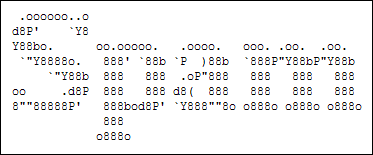
 In the early days of the internet, spam was significantly more annoying than it is today, not just because of the lack of effective filters back then, but because of the extremely slow internet connections. Even just an ASCII art spam picture sent a few times in a row could take an enormous amount of time to download with often no real way for the end user to get around this except to wait it out or disconnect.
- Also in the early days of chat rooms, it was a common tactic among chatters to use large blocks of meaningless text to annoy other groups. For instance, Star Trek chatters would invade a Star Wars chat room and post large amounts of random text, making it impossible for the Star Wars people to talk. NERD-FIGHT!!!

 Around the same time the term spam became popular among Usenet groups, it also spread to refer to email spam, which quickly dominated the world of spam and still does to this day. Early spam bots simply harvested emails from Usenet newsgroup messages, which gave them extremely large email lists to work from.
- IRC (Internet Relay Chat) was named after Bitnet’s Relay.
- The earliest documented commercial spam message is often incorrectly cited as the 1994 “Green Card Spam” incident. However, the actual first documented commercial spam message was for a new model of Digital Equipment Corporation computers and was sent on ARPANET to 393 recipients by Gary Thuerk in 1978.
- The famed Green Card Spam incident was sent April 12, 1994 by a husband and wife team of lawyers, Laurance Canter and Martha Siegal. They bulk posted, on Usenet newsgroups, advertisements for immigration law services. The two defended their actions citing free speech rights. They also later wrote a book titled “How to Make a Fortune on the Information Superhighway“, which encouraged and demonstrated to people how to quickly and freely reach over 30 million users on the Internet by spamming.
- Before it was called “spamming”, as referring to unsolicited messages in a chat or forum or the like, the generally used terms for these actions were “flooding” and “trashing”.
- Cisco Systems, in 2009, released the following numbers for the origins of spam by country in descending order: Brazil at 7.7%; USA at 6.6%; India at 3.6%; South Korea at 3.1%; Turkey at 2.6%; Vietnam at 2.5%; China at 2.4%; Poland at 2.4%; Russia at 2.3%; Argentina at 1.5%. Surprisingly, you have to go all the way down to number 91 on the list before you get to Nigeria.
- Of all email spam, about 73% is attempting to steal the user’s identity in some way (phishing), including possible bank information or gaining enough information to open new credit accounts from the user.
- Of the 90 trillion emails sent in 2009, 81% were spam. That amounts to about 200 billion spam emails sent every day.
- Though not called spam, back then, telegraphic spam messages were extremely common in the 19th century in the United States particularly. Western Union allowed telegraphic messages on its network to be sent to multiple destinations. Thus, wealthy American residents tended to get numerous spam messages through telegrams presenting unsolicited investment offers and the like. This wasn’t nearly as much of a problem in Europe due to the fact that telegraphy was regulated by post offices in Europe.
- Spam, referring to messages, rather than the food product, was first added to a major English dictionary in the New Oxford Dictionary of English in 1998. It defined spam as “Irrelevant or inappropriate messages sent on the Internet to a large number of newsgroups or users.”
 SPAM, as made by Geo. A. Hormel & Co. was originally registered as a trademark in 1937, being a conflation of “spiced ham”, which was the original name. The name “SPAM” was chosen from entries in a naming contest at Hormel. Specifically, the name was suggested by Kenneth Daigneau, who was the brother of a then Hormel Vice president. He was given $100 prize for winning the naming contest.
- If you are wondering why I’m continually capitalizing all the letters in the food product SPAM, it is because, according to the official Hormel trademark guidelines, SPAM, as referring to the food product, should be spelled with all capital letters. They also stipulate it should always be used as an adjective as in “SPAM meat”, but I’m ignoring that one and just calling it SPAM.
- Hormel was able to successfully defend their trademark of SPAM by limiting it to this capitalized version; thus the more prevalent usage and meaning and spelling “spam” and “Spam” referring to internet messages, doesn’t conflict with their trademark. Initially, they unsuccessfully defended their trademark by including “Spam”, but lost that case and resorted to “SPAM”. Hormel states that “Ultimately, we are trying to avoid the day when the consuming public asks, ‘Why would Hormel Foods name its product after junk email?”
- Other backronyms surrounding SPAM are: “Something Posing As Meat”; “Specially Processed Artificial Meat”; “Stuff, Pork and Ham”; “Spare Parts Animal Meat”; and “Special Product of Austin Minnesota”.
- Backronyms surround internet spam include: “stupid pointless annoying messages” and “shit posing as mail”.
- When the US offered the UK citizens affected by WWII SPAM, while they struggled to rebuild their agricultural base, the British citizens assumed it was an acronym and they backronymed it to “Specially Processed American Meats”.
- SPAM is a canned, precooked meat product (originally ham, but now SPAM from a variety of meats is available).
- Austin, Minnesota is known as “SPAM town USA”, not for internet spam, but for the fact that the town produces all of the food product SPAM sold in North America, South America, and Australia. SPAM sold in the UK is produced in Denmark by the company Tulip, who Hormel has licensed its production out to.
- As of 2007, over seven billion cans of SPAM have been sold.
 Hawaii, Guam, and the Commonwealth of the Northern Mariana Islands eat the most SPAM per capita in the United States, with an average of about 16 tins per year eaten per person.
- Hawaii, Guam, and CNMI, all have McDonald’s restaurants that serve SPAM. Burger Kings in Hawaii also serve SPAM since 2007 to better compete with the McDonalds there.
- SPAM is also nicknamed “The Hawaiian Steak”, due to its extreme popularity there.
- The term spam today is poised to take another slight shift in meaning. It is now becoming common for people to refer to any unsolicited/unwanted advertisements, messages, or telemarketer calls as spam, even if the former two aren’t electronically based.



source::::todayifoundout.com
natarajan
நாகேஷ் எனும் மக்கள் கலைஞன் !!!

நாகேஷ் எனும் மக்கள் கலைஞனின் பிறந்தநாள் இன்று. குண்டுராவ் என்றுஅழைக்கப்பட்ட இவர், கம்பராமாயண நாடகம் பார்த்து நடிக்கும் ஆர்வம் ெற்று சென்னை வந்தார்.
கவிஞர் வாலியுடன் தங்கிக்கொண்டு, ரயில்வேயில் வேலை பார்த்து வந்த காலத்தில் ஒரு நாடகத்தில் வயிற்று வலிக்காரனாக இவர் நடித்த நடிப்பை பார்த்து பிரமித்தார் எம்.ஜி.ஆர். ஒரு கோப்பையை பரிசாக தந்தார். ஆனால், அதையாரும் பாராட்டவில்லை. நாகேஷை போலீஸ் கூப்பிட்டு, கோப்பையை திருடி வந்தாயா என்று விசாரிப்பது தான் நடந்தது.
அப்பொழுதில் இருந்து விருதுகளை வைக்க என்று வீட்டில் எந்த இடமும் தனியாக வைத்தது இல்லை அவர். ரெஜினா எனும் கிறிஸ்துவ பெண்ணை காதலித்து திருமணம் செய்து கொண்டார். வாகினி ஸ்டுடியோ ஓனரை, யாரென்று தெரியாமல் கிண்டலடித்த பொழுது இவரின் நடிப்பை பார்த்து பிரமித்து போய் அவர் கொடுத்த ஆயிரம் ரூபாயில் தான் தனது திருமணத்தை நடத்திக்கொண்டார் நாகேஷ்.
தொழுப்பேடு ரயில்வே கிராசிங் மூடி இருந்ததால் ஜெயகாந்தனும் இவரும் காரில் காத்திருக்க நேர்ந்தது . என்ன பண்ணலாம் என்று யோசித்துக்கொண்டு இருக்கும் பொழுதே ஜே.கே “பிச்சை எடுக்கலாமா ?” என்று கேட்டிருக்கிறார். இருவரும் சட்டை,பேன்ட் ஆகியவற்றை கழட்டிவிட்டு அண்டர் டிராயர் உடன் அமர்ந்து பிச்சை எடுத்திருக்கிறார்கள். நாகேஷ் தட்டில் குறைவாகவே பணம் சேர்ந்திருக்கிறது
‘சர்வர் சுந்தரம்’, ‘எதிர்நீச்சல்’, ‘நீர்க்குமிழி’, ‘அனுபவி ராஜா அனுபவி’ என்று தொடர்ந்து ஜெயித்த நடிகர் நாகேஷ், தில்லானா மோகனாம்பாள் படத்தில் கொத்தமங்கலம் சுப்பு நடித்தால் நன்றாக இருக்கும் என்று சொல்லப்பட்ட ‘வைத்தி’ கதாபாத்திரத்தில் தோன்றி பின்னி எடுத்தார். மைலாப்பூர் குளத்தில் அமர்ந்து கொண்டு “தண்ணியெல்லாம் வத்திப்போச்சே” என்று புலம்பிக்கொண்டு இருந்த கிருஷ்ணஸ்வாமி எனும் நபரின் தாக்கத்தை
அப்படியே திரையில் கொண்டு வந்து நாகேஷ் காட்டிய விஸ்வரூபம் தான் தருமி கதாபாத்திரம். சிவாஜி அதைப் பார்த்து ரசித்து, கட்டே இல்லாமல் அது ஸ்க்ரீனில் வருமாறு பார்த்துக்கொண்டார். ‘மகளிர் மட்டும்’ படத்தில் நாகேஷ் அவர்களின் நடிப்பைப்பற்றி கமல் இப்படி சொன்னார் “உண்மையாகச் சொல்ல வேண்டுமானால் நடித்து ’இருக்கவில்லை’ என்றுதான் சொல்ல வேண்டும். ஏனென்றால் இதில் நாகேஷ் பிணமாக நடித்திருக்கிறார்” என்றார்.
நாகேஷ் நடிப்பைப் பார்த்து பிரமித்த வடநாட்டு நடிகர்கள் ஏராளம். இவரது ‘அனுபவி ராஜா அனுபவி’ படத்து கதாபாத்திரத்தை ஹிந்தியில் எடுத்து நடித்த மக்மூத் இவர் காலில் விழுந்து மரியாதை செய்தார். நாகேஷ் அவர்கள் வெறும் மவுனமான உடல்மொழியின் மூலம் காமெடி செய்யலாம் என்று சாப்ளின்,பஸ்டர் கீட்டன் ஆகியோரை பார்த்து நம்பினார். பின்னர் சத்தம் போட்டு திரையை அதிரவைத்தார்.
மதுப்பழக்கம்,ஒரு கொலை வழக்கில் உருண்ட பெயர் இவற்றைத்தாண்டி மீண்டும் திரையில் மின்னினார் நாகேஷ். அவரது நடன பாணி தனித்துவமானது. ஒரு முறை சரியாக ஆடத்தெரியவில்லை என்றொரு இயக்குனர் இவரை கடிந்து கொள்ள, கதவை மூடிக்கொண்டு பயிற்சி செய்துவிட்டு வந்தார். நடனத்தில் கலக்கி எடுத்தார். அப்படித்தான் அவரது பாணி உருவானது. தமிழகத்தின் ஜெர்ரி லூயிஸ் ஆனார் நாகேஷ்.
‘பூவா தலையா?’ படத்தின் ஒரு காட்சியில் ரிக்ஷாக்காரனாக நடிக்கும் நாகேஷ், தன் மாமியாரிடம் கூழைக் கும்பிடு போட்டு வணங்குவார். அப்போது இல்லாத வசனமான ‘இதுக்கு மேல கும்பிட முடியாது. தரை வந்துடுச்சு’ என்று டயலாக் பேசி அதிரவைத்தார். ‘அபூர்வ ராகங்கள்’ படத்தில் ஆக் ஷன் என்று பாலச்சந்தர் சொன்னதும் நிழலை பார்த்து சியர்ஸ் சொன்னார் மனிதர் !
“உங்களுக்கு ஹீரோ மாதிரி பெர்சனாலிட்டி எல்லாம் இல்லை. ஆனா, நடிப்பு டான்ஸ் எல்லாவற்றிலும் பிரமாதப்படுத்துறீங்களே… எப்படி ?” என்று கேட்ட பொழுது ,”மாவு நல்லா அரைபடணும் அப்படின்னு அம்மிக்கல்லை ஆறு மாசத்துக்கு ஒருமுறை கொத்து வைப்பாங்க. அப்படி என் முகத்தில் சின்ன வயசில் ஆண்டவன் வைத்த அம்மை தழும்பால் தான் நான் நல்லா பொளிஞ்சு இருக்கேன் !” என்றார். அது தான் நாகேஷ் !
‘நம்மவர்’ படத்துக்காக பெற்ற சிறந்த துணை நடிகர் விருதைத் தவிர எந்த மத்திய அரசின் விருதும் இந்த மகத்தான கலைஞரை தேடிவரவில்லை.
source::::: The Hindu… Tamil 27 sep 2013
natarajan
Just For Laugh !!!…” It Was Like A Fairy Tale ” !!!
Two Women chatting in office.
Woman 1: I had a fine evening, how was yours?
Woman 2: It was a disaster.. My husband came home, ate his dinner in 3 minutes and fell a sleep. How was yours ?
Woman 1: Oh it was amazing! My husband came home and took me out for a romantic dinner. After dinner we walked for an hour.. When we came home he lit the candles around the house. It was like a fairy tale!
At the same time, their husbands are talking at work.
Husband 1: How was your evening ?
Husband 2: Great… I came home, dinner was on the table, I ate and fell asleep. What about you ?
Husband 1: It was horrible. I came home, there’s no dinner, they cut the electricity because I forgot to pay the bill; so I took her out for dinner which was so expensive that i didn’t had money left for a cab. We walked home which took an hour and when we got home I remembered there was no electricity so I had to light candles all over the house!!
Moral: Presentation does matter… No matter what the reality is.
source:::: unknown….input from a friend of mine…
natarajan
Abdul Haji…. A Hero Who Rescued Many @ WestGate Mall in Kenya ….

Portia Walton is helped to escape by Abdul Haji
Exclusive: American family the Waltons have told how they were rescued from the siege at Nairobi’s Westgate mall by a man who has been hailed a hero. Aislinn Laing reports on the terrifying drama and the iconic picture which bears witness to it.
Faced with a long afternoon trapped in the house with her five children last Saturday, Katherine Walton decided on a quick excursion – a trip to Nairobi’s popular Westgate Mall.
On arriving together, her two teenage boys briefly went ahead with Mrs Walton following with her three daughters including four-year-old Portia.
Four hours later, the family lay pinned to the ground opposite the supermarket where they did their weekly shop as gunmen hurled grenades and sprayed bullets just yards from them.
“We were just going to meet my two older boys in the supermarket when we heard an explosion,” said Mrs Walton, a 38-year-old IT worker from North Carolina who moved to Kenya with her husband Philip and their children two years ago.
“I grabbed the girls and started running. A woman pulled us behind a promotional table opposite. I could see the bullets hitting above the shops and hear the screaming all around us.”
She remembers only fragments of the hours that followed which she spent huddled under the table, but, according to Mr Walton, 39, she saw enough of the attackers to be able to describe several of them in detail afterwards.

Mrs Walton and an Asian lady escape with two of the children
“She heard them talking to people, telling them to stand up followed by gunshots,” he recalled. “The thing that’s troubling her now is she can’t forget the smell of the gunpowder.”
During their ordeal, the couple’s three daughters, aged four, two and 13 months, were shielded and calmed by an injured Kenyan woman and two Indian women who hid with them.
“They were so still and quiet,” Mrs Walton said. “My baby was screaming when there was shooting but between that, she just slept. In one lull in the fighting, my two-year-old and the baby were playing together with my phone. I couldn’t understand how they could be acting like everything was fine.”
Yards away a man with a pistol who was shooting at a heavily armed young jihadi in a bandanna who was taunting him to come closer.
That man was Abdul Haji, the son of a former security minister in the Kenyan government, who had rushed to the mall after getting a text message from his brother who was trapped inside.

Abdul Haji and a fellow police offider in the mall.
We saw a lot of dead people. Very young people, children, old ladies, you cannot imagine,” Mr Haji told the Kenyan television station NTV.
“From what they were doing, you could tell that these were not normal people. The fact that he was making a joke out of this whole thing made me much more angry and determined to engage them, and to shame them.”
Mr Haji said his father taught him to use a gun to protect their cattle from bandits when he was growing up.
Last Saturday, he used his skills to provide fire cover for the Kenyan Red Cross workers and, over a period of three hours, help to evacuate some of the 1,000 people who escaped the mall in the initial stages of a siege that would last three days and leave at least 72 people dead. As he stood with a fellow rescuer crouched outside the Nakumatt supermarket, Mr Haji said he noticed the women hiding under the table.
“Just a few minutes ago we were exchanging fire with the terrorists and these people were right in the middle of it, in the crossfire. We regrouped and we started to strategise on how to get them out of there,” he said.

He asked the women to move towards them but they indicated they had children with them and could not all run together.
Mr Haji said he asked Mrs Walton if one of the older children could be encouraged to run towards him.
Mrs Walton’s oldest daughter Portia emerged and ran across the deserted corridor.
The moment was captured by a Reuters photographer, Goran Tomasevic, in a dramatic image that was beamed around the world.
Mr Walton, who during the siege was 9,000 miles away on a business trip to the United States, said he reacted in disbelief when he first saw the photograph of his daughter striking out alone across the mall. “She’s not normally the kind of girl that would run to a stranger, particularly one with a gun,” he said.
His wife added: “I don’t know how she knew to do it but she did. She did what she was told and she went.”
Seeing the little girl running towards him gave Mr Haji fresh impetus to continue helping people out.
“This little girl is a very brave girl,” he said. “Amid all this chaos around her, she remained calm, she wasn’t crying and she actually managed to run towards men who were holding guns. I was really touched by this and I thought if such a girl can be so brave … it gave us all courage.”
One by one, the Walton family emerged and ran with Mr Haji and other rescuers until they reached the police lines outside the mall.
There, Mrs Walton was reunited with her teenage boys who had been trapped with another family in the basement of the mall but also had escaped.
“As we went out, it was so quiet and we started to get upset because we realised we were almost there,” Mrs Walton said.
“They soothed us, told us we were OK, we were safe and to stay calm. They did a wonderful job.”

Portia Walton is safely reunited with her mother.
Looking at the photograph now, Mrs Walton says she can see the fear etched on her daughter’s face. “I was worried about family in America seeing it because we haven’t really shared the whole story with them yet,” she said. “For me, I know the story behind it and that it ends well. I think I owe Mr Haji a hug or two.”
Since he has been identified, many Kenyans have hailed Mr Haji as a hero but he disagrees.
“I think I did what any Kenyan in my situation would have done to save lives, to save other humans regardless of their nationality, religion or creed,” he said.
Portia and her big brother have since been sent back to school in an attempt to establish “a new normal”, Mr Walton said.
“Our two-year-old cries a little bit more and Portia wants to stand a little closer but really they are doing exceptionally well considering,” his wife added.
Mr Walton said there was no question that they would now be leaving Kenya. “There will always be bad people in the world but it’s the comfort of knowing that there are good people that matters,” he said.
“The way this community drew together and responded was just incredible. It’s an honour and a privilege to be able to live among such good people.”
Asked what they would tell their children about the Westgate attack when they grew up, he said: “We will be truthful with them.
“It defies logic that they survived but we’re a family of deep faith and take a lot of comfort from knowing that God protected them.”
source::::::The Telegraph UK
natarajan

” It”s Just Deserts …Not Just Desserts ” !!!
 If you’ve ever found yourself wondering how either “just deserts” or “just desserts” made any sense, or even which was correct, wonder no more. It’s “just deserts”, not “just desserts”, and the correct version has nothing to do with dry wastelands.
The misconception primarily stems from the fact that most people are unfamiliar with the word ‘desert’ (pronounced dizert), which more or less means the same thing as the word “deserve”. Instead, when they see the word ‘desert’, most they think only of the word meaning something to the effect of ‘dry wasteland’, which is pronounced “dezert”.
It turns out that these two words that are spelled the same, but pronounced differently, have their origins in two different Latin words. The word “desert”, as in “wasteland”, comes from the Latin word deserere, meaning “to forsake”.
The word “desert” as in “to get what’s coming to you”, comes from the Latin worddeservire, meaning “to serve well” or “to serve zealously”: “de-” (completely) + “servire” (to serve).
Deservire is also where we got the word “deserve” from. The transition came from the fact that when one served well, the individual would expect to be rewarded at some point for their services. Thus, sometime between the third and sixth centuries A.D., “deservire”, meaning “to serve well”, in Late Latin got shifted in meaning to now mean something to the effect of “to be entitled to because of serving well”.
This gave rise to the Old French “deservir”, which in turn gave us “deserve” in English around the 13th century.
It was also around the 13th century that “desert”, as in “to get what’s coming to you”, first popped up in English. But, of course, outside of the idiom “just desert”, which appeared around the 16th century, is almost never used any more.
“Just deserts” now makes a lot more sense.
source:::::: todayifoundout.com
natarajan
Cartoon Of The Day !!!

source::::; randy glasbergen in glasbergen.com
natarajan


