இதுவும் ஒரு மேலாண்மைப் பாடமே!!!

தும்பா  ராக்கெட் ஏவுதளத்தில் விஞ்ஞானிகள் 12 மணி நேரம் முதல் 18 மணி நேரம் வரை ஓயாது உழைத்துக் கொண்டிருப்பார்கள். அந்தத் திட்டத்தில் சுமார் 70 விஞ்ஞானிகள் ஈடுபட்டிருந்தனர்.

kalam-friends-black

தங்கள் வேலைப்பளுவின் காரணத்தாலும், பாஸின் (திட்டத் தலைவரின்) நெருக்குதலாலும் கிட்டத்தட்ட எல்லா விஞ்ஞானிகளுமே மனத்தளவில் வெறுத்துப் போயிருந் தார்கள்.  ஆனாலும் “பாஸின்’ மீது கொண்டிருந்த விசுவாசம் நம்பிக்கையால் யாரும் வேலையை விட்டு வெளியே செல்லவில்லை.

ஒருநாள் காலை ஒரு விஞ்ஞானி, பாஸிடம் வந்து, “”சார்! நம் டவுனில் நடக்கும் கண்காட்சிக்கு மாலை 6 மணிக்கு என் குழந்தைகளை அழைத்துப் போவதாக வாக்குக் கொடுத்திருக்கிறேன். அதனால் இன்று 5.30 க்கு நான் வீட்டிற்குச் செல்ல அனுமதிக்கவும்” என்றார்.
அவரும் “”சரி! நீங்கள் சீக்கிரமே வீட்டுக்குப் போகலாம்” என்று கூறிவிட்டார்.

அந்த விஞ்ஞானி தன் வேலையில் மூழ்கிவிட்டார். ஒரு சிறிய இடைவேளையில் சாப்பிட்டுவிட்டு மீண்டும் பணியில் மூழ்கினார். தன்னை மறந்து வேலையில் இருந்து, தனது அன்றைய பணி நிறைவடையும் சூழ்நிலையில், கடிகாரத்தைப் பார்த்தால்  மணி 8.30. திடீரென, குழந்தைகளுக்கு அவர் கொடுத்த வாக்கு நினைவுக்கு வந்தது. தனது பாஸைப் பார்க்கப் போனால், அவர் இல்லை!

பாஸிடம் அனுமதி வாங்கியிருந்தும் இப்படியாகிவிட்டதே என்று வருத்தம் கொண்டு, குழந்தைகளையும் இப்படி ஏமாற்றிவிட்டோமே என்ற குற்ற உணர்ச்சியோடு வீட்டினுள் நுழைந்தார்.  அவர் மனைவி மட்டும் ஒரு பத்திரிகையைப் படித்துக் கொண்டு கூடத்தில் அமர்ந்திருந்தார். நிசப்தமான அந்த வேளையில் இவர் வாயைத் திறந்து எதுகேட்டாலும் அது பூமராங்காக திருப்பித் தாக்குவது போல் இவருக்குத் தோன்றியது.

இவரைப் பார்த்துவிட்ட மனைவி கேட்டாள்… “”என்ன காப்பி போடட்டுமா? அல்லது இரவு உணவே சாப்பிட்டு விடுகிறீர்களா? பசி எப்படியிருக்கிறது?”

இவர் சொன்னார்… “”காபி போட்டாயானால் எனக்குக் காப்பி கொடு. சரி; குழந்தைகள் எங்கே?”

“”உங்களுக்குத் தெரியாதா?” ஆச்சரியமாகக் கேட்டார் அவர் மனைவி. “”உங்கள் மேலாளர் 5.15 க்கு வீட்டுக்கு வந்தார். கண்காட்சிக்குக் குழந்தைகளை அழைத்துச் சென்றாரே!” என்று வியப்புடன் பதிலளித்தார்.

அப்போதுதான் இவர் தன் பாஸிடம் கேட்டது நினைவுக்கு வந்தது. இவர் பாஸின் மனதை அறிந்தவராதலால் நடந்ததை ஒருவாறு யூகித்துக் கொண்டார்.

5 மணி வரை இவர் தன் வேலையில் மிக உன்னிப்பாக இருப்பதைக் கண்ட பாஸ், “இவர் இப்போதைக்கு சீட்டை விட்டு எழுந்திருக்கப் போவதில்லை’ என்று முடிவு செய்து, இவர் வேலையையும் தொந்தரவு செய்யாமல், அதே நேரம் இவர் apj_kalamகுழந்தைகளுக்குக் கொடுத்த வாக்கையும் நிறைவேற்றி குழ்தைகளும் ஏமாற்றமடையாமல் இருக்க, தானே குழந்தைகளைக் கண்காட்சிக்கு அழைத்துச் சென்றிருக்கிறார்.

அவர் ஒவ்வொரு முறையும் இப்படிச் செய்ததில்லை! ஆனால் ஒரேயொரு முறை இப்படிச் செய்ததால், தன்னுடைய அன்பையும் விசுவாசத்தையும் உறுதிப்படுத்தினார்.

எனவேதான் தும்பாவில் உள்ள அந்த விஞ்ஞானிகள்  பல்வேறு மன உளைச்சல்களுக்கும் இடையில் அந்த பாஸின் தலைமையில் தொடர்ந்து வேலை செய்தனர்.

அந்த “பாஸ்’  நமது முன்னாள் ஜனாதிபதி அ.ப.ஜெ. அப்துல்கலாம் அவர்கள்!

source:::::Dinamalar …Tamil Daily

natarajan

The Song ” Happy Birthday ” is Copyrighted !!!…Read Further …

happy-birthdayToday I found out the song “Happy Birthday” is copyrighted and brings in about $2,000,000 per year to the copyright holders (currently an investment group that purchased Warner Music who in turn was the most recent owner of the copyright for the song).

The original tune for the song was created by sisters Patty Hill and Mildred J. Hill in 1893.  The title to the song they created with that tune was “Good Morning to All”, which was a sort of classroom greeting song for Kindergartners (one was a kindergarten teacher and the other a former kindergarten teacher and at that time, principal).

The copyright for the words and music of “Good Morning to All” has since expired and the song is part of the public domain.  Interestingly, this tune was almost exactly like popular songs of the day “Happy Greetings to All”; “Good Night to You All”; “A Happy New Year to All”; and many others.

So how did “Good Morning to All” become “Happy Birthday to You”?  Nobody knows, but this didn’t stop a lot of people in the last 100 years from making a boatload of money on the simple song.

The tune itself, with the lyrics “Good Morning to All”, was originally published in a songbook “Song Stories for the Kindergarten”.  The tune combined with the lyrics first showed up around 19 years later in a 1912 songbook, without including any credits or copyright notices.  It is thought that the song predates this songbook and perhaps was commonly sung at this time, though no print references have been found before this.

Fast forward to 1935, where the Summy Company registered for the copyright for the song Happy Birthday, crediting authors Preston Ware Orem and Mrs. R.R. Forman.  This was the same company that originally published the “Good Morning to All” song for the Hill sisters and at the backing of the surviving Hill sister, applied for the copyright.  Previous to this, Happy Birthday was published in numerous song books throughout the country with various composers being referenced and no copyright stated.  Once they received the copyright, the Summy Company then formed a separate company, Birth Tree Group Limited, to protect the song’s copyright.

Now, it should be noted here that neither of the Hill sisters had any children and, at the time of the copyright, the one who wrote the simple music tune itself was long dead.  Currently, the proceeds of the copyright are presumed to be all profit for the company that owns the copyright, though it is rumored that perhaps the Hill sisters nephew (from their other sister) receives a portion of the annual income from the song, but this has never been publicly confirmed.

So here’s where the legal fun begins.  The company that currently owns the song, Warner Music, which is owned by an investment group, claims that the song is still copyrighted, even though most legal experts say otherwise; indeed, many say that it should have never been copyrightable due to the fact that no one knows who put the words to the tune and the tune itself, or an extremely similar version, was very common at the time when the Hill sisters used it in their “Good Morning to All” song.  The exact tune, as applied to “Good Morning to All”, is also in the public domain.  So if the tune is in the public domain and nobody knows who put the words to the tune, then nobody should hold the copyright.  That’s the argument.

Warner music, however, still insist that the copyright doesn’t expire until 2030.  Through this, they make a couple million per year collecting revenue from any film, tv show, radio, or public performance of the song.  This includes if you were to sing Happy Birthday to someone in a restaurant, for instance, which is why restaurants that have their employees sing a Happy Birthday song make their own.

Basically, the only legal way you are allowed to sing Happy Birthday to anyone without paying is if it’s a small gathering of family and/or friends and not in a public setting.  You also aren’t allowed to have someone not a family or friend be the lead performer of the song in these small groups.  Any other place you want to sing it, you have to pay or you are violating their copyright, according to them.

Professor of law Robert Brauneis disagrees, “It is almost certainly no longer under copyright.  Many question the validity of the current copyright, as the melody of the song was most likely borrowed from other popular songs of the time, and the lyrics were likely improvised by a group of five- and six-year-old children who never received any compensation.”

source::::today i foundout .com

natarajan

மகாகவி பாரதியாரின் சகோதரருடன் ஒரு சந்திப்பு !!!

1984ம் ஆண்டு.
“பாரதியார் பிறந்தநாள் வரப் போவுதே.. என்ன செய்யப் போகிறீர்கள்?’ என்று கேட்டார்கள் திருநெல்வேலி வானொலி நிலைய நண்பர்கள்.
நான் யோசித்தேன்.
“இந்த தடவை கொஞ்சம் வித்தியாசமாக ஏதாவது செய்யலாமே…’ என்று யோசனை கூறினார் ஒரு நண்பர்.
“வித்தியாசமா…ன்னா…?’
“பாரதியாரை நேரில் பார்த்தவர்கள், அவரோடு பழகியவர்கள், இப்படிப் பட்டவர்களை நேரிலே சந்தித்துப் பேசி… அதையெல்லாம் தொகுத்துக் கொடுக்கலாமே…!’
“நல்ல யோசனைதான். இருந்தாலும் பாரதியாரோடு பழகியவர்கள் இந்தக் காலத்திலே இன்னும் யார் இருக்கப் போகிறார்கள்?’
“என்ன சார் அப்படிச் சொல்லிபுட்டீங்க.. பாரதியாரின் தம்பி இருக்காரே… அவரைப் போய்ப் பார்க்கலாமே…!’ என்றார் டி.கே.ஆர். (நண்பர் தெ.கு.இராமச்சந்திரன் அப்போது எங்களோடு வானொலி நிலையத்தில் பணியாற்றிக் கொணிடருந்தார். அவரை எல்லோரும் செல்லமாக டி.கே.ஆர். என்றுதான் அழைப்பது வழக்கம்)
“பாரதியாரின் தம்பியா?’ என்றேன் ஆச்சரியத்தோடு.
“ஆமாம். சி. விஸ்வநாத ஐயர்!’ என்றார் டிகேஆர்.
“எங்கே இருக்கார்?’
“மானாமதுரையிலே இருக்கார். அந்த ஊர் பள்ளிக் கூடத்துலே தலைமை ஆசிரியரா ரொம்ப காலம் இருந்தார். இப்ப ரிட்டையர் ஆகி அந்த ஊரிலேயே தான் இருக்கார்.’
“இப்ப அவருக்கு வயது என்ன இருக்கும்?’
“அது… வந்து 88 க்கும் மேலே இருக்கும் இருந்தாலும் இந்த வயசுலேயும் நல்லா சுறுசுறுப்பாக இருக்கார்.’
இவ்வளவு விவரங்களும் தெரிந்து கொண்ட பிறகு சும்மா இருக்க முடியுமா?
அலுவலகத்தில் முறையான சம்பிரதாயங்களை முடித்துக் கொண்டு ஒலிப்பதிவுக் கருவிகளோடு நானும் நண்பர்களும் புறப்பட்டோம்.
மானாமதுரையில் எதிரே வந்த ஒருவரை நிறுத்தி வழிகேட்டோம்.
“அதோ.. அந்தப் பாலத்தை தாண்டி அடுத்த பக்கம் போங்க… வாசலிலே கம்பி போட்டிருக்கும். அந்த வீடுதான்.’
வீட்டுக்கு முன்னால் எங்கள் கார் போய் நின்றது.
வாசல்புறம் நின்றிருந்த ஒருவரிடம் நாங்க வந்திருக்கின்ற விவரத்தைச் சொன்னோம்.
உடனே அவர் எங்களை அழைத்துக் கொண்டு மரப்படிகளின் வழியாக மாடிக்குச் சென்றார்.
அங்கே அந்தப் பெரியவரை – மகாகவி பாரதியின் சகோதரரைச் சந்தித்தோம்.
அன்போடு எங்களை வரவேற்று அமரச் செய்தார். உபசரித்தார். உயரே சுவரில் பழங்காலத்துப் படங்கள் நிறைய மாட்டப்பட்டிருந்தன. அந்தக் காலத்துப் பாரதியின் படங்களை ஆவலோடு பார்த்துக் கொண்டிருந்தோம்.
கொஞ்ச நேரத்தில் பேட்டி தொடங்கியது.
வெளியுலகத்துக்குத் தெரியாத நிறைய விவரங்களை அவர் சொன்னார்.
“எங்க அப்பா சின்னசாமி ஐயர்… அவருக்கு இரண்டு மனைவிகள்…’
முதல் மனைவி லட்சுமி அம்மா… அந்த லட்சுமி அம்மாளின் மகன்தான் பாரதி.
பாரதிக்கும் அஞ்சு வயசு ஆவதற்குள்ளே தாயார் இறந்துவிட்டார்.
அதுக்கப்புறம் இரண்டரை வருஷம் கழிச்சி சின்னசாமி ஐயர் வள்ளியம்மாளைக் கல்யாணம் பண்ணிக்கிட்டார். வள்ளியம்மாளின் பிள்ளை தான் நான். அதாவது எனக்கும் பாரதிக்கும் அப்பா ஒருவர் தான் அம்மாதான் வேறு.
“உங்களுக்கு வேறு சகோதரர்கள் சகோதரிகள்…’
“எனக்கு மூத்த சகோதரி ஒருத்தர் உண்டு. லட்சுமின்னு பேரு.. எட்டு வருஷத்துக்கு முன்னாடி அவங்க இறந்து போயிட்டாங்க’
“பாரதி கூட நீங்க இருந்த நாள்கள்… இப்ப உங்களாலே ஞாபகப்படுத்திச் சொல்ல முடியுமா?’
“பாரதி சென்னையிலே இருந்தார் இல்லையா…?’
“திருவல்லிக்கேணியிலே தானே…’
“அதுக்கும் முன்னாடி மயிலாப்பூரிலே இருந்தார். சித்திரைக்குளம் கீழவீதியும் தெற்குவீதியும் சேர்ற இடம். அங்கே இருந்து தெற்கே போற ஒரு சின்ன தெரு. அங்கே ஒரு பெரிய வீட்டுலே நாங்க குடியிருந்தோம்.
அப்ப நான் மயிலாப்பூர் பி.எஸ்.ஹைஸ்கூல்லே இரண்டாவது பாரம் (ஏழாம் வகுப்பு) படிச்சிக்கிட்டிருந்தேன். அதுக்குப்புறம்தான் திருவல்லிக்கேணியில் பெரிய தெருவுக்குப் போனோம். (வீரராகவ முதலி தெரு)
அதுக்கப்புறம் நல்லதம்பி முதலி தெருவிலேயும் இருந்தோம். அந்தச் சமயம் நான் திருவல்லிக்கேணி ஹிந்து ஹைஸ்கூல்லே படிச்சேன்.
1918க்கு அப்புறம் அவர் கடையத்துலேயும் எட்டயபுரத்திலேயும் மாறி மாறி இருந்தார். அப்பல்லாம் நானும் அவர் கூடவே இருந்தேன்.’
“பாரதியார் உங்களைப் பத்தி பேசினது எழுதினது ஏதாவது ஞாபகப்படுத்திச் சொல்ல முடியுமா?’
சிறு பிள்ளைகளைப் போல ஆர்வத்தோடு அவரை விசாரித்தோம்.
“ஞானரதம்-ங்கற நூல்லே மண்ணுலகம்-ன்னு ஒரு பகுதி. அதுல எழுதியிருக்கிறதெல்லாம். நாங்க நல்லதம்பி முதலி தெரு வீட்டுலே தங்கியருந்தப்போ கிடைச்ச அனுபவங்கள். அதிலே அவர் என்னைப் பத்தி எழுதியிருக்கிறதைப் பாருங்க!’ என்று சொல்லி ஒரு வாரப் பத்திரிகையை எடுத்து எங்களிடம் கொடுத்தார். அதில் அந்தப் பகுதியை எடுத்துப் போட்டிருந்தார்கள். அதில் பாரதியார் எழுதியிருக்கிற வாசகங்கள் இவை:
“22ம் தேதி தம்பிக்குப் பாடசாலைச் சம்பளம் கொடுக்க வேண்டிய நாள். நான் காரியாலயத்திலிருந்து பணம் கொண்டு வந்து வைக்க மறந்து விட்டேன். நான் சுதேசிய விஷயத்தில் பாடுபடுவதில் பொருட்டாக என்னை எப்பொழுதும் கவனித்து வரும்படியாக ராஜாங்கத்தாரால் அனுப்பப்பட்ட ஒற்றர்கள் என் தம்பியிடம் செய்த சம்பாஷணையில் “உம்முடைய அண்ணனது சிநேகிதரான இன்னவரை ராஜாங்கத்தார் பிடிக்கப் போகிறார்கள்’ என்ற மங்கள சமாசாரம் சொல்லிவிட்டுப் போனதாகத் தம்பி சொன்னார்.’
“பாரதியார் பாடல்கள் இயற்றுவது மட்டுமல்லாமல் அவற்றைப் பாடவும் செய்வாராமே?’
“1920ல் நாங்க திருவல்லிக்கேணி துளசிங்கப் பெருமாள் கோயில் தெருவில் இருந்தப்ப வ.வே.சு. ஐயர் ஒரு நாள் வீட்டுக்கு வந்தார். அவரைப் பார்த்ததும் பாரதி “அண்ணா, இன்று ஒரு பாட்டு இயற்றியிருக்கிறேன் கேட்கிறீர்களா?”ன்னார்.
“ம்… சொல்லுங்க!’ன்னார் வ.வே.சு. ஐயர்.
உடனே பாரதி பாட ஆரம்பித்தார்.
காயிலே புளிப்பதென்ன?
கண்ணபெருமானே – நீ
கனியிலே இனிப்பதென்ன
கண்ணபெருமானே
அந்தச் சமயம் அவர் அதைக் கம்பீரமா பாடறப்போ நானும்கூட இருந்துகேட்டேன். மறக்க முடியாத அனுபவம்
“பாரதி நூற்றாண்டு விழா ரஷ்யாவுலே கொண்டாடப் போறாங்களாமே கேள்விப்பட்டீங்களா?’
“ஆமாம்… அதுலே வந்து கலந்துக்கணும்னு அந்த அரசாங்கமே என்னை அழைச்சிருக்கு.’
“போக போறீங்களா?’
“மனசுல ஆசை இருக்கு.. உடம்புல பலம் இல்லை’ என்று சொல்லி லேசாக சிரிக்கிறார்.
“அப்படின்னா…?’
“நான் வர்றதுக்கு என் உடம்பு இடம் கொடுக்காதுன்னு அவங்ககிட்டே சொல்லிட்டேன்’
நீண்ட நேரம் நிறைய விஷயங்கள் அவருடன் பேசிக் கொண்டிருந்துவிட்டு புறப்பட்டோம். தள்ளாத வயதிலும் வாசல்வரை வந்து வழியனுப்பி வைத்தார்.
அதற்கு அடுத்த வருடமே நான் சென்னை வானொலி நிலையத்துக்கு மாற்றலாகி வந்துவிட்டேன்.
இங்கு வந்த பிறகு ஒருநாள் நண்பர் ஒருவரிடம் நான் பாரதியின் தம்பியை பேட்டி கண்ட விஷயத்தைப் பற்றிப் பெருமையாகப் பேசிக் கொண்டிருந்தேன்.
“சந்தர்ப்பம் கிடைச்சா, இன்னொரு முறை மானாமதுரைக்கு போய் அந்தப் பெரியவரைப் பார்த்துட்டு வரலாம்னு நினைச்சிக்கிட்டிருக்கேன்!’ என்றேன்.
அவர் என்னை நிமிர்ந்து பார்த்து, “உனக்கு விஷயம் தெரியாதா?’ என்றார்.
“என்ன?’ என்றேன்.
“அவர் இப்போது உயிரோடு இல்லை. அவர் காலமாகி விட்டதாக உறவினர்கள் சிலர் மூலமாகக் கேள்விப்பட்டேன்’
நான் ஒரு நிமிடம் மௌனமாகி… பிறகு யோசித்தேன்.
“எத்தனை பெரியவர்கள் இந்த உலகத்தில் வருவதும் தெரியாமல், போவதும் தெரியாமல் வாழ்ந்துவிட்டுப் போய் விடுகிறார்கள்.’

– தென்கச்சி கோ. சுவாமிநாதன்  in “KALAIMAGAL ”  TAMIL MONTHLY 

Natarajan

11.12.13 – இனி ஒரு நூறு ஆண்டு காத்திருக்க வேண்டும்!!!

எறும்பூரக் கல்லும் தேயும்; நொடிகள் கடக்க காலமும் போகும். காதலில் விழுந்தவர்களுக்குத்தான் காலம் சடுதியில் பறக்கும். நாள்களைக் கடத்துவதே பலருக்கும் சிம்ம சொப்பனமாக இருக்கும். அதிலும் நூறு ஆண்டுகள் என்றால் எத்தனை பெரிய பிரம்மிப்பாக இருக்கும்? எதற்கு இந்த முன்னுரை? ஒரு நூற்றாண்டில் ஒருமுறை மட்டுமே நிகழும் இயல்பான அதிசயத்தை வரவேற்க வேண்டிதான்.

நொடி, நிமிடம், மணி, தினம், வாரம், மாதம், ஆண்டு இந்த ஒழுங்கில் அவ்வப்போது சில அபூர்வ நிகழ்வுகள் வெளிப்படும். உதாரணத்துக்கு, கடந்த ஆண்டில் 12-12-12 சிறப்பு நாளாக அறியப்பட்டது. அதேபோல் இந்த ஆண்டில் 11.12.13!

தொடர்ச்சியாய் எழுதி வைத்தது போல அமைந்த இந்த தினம், இனி என்று வரும்? அதற்கு நூறு ஆண்டுகள் கடக்க வேண்டும். அதாவது 2113-ம் ஆண்டில்தான், மனித குலம் மீண்டும் 11.12.13 என்ற தினத்தை தரிசிக்கும்.

இதுபோன்ற நூற்றாண்டு களுக்கு ஒருமுறை வரும் வித்தி யாச தினங்களை மேற்கத்திய நாடுகளில் கொண்டாடும் விதமே அலாதியானது. திருமணம், நிச்சயதார்த்தம், காதலை வெளிப்படுத்துதல் எனத் தொடங்கி, நாள் ஓடிவிடுமே என்று அறுவைச்சிகிச்சை செய்து குழந்தை பெற்றுக்கொள்வது வரை வரலாறாய் மாற்றி வருகின்றனர்.

தபால் முத்திரையே எளிய வழி

இதுபோன்ற கலாச்சாரம் நமது நாட்டிலும் அதிகரித்து வருகிறது. இந்த நாட்களை மாணவ, மாணவிகளும், சிறுவர், சிறுமியர்களும்கூட தங்களது பொக்கிஷங்களாக மாற்றலாம். அதற்கு தபால் முத்திரைகள் மட்டுமே எளிய வழி என்கிறார் கோவையைச் சேர்ந்த ஓய்வுபெற்ற, தேசிய விருது பெற்ற தபால்துறை அலுவலர் நா.அரிஹரன்.

‘என்றுமே அழிக்கப்படாத, காலத்தால் அழிக்க இயலாதபடி, ஒவ்வொரு நாட்களையும் நினைவுகூர்வது தபால்துறை முத்திரை மட்டுமே. தபால் வில்லைகள்கூட, சில நேரங்களில் தவறுதலாக அச்சிடப்படலாம். ஆனால், தபால் முத்திரைகள் என்றுமே தவறாவதில்லை. காரணம், இன்றுவரை தவறாத நடைமுறையால், மனிதனால் இந்த முத்திரைகள், இன்றுவரை அச்சிடப்படுகின்றன’.

‘அட்டைக்கு மூன்று ரூபாய் வரை செலவழித்து, தயாரித்து நமக்கு வெறும் 50 பைசாவில் தபால்துறை தரும், ஒரு வரலாற்று நினைவுப் பொருளே இந்த தபால் அட்டையும், அதில் உள்ள முத்திரைகளும். இவற்றை, பத்து ஆண்டுகள் கழித்து பார்த்தாலே, பெருமையாய் இருக்கும். அதை பாதுகாத்து வைத்து நமது குழந் தைகளுக்கு காட்டினால், எவ் வளவு பெருமையாய் இருக்கும்?’

‘மாணவ, மாணவிகள் நாணய சேமிப்பு, தபால் வில்லைகள் சேமிப்பு என, பல சேமிப்புகளில் திறமைகளைக் காட்டுகின்றனர். அதன்படியே இந்த தபால் முத்திரைகளையும் ஆவணப்படுத்துங்கள். அது ஒவ்வொரு நாட்களையும், உங்களிடமே விட்டு வைக்கும். அரசாங்கத்தால் வெளியிடப்படும் நாணயங்கள் முதல், எதையும் நாம் இதுபோன்ற சிறப்பான நாட்களில் குறிப்பிட்டுப் பெற முடியாது. ஆனால், அதற்கு விதிவிலக்கு, தபால் முத்திரைகள் மட்டுமே’ என்கிறார் நா.ஹரிகரன்

தனது சேகரிப்புகளான பல முக்கிய தபால் முத்திரைகளை நமக்குக் காட்டினார். 7.7.07, 9.9.09, 10.11.12, 12.12.12 என இவர் சேகரித்துள்ள நூற்றாண்டு சிறப்புமிக்க தபால் முத்திரைகள் ஏராளம். அதில் குறிப்பாக, ஆயிரம் ஆண்டுகளுக்கு ஒரு முறை வரும் நாளான 31.12.99-ஐயும், 1.1.2000 என்ற முத்திரையையும் வாங்கி பாதுகாத்து வைத்துள்ளார்.

இன்று 11.12.13 என்ற சிறப்புமிக்க தினத்தை 50 பைசா செலவு செய்து, அரசாங்க ஆவண மாய் சிறைப்பிடிப்போம்!

source:::::The Hindu …Tamil

natarajan

“Big Ben” …Well Known Name …Not Known Facts !!!


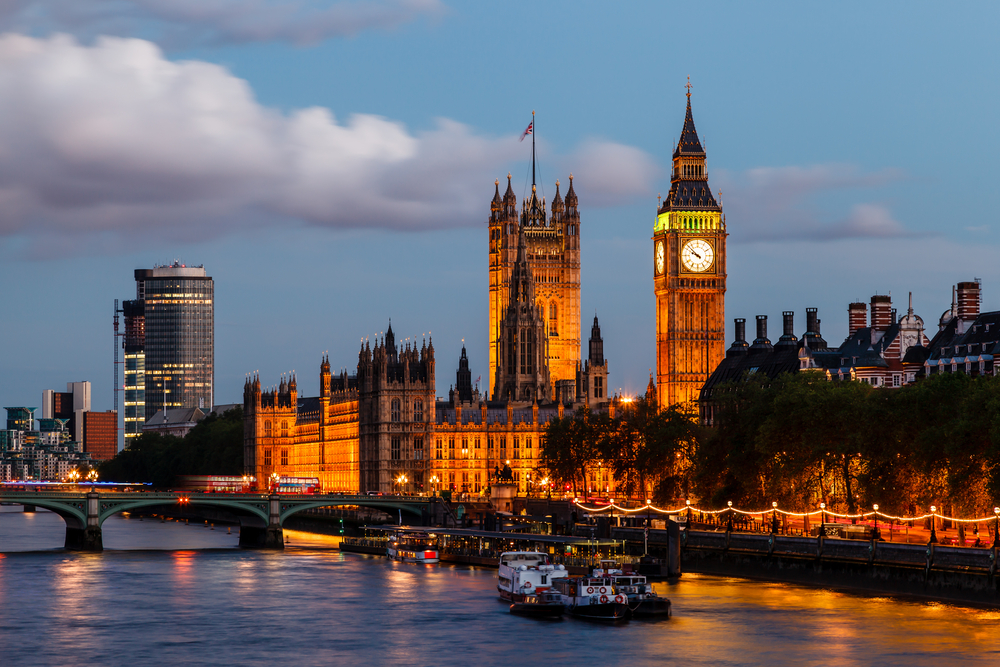
big-benIf you’ve ever been to London, or even seen a picture of London, you’ve probably seen the giant clock tower at the corner of the Palace of Westminster. This tower is one of London’s major icons, ranking right up there with red double-decker buses, the London Eye, and Platform 9 ¾.

Contrary to popular belief, the clock tower itself is not named “Big Ben”.  Rather, it is named “Elizabeth Tower”, after Queen Elizabeth II; named such during her Diamond Jubilee (the 2012 60th anniversary of her accession to the throne).  Before that, it was just called “Clock Tower”. So why is it so often called “Big Ben”?  That is due to the great bell inside the tower that chimes the hour out and goes by that name.  Over time this has morphed into many calling the clock tower itself that even today, despite the recent, very public, name change.

So how did “Big Ben”- the great bell- get its name? People seemed to be in the habit of nicknaming giant bells and Big Ben was one of the biggest in the world and the largest in the British Isles at the time of its casting, so certainly name-worthy. The origin of Big Ben’s name is probably rooted in Sir Benjamin Hall. Hall was reportedly a large man (6 ft. 4 in. or 1.93 m, with a girth to match) and was the first Commissioner of Works, affectionately known as “Big Ben.”

On the side of the great bell there was also supposedly the inscription “Sir Benjamin Hall MP Chief Commissioner of Works” in his honor, so the workers and others took to calling the bell “Big Ben”.

If you’re wondering why that text is not inscribed there anymore (if it ever truly was), it’s because the current Big Ben is not the original. The original bell actually cracked before the clock itself was even installed in the tower (more on this later).  As to why the name supposedly was inscribed on the first and not the second bell, the reason often given is that Sir Hall was no longer the Chief Commissioner when the second bell was cast.  In addition, different founders were used to cast the second bell, so they may not have felt inclined to put the inscription on.

As there is little documented evidence on the origin of the name “Big Ben”, we can’t say for 100% certainty that it was named after Sir Benjamin Hall.  Another possibility that has been proposed is that it was named after Benjamin Caunt, a very popular heavyweight boxing champion in the 1850s, who was also nicknamed “Big Ben”.

Yet another popular theory is that it was named in 1857 during a sitting of the House of Commons. At some point someone, tired of the long meeting over the naming of the great bell, just shouted “Why not call it Big Ben?” as a joke while Sir Benjamin Hall was talking.  However, if such a thing actually happened, there should be Parliament records of this, but there is not. Thus, it’s thought the original Hall inscription story is more likely; though in both that story and the Parliament story, it was named after Sir Hall who was integrally connected with the building of the tower, clock, and bells.

As to why the clock tower was built in the first place, in 1834, a fire destroyed the Palace of Westminster—then the seat of the British government—leaving only a few parts of the palace standing. The next year, with reconstruction well on its way, Parliament opted to include a clock tower in the redesign. It wasn’t the first clock tower that the parliament buildings had seen. The first one was built between 1288 and 1290 and contained a bell known as “Great Edward” or “Great Tom.” A second tower, containing the first public chiming clock in England, replaced the first in 1367. In 1707, that tower was demolished because it had fallen into disrepair. Instead of replacing the tower with another, a sundial was put up in its place.

After the fire, Sir Charles Barry’s design for the new Houses of Parliament was chosen out of 97 designs submitted for consideration- his design didn’t originally include a clock tower. He added one in 1836 and later drew up a detailed design with the help of Augustus Pugin. Pugin was never recognized by Barry for supplying the design for the clock, despite Pugin saying, “I never worked so hard in my life as for Mr. Barry for tomorrow I render all the designs for finishing his bell tower & it is beautiful…”

The tower was Pugin’s last design. In 1852, before work on the tower was completed, Pugin suffered a breakdown. He was unable to speak coherently or recognize his family, and died several months later despite attempted therapy. He was only forty years old and never knew how famous his last design would become.

Construction on the tower began September 28, 1843. It was built from the inside out so that scaffolding couldn’t be seen by passers-by.

Besides Pugin’s work, Sir Charles Barry also sought additional help when it came to the actual clock mechanism itself. He chose Benjamin Lewis Vuillamy, who was the Queen’s clockmaker, to work on a design, though other clockmakers were also brought in to give their advice and opinions. In 1846, a competition was held to see who would build the clock, but some amazingly tough standards- for the age- were set by the Astronomer Royal, Sir George Airy. Airy stated that the clock needed to strike the hour within one second’s accuracy, and the performance of the clock was to be telegraphed to the Greenwich Observatory twice daily.  This harsh criteria caused seven years of delay.

When Edward John Dent was finally appointed to build the clock in 1852, he found that the tower was too small for the initial clock design. This caused further delays and alterations had to be made to the tune of £100 (adjusted for inflation by average earnings, that’s about £69,000 today). To top it all off, after finally getting construction underway, Dent died the next year and his stepson had to take over. The clock was finally finished in 1854, costing a total of £2500 to make.

The clock’s delay didn’t end up mattering very much, as the clock tower itself had suffered delays as well. The clock wasn’t actually installed until 1859. During the two-year wait, modifications were made to meet the Astronomer Royal’s standards. For instance, Edmund Beckett Denison invented a “Double Three-Legged Gravity Escapement” for the clock which made sure that the pendulum wasn’t affected by wind or other external factors putting pressure on the clock’s hands. Also known as the Grimthorpe Escapement, this revolutionary invention is still used on many clocks throughout the world today.

When the clock was finally installed in April 1859, it didn’t work. The original cast iron hands were too heavy to keep time and had to be replaced by lighter copper hands. At last, on May 31, 1859, the clock began successfully keeping time. But the tower wasn’t yet completed—it also needed a bell.

Like the rest of the features of the tower, the great bell also suffered delays. The first great bell was cast in 1856 and hung in the New Palace Yard where it was tested every day. On October 17, 1857, as mentioned previously, a crack over a metre long appeared on the bell. Fingers were pointed, but no one fessed up. Because the original bell casters—the Warners—asked for too much to replace the bell, the Whitechapel Foundry got the job for the replacement. The second bell weighed 2.5 tonnes less than the first (13.5 tons instead of 16), but it was still so large that it took thirty hours to winch it up to the belfry in the tower.

At last, on July 11, 1859, Big Ben rang out for the first time. Unfortunately, in September of that year, a crack appeared in the bell again. This time supposedly because the hammer used to strike it was approximately two times the maximum weight the original bell founder specified for the bell.  This crack caused the great bell to remain silent for a few years. However, in 1863, Airy came up with a solution: turn the bell so that the hammer struck a different spot, make the hammer lighter, and cut a small square in the bell so that the crack wouldn’t spread. His solution worked, and to this day, the same cracked “Big Ben” sits in the belfry, ringing away on the hour.

source:::::today i foundout.com

natarajan

Why We Say ” o’ clock ” When We Tell Time !!!

The practice of saying “o’clock” is a remnant of simpler times when clocks weren’t very prevalent and people told time by a variety of means, depending on where they were and what references were available.

Generally, of course, the Sun was used as a reference point, with solar time being slightly different than clock time. Clocks divide the time evenly, whereas, by solar time, hour lengths vary somewhat based on a variety of factors, like what season it is.

Thus, to distinguish the fact that one was referencing a clock’s time, rather than something like a sundial, as early as the fourteenth century one would say something like, “It is six of the clock,” which later got slurred down to “six o’clock” sometime around the sixteenth or seventeenth centuries. In those centuries, it was also somewhat common to just drop the “o’” altogether and say something like “six clock.”

Using the form of “o’clock” particularly increased in popularity around the eighteenth century when it became common to do a similar slurring in the names of many things such as “Will-o’-the wisp” from “Will of the wisp” (stemming from a legend of an evil blacksmith named Will Smith, with “wisp” meaning “torch”) and “Jack-o’-lantern” from “Jack of the lantern” (which originally just meant “man of the lantern” with “Jack,” at the time, being the generic “any man” name. Later, either this or the Irish legend of “Stingy Jack” got this name transferred to referring to carved pumpkins with lit candles inside).

While today, with clocks being ubiquitous and few telling direct time by the Sun, it isn’t necessary in most cases to specify we are referencing time from clocks, the practice of saying “o’clock” has stuck around anyway.

source:::: today i foundout .com

natarajan

” சக்கரையம்மா என்னும் பெண் சித்தர் ” …

நமது சுதந்திரப் போராட்ட காலத்தில், சக்கரையம்மா என்ற பெண்சித்தர், வானில் பறவைபோல பறப்பதைப் பலரும் பார்த்து வியந்திருக்கிறார்கள். தமிழறிஞரான திரு.வி.க. தாம் எழுதிய “உள்ளொளி’ என்ற புத்தகத்தில் இதுபற்றிக் குறிப்பிட்டிருக்கிறார்.
“சென்னையில் கோமளீஸ்வரன் பேட்டையில் ஒரு மாது இருந்தார்கள். அவர் காலஞ்சென்ற டாக்டர் நஞ்சுண்டராவின் குரு என்று உலகம் சொல்லும். அவ்வம்மையார் பறவையைப் போல் வானத்தில் பறப்பார். ஒருமுறை நான் வசித்த கல்லூரியின் (ராயப்பேட்டை வெஸ்லி கல்லூரி விடுதி) மாடியில் அவர் பறந்துவந்து நின்றார். மானுடம் பறக்கிறது என்றால் விந்தையல்லவா?’
விண்ணில் பறக்கும் சக்தியுடன் திகழ்ந்தாரே, யார் இந்த சக்கரையம்மா…?
திருவண்ணாமலை மாவட்டத்தைச் சார்ந்த தேவிகாபுரம் என்ற சிற்றூரில் 1854 இல் பிறந்தாள் ஆனந்தாம்பா என்ற தெய்வீக பெண்.
அந்த ஊரில் புகழ்பெற்ற பெரியநாயகி ஆலயம் உண்டு. அந்த ஆலயத்தின் மேற்கு மூலையில், தேவியின் மூல விக்கிரகத்தை தரிசித்தவாறு, மணிக்கணக்கில் தியானத்தில் ஆழ்ந்திருப்பாள் சிறுமி ஆனந்தாம்பா.
ஆனந்தாம்பாவாகப் பிறந்திருப்பது யார்? அவள் இந்த உலகத்தப் பெண்ணா, இல்லை வானுலகத்துக்கு உரிமையானவளா? தேவியின் வடிவம் தானா அவள்? அந்த மூல விக்கிரகத்தில் அவள் எதை பார்க்கிறாள்? தன்னைத்தானே தரிசித்துக் கொள்கிறாளா? யார் அறிவார்?
அவளது வீடே கோயிலின் அருகில் தான் இருந்தது! அவள் தந்தை சேஷ குருக்கள் கோயில் அர்ச்சகர்களில் ஒருவர். குருக்களின் புதல்வி என்பதால் ஆலயத்திற்கு அவளால் எப்போது வேண்டுமானாலும் போக முடிந்தது. தியானத்தில் மணிக்கணக்கில் தோய்ந்திருக்கவும் முடிந்தது.
அவள் வயதுடைய சிறுமிகள் பல்லாங்குழியிலும், பாண்டியிலும் பொழுது போக்கிய காலங்களில் அவள் மட்டும் தன் நேரம் முழுவதையும் தியானத்திற்கே அர்ப்பணித்தாள்.
அக்கால வழக்கப்படி, அவளுக்கு ஒன்பது வயதிலேயே திருமணம் ஆகிவிட்டது. கணவன் சாம்பசிவம் 24 வயதுப் பையன். சென்னை கோமளீஸ்வரன் பேட்டையில் சட்டநாத மடம் என்றொரு மடம் இருந்தது. (கோமளீஸ்வரன் பேட்டை இப்போது புதுப்பேட்டை எனப்படுகிறது). சட்டநாத மடத்தின் உரிமையாளன் அவன்தான். ஏற்கெனவே திருமணமாகி மனைவியை இழந்த அவனுக்கு இரண்டாம் தாரமாய் வாழ்க்கை பட்டாள் ஆனந்தாம்பா.
ஆனந்தாம்பாவை அவன் ஒரு வேலைக்காரிபோல் நடத்தினான்.
சட்டநாத மடத்தின் அருகில் கோமளீஸ்வரர் கோயில் என்ற சிவன் கோயில் இருந்தது. தற்போதும் கோயில் இருக்கிறது. வாய்ப்புக் கிடைத்த போதெல்லாம் அங்கே போய் சிவன் சன்னதியில் அமர்ந்துகொள்வாள் ஆனந்தாம்பா. பிறந்த வீட்டில் அவளுக்கு அடைக்கலம் தந்தவள் தேவி கோயில் பராசக்தி என்றால் புகுந்த வீட்டில் அடைக்கலம் தந்தவர் சிவபெருமான்!
பெண்பித்துப் பிடித்து பல்வேறிடங்களில் அலைந்த சட்டநாதன் பெருவியாதி பிடிக்கப்பட்டு முப்பத்தைந்தே வயதில் காலமானான். ஆனந்தாம்பாவுக்கு அப்போது வயது இருபது.
அக்கால வழக்கப்படி, அவளுக்கு முடி மழித்து முக்காடு போட்டார்கள். அழகுக் கோலம் அலங்கோலமாக மாற்றப்பட்டதை ஆனந்தாம்பா பொருட்படுத்தவில்லை. அவளுக்கு தன் உடல்பற்றிய பிரக்ஞையே இருந்ததில்லை. கணவன் காலமானது அவளைப் பொறுத்தவரை அவளின் ஆன்மிக வாழ்வுக்கு ஒரு வாய்ப்பே ஆயிற்று.
தேவிகாபுரத்தில் சிறிதுகாலம் இருந்த அவள், அதன்பின் திருவண்ணாமலை அருகே போளூரில் அண்ணன் வீட்டுக்கு வந்துசேர்ந்தாள். ஆனந்தாம்பா சக்கரையம்மாவாக மாறிய பரிணாம வளர்ச்சி நடந்தது அங்குதான். எண்ணற்ற ஆன்மிக அனுபவங்களை அவளுக்கு வாரி வழஙகியது அவ்வூர்.
அங்கே அருகிலிருந்த நட்சத்திரக் குன்றில் நட்சத்திர குணாம்பா என்ற உயர்நிலைத் துறவினி ஒருவர் வாழ்ந்து வந்தார். நட்சத்திர குணாம்பாவைச் சந்தித்தபின் ஆனந்தாம்பாவின் வாழ்க்கையே மாறிப் போயிற்று. அவளை சிஷ்யையாக ஏற்றார். இறைச்சக்தியைத் தேவி வடிவில் மந்திர ரூபமாக வழிபடும் ஸ்ரீ சக்ர உபாசனையைக் கற்றுத் தந்தார்.
அந்த உபாசனையை மேற்கொண்டதால் தான் பின்னால் ஆனந்தாம்பா ஸ்ரீ சக்ர அம்மா என அழைக்கப்பட்டார். அதுவே பொது மக்களின் வாய்மொழியில் மருவி சக்கரையம்மா ஆயிற்று.
“நான் மீண்டும் சென்னைக்கு, என் புகுந்த வீட்டிற்குச் செல்ல வேண்டுமே? என குருவான உங்களை இனி அடிக்கடிச் சந்திப்பது எவ்விதம்?’ என்று சக்கரையம்மா உருகிக் கரைந்தபோது குணாம்பா கனிவோடு அவரைப் பார்த்தார்.
“அதுபற்றிக் கவலைப்படாதே’ என்று லகிமா என்ற ஓர் ஆன்மிக ஸித்தி அவருக்கு ஏற்படுமாறு செய்தார். லகிமா என்பது உடலை மிக லேசாக மாற்றிக் கொள்வது. அந்த ஸித்தி அடைந்தவர்களால் விண்ணில் பறக்க முடியும். “இனி எப்போது வேண்டுமானாலும் நீ பறந்துவந்து என்னைப் பார்க்கலாம்’ என அருள்புரிந்தார் குணாம்பா.
மீண்டும் சென்னை கோமளீஸ்வரன் பேட்டையில் இருந்த தன் புகுந்த வீட்டுக்கு வந்தாள் ஆனந்தாம்பா. மொட்டை மாடி திண்ணையும் அதன் அருகே இருந்த சிறிய அறையும் அவளின் வாசஸ்தங்களாயின.
ஒருநாள் ஸ்ரீசக்ர உபாசனையில் அவள் பேரொளியால் சூழப்பட்டாள். தானே பரம் பொருளாய் ஒளிவீசுவதுபோல் தோன்றியது அவளுக்கு. அளவற்ற ஆனந்தத்தில் கடகடவென்று சிரிக்கலானாள்.
அவளது ஆன்மிக வளர்ச்சியை அறியாத புகுந்த வீட்டார், கணவன் இறந்ததால் அவளுக்குப் பித்துப் பிடித்துவிட்டதென்று கருதினர்.
அக்காலத்தில் டாக்டர் எம்.சி. நஞ்சுண்டராவ் என்ற புகழ்பெற்ற ஒரு மருத்துவர் இருந்தார். ஏழைகளுக்கு இலவசமாகவே மருத்துவம் பார்த்தவர். உன்னதமான ஆன்மிகவாதி அவர்.
ஒரு சமயம் ஆனந்தாம்பாவின் சகோதரருக்கு உடல்நலம் குன்றியது. மருத்துவம் பார்க்க டாக்டர் நஞ்சுண்டராவை அழைத்தார்கள்.
அவர் மருத்துவம் பார்த்துக் கொண்டிருந்த போது மொட்டை மாடியிலிருந்து வித்தியாசமான அந்தச் சிரிப்பின் முழக்கம் கடகடவெனக் கேட்டது. ஆன்மிகவாதியான நஞ்சுண்டராவ் அந்தச் சிரிப்பால் கவரப்பட்டார்.
யார் உரத்துச் சிரிக்கிறார்கள் என்று விசாரித்தார். கணவனை இழந்ததால் மனநிலை பாதிக்கப்பட்ட ஆனந்தாம்பா என்ற பைத்தியத்தின் சிரிப்பு அது என்று அலட்சியமாகக் கூறினார்கள் உறவினர்கள்.
ஆனால், அந்த சிரிப்பு அவரை அழைத்ததுபோல் தோன்றியது. மாடியேறிச் சென்றார். முதுகுப் புறத்தைக் காட்டிக் கொண்ட அமர்ந்திருந்த ஆனந்தாம்பா “மகனே வா!’ என அழைத்தாள்.
தூக்கிவாரிப்போட்டது நஞ்சுண்டராவுக்கு! மனிதர்களுக்கு முதுகில் கண் உண்டா என்ன! மேற்கொண்டு எதுவும் பேசாத ஆனந்தாம்பாளிடம், தானும் எதுவும் பேசாமல் விழுந்த வணங்கிவிட்டு வந்துவிட்டார்.
பின்னொருநாள் கோமளீஸ்வரன் கோயிலுக்குச் சென்றார். ஆலய வாயிலில் அமரந்து கடகடவென்று சிரித்துக் கொண்டிருந்த ஆனந்தாம்பாவை மறுபடி தரிசித்தார். ஒளிவீசும் கண்கள். ஆனந்தாம்பாவின் மேனியிலிருந்து ஓர் அமைதி கலந்த பிரகாசம் பொங்கி வழிவதுபோல் தோன்றியது. நிச்சயம் இவர் பித்துப் பிடித்த பெண்மணி அல்ல என்பதை அவரது அவரது மருத்துவ மனம் உணர்ந்தது.
“ஏன் சிரிக்கிறீர்கள் தாயே?’ என்று பக்தி கலந்த பணிவோடு விசாரித்தார். ஆனந்தாம்பா சிரிப்பை நிறுத்திவிட்டு நஞ்சுண்டராவைப் பார்த்தார்.
“மகனே மனித உடலின் உள்ளே உறைந்திருக்கும் ஆன்மா எப்போதும் ஆனந்தம் நிறைந்தது. இன்ப துன்பங்கள் உடலுக்குத் தானே அன்றி ஆன்மாவுக்கில்லை. நீ உடல் அல்ல. நீ உடலில் உள்ளாய். அவ்வளவுதான். உனது தற்காலிகக் கூடாரமான இந்த உடலைப் பாராமல், கூடாரத்தின் உள்ளே நிரந்தர வஸ்துவாய் வசிக்கும் உன் ஆன்மாவைப் பார்! அப்படிப் பார்க்கத் தொடங்கினால் நிலையான பேரின்பத்தை நீ அடைய முடியும்.’
இந்த வார்த்தைகள் நஞ்சுண்டராவின் உள்ளத்தில் மின்னல் போல் பாய்ந்தன. சொன்ன வார்த்தைகளில் உள்ள பேருண்மை, சொன்னவர் அந்த வார்த்தைகளின் கருத்தை வாழ்வில் அனுசரித்து வாழ்கிறார் என்பதால் அந்த வார்த்தைகளுக்கு ஏற்பட்டிருந்த மந்திர சக்தி.
தன் குரு அவரே என உணர்ந்து ஆனந்தாம்பா என்கிற சக்கரையம்மாவைப் பணிந்தார் நஞ்சுண்டராவ்.
பின்னர் சக்கரையம்மா பற்றி வெளியுலகம் அறிய நஞ்சுண்டராவே காரணமானார். அடிக்கடி சக்கரையம்மாவைச் சந்தித்து உரையாடிப் பயன்பெற்று அவர் சக்கரையம்மாவின் சீடராகவே ஆனார். தம் குருவைப் பல திருத்தலங்களுக்கு நஞ்சுண்ட ராவ் அழைத்துச் சென்றார். திருவண்ணாமலையில் வாழ்ந்த சேஷாத்ரி பரப்பிரும்மத்தையும் ஸ்ரீரமணரையும் சக்கரையம்மா சந்தித்தார். தன்னை ஆசிர்வதிக்குமாறு சக்கரையம்மா ரமணரிடம் கேட்டபோது ரமணர் மலர்ச்சியோடு அவர் ஏற்கெனவே கடவுளால் ஆசிர்வதிக்கப்பட்டவர் என்று குறிப்பிட்டார்.
1901இல் சக்கரையம்மா திருவான்மியூர் மருந்தீஸ்வரர் ஆலயத்திற்குச் செல்ல விரும்பினார். நஞ்சுண்டராவ் அழைத்துச் சென்றார். அப்போது நஞ்சுண்டராவைத் தவிர இன்னும் சிலரும் அவரது சிஷ்யர்களாகியிருந்தார்கள்.
திரும்பி வரும்போது சக்கரையம்மா அந்தப் பகுதியில் அமைந்த ஓர் இடத்தை நஞ்சுண்டராவிடம் குறிப்பிட்டுக் காட்டினார். அந்த நிலத்தை வாங்கி விடுமாறும் தன் உடலை அங்கேயே அடக்கம் செய்ய வேண்டும் என்றும் அவர் சொன்னபோது வருத்தத்துடன் தலையாட்டினார் நஞ்சுண்டராவ். தம் குரு தம்மை விட்டு சென்றுவிடுவார் என்பதை அந்த சிஷ்யரால் நினைத்துப் பார்க்கவே முடியவில்லை. “வருந்தாதே மகனே! நான் சமாதியில் என்றென்றும் இருந்து அனைவருக்கும் அரும்புரிந்து வருவேன். என் சமாதி இருக்குமிடம் அமைதியின் கோயிலாகத் திகழும்!’ என்று சொல்லிச் சீடரை ஆறுதல் படுத்தினார் குரு.
சொன்னபடியே 1901 பிப்ரவரி 28 ஆம் நாள் சக்கரையம்மா உடல் சட்டையை உதறினார். அவரது பொன்னுடல் அவர் குறிப்பிட்ட இடத்திலேயே சமாதி செய்விக்கப்பட்டது. நஞ்சுண்டராவ், சக்கரையம்மா முன்னர் சொன்ன போதே அந்த நிலத்தை வாங்கியிருந்தாரே?
இப்போதும் சென்னையில் திருவான்மியூரில் உறவுகளைத் துறந்து துறவியான பெண் சித்தர் சக்கரையம்மா, தன் சமாதியில் நிரந்தரமாய் வாழ்ந்துவருகிறார். இறந்தது அவர் குடியிருந்த உடல்தானே? அவர் ஆன்மா தன்னை நாடிவரும் அடியவர்களுக்கெல்லாம் அருளை வாரி வழங்கி வருகிறது.

– திருப்பூர் கிருஷ்ணன்  in Kumudam Bhakti  

Recently a friend of mine took me and my wife Bhavani to the  Samadhi  Mandir of Sakkarai Amma in Thiruvanmiyur. Such a wonderful Koil  with a serene environment that you will like to visit the place  again and again ….One has to see it to believe it ..

natarajan


How the Himalayas were Formed ….

How the Himalayas Were Formed

EMILY UPTON   DECEMBER 4, 2013 

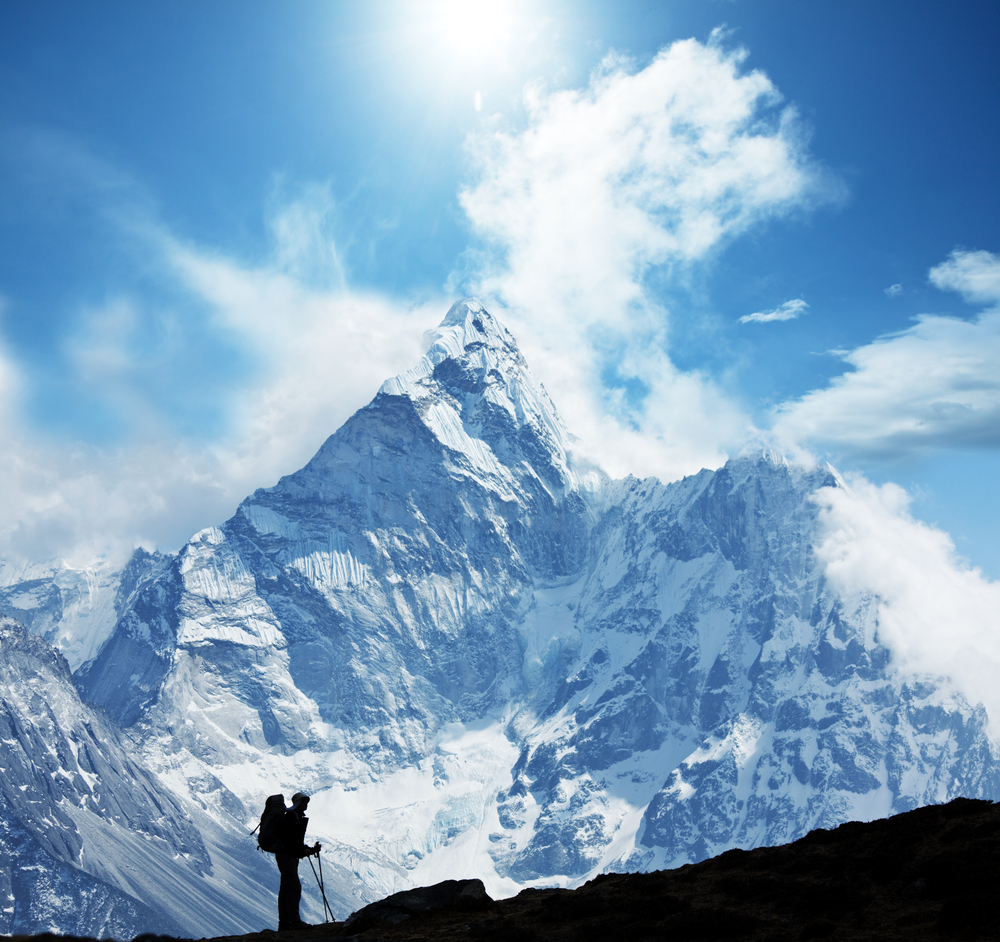
himalayasToday I found out how the Himalayas formed.

The Himalayas, which stretch some 2,900 kilometres between India, Pakistan, China, and Nepal, is the world’s tallest mountain range. In addition to Mount Everest, the world’s tallest mountain by peak elevation standing at 8,848 meters tall, the range also features several other mountain peaks over 8,000 meters. It is the only mountain range to boast mountains over 8,000 meters—the runner-up is a mountain range in South America, whose tallest peak is just 6,962 meters tall.

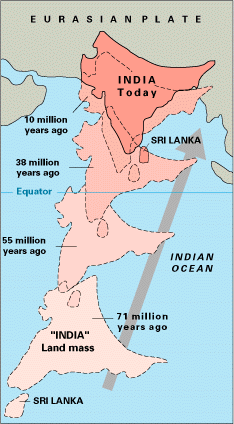
Millions of years ago, these mountain peaks didn’t exist. The Asian continent was mostly intact, but India was an island floating off the coast of Australia. Around 220 million years ago, around the time that Pangea was breaking apart, India started to move northwards. It travelled some 6,000 kilometres before it finally collided with Asia around 40 to 50 million years ago. Then, part of the Indian landmass began to go beneath the Asian one, moving the Asian landmass up, which resulted in the rise of the Himalayas. It’s thought that India’s coastline was denser and more firmly attached to the seabed, which is why Asia’s softer soil was pushed up rather than the other way around.

indiaThe mountain range grew very rapidly in comparison to most mountain ranges, and it’s actually still growing today. Mount Everest and its fellows actually grow by approximately a net of about a centimetre or so every year. That’s in comparison to the Appalachian Mountains, which developed some 300 million years ago or more, which is actually decreasing in peak elevations as it erodes.

The continued growth in the Himalayas is likely due to the Indian tectonic plate still moving slowly but surely northward. We know the plate is still moving in part because of the frequent earthquakes in the region.

Now, if you do the math, you’d find that if the Himalayas had been growing at the current rate for 40 million years, they should be about 400 km tall! Once the infrastructure was in place, this would have given us a much cheaper way to put things into low Earth orbit and beyond. (For reference, the International Space Station typically orbits at between 300 km to 400 km.)

So what happened? In part, the rate of vertical growth has varied over time, including in favor of more horizontal growth. And, of course, gravity and erosion having limited the mountains’ growth significantly.

India merging into Asia became the accepted theory about how the Himalayas were formed around 1912. That’s when Alfred Wegener, a German meteorologist, came up with the “Theory of Continental Drift” which gave us our first ideas about Pangea, tectonic plates, and the thought that continents were moving away from or closer to each other.

What does the future for the Himalayas look like? Undoubtedly, the mountains will continue to grow, though at the same time eroding too; but the net is expected to continue to grow as the Indian tectonic plate doesn’t look like it’s going to slow down any time soon. That means more earthquakes and, over time, slightly taller mountains to climb.

source::::today i foundout .com

natarajan