Why Do We Call The Stock Market Trends “Bullish “& “Bearish ???


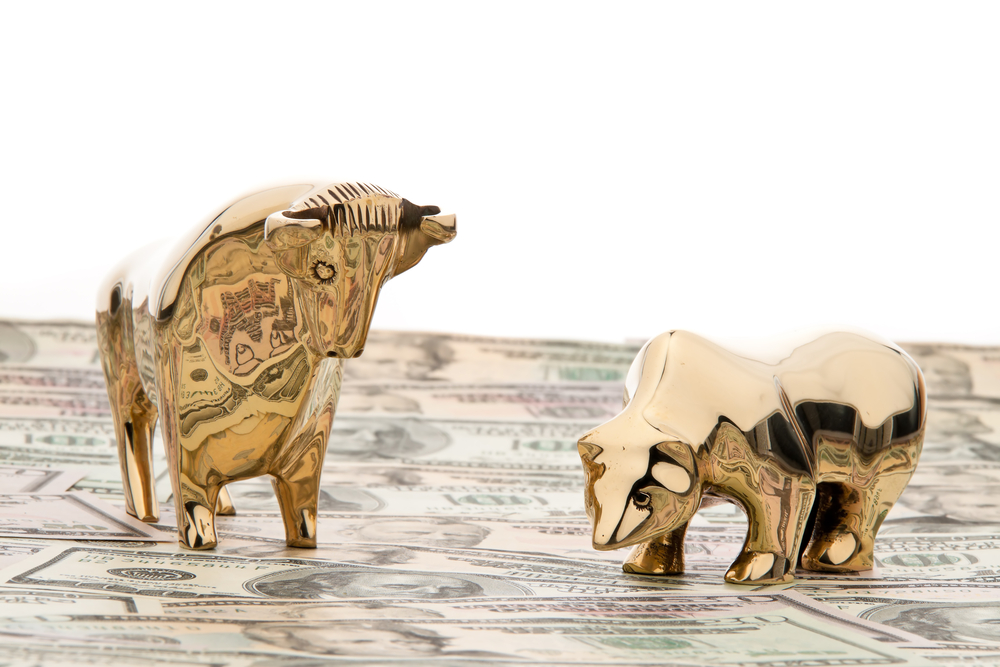
bull-bearFor those who don’t know, a “bear” market, or when someone is being “bearish” in this context, is marked by investors being very conservative and pessimistic, resulting in a declining market generally marked by the mass selling off of stock.  A “bull” market is simply the opposite of that, with investors being aggressive and positive, with stock prices rising as a result of this optimism.  This “bull” and “bear” terminology first popped up in the 18th century in England.

There are a couple different possible sources for the “bear” part of this tandem, but the leading theory is that it derived from an old 16th century proverb: “selling the bear’s skin before one has caught the bear” or alternatively, “Don’t sell the bear’s skin before you’ve killed him,” equivalent to, “Don’t count your eggs before they’re hatched.”

By the early 18th century, when people in the stock world would sell something they didn’t yet own (in hopes of turning a profit by eventually being able to buy the thing at a cheaper rate than they sold it, before delivery was due), this gave rise to the saying that they “sold the bearskin” and the people themselves were called “bearskin jobbers”.

One of the earliest references of this comes from an issue of The Tatler, April 26, 1709:

Forasmuch as it is very hard to keep land in repair without ready cash, I do, out of my personal estate, bestow the bear-skin, which I have frequently lent to several societies about this town, to supply their necessities;  I say, I give also the said bear-skin as an immediate fund to the said citizens forever…

In a later edition, June 23, 1709, it goes on to state:

I fear the word Bear is hardly to be understood among the polite people; but I take the meaning to be, that one who insures a real value upon an imaginary thing, is said to sell a Bear, and is the same thing as a promise among courtiers, or a vow between lovers…

Yet another early instance of the term is in Daniel Defoe’s The Anatomy of Change Alley, published in 1719, around the time the term was popularized to something of the same type of definition we use today:

Those who buy Exchange Alley Bargains are styled buyers of Bear-skins.

The use of the word “bear” in this way was popularized thanks to one of the early market bubbles known as the South Sea Bubble.  While it was a long and incredibly complex market scheme that led to the bubble, the gist of it was that the South Sea Company, formed in 1711, was granted by Britain a monopoly on all trade to South America and would be given an annual sum (6% interest plus expenses) from the government.  In exchange, the new company agreed to take over large portions of the government’s debt. (In fact, this was primarily how the company actually made money throughout its century and a half it was in business, simply by dealing in government debt.)

Thanks to this deal and an amazing amount of government corruption, insider trading, and other unscrupulous practices by certain shareholders who knew well that the company’s trade business had little hope of ever being profitable, the burgeoning company’s stock soared. At its peak, based on the stock price, the company was worth about £200 million (by purchasing power, today this would be about £24 billion or $37 billion; by average earnings, it would be £350 billion or $537 billion).

Besides the fact that they didn’t even have their first trading shipment until 1717, 6 years after the trading company first formed, one of the problems was that having an exclusive monopoly on trading to South America from the British government at the time wasn’t saying much as most of the region was almost entirely held by Spain, who Britain was at war with.  Nevertheless, amid rampant and widely published rumors (deftly planted by certain stock holders to jack up the price) of the vast wealth from gold and other resources in those regions and the potential promise of soon securing trade rights from Spain, the stock prices soared, even though the company itself wasn’t really doing any actual trading and their main asset, the monopoly on trade to Middle and South America, was essentially worthless, as the core stock holders knew well.

Spain did eventually grant the South Sea Company rights to trade in the regions held by Spain, but only one ship load per year total was allowed in exchange for a percentage of the profits.  Needless to say, the inability to do any actual real volume of trading and the fact that war once again broke out in 1718 between Spain and Britain causing much of the company’s scant physical assets to be seized by Spain, the market crash that followed wasn’t pretty.

As to the “bull” name for rising markets, in this case we have to do a little more speculation as the documented evidence just isn’t there. The leading theory is that it came about as a direct result of the term “bear”.  Specifically, the first known instance of the market term “bull” popped up in 1714, shortly after the “bear” term popped up.  At the time, it was something of a common practice to bear and bull-bait. Essentially, with bear baiting, they’d chain a bear (or bears) up in an arena, and then set some other animals to attack the bear(s) (usually dogs) as a form of entertainment for spectators seated in the arena.

While bears were one of the more popular animals to use in these games, bulls were also commonly used. More rarely, other animals were used such as in one instance where an ape was tied to a pony’s back and dogs were set on them.  According to one spectator, the spectacle of the dogs tearing the pony to shreds while the ape screamed and desperately tried to stay on the pony’s back, out of reach of the snapping jaws of the dogs, was “very laughable”…

In any event, the popularity of bear and bull baiting, along with perhaps the association with bulls charging, is thought to have probably been why “bull” was chosen as something of the antithesis of a “bear”, shortly after “bear” first popped up in the sto

Bonus Fact:

  • A common myth often put forth as to the origin of “bull” and “bear” market terminology is that it comes from the last names of two prominent banking businesses, the Bulteels and the Barings, the former supposedly tending to be extremely aggressive in their investments and the latter supposedly being much more conservative.  While both the Barings bank and the Bulteel bank did in fact exist, there are a couple problems here. The first is that the only Bulteel bank around this era wasn’t prominent at all, certainly not enough to spawn such a term. Second, and more importantly, is that both the Barings bank and the Bulteel bank were founded well after “bull” and “bear” were already common stock market terms.

source::::todayifoundout.com

natarajan
Read more at http://www.todayifoundout.com/index.php/2013/04/origin-of-the-stock-market-terms-bull-and-bear/#OB8ww6J5Ev94BP4W.99 ck sense.  But, of course, we can’t be at all sure on this one as there wasn’t the more lengthy documented progression of definition as with the “bear”  term.


Sleepless Lakshmana !!!….Story Behind It !!!!

Lakshmanan !!… A story, ….Many of us Have not Heard  !!!!

Soon after his birth, Lakshman kept crying until he was placed next to Ram. Since that day he was always beside Ram, accompanying him to protect Vishwamitras yagna and following him into exile in the forest. Such was his devotion that he refused to take his wife along with him to the forest. He even refused to sleep for 14 years so that he could serve his brother day and night. Lakshmans wife, Urmila, wanted to follow her husband to the forest, as Sita had followed Ram, but Lakshman begged her to stay back saying that he will be busy taking care of Ram and Sita and will have no time for her. He asked her to help him by staying back so that he did not feel guilty or anxious about his wife’s wellbeing. So Urmila stayed back, reluctantly, wondering how she could help her husband to help Ram.

On the first night in the forest, Lakshman kept watch while Ram and Sita went to sleep. That is when Nidra, the goddess of sleep, approached him. He begged the goddess to leave him alone for fourteen years so that he could guard his brother and sister-in-law night and day. The goddess, impressed by his act of filial devotion, agreed. But the law of nature demanded that someone bear the burden of Lakshmans share of sleep. “Go to my wife, Urmila, and inform her of the situation”, said Lakshman. Nidra went to Urmila. Urmila bowed her head and replied, “Give me my husband’s share of sleep for fourteen years so that he can stay awake all that time without any fatigue”. So it came to pass that Urmila slept for fourteen years night and day while her husband stayed awake in the service of Ram and Sita.

This had an impact in the war against Ravana. Ravana’s mighty son, Meghnadh, was invincible. Only a man who had not slept for 14 years could defeat him. Thus Lakshman was able to kill him, all thanks to Urmila.
The story of Urmila comes from folk Ramayanas or Ram-kathas and is not part of Valmiki’s Sanskrit narrative or Tulsi’s Avadhi narrative. But the way the story is presented, especially in the Ram Kathas of South India, is even more interesting. It reminds us how vast and
imaginative and provocative the tradition of Ramayana is in India, and how we are often deprived of this variety in our quest for uniformity.

After Rama defeats Ravan, rescues Sita and returns to Ayodhya, the day of Ram’s coronation dawns. As the hymns were being chanted and the crown is brought before Ram, Lakshman started to laugh, startling everyone.
Everyone wondered why was Lakshman laughing, who was he mocking? Every person in the court, Rama and Sita included, was consumed by doubts and guilt, for each was embarrassed of some misdeed in their life. Each one remembered an event in their life, which they were not particularly proud of, and felt Lakshman was laughing at them.
Finally someone asked Lakshman why he was laughing and he replied, I have waited for this moment for the past 14 years and just when I am about to witness Ram being crowned king, the goddess of sleep, Nidra, reminds me of our agreement 14 years ago, and demands that I submit to her this very moment, and go to sleep and let Urmila awaken. I find the irony of the situation hilarious. So Lakshman dozed and Urmila woke up to see Rama crowned king, and everyone heaved a sigh of relief.

source::::input from a friend of mine

natarajan

Remembering The Man who Saved Marina !!!!!

Statue of V. Krishnaswami Aiyar on Marina beach

Statue of V. Krishnaswami Aiyar on Marina beach


This year marks the sesquicentennial (150th anniversary) of the birth of V. Krishnaswami Aiyar, the firebrand lawyer, and judge of the Madras High Court.

In a brief lifespan of 49 years, he left an indelible impress on the social fabric of the city as well, establishing several landmark institutions that still endure.

As was mentioned in this column (April 3, 2012), his was the first statue to be put up on the Marina, inside the Senate House Park. Next week, on September 23, the statue, all cleaned and spruced up, will be re-unveiled by Justice V. Ramasubramaniam. Most importantly, the plants that had hitherto hidden the statue’s view of the Marina would have been neatly parted, so that V. Krishnaswami Aiyar can once again see the beach he saved.

It was in the 1890s that the South Indian Railway (SIR) began working on a loop line that would connect Mylapore with Guindy and the Fort Stations. Two alternatives routes were suggested, the first running along the Buckingham Canal and the second on the Marina. The former idea was abandoned after it was discovered that the railway line would swallow “half a mile of the Guindy race course” and that a “train thundering overhead would frighten the horses in the paddocks”. And so the Marina line was agreed upon in 1889. The Corporation of Madras gave its blessings shortly thereafter.

The Secretary of State in London sanctioned the scheme in 1902, and work was all set to begin when on April 1, 1903, Aiyar organised a massive public meeting to protest the idea. He pointed out that a railway line running along what was one of the vital lungs of the city would be disastrous as it would cut off all access to the sea.

The size of the meeting shook the administration. The Madras Chamber of Commerce and Madras Trades Association were quick to withdraw support to the scheme, with H. Scott, chairman of the Chamber writing that the construction would “irretrievably ruin this public and popular pleasure ground. While possibly contributing to the convenience of a few, it would be an abiding nuisance and eyesore to the very large number of people who daily frequent the Marina.”

The Corporation too, developed cold feet and wrote a letter of protest.

It was in vain that the SIR responded with the assurance that the railway line would be well out-of-sight, concealed by a hedge and that the stations would be built in a “good style of architecture so as to not be eyesores.” But Aiyar and his group of protestors proved implacable. The Government abandoned the idea. The Marina was saved.

Interestingly, Aiyar was not averse to the railway line running along the Buckingham Canal, which he presciently predicted would end up as a glorified gutter anyway. Seventy years later, the Buckingham Canal’s bed became the route for a railway line – the MRTS, which today links Mylapore with the southern and northern suburbs.

SOURCE:::::::V .Sriram in THE HINDU
natarajan
 

தமிழ் வளர்த்த பெரியவர்கள் !!!

ரசிகமணி டி.கே.சிதம்பரநாதனின் மகனான தீர்த்தாரப்பன் இளம் வயதிலேயே இறந்துவிட்டார். ஆற்ற முடியாத துயரத்தில் அமர்ந்திருந்த டி.கே.சி.க்கு ஒரு கடிதத்தை தந்தார்கள். அதை வாங்கி, கண்களை இடுக்கி மெதுவாக படித்தார். திடீரென்று கண்கள் பிரகாசமாகின. மகனின் மரணத்தை மீறியும் அவரின் குரலில் ஓர் உற்சாகம். “ஆஹா! ஆஹா” என்று அவர் பூரித்துப்போக, ‘என்ன சங்கதி’ என்று அவர் கையில் இருந்த தாளை வாங்கிப்பார்த்தார்கள். கவிமணி அவரின் மகனின் மறைவுக்கு எழுதியிருந்த இரங்கற்பா அது. “இப்படி ஓர் இரங்கற்பா கிடைக்க எத்தனை மகனை வேண்டுமானாலும் இழக்கலாம்!” என்று சொன்னாராம் ரசிகமணி. பெயருக்கு ஏற்ற ஆள்தான் அவர்.

சுசுமு ஓனோ எனும் ஜப்பானிய பேராசிரியர் தமிழ்நாட்டை சேர்ந்த பேராசிரியர் பொற்கோவுடன் இணைந்து எண்ணற்ற ஆய்வுகளை தமிழ் மொழி மற்றும் ஜப்பானிய மொழி ஆகியவற்றுக்கிடையே உள்ள ஒற்றுமை சார்ந்து செய்தார்கள். அந்த ஆய்வு வெகுகாலம் நகர்ந்தது. அப்போது எண்பது வயதில் இருந்த ஓனோ, “நான் அறுபது வயதிலேயே இறந்திருக்க வேண்டியவன். தமிழ் கொடுத்த ஆற்றல்தான் என்னை இத்தனை தூரம் உயிரோடு வைத்திருந்திக்கிறது. உயிர் தந்த மொழி தமிழ்” என்று கண்ணீர் மல்க அந்த ஆய்வு முடிகிறபோது சொன்னது வரலாறு.

பாண்டித்துரை தேவர் நான்காம் தமிழ்ச் சங்கம் ஆரம்பித்து, கடந்த நூற்றாண்டில் தமிழ் வளர்த்தது வரலாறு. அவரை எல்விஸ் துரை எனும் ஆங்கிலேயர் சந்தித்தார். அவர் திருக்குறள் தவறாக எழுதப்பட்டு இருப்பதாகவும், அதை மாற்றிக் கொண்டுவந்திருப்பதாகவும் சொன்னார். உள்ளுக்குள் எழுந்த அதிர்ச்சியை சற்றும் காட்டிக்கொள்ளாமல், “எத்தனை பிரதிகள் போட்டிருக்கிறீர்கள்?” என்று கேட்டார். “ஐநூறு!” என்று ஆர்வம் கொப்பளிக்க விடை வந்து விழுந்தது. அத்தனை பிரதியையும் அப்படியே பணம் கொடுத்து வாங்கிக்கொண்டார் பாண்டித்துரை தேவர். வேலையாளை அழைத்தார். “எல்லாத்தையும் குழி தோண்டி சீமெண்ணெய் ஊத்தி கொளுத்திடு!” என்றார். ஒரு தவறான திருக்குறள் பிரதிகூட தமிழனுக்கு போய் சேர்ந்துவிடக்கூடாது என்று அத்தனை கவனம் இருந்தது அவரிடம்.

Keywords: தமிழ், மொழி, அறிஞர்கள், ரசிகமணி, பாண்டித்துரை தேவர், திருக்குறள்
Topics: சிறுவர்| இலக்கியம்| தகவல்| வரலாறு|

source ::::The Hindu  Tamil

natarajan

காந்தி கணக்கு என்றால் என்ன அர்த்தம் !!!

காந்தி கணக்கு என்றாலே கிட்டதட்ட ‘நாமம்’ என்கிற அர்த்தத்தைதான் நாம் உருவாக்கி வைத்திருக்கிறோம். ஆனால், காந்தி கணக்கு என்றால் என்ன என்பதற்கான உண்மையான அர்த்தம் என்னவென்று பலருக்கும் தெரியாது. அதை இப்போது தெரிந்துகொள்வோம்.

மகாத்மா காந்தி உப்பு சத்தியாகிரகம் மேற்கொண்டிருந்தபோது, அவருக்கு வியாபாரிகள் அத்தனை பேரும் தார்மீக ஆதரவு அளித்தார்கள். அவர்கள் காந்தியிடம் “நேரடியாக எங்களால் இந்தப் போராட்டத்தில் கலந்துகொள்ள முடியாது. ஆனால், எப்படியாவது உங்கள் போராட்டத்திற்கு நாங்கள் ஆதரவு அளிப்போம். இதில் கலந்துகொள்ள வரும் தொண்டர்களை எங்கள் கடைகளில் எது வேண்டுமானாலும் வாங்கிக் கொள்ள சொல்லுங்கள். பணம் தர வேண்டாம். அடையாளம் தெரியாமல் பணம் கேட்க நேரும்போது, ‘காந்தி கணக்கு’ என்று எங்களுக்கு புரியும்படி சொன்னால் போதும். நாங்கள் அவர்களிடம் பணம் கேட்க மாட்டோம்” என்றார்களாம் அந்த வியாபாரிகள்.

அப்படி வந்ததுதான் காந்தி கணக்கு. ஆனால், நாம் இதற்கு அர்த்தம் வைத்திருப்பதோ புரியாத கணக்கு. ஒவ்வொரு சொல்லிலும் அதன் உள் அர்த்தத்தை புரிந்து செயல்பட்டால் அறிவு விசாலமாகும்.

Keywords: காந்தி கணக்கு, காந்தி, ரூபாய், காந்தி


source::::: தி  இந்து …தமிழ்

நடராஜன்

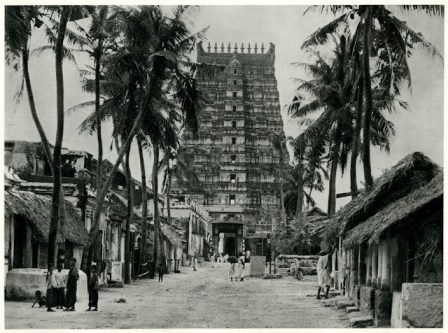
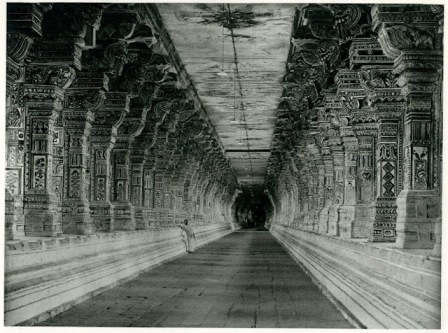
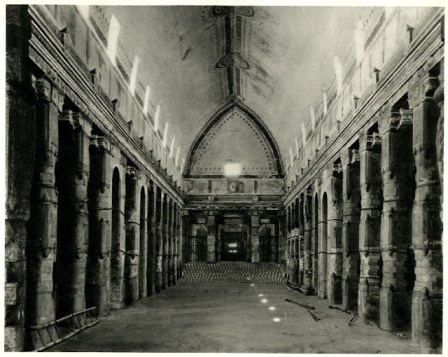
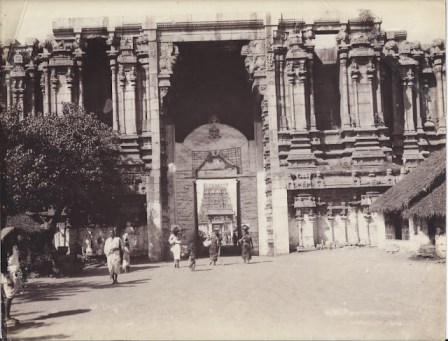
நமது அருமை கோயில்களின் சில அரிய புகைப்படங்கள் …சில நூறு ஆண்டு முன்பு!!!

200 வருடங்களுக்கு முன்னாள் திருவண்ணாமலை கோவிலின் அமைப்பு 


Sri Padmanabhaswamy temple..Thiruvanandapuram


Rameswaram Ramanathaswamy Temple

1000 Pillar Mandapam…Rameswaram Temple


Chidambaram Nataraja Temple


Srirangam Temple


Srirangam Temple


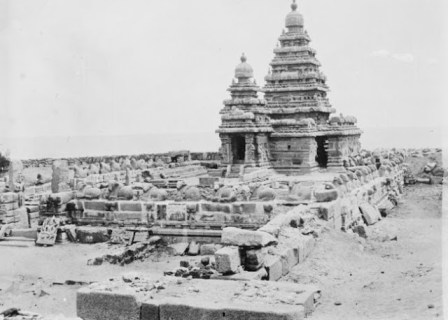
Mamallapuram Shore Temple


source:::::Rudran in blog

natarajan


Divine Invitation Card From Swami Sathya Sai Baba in the Year 1945 !!!….A Flashback !!!


Inauguration (Grahapravesam) of Padha Manidram
The first Mandir in Puttaparthi was opened on Friday December 14, 1945.  You are seeing here, the scanned copy of the Divine Invitation Card sent out by Swami. I wonder which were the families who were most blessed and fortunate to receive an Invitation from Bhagavan Himself.
The Grahapravesam (house warming) ceremony was the first major event in Puttaparthi .
In 1944 Puttaparthi village, was a tiny hamlet of 2 lanes at right angles. Only one or two families from Bangalore or Madras used come at a time to have Darshan of Bala Sai.  They resided at cattle sheds for a nominal rent of four rupees per month. They spent all their time drinking the Nectar of Swami’s Darshan, Sparshan and Sambhashan. 
Swami would be supervising the building work and the arrangements for the inaugural function. The young men were involved in climbing up the ladders, and hanging decorations and photos on the walls. Sometimes Swami Himself would climb up. Some devotees had the privilege of offering orange juice to Swami whenever He walked through the lanes.
Smt. Savithriamma and group from Bangalore prepared the feast on the inaugural day.  Thanks to Swami’s touch, the contents multiplied and there would be enough to feed the entire village and hundreds of devotees.
Swami arrived in procession, seated on a floral decoration with the idols of two Sais on either sides. Swami installed the two idols in the main prayer hall with large canvas paintings of both Babas and pictures of other deities. A screen was used to cover the altar  in the shrine, after daily Puja was over.
 Swami Himself would perform the Puja. He would dust the pictures and clean and decorate the idols. Swami would lead the Bhajan, followed by His sister Venkamma and other devotees. The first song on that day was, “Sree Ganesha Sivuni Kumara”
He would hit two coconuts against each other and sprinkle the water on all present. He would perform Arathi to Himself and show it to all devotees. 
Devotees would sing “Poojinthu Maa, mana Sayi nee…” and end with the Arathi song “Paavana Purusha Saayeesa”. Swami would give prasad – coconut scrapings mixed with sugar. He used to sing “Sai Rama mana prasada midigo Randi Bhakthularaaa” (Receive the Divine Prasad of our Sai Rama). He would grant interview to everyone. There was no fixed time. As devotees arrived, they were ushered in for interview.
Those days, reaching Parthi was a Herculean task. Every time devotees were forced to take a new unknown route because of floods in Chitravathi River.  
The Mandir had only 4 rooms. There were 5 kitchens in a row at the back. On the inauguration day, Swami went to a corner and placed his Palm on the ground. Soon a spring rose. It was fresh water. Swami ordered a well to be dug there. This was the only source of drinking water for the entire village. Even in summer, the water level remained the same. The devotees slept in the open space with Swami’s cot in the centre. His belongings were meagre, unlike His vast heart.
source:::::: Sairam  Mumbai Srinivasan in saidevotees world net.com
natarajan

“அவனைப் பற்றிய எல்லாமே மதுரம் தான் ” மதுரா நாதன் பற்றி மகாபெரியவர் !!!


ஸ்ரீகிருஷ்ண பரமாத்மா தக்ஷிணாயனத்தில்ஆவணி மாதத்தில் கிருஷ்ண பக்ஷ அஷ்டமி அன்று நடுநிசியில் பிறந்தார்.

நமக்கு ஒரு வருஷம் தேவர்களுக்கு ஒரு நாள்.
நமக்கு உத்தராயணம் அவர்களுக்கு பகல்.
தக்ஷிணாயணம் அவர்களுக்கு ஒரு இரவு.

ஸ்ரீ கிருஷ்ணர் அவதரித்த காலம் தேவர்களுக்கு இரவு நேரம் ஆகிறது. இம்மாதிரியே நம்முடைய ஒரு மாதம் பித்ருகளுக்கு ஒரு நாள் ஆகிறது.

நமது சுக்ல பக்ஷம் அவர்களுக்கு பகல், க்ருஷ்ண பக்ஷம் இரவு. ஆகையால் ஸ்ரீ கிருஷ்ணர் அவதரித்த கிருஷ்ண பக்ஷம் பித்ருக்களுக்கு இரவாகிறது.

அஷ்டமி திதி நடுவில் வருவதால் அன்று அவர்களுக்கு நடுநிசி பொழுது ஆகிறது. இதனால் என்ன ஏற்படுகிறது, ஸ்ரீ கிருஷ்ணர் அவதரித்த காலம் தேவர்கள், பித்ருக்கள், மனிதர்கள் எல்லோருக்கும் எல்லா தினுஸிலும் இருட்டு அதிகமாக இருக்கும் சமயம்.

ஸ்ரீ கிருஷ்ணன் பிறந்ததும் இருட்டு நிறைந்த சிறைச்சாலை. இப்படி ஸ்ரீ கிருஷ்ணர் அவதாரகாலத்தில் எல்லாம் இருள் மயமான சூழ்நிலை. அவருடைய பெயரும் கிருஷ்ணன்.

கிருஷ்ண என்றால் கருப்பு என்று பொருள்.அவனுடைய மேனியும் கருப்பு. இப்படி ஒரே கருப்பு மயமான ஸமயத்தில் தானும கருப்பாக ஆவிர்பவித்தாலும் அவனே ஞானஒளி.

காளமேகங்களுக்கு இடையே மின்னல் மாதிரி இத்தனை இருட்டுக்கு நடுவே தோன்றியதான ஒளி.

ஞான ஒளி ஆதலால் மங்காத பிரகாசமுடையதாய் இன்றும் என்றும் ஜ்வலித்துக்கொண்டு இருக்கிறது.அஞ்ஞானத்தால் இருண்டு இருக்கும் உலகத்தில்தான் ஞானத்தின் மகிமை அதிகமாக விளங்கும்.

உடலுக்கு ஒளி அளிப்பது கண். உயிருக்கு ஒளி தருவது ஞானம். உலக உயிர்களுக்கு எல்லாம் ஞான ஒளி தருகிற கண்ணாக இருப்பவனே கண்ணன்.

தென்நாட்டில் அவன் கிருஷ்ணன் மாத்திரம் அல்லாமல் கண்ணனும் ஆகிவிட்டான்.அகக்கண்ணையும் புறக்கண்ணையும் அம்ருதத்தில் மூழ்கடிக்கும் வடிவம் அவனுடையது.

அவனுடைய கீதை உலகெங்கும் ஒலித்துக் கொண்டு இருக்கிறது. அவனுடைய லீலா விநோதங்ககள் நிறைந்திருக்கும் ஸ்ரீமத்பாகவதம் புரான சிரேஷ்டமாக விளங்குகிறது.

அவனைப்பத்தின அத்…தனையுமே மதுரந்தான்!” தன்னுடைய மதுரமதுரக் குரலில், மதுரமான சிரிப்போடு மதுராநாதனைப் பற்றி பெரியவா சொன்னார்….

“அவன் பொறந்ததே மதுரைல. நம்ம பாண்ட்யதேசத்து மதுரை இல்லே! இங்கே மதுரமயமா அம்பாள் இருக்கா……அவகிட்டேர்ந்துதான் சங்கீதம் பொறந்தது. நான் சொன்னது வடமதுரை. அங்கே அவன் பொறந்த ஒடனேயே அப்பாக்காரர் வஸுதேவர் கொழந்தையை தூக்கிண்டு கோகுலத்துல கொண்டு போயி விட்டுட்டார். யமுனையோட மேலக்கரைல கோகுலம்; பிருந்தாவனம்..ல்லாம் கீழக்கரை. ஆத்துல அளைஞ்சுண்டே தாண்டிப்போய் கோகுலத்ல யசோதைக்கு பக்கத்ல விட்டுட்டு, அப்பத்தான் அவளுக்கு பொறந்திருக்கற பொண் கொழந்தையை தூக்கிண்டு ஜெயிலுக்கு திரும்ப போய்ட்டார்….இங்கே எல்லாமே திருட்டு மயம்..” பெரிதாக சிரித்தார்.

….”அங்க ஜெயில் காவலாளிகளுக்கு தெரியாம திருட்டுத்தனமா வெளில வந்தது, இங்க கோகுலத்ல ப்ரஸவிச்சவளுக்கும் சரி, ப்ரஸவம் பாத்தவாளுக்கும் சரி, பொறந்தது பொண் கொழந்தைன்னோ…அதுக்கு பதில புள்ளைக்கொழந்தையை வஸுதேவர் வெச்சுட்டு போனதோ, தெரியாது! இங்கேயும் திருட்டுத்தனம்! க்ருஷ்ணன்..ன்னாலே ஒரே திருடு.ங்கறோமே! வெண்ணையையும் திருடினான்….மனசையும் திருடினான்! நவநீத சோரன், சித்த சோரன்…ங்கறோமே…..அவனுக்கு அந்த திருட்டு புத்தி எப்டி வந்துதுன்னா…..அவனோட அப்பா அவன் பொறந்த ஒடனேயே பண்ணின திருட்டுத்தனந்தான், அவனுக்கும் பிதுரார்ஜிதமா வந்துடுத்துன்னு தோண்றது!…” கண்ணனின் திருட்டில் ஊறிய புன்னகை பெரியவா முகத்தில் சோபை பெற்றது…….தொடர்ந்தார்….

“ஆனா, அப்டி நெனைக்கறது செரியில்லே! சும்மாக்காக வேடிக்கை பண்ணினேன். வஸுதேவர் பாவம், ஸாது! கொஞ்சங்கூட திருட்டுபொரட்டே தெரியாதவர்! அவரை திருட்டுத்தனம் பண்ணப் பண்ணினதே இந்தக் கொழந்தைதான்! அது பொறந்த ஒடனேயே காவலாள்ளாம் மயக்கம் போட்டா மாதிரி தூங்கினதாலதான் அவர் ஜெயில்லேர்ந்து தப்பிச்சு போக முடிஞ்சுது…ஜெயில் பூட்டு தானா தொறந்துண்டது……அங்க கோகுலத்துலேயும் எல்லாரும் தூங்கி வழிஞ்சதாலதான் அவர் கார்யத்தை சௌகர்யமா முடிக்க முடிஞ்சுது. இதெல்லாம் பாவம் அந்த அப்பாவி மனுஷரா பண்ணினார்? அவருக்கு பிள்ளையா வந்தானே ! ஒரு அப்பன்! அவன்தான் இத்தனையும் மாயாவித்தனமா பண்ணினது!

அயோத்திக்கப்புறம் சப்த மோக்ஷபுரில, மதுரா இருக்கு. அவன் அவதாரம் பண்ணின ஊருக்கே அவனோட ஸ்வபாவம் இருக்கே! க்ருஷ்ணன்..ன்னா என்ன? மதுரந்தான்! தித்திப்புன்னா….தித்திப்பு! அப்டியொரு தித்திப்பு அவன்! மதுரம்ன்னு சொல்லறச்சே கூட “dhu “கொஞ்சம் கடுமையா இருக்கு. இன்னும் நைஸா “ஸ்வாது”ன்னும் ஒரு வார்த்தை இருக்கு. “ஸ்வாது” லேர்ந்துதான் “ஸ்வீட்” வந்தது…..இப்போ, நான் ஒரு விஷயம் செரியா சொல்லலைனா….கொஞ்சம் apologise பண்ணிக்கறா மாதிரி சரி பண்ணிக்க பாத்தேனோல்லியோ?…கிருஷ்ணனா இருந்தா, அப்டி பண்ண மாட்டான்! அவன் பண்ணறதுல… ஸரி, ஸரியில்லை..ங்கற ரெண்டே கெடையாது! அந்த வார்த்தைகளே அவனோட அகராதியில ஏறாது! அவன் பண்ணற சகலமும் மதுரம், மதுரம்…ங்கற ஒண்ணுதான்! மத்தவா பண்ணினா ஸரியில்லாததெல்லாங்கூட அவன் பண்ணறப்ப, மதுரந்தான்! இதை நெனைச்சுத்தான் பரம பக்தரான ஸ்ரீ வல்லபாச்சார்யார்… ங்கறவர் “மதுராதிபதே அகிலம் மதுரம்”..ன்னு பாடி வெச்சுட்டுப் போய்ட்டார்.”
————————–

ஜென்மாஷ்டமியன்று ஸ்ரீ ராதா ஸமேத க்ருஷ்ணன் எல்லாருக்கும் சகல ஸௌபாக்யங்களையும் அனுக்ரஹிக்க என் ஸத்குருநாதரை ப்ரார்த்திக்கிறேன்.
ஹரே ராம ஹரே ராம ராம ராம ஹரே ஹரே|
ஹரே க்ருஷ்ண ஹரே க்ருஷ்ண க்ருஷ்ண க்ருஷ்ண ஹரே ஹரே||

Courtesy: Smt Prema Subramaniam in http://www.periva.proboards.com

natarajan

Read more: http://www.periva.proboards.com/thread/1950/periva-on-gokulashtami#ixzz2dEGMA51R

திருப்பதி கோயில் அர்த்த மண்டபம் …மஹா பெரியவர் ….ஒரு Flashback !!!!!

திருப்பதி க்ஷேத்ரம் யுகயுகமாக பற்பல கோடி ஜீவன்களை காப்பாற்றிக் கொண்டிருக்கிறது. அப்பேர்ப்பட்ட பகவான்! எண்ணற்ற மஹான்கள் ஊனும், உயிரும் உருக பாடி, பக்தி பண்ணி ரசித்த பெருமாள்! அந்த திருப்பதி க்ஷேத்ரத்தையே காப்பாற்றியவர் நம்ம பெரியவா! கலியுகம் இல்லையா? க்ஷேத்ரத்துக்கே ஹானி வந்துவிடுமோ என்ற சூழ்நிலை!

சுமார் 50 வர்ஷங்களுக்கு முன் திருப்பதி அறநிலையத் துறை அதிகாரிகளுக்கு எப்போதும் கோவிலில் ஏதாவது புதுசு புதுசாக மாற்றங்கள் பண்ணிக் கொண்டே இருக்கவேண்டும். காரணம்? லக்ஷக்கணக்கான பக்தர்கள் தினமும் வரும் க்ஷேத்ரம். அவர்களுக்கு சௌகர்யம் பண்ணித் தர வேண்டும் என்ற நல்லெண்ணமே!

நாஸ்திக வாதம் அங்கங்கே ஒப்புக்கு முழக்கம் செய்தாலும், “இதோ பார்த்தாயா! என்னைத் தேடி வரும் என் குழந்தைகளை?” என்று பகவான் கோடிக் கணக்கில் காட்டும் பல க்ஷேத்ரங்களில், திருப்பதியும் ஒன்று. ஒருமுறை அங்கிருந்த பொதுப்பணித் துறை அதிகாரிகளும், அறநிலையத் துறை மந்திரியும் சேர்ந்து ஒரு முக்கியமான முடிவை செயலாக்கத் திட்டம் போட்டுக் கொண்டிருந்தார்கள். அது என்னவென்றால்.. பக்தர்கள் உள்ளே மூலஸ்தானத்துக்கு வந்து, பிறகு அதே வழியாகத்தான் திரும்பிப் போகிறார்கள். அப்போது அங்கே ஒரே நெருக்கடியாகி விடுகிறது. எனவே மூலஸ்தானத்தை அடுத்த அர்த்த மண்டபத்தின் இருபுறமும் இருக்கும் சுவற்றை இடித்து வழி பண்ணிவிட்டால், மக்கள் வலது, இடது பக்கம் போகலாம், வரலாம். நெருக்கடி, ஸ்ரமம் இல்லை; இன்னும் நிறைய கூட்டம் வந்தாலும் சமாளிக்கலாம். கீழ்மட்டத்தில் அதிகாரிகள் இதை விவரமாகப் பேசி, சுவரை கச்சிதமாக உடைக்க அமெரிக்காவில் இருந்து 40 லக்ஷத்துக்கு ஒரு cutting machine வாங்கவும் முடிவு செய்யப்பட்டது. இந்த முடிவைக் கேட்டுக் கொண்டு, நிம்மதி இழந்தவராக அமர்ந்திருந்தவர், கணபதி ஸ்தபதி.

“என்ன ஸ்தபதி ! நீங்க என்ன சொல்லறீங்க? இதுல உங்களுக்கு சம்மதந்தானே?..” அமைச்சர் கேட்டார். “என்னோட மனசுக்குப் பட்டதை நான் இங்க சொல்லலாமா?..” ஸ்தபதி கேட்டார்.

“தாராளமா…..””எத்தனையோ ஆயிரம் வர்ஷங்களுக்கு முன்னால, ஆகம சாஸ்த்ரங்களை கரைச்சு குடிச்ச வல்லுனர்கள்தான் இந்தக் கோவிலை கட்டியிருக்கா….மூலஸ்தானத்துக்கு அடுத்தபடியா இருக்கற அர்த்த மண்டபம் ரொம்ப பவித்ரமானது. அதோட ரெண்டுபக்க சுவரையும் இடிச்சு வழி பண்ணறது நல்லதில்லை. அப்பிடி ஏதாவது பண்ணினா, மூலவரோட சக்தியும், sanctity யும் போய்டும்… அதுனால இதையெல்லாம் மனசுல வெச்சுண்டு தயவு செய்து இந்த
இடிக்கற வேலையை நிறுத்திடுங்கோ!…”

எந்த ஒரு குழுவிலும், ஒரு முடிவு எடுக்கும்போது, உண்மையில் எது நல்லது என்பதை உளமார உணர்ந்து செய்பவர்கள் குறைவாகத்தானே இருப்பார்கள்? அதேபோல், ஸ்தபதியின் சொல் அங்கே எடுபடவில்லை. இடித்தே தீருவது! என்று தீர்மானம் பண்ணி, ஸ்தபதியிடமும் கட்டாயமாக கையெழுத்து வாங்கப் பட்டது. எப்போது கையெழுத்துப் போட்டாரோ, அந்தக்ஷணத்திலிருந்து அவருடைய நிம்மதி போய்விட்டது. தன் கண் முன்னால், கோவிலின் அர்த்த மண்டபம் இடிக்கப்படுவதை எப்படி சஹிக்க முடியும்? இந்த அசம்பாவிதம் நடக்காமல் இருக்க என்ன செய்வது என்று தெரியவில்லை. பயங்கரமாக குழம்பித் தவித்த அவர் உள்ளம் அப்போது ஒன்றே ஒன்றை பற்றிக் கொண்டது ! ஆம். பெரியவாளின் சரணத்தை!

அப்போது பெரியவா ஆந்த்ராவில்தான் யாத்ரை பண்ணிக் கொண்டிருந்தார். பெரியவாளை எங்கிருந்தாலும் பார்த்து விட வேண்டும் என்ற ஒரே குறிக்கோளுடன் கால் போன போக்கில் ஸ்தபதி கிளம்பிவிட்டார். அன்ன ஆகாரமில்லை; மனஸ் முழுக்க பாரம்; விடியற்காலை பெரியவா தங்கியிருந்த கார்வேட் நகருக்கு வந்து, பெரியவா முன் நின்றார். கண்களில் கண்ணீர் பெருக்கெடுத்து ஓடியது!

பெரியவா அவரைப் பார்த்ததும், நெற்றியில் நாமம் போட்டுக் காட்டி, “அங்கேர்ந்து வரயா?” என்றார். “ஆமா….பெரியவாகிட்ட முக்யமான விஷயம்…..” அவர் பேச ஆரம்பிக்கும்முன் அவரை கையமர்த்தி,

“இப்போ நீ ஒண்ணும் சொல்ல வேணாம்…மொதல்ல போய் வயத்துக்கு ஏதாவது சாப்ட்டுட்டு வா! …” ரெண்டு நாளாக எதுவும் சாப்பிடாமல் தன்னைத் தேடிக் கொண்டு வந்திருக்கும் தன் குழந்தைக்கு முதலில் வயிற்றை நிரப்ப எண்ணினாள் அந்த மஹா மாதா! பாரிஷதரிடம், “இவரை எந்த ஹோட்டல் தொறந்திருந்தாலும் அழைச்சிண்டு போய், வயறு நெறைய ஆஹாரம் குடுக்கச் சொல்லு! பணத்தை நான் தரேன்…ன்னு சொல்லு..”

அன்னபூரணி சொன்னால் அப்பீல் உண்டா…ஒரு ஹோட்டல் திறந்திருந்தது.பெரியவாளுடைய உத்தரவைக் கேட்டதும் அந்த முதலாளி, “பெரியவா அனுப்பினவாகிட்ட நான் எப்பிடி பணம் கேப்பேன்? நன்னா வயிறார சாப்பிடட்டும்…என்னோட பாக்யம் ” என்று சொல்லி, சுடச்சுட தயாராக இருந்த உணவைப் பரிமாறினார். இப்போது மறுபடியும் பெரியவா முன்னால் வந்து நின்றார் ஸ்தபதி.

“இப்போ சொல்லு….” எல்லாவற்றையும் சொன்னார். பேசாமல் கேட்டுக் கொண்டிருந்தார்.”அப்பிடி அர்த்த மண்டபத்தை ஒடைச்சா, என்ன ஆகும்?..” தெரியாதவர் மாதிரி கேட்டார்

“அர்த்த மண்டபத்ல கைவெச்சா…பெருமாளோட சக்தி பூரா போய்டும்.. .பெரியவா!.. திருப்பதில எந்த மாறுதல் பண்ணணும்…ன்னாலும் பெரியவாகிட்ட கேட்டுண்டுதான் பண்ணுவா…ஆனா, இந்த விஷயத்தை உங்ககிட்ட கேக்காம, வெறும் தகவல் மட்டுந்தான் சொல்லுவா… அதுனால பெரியவா அனுக்ரஹம் பண்ணி, இதை நிறுத்த ஏதாவது வழி சொல்லணும்..”
பெரியவாளின் திருவாக்கிலிருந்து மணிமணியாக அபயச்சொற்கள் வந்தன!

“ஒன்னோட மனசுப்ரகாரம் எல்லாம் நடக்கும்! கவலைப்படாதே!..” ப்ரஸாதம் குடுத்து அனுப்பினார். வீட்டுக்கு வந்து அசந்து படுத்த ஸ்தபதி நன்றாகத் தூங்கினார்! நிம்மதியாக! ஆனால், பின்னிரவு ரெண்டு மணிக்கு திடீரென்று யாரோ எழுப்பிவிட்ட மாதிரி, படக்கென்று எழுந்தார். மனஸில் ஏதோ தோன்ற, விடுவிடுவென்று முதலமைச்சர் ப்ரம்மானந்த ரெட்டியின் வீட்டை நோக்கி நடந்தார்! அப்போது சரியாக மணி மூன்று! வாசலில் இருந்த செக்யுரிட்டி ஆபீசர் இவரை அடையாளம் கண்டுகொண்டு, “என்ன ஸ்தபதி ஐயா !…இவ்வளவு அதிகாலை முதலமைச்சரைப் பாக்க வந்திருக்கீங்க!..” என்றார். “ரொம்ப அவசரம்…நான் அவரைப் பாக்கணும்…”

“appointment இருக்கா?””இல்லையே..” “அப்போ அவரைப் பாக்க முடியாதே ஐயா!..”ரொம்ப அவசரம்…நான் பாத்தே ஆகணுமே!..”

ஆபீசர் யோசித்தார்..ஸ்தபதி ரொம்ப மரியாதைக்குரியவர். நிச்சயம் ஏதோ அவசரமான காரியமாகத்தான் இருக்கும்… “ஐயா…ஒண்ணு செய்யலாம்…சரியா 4.30 மணிக்கு முதலமைச்சர் காபி சாப்பிட மாடியிலேர்ந்து இறங்கி வருவார். அப்டி வந்து உள்ள நுழையும் போது ஒங்களைப் பாத்துட்டார்ன்னா, ப்ரச்சினை தீர்ந்தது! இல்லாட்டா…..காலேலதான்!..”

ஸ்தபதி வாசலிலேயே நின்று கொண்டிருந்தார். சரியாக 4.30 மணிக்கு ரெட்டிகாரு மாடியிலிருந்து இறங்கியவர், வாசலில் நிற்கும் ஸ்தபதியைப் பார்த்துவிட்டார்! முகமெல்லாம் வியப்பாக…..”என்ன கணபதி? இத்தனை காலைல?” “உங்ககிட்ட முக்யமான விஷயம் பேசணும்….” “என்னது? வாங்க…” என்று வாசலுக்கு வந்து, அவர் தோள் மேல் கையைப் போட்டு அணைத்தவாறு உள்ளே அழைத்துச் சென்றார் முதலமைச்சர் ப்ரம்மானந்த ரெட்டி!

“திருப்பதி கோவிலுக்கு ஆபத்து!” என்று எடுத்த எடுப்பில் “கண்டேன் சீதையை!” மாதிரி போட்டு உடைத்தார். “என்ன உளறறீங்க? திருப்பதிக்கு என்ன ஆபத்து! எப்படி வரும்?…” அதிர்ச்சியோடு கேட்டார் ரெட்டிகாரு. எல்லா விஷயத்தையும் சொல்லி, ” பெருமாளோட சக்தி பூரா போய்டும்” என்று நிறுத்தினார்.

முதலமைச்சர் முகத்தில் கோபம் கொப்பளித்தது! கார்யஸ்தரை கூப்பிட்டு “ஒடனே அறநிலையத்துறை அமைச்சரை போனில் கூப்பிடு!..” அதிரடி உத்தரவு பறந்தது. அறநிலையம் லைனில் வந்தார்…… “முந்தாநேத்திக்கு திருப்பதில என்ன நடந்தது?…”

“அந்த விஷயமா பேசத்தான் file லோட உங்களைப் பாக்க இன்னிக்கி பொறப்பட்டு வந்திட்டு இருக்கேன்…” இழுத்தார். “திருப்பதியில் என்ன நடந்தது…ன்னுதான் கேட்டேன்!..” கத்தினார் முதமைச்சர்.

அறநிலையம் தாங்கள் எடுத்த முடிவை விவரித்தார். “மொதல்ல நான் சொல்றதை கேளுங்க! வெங்கண்ணா ஜோலிக்கு போகாண்டி!” என்று ஒரே போடாகப் போட்டார்!

“திருப்பதி வெங்கடாசலபதி விஷயத்தில் தலையிட வேண்டாம்…இது என் உத்தரவு!..” பட்டென்று போனை வைத்தார். “கணபதி! திருப்பதில எதுவும் நடக்காது! நீங்க நிம்மதியா போயிட்டு வாங்க..” வழியனுப்பி வைத்தார் முதலமைச்சர்.

வெளியே வந்தபின்தான், எந்த சக்தியால் தான் உந்தப்பட்டு இன்று இவ்வளவு அதிகாலையில் முதலமைச்சரைக் கண்டு விஷயத்தை சொல்ல முடிந்தது ! என்று ஸ்தபதி வியந்தபோது, உள்ளிருந்து பெரியவாளுடைய தெய்வீகமான வார்த்தைகள் ஒலித்தன….. “ஒன்னோட மனசுப்ரகாரம் எல்லாம் நடக்கும்! கவலைப்படாதே!”…..

பெருமாள் கோவிலின் அர்த்த மண்டபம் இடிபடாமல் காப்பாற்றியது யாரால்? ஸாக்ஷாத் ப்ரஹ்ம ஸ்வரூபமான பெரியவாளால்தான் ! திருப்பதி மட்டுமில்லை இன்னும் இந்தியாவில் உள்ள எண்ணற்ற கோவில்களை பழுது பார்த்து, ஒரு தீபத்துக்கூட வழியில்லாமல் இருந்த கோவில்களுக்கு தன்னுடைய ப்ரபாவத்தால் பூஜைகள் நடப்பது பெரியவா என்ற நடமாடும் தெய்வத்தால்தான் !

ஸ்ரீ மஹா பெரியவா திருவடிகள் சரணம்…..

source:::::input from a friend of mine

natarajan

படித்ததில் பிடித்தது !!!…சுந்தரவல்லியும் , அமிர்த வல்லியும் !!!

சுந்தரவல்லியும் அமிருதவல்லியும் மகா விஷ்ணு மற்றும் லஷ்மி தேவியின் மகள்கள். லஷ்மி தேவி விஷ்ணுவின் இதயத்தில் அமர்ந்திருந்தபோது திருவிக்கிரம அவதாரத்தில் இருந்த நாராயணரின் கண்களில் இருந்து வழிந்த கண்ணீரில் பிறந்தவர்களே அந்தப் பெண்கள்.

அவர்கள் இருவரும் தமக்கு கோபமே வராத கணவனே கிடைக்க வேண்டும் என்று விரும்பினார்கள்.

சுந்தரவல்லியும் அமிருதவல்லியும் அவர்களுடைய தந்தை விஷ்ணுவிடம் அதற்கான வரத்தைக் கேட்க அவரும் முருகப் பெருமானை வேண்டிக் கொண்டு விரதம் இருக்குமாறு அறிவுரை கூறினார்

கண்ட வீரப்பு எனும் இடத்தில் சுப்பிரமணியர் தங்கி இருந்தபோது அவருக்கு மனைவியாக வேண்டும் என ஆவல் கொண்டிருந்த சுந்தரவல்லியும் அமிருதவல்லியும் சரவணப் பொய்கைக்குச் சென்று அங்கு கடுமையான விரதம் இருக்கலானார்கள்.

அவர்களுடைய விரதத்தை மெச்சிய சுப்பிரமணியர் அவர்கள் முன் தோன்றி கூறினார்’:

அமிர்தவல்லி இந்திரனின் மகளாக தெய்வானை எனும் பெயரிலும், சுந்தரவல்லி வெத்தாஸ் என்பவர்கள் இனத்தில் வள்ளி எனும் பெயரில் பிறக்க வேண்டும் என்றும் அந்தப் பிறவியில் அவர்களை மணப்பதாக உறுதி கூறினார்

‘அமிர்தவல்லி, நீ இந்திரனால் அவருடைய மகளாக வளர்க்கப்பட்டப் பின் நான் உன்னை மணம் புரிந்து கொள்வேன்’.

அமிர்தவல்லியும் ஒரு பெண் குழந்தை வடிவில் மேரு மலையில் இருந்த இந்திரனிடம் சென்று அவரிடம் கூறினால் ” நான் மகா விஷ்ணுவின் பெண். என்ன வளர்ப்பது உன் கடமை என்பதால் என்னை இங்கு அனுப்பி வைத்துள்ளார்”. அதைக் கேட்டு மிக்க மகிழ்ச்சி அடைந்த இந்திரனும் அந்த குழந்தையை வளர்க்கும் பொறுப்பை வெள்ளை யானையான ஐராவதத்திடம் கொடுத்தார்.

அந்த யானையும் அந்தக் குழந்தையை அன்புடன் வளர்த்து வந்தது. அதனால்தான் அவளை இந்திரனின் தெய்வீக யானை வளர்த்ததினால் தெய்வானை என்ற பெயர் ஏற்பட்டது.

சூரபத்மனை திருப்பரம்குன்றத்தில் சுப்பிரமணியர் வதம் செய்தப் பின் அவளுக்கு முருகனுடன் திருமணம் நடந்தது.
அவளுடைய இளைய சகோதரியான சுந்தரவல்லியும் அந்த அருளை பெற்றாள். அவள் சிவமுனி எனும் துறவிக்குப் பிறந்து வேடர்களின் தலைவனான நம்பி என்பவரால் வளர்க்கப்பட்டாள்.
முருகப் பெருமான் அவளை காதலித்து தன்னிடம் இழுத்து வந்து வள்ளி அம்மாவை (சுந்தரவல்லி) மணம் செய்து கொண்டார்.
அதன் பின் அவர்கள் மூவரும் திருத்தணிக்குச் சென்று மகிழ்ச்சியோடு வாழ்ந்து வருகிறார்கள்.

முருகனின் இரண்டு மனைவிகளும் ஒரு எளிமையான வேடனின் மகளும், தேவர்களின் அதிபதியான இந்திரனின் மகளும் ஆவர். முருகன் அவர்கள் இருவருக்குமே பாரபட்சமற்ற  ஒரே நிலையிலான அன்பைக் காட்டுகிறார். இது காட்டுவது  என்ன என்றால் ஏழை மற்றும் பணக்காரர் என்ற பேதத்தை கடவுள் பார்ப்பது இல்லை.

source:::::Dr.Ganesh Narasimhan and N.R.Jayaraman in murugan.org

natarajan