Digital Indians : Meet Ruchi Sanghvi …An Enterprising Entrepreneur in Silicon Valley !!!

Ruchi Sanghvi

When Ruchi Sanghvi arrived at the Facebook office in California for a job interview in 2005, she found a menu card outside saying: “Looking for engineers.”

The start-up was located above a Chinese restaurant in downtown Palo Alto. It was modest looking place filled with gawky engineers, black sofas, lava lamps, and walls covered with murals and movie posters.

Earlier that year, the computer science engineer from Carnegie Mellon University had fled a job with a bank on Wall Street after three weeks. “I had panicked. I wanted to be in a business that was dependent on my core skills,” she says.

She had flown out to California, interviewed with Oracle and started out there, when a friend had told her about Facebook.

“I didn’t know much about them. I didn’t even know that they had moved to California. I thought they were still in Boston working out of Harvard dorm rooms,” she says wryly.

Scooter culture 

We are sitting in the hip Dropbox office in downtown San Francisco, where Ms Sanghvi, 31, works as a vice-president of operations.

Employees at the online storage firm whizz through corridors on skates and office scooters, some take time off to play pool and video games, and a plush music room is ready for a karaoke contest.

But, for the moment, we are talking about how Ms Sanghvi got the job at Facebook and became its first female engineer.


It is difficult to do exciting things in India. There are a lot of issues and barriers, simple things like a good internet line to the office”

Ruchi Sanghvi

“When I started out in Facebook, it had only 20 people. I saw it grow to a thousand employees and from five million users to over a billion users. I saw it evolve from a service that served college students to one that served the world,” she says.

“It was extremely chaotic, but it was a wonderful experience. I learnt everything there.”

At Facebook, she was part of the team that developed the news feed.

How was it, I asked, being the first female engineer at Facebook?

Ms Sanghvi says she was used to being in a minority: at engineering school, she was one of the five female students in a class of 150.

But at Facebook, she says, she truly came into her own.

“You had to be opinionated, you had to make sure your point of view was heard, you had to ask questions. Sometimes people would tell you were stupid and you’d start all over again,” she says.

“But it was, by and large, a meritocracy. It had one of the best environments for learning.”

Facebook was also where she met her future husband who was the first Indian engineer the company had hired.

I ask her for a story about Mark Zuckerberg, one of the founders and chief executive. She frowns, thinks hard, and says she doesn’t quite like talking about Mr Zuckerberg. Then she relents.

It’s a story about how the news feed launch outraged users and nearly killed it.

The journey from employee to entrepreneur was a complex and taxing one for an immigrant like me”

Ruchi Sanghvi

“We had less than 10 million users when news feed arrived. Mark was at a press conference (announcing it) and over a million users began protesting against it,” she says.

Last year, Ms Sanghvi spoke about the time in vivid detail.

“Groups with names like ‘I hate Facebook’ and ‘Ruchi is the devil’ had been formed. People camped outside our office and demonstrated. But we realised the very people who hated it were able to spread the word because of the news feed,” she told a talk.

But Mark Zuckerberg stuck to his guns, Ms Sanghvi tells me.

“Typically in any other company if 10% of your users decide to boycott a product you are obviously going to reverse the changes or do something about it. But Mark was really adamant about his vision about the potential of news feed.”

Mark ZuckerbergMark Zuckerberg ‘was adamant about his vision’ for Facebook, Ms Sanghvi says

When Ms Sanghvi left Facebook in 2010 after an itch to start her own company, the social networking site had more than 1,500 employees and more than 500 million users.

As a young girl growing up in India’s industrial city of Pune, she had dreamt of taking over her family business.

Her father, a second generation businessman, runs a heavy engineering company. Her grandfather ran a stainless steel business. “We are an entrepreneurial family,” she says.

But now, she was in the US, having studied computer science and worked at Facebook. The world beckoned.

So she went ahead and set up her own company, Cove, with her husband in 2010. There, helped by a team of engineers, they made “collaborative software” for communities and networks.

“The journey from employee to entrepreneur was a complex and taxing one for an immigrant like me,” says Ms Sanghvi, who has been lobbying US authorities to ease immigration laws.

“When I started Cove, I spoke to three immigration lawyers who gave me a long checklist of things to do before my company could hire immigrants.”

Diverse roles

Two years later, in February 2012, Cove was bought by the cloud-sharing service Dropbox.

At Dropbox, a six-year-old company with more than 175 million users, Ms Sanghvi has diverse roles. She has led hiring – “only great people can make great products,” she says – and managed marketing and communications.

I ask her if she plans to do anything back home in India.

“I’d love to do something if it was easier to do it. It is difficult to do exciting things in India. There are a lot of issues and barriers, simple things like a good internet line to the office,” she says.

“It doesn’t seem as easy as Silicon Valley where you have an idea you can simply execute it with hard work. But I admire folks who are doing things in India. It requires a lot grit and determination.

“You know I think I have had it pretty easy here in US actually,” she adds, with a laugh. Then she skates away for her next meeting.

source:::: Soutik Biswas  for BBC NEWS :bbc.com

natarajan

How an Engineer Earned 1.25 Million Airmiles with Puddings !!!

Air Miles are awesome, they can be used to score free flights, hotel stays and if you’re really lucky, the scorn and hatred of everyone you come in contact with who has to pay full price when they travel. The king of all virtually free travelers is one David Phillips, a civil engineer who teaches at the University of California, Davis.

David came to the attention of the wider media when he managed to convert about 12,150 cups of Healthy Choice chocolate pudding into over a million Air Miles. Ever since, David and his entire family have been travelling the world for next to nothing.

So how did he do it? Well, first we need to explain the kind of man David Phillips is; he’s the kind of guy who reads every inch of the small print on things. The kind of guy who learned to count cards just so he’d never get ripped off in a casino. In fact, Phillips stated that he could have probably been a pro card player if it wasn’t for the cigarette smoke. Yes, this guy- according to him- could have been a millionaire card player, but he enjoyed fresh air more than the musky stink of success.

His most famous endevour was back in 1999 when he saw that Healthy Choice was having a promotion on their frozen entrées section. The offer was as follows: for every 10 bar codes of their product a person sent in, they’d be awarded 500 Air Miles. However, the company had an early bird stipulation that people who redeemed the offer within the first month of the competition would receive double that, meaning a person could potentially receive 1000 Air Miles for buying just 10 of their entrées.

Upon catching wind of the deal, David scoured his local supermarkets to see which, if any products offered the best potential return. After some legwork, he found what he was looking for- a discount grocery chain that was selling individual chocolate pudding cups for 25 cents each. This meant that for a measly $2.50, he could get 1000 Air Miles.

Realising the amazing return he was potentially able to receive, David set out to hit every store in the chain in one day and buy up every single Healthy Choice pudding they had.

Now, you’re probably thinking a guy walking into several stores and asking to purchase all the Healthy Choice pudding they possessed, even in the back of the store, would arouse suspicion; and if anyone cottoned on to what he was doing, they’d try to get in on it too, because, why wouldn’t they? David apparently had the same concern and while buying the pudding, he told people he was doing it because he was stocking up for Y2K, which was just around the corner.

All in all, David spent just over $3000 on pudding, which may seem like a lot, until you realise the total dollar value of the miles he was set to receive was in excess of $150,000. However, before that, he actually had to send off all of the bar codes.

According to David, his wife got blisters from peeling off hundreds of stickers and his kids and co-workers grew physically sick of the sheer amount of chocolate paste he was forcing on them. Further, it began to look doubtful they’d be able to peel off all the barcodes in time to qualify for the early bird part of the promotion.

This is when David had another idea- why did he need to have his wife and children suffer when he could get others to do the leg work for him?

David approached the local Salvation Army with an offer; if they gave him a bunch of volunteers to peel off all the bar codes on his pudding, he’d donate the pudding to them. But here’s the beautiful part, doing this counted as a considerable charitable donation, which let David claim just over $800 back in tax deductions at the end of they year.

But the benefits of David’s scheme didn’t end there. After sending off the bar codes and getting back his 1,280,000 miles, (he got a few more than just from the pudding because he also bought some soup at 90 cents a can before he realised that was the sucker’s method), he now officially had over a million miles in his frequent flyer accounts, which automatically gave him lifelong access to something called the “American Airlines AAdvantage Gold club” giving him and his family a number of awesome flying related perks for the rest of their lives.

But we haven’t even got to the best part yet. David will likely never run out of Air Miles because he’s still earning miles at about 5 times faster than he’s spending them, despite traveling quite often, thanks to various frequent flyer incentive programs he keeps an eye out for and exploits just like the pudding scheme. Today, he has over 4 million miles in his various accounts and has flown to over 20 countries and taken numerous vacations in the meantime.

In the end, for a one time cost of a little over $3000 (or a little over $2200 if you subtract the tax deduction), and a few other similar deals he’s taken advantage of to bolster his numbers, David never has to pay for a flight in his life ever again. Genius. !!!!


source::::Today I Foundout .com

natarajan

Google Search For Excellence … This Young Lad is a Prize Catch For Google Team !!!!

Himanshu Jindal


Placements in the Delhi Technological University broke their highest record yet, when a student bagged a job offer of Rs. 93 lakh per annum. During this placement season, which started on August 1, so far about 40 recruiters have offered up to 265 jobs.

Google, USA made the offer of Rs. 93 lakh per annum (which includes about 125 Google stock units) to Computer Engineering student Himanshu Jindal. “I owe my thanks to my parents, faculty members and, of course, the Vice-Chancellor Prof. P.B. Sharma. I am feeling very happy that I will get to work in a world renowned company. All this is possible because of my hard work and the blessings of my parents,” said Himanshu.

The second highest pay package was of Rs. 70 lakhs and it has been offered to not one but about 11 students by EPIC, a US- based software company.

Other offers include a Rs. 28 lakh pay package from Goldman Sachs and a pay package of Rs. 19 lakhs that was made to eight students by Amazon. “DTU’s undergraduate and research programmes are of high relevance and great value to the industries,” said Prof. Sharma.

The university said a major highlight of this year’s placement was that the leading companies, besides making job offers to final year students, were also offering paid internship to third year students. This, said the university, might assure even better pre-placement job offers.


Google Glass in an Operation Theatre @ Chennai !!!!

“Can you see me? Can you see what I’m doing here?” the surgeon asks from inside the theatre. For the record, that’s not quite the way conversation goes in an operation theatre. The surgeon’s usually concerned about what he can see.

The Google Glass enters the operation theatre. Photo: Ramya Kannan

The Google Glass enters the operation theatre. Photo: Ramya Kannan


As far as medical procedures go, this was quite ordinary. But there was a guest in the theatre on Tuesday, perched pretty on the bridge of the surgeon’s nose. J.S. Rajkumar, surgical gastroenterologist, and chairman, Lifeline Hospitals, had brought in a piece of the future, for the very first time, reportedly, into an Indian operation theatre. He was wearing the Google Glass.

As the surgeon went in through three port holes to correct gastro oesophageal reflux disease, the Google Glass saw exactly what he did and transmitted a video live, onto a remote location.

Literature shows that twice before, the Google Glass has been within operating theatres. The first surgery with the Glass happened in June in Spain, and the second, in August in Ohio. When the Google Glass was switched on inside Lifeline Hospital’s operation theatre, it was a first in the country, and only the third time in the world that it had sat with surgeons.

Google Glass is a wearable mini computer that sits as its moniker indicates, like a pair of spectacles, except there is only one neat quadrangle prism just above your level of vision over the right eye. A touch screen, the processor and battery are compacted, nearly unbelievably, in the right arm of the part of the glass that rests on the ear. So switch on the device by tapping the touch screen, say “OK, Glass” and then tell it what you want to do: Take a photo; take a video; ask for directions; or just search on Google. Entirely hands free, this genie bows to your voice. It is so seamless, it seems nearly like magic.

Built quintessentially as a tool for social media, the Google Glass allows for instant sharing of the photo/ video you’ve just taken. “It runs on an android processor and you can hook it up to any android device- a mobile phone or a tab. The video can be streamed on any chat site that allows multimedia content, say like Google Hangout,” explains Shiva Thirumazhusai, CEO, Nasotech, the U.S.-based start up that is creating customised apps for the Glass.

So, how did Dr. Rajkumar get hold of the limited edition Google Glass, being rationed out by Google at about $1700. Mr. Shiva says he runs a Google Developers Group in the U.S., and had registered for the Glass a year ago. He was among the first to get it in hand, when Google started shipping them out in May. An old friendship with the surgeon, and Dr. Rajkumar’s own interest in using the device in the theatre, led to the debut for Google Glass in Chennai.

“Whichever way you look at it, it is an amazing device for surgeons. If you are there in the theatre and you have a hitch, you could search for a video about the procedure and clarify what’s happening. Specialists across the world can merely wear this light-weight glass and advise a young surgeon in a remote town on how to go on,” Dr. Rajkumar says. It can also enable relatives of the patient sitting across the world to catch up with the surgery live, and as for eager medical students, the implications are huge.

Nasotech has already added some customisations. For instance, while Google Glass will allow you to take only 10-second videos, the one that was used on Tuesday has virtually no limit on video time. Mr. Shiva says they are working on connecting the Glass with hospital information systems, so that at a command, the patient’s history comes up on the visual layer.

Broadband speeds being perfidious in the best of circumstances in this country, the video from a second hernia surgery did not quite reach the viewing room. Dr. Rajkumar says, “That’s the only thing: if cost and connectivity are in favour, the Google Glass can transform health care access in this country. Isn’t it exciting?” You bet!

Keywords: Google GlassLifeline HospitalsJ.S. Rajkumar

source::::: Ramya Kannan  in The Hindu

natarajan

என்னமோ பறக்குது… மர்மமா இருக்குது…!!!


ஆகாயத்தில் அதிசயமாக நாம் பார்ப்பதில் முக்கிய இடம் பிடிப்பது விமானங்கள்தான். சில வேளைகளில் அழியாத நெடுங்கோடாகப் புகை விட்டுக்கொண்டு பறக்கும் ஜெட் விமானங்கள் என்றால் சில நேரங்களில் நமக்கு ஓசைகூட கேட்கும் அல்லது கேட்பது போன்ற பிரமை ஏற்படும். வலவன் ஏவா வானவூர்தி அல்ல என்றாலும் அதில் ஏறிப் பயணம் செய்யாதவர்களுக்கு வாழ்க்கையில் ஒரு முறையாவது ஏறிச் செல்ல வேண்டும் என்ற ஆசை எழுவது இயற்கைதான். ஆனால், அதில் அடிக்கடி சென்று பயணப்பட்டவர்களுக்கோ சில – பல சந்தேகங்கள் தோன்றித் தோன்றி மறையும். ஆசையாகவும் மகிழ்ச்சியாகவும், சில வேளைகளில் அச்சத்துடனும் விமானங்களில் செல்வோரே அதிகம். அவர்களில் பலருக்கு ஏற்படும் சந்தேகங்களுக்கு விடை தருகிறார் விமானி பேட்ரிக் ஸ்மித். ‘காக்பிட் கான்பிடன்ஷியல்’ என்ற பெயரில் அவர் எழுதியிருக்கும் தகவல்கள் அனைவருக்குமே பொதுவானவை. பயணிகளின் சந்தேகங்களுக்குக் கேள்வி-பதில் வடிவில் அவர் சில விளக்கங்களைத் தந்திருக்கிறார்.

விமானம் பறக்கும்போது திடீரென தூக்கித்தூக்கிப் போடுவதும் அப்படியும் இப்படியும் அலைக்கழிப்பதும் குலுங்குவதும் என்னைக் குலைநடுங்கச் செய்கிறது, செத்துவிடுவோமோ என்றுகூட அஞ்சுகிறேன், இந்த அச்சம் நியாயமானதுதானே?

இல்லை. விமானத்தை அப்படியே தலைகீழாகத் தூக்கிப் போடும்படியோ, விண்ணிலிருந்து வீசி எறியும் வகையிலோ எதுவும் நடந்துவிடாது.காற்றழுத்தம் குறைவான வான் பகுதியில் விமானம் செல்லும்போது குலுங்குவது இயல்பானது. அது உங்களுக்கு அச்சத்தையும் அசௌகரியத்தையும் ஏற்படுத்தலாம், ஆனால் அதனால் விமானம் கீழே விழுந்துவிடாது.

ஜெட் விமானத்தின் எல்லா இன்ஜின்களும் செயலிழந்துவிட்டால் விமானத்தால் பத்திரமாகத் தரை இறங்க முடியுமா?

முடியும். மலையிலிருந்து கீழே இறங்கும்போது உங்களுடைய கார் இன்ஜினை அணைத்துவிட்டால் எத்தனை ஆபத்தோ அத்தனை ஆபத்து இதில் இருந்தாலும் விமானத்தைத் தொடர்ந்து இயக்கவும் தரையில் இறக்கவும் முடியும்.

விமானத்திலிருந்து எரிபொருளைக் கொட்டிவிட முடியும் என்று தெரிகிறது, விமானம் இறங்கும்போது எடை குறைய வேண்டும் என்பதற்காக இதைச் செய்கிறார்களா?

ஆமாம். எல்லா சந்தர்ப்பங்களிலும் அல்ல. விமானம் மேலே எழும்போது இருக்கும் எடையைவிட கீழே இறங்கும்போது இருக்கும் எடையானது அதற்கு அழுத்தத்தை ஏற்படுத்துகிறது. நெருக்கடியான நேரங்களில் அந்த நெருக்கடியைக் குறைக்க எரிபொருள் வெளியே கொட்டப்படுகிறது. இது அதிகப் பயணிகளை ஏற்றிச் செல்லும் பெரிய விமானங்களில்தான் சாத்தியம். சிறிய ரக விமானங்களில் கூடுதல் எரிபொருள் தீரும்வரை வானில் வட்டமடித்த பிறகே தரையில் இறக்குவார்கள்.

விமானம் பறந்துகொண்டிருக்கும்போது அதை மின்னல் தாக்கினால் என்ன ஆகும்?

ஒரு சேதமும் ஏற்படாது. விமானத்தின் அலுமினியத்தாலான உடல் அதைக் கடத்திவிடும்.

விமானம் பறக்கும்போது கழிப்பறையில் உள்ளவை கீழே கொட்டிவிடுமா?

இல்லை. விமானக் கழிப்பறையில் சேரும் கழிவுகள் விமானத்தின் கடைசிப் பகுதியில் உள்ள கழிவுத் தொட்டிக்கு அவ்வப்போது சென்றுவிடும். அது வெளியே சிந்தாது, சிதறாது.

விமானி அறையிலிருந்து வரும் மணியோசைக்கு என்ன அர்த்தம்?

இரு விதமான தேவைகளுக்காக மணியை ஒலிப்போம். முதல் வகை, இன்டர்காமில் பேசுங்கள் என்று விமானப் பணிக்குழுவினரை அழைப்பதற்காக. இரண்டாவது, விமானம் 10,000 அடி உயரத்தை எட்டிய பிறகு சீட் பெல்டைப் பயணிகள் தளர்த்தலாம் என்று அறிவிப்பதற்காக, மீண்டும் தரை இறங்குவதற்கு முன்னால் சீட் பெல்டைப் போடுங்கள் என்று கூறுவதற்காக. சில வேளைகளில் சீட் பெல்டை யாராவது போடவில்லை என்பதை எங்கள் முன்னால் உள்ள விளக்கு எரிந்து எச்சரித்தால் விமானப் பணிக்குழுவினருக்கு அதைத் தெரிவிப்பதற்காகவும்.

சில விமான நிலையங்களுக்கு 3 எழுத்தில் நீங்கள் வைத்திருக்கும் பெயர்கள் எரிச்சலூட்டுபவையாக இருக்கின்றனவே?

சிலரை நினைவுகூர்வதற்காகவும் சில வேளைகளில் ஆபாசமான பொருள் தரும் வாசகங்களைத் தவிர்ப்பதற்காகவும் விமான நிலையங்களின் பெயர்களைச் சுருக்குகிறார்கள், அது விமானிகளுடைய பயன்பாட்டுக்கானது, பயணிகள் அதுகுறித்துக் கவலைப்பட ஏதும் இல்லை.

நவீன ரக விமானங்கள் அதுவாகவே பறந்துவிடுமாமே?

நிச்சயம் இல்லை. மருத்துவமனைகளில் கட்டப்படும் நவீன அறுவைக்கூடமே நோயாளிக்கு அறுவைச் சிகிச்சை செய்துவிடுமா என்ன?

விமானம் பறக்கத் தொடங்கும்போதும் தரை இறங்கும்போதும் பயணிகள் தங்களுக்கு முன்னால் இருக்கும் சீட் டிரேக்களை மூடி வைக்க வேண்டும், விளக்குகளின் வெளிச்சத்தைக் குறைக்க வேண்டும், சீட் பெல்டுகளைப் போட வேண்டும். கண்ணாடிகளைத் திரைபோட்டு மூட வேண்டும் என்றெல்லாம் ஏன் கழுத்தறுக்கிறீர்கள்?

விமானம் திடீரென தன்னுடைய வேகத்தை இழந்தால் இருக்கையிலிருந்து நீங்கள் முன்னே வீசப்படுவதற்கு வாய்ப்புகள் உண்டு. அப்போது நீங்கள் நிலைகுலையாமல் இருக்கவும் முன்புற சீட்டின் பின்னால் போய் முட்டிக்கொள்ளாமல் இருக்கவும் சீட் பெல்ட் போட்டு டிரேயை மூடி வைக்குமாறு கூறுகிறோம். விளக்கு வெளிச்சத்தைக் குறைப்பதும் கண்ணாடிகளின் திரையைப் போடுவதும் விமானத்துக்குள் ஏதாவது பறந்து விழுகிறதா, நெருப்புப் பிடித்து எரிகிறதா என்று விமானப் பணிப்பெண்கள் எளிதாகப் பார்ப்பதற்காகத்தான். இது பாதுகாப்பு நடவடிக்கை, பயணிகளின் நலனில் அக்கறை கொண்டே மேற்கொள்ளப்படுகிறது.

விமானம் பறக்கும்போது பயணிகள் நன்றாகத் தூங்க வேண்டும் என்பதற்காக விமானத்துக்குள் ஆக்சிஜன் அளவு குறைக்கப்படும் என்கிறார்களே?

சுத்த அபத்தம், அப்படி எங்கும் செய்வதில்லை.

விமானம் பறக்கும்போது பயணி யாராவது கிறுக்குப்பிடித்து கதவைத் திறந்துவிட வாய்ப்பு இருக்கிறதா?

விமானம் பறக்கும்போது கதவுகளையோ அவசர வழிகளையோ யாராலும் திறக்க முடியாது. விமானி அறையில் உள்ள கட்டுப்பாட்டு அமைப்பு அதை அனுமதிக்கவே அனுமதிக்காது.

கைபேசிகளும் மடிக்கணினிகளும் ஆபத்தானவையா?

அது நேரத்தையும் சூழலையும் பொறுத்தது. கைபேசிகளைக் கொண்டு வெடிகுண்டுகளை வெடிக்கச் செய்யலாம் என்பதும் ஒரு காரணம். பல வேளைகளில் சோம்பேறித்தனத்தாலோ, இறங்கி வீட்டுக்குப் போகும் அவசரத்திலோ சில பயணிகள் கைபேசிகளை மறந்து விமானத்திலேயே விட்டுச் செல்கின்றனர். இது தற்செயலா, திட்டமிட்டா என்று தெரியாதபோது பதற்றம் ஏற்படுகிறது. எனவேதான் எச்சரிக்கையாக இருக்க வேண்டியிருக்கிறது. விமானம் உயரக் கிளம்பும்போதோ தரை இறங்கும்போது அதில் ஏற்படும் வேக மாறுதல்களின்போது மடிக்கணினி கையிலிருந்து நழுவி வெகு வேகமாகப் பறக்கத் தொடங்கலாம். அப்போது அது யார் மீதாவது பட்டால் விபரீத விளைவுகள் ஏற்படலாம்.டேப்லட்டுகள், மின் புத்தகங்கள் போன்றவற்றை விமானிகளே இப்போது விமானத்துக்குள் பயன்படுத்துவதால் அவற்றின் மீதான கட்டுப்பாடுகளைத் தளர்த்தலாமா என்று விமானப் பயண நிர்வாகிகள் சிந்தித்துவருகின்றனர்.

-தி நியூ யார்க் டைம்ஸ், தமிழில்: சாரி

source:::::tamil.thehindu.com

natarajan

Facebook CEO Mark Zuckerberg ….With a changed Fortune in 2013 !!!

Facebook CEO Mark Zuckerberg is the sixth richest American in the tech industry.

This time last year, Facebook FB -4.03% CEO Mark Zuckerberg’s net worth was languishing. After his company’s disappointing initial public offering in May 2012, the hoodie-wearing executive was worth $9.4 billion, down about $8.1 billion in the three months following Facebook’s debut on the Nasdaq.

A lot has changed in 12 months.

On this year’s Forbes 400, Zuckerberg has a net worth of $19 billion, making him the sixth richest member to hail from the technology industry. One of the biggest dollar gainers this year, Zuckerberg is one of 48 people whose fortunes have derived largely from technology companies. On this year’s rankings of the nation’s richest people, technology is the second-highest represented industry, behind investments, with 98.

Bill Gates remains the king of tech–and everything else–with a net worth of $72 billion. He’s been the nation’s wealthiest individual since 1994, and, after adding $6 billion to his coffers in the last year, recently reclaimed the title of world’s richest from Mexican telecom mogul Carlos Slim.

Following Gates, the top five richest in tech remains unchanged. Larry Ellison takes second spot –ranked No. 3 on the list with a net worth of $41 billion –followed by Amazon CEO Jeff Bezos,who added $4 billion to his net worth in the last year, climbing to $27.2 billion. Google cofounders  Larry Page and Sergey Brin rode a strong 12 month rise in Google shares–up 28%–to place fourth and fifth among American tech billionaires.

Steve Ballmer, now worth $18 billion, benefited from the Microsoft stock bump that came after he announced he’d be stepping down as CEO of the Redmond, Wash.-based software giant. On Aug. 23, the day Ballmer announced he would be departing, Microsoft shares closed up more than 7%. That contributed to the $2.1 billion rise in Ballmer’s net worth over the past year.

Last year’s only woman among tech’s top 10, Laurene Powell Jobs, loses her top 10 perch (though remains on The Forbes 400), despite finding herself $700 million richer. Steve Jobs’ widow and Silicon Valley’s richest woman is replaced this year by Dish Network CEO Charles Ergen, who is up $3.5 billion this year to $12 billion. Dish Network’s stock is up nearly 40% in the last 12 months.

FORBES used stock prices from Aug 23, 2013 to calculate values for The Forbes 400 rankings.


source::::Forbes .com

natarajan

காந்தி கணக்கு என்றால் என்ன அர்த்தம் !!!

காந்தி கணக்கு என்றாலே கிட்டதட்ட ‘நாமம்’ என்கிற அர்த்தத்தைதான் நாம் உருவாக்கி வைத்திருக்கிறோம். ஆனால், காந்தி கணக்கு என்றால் என்ன என்பதற்கான உண்மையான அர்த்தம் என்னவென்று பலருக்கும் தெரியாது. அதை இப்போது தெரிந்துகொள்வோம்.

மகாத்மா காந்தி உப்பு சத்தியாகிரகம் மேற்கொண்டிருந்தபோது, அவருக்கு வியாபாரிகள் அத்தனை பேரும் தார்மீக ஆதரவு அளித்தார்கள். அவர்கள் காந்தியிடம் “நேரடியாக எங்களால் இந்தப் போராட்டத்தில் கலந்துகொள்ள முடியாது. ஆனால், எப்படியாவது உங்கள் போராட்டத்திற்கு நாங்கள் ஆதரவு அளிப்போம். இதில் கலந்துகொள்ள வரும் தொண்டர்களை எங்கள் கடைகளில் எது வேண்டுமானாலும் வாங்கிக் கொள்ள சொல்லுங்கள். பணம் தர வேண்டாம். அடையாளம் தெரியாமல் பணம் கேட்க நேரும்போது, ‘காந்தி கணக்கு’ என்று எங்களுக்கு புரியும்படி சொன்னால் போதும். நாங்கள் அவர்களிடம் பணம் கேட்க மாட்டோம்” என்றார்களாம் அந்த வியாபாரிகள்.

அப்படி வந்ததுதான் காந்தி கணக்கு. ஆனால், நாம் இதற்கு அர்த்தம் வைத்திருப்பதோ புரியாத கணக்கு. ஒவ்வொரு சொல்லிலும் அதன் உள் அர்த்தத்தை புரிந்து செயல்பட்டால் அறிவு விசாலமாகும்.

Keywords: காந்தி கணக்கு, காந்தி, ரூபாய், காந்தி


source::::: தி  இந்து …தமிழ்

நடராஜன்

“Planes Fly Themselves…No Need For Pilots ” …. Is It True ?

We are told that planes basically fly themselves. How true is this?

Air travel has always been rich with conspiracy theories, urban legends, and old wives’ tales. I’ve heard it all. Nothing, however, gets me sputtering more than the myths and exaggerations about cockpit automation—this pervasive idea that modern aircraft are flown by computer, with pilots on hand merely as a backup in case of trouble. The press and pundits repeat this garbage constantly, and millions of people actually believe it. In some not-too-distant future, we’re told, pilots will be engineered out of the picture altogether.

This is so laughably far from reality that it’s hard to get my arms around it and begin to explain how the idea even arose, yet it amazes me how often this contention turns up—in magazines, on television, in the science section of the papers. Perhaps people are so gullible because they simply don’t know any better. Flying is mysterious, and information is hard to come by. If the “experts” say automatic planes are possible, then why not?

But one thing you’ll notice is that these experts tend to be academics—professors, researchers, etc.—rather than pilots. Many of these people, however intelligent and however valuable their work might be, are highly unfamiliar with the day-to-day operational aspects of flying planes. Pilots too are guilty. “Aw, shucks, this plane practically lands itself,” one of us might say. We’re often our own worst enemies, enamored of gadgetry and, in our attempts to explain complicated procedures to the layperson, given to dumbing down. We wind up painting a caricature of what flying is really like and in the process undercut the value of our profession.

Essentially, high-tech cockpit equipment assists pilots in the way that high-tech medical equipment assists physicians and surgeons. It has vastly improved their capabilities, but it by no means diminishes the experience and skill required to perform at that level and has not come remotely close to rendering them redundant. A plane is as able to fly itself about as much as the modern operating room can perform an operation by itself. “Talk about medical progress, and people think about technology,” wrote the surgeon and author Atul Gawande in a 2011 issue of The New Yorker. “But the capabilities of doctors matter every bit as much as the technology. This is true of all professions. What ultimately makes the difference is how well people use technology.” That about nails it.

And what do terms like “automatic” and “autopilot” mean anyway? Typically I click off the autopilot around a thousand feet or so and hand-fly the rest of the landing. On takeoff, I fly manually at least through 10,000 feet, and sometimes all the way up to cruise.

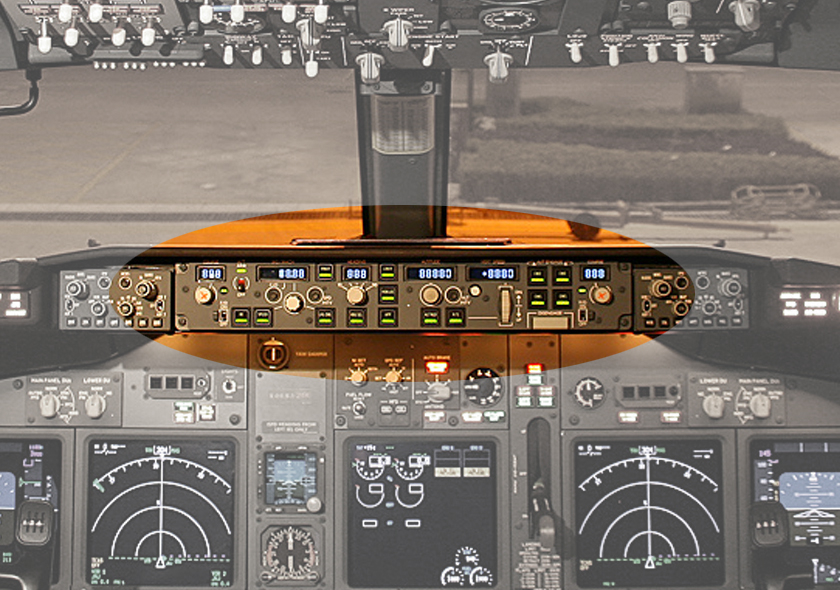
The autopilot is a tool, along with many other tools available to the crew. You still need to tell it what to do, how to do it, and when to do it. I prefer the term autoflight system. It’s a collection of several different functions controlling speed, thrust, and both horizontal and vertical navigation—together or separately, and all of it requiring regular crew inputs to work properly. On the jet I fly, I can set up an automatic climb or descent any of about six different ways, depending what’s needed. The media will quote supposed experts saying things like “pilots fly manually for only about ninety seconds of every flight.” Not only is this untrue, but it also neglects to impart any meaningful understanding as to the differences between manual and automatic, as if the latter were as simple as pressing a button and folding your arms.

The autopilot control panel of a Boeing 737 (color highlight)

One evening I was sitting in economy class when our jet came in for an unusually smooth landing. “Nice job, autopilot!” yelled some knucklehead behind me. Amusing, maybe, but wrong. It was a fully manual touchdown, as the vast majority of touchdowns are. Yes, it’s true that most jetliners are certified for automatic landings, called “autolands” in pilot-speak. But in practice they are rare. Fewer than 1 percent of landings are performed automatically, and the fine print of setting up and managing one of these landings is something I could talk about all day. If it were as easy as pressing a button, I wouldn’t need to practice them twice a year in the simulator or periodically review those tabbed, highlighted pages in my manuals. In a lot of respects, automatic landings are more work-intensive than those performed by hand. The technology is there if you need it for that foggy arrival in Buenos Aires with the visibility sitting at zero, but it’s anything but simple.

A flight is a very organic thing—complex, fluid, always changing—in which decision-making is constant and critical. For all of its scripted protocols, checklists, and SOP, hundreds if not thousands of subjective inputs are made by the crew, from deviating around a cumulus buildup (how far, how high, how long), to troubleshooting a mechanical issue to handling an onboard medical problem. Emergencies are another thing entirely. I’m talking about the run-of-the-mill situations that arise every single day, on every single flight, often to the point of task saturation. You’d be surprised how busy the cockpit can become.

Another thing we hear again and again is how the sophisticated, automated Boeing or Airbus has made flying “easier” than it was in years past. On the contrary, it’s probably more demanding than it’s ever been. Once you account for all of the operational aspects of modern flying –- not merely the hands-on aspects of driving the plane, but familiarity with everything else that the job entails, from flight-planning to navigating to communicating—the volume of requisite knowledge is far greater than it used to be. The emphasis is on a somewhat different skill set, but it’s wrong to suggest that one skill set is necessarily more important than another.

But, you’re bound to point out, what about the proliferation of remotely piloted military drones and unmanned aerial vehicles (UAVs)? Are they not a harbinger of things to come? It’s tempting to see it that way. These machines are very sophisticated and have proven themselves reliable—to a point. But a drone is not a commercial jet carrying hundreds of people. It has an entirely different mission and operates in a wholly different environment—with far less at stake should something go wrong. You don’t simply take the drone concept, scale it up, build in a few redundancies, and off you go.

I would like to see a drone perform a high-speed takeoff abort after a tire explosion, followed by the evacuation of 250 passengers. I would like to see one troubleshoot a pneumatic problem requiring an emergency diversion over mountainous terrain. I’d like to see it thread through a storm front over the middle of the ocean. Hell, even the simplest things. On any given flight there are innumerable contingencies, large and small, requiring the attention and subjective appraisal of the crew.

And adapting the UAV model to the commercial realm would require, in addition to gigantic technological challenges, a restructuring of the entire commercial aviation infrastructure, from airports to ATC. We’re talking hundreds of billions of dollars, from the planes themselves to the facilities they’d rely on. We still haven’t perfected the idea of remote control cars, trains, or ships; the leap to commercial aircraft would be harder and more expensive by orders of magnitude.

And for what? You’d still need human beings to operate these planes remotely. Thus I’m not sure what the benefit of this would be in terms of cost.

It amuses me that as aviation technology progresses and evolves, so many people see elimination of the pilot as the logical, inevitable endpoint. I’ve never understood this. Are modern medical advances intended to eliminate doctors? Of course not. What exists in the cockpit today is already a fine example of how progress and technology have improved flying—making it faster, far safer, and more reliable than it once was. But it has not made it easy, and it is a long, long way from engineering the pilot out of the picture—something we needn’t be looking for in the first place.

I know how this sounds to some of you. It comes across as jealousy, or I sound like a Luddite pilot trying to defend his profession against the encroachment of technology and an inevitable obsolescence. You can think that all you want. I am not against the advance of technology. I’m against foolish extrapolations of it.

source::::Patrick Smith in” Ask The Pilot..”

natarajan.

Frog Photobombs NASA Launch Photo !!!!

frogphotobomb

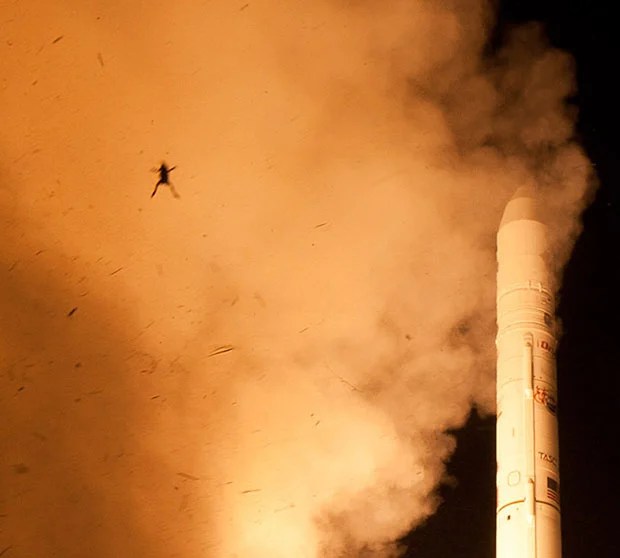
Check out this photograph NASA captured recently during the launch of its LADEE spacecraft. Notice anything unusual? If you’re thinking that the strange dark spot seen in the middle of the smoke plume looks familiar, you’re right — that’s a frog.

Here’s the original, uncropped version of the photo:

fullpicture


It was captured on September 7, 2013 during the launch of the Lunar Atmosphere and Dust Environment Explorer (LADEE) spacecraft. The craft will enter orbit around the Moon’s equator in order to study the exosphere and dust particles in the area.

The photograph itself was captured using a sound trigger that was set to detect when the launch sequence started. The NASA photo team has confirmed that the frog in the frame is in fact real, and states that it was captured in just one of the photos produced by the remote cameras active at the scene of the launch.

Here’s a closer crop showing our little amphibious friend:

frogcloseup

It’s a one-of-a-kind photograph. “The condition of the frog, however, is uncertain,” NASA says.


Image credit: Photograph by NASA/Wallops Flight Facility/Chris Perry   inPETA PIXEL

source:::::senthil natarajan …