ஆப்பிள் ஏன் விழுந்தது? – நியூட்டன் ‘பரபரப்பு’ பேட்டி!!!

நியூட்டனின் விதிகளை எளிமையாக விளக்கும் வகையில் ஒரு கற்பனை உரையாடல்!

நிருபர்: நியூட்டன் சார், ஆப்பிள் உங்கள் தலையில் விழுந்த கதை உண்மையா?

நியூட்டன்: கெப்ளர் கண்டுபிடித்த கோள்களின் இயக்க விதிகளை மூன்று நாட்களாக விடாமல் படித்துக்கொண்டிருந்தேன். கோள்களெல்லாம் சூரியனை நீள்வட்டமாகச் சுற்றிவருவதுபற்றி அவற்றின் மூலம் அறிந்தேன். அப்போது எனக்குப் பசி தாங்க முடியவில்லை. அந்த வாசிப்பைத் தொடர முடியாததால், ஆப்பிளைப் பறித்துச் சாப்பிட்டுவிட்டு வந்துவிடலாம் என்று தோட்டத்துக்குச் சென்றேன்.

நிருபர்: அப்போதுதான் அந்த ஆப்பிள் உங்கள் தலையில் விழுந்ததா?

நியூட்டன்: இல்லை, அது என் கையில் விழுந்தது.

நிருபர்: உங்களுக்குப் பசி எடுக்கிறது என்று ஆப்பிளுக்கு எப்படித் தெரியும்? அல்லது கடவுள் செயலா?

நியூட்டன்: கடவுள் செயலல்ல, கெப்ளர் செயல்.

நிருபர்: எப்படி?

நியூட்டன்: கோள்களைப் பற்றிய அவரது கண்டுபிடிப்புதான், ஆப்பிள் எப்படி நேராக என் கையில் வந்து விழுந்தது என்பதை எனக்குப் புரிய வைத்தது. கோள்களின் சுற்றுப்பாதை சூரியனை மையம் கொண்டு எப்படி ஒரு நீள்வட்டமாக அமைகிறது என்பதை அவர்தான் புரியவைத்தார்.

நிருபர்: கிரகங்களின் சுழற்சி எல்லோருக்கும் தெரிந்த விஷயம்தானே?

நியூட்டன்: மேலும் அவர் சொன்னது, “சூரியனிலிருந்து ஒரு விசை வெளிவந்து கோளங்களைப் பற்றிக்கொள்கிறது.” அதிலிருந்து நான் சொல்வது, “பூமி தன் புலப்படாத கைகளால் ஆப்பிளைப் பற்றிக்கொள்கிறது.”

நிருபர்: ஆப்பிளைப் பற்றியது உங்கள் கைதானே?

நியூட்டன்: சூரியனிலிருந்து வெளிவரும் விசைபோல் பூமியிலிருந்து ஒரு விசை வெளி வந்து அதைச் சுற்றியுள்ள அனைத்தையும் பற்றிக்கொள்கிறது என்பதைத்தான் நான் அப்படிச் சொன்னேன். கோள்கள், விண்மீன் திரள், ஆப்பிள், நீங்கள், நான் அனைத்தும் அசைவது ஒரு விதியின் கீழ்தான். அதுதான் ‘நியூட்டனின் ஈர்ப்பு விதி’.

நிருபர்: சூரியனைச் சுற்றும் சனி அல்லது புதனைப் போல் ஆப்பிள் ஒன்றும் பூமியைச் சுற்றவில்லையே?

நியூட்டன்: ஆப்பிளால் சுற்ற முடியும்.

நிருபர்: எப்படி?

நியூட்டன்: கொஞ்சம் கற்பனைசெய்து பாருங்கள். மிகமிகப் பலத்துடன், அதாவது பூமியின் ஈர்ப்பு விசையை அது சமாளிக்கக் கூடிய அளவு பலத்துடன் வீசியெறிந்தால் அது பூமியைச் சுற்ற ஆரம்பித்து, தொடர்ந்து சுற்றிக்கொண்டிருக்கும்.

நிருபர்: ஆ… புரிகிறது, பூமியைச் சுற்றும் செயற்கைக்கோள்களைப் போல…

நியூட்டன்: என் கணக்குப்படி ஆப்பிளை ஒரு நொடிக்கு 11 கிலோ மீட்டர் வேகத்தில் வீசினால், பூமியின் ஈர்ப்பு விசையிலிருந்து ஆப்பிள் விடுபட்டுவிடும். அதையே நொடிக்கு 42 கிலோ மீட்டர் வேகத்தில் வீசினால், சூரியனின் ஈர்ப்பு விசையிலிருந்து விடுபட்டு அண்டவெளியில் சுதந்திரமாகப் பயணிக்கத் தொடங்கிவிடும், இன்னொரு கோளின் அல்லது இன்னொரு நட்சத்திரத்தின் ஈர்ப்பு வலையில் விழும்வரை.

நிருபர்: ஆகையால் உங்கள் புகழ்பெற்ற ஈர்ப்பு விதி ஆப்பிளிலிருந்துதான் வந்தது.

நியூட்டன்: ஆமாம். நிறையுள்ள பொருள்கள் எல்லாமே ஒன்றையொன்று ஈர்க்கும் தன்மையுடையன. ஆகையால் மனிதர்கள் நாம் அனைவரும் ஒன்றாக இணையப் படைக்கப்பட்டவர்கள்.

நிருபர்: ஆப்பிளைச் சாப்பிடாமல் ஏன் அதைப் பார்த்தபடியே நிற்கிறீர்கள்?

நியூட்டன்: ஆப்பிளின் சிவப்பு நிறத்தைக் கவனித்தீர்களா?

நிருபர்: அதில் என்ன இருக்கிறது?

நியூட்டன்: சூரியனின் ஒளி ஆப்பிளின் தோல்மீது எதிரொலிப்பதால் ஆப்பிள் நம் கண்களுக்குத் தெரிகிறது.

நிருபர்: இதில் என்ன விஷயம்?

நியூட்டன்: சூரியனின் ஒளி வெண்மையாக இருக்க, அது எப்படி சிவப்பாகப் பிரதிபலிக்கிறது?

நிருபர்: ஆப்பிளின் தோல், ஒளியின் நிறத்தை மாற்றிவிடுகிறது.

நியூட்டன்: இல்லை இல்லை. சில நாள்களுக்கு முன்பு நான் ஒரு ஆராய்ச்சியில் ஈடுபட்டேன். சூரிய ஒளியை ஒரு முப்பட்டகம் (ப்ரிஸம்) வழியே செலுத்தினேன். அது வானவில்லாக வெளிவந்தது.

நிருபர்: ஊதா, கருநீலம், நீலம், பச்சை, மஞ்சள், ஆரஞ்சு, சிவப்பு.

நியூட்டன்: வெண்மை என்பது ஒரு நிறமல்ல, அது அனைத்து நிறங்களின் கூட்டல்.

நிருபர்: ஓ, எல்லா நிறங்களின் தொகுப்பு என்று சொல்லவருகிறீர்களா?

நியூட்டன்: அந்தத் தொகுப்பை முப்பட்டகம் முழுமையாகப் பிரித்துவிடுகிறது. ஆப்பிளோ அனைத்து நிறங்களையும் உள்வாங்கிக்கொண்டு சிவப்பை மட்டும் பிரதிபலிக்கிறது.

நிருபர்: இதைச் சரி என்று எப்படி நிரூபிப்பது?

நியூட்டன்: நீல நிற வெளிச்சத்தில் இந்த ஆப்பிள் உங்கள் கண்களுக்குத் தெரியாது.அது எதையும் பிரதிபலிக்காமல் கருநிறத்தில் தெரியும்.

நிருபர்: அந்த ஆப்பிளைக் கொடுங்கள், நான் பரிசோதித்துப் பார்க்கிறேன்.

நியூட்டன்: ஐயோ, எனது ஆப்பிள்…?

நிருபர்: இயக்கம் குறித்த விதிகளை எனக்குப் புரியும்படி விளக்குங்கள். உங்கள் ஆப்பிளைத் தந்துவிடுகிறேன்.

நியூட்டன்: சரி, சொல்கிறேன். ஒரு பொருளின் அசைவுக்குப் பின்னால் இருக்கும் ரகசியங்களை வெளிப்படுத்துவதுதான் எனது மூன்று இயக்க விதிகள். நீங்கள் ஒரு காரில் 100 கிலோ மீட்டர் வேகத்தில் நேராகச் சென்றுகொண்டிருக்கிறீர்கள் என்று வைத்துக் கொள்வோம். உங்கள் கார் எந்தவொரு மாற்றமுமின்றி நேராகச் செல்லும். அப்படிச் செல்லும் காரின் இயக்கத்தில் மாற்றம் ஏற்பட்டால் என்ன அர்த்தம்?

நிருபர்: காரை ஓட்டும் நான் வேகத்தைக் குறைத்துவிட்டேன் அல்லது கூட்டிவிட்டேன்.

நியூட்டன்: அல்லது…

நிருபர்: ஸ்டீயரிங்கை வலது அல்லது இடது பக்கம் திருப்பிவிட்டேன்.

நியூட்டன்: இதுதான் என் இயக்க விதிகளின் மூலக்கரு. எந்தவொரு பொருளின் இயக்கத்தில் மாற்றம் ஏற்பட்டாலும், அந்தப் பொருளின் மீது ஏதோவொரு விசை செயல்படுகிறது என்று அர்த்தம்.

நிருபர்: ஓ! திடீரென்று ஸ்டீயரிங்கைத் திருப்பியதுபோல்…

நியூட்டன்: ஆம்! இந்தத் திடீர் மாற்றத்தின் விளைவு உங்கள் காரின் வேகத்தில் அல்லது செல்லும் திசையில் தெரியும்.

நிருபர்: வேக மாற்றமும் விசையும் ஒன்றோடு ஒன்று தொடர்புடையது என்பதே நீங்கள் கண்டறிந்த உண்மை. இதை அனைவரும் மிகப் பெரிய சாதனை என்று சொல்கிறார்கள்.

நியூட்டன்: நான் மற்றவர்களுக்கு எப்படித் தோன்றுகிறேன் என்று எனக்குத் தெரியாது. ஆனால், என்னை நான் பார்க்கும்போது கடலோரம் விளையாடும் ஒரு குழந்தையைப் போல் தெரிகிறேன். அந்தக் குழந்தை அதிர்ஷ்டவசமாக ஒரு அழகான கிளிஞ்சலைக் கண்டெடுத்தது. ஆனால், அந்தக் குழந்தையின் முன் பரந்த பெருங்கடலாக அறியப்படாத உண்மைகள் விரிந்துகிடக்கின்றன என்பதுதான் உண்மை.

குறிப்பு:

நியூட்டன் பிறந்தபோது வழக்கத்தில் இருந்தது ஜூலியன் நாட்காட்டி முறை.

இதன்படி நியூட்டனின் பிறப்பு: 25-12-1642, இறப்பு: 20-03-1727.

புதிய நாட்காட்டி முறைப்படி (கிரிகோரியன் நாட்காட்டி) பிறப்பு: 04-01-1643, இறப்பு: 31-03-1727


– குமரன் வளவன், நாடகக் கலைஞர், இயற்பியலாளர்,
பிரெஞ்சு-தமிழ் மொழிபெயர்ப்பாளர்
தொடர்புக்கு: valavane@yahoo.fr

source:::::The Hindu… Tamil
natarajan

” கம்பனின் கற்பனை ஆங்கில கவிஞன் டென்னிசன் வரிகளில் …”

தமிழறிஞர் பரிதிமாற் கலைஞர் அவர்கள் சென்னை கிறிஸ்தவக் கல்லூரியில் மாணவராகப் பயின்ற காலத்தில் ஆங்கில மொழிப் பேராசிரியரும், கல்லூரித் தலைவருமான மில்லர், ஆங்கிலக் கவிஞர் டென்னிசனின் ‘ஆர்தரின் இறுதி’ கவிதை நூலைப் பாடம் நடத்திக்கொண்டிருந்த போது, அதில் வரும் கவிதை வரிகளைக் குறிப்பிட்டார்

“So said he, and the barge with oar and sail,

Moved from the brink, like some full- breasted swan”

ஆர்தர் அரசன் இறக்கும் தருவாயில் இருக்கிறான். அவன் மனைவியரோடு அவனை ஒரு அழகிய படகில் வைத்து நதியில் செலுத்திவிடுகிறார்கள். இந்தக் கட்டத்தில் படகு, நதியில் அழகாக செல்லுகின்ற காட்சியையே மேலே காட்டிய இரண்டடிகளும் வருணிக்கின்றன. அந்தப் படகு தனது துடுப்புகளை ஆட்டி அசைத்துக்கொண்டு நதியில் மிதந்து செல்வது ஒரு அழகிய அன்னப்பறவை தனது சிறகுகளை விசிறிக்கொண்டு நீரில் நீந்துவது போல் தோன்றுகிறது புலவனது அகக் கண்களுக்கு.

இதுமாதிரியான கற்பனை தமிழில் எங்கேயாவது உண்டா என்று அறிந்துகொள்ள விரும்பிய மில்லர், பரிதிமாற் கலைஞரைப் பார்த்து, “தமிழ் பற்றி எப்பொழுதும் பெருமையாகப் பேசுகிறோயே, டென்னிசனின் மேற்கண்ட கற்பனை போல் தமிழில் உண்டா?” என்று கேட்டார்.

பரிதிமாற் கலைஞர், தமிழ் இலக்கியத்தில் இருக்கிறது என்று உடனடியாகப் பதில் சொன்னார். எட்டு, ஒன்பது நூற்றாண்டுகளுக்கு முன்பே எழுதப்பட்ட கம்பராமாயணத்தில் இந்த உவமை எடுத்தாளப்பட்டிருக்கிறது என்றார். அயோத்தியா காண்டம் குகப்படலத்தில் இராமன், சீதை, இலக்குவன், குகன் ஆகியோர் கங்கை நதியைக் கடக்கும் காட்சி இப்படி விவரிக்கப்படுகிறது.

முடுகினன் நெடுநாவாய், முரிதிரை நெடு நீர் வாய்

கடிதினின் மட அன்னக்கதி அது செல…

பரிதிமாற் கலைஞர் மேற்கண்ட கம்பன் வரிகளைக் கூறியவுடன் புதையல் கண்டவரைப் போல மில்லர் மிக்க மகிழ்ச்சி அடைந்தார். அன்னப் பறவை நீரில் செல்வது போல படகு சென்றது என்ற கம்பனின் கற்பனை அப்படியே பல நூற்றாண்டுகளுக்குப் பின் ஆங்கிலக் கவிஞர் டென்னிசன் வரிகளில்.

என்ன அபூர்வ ஒற்றுமை.

ஆதாரம்: பரிதிமாற் கலைஞர் வாழ்க்கை வரலாறு

Topics:

இலக்கியம்|     source::::The Hindu….Tamil

natarajan

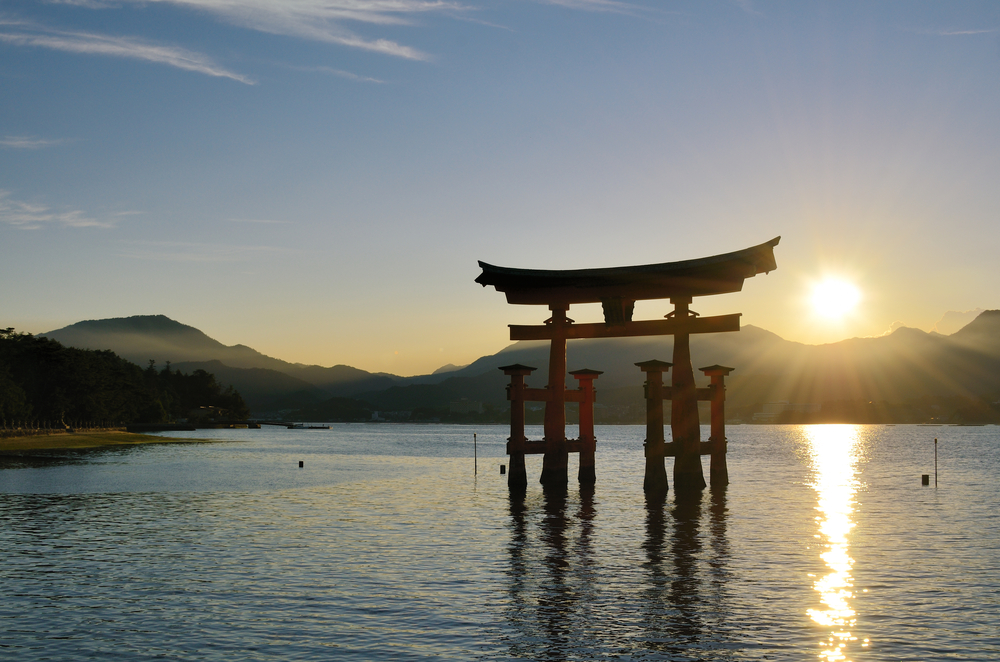
Why Japan is Called the Land of Rising Sun ?

land-of-the-rising-sunAncient, China developed all of the hallmarks of advanced civilization, including written language, advanced cities, specialized labor and bronze technology, as much as 2000 years before Japan. As a result, China, and its culture, had an enormously large influence on the younger culture, sharing its philosophies, political structures, architecture, Buddhism, clothing styles and even its written language. In fact, the earliest known written account of Japan was found in a Chinese book.

With such a powerful influence, it stands to reason that, when Japan was described early in its development, it was from a Chinese perspective. And when the Chinese looked east to Japan, they looked in the direction of the dawn.

Early Japanese History

By the time the first Japanese ambassador was sent to the Chinese Han eastern capital in 57 AD, Japan was called Wa (Wo), a name that also designated the Japanese people. According to contemporary Chinese accounts, these early Japanese:

Lived on raw vegetables, rice and fish . . . had vassal-master relations, collected taxes, had provincial granaries and markets . . . [and] had violent succession struggles.

In the first century AD, one clan, the Yamato, began to dominate its neighbors, and by the 5th century AD,Yamato became a synonym for Japan. As a single, central government emerged, Japan increasingly followed Chinese culture, including its methods of administration.

By about 600 AD, the Prince Regent of Japan, Shotoku (574-622 AD), who was a big fan of Chinese culture, introduced a wide array of Chinese influences to Japan:

Under Shotoku’s direction, Confucian models of rank and etiquette were adopted . . . [He also] adopted the Chinese calendar, developed a system of highways, built numerous Buddhist temples, had court chronicles compiled, sent students to China to study Buddhism and Confucianism, and established formal diplomatic relations with China.

In addition, Shotoku is widely credited in Japan with coining the name Nippon (“Sun Origin”) for Japan:

Prince Umayado [Prince Shotoku], in the year 607, at the time of the first embassy to the Sui dynasty, sent a letter to the Sui emperor, Yangdi, ‘from the Son of Heaven in the land where the sun rises to the Son of Heaven in the land where the sun sets.

Apparently, the Chinese were offended that Shotoku tried to put himself as “Son of Heaven” on the same plane as the Chinese emperor, also “Son of Heaven.”

Regardless, in 645 AD, according to Japanese history, a palace coup led to the introduction of the Taika (meaning “great change”) Reform. Intended to further centralize the government, the reform eliminated private ownership of lands and put them under the control of the centralized government – with the “people direct subjects of the throne.” As part of this reform, NipponNihon (both meaning “origin of the sun”) andDai Nippon (Great Japan) were used “in diplomatic documents and chronicles” in place of Wa (Wo).

In Chinese records, the change of the name was less well received and their accounts differ:

Nippon appeared in history only at the end of the 7th century. Old Book of Tang, one of the Twenty-Four Histories, stated that the Japanese envoy disliked his country’s name Wonguo and changed it to Nippon, or “Origin of the Sun.” Another 8th century chronicle, True Meaning of Shiji, however, states that the Chinese Empress Wu Zetian ordered a Japanese envoy to change the country’s name to Nippon.

Another Chinese account of the transformation, found in the official history of the Tang dynasty, the Xin Tang Shu, reported:

In . . . 670, an embassy came to the Court [from Japan] to offer congratulations on the conquest of Koguryo. Around this time, the Japanese who had studied Chinese came to dislike the name Wa and changed it to Nippon. According to the words of the Japanese envoy himself, that name was chosen because the country was so close to where the sun rises.

In any event, the name stuck, and for the last 1400 years or so, the world has referred to Japan as Nippon, the land of the rising sun.

source:::::Today i foundout.com

natarajan

Albert Einstein…Few Lighter Moments in the Life of This Genius !!!

Great minds do not ponder over small things!

Albert Einstein’s wife often suggested that he dress more professionally, when he headed off to work.

“Why should I?” He would invariably argue.  Everyone knows me there.”

When the time came for Einstein to attend his first major conference, she begged him to dress up a bit.

“Why should I?” said Einstein.  “No one knows me there!

=======================================================

Albert Einstein was often asked to explain the general theory of relativity.

“Put your hand on a hot stove for a minute, and it seems like an hour,” he once declared.

“Sit with a pretty girl for an hour, and it seems like a minute.

That’s relativity!”

=======================================================

One day while working in Princeton University, Albert Einstein forgot his home address when he was going back home. The driver of the cab did not recognize him.

Einstein asked the driver if he knows Einstein’s home. The driver said “who does not know Einstein’s address?  Everyone in Princeton knows. Do you want to meet him?”

Einstein replied, “I am Einstein. I forgot my home address, can you take me there?

“The driver reached him to his home and did not even collect his fare from him.

=============================================

Einstein was once travelling from Princeton on a train when the conductor came down the aisle, punching the tickets of every passenger. When he came to Einstein, Einstein reached in his vest pocket. He couldn’t find his ticket, so he reached in his trouser pockets. It wasn’t there, so he looked in his briefcase but couldn’t find it. Then he looked in the seat beside him. He still couldn’t find it.

The conductor said, ‘Dr. Einstein, I know who you are. We all know who you are. I’m sure you bought a ticket. Don’t worry about it.’

Einstein nodded appreciatively.

The conductor continued down the aisle punching tickets. As he was ready to move to the next car, he turned around and saw the great physicist down on his hands and knees looking under his seat for his ticket. The conductor rushed back and said, ‘Dr. Einstein, Dr. Einstein, don’t worry, I know who you are. No problem. You don’t need a ticket. I’m sure you bought one.’

Einstein looked at him and said, ‘Young man, I too know who I am. What I don’t know is where I’m going. That’s why I am searching my ticket”

 =======================================================

At college Einstein fell madly in love with the only woman in his physics class, a dark and intense Serbian named Mileva Maric.

She served as a sounding board for his scientific ideas and helped to check the math in his papers, but eventually their relationship disintegrated.

Einstein offered her a deal.  He would win the Nobel Prize someday, he said; if she gave him a divorce, he would give her the prize money.

She thought for a week and accepted.

Because his theories were so radical, it was seventeen years after his miraculous outpouring from the Patent office before he was awarded the prize and she collected!

=======================================================

THE COSMIC TRUTH! LIFE IS LIKE RIDING A BICYCLE.  TO KEEP YOUR BALANCE YOU MUST KEEP MOVING! –Albert Einstein, in a letter to his son Eduard, February 5, 1930

source:::::::::::::: input from a friend of mine

natarajanFew

” பல்லவ கடிகாரம் பார்த்தாயா …? ” !!!

டாக்டர் தியாக. சத்தியமூர்த்தி, தமிழகத்தின் தலைசிறந்த தொல்லியல் ஆய்வாளர்களுள் ஒருவர். தமிழ்நாடு, கேரளம், கர்நாடகம், குஜராத், டெல்லி, ராஜஸ்தானம் என இந்தியாவின் பல பகுதிகளில் தொல்லியல் ஆய்வுகளை நிகழ்த்தியவர். இந்தியத் தொல்பொருள் கள ஆய்வுத் துறை மூலம் இவர் ஆற்றிய பணிகள் குறிப்பிடத்தக்கன. தமிழகத்தில் ஆதிச்சநல்லூர், மகாபலிபுரம் போன்ற இடங்களில் இவர் செய்த ஆய்வுகள் முக்கியத்துவம் வாய்ந்தவை.

அவர் சொல்கிறார்:

சிறு வயதிலிருந்தே அவரை தரிசித்திருக்கிறேன். தொல்லியலாளரான பின்னர் அவரைப் பார்க்கப் போனபோது, “நீ என்ன வேலை பார்க்கிறாய்?” என்று கேட்டார். அப்போது கோவில்கள் திட்டப்பணியில் தொல்லியல் துறையில் செய்யும் பணிபற்றிச் சொன்னேன். “நீ மகாபலிபுரம் போயிருக்கிறாயா? அங்கு என்ன பார்த்தாய்?” என்று கேட்டார். நான் பஞ்சபாண்டவர் ரதம், மகிஷாசுரமர்த்தினி என்றெல்லாம் சொன்னேன்.

“அங்கு பல்லவர்களுடைய கடிகாரம் ஒன்று இருக்கிறதே, அதைப் பார்த்திருக்கிறாயா?” என்று கேட்டார். ஏதோ விளையாட்டுக்குச் சொல்கிறார் என்று நினைத்து, “பல்லவா காலத்தில் ஏது பெரியவா கடிகாரம்?” என்று கேட்டேன். “இருக்கு. இருக்கு. நீ அடுத்தவாட்டி போறப்போ நல்லா பார்த்துட்டு வா!” என்றார்.

மறுமுறை போனபோது, “கடிகாரம் பார்த்தாயா?” என்று கேட்டார். “இல்லை பெரியவா, எனக்குத் தெரியவில்லை” என்றேன். “அர்ஜுனன் தவம் பார்த்தியா?” என்று கேட்டார். “பார்த்தேன்” என்றேன். “அந்த அர்ஜுனன் தபஸ் சிற்பத்திற்குக் கீழே நதி ஒன்று ஓடிக் கொண்டிருக்கும். சின்ன விஷ்ணு கோயில் ஒன்று இருக்கும். பக்கத்தில் ரிஷி ஒருவர் உட்காந்து கொண்டிருப்பார். கீழே அமர்ந்து சிலர் வேதம் சொல்லிக் கொண்டிருப்பார்கள். ஒருவர் ஆற்றில் நனைத்த துணியைப் பிழிந்து கொண்டிருப்பார். மற்றொருவர் நின்று கொண்டு மாத்யான்னிஹ வந்தனை செய்து கொண்டிருப்பார். (அதில் ஒருவர் இரண்டு கைகளையும் கோர்த்து விரலிடுக்கால் உச்சியிலிருக்கும் சூரியனைப் பார்க்கிறார்) பனிரெண்டு மணிக்கு இந்த விஷயம் நடந்தது என்பதைச் சிற்பி தெரிவிக்கிறார். அதைத்தான் ‘பல்லவ கடிகாரம்‘ என்று சொன்னேன்” என்று பெரியவர் சொன்னார்.

பெரியவரின் நுணுக்கமான பார்வையைக் கண்டு எனக்கு பிரமிப்பு ஏற்பட்டது.

——————————————————————————-

நாமும் அதைப் பார்த்து ரசித்து வியக்கலாமா. இதோ அந்த சிற்பத்தின் நிழற் படம்

source::::www.perivaproboards .com

natarajan

Read more: http://periva.proboards.com/thread/6348/#ixzz2rN6GL9Sw

Mind Blowing Antique Piece …!!!

Maybe we’ve all been looking in the wrong place for proof of extra-terrestrial life. Because it’s hard to imagine this incredibly complex transforming desk coming from anywhere but Cybertron, the home planet of the Autobots and Decepticons.

Where Is This Mind-Blowing Antique Transforming Desk Hiding Its Autobot Logo?

Surprisingly, though, it does hail from earth. And was actually created as far back as the late 1700s by master furniture craftsmen Abraham and David Roentgen. The desk certainly looks ornate at first glance, but it’s when its endless secret lockboxes and drawers start to be r evealed that you’ll be truly impressed by the craftsmanship behind it. And jump ahead to the two-minute mark for a ridiculously complex pop-out easel that could out-transform even Optimus Prime. [The Metropolitan Museum of Art via Make]

source::::Youtube & Gizmodo

natarajan

source:::

” அம்பாள் ‘படி’ அளப்பாள்” …. !!!


பெரியவாள் காசி யாத்திரை (1933) செல்லும் வழியில் ஒரு ஆந்திர குக்கிராமம் ஒன்றில் முகாமிட்டபோது ஸ்ரீ ஸி.எஸ்,விக்கு (விச்வநாதையர்) பொத்துக்கொண்டு வந்து விட்டதாம்.

“எடுத்துச் செலவழிப்பதற்கு நம் மடத்தில் என்ன கொட்டியா கிடக்கிறது? இந்தத் தரித்திரம் பிடித்த ஊரில் இத்தனை யானையையும்,ஒட்டையையும்,ஜனங்களையும் கட்டித் தீனி போடுவதென்றால் எப்படி?” என்கிற ரீதியில் பெரியவாள் காதுபடப் பொரிந்து தள்ளி விட்டாராம்.

பெரியவாள் அவரைக் கூப்பிட்டார். சாந்தமாக ” நீ ஏன் பதட்டப்படறே? நாம நல்ல காரியத்தை உத்தேசிச்சுப் பொறப்பட்டிருக்கோம்.நம்ப லக்ஷ்யம் நன்னாயிருந்தா அம்பாள் கை கொடுக்காமப் போவாளா? அவதானே எல்லாருக்கும் படியளக்கிறா? நமக்கும் நிறைய அளப்பா”என்றாராம்.

மறுநாள், விச்வநாதய்யரால் நம்பவே முடியவில்லை! அந்தக் கிராமத்தில் ஏதாவது திருவிழா நடந்ததா, அல்லது சந்தை கூடிற்றா, அல்லது இப்படி எதுவுமே
நடக்காமல் பெரியவாளின் சக்தி மட்டும்தான் வேலை செய்ததா என்று அவருக்குச் சொல்ல தெரியவில்லை.

ஆனால் சொல்லத் தெரிந்தது, மறுநாள் காலையிலிருந்து அந்த நிர்மாநுஷ்யக் குக்கிராமத்தில் புற்றீசலாகப் பக்தர்கள் பெரியவாளை வழிபட வந்து கொண்டேயிருந்ததுதான். வந்தது மட்டும் இல்லை.

அக்காலத்தில் வெள்ளி நாணயம் வழங்கி வந்ததல்லவா? வந்த பக்தர்கள் யாவரும் இப்படி நாணயங்களைக் கொண்டு வந்து கொட்டினார்கள். “நான் மடத்திலே இருந்திருக்கிற இந்த நாற்பது வருஷமா இதை (எஸ்,வி.என்னிடம் கூறியது சுமார் பத்து ஆண்டுகளுக்கு முன்பு-கட்டுரை-1960-பின் பாதியில்) அந்த மாதிரி ஒத்தை ஒத்தை ரூபாயா வந்து குன்று மாதிரி குவிஞ்சதேயில்லை! மடத்து ஜாகையிலே எல்லாத்தையும் சேத்துக் குவிச்சு எண்ணிட்டுப் படியாலே எடுத்து எடுத்துச் சாக்கிலே போட்டுக் கட்டினோம்.

பெரியவாள்,”அம்பாள்,’படி’ அளப்பாள்’னு சொன்னேன். ஒனக்கு நம்பிக்கைப் படலை. இப்ப நீயே ‘படியாலே’ அளந்து அளந்து கொட்டறே, பாத்தியா?”ன்னா!

“பெரியவாளுக்குத் தெரியாதது எதுவும் இல்லை. பெரியவா செய்ய முடியாதது எதுவும் இல்லை. இருந்தாலும் ‘எங்களைக் கூட வெச்சுண்டு ஆட்டம் போட்டிருக்கா” என்று முடித்தார் விச்வநாதையர்
source:::: http://www.periva.proboards.com

natarajan
Read more: http://periva.proboards.com/thread/5902/#ixzz2qtSzm8HJ

First Known Robot Created Around 400BC !!!

Today I Found Out the first known robot was created around 400-350 BC by the mathematician Archytas and was a steam powered pigeon.

Archytas, who coincidentally is known as the “father of mechanical engineering”, constructed his bird out of wood and used steam to power the movements of the robot.  This bird was then suspended from a pivot bar and at one point the bird managed to fly as much as 200 meters before it ran out of steam.  This is not only the first known robot, but was also one of the first recorded instances of a scientist doing research on how birds fly.

Archytas was a very famous philosopher, mathematician, astronomer, commander, statesman, and strategist in his day.  Among his many accomplishments include being the founder of mathematical mechanics (what we now call mechanical engineering).  He was also an elected General for seven consecutive years, which violated the law at the time.  However, because he never lost a single battle in his time as “strategos”, the people decided to continue to elect him as the ruler of their city-state anyway.

His mathematical works also heavily influenced Plato and Euclid, among others.  Among his mathematical accomplishments were: in geometry, he solved the problem of “doubling the cube”, as proposed by Hippocrates of Chios;  he also made great advancements in musical theory, using mathematics to define intervals of pitch in the enharmonic scale in addition to those already known in the chromatic and diatonic scales.  In addition to this, he showed that pitch on a stringed instrument is related to vibrating air.

Archytas’s virtue was also such that it is thought that Plato, a close friend of Archytas, used Archytas as his model for the “Philosopher King” and he seems to have strongly influenced Plato’s political philosophy as shown in “The Republic” and other works.  For example, “How does a society obtain good rulers like Archytas, instead of bad ones like Dionysus II?”

Archytas eventually died by drowning in a shipwreck, with his body later washing up on shore.

Bonus Facts:

  • Artisans in China developed an elaborate functional mechanical orchestra around 200 BC.
  • Leonardo Divinci designed and built the first known humanoid robot around 1495.  This robot was an armored knight that could sit up, wave its arms, and move its head while opening and closing its jaw; presumably meant to scare children who were misbehaving. ;-)
  • Cybernetics professor Kevin Warwick recently became the world’s first cyborg, putting computer chips in his left arm that he uses to remotely control doors, an artificial hand, and his electronic wheelchair, among other things.  Among his more famous experiments: in 2002, using a connection to his nervous system, he connected through the internet and controlled a robotic arm, including being able to feel what the arm/hand felt through sensors in the hand.  Another extrasensory preceptor he has wired up to his nervous system is an ultrasonic sensor attached to a hat.  His wife has also been similarly equipped, though with a simpler device connected to her nervous system so that they can “communicate” with one another through the internet; more or less transmitting “feelings” to one another.
  • The first known human killed by a robot was in 1981, when a robotic arm, no doubt in a diabolical plot to try to take over the world, crushed a Japanese Kawasaki factory worker.
  • The “Archytas” crater on the moon is named in Archytas’ honor.
  • The word “android” was coined by German philosopher Albertus Magnus who attempted to create an artificial being which he named “Android”, using the “angels from the netherworld” and the powers of the philosopher’s stone that he created from the “metals and material unknown to this world…”  When he completed this project, after 30 years, his student, St. Thomas, supposedly destroyed the “diabolic being” and denounced it as a “tool of Satan and blasphemy to God”

source::::today i foundout.com

natarajan

Strange … But True.. Amazing Hand Drawing ” Maze” !!!


Over 30 years ago, a man spent 7 years hand-drawing the most complex, unbelievable and probably unsolvable maze I’ve ever seen. His daughter recently posted the following photos on Twitter and, needless to say, the entire Internet is exploding with questions about her dad.

So who is the man behind it? A professor? A mathematician? A wizard? No, no, and no. The correct answer is… the university janitor.

Art connoisseurs are going crazy over this, both for its artistic brilliance and its impossibility to solve. To think a university janitor was behind this shows that we should never judge anyone by their occupation or position in life. This is awesome work.

To date, no additional information has been shared about the maze or the man behind it. But it’s without a doubt one of the most humble, remarkable creations I’ve ever seen.

Source: Twitter User Kya7y’s / Buy A Copy Of “Papa’s Maze” Here & viralnova site

natarajan


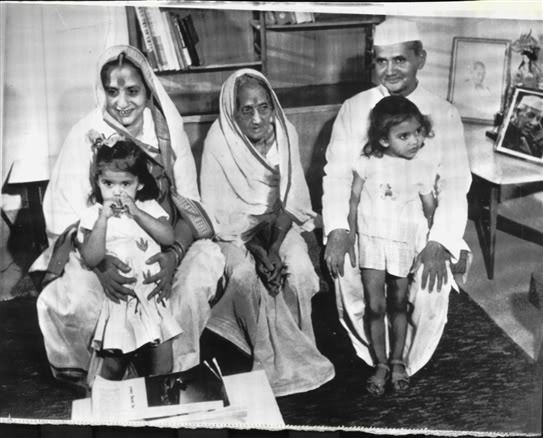
Homage to Lal Bahadur Shastri ….

11 JAN  1966… The Day on which  Shri Lal Bahadur Shastri  died under tragic circumstances at Tashkent , Russia  while on Official tour to that country ….Few quotable Quotes of this Great Man are posted in my blog today as a mark of Respect and Rememberance  ……  Natarajan

11 Jan 2014

1964+India%2527s+Lal+Bahadur+Shastri+Family+Press+Photo

Source::::ebay… Family Photo of Shri . LalBahadur Shastri

 Quotes…

Quote 1: That loyalty to the country comes ahead of all other loyalties. And this is an absolute loyalty, since one cannot weight it in terms of what one receives

Quote 2: True democracy or the swaraj of the masses can never come through untruthful and violent means.

Quote 3: The rule of law should be respected so that the basic structure of our democracy is maintained and further strengthened.

Quote 4: The economic issues are most vital for us and it is of the highest importance that we should fight our biggest enemies – Poverty, unemployment.

Quote 5: We want freedom for our country, but not at the expense or exploitation of others, not us to degrade other countries…I want the freedom of my country so that other countries may learn something from my free country so that the resources of my country might be utilized for the benefit of mankin

Quote 6: The preservation of freedom, is not the task of soldiers alone. The whole nation has to be strong.

Quote 7: We all have to work in our respective spheres with the same dedication, the same zeal and the same determination which inspired and motivated the warrior on the battle front. And this has to be shown not by mere words, but by actual dee

Quote 8: The basic idea of governance, as I see it, is to hold the society together so that it can develop and march towards certain goals

Quote 9: Those who govern must see how the people react to administration. Ultimately, the people are the final arbiters.

Quote 10: Success in science and scientific work come not through the provision of unlimited or big resources, but in the wise and careful selection of problems and objectives. Above all, what is required is hard sustained work and dedication.

Quote 11: If I were a dictator, religion and state would be separate. I will die for it. But it is my personal affair. The State has nothing to do with it. The State would look after secular welfare, health, communications, foreign relations, currency and so on, but not your or my religion. That is everybody’s personal concer

Quote 12: Among the major tasks before us none is of greater importance for our strength and stability than the task of building up the unity and solidarity of our people.

Quote 13: Sampling out corruption is a very tough job, but I say so in all seriousness that we would be failing in our duty if we do not tackle this problem seriously and with determination.

Quote 14: India will have to hang down her head in shame if even one person is left who is said in any way to be untouchable.

Quote 15: We believe in peace and peaceful development, not only for ourselves but for people all over the world.

natarajan