|
With regards to service, you must be clear on what is Rajasik service andSatwik service. You may go to clean streets, build roads, dig wells or build houses, and do them all as service to the community. You may also go to a hospital and visit patients. Doing service in the name of ‘social work’ is not real service. Satwik service is that which gives real happiness. It requires that you serve any and every person as an embodiment of the Divine. Divinity (Narayana) is present in two forms amongst all people – wealthy (Lakshmi Narayana) or poor and needy (Daridra Narayana). A rich man may have any number of people to attend to him. But there would be no one to serve the destitute and disadvantaged. Treating the poor and needy as Divine embodiments and serving them lovingly is Satwik service.
|
Interesting read

“தூக்கம் நம் கண்களை தழுவட்டுமே …” !!!
பல விதமான விஷயங்களை எல்லா மதங்களும் ஆராய்ந்து அதனை அம்மதத்தின் அடிப்படையில் மனித நலத்திற்கு வழங்கப்படுகிறது.அப்படி உள்ள விஷயங்களில் தூங்குவது கூட எப்படி என்று கூறப்பட்டுள்ளது.
தூங்கும் முறைகள்
மனிதனின் அடிப்படைத் தேவைகளில் முக்கியமான ஒன்றுதான் உறக்கம் எனும் தூக்கமாகும். இது உடலின் ஆரோக்கியத்தைக் காப்பதில் முக்கிய பங்கு வகிக்கின்றது.
மனிதனின் வாழ்நாளில் மூன்றில் ஒரு பங்கு தூக்கத்தில் தான் கழிகின்றது. உடலிலுள்ள கோடிக்கணக்கான செல்களை தினமும் புதுப்பிக்கவும், உடலின் சோர்வு நீங்கி புத்துணர்வு பெறவும், உடல் வளர்ச்சி [குறிப்பிட்ட வயது வரை ]பெறவும், தூக்கம் இன்றியமையாததாக உள்ளது.
இரவில் தூங்கும் போதுதான் உடலின் வளர்ச்சி அதிகரிக்கின்றது என்று இன்றைய அறிவியலாளர்கள் கூறுகின்றனர்.
தூங்குவதைப் பற்றியும் அதில் உள்ள அறிவியல் உண்மைகளையும் சித்தர் பெருமக்கள் தங்கள் நூல்களில் வடித்துள்ளனர்.
தூங்குவதற்கு ஏற்ற காலம் இரவு மட்டும் தான் என்பது இயற்கையின் விதிகளில் ஒன்று. பூமியின் தட்ப வெட்ப நிலைகள் மாறி இரவில் குளிர்ச்சி பொருந்திய சூழ்நிலைதான் தூங்குவதற்கு ஏற்ற காலமாகும். ஆனால் இன்றைய நாகரீக உலகில் இணையதள நிறுவனங்களில் வேலை பார்க்கும் பலரும் இரவில் கண் விழித்து பகலில் தூங்குகின்றனர். இதனால் என்ன தீமைகள் விளையும் என்பது பற்றி
சித்தர் பாடல் ஒன்று.
சித்த மயக்கஞ் செறியும் புலத்தயக்க மெத்தனுக்
கமைந்த மென்பவை களித்தமுற வண்டுஞ் சிலரை
நாயாய்ப் பன்னோய் கவ்வுமிராக் கண்டுஞ் சிலரை
நம்பிக் காண்
கமைந்த மென்பவை களித்தமுற வண்டுஞ் சிலரை
நாயாய்ப் பன்னோய் கவ்வுமிராக் கண்டுஞ் சிலரை
நம்பிக் காண்
இதன் விளக்கம் :-
இரவில் நித்திரை செய்யாதவர்களிடத்தில் புத்தி மயக்கம், தெளிவின்மை, ஐம்புலன்களில் [உடலில்]சோர்வு, பயம், படபடப்பு, அக்னி மந்தம், செரியாமை, மலச்சிக்கல், போன்ற நோய்கள் எளிதில் பற்றும்.
வேட்டைக்குச் செல்லும் வேடருடைய நாய்கள் இரையைக் கவ்வுதல் போல் இரவில் நித்திரையில்லாதவரை பற்பல நோய்கள் கவிக் கொள்ளும்.
எந்த திசையில் தலை வைத்து படுக்க வேண்டும் என்பதை சித்தர்கள் அன்றே தெளிவாகக் கூறியுள்ளனர்.
உத்தமம் கிழக்கு, ஓங்குயிர் தெற்கு, மத்திமம் மேற்கு, மரணம் வடக்கு.
கிழக்கு திசையில் தலை வைத்து படுப்பது மிகவும் நல்லது. தெற்கு திசையில் தலை வைத்துப் படுத்தால் ஆயுள் வளரும். மேற்கு திசையில் தலை வைத்துப் படுத்தால் கனவு,அதிர்ச்சி உண்டாகும். வடக்கு திசையில் ஒரு போதும் தலை வைத்து தூங்கக் கூடாது.
இதனை விஞ்ஞான ரீதியாகவும் ஒப்புக்கொண்டுள்ளனர். வடக்கு திசையில் இருந்து வரும் காந்தசக்தி தலையில் மோதும் போது அங்குள்ள பிராண சக்தியை இழக்கும். இதனால் மூளை பாதிக்கப் படுவதுடன், இதயக் கோளாறுகள், நரம்புத்தளர்ச்சி உண்டாகும்.
மேலும் மல்லாந்து கால்களையும், கைகளையும் அகட்டி வைத்துக் கொண்டு தூங்கக் கூடாது. இதனால் இவர்களுக்குத் தேவையான ஆக்ஸிஜன் [பிராண வாயு] உடலுக்குக் கிடைக்காமல் குறட்டை உண்டாகும். குப்புறப் படுக்கக் கூடாது, தூங்கவும் கூடாது.
இடக்கை கீழாகவும், வலக்கை மேலாகவும் இருக்கும்படி கால்களை நீட்டி இடது பக்கமாக ஒருக்களித்து படுத்து தூங்கவேண்டும். இதனால் வலது மூக்கில் சுவாசம் சூரியகலையில் ஓடும். இதில் எட்டு அங்குலம் மட்டுமே சுவாசம் வெளியே செல்வதால் நீண்ட ஆயுள் வளரும். மேலும் இதனால் உடலுக்குத் தேவையான வெப்பக்காற்று அதிகரித்து பித்தநீரை அதிகரிக்கச்செய்து உண்ட உணவுகள் எளிதில் சீரணமாகும். இதயத்திற்கு சீரான பிராணவாயு கிடைத்து இதயம் பலப்படும்.
வலது பக்கம் ஒருக்களித்து படுப்பதால் இடது பக்க மூக்கின் வழியாக சந்திரகலை சுவாசம் ஓடும். இதனால் பனிரெண்டு அங்குல சுவாசம் வெளியே செல்லும். இதனால் உடலில் குளிர்ச்சி உண்டாகும். இரவில் உண்ட உணவு சீரணமாகாமல் புளித்துப் போய் விஷமாக நேரிடும்.
source::: input from a friend of mine
natarajan

Joke of the Day… Words make the Difference !!!
Mrs. Jones was reading a letter at breakfast.
Suddenly she looked up suspiciously at her husband.
“Henry,” she said,
“I’ve just received a letter from mother saying she isn’t accepting our
invitation to come and stay, as we do not appear to want her.
What does she mean by that? I told you to write and say that
she was to come at her own convenience.
You did write, didn’t you?”
“Er, yes, I did,”
said the husband.
“But I couldn’t spell ‘convenience,’
so I made it ‘risk’.”
source::::input from a friend of mine.
natarajan

Joke of the Day…” do you have a double bed in back …” !!!
This man in a Ford Granada pulls up next to a guy in a Rolls Royce at a stop sign. Their windows are open and he yells at the guy in the Rolls: “Hey, you got a telephone in there?” The guy in the Rolls says, “Yes, of course I do.” “I got one too… see?” “Uh, huh, yes, that’s very nice.” Then the man in the Granada says, “You got a fax machine?” “Why, actually, yes, I do.” “I do too! See? It’s right here!” “Uh-huh.” The light is just about to turn green and the guy in the Granada says, “So, do YOU have a double bed in back there?” And the guy in the Rolls says, “NO! Do you?” “Yep, got my double bed right in back here — see?!” The light turns and the man in the Granada takes off. Well, the guy in the Rolls is not about to be one-upped, so he goes immediately to a customizing shop and orders them to put a double bed in back of his car. About two weeks later, the job is finally done and he picks up his car and drives all over town looking for the Granada. He finally finds it parked alongside the road so he pulls his Rolls up next to it. The windows on the Granada are all fogged up and he feels a little awkward about it, but he gets out of his newly modified Rolls and taps on the foggy window of the Granada. The man in the Granada finally opens the window a crack and peeks out. The guy in the Rolls says, “Hey. Remember me?” “Yeah, yeah, I remember you. What’s up?” “Check this out — I got a double bed installed in my Rolls.” And the man in the Granada says, “YOU GOT ME OUT OF THE SHOWER TO TELL ME THAT?!”
source::::joke a day .com
natarajan
Jokes for the day… ” He Stopped Calling for Help …” !!!

The Teacher had asked the class to write an essay about an unusual event that happened during the past week.
Little Johnny got up to read his. It began, “My daddy fell in well last week.”
“Good Lord!” the teacher exclaimed. “Is he OK?”
“He must be,” said Little Johnny. “He stopped calling for help yesterday.”
…………………………
Little Johnny’s kindergarten class was on a field trip to their local police station where they saw pictures tacked to a bulletin board of the 10 most wanted criminals. One of the youngsters pointed to a picture and asked if it really was the photo of a wanted person. ‘Yes,’ said the policeman. ‘The detectives want very badly to capture him.
‘Little Johnny asked, ‘Why didn’t you keep him when you took his picture?’
‘Little Johnny asked, ‘Why didn’t you keep him when you took his picture?’
.………………………………….
Little Johnny watched, fascinated, as his mother smoothed cold cream on her face. ‘Why do you do that, mommy?’ he asked. ‘To make myself beautiful,’ said his mother, who then began removing the cream with a tissue.
‘What’s the matter?’ asked Little Johnny. ‘Giving up?’
‘What’s the matter?’ asked Little Johnny. ‘Giving up?’
………………………………
Little Johnny and a friend were closely examining bathroom scales on display at the department store. “What’s it for?’ his friend asked. “I don’t know,” little Johnny replied. “I think you stand on it and it makes you mad. At least it does that for my Mom and Dad.”
source::::::::::::::: joke a day.com
natarajan
Savannah’s rubber fire and migrating birds | Today’s Image | EarthSky
Savannah’s rubber fire and migrating birds | Today’s Image | EarthSky.
pl click the above link to watch today’s image …
natarajan
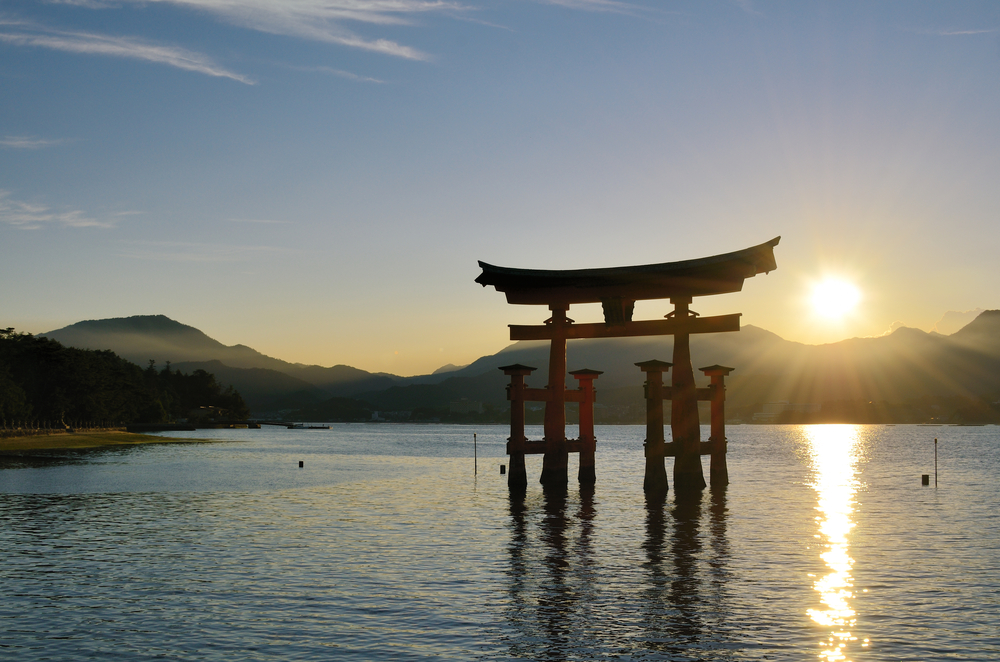
Why Japan is Called the Land of Rising Sun ?
 Ancient, China developed all of the hallmarks of advanced civilization, including written language, advanced cities, specialized labor and bronze technology, as much as 2000 years before Japan. As a result, China, and its culture, had an enormously large influence on the younger culture, sharing its philosophies, political structures, architecture, Buddhism, clothing styles and even its written language. In fact, the earliest known written account of Japan was found in a Chinese book.
With such a powerful influence, it stands to reason that, when Japan was described early in its development, it was from a Chinese perspective. And when the Chinese looked east to Japan, they looked in the direction of the dawn.
Early Japanese History
By the time the first Japanese ambassador was sent to the Chinese Han eastern capital in 57 AD, Japan was called Wa (Wo), a name that also designated the Japanese people. According to contemporary Chinese accounts, these early Japanese:
Lived on raw vegetables, rice and fish . . . had vassal-master relations, collected taxes, had provincial granaries and markets . . . [and] had violent succession struggles.
In the first century AD, one clan, the Yamato, began to dominate its neighbors, and by the 5th century AD,Yamato became a synonym for Japan. As a single, central government emerged, Japan increasingly followed Chinese culture, including its methods of administration.
By about 600 AD, the Prince Regent of Japan, Shotoku (574-622 AD), who was a big fan of Chinese culture, introduced a wide array of Chinese influences to Japan:
Under Shotoku’s direction, Confucian models of rank and etiquette were adopted . . . [He also] adopted the Chinese calendar, developed a system of highways, built numerous Buddhist temples, had court chronicles compiled, sent students to China to study Buddhism and Confucianism, and established formal diplomatic relations with China.
In addition, Shotoku is widely credited in Japan with coining the name Nippon (“Sun Origin”) for Japan:
Prince Umayado [Prince Shotoku], in the year 607, at the time of the first embassy to the Sui dynasty, sent a letter to the Sui emperor, Yangdi, ‘from the Son of Heaven in the land where the sun rises to the Son of Heaven in the land where the sun sets.
Apparently, the Chinese were offended that Shotoku tried to put himself as “Son of Heaven” on the same plane as the Chinese emperor, also “Son of Heaven.”
Regardless, in 645 AD, according to Japanese history, a palace coup led to the introduction of the Taika (meaning “great change”) Reform. Intended to further centralize the government, the reform eliminated private ownership of lands and put them under the control of the centralized government – with the “people direct subjects of the throne.” As part of this reform, Nippon, Nihon (both meaning “origin of the sun”) andDai Nippon (Great Japan) were used “in diplomatic documents and chronicles” in place of Wa (Wo).
In Chinese records, the change of the name was less well received and their accounts differ:
Nippon appeared in history only at the end of the 7th century. Old Book of Tang, one of the Twenty-Four Histories, stated that the Japanese envoy disliked his country’s name Wonguo and changed it to Nippon, or “Origin of the Sun.” Another 8th century chronicle, True Meaning of Shiji, however, states that the Chinese Empress Wu Zetian ordered a Japanese envoy to change the country’s name to Nippon.
Another Chinese account of the transformation, found in the official history of the Tang dynasty, the Xin Tang Shu, reported:
In . . . 670, an embassy came to the Court [from Japan] to offer congratulations on the conquest of Koguryo. Around this time, the Japanese who had studied Chinese came to dislike the name Wa and changed it to Nippon. According to the words of the Japanese envoy himself, that name was chosen because the country was so close to where the sun rises.
In any event, the name stuck, and for the last 1400 years or so, the world has referred to Japan as Nippon, the land of the rising sun.
source:::::Today i foundout.com
natarajan
 Take off with Natarajan