
Interesting read

Cartoon of The Day !!!

source:::: glasbergen.com….. While seeing this cartoon, it is but natural to recall the recent “outburst ” of Mr. Rao . , Scientist on the allocation of funds to Scientific projects !!!
natarajan
Difference Between an Asteroid and Comet …
Today I found out the difference between an asteroid and a comet.
A comet is simply a relatively small astronomical object that has a “tail”, known as a coma, which makes up a temporary atmosphere for the comet. Asteroids, on the other hand, do not exhibit this tail and are classically defined as simply an astronomical object that orbits around the Sun, but isn’t a planet or a comet.
The tail of a comet is made from the Sun heating various substances in the comet, such as water in the form of ice, to beyond the boiling point level in the vacuum of space. These vaporized substances are then ejected from the comet and carried off by solar winds, creating the tail. This is why the tail of a comet always points away from the Sun, relative to the position of the comet, and not, as often depicted, directly behind the comet relative to its vector through space.
These tails gave rise to the notion that comets were made mostly of ice surrounding some relatively small core with various particles embedded in the ice. Asteroids, on the other hand, are typically considered to be made up primarily of metals and various types of rocks that formed close enough to the Sun that most of the ice or other such relatively easily vaporized materials have long since been expelled. However, in just the last decade or so, it has been found that, in fact, this is not always the case and that the makeup of asteroids and comets is really not all that different, though the comets do typically have more ice, thanks to initially being formed beyond the “snow zone”.
To study this and other things, in 2001, NASA’s Deep Space 1 team discovered that the surface of the comet Borrelly was not made up of ice, but rather, was very hot and completely dry, with no visible water or ice, much like many asteroids. Except, of course, the object was exhibiting a tail, so it was known that there had to be relatively easily vaporized matter in there somewhere. So, the theory at this point was that the ice must be just below the surface or there was some sort of matter covering the layer of ice, essentially blocking the ice from being observable.
Further research in 2005 was done on the comet Tempel 1. In this case, they used a probe to blast a crater in this comet in order to have a look at the innards. What they found was that the above theory was correct and the ice is concentrated below the surface.
From there, the distinction between a typical asteroid and a comet becomes murkier because some asteroids also are thought to contain significant amounts of water in the form of ice below their surface. Further, recent discoveries have shown that comet dust very closely resembles asteroid dust in makeup, contrary to former theories, suggesting they are made of much the same things, excepting the probable larger quantities of ice still remaining on the comets.
So we once again come back to the main difference simply being that comets still have sufficient easily vaporizable material, principally water, that when they get within the inner part of our solar system, some of the water in the form of ice melts and is expelled, giving them nice “tails”. Eventually, all the water and other easily vaporized materials will all be ejected from the comet, which then becomes an asteroid.
source:::::today i foundout .com
natarajan

படித்ததில் பிடித்தது …” உன் தலை விதியை நீ நிர்ணயிக்க முடியாது “!!!
எம்.ஐ.டி., கல்வி நிறுவனத்தில் படித்து, விமான பொறியியல் பட்டதாரி ஆனார், அப்துல் கலாம். அவருக்கு, இரண்டு வேலை வாய்ப்புகள் வந்தன. ஒன்று – விமானப் படையில், மற்றொன்று; பாதுகாப்பு அமைச்சக, விமான உற்பத்தி இயக்குநரகத்தில். விமானியாக ஆசைப்பட்ட கலாம், முதலில், விமானப்படை தேர்வு ஆணையத்திற்கு, நேர்முகத் தேர்வுக்குப் போனார். 1958ல், ஆணையம், டேராடூன் (உ.பி.,) நகரில் இருந்தது. இன்டர்வியூவில் வெற்றி பெற்றால், அதன் பின், அவரும் ஒரு பைலட்!
இந்தியாவின், தென் கோடியிலிருந்த தமிழகத்திலிருந்து, ஒரு சின்னஞ்சிறு உருவத்தினராகச் சென்ற கலாம், அங்கு, வாட்ட சாட்டமான தோற்றத்துடன் வந்திருந்த, வட மாநில மாணவர்களைக் கண்டு, திகைத்து போனார். அவர் சொல்கிறார்:
நேர்முகத் தேர்வில், இருபத்தைந்து பேர், போட்டி போட்டோம். எட்டு விமானப் படை அதிகாரிகளை, தேர்ந் தெடுக்க, நடத்தப்பட்ட தேர்வு அது. என்னால் முடிந்த மட்டும் நன்றாகவே செய்தேன். எனக்கு ஒன்பதாவது இடம் தான் கிடைத்தது. இந்தத் தேர்வில், மூளை பலத்தை விட, உடல் பலம், பருமன், உயரம் முதலியவைதான், முக்கிய இடம் பிடித்தன. இறுதியில் தான், இந்த உண்மை எனக்குத் தெரிய வந்தது என்று கூறும் கலாம், ஏமாற்றம், வேதனை ஆகியவற்றை, நெஞ்சில் சுமந்தபடி, தேர்வு வாரியத்தை விட்டு வெளியே வந்தார். வாழ்க்கையே முடிந்து விட்டது போலவும், எதிர்காலம், நம்பிக்கை அற்றதாகவும், அவருக்குத் தோன்றியது.
பல ஆண்டுகளாக, அவர், தன் மனதில் வளர்த்து வந்த, சுகமான கனவு, இப்போது, சுமையாக மாறிப்போனதை எண்ணி, வருந்தியபடியே, நேராக, இமய மலையில் உள்ள ரிஷிகேசத்திற்கு சென்றார். கங்கையில் நீராடினார்; மலை யடிவாரத்தில் நடந்தார். தூரத்தில், சிவானந்தா ஆசிரமம் தெரிந்தது. சிவானந்தர் பெரிய சன்னியாசி; தமிழ்நாட்டுக்காரர். திருநெல்வேலி மாவட்டம், பத்தமடையைச் சேர்ந்தவர். எம்.பி.பி.எஸ்., படித்து, டாக்டர் தொழில் புரிந்தவர். அனைத்தையும் விட்டுவிட்டு, ரிஷிகேசம் சென்று, ஆசிரமம் நடத்தி, ஏழைகளுக்குத் தொண்டு செய்து வந்தார்.
அப்துல் கலாம், சிவானந்தா ஆசிரமத்தை நோக்கி நடந்தார். தன் ஊர், பெயர் விவரங்களைத் தெரிவித்து, சிவனாந்தரை சந்திக்க விரும்புவதாகக் கூறினார். உடனே, சந்திக்க வாய்ப்பு கிடைத்தது. வெள்ளை நிற ஆடை, நெற்றியில் திருநீறு, கால்களில் மரச்செருப்புடன் புன்னகை தவழும் முகம், அருள் வீசும் கனிந்த பார்வையுடன், சிவானந்தர் அமர்ந்திருந்தார்.
‘உன் முகம் வாடியிருக்கிறது. மனம் சோர்ந்து இருக்கிறது. என்ன கவலை; என்னிடம் சொல்…’ என்றார் சிவானந்தர்.
‘சுவாமி…’ என்று, துவங்கிய கலாம், அதற்கு மேல் பேச்சு வராமல், மனம் உடைந்து அழுதார். சிவானந்தர் ஏதும் பேசவில்லை. கலாம், ஒரு நிதானத்திற்கு வந்து, பேசத் துவங்கட்டும் என்றிருந்தார்.
ஆசுவாசப்படுத்திக் கொண்ட கலாம், ‘சுவாமி… என் வாழ்நாள் கனவு, முடிந்து விட்டது. நான் விமானியாக நினைத்தேன். விமானப்படையில் சேர, நேர்முகத் தேர்வுக்கு வந்தேன். தேர்வு ஆகவில்லை. என் கனவுக் கோட்டை சரிந்து விட்டது…’ என்றார்.
‘குழந்தாய்… உன் தலை விதியை, நீ நிர்ணயிக்க முடியாது. ஏற்கனவே, உன் வாழ்க்கை வரைபடத்தை, கடவுள் வரைந்து வைத் திருக்கிறார். அந்த வழியில், அவரே உன்னை அழைத்துச் செல்வார். நீ ஏன் அஞ்சுகிறாய்… உன் வாழ்க்கைப் பொறுப்பை, கடவுள் ஏற்றிருக்கும் போது, அதை விடப் பெரிய பாதுகாப்பு, உனக்கு வேறென்ன வேண்டும்?’
சிவானந்தரின் அருள் மொழிகள், கலாமிற்கு, புதிய தெம்பைக் கொடுத்தன. நம்பிக்கையுடன் எழுந்தார்; சாதனைகளைப் படைத்தார்.
– அருணா பப்ளிகேஷன்ஸ், ‘அப்துல் கலாம்’ நூலிலிருந்து…
source:::::Dinamalar …Varamalar.
nartarajan

Cartoon of The Day !!!

source::::glasbergen.com
natarajan

“One Small Step For Man or One Small Step For A man “…What did Neil Armstrong really say? …
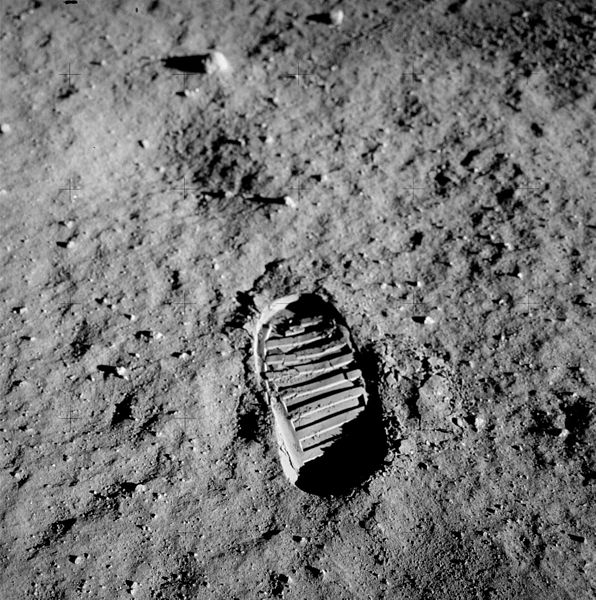 When Neil Armstrong set his left boot on the surface of the moon on July 21, 1969, becoming the first person to ever walk on the moon. He then spoke some of the most famous words in the history of mankind, ”That’s one small step for man, one giant leap for mankind.”
So true, so brilliant, so inspirational yet…so contradicting? The word “man” and “mankind” are used synonymously, meaning that the oh-so-famous quote quite simply put was, “That’s one small step for man, one giant leap for man.” Huh?
A one-lettered indefinite article is all it would take to turn this quote into the inspirational words our brains all process when we hear them. That article is “a”- “One small step for “a” man, one giant leap for mankind.” That is how most people interpret his words and, according to Neil Armstrong, those are the words he intended to speak.
NASA’s official transcript of the quote still shows the “a” in parentheses, “That’s one small step for [a] man, one giant leap for mankind.” This is because the “a” is not audible in the broadcast. For years, both NASA and Armstrong insisted that static had obscured the “a”. Armstrong himself stated that he would never make such a mistake (omitting such an important part) but after listening to recordings of his quote, finally conceded that it’s possible that he may not have said the “a”. When he admitted this, he stated, “I would hope that history would grant me leeway for dropping the syllable and understand that it was certainly intended, even if it was not said—although it might actually have been”.
An Australia-based computer programmer named Pater Shann Ford conducted a digital audio analysis to support Armstrong’s claim that he did say “a” and concluded that he did, in fact, say “a man”, but the “a” was inaudible due to technological limitations of the time. However, linguists David Beaver and Mark Liberman wrote their own digital audio analysis of the infamous quote on Language Log blog and concluded that, “The acoustic evidence seems to be against Ford’s theory.”
But that’s not the end of the story. Support for Armstrong has been found in a team of researchers from Michigan State University and Ohio State University who have concluded that Armstrong did indeed speak the words he claims to have spoken but static or technological limitations are not to blame for its apparent omission. According to them, Armstrong’s Ohion accent is to blame y’all.
According to a Michigan State University specialist in communicative sciences, assistant professor Laura Diller, because of the dialect of his hometown, if Neil Armstrong did voice the word “a”, it was short and fully acoustically blended with the preceding word “for”.
The Acoustical Society of America’s article on this topic states that,
Dilley and her colleagues, who include MSU linguist Melissa Baese-Berk and OSU psychologist Mark Pitt, thought they might be able to figure out what Armstrong said with a statistical analysis of the duration of the ‘r’ sound as spoken by native central Ohioans saying ‘for’ and ‘for a’ in natural conversation. They used a collection of recordings of conversational speech from 40 people raised in Columbus, Ohio, near Armstrong’s native town of Wapakoneta. Within this body of recordings, they found 191 cases of ‘for a’. They matched each of these to an instance of ‘for’ as said by the same speaker and compared the relative duration. They also examined the duration of Armstrong’s ‘for (a’) from the lunar transmission.
The researchers found a large overlap between the relative duration of the ‘r’ sound in ‘for’ and ‘for a’ using the Ohio speech data. The duration of the ‘frrr(uh)’ in Armstrong’s recording was 0.127 seconds, which falls into the middle of this overlap, though it is a slightly better match for an ‘a’-less ‘for’. In other words, the researchers conclude, the lunar landing quote is highly compatible with either possible interpretation, though it is probably slightly more likely to be perceived as ‘for’ regardless of what Armstrong actually said. Dilley says there may have been a ‘perfect storm of conditions’ for the word ‘a’ to have been spoken but not heard.
source:::::today i foundout.com
natarajan
 Take off with Natarajan