” சந்தர்ப்பங்களை நாம்தான் உருவாக்கிக்கொள்ள வேண்டும் …”

சுமார் நாற்பத்தைந்து ஆண்டுகளுக்கு முன்பு நடந்த சம்பவம் இது. ஒரு பிரபல வாரப்பத்திரிகை ஆசிரியர் மஹானிடம் தனிமையில் பேசி தமக்கு ஏற்பட்டுள்ள சில சந்தேகங்களைப் போக்கிக் கொள்ள நினைத்தார், சந்தித்தார்.”நீ இப்போது என்னிடம் பேசலாம்” என்றார் மஹான் தமிழில்.

“சில விஷயங்களைத் தெளிவுபடுத்திக் கொள்ளவே நான் தங்களை சந்திக்க விரும்பினேன்” என்றார் ஆசிரியர் சுத்தமான தமிழில்.

“உன் தாய்மொழி என்ன?” முகத்தில் லேசாகப் புன்னகை தவழ மஹான் கேட்கிறார்; பின் அவரே தொடருகிறார். “உன் தாய் மொழி நிச்சயம் தமிழ்மொழியாக இருக்காது என்று எனக்குத் தெரியும்” என்கிறார். இதற்குக் காரணம் ஆசிரியர் சிரமப்பட்டுப் பேசிய தமிழ்தான்.

“தெலுங்கு” என்கிறார் ஆசிரியர்.

“நீ பிறந்த ஊர் எது?” என்று சுந்தரமான தெலுங்கில் கேட்டுவிட்டு, ஆசிரியரின் இளமைக்காலம், பெற்றோர், வாழ்க்கை, கல்வி, திருமணம், உத்தியோகம் – வேறு பல விஷயங்களில் இருந்த ஈடுபாடு போன்றவை பற்றி தெலுங்கிலேயே பேசி, ஆசிரியரையும் பேசவைத்தார்.

ஆசிரியர் இவற்றிற்கெல்லாம் பதில் சொன்னதால் அவர்களுக்கிடையே இருந்த இறுக்கம் சுத்தமாக மறைந்து போனது.

இந்த நேரத்தில் அங்கே வந்த ஒரு பக்தர் கன்னடத்தில் உரத்துப் பேசி ஆரம்பிக்கிறார். ஸ்வாமிகள் சிரித்துக்கொண்டே அவர் கேட்ட கேள்விகளுக்கெல்லாம் சுத்தமான கன்னடத்தில் பதில் சொல்கிறார்.

ஆசிரியருக்கு இதனால் ஏற்பட்ட வியப்பு மறைவதற்குள் இன்னொரு பக்தர் அங்கே வந்து மஹானை தனது தாய்மொழியான மலையாளத்தில் போற்றிப் புகழ்கிறார். இதனால் அவரது பேச்சுக்கு மஹான் ஒரு சிறு பிரசங்கமே செய்ய வேண்டியிருக்கிறது. அப்போது அவர் பேசிய மொழி மலையாளம்.

வருபவர்கள் எந்த மொழியில் பேசினாலும் அதே மொழியில் பதில் சொல்லும் மஹான் எந்தப் பள்ளியில் இந்த மொழிகளை படித்திருப்பார் என்று பத்திரிகை ஆசிரியர் வியந்து கொண்டிருக்கும்போதே, ஒரு பெரிய குழு அங்கே வருகிறது. அவர்கள் யாத்ரீகர்கள். அவர்களை அழைத்து வந்தவர் உள்ளூர் சம்ஸ்கிருத பண்டிதர். அவர் மஹானின் பேரில் சம்ஸ்கிருத பாஷையில் அழகான ஒரு கவிதையை வாசித்தார். மலையருவியின் நீர் வீழ்ச்சியைப் போன்ற சம்ஸ்கிருத பாஷையில் சொன்ன பாராட்டுரையைக் கேட்டு மகிழ்ந்த மஹானும், அவர்களுக்குப் பிடித்தமான சம்ஸ்கிருத பாஷையிலேயே பேசி அவர்களை ஆசீர்வதித்து பிரசாதம் கொடுத்து அனுப்பினார்.

அடுத்ததாக, அரசாங்கத்தின் கடிதங்களுக்கு ஆங்கிலத்திலேயே பதில் சொல்லி, எழுத வைத்து அதை சிப்பந்தியிடம் அப்போது அனுப்பி வைத்தார்.

ஆக, இந்தியாவின் புழக்கத்தில் உள்ள அவ்வளவு மொழிகளையும் மஹான் அறிந்து வைத்திருக்கிறார்.

ஆசிரியரும் இவரும் தொடர்ந்து பேச ஆரம்பிக்கும்போது இன்னொரு இடையூறு-வடநாட்டு யாத்ரீகர்கள் பலர், தங்களது உள்ளக்கிடக்கையை ஹிந்தியில் சொல்ல மஹான், அவர்களது சொந்த மொழியிலேயே ஹிந்தியிலேயே அவர்களுடன் பேசுகிறார். அவர்கள் போகும்போது அவர்கள் முகத்தில் காணப்பட்ட மகிழ்ச்சி ஆசிரியரைப் புல்லரிக்க வைக்கிறது.

அவர்கள் போனவுடன் மஹான் மெளனியாகிவிட்டார். பேச ஆரம்பிக்கலாம் என்று நினைத்த ஆசிரியருக்கோ இது அதிர்ச்சியைத் தந்தது. அப்போது திடீரென மஹான் சொல்கிறார்:

“இப்போது இந்துமத தர்மத்தில் பல குறைகள் இருக்கின்றன. அவைகளை அடுக்கிச் சொல்லிவிடலாம். ஆனால் அதன் நன்மைகளை ஆராய்ந்தால், வானத்து நட்சத்திரங்களைப் போல் அவை கணக்கிலடங்கா” என்றார்.

தொடர்ந்து மேலும் ஒரு இடையூறு –

ஆசிரியர் சொல்கிறார்:

“இன்று எனக்கு அதிர்ஷ்டம் இல்லை என்று நினைக்கிறேன்”

மஹான் புன்னகை புரிந்தவாறு சொல்கிறார்:

“சந்தர்ப்பங்களை நாம் தான் உருவாக்கிக் கொள்ள வேண்டும். நாங்கள் நாளை மறுதினம் மதுரை செல்கிறோம். நீ அங்கே வரலாம். உனக்குத் தங்க வசதி செய்து கொடுக்கச் சொல்கிறேன்”.

“அவசியம் அங்கே வருகிறேன் ஸ்வாமிகளே” என்று ஆசிரியர் உத்தரவு பெற்றுக் கொள்கிறார். இந்த சம்பவத்தை சொல்வதற்குக் காரணம், ரட்சகரான மஹா பெரியவருக்கு எல்லா மொழிகளிலும் புலமையும் இருந்தது என்பதைச் சுட்டிக் காட்டத்தான். அந்த பத்திரிகை ஆசிரியரின் பெயர் ஏ.எஸ்.ராமன். அவர் அப்போது “இல்லஸ்ட்ரேடட் வீக்லி ஆஃப் இண்டியா” என்னும் பிரபல ஆங்கில வார இதழின் ஆசிரியர்.

ஜெய ஜெய சங்கர! ஹர ஹர சங்கர!!

source::::www.periva.proboards.com
natarajan

Read more: http://www.periva.proboards.com/thread/6486/multilinguist-mahaperiyavaa-book-venkatasaam#ixzz2tAhXvmEu

Joke of the Day… Words make the Difference !!!

Mrs. Jones was reading a letter at breakfast. 

 
Suddenly she looked up  suspiciously at her husband.

“Henry,” she said, 

 
“I’ve just received a letter from mother saying she  isn’t accepting our
 invitation to come and stay, as we do not appear to want her. 
What does she mean by that? I told you to write and say that 
she was to come at her own convenience.
 You did write, didn’t you?”

“Er, yes, I did,”

 said the husband. 
 
“But I couldn’t spell ‘convenience,’
 so I made it ‘risk’.”

source::::input from a friend of mine.
natarajan

” பிரெஞ்சு பாஷைல ‘சீ ப்ரே ‘ என்றால் என்ன அர்த்தம் ! …”


ஏதோ ஓர் அறக்கட்டளையை கலைத்துவிட அதன் அறங்காவலர்கள்
முடிவு செய்திருப்பதாகவும், அவர்கள் யாவரும் பெரியவாளின்
பக்தர்களாகையால் அதன் சொத்துக்களை அவர் உயிரினும் பெரிதாக
மதித்த வேதரக்ஷண நிதி ட்ரஸ்டுக்கு மாற்றி விட விரும்புவதாகவும்
அவர்களில் ஒருவர் செய்தி கொண்டு வந்தார். அதற்கு ஸ்ரீ சரணருடைய
அநுமதியும் அநுக்ரஹமும் வேண்டினார்.

ஸ்ரீ சரணர் பளிச்செனப் பதிலிறுத்தார்: “நீங்க ட்ரஸ்டீகளெல்லாரும்
எங்கிட்ட பக்தியா இருக்கேன்னா போறுமா என்ன? ஒங்க பக்தியை,
அபிமானத்தை மனஸார அங்கீகரிச்சுக்கறேன். ஆனாலும் ஒங்க
ட்ரஸ்டோட ஆஸ்தி பாஸ்தியை வேதரக்ஷண நிதிக்கு ட்ரான்ஸ்ஃபர்
பண்றதுன்னா, அதுக்குச் சட்டம் எடம் குடுத்தாதானே முடியும்?
அந்த மாதிரிக் குடுக்கலியே! “ப்ரன்ஸிபள் அவ் ஸீப்ரே”ன்னு
‘லா’வுல இருக்கு. அதன்படி, ஒரு டிரஸ்டைக் கலைக்கும்படி
ஏற்பட்டா அதனோட சொத்துக்களை எந்த லக்ஷ்யத்துல அந்த ட்ரஸ்ட்
ஆரம்பிச்சு நடத்துதோ, அதுக்கு ரொம்பக் கிட்டினதான ஒரு
லக்ஷ்யத்தோட நடக்கற இ்ன்னொரு ட்ரஸ்டுக்குத்தான் மாத்த முடியும்.
ரொம்ப வித்யாஸமான லக்ஷ்யம் இருக்கிற ட்ரஸ்டுக்கு ட்ரான்ஸ்ஃபர்
பண்ண முடியாது. இப்ப ஒங்க ட்ரஸ்டோட லக்ஷ்யமும் வேதரக்ஷணமும்
வித்யாஸமானதுன்னுதான் எல்லாரும் அபிப்ராயப்படுவா.

ஒங்க ட்ரஸ்ட் ஸோஷல் ஸர்வீஸ் லக்ஷ்யத்துல ஏற்பட்டது. வேத
ரக்ஷணத்தைவிடப் பெரிய சோஷல் ஸர்வீஸ் இல்லேன்னு எங்க மாதிரி
சில பேர் வேணா சொல்லலாமே தவிர, அதைப் பொதுவா லோகம்,
கவர்மென்ட், கோர்ட் ஒத்துக்காது. ஆனதுனால், ஒங்க ஆசையைப்
பூர்த்தி பண்ண முடியலியேன்னு எனக்கும் கஷ்டமாத்தான்
இருக்குன்னாலும் அப்படித்தான் சட்டம் கட்டுப்படுத்தறது.
நீங்க இத்தனை அபிமானமா நெனச்சதே வேதரக்ஷண ட்ரஸ்டுக்குப்
பணத்தைக் கொண்டு வந்து கொட்டும்! ஒங்க பணமும் ஒரு நல்ல
சோஷல் சர்வீஸ் ஆர்கனைஸேஷனுக்குப் போய்ச் சேந்து நல்லபடியா
பிரயோஜனமாகணும்னு ப்ரார்த்திச்சுக்கறேன்”- அவருக்கே உரித்தான
ஆழ்ந்த அநுதாபத்துடன் கூறி, அகம் குவித்துச் சிறிது நேரம்
பிரார்த்திக்கிறார்.

அடுத்து அவரது மொழியியல் ஞானம், பன்மொழிப் புலமை
ஆகியவற்றுக்கும் சான்று படைக்கிறார்.

” ‘ஸீப்ரே’-ன்னு சட்டப் பாயின்ட் சொன்னேனே, அதுக்கு ஸ்பெல்லிங்படி
உச்சரி்ப்புப் பாத்தா ‘ஸைப்ரஸ்’னு வரும். ஆனா அது ஃப்ரெஞ்ச்
வார்த்தையானதால, அந்த பாஷையோட லக்ஷணப்படி ஸ்பெல்லிங்
ஒரு தினுஸாவும், உச்சரிப்பு வேறே தினுஸாவும் இருக்கும். இந்த
வார்த்தை ஸ்பெல்லிங்படி ‘ஸைப்ரஸ்’ன்னு ஆகும்.ஆனாலும்
ஸைப்ரஸ் தீவுக்குப் போடற ஸ்பெல்லிங் இல்லை. அந்தத் தீவுக்கு,
C,Y,P,R,U,S-னு ஸ்பெல்லிங் போடறோம். ‘ஸீப்ரே’க்கு C,Y, அப்புறம்
ரெண்டு வார்த்தையை ஒண்ணா சேக்கறப்ப ஸந்தியிலே போடற
ஹைஃபன், ஹைஃபனுக்கு அப்பறம் P,R,E..E, தான் U இல்லே:
U போட்டா ஸைப்ரஸ் தீவுன்னு ஆயிடும்…E க்கு அப்புறம்
கடைசி எழுத்தா S-(CY-PRES). அந்த ‘S’ உச்சரிப்புல வராது.
‘ஸைலன்ட்’ ஆயிடும்.

ஃப்ரெஞ்ச் பாஷைல ‘ஸீ-ப்ரே-ன்னா ‘ரொம்பக் கிட்டே”னு அர்த்தம்.
ஒரு ட்ரஸ்ட் சொத்தை அதனோட லக்ஷ்யத்துக்கு ரொம்பவும்
கிட்டினதான லக்ஷ்யமுள்ள இன்னொரு ட்ரஸ்டுக்குத்தான்
மாத்தணும்னு தெரிவிக்கிறதால அந்த விதிக்கு அப்படிப் பேர்.”   

source::::www.periva.proboards.com

natarajan

Read more: http://periva.proboards.com/thread/455/knowledge-on-laws#ixzz2rfJrmrmS

Joke for The Day…”Does the Camping Ground has its own B.C …”?

A rather old fashioned lady, always quite delicate and elegant, especially in her language, was planning a weeks holiday in Sydney with her husband, so she wrote to a particular camping ground and asked for a reservation.

She wanted to make sure that the camping ground was fully equipped, but didn’t know quite how to ask about the toilet facilities. She just couldn’t bring herself

to write the word “toilet” in her letter.

After much thought, she finally came up with the old fashioned term “Bathroom closet” but when she wrote it down, she still thought she was being too forward, so she started all over again, rewrote the letter, and referred to the bathroom closet as the B.C.

“Does the camping ground have it’s own B.C.” is what she wrote.

Well, the camping ground owner wasn’t a bit old fashioned, and he just couldn’t figure out what the old lady was talking about, so he showed the letter around a few of the campers and the only thing they could come up with was that B.C. stood for Baptist Church, so he wrote the following reply.

Dear Madam,

I regret very much the delay in answering your letter, but I now take the pleasure of informing you that a B.C. is located nine miles north of our camping ground, and is capable of seating 250 people at one time.

I admit that it is quite a distance away if you are in the habit of going regularly but no doubt you will be pleased to know that a great number of campers go there and many take their lunches along and make a day of it. They usually arrive nice and early and stay quite late.

The last time my wife and I went was six years ago, and it was so crowded we had to stand up the whole time we were there. It may interest you to know that there is a special supper planned there to raise money to buy more seats so that everyone will be able to sit in comfort.

I would like to say that it pains me very much not to be able to go more regularly, but it is surely no lack of desire on my part, just that I am so busy most of the time.

As we grow older, it seems to be more of an effort to go, especially in the cold weather. If you decide to come down to our camping ground perhaps I could go with you the first time you go, sit with you and introduce you to all the other folks.

Remember this is a very friendly community  ….

source:::: joke a day.com

natarajan

” What is The Meaning Of ‘ Equipoise’ ? …”

Another interesting episode as narrated by SriMatam Balu mama.

”CAN YOU NOTICE ANY TRACES OF SADNESS/”

SriMatam, camp in Ilaiyaaththaankudi.

A Government officer, along with his friends( four or five) was proceeding to Ilaiyaththankudi. They were conversing among themselves. In between many topics, came that of Mahaswamikal.

” Periaval knows Samskrit well…”
“He also knows Tamizh, Telugu and Kannada..”
He knows only a few words in English; may have a little working knowledge..”
when we talk, if some English words pop up, He will understand..”

They reached the camp, and were waiting outside the room where Periava was staying.After ten minutes, Periava came out. surrounding Him were a lot of devotees, who were well versed in English, and Periava was talking to them.

“In every language, there are certain peculiar words. Such words can not be translated in other languages that easily. In ENGLISH language, there is a word called “EQUIPOISE”. Can you tell me the meaning of that word? ..”

Each one gave his own explanation but not one word could convey the exact meaning of that word.

Periava saw our Govt. officer and his friends and asked them if they knew.

Our Govt. officer sweated profusely. He tried to explain
something but failed in his attempt.

“EQUIPOISE” means “MENTAL EQUANIMITY”—-said Periava .
Every one was stunned!. He diverted the talk to some other topic. He didn’t give room for the others to feel bad..

After He walked some distance, HE stopped in the centre of the hall..

At some distance, an old lady was sitting, and with her eyes closed, was doing some Japam.

“How does that lady look?”—asked Periava.

” Very calm, quiet, and without any worries in her mind…” answered our friends.

“Do you know, who she is?”—asked Periava.

Nobody answered.

” There was a great writer, by name K.S.Venkataramani. He has written a lot of books.KANDAN, The Patriot, MURUGAN, The Tiller( I have read them too!) are all famous.In these novels the rural setting is very natural.

” He brought a French ‘Thathva Gnani’ by name Paul Brunton to Thiruvannamalai, and brought him to me also. He had a very good bonding with our ‘THATHVAM’

“This couple had a son. K.S.V. passed away. The son is in mental hospital.”

” She doesn’t have any friends, or relatives, no money, nothing, but mountains of sadness! Can you see any trace of those worries on her face?”

” That stage is called “EQUIPOISE”!

Where did Periava do M.A. in English?

“Vaak Dhevatha lives in His tongue!

source:::: http://www.periva.proboards.com

natarajan

Read more: http://periva.proboards.com/thread/2499/mahaperiava-dharsana-anubhavangal-3?ixzz2qpGXks5v=undefined#ixzz2qtVbPNmn

What is the Origin of the Phrace ” Caught Red Handed ” ?…

Carl F. states: During WWII, I saw my father go to get a physical for the Navy, when he returned home for a week before shipping out he had red ink on the back of his hand that took 2 or 3 days to wash off. He said after the physical if you passed they would brush red ink on to show you passed but gave no reason why. So when traveling people he met would say, “I see you got caught red handed.”   Where did the phrase “caught red handed” come from?

Now You KnowThis expression, “caught red handed”, has its origins in Scotland around the 15th century.  Given the context it was often used in the earliest references, the phrase “red hand” or “redhand” probably came about referring to people caught with blood on their hands.

The first known documented instance of “red hand” is in the Scottish Acts of Parliament of James I, written in 1432:

That the offender be taken reid hand, may be persewed, and put to the knawledge of ane Assise, befoir the Barron or Landeslord of the land or ground, quhidder the offender be his tennent, unto quhom the wrang is done or not…  And uthers not taken reid hand, to be alwaies persewed befoir the…

It subsequently popped up numerous times in various legal proceedings in Scotland, nearly always referring to someone caught in the act of committing some crime, such as “apprehended redhand”, “taken with redhand”, etc.

The first documented instance of the expression morphing from “red hand” to “red handed” was in the early 19th century work Ivanhoe, written by Sir Walter Scott:

I did but tie one fellow, who was taken redhanded and in the fact, to the horns of a wild stag.

Its use in Ivanhoe subsequently helped popularized it throughout the English speaking world.

It further morphed to the full “caught red handed” phrase about a half a century after Ivanhoe was published, first appearing in Guy Livingstone written by George Alfred Lawrence and published in 1857:

My companion picked up the object; and we had just time to make out that it was a bell-handle and name-plate, when the pursuers came up – six or seven “peelers” and specials, with a ruck of men and boys. We were collared on the instant. The fact of the property being found in our possession constituted a ‘flagrans delictum’ – we were caught red-handed.

source::::today i foundout .com

natarajan

தமிழில் இந்த ஆண்டின் சொல் எது?

அக்டோபர் 1984. இந்திரா காந்தி இறந்தபோது ‘தி இந்து’ஆங்கில நாளிதழில் வந்த தலைப்புச் செய்தி ‘இந்திரா காந்தி அசாசினேட்டட்’ (Indira Gandhi Assassinated). அதற்கு முன் அசாசினேஷன் என்ற சொல் இருந்திருந்தாலும், இந்தியாவில் அப்போதுதான் பலருக்கும் அச்சொல் தெரியவந்தது. இச்சொல்லுக்கு அரசியல் அல்லது சமய காரணங்களுக்காக (ஒரு முக்கியமான நபரை) கொலைசெய்தல் என்பது பொருள். 1981வாக்கில் எகிப்து அதிபர் அன்வர், கெய்ரோவில் சுட்டுக்கொல்லப்பட்டபோது, இந்தச் சொல்லை முதன்முதலாகப் பார்த்த நினைவு எனக்கு.

ஆகஸ்ட் 1997. டயானா இறந்தபோது செய்தித்தாள்களில் பிரபலமான சொல் ‘பப்பரஸி’ (paparazzi). ஆர்வத்தைத் தூண்டும் புகைப்படங்களை எடுத்து, செய்தித்தாள்களுக்குத் தருவதற்காகப் பிரபலங்களைப் பின்தொடர்ந்து செல்லும் புகைப்படக்காரர் என்பது இச்சொல்லுக்கான பொருள்.

அகராதியில் இருந்தால்கூடப் பயன்பாட்டில் அதிகமாக வரும்போதோ, பிரபலமாகும்போதோ, ஒரு குறிப்பிட்ட நிகழ்வின் பின்னணியிலோ ஒரு சொல் முக்கியத்துவம் பெறுகிறது. அவ்வாறே அந்தந்தக் காலகட்டத்தில் புதிய சொற்கள் உருவாகின்றன. அவ்வகையில், 2013-ல் முக்கிய இடத்தைப் பெறும் சொல் ‘செல்ஃபி’ (Selfie). இச்சொல் அவ்வாறான இடத்தைப் பெற்ற சூழல் சுவாரஸ்யமானது.

திரும்பிப் பார்க்க ஒரு வரலாறு

எளிதாக எடுத்துச் செல்லக்கூடிய கோடாக் பிரௌனி பெட்டிக் கேமரா அறிமுகமானபோது, தன்னைத்தானே புகைப்படம் எடுத்துக்கொள்ளும் முறை இருந்துள்ளது. இக்காலகட்டத்தில் எட்வர்ட் பெண்மணி ஒருவர் நிலைக்கண்ணாடி உதவியுடன் தன்னைத்தானே புகைப்படம் எடுத்துக்கொண்டுள்ளார். 1900-ல் நடந்தது இது.

கண்ணாடி, கேமராவின் துணையுடன் முதன்முதலாக ரஷ்யாவின் அண்டாசியா நிகோவ்லேவ்னா தன் 13-வது வயதில் புகைப்படம் எடுத்து, அதைத் தன்னுடைய கடிதத்துடன் தோழிக்கு அனுப்பியுள்ளார். அக்கடிதத்தில் அவர் அந்தப் புகைப்படத்தைக் கண்ணாடியைப் பார்த்துக்கொண்டு தானாகவே எடுத்ததாகவும், அவ்வாறு எடுத்தபோது தன் கைகள் நடுங்கியதாகவும் கூறியுள்ளார். 1914-ல் நடந்தது இது.

‘ஃபேஸ்புக் கலாச்சாரம்’ பரவுவதற்கு முன்பாகவே தன்னைத்தானே புகைப்படம் எடுத்துக்கொள்ளுதல் அதிகமாக ‘மைஸ்பேஸ்’-ல் காணப்பட்டது. இது 2000 கதை.

ஆஸ்திரேலிய இணைய அமைப்பில் (ABC Online) இச்சொல் முதன்முதலாகப் பயன்படுத்தப்பட்டது. இது 2002 கதை.

‘ஃபிளிக்கர்’ தளத்தில் புகைப்படப் பகிர்வில் இச்சொல் இடம்பெற்றது 2004-ல்.

இச்சொல்லைப் பற்றி புகைப்படக்காரர் ஜிம் கிராஸ் விவாதிக்கிறார் 2005-ல்.

இளம் பெண்களால் எடுக்கப்பட்ட புகைப்படங்கள் ‘ஃபிளிக்கர்’ தளத்தில் பிரபலமாக இச்சொல் புழக்கத்தில் பரவுகிறது 2009-ல்.

கொரிய மற்றும் ஜப்பானிய செல்பேசியைக் கொண்டும் ‘இன்ஸ்டாகிராம்’ மூலமாகவும் எடுக்கப்பட்டு, ஐபோன் வழியாக நகலெடுக்கப்பட்டபோது, தானாக எடுக்கப்படும் புகைப்படங்கள் அதிகமாகப் பயன்பாட்டுக்கு வர ஆரம்பித்தன. முதலில் இளைஞர்களிடம் பிரபலமாக இருந்த இம்முறை, நாளடைவில் எல்லோரிடமும் பரவுகிறது 2010-ல்.

மிகச் சிறந்த சொற்களில் ஒன்றாக ‘டைம்’ இதழால் இச்சொல் தேர்ந்தெடுக்கப்படுகிறது. நாளடைவில் அதன் பயன்பாடு உச்சத்தில் வர ஆரம்பித்தது 2012-ல்.

மே-நவம்பர் 2013. கரென் ந்யேபெர்க் விண்வெளியில் இருந்தபோது ‘செல்ஃபி’ எடுத்துள்ளார். விண்வெளியில் இருக்கும்போது தலைமுடியை எப்படிச் சுத்தம் செய்துகொள்வது என்றுகூட அவர் அப்போது செய்துகாட்டினார்.

ஜூலை 2013. டிசைனர் மற்றும் நடிகை ரிகன்னா தன்னைத்தானே இலக்கு வைத்து எடுத்த ‘செல்ஃபி’உலகின் மிசச்சிறந்த புகைப்படமாகக் கருதப்படுவதாக இங்கிலாந்தில் எடுக்கப்பட்ட கருத்துக்கணிப்பின் வழி அறிய முடிந்தது.

ஆகஸ்ட் 2013. இளைஞர்களுடன் போப் எடுத்துக்கொள்ளும் ‘செல்ஃபி’ உலகப் பிரபலமானது.

நவம்பர் 2013. ஆக்ஸ்போர்டு அகராதிகளின் சிறந்த சொல்லாக ‘செல்ஃபி’ தேர்ந்தெடுக்கப்படுகிறது. “இந்த ஆண்டில் சிறந்த சொல்லாக இருக்க அச்சொல் கடந்த 12 மாதங்களுக்குள்தான் உருவாக்கப்பட்டிருக்க வேண்டும் என்றோ, அது நீண்ட நாள்களாக இருந்திருக்க வேண்டுமென்றோ அவசியமில்லை” என்கிறார் ஆக்ஸ்போர்டு அகராதிகளின் ஆசிரிய இயக்குநர் ஜுடி பியர்சல். இச்சொல்லின் பயன்பாடு வியக்கத்தக்க வகையில் 17,000 விழுக்காடு இருந்ததாக ஆக்ஸ்போர்டு அகராதி ஆசிரியர்கள் கூறுகின்றனர்.

டிசம்பர் 2013. நெல்சன் மண்டேலா இறுதி மரியாதைச் சடங்கின்போது, அமெரிக்க அதிபர் எடுத்துக்

கொண்ட ‘செல்ஃபி’ படம் உலகம் முழுவதும் பத்திரிகைகளில் வெளியாகி ‘செல்ஃபி’யை உலகம் முழுக்கப் பரப்பியது.

புதிதாகப் பிறக்கும் சொற்கள்

இப்போது ‘செல்ஃபி’யைப் போல மேலும் பல சொற்கள் விஸ்வரூபம் எடுக்கின்றன. ‘ஹெல்ஃபி’(தன் தலைமுடியை புகைப்படமெடுத்தல்), ‘பெல்ஃபி’(தன் பின் புறத்தைப் புகைப்படமெடுத்தல்), ‘லெல்ஃபி’(தன் கால்களைப் புகைப்படமெடுத்தல்), ‘வெல்ஃபி’(உடற்பயிற்சி செய்யும் நிலையில் புகைப்படமெடுத்தல்), ‘ட்ரெல்ஃபி’(குடித்த நிலையில் புகைப்படமெடுத்தல்) என்று வரிசை கட்டி நிற்கின்றன இந்தச் சொற்கள்.

தமிழில் எந்த வார்த்தை?

ஆங்கில மொழியைப் புகழும்போதோ, இகழும்போதோ, ஒப்பிடும்போதோ ஒரு விஷயத்தை நாம் கவனத்தில் கொள்ள மறக்கிறோம். ஆங்கிலம் உலகெங்கும் பரவக் காரணம், மொழியோடு அந்தச் சமூகம் கொண்டிருக்கும் இந்தப் பிணைப்புதான். ஒரு சமூகமே சேர்ந்துதான் ஒரு மொழியை வளப்படுத்த முடியும்; வெறும் பண்டிதர்களும் பாடநூல் ஆசிரியர்களும் மட்டும் அல்ல. மொழிக்கு மேல்நாட்டுச் சமூகம் கொடுக்கும் மதிப்பின் அடையாளம்தான் ‘செல்ஃபி’ என்ற ஒரு வார்த்தை கடந்திருக்கும் பயணம். தமிழில் இப்படி எல்லாம் மொழியைப் பற்றி நாம் பேசுகிறோமா, எழுதுகிறோமா, குறைந்தபட்சம் சிந்திக்கிறோமா? வாசிப்போடும் எழுத்தோடும் முக்கியமாகப் புத்தகங்களோடும் நெருக்கமான உறவைப் பராமரிக்கும் ஒரு சமூகமே மொழியை வாழ்வாங்கு வாழவைக்க முடியும்.

தமிழில் இதுவரை இப்படி எல்லாம் சிறந்த சொற்கள் தேர்ந்தெடுக்கப்படவில்லை. மொழி மீது நாம் ஒவ்வொருவரும் அக்கறை காட்டினால், அடுத்த ஆண்டு ஒரு சொல் தேர்ந்தெடுக்கப்படலாம்!

பா.ஜம்புலிங்கம், முனைவர், தமிழ்ப் பல்கலைக்கழகக் கண்காணிப்பாளர், தொடர்புக்கு: drbjambulingam@gmail.com

Keywords: தமிழ், செல்ஃபீ, செல்ஃபி’ படம், ஆங்கில மொழி, அகராதி,


source::: The Hindu ….Tamil

natarajan

Words With a “Pun”ch !!!… Funny !!!


Paraprosdokians (Winston Churchill loved them) are figures of speech in which the latter part of a sentence or phrase is surprising or unexpected; frequently humorous.

==============

1. Where there’s a will, I want to be in it.

2. The last thing I want to do is hurt you. But it’s still on my list.

3. Since light travels faster than sound, some people appear bright until you hear them speak.

4. If I agreed with you, we’d both be wrong.

5. We never really grow up, we only learn how to act in public.

6. War does not determine who is right – only who is left.

7. Knowledge is knowing a tomato is a fruit. Wisdom is not putting it in a fruit salad.

8. To steal ideas from one person is plagiarism. To steal from many is research.

9. I didn’t say it was your fault, I said I was blaming you.

10. In filling out an application, where it says, ‘In case of emergency, Notify:’ I put ‘DOCTOR’.

11. Women will never be equal to men until they can walk down the street with a bald head and a beer gut, and still think they are sexy.

12. You do not need a parachute to skydive. You only need a parachute to skydive twice.

13. I used to be indecisive. Now I’m not so sure.

14. To be sure of hitting the target, shoot first and call whatever you hit the target.

15. Going to church doesn’t make you a Christian any more than standing in a garage makes you a car.

16 You’re never too old to learn something stupid.

17. I’m supposed to respect my elders, but it’s getting harder and harder for me to find one now.


The “X” in “Xmas” Doesn’t Take the “Christ” Out of “Christmas” !!!

Myth: “Xmas” is a non-religious name / spelling for “Christmas”.


It turns out, “Xmas” is not a non-religious version of “Christmas”. The “X” is actually indicating the Greek letter “Chi”, which is short for the Greek, meaning “Christ”. So “Xmas” and “Christmas” are equivalent in every way except their lettering.
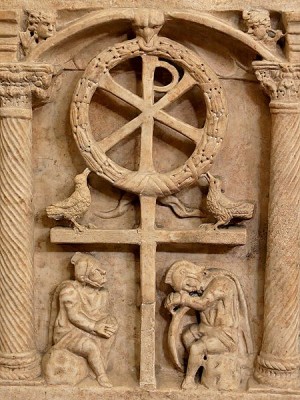
In fact, although writing guides such as those issued by the New York Times; the BBC; The Christian Writer’s Manual of Style; and Oxford Press discourage the use of Xmas in formal writing, at one time, it was a very popular practice, particularly with religious scribes, who are thought to have started the whole “Xmas” thing in the first place. Indeed, the practice of using the symbol “X” in place of Christ’s name has been going on amongst religious scholars for at least 1000 years.

Eventually, this shorthand trick spread to non-religious writings where nearly everywhere “Christ” appeared in a word, the Greek Chi would replace that part of the word. For example, in the 17th and 18th centuries, there are numerous non-religious documents containing instances of “Xine”, which was a common spelling for someone whose name was Christine.

Bonus Facts:

  • The “-mas” part on the end of Christmas and Xmas comes from the Old English word for “mass”.
  • Other classic common abbreviations for “Christ” were: “Xp” and “Xt”, again both an abbreviated form of the Greek for Christ.
  • The Greek letters “X” (Chi) and “p” (Rho) superimposed together was once a very common symbol signifying Christ and was called, somewhat unimaginatively, the Chi-Rho.
  • The Chi-Rho was also used by scribes in a non-religious sense to mark some passage that was particularly good, with it literally implying “good”.
  • In 1977, the Governor of New Hampshire issued a press release stating that journalists should cease taking the “Christ” out of “Christmas” as “Xmas” was a pagan spelling of Christmas. Perhaps he should have run that press release by a religious scholar before issuing it. :-)
  • Although, even those well versed and respected in Christianity often make the same mistake, such as Franklin Graham in an interview on CNN: “For us as Christians, this is one of the most holy of the holidays, the birth of our savior Jesus Christ. And for people to take Christ out of Christmas. They’re happy to say merry Xmas. Let’s just take Jesus out. And really, I think, a war against the name of Jesus Christ.”

source:::::today i found out .com

natarajan

” Geek ” Named ” Word of 2013″ ….

The word geek, once used as a slurto describe a person with unfashionable interests or a social misfit, has now been declared the ‘word of the year’ by the Collins online dictionary.

The dictionary has also changed the definition of geek to “a person who is very knowledgeable and enthusiastic about a specific subject.”

Collins has already added ‘geekery’, ‘geek chic’ and ‘geekdom’ to the dictionary’s fold.

While ‘geek chic’ refers to a fashion style believed to be characteristic of geeks, ‘geekery’ means preoccupation with, or great knowledge about, a subject, according to the the dictionary.

“For those of us born into a pre-internet world ‘geek’ meant ‘a boring and unattractive social misfit – who tends to smell slightly gamey at close quarters,” the dictionary said on its website.

“But times change, even if we don’t change with them and what Collins first included as a secondary definition in 2003 – ‘A person who is preoccupied with or very knowledgeable about computing’ – has long since overtaken the original.

“Now the meaning has changed again and the new definition will read ‘a person who is knowledgeable and enthusiastic about a specific subject’,” Collins said on its website.

Last month, Oxford Dictionaries named selfie – “a photograph that one has taken of oneself, typically one taken with a smartphone or webcam and uploaded to a social media website” as the word of the year.

Geek has seen an interesting transformation in meaning over the last couple of decades.

According to Oxford Dictionaries, the word used to be a cruel and critical label attached to clever, but socially awkward, people – such as computer or science geeks.

However, in the 1990s, the computer industry helped many geeks to achieve great success, and the wider perception of geeks began to shift.
Source:  silicon india net

natarajan