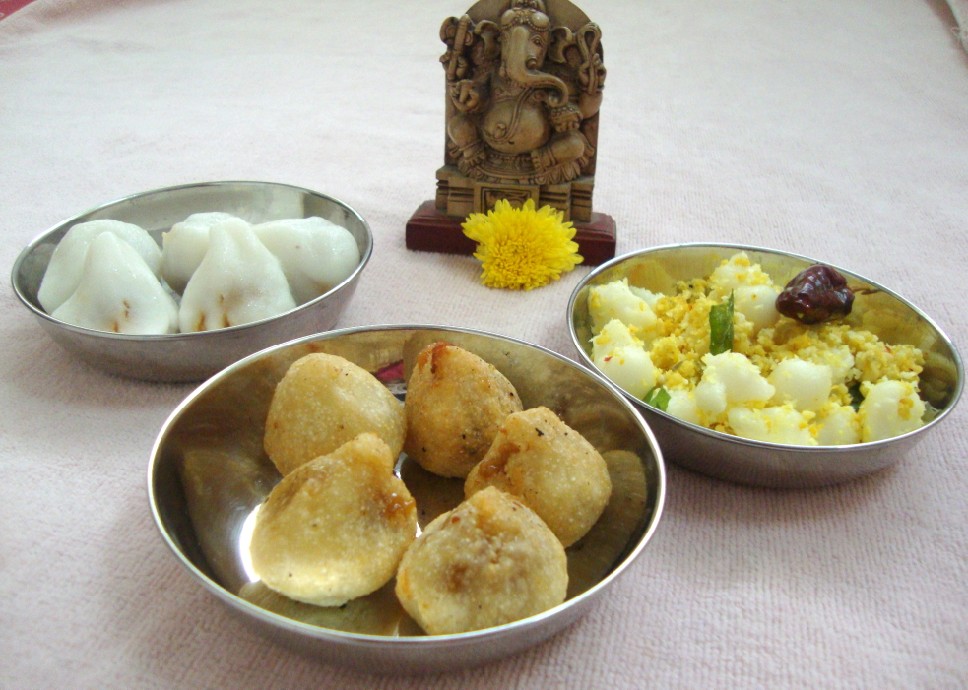
” Modern Modaks For Maha Ganapathy…”

The festival of the jolliest, most adorable God is finally here! Yes, it’s Ganesh Chaturthi. Personally, it is my favorite festival of all. Areas in the city are mushroomed with pandals, and are decorated beautifully with Ganpati Bappa’s idols in different sizes and poses. There’s so much merriment, happiness, and smell of freshly made modaks in the air!

While the classic modaks are enough to drive anyone crazy, here are a few easy recipes you can try this festive season, just to make Bappa (and all your family members) happier.

1. Peanut & Coconut Modak

modak (1)

This yummy modak  is made by mixing roasted peanuts with grated fresh coconut and jaggery. You can find the recipe here.


2. Peppermint & Dark Chocolate Modak

modak (2)

Made from ricotta cheese, peppermint and chocolate, this is a delicious remake of the traditional modak. Here’s the recipe.


3. Malai Modak

malai

A tasty hack for Modaks with ricotta cheese and heavy cream. Get the recipe here.


4. Cashew Modak

modak (4)

Made by grinding cashew nuts and mixing them with jaggery, these modaks are an absolute delight. Find the recipe here.


5. Dry fruit Modak

modak (5)

A delectable mixture of all the dry fruits into yummy modaks. Find the recipe here.


6. Paneer Modak

modak (6)

This is made using minced paneer, milk, ghee, and saffron strands. Find the recipe here.


7. Coconut Rose Modak

modak (7)

A yummy mixture of coconuts, dry fruits and rose petal preserves. Find the recipe here.


8. Choco-walnut Modak

modak (8)

Two awesome things-chocolate and walnut-getting together for Bappa. Find the recipe here.


9. Fried Modak

modak (9)

A mixture of two kinds of flour along with coconut and jaggery, and deep fried. Find the recipe here.


10. Baklava Modak

modak (10)

Influenced by the Mediterranean Baklava, this modak has a slight twist. Find the recipe here.

So, what are you waiting for? Bappa’s here, and he’s hungry. :)

Ganpati Bappa, Moraya!  


Source::::Storypick .com

Natarajan

Ammani or Mani Kozhhukkattai for Ganesh Chaturthi …

Source:::: Srivalli in  http://www.cooking4allseasons.blogspot.in/   …Site referred to me by My wife Mrs. Bhavani Natarajan

Natarajan

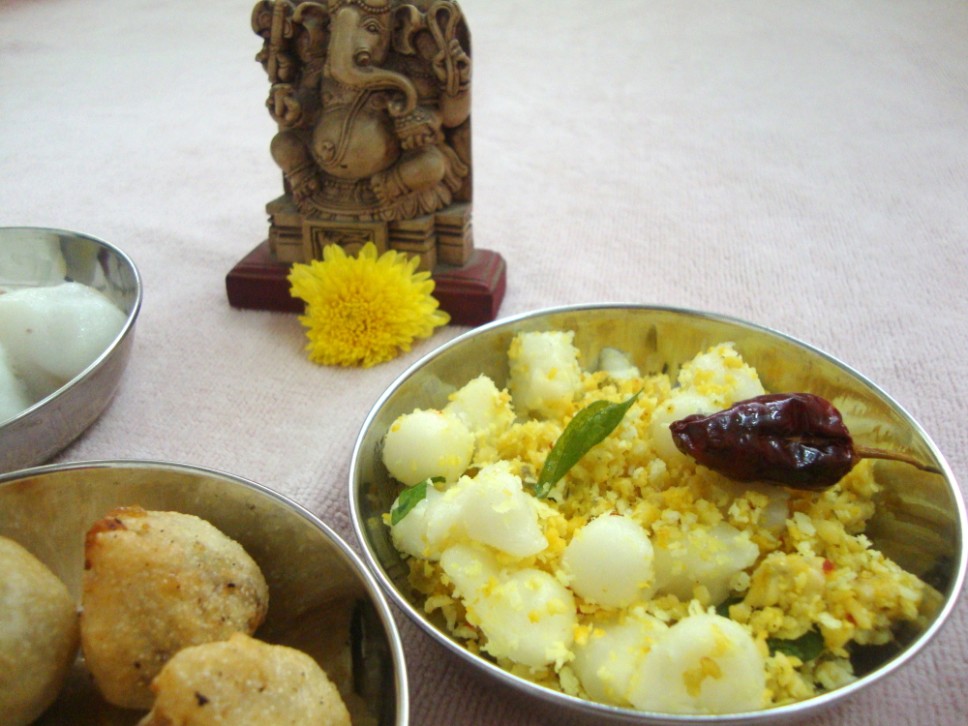
Ammani or Mani Kozhukattai is the last of the recipes I prepared for Ganesh Chaturthi, This was part of the third neivedyams, I had made Fried Modak, coconut jaggary Kozhukattai and Mani Kozhukattai. Typically Mani Kozhukattai is made with the excess rice flour dough you have and the excess Ulundu filling. Though I made it specially for prasadam, one can make this as an evening snack for kids if your kids happen to enjoy this.
My kids didn’t touch any of the prasadams. As I said they don’t like sweet dishes much. Konda eats Coconut Jaggary Kozhukattai, and most times remembers her text book lesson in Tamil she had couple of years back. In the story, the kid loves Kozhukattai and said the kozhukattais would melt in the mouth types. So ever since she read that lesson, she was all eager to taste it. When Konda ate it for the first time, she was disappointed that the Kozhukattais were not melting.
Coming back to the RECIPE, when you make it, be sure to increase the chili else it might tend to be bland when compared to Ulundu Kozhukattai.

Step By Step Picture Recipe for Mani Kozhukattai

Ingredients Needed

For the outer Rice flour dough, make as I showed in the Fried Modak.

For the Urad Dal filling.

Urad Dal / Ulundhu – 1 cup
Green Chilies – 2 -3 medium
Red Chili – 2
Curry leaves few
Hing / Asafetida a pinch
Salt to taste
Turmeric powder a pinch
OIL – 1 tsp

Grated Coconut for garnish – 2 tsp

For the Mani Kozhukattai,

Make the Rice flour dough and pinch out small dough and roll as a ball.

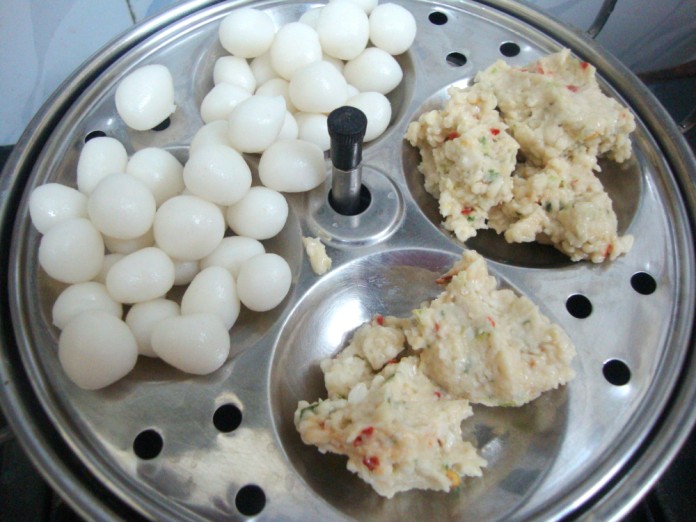
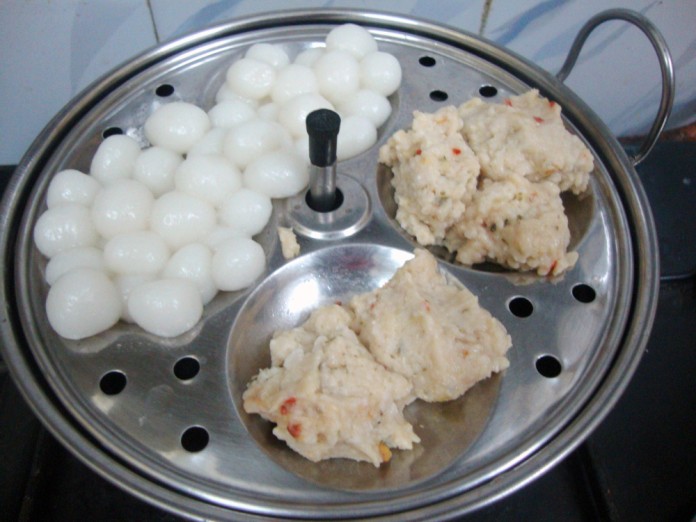
Steam for 10 – 15 mins. Allow to cool. When it’s still hot it will not hold it’s shape, once it’s cooled it will retain it’s ball shape, so don’t handle it before.

How to make Mani (Ammani Kozhukattai):

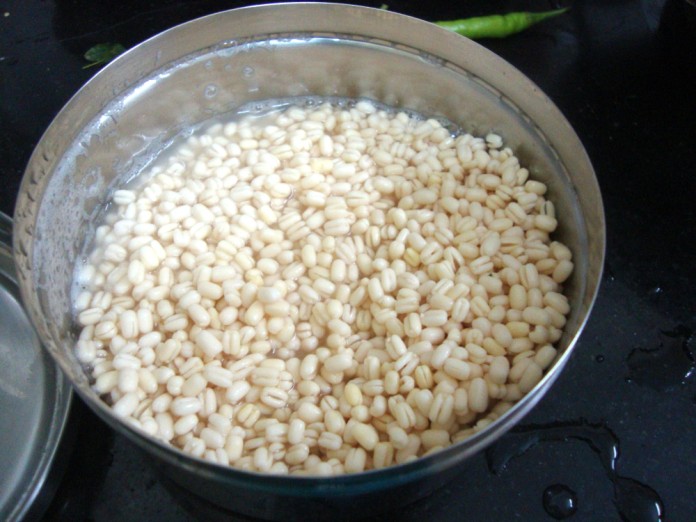
Soak Urad dal for 2 hrs. Drain and grind along with green chilies, red chilies, salt, hing, curry leaves to a coarse mix

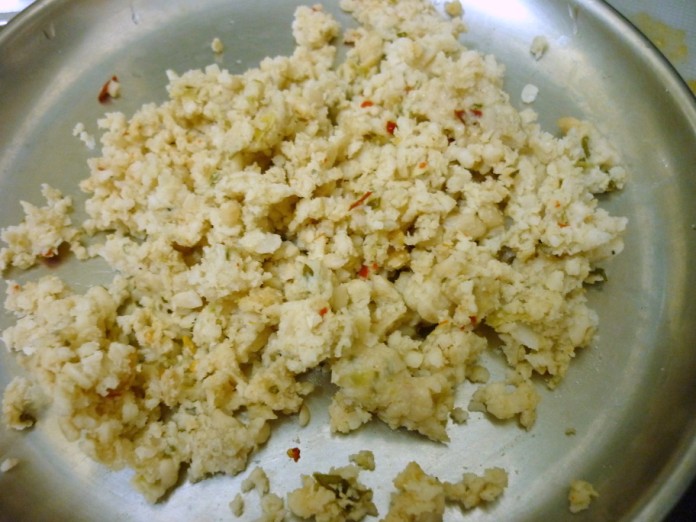
Once ground, make flat discs and steam for 10 mins. Grate to a fine powder.

Heat a non stick pan with 1 tsp oil. Add mustard, Urad dal, curry leaves, red chilies and fry,

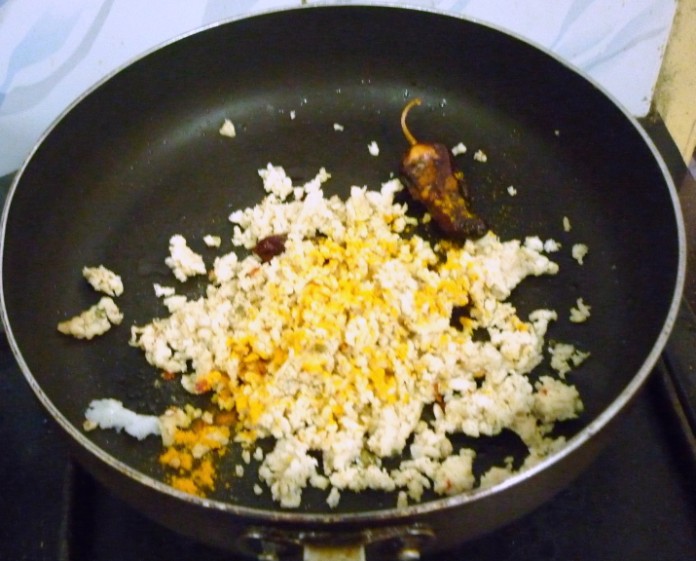
Then add the grated Urad dal filling. add turmeric powder.

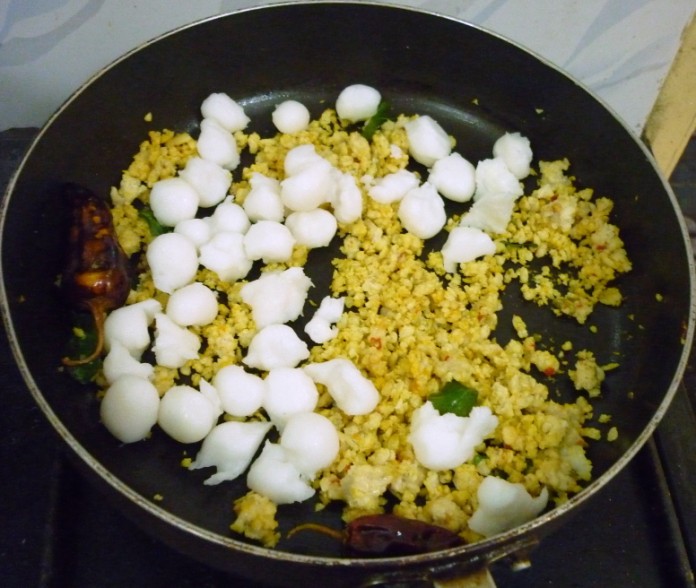
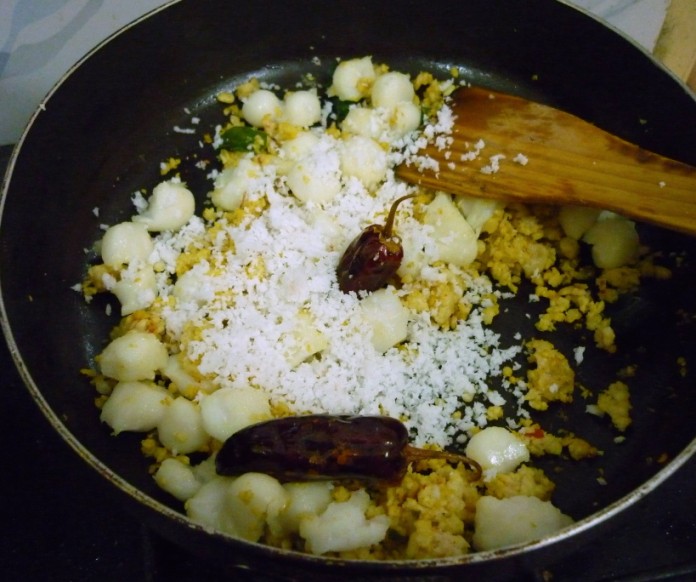
Once done, add the steamed mani kozhukattai, mix well. Finally garnish with grated coconut and OFFER as prasadam.

Natarajan

“ஓம்கார நாயகன் விநாயகனே போற்றி …”


In Response to my blog post ”  விநாயகப் பெருமான் 108 போற்றி ” . , my Friend Shri . A.V. Ramanathan  has penned the following lines as comment to my post.

I am glad to share those lines with my followers and viewers .

Natarajan

( தங்கள் மின்னஞ்சலில் வந்த இனிய மந்திரங்களின் தூண்டுதலால் விளைந்த என் கவிதை இது!)


“விஞ்ஞானம் அதிசயிக்கும் மெய்ஞானம்”

அறிவியல் கண்டறிந்த பரமாணுவே போற்றி

பரமாணுவின் வடிவாம் மின்னணுவே போற்றி

மின்னணுவின் கொடை மின்னஞ்சலே போற்றி

மின்னஞ்சல் தாலாட்டும் பக்தி ஊஞ்சலே போற்றி

பக்தி ஊஞ்சல் சுமக்கின்ற மந்திரங்களே போற்றி

மந்திரங்களின் நாயகன் விநாயகனே போற்றி

அஞ்ஞானம் அகற்றும் விஞ்ஞானம் போற்றி

விஞ்ஞானம் அதிசயிக்கும் மெய்ஞானம் போற்றி

மெய்ஞானம் போற்றும் ஓம்காரம் போற்றி

ஒம்கார நாயகன் விநாயகனே போற்றி,போற்றி!

நன்றி.

-ஏ.வி.ராமநாதன்

விநாயகப் பெருமானின் 108 போற்றி ….

விநாயகப் பெருமானின் 108 போற்றி

விநாயக சதுர்த்தியன்று சொல்ல வேண்டிய விநாயகப் பெருமானின் 108 போற்றி.

விநாயகர் தியான ஸ்லோகம்
சுக்லாம்பரதரம் விஷ்ணும் சசிவர்ணம் சதுர்புஜம் |
ப்ரஸன்ன வதனம் த்யாயேத் ஸர்வ விக்னோப சாந்தயே ||

ஓம் விநாயகனே போற்றி
ஓம் வினைகள் தீர்ப்பவனே போற்றி

ஓம் அரச மரத்தடி அமர்ந்தவனே போற்றி
ஓம் அகந்தை அளிப்பவனே போற்றி
ஓம் அறுகினில் மகிழ்பவனே போற்றி
ஓம் அச்சம் தவிர்ப்பவனே போற்றி
ஓம் ஆனை முகத்தானே போற்றி
ஓம் ஆதி மூலமே போற்றி
ஓம் ஆனந்த உருவே போற்றி
ஓம் இமவான் சந்ததியே போற்றி
ஓம் இடரைக் களைவோனே போற்றி
ஓம் ஈசன் மகனே போற்றி
ஓம் ஈகை உருவே போற்றி
ஓம் உண்மை வடிவே போற்றி
ஓம் உலக நாயகனே போற்றி
ஓம் ஊறும் களிப்பே போற்றி
ஓம் ஊழ்வினை அறுப்பவனே போற்றி
ஓம் எளியவனே போற்றி
ஓம் எந்தையே போற்றி
ஓம் எங்கும் இருப்பவனே போற்றி
ஓம் எருக்கு அணிந்தவனே போற்றி
ஓம் ஏழைப் பங்காளனே போற்றி
ஓம் ஏற்றம் அளிப்பவனே போற்றி
ஓம் ஐயனே போற்றி
ஓம் ஐங்கரனே போற்றி
ஓம் ஒப்பில்லாதவனே போற்றி
ஓம் ஒதுக்க முடியாதவனே போற்றி
ஓம் ஒளிமய உருவே போற்றி
ஓம் ஔவைக் கருளியவனே போற்றி
ஓம் கருணாகரனே போற்றி
ஓம் கரணத்தில் மகிழ்பவனே போற்றி
ஓம் கணேசனே போற்றி
ஓம் கணநாயகனே போற்றி
ஓம் கண்ணிற்படுபவனே போற்றி
ஓம் கலியுக நாதனே போற்றி
ஓம் கற்பகத் தருவே போற்றி
ஓம் கந்தனுக் குதவியவனே போற்றி
ஓம் கிருபாநிதியே போற்றி
ஓம் கீர்த்தி அளிப்பவனே போற்றி
ஓம் குட்டில் மகிழ்பவனே போற்றி
ஓம் குறைகள் தீர்ப்பவனே போற்றி
ஓம் குணநிதியே போற்றி
ஓம் குற்றம் பொறுப்போனே போற்றி
ஓம் கூவிட வருவோனே போற்றி
ஓம் கூத்தன் மகனே போற்றி
ஓம் கொள்ளை கொள்வோனே போற்றி
ஓம் கொழுக்கட்டைப் பிரியனே போற்றி
ஓம் கோனே போற்றி
ஓம் கோவிந்தன் மருகனே போற்றி
ஓம் சடுதியில் வருபவனே போற்றி
ஓம் சங்கரன் புதல்வனே போற்றி
ஓம் சங்கடகரனே போற்றி
ஓம் சதுர்த்தி நாயகனே போற்றி
ஓம் சிறிய கண்ணோனே போற்றி
ஓம் சித்தம் கவர்ந்தோனே போற்றி
ஓம் சுருதிப் பொருளே போற்றி
ஓம் சுந்தரவடிவே போற்றி
ஓம் ஞானம் காப்பவனே போற்றி
ஓம் ஞான முதல்வனே போற்றி
ஓம் தந்தம் உடைந்தோனே போற்றி
ஓம் தந்தத்தாற் எழுதியவனே போற்றி
ஓம் தும்பிக்கை உடையாய் போற்றி
ஓம் துயர் துடைப்பவனே போற்றி
ஓம் தெருவெல்லாம் காப்பவனே போற்றி
ஓம் தேவாதி தேவனே போற்றி
ஓம் தொந்தி விநாயகனே போற்றி
ஓம் தோணியே போற்றி
ஓம் தோன்றலே போற்றி
ஓம் நம்பியே போற்றி
ஓம் நாதனே போற்றி
ஓம் நீறணிந்தவனே போற்றி
ஓம் நீர்க் கரை அமர்ந்தவனே போற்றி
ஓம் பழத்தை வென்றவனே போற்றி
ஓம் பாரதம் எழுதியவனே போற்றி
ஓம் பரம்பொருளே போற்றி
ஓம் பரிபூரணனே போற்றி
ஓம் பிரணவமே போற்றி
ஓம் பிரம்மச்சாரியே போற்றி
ஓம் பிள்ளையாரே போற்றி
ஓம் பிள்ளையார் பட்டியானே போற்றி
ஓம் பிறவிப் பிணி தீர்ப்பவனே போற்றி
ஓம் பிள்ளைகளை ஈர்ப்பவனே போற்றி
ஓம் புதுவை வடிவே போற்றி
ஓம் புண்ணியனே போற்றி
ஓம் பெரியவனே போற்றி
ஓம் பெரிய உடலோனே போற்றி
ஓம் பேரருளாளனே போற்றி
ஓம் பேதம் அறுப்பவனே போற்றி
ஓம் மஞ்சளில் இருப்பவனே போற்றி
ஓம் மகிமையளிப்பவனே போற்றி
ஓம் மகா கணபதியே போற்றி
ஓம் மகேசுவரனே போற்றி
ஓம் முக்குறுணி விநாயகனே போற்றி
ஓம் முதலில் வணங்கப்படுவோனே போற்றி
ஓம் முறக்காதோனே போற்றி
ஓம் முழுமுதற் கடவுளே போற்றி
ஓம் முக்கண் மகனே போற்றி
ஓம் முக்காலம் அறிந்தோனே போற்றி
ஓம் மூத்தோனே போற்றி
ஓம் மூஞ்சுறு வாகனனே போற்றி
ஓம் வல்லப கணபதியே போற்றி
ஓம் வரம் தரும் நாயகனே போற்றி
ஓம் விக்னேஸ்வரனே போற்றி
ஓம் வியாசன் சேவகனே போற்றி
ஓம் விடலைக்காய் ஏற்பவனே போற்றி
ஓம் வெற்றியளிப்பவனே போற்றி

Source::::Dinamani.com

Natarajan

” பிள்ளையார் போற்றுவோம் ….”


அனைவருக்கும் இனிய பிள்ளையார் சதுர்த்தி வாழ்த்துக்கள்.

பிள்ளையார் போற்றுவோம்
(அறுசீர் விருத்தம்: காய் மா விளம் காய் காய் காய்)

ஆனைமுகம் பார்த்தால் தடையெலாம் .. காலடியில் மூஞ்சூறாய் ஓடிவிடும்
பானைவயின் பார்த்தால் பகையெலாம் .. ஆதவன்முன் பனியெனவே ஓடிவிடும்
கானமதைக் கேட்டால் பிள்ளையார் .. காதுகளில் தேனருவி வந்துவிழும்
நானவனை இன்றே போற்றுவேன் .. பானகமும் மோதகமும் முன்வைத்தே.

மாணவரின் கல்வி யோங்குமே .. காணவரின் பிள்ளையாரின் உருவினையே
கோணலெலாம் மாறிச் சீர்ப்படும் .. கோலவிழிக் கோமகனை வழிபடவே
சாணேறில் மீண்டும் சறுக்கிடும் .. சாதனைகள் கொடிமரமாய் உயர்ந்திடுமே
நாணமுறும் மாதர் வாழ்வினில் .. நாலுவகைப் பேறுகளும் கூடிடுமே.

கணபதியை நாளும் போற்றுவோம் .. காலமெலாம் கவலையின்றி வாழ்வோமே
குணநலன்கள் யாவும் சேருமே .. கூப்பிட்டுத் துதிசெய்து பாடிடவே
கணப்பொழுதில் நீங்கும் தடையெலாம் .. கணபதியே சுற்றமெனக் கொண்டாலே
வணங்கிடுவோம் சென்னி நிலம்பட .. மணமெல்லாம் வாழ்வினிலே பெற்றிடவே.

–ரமணி, in http://www.periva.proboards.com

Read more: http://periva.proboards.com/thread/5111/#ixzz3Bb3wxY98

Natarajan

” பிள்ளையார் சுழி…” !!!

periyava_pillayar_pillar


தை எழுத ஆரம்பித்தாலும் முதலிலே பிள்ளையார் சுழி போட்டுவிட்டுத்தான் ஆரம்பிக்கிறோம். பெரிய காவியமாகத்தான் இருக்கவேணும் என்றில்லை; ஒரு போஸ்ட் கார்டானாலும் ஸரி, கடை ஸாமான் லிஸ்டானாலும் ஸரி, முதலில் பிள்ளையார் சுழி போட்டு விட்டுத்தான் எழுத ஆரம்பிக்கிறோம். எழுதுவது மட்டுமில்லாமல் எந்தக் காரியமானாலும் ஆரம்பிக்கிற போது அது விக்நமில்லாமல் பூர்த்தியாவதற்கு மஹாகணபதியைக் கொண்டு வந்துதான் ஆகணும். அவரைக் ஸ்மரிக்காமல் எந்தக் காரியமுமே இல்லையானாலும், இந்த எழுத்துக் காரியத்தில் அவரை ஸ்மரிக்கிறோம் என்பது Written proof -ஆகவே (எழுத்து மூல நிரூபணமாகவே) பிள்ளையார் சுழியில் தெரிகிறது.

பின்னாடி நாம் எழுதுகிற விஷயம் ‘சுழித்து’ப் போகாமலிருப்பதற்காக முன்னாடி பிள்ளையார் சுழி போட்டு விடுகிறோம்.

பிள்ளையார் சுழி போடாமல் ‘ஓம்’போடுகிறவர்களும் கிரந்தம், தமிழ் இரண்டிலுமே அந்த ஓமுக்கும் சுழித்தே ஆரம்பிக்க வேண்டியிருக்கிறது. அதுமட்டுமில்லை, இந்த ப்ரணவ ஸ்வரூபமும் பிள்ளையார்தானே?

சுழி என்பது வளைசல்; ‘வக்ரம்’ என்பார்கள். பிள்ளையாரின் தும்பிக்கை நுனி வளைந்து சுருட்டிக் கொண்டிருக்கிறது. அதனால் ‘வக்ரதுண்டர்’என்றே அவருக்கு ஒரு பேர். பிள்ளையார் சுழி போடுவதில் பாதியாக இருக்கிற வளைசல் பூர்ணமாகிவிட்டால் முழு வட்டம். பூலோகமும், பல லோகங்களும், நக்ஷத்ர மண்டலங்கள் அடங்கியுள்ள பிரம்மாண்டமும் எல்லாமே வட்டமானவைதான். ‘அண்டம்’என்றாலே முட்டை என்றுதான் அர்த்தம். முட்டை வட்ட வடிவந்தானே?

இந்தப் பூர்ணரூபத்தையே ஸைஃபருக்கும் சொல்வதுதான் ஆச்சரியம்! ‘பரீ¬க்ஷயில் கோழி முட்டை’என்கிறோம். ‘பூர்ணமும் பிள்ளையார்தான், சூன்யமும் பிள்ளையார்தான். உள்ளது அல்லது எல்லாம் பரமாத்மாதான்’என்கிற மஹா தத்துவத்தையே சுழி காட்டுகிறது. காரியத்தை ஸஃபைர் பண்ணிக்கொண்டு வருகிறவனை, ”என்னடா சுழி!”என்று ப்ரக்ருதத்திலும் (நடைமுறையிலும்) சொல்கிறோம். கையிலிருக்கிற மோதகத்தில் தித்திப்புப் பூர்ணத்தை வைத்துக்கொண்டு தன்னுடைய பூர்ணத்வத்தை ‘டெமான்ஸ்ட்ரேட்’பண்ணும் பிள்ளையாருக்கே சுழி போடுகிறோம். இந்தச் சுழி மற்றச் சுழியையெல்லாம் முழுசாகப் பண்ணிவிடுவது.

வளைசலான கொம்போடு ஆரம்பிக்கிற பிள்ளையார் சுழி, கொஞ்சம்கூட வளையாத நேர்கோட்டோடு முடிகிறது. பிள்ளையார் பூர்ணம், சூன்யம் இரண்மாக ஆனாற்போலவே வக்ரமானதும் அவர்தான், ஆர்ஜவமானதும் (நேரானதும்) அவர்தான் என்பது தாத்பரியம். வக்ர குணத்துக்கு நேரெதிரானதை ஆர்ஜவம் என்பார்கள். தமிழில் இதைத்தான் நேர்மை என்பது. இங்கிலீஷிலும் straightness, straight- forward என்கிறார்கள். குணம் குணஹீனம் எல்லாம் ஒரே நிர்குண பரமாத்மாவின் வேஷங்கள்தான்.

‘உ’என்பது ப்ரணவத்தின் இரண்டாவதான நடு அக்ஷரம். அ-உ-ம என்ற மூன்றும் சேர்ந்தே ‘ஓம்’காரமான ப்ரணவம். விஷயம் தெரிந்தவர்கள் இதை இங்கிலீஷில் Om என்று எழுதாமல் Aum என்றே எழுதுவார்கள். ‘அ’என்பது ஸ்ருஷ்டி;பிரம்மா. உ என்பது பரிபாலனம்; விஷ்ணு. ம ஸம்ஹாரம்;ஈஸ்வரன். த்ரிமூர்த்திகளும் தோன்றியது ஏக பராசக்தியால்தான். அதனால் அவள் ப்ரணவ ஸ்வரூபிணி. ஆனாலும் ஓமை தேவீ ப்ரணவம் என்று சொல்வதில்லை. ‘உமா’ என்பதே தேவீ ப்ரணவம் என்பார்கள். அ-உ-ம என்ற சப்தங்களே மாறி ‘உமா’ வில் உ-ம-அ எனற இருக்கின்றன அல்லவா?ஓமில் ஸ்ருஷ்டி பீஜமான ‘அ’ முதல் எழத்தாயிருக்க, ‘உமா’ விலோ ஸ்திதி (பரிபாலன) பீஜமான ‘உ’என்பது முதல் எழுத்தாயிருப்பதால்தான், அன்போடு ரக்ஷித்து, காத்து, பரிபாலனம் பண்ணும் அம்பாளின் ப்ரணவம் ‘உ’ வில்தான் ஆரம்பிக்க வேண்டுமென்று காரணம் சொல்லி, இதனாலேயே ‘உமா’என்பதை அம்பாளுடைய ப்ரணவமாகக் கூறுகிறார்கள்.

அ-உ-மவில் ஹ்ருதயம் மாதிரி நடுவேயிருப்பது ‘உ’அதுவே கருணாமயமாகக் காப்பாற்றுகிற தேவீ ப்ரணவத்தில் ப்ரதம ஸ்தானத்திலிருக்கிறது. ப்ரணவ ஸ்வரூபப் பிள்ளையார் ‘அ’வும் ‘ம’வும் சேராமல் இந்த ‘உ’காரமாக மட்டுமே பிள்ளையார் சுழியில் இருப்பதைப் பார்க்கும்போது ஒன்று தோன்றுகிறது. அதாவது அவர் ”தாயைப் போலப் பிள்ளை”மட்டுமில்லை;தாயாருக்கும் ஒரு படி மேலே என்று தோன்றுகிறது. எப்படி?அவளும் ரக்ஷிக்கிற ‘உ’வுக்குப் பின்னாடியாவது ஸம்ஹார ‘ம’ஸ்ருஷ்டி ‘அ’ இவற்றையும் வைத்தக் கொண்டிருக்கிறாள். ஆனால் பிள்ளையோ எப்போது பார்த்தாலும் எல்லாரையும் ரக்ஷிப்பது தவிர வேறு ஜோலியே வைத்துக்கொள்ளாத பூர்ண கருணாமூர்த்தியாக இருந்துகொண்டு ‘உ’ ஒன்றோடேயே நின்றுவிடுகிறார்.

ப்ரணவத்தில் ‘உ’ விஷ்ணுவின் ரூபம். உமாவும் விஷ்ணு ரூபிணியாக, நாராயண ஸஹோதரியாக, ‘விஷ்ணு மாயா விலாஸினி’யாக, ‘நாராயணி’ என்றே பெயர் படைத்தவளாயிருக்கிறாள். பிள்ளையாரைப்பற்றி ஸகலரும், ஸகல கார்ய ஆரம்பத்திலும் சொல்லும் ஸ்லோகத்திலும் ”சுக்லாம்பரதரம் விஷ்ணும்” என்றே வருகிறது. (இங்கே விஷ்ணு என்றால் ஸர்வ வியாபகமானவர் என்று அர்த்தம்) ‘உ’ என்பது சிவ-சக்தி புத்ரனை விஷ்ணுவோடும் ஸம்பந்தப்படுத்தி, சைவ வைஷ்ணவத்தை ஸமரஸம் பண்ணி விடுகிறது!

வளைசலும் நேர்கோடுமாக இருக்கிற பிள்ளையார் சுழியில் நிறையத் தத்வார்த்தம் இருக்கிறது. சக்ராகாரமாக எந்த ஒன்று சுற்றினாலும் அதற்கு மத்தியில் அதற்கு ஆதாரமாக, அச்சாக ( axis- ஆக) நேரான ( straight- ஆன) ஒன்று இருந்தாக வேண்டும். விஷ்ணு தன் விரலையே நேராக நிமிர்த்திக்கொண்டு அதிலேதான் சக்ராயுதத்தைக் கோத்துக் கொண்டு சுற்றுகிறதாகவே விக்ரஹங்களில் காட்டியிருக்கும். சுற்றச் சுற்றப் பொறிப் பொறியாகக் கொட்டுகிற கார்த்திகை வாணமானாலும் ஸரி (இது ஒளி) – விரலிலே மாட்டிக்கொண்டு சுற்றிச் சுற்றி டபடபவென்று அடிக்கிற கிரிச்சட்டியானாலும் ஸரி (இது ஒலி) – இதுகளின் வட்டமான சுழற்சிகளுக்கு ஆதாரமாகக் கையோ, குச்சியோ எதுவோ ஒன்று நேர்கோடாக இருக்க வேண்டியிருக்கிறது. யுனிவர்ஸில் லோகங்களெல்லாம் ஸர்குலராகத்தான் சுற்றிக்கொண்டிருக்கின்றன என்கிறபோது இவற்றுக்கும்கூட straight line-ஆக ஒரு ஆதார axis நம் கண்ணுக்குத் தெரியாவிட்டாலும் energy (சக்தி) ரூபத்தில் இருக்கத்தான் வேண்டும். வட்டமாகச் சுற்றுகிற ஸகலப் பிரபஞ்சத்தையும் அதற்கு ஆதார சக்தியான கோட்டையும் சேர்த்துத்தான் பிள்ளையார் சுழியில் வட்டமாகவும் நேர்கோட்டு பாகமாகவும் போடுகிறோம்.

எங்கேயோ படித்த, அல்லது கேட்ட, ஞாபகம், எனர்ஜி உண்டாகிறதே பிள்ளையார் சுழி ரூபத்தில்தான் என்று. தாரை கொட்டி அதிலிருந்து எலெக்ட்ரிஸிடி எடுக்கிறபோது ரொடேஷனிலிருந்து (வட்டத்திலிருந்து) நேர்கோடாகத்தான் மின்ஸாரம் புறப்படுகிறதென்று எடுத்துக்காட்டியிருந்தது. பிள்ளையார் சுழியில் கொம்பு தான் ரொடேஷன்;கோடு அதிலிருந்து சக்தி உத்பவம். இந்த இரண்டையும் சிவ-சக்தி ஸ்வரூபமான நாத-பிந்துக்களாகக்கூடச் சொல்லிக்கொண்டு போகலாம். அதெல்லாம் ஸ¨க்ஷ்மமான விஷயம்.

ஆரம்பித்த இடத்துக்கே வந்து முடிந்துவிடுகிற வட்டம் ஏகமான பிரம்மத்தைக் குறிப்பதாகக் கொள்ளலாம். வட்டத்தில் ஆரம்பித்து அரை வட்டத்துக்கு அப்புறம் நேர்கோடாகிற பிள்ளையார் சுழி, ஏகமான பிரம்மத்தை ஸங்கேதமாகக் காட்டிவிட்டு அதிலிருந்து அநேகமான ஸ்ருஷ்டி தோன்றினதையும் சேர்த்துத் தெரிவிக்கிறது என்று சொல்லலாம். பிரம்மமும் பூர்ணம். பிரபஞ்சமும் பூர்ணம். பிரம்ம பூர்ணத்திலிருந்து பிரபஞ்ச பூர்ணம் உண்டாயிற்று என்று உபநிஷத்தில் சாந்தி மந்திரம் சொல்கிறோம். ஆரம்ப ஸ்வாமியின் அடையாளமாக எதன் ஆரம்பத்திலும் போடும் பிள்ளையார் சுழி, பிரம்ம பூர்ணத்தை வளைசல் கொம்பாலும், பிரபஞ்ச பூர்ணத்தை நேர் கோட்டாலும் காட்டி, முதலில் கொம்பு அப்புறம் கோடு என்பதால் பிரம்மத்திலிருந்துதான் பிரபஞ்சம் உண்டாச்சு என்றும் தெரிவிக்கிறது.

கொம்பு, கோடு என்று இரண்டு வார்த்தைகள் சொன்னேன். வேடிக்கையாக இரண்டுமே பிள்ளையாரின் தந்தத்துக்குப் பேராயிருக்கின்றன. ‘ஏக தந்தர்’ என்பதை ‘ஒற்றைக் கொம்பன்’ என்பார்கள். ”பெரும்பாரக்கோடும்”, ”கோடாயுதத்தால் கொடுவினை களைந்தே” என்றெல்லாம் அவ்வைப் பாட்டி சொல்லும்போது ‘கோடு’ என்றாலும் தந்தந்தான். எப்பொழுதும் குழந்தையாயிருக்கிற ஸ்வாமியை வேண்டிக்கொண்டதாலேயே குழந்தைப் பிராயத்தில் கிழவியாகிவிட்ட அவ்வை சொன்ன ‘கொடுவினை’என்பதுதான் ஜன்மாந்தர பாபங்களான பிராரப்த கர்மா. அந்தக் கர்மா எப்படியெப்படி நம்மைப் பழிவாங்க வேண்டும் என்று பிரம்மா நம் தலையில் எழுதியிருக்கிறாரென்று, சொல்லி, இதை பிரம்மலிபி என்பார்கள். ‘தலைச்சுழி’ என்பதும் இதைத்தான். இந்த தலைச் சுழியையும் கழித்து விடுவது பிள்ளையார் சுழி. ”கோடாயுதத்தால் கொடுவினை களைந்தே!”

]பிள்ளையார் , முருகன் இருவருமே தமிழ் தெய்வங்கள்தான் …!!!

தமிழ்நாட்டின் தனிப்பட்ட சிறப்பு எங்கு பார்த்தாலும் பிள்ளையார் கோயில்கள் இருப்பதேயாகும். “கோயில்’ என்று பெயர் வைத்து விமானமும் கூரையும் போட்டுக் கட்டடம் எழுப்ப வேண்டும் என்பது கூட இல்லாமல், அரச மரத்தடிகளிலே கூட வானம் பார்க்க அமர்ந்திருக்கும் ஸ்வாமி நமது பிள்ளையார்.
தெருவுக்குத் தெரு ஒரு பிள்ளையார் கோயில், நதிக் கரைகளிலெல்லாம் பிள்ளையார், மரத்தடிகளில் பிள்ளையார் என்றிப்படி இந்தத் தமிழ் தேசம் முழுவதும் அவர் வேறெந்த ஸ்வாமிக்கும் இல்லாத அளவுக்கு இடம் கொண்டு அருள்பாலித்து வருகிறாரர். அவரைப் “பிள்ளையார்’ என்றே அன்போது கூறுவது நம் தமிழ்நாட்டுக்கே உரிய வழக்கம். சர்வலோக மாதா பிதாக்களாகிய பார்வதி பரமேசுவரர்களின் ஜேஷ்ட புத்திரர் அவர். “பிள்ளை’ என்றால் அவரைத்தான் முதலில் சொல்ல வேண்டும். வெறும் “பிள்ளையார்’ என்று சொல்லக்கூடாது என்பதால் மரியாதையாகப் “பிள்ளையார்’ என்று சொல்வது தமிழ்நாட்டுச் சிறப்பு.
தெய்வம் என்று ஒன்று இருந்தால் அது லோகம் பூராவுக்குந்தான். ஆனாலும் அதை “நம்முது’ (நம்முடையது) என்று விசேஷமாகப் பிரித்து வைத்த ப்ரியம் காட்டி உறவு கொண்டாடணும் என்று பக்த மனஸுக்குத் தோன்றுகிறதுண்டு.
ஒவ்வொரு தெய்வத்திடம் இப்படி ஒவ்வொரு ஜனÙமுஹத்திற்கு ஒரு அலாதி பந்துத்வம் இருப்பதுண்டு. தமிழ் மக்களுக்கு ஸுப்ரஹ்மண்ய ஸ்வாமி என்றால் தனியான ஒரு ப்ரியம். முருகன், முருகன் என்று சொல்லி, தமிழ்த் தெய்வம் என்று அவரை இந்த நாட்டுக்கே, பாஷைக்கே உரித்தானவராக முத்ரை குத்தி வைத்துக் கொண்டாடுகிறோம்.
எனக்கென்னவோ அவரை மட்டும் அப்படிச் சொல்லாமல் அவருடைய அண்ணாக்காரரையும் தமிழ்த் தெய்வம் என்று சொல்லணும் என்று (இருக்கிறது)! இளையவரைத் தமிழ்த் தெய்வம் என்று குறிப்பாகச் சொல்ல எவ்வளவு காரணமுண்டோ அவ்வளவு – ஒரு வேளை, அதைவிடக்கூட ஜாஸ்தியாகவே – அண்ணாக்காரரையும் சொல்வதற்கு இருப்பதாக எனக்குத் தோன்றுகிறது. அதனால் – அந்த அண்ணா – தம்பிகளைப் பிரிக்கவேபடாது. சேர்த்துச் சேர்த்தே சொல்லணும், நினைக்கணும், பூஜை பண்ணணும் என்பதாலேயும் – பிள்ளையார், ஸுப்ரஹ்மண்யர் இரண்டு பேரையுமே தமிழ்த் தெய்வங்கள் என்று வைத்தவிட வேண்டுமென்று தோன்றுகிறது. அப்படி ஒரு ரெஸொல்யூஷன் கொண்டு வரப் போகிறேன்! (அது) “பாஸ்’ ஆகணுமே! அதனால் புஷ்டியான காரணம் நிறைய காட்டுகிறேன். யுனானிமஸாகவே பாஸ் பண்ணிவிடுவீர்கள்!

– ஜகத்குரு காஞ்சி காமகோடி ஸ்ரீ சந்திரசேகரேந்திர சரஸ்வதி சங்கராச்சார்ய ஸ்வாமிகள்

source:::: KALKI…Tamil Weekly
natarajan

Swimming Elephant and its Mahout… A Stunning Picture !!!

Mahout Nasru sits on tusks of swimminh elephant Rajan

Fifty eight year old mahout Nasru sits on the tusks of his 60 year old elephant Rajan

It was taken in the Andaman Islands, a remote archipelago in the Bay of Bengal, where Rajan, a 60-year-old elephant, lives.

The six-ton elephant learnt to swim 40 years ago to help work for logging companies there.

For years the elephant felled trees with Nasru, his 58-year-old driver.

But in 2002 logging was banned in the islands and most of the 200 elephants were sent back to the Indian mainland.

However, Rajan was kept on by a wealthy owner who had no desire to see him leave Havelock Island, and enjoyed a blissful existence eating bananas and swimming in the crystal clear water.

Two years ago a Kerala temple offered £40,000 for the elephant and Rajan almost had to leave, before a tourist lodge launched a campaign to raise the funds to keep him. Since then Rajan and Nasru have become something of an attraction.

The photograph, taken by Italy-based Cesare Naldi, won first prize in the National Geographic International Photography contest last December.

Naldi told National Geographic: “When I was in the water with Rajan, I was really surprised by how fast he could move his legs to swim. Most of the time he had his head under the water and used his long nose to breathe, like a submarine uses its periscope.”

source::::Stephen Adams in The Telegraph UK…..May 2010

NATARAJAN

Introductory Prayers ….With Meaning ….

 
1.Shuklambaradaram Vishnum,
Sasi varnam chathur bujam,
Prasannavadanam dhyayeth,
Sarva Vigna upasanthaye.

Dressed in white you are,
Oh, all pervading one,
And glowing with the colour of moon.
With four arms, you are, the all knowing one
I meditate on your ever-smiling face,
And pray, Remove all obstacles on my way.

2.Sri Kantho mathulo yasya,
Janani sarva mangala,
Janaka sankaro deva,
Tham vande Kunjarananam.

I salute the elephant faced one,
Whose uncle is Lord Vishnu.
Mother is Goddess Parvathi,
And father is the God Shiva.

3.Yasya dwiratha vakthradhya,
Parishadhya para satham,
Vignam nignanthi sathatham,
Vishwaksenam thamasraye.

I surrender to the God Vishwaksena,
Whose face has two tusks,
Who has several hundreds of followers,
And who always removes obstacles.

4.Ramapathi padambhoja ,
Pari shuratha manasam,
Senapathim aham vande ,
Vishwaksenam nirantharam.

I salute always the Commander in chief,
Visvaksena whose mind is opened up,
By the lotus like feet of the consort of Lakshmi.

5.Bhagawan nama samrajya ,
Lakshmi sarvasva vigraham,
Srimath Bodhendra yogeendra ,
Desikendram upasmahe.

In the land of the names of God,
The one who pervades everywhere,
Is the king of Yogis, Bhodendra ,
Who is the king of teachers ,
And I bow to him.

6.Eese thasya cha naamaani pra vimalam jnanam dayor orjitham,
Prema prema cha thath pareshu virathischanyanthara sarvathra cha,
Eesekshaa karunaa cha yasya niyathaa, vruthi ssrithasyapi yam,
Tham vande nara roopa manthakaripum , Sri Venkatesam Gurum.

I salute the great teacher Venkatesa who has a human form and is the enemy of death,
By taking up whose name which is greatly holy we would be lead to wisdom and mercy,
And whose love for God would completely spread everywhere,
And by whose mercy from God and his routine the wealth will increase.

7.Bhagavan nama bodhendra ,
Sridaryathma vigraham,
Srimath Venkataramakhya ,
Desikendramupasmahe

I salute the king of teachers ,
Who is the king for teaching the names of Gods,
Who has the perfect form of Sridhara,
And that of Sri Venkatrama.

8.Nama samrajya roopaanaam,
Bodhendra Sridharathmanaam,
Pranaamam ye prakurvanthi,
Thesham aapi namo nama.

My salutations and salutations to him,
Who is the form of the names of God
Which is taught as right by the,
Souls of Bodhendra and Sridhara.

9.Prahladha , Narada , Parasara , Pundareeka,
Vyasa, Ambareesha , Sukha, Sounaka, Bheeshma, Dhalbyaan,
Rukmangadha ,Arjuna, Vasishta, Vibheeshanaadheen,
Punyanimaan Parama Bhagwathan smarami.

I meditate on the greatly holy ones who have done auspicious acts,
Like Prahladha, Narada, Parasara, Pundareeka,
Vyasa, Ambareesha , Sukha , Sounaka, Dhalabhya,
Rukmangadha , Arjuna , Vasishta and Vibheeshana.

10.Yethan nirvidhyamanam,
Icha thama kuthobhayam,
Yoginaam nrupa nirneetham,
Harer namanu keerthanam.

Even for those who are not educated,
He gives protection to those who desire,
And is considered as the king among Yogis,
Because of singing the names of Hari.

11.Harer namaiva, namaiva ,
Namaiva mama jeevanam,
Kalou nasthyeva nasthyeva ,
Nasthyeva gather anyadha,

My life is the names, names ,
And names of Hari only,
In the Kali age there is no,
There is no other support to us.

12.Visrujya lajjam yo adheethe,
Mannaa maani nirantharam,
Kula koti samayuktho,
Labathe mamakam patham.

He who leaves out his shyness studies
With eagerness always accepts me ,
Would get my place along with,
Crores of his clan members.

13.Vishnor ganam cha Nrutham cha ,
Natanam cha viseshatha ,
Brahman Brahmana jatheenaam,
Karthavyam nithya karma vath.

The Brahmin who sings and acts about Vishnu,
Specially dances would be daily,
Doing the duty of a Brahmin properly.

14.Kalakshebho na karthavya ,
Ksheenam aayu kshane kshane ,
Yamasya karuna nasthi,
Karthvyam Hari Keerthanam.

Due to duties and routine acts ,
The span of life regularly goes down,
As Lord Yama does not show any mercy,
So make the singing of Hari as your duty.

15.Naaham vasami vaikunte ,
Na Yogi hrudaye ravou,
Mad bhaktha yathra gayanthi,
Thathra thishtami Narada.

Oh Narada , I do not live in Vaikunta,
Nor do I live in the heart of great yogis,
For I stay and live in the place ,
Where my devotees sing about me.

16.Kale dosha nidhe , rajan,
Asthi hyekho mahan guna,
Keerthanad yeva krishnayai,
Muktha bandha param vrajeth.

Those Kali age is treasure of the bad things,
It has a very great property,
By singing about Lord Krishna,
You can get rid of ties and attain salvation.

17.Kalou kalmasha chithaanaam,
Papa dravyopa jeevinaam,
Vidhi kriyaa viheenaanam,
Gathir Govinda keerthanam.

In the age of Kali for people with bad thoughts,
For people who eke their livelihood by sins,
And for those who do not follow recommended rituals,
The only way out is Singing about Govinda.

18.Dhyayan krutha yajna yagnai,
Threthayaam dwapare archayan,
Yadapnothi , thadapnothi,
Kalou samgeerthya kesavam.

The effect of meditating in Krutha age,
Doing fire sacrifices in Thretha age,
And doing worship in Dwapara age,
Can be easily attained by oneself,
By singing names of Kesava in Kali age.

19.Namno asthi yavathee Shakthi,
Papa nirharane Hare,
Thavath karthum na saknothi,
Pathakam pathaki jana.

There is no power like your name,
Oh Hari to remove the effect of sins,
For those who do it will not be able,
To do sinful deeds , in spite of being sinners.

20.Harir harathi paapani,
Dushta chithair api smrutha,
Anichayapi samsprushta,
Dhathyeva hi pavaka.

The Hari will destroy all sins,
Even though a bad one remembers him,
In spite of doing it without any will,
And he would make him pure.

21.Smruthe sakala kalyana,
Bajanam yathra jayathe,
Purushastha majam nithyam,
Vrujami saranam harim.

Just by remembering him ,
Would result in all that is good,
And those who remember him without fail ,
Hari would give him protection .

22.Aalodya sarva sasthrani,
Vicharya cha puna puna,
Itham yekam sunishpannam,
Dhyaye yo narayana ssada.

Even by studying all Sasthras deeply,
And again and again doing research in them,
You come to one good conclusion,
Always meditate on Narayana.

23.Namsthvanthaya sahasra moorthaye,
Sahasra padakshi siroru behave,
Sahasra namne purushaya saswathe,
Sahasra kodi yuga dharine nama.

Salutations to thee oh lord,
Who runs the immeasurable time,
Of thousand crore yugas,
Who has no end,
Who has thousand names,
Who has thousand forms,
Who has thousand feet,
Who has thousand eyes,
Who has thousand heads,
Who has thousand arms,
And Who is always there.

24.Prahlada bhaga dheyam ,
Nigama mahadror guhantharadheyam,
Narahari padabhidheyam,
Vibhudha vidheyam mamanu sandheyam.

He who is the fate of Prahlada,
Who is dealt inside the cave of the great Vedas
Who took the form of man lion,
Who is amenable to the wise,
Is the subject of my deep study.

25.Yo danda karanya nisacharendran ,
Kodanda leelaa vishayee chakara,
Vedanda sundayatha bahu danda,
Kodanda pani kuladaivatham na.

The deity of my clan is the one who holds the Kodanda,
Who playing with that bow Kodanda , killed ,
Several asuras who moved at night in Dandakaraya,
And with his hands as weapons killed,
The mighty elephant which had its trunk as weapon.

26.Krishna kartothu kalyanam,
Kamsa kunjara kesari,
Kalindhi jala kallola ,
Kolahala kuthoohali.

The Krishna who is the lion to the elephant called Kamsa,
Who made the hostile water of Kalindi ,
Into a joy filled loud noise and brought auspiciousness.

27.Sri sesha saila suniketana divyamoorthe ,
Narayanachyutha hare nalinayathaksha,
Leela kadaksha pari rakshitha sarva loka,
Sri Venkatesa mama dehi karavalambam.

Please give me the protection of your hands, Lord Venkatesa,
Whose divine form has its abode in the Sesha Mountain,
Who is Narayana, Achyutha and Hari and has lotus like eyes,
And who protects all the worlds with a playful sidelong glance.

28.SAma charana sarojam , sandhra neelambhudabham,
Jagana nihitha panim mandanam mandanaanaam,
Tharuna Thulasi malakandharam kanja nethram,
Sadhaya davala hasam vittalam chinthayami.

I meditate on that Vittala with a feet , similar to the lotus flower,
Who is of the colour of the dense blue cloud,
Who Keeps his arms on his hips and has very joyful decorative face,
Who is a lad wearing the garland of ocimum , with smoke coloured eyes,
And Who sports a merciful pure smile .

29.Krishna krishnethi bashantham,
Suswaram srumanoharam,
Yathi vesha daram soumyam,
Sri Chaithanyam namamyaham.

I salute the Sri Chaithanya ,
Who keeps on chanting Krishna, Krishna,
Who has a sweet bewitching voice ,
And who is likable and wears the dress of a saint.

30.Sarva kalyani dadadaaram,
Sarva aapad Ghana vaarakam,
Apara karuna moorthim,
Anjaneyam namamyaham.

I salute hanuman , the son of Anjaneya,
Who grants all types of auspiciousness,
Who saves us from all sort of dangers ,
And is the personification of great mercy.

31.Budhir balam yaso dairyam,
Nirbhsyathwam aroghadhaa,
Ajadyam vak paduthwam cha ,
Hanumath smaranath bhaveth.

By meditating o9n Lord Hanuman , you get,
Intelligence, strength , fame , bravery,
Fearlessness , freedom from disease,
Active nature and versatility in talk.

32.Dhoorikrutha seetharthi,
Pragadikrutha Rama vaibhava spoorthi,
Daritha dasamukha keerthi,
Puratho mama pathu hanumatho moorthi.

Let me protected in front by Lord Hanuman,
Who wants to drive away problems of Sita,
Who is interested in telling about greatness of Rama,
And who is interested in removing fame of Ravana.

Sri Sita Lakshmana, Bharatha , Shathrugna ,
Hanmath samedha Sri Ramachandraya parama guruve nama

Salutations to the great teacher Ramachandra surrounded by
Sita, Lakshmana, Bharatha, Shatrugna and Hanuman

Sri Radha Rukmani SAthyabhama Samedha
Sri Gopala Krishna Parabrahmane nama

Salutations to the divine God Gopalakrishna,
Surrounded by Radha, Rukhmani and Sathyabhama.

Swasthyasthu

Let there be peace

SAmastha mangalani santhu

Let all auspiciousness occur

Loka Samastha sukhino bhavanthu

Let all the people of this world have a pleasurable life.
(While reciting/singing the sequence may change)


source:::::ramajayamgomati.blogspot.com

natarajan