” சர்க்கரை பாலில் கரைவது போல ….” !!!


மாமன்னன் போஜராஜனின் அரசவையில் ஒருசமயம் ஒரு கூட்டம் நடந்து கொண்டிருந்தது. அவை நிரம்பி வழிந்தது. அப்படி ஒரு கூட்டம். அங்கு கற்றறிந்த பண்டிதர் ஒருவர் அரசவைக்குள் வர எண்ணினார். ஆனால், காலதாமதமாக வந்தார். வாயிற்காவலர் உள்ளே இடமில்லை என்று அவரைத் தடுத்தனர். “”நீ போய் அரசரிடம் அவரைக் கண்டு முக்கியமாக ஒன்றைப் பேச நான் வந்திருப்பதாய்ச் சொல்!” என்று கண்டிப்பாய்ச் சொல்கிறார் அவர். அவரின் எடுப்பான, களையான தோற்றத்தைக் கண்டு வாயிற்காவலன் அரசரிடம் சென்று “”நாங்கள் என்ன தடுத்தும் உங்களுடன் பேச வேண்டும் என்று பிடிவாதமாக ஒரு பண்டிதர் வெளியில் நிற்கிறார்” என்றான். அரசன் அந்த வாயிற்காவலனுடன் எதுவும் பேசவில்லை. ஒரு சேவகனை அழைத்து “”ஒரு கோப்பை நிறைய பாலை எடுத்துக்கொண்டு போய் அந்தப் பண்டிதரிடம் கொடு!” என்றான். அந்த சேவகனும் அவ்வாறே சென்று அந்தப் பண்டிதரிடம் பால் நிரம்பிய கோப்பையைக் கொடுத்தான்.

பால் கோப்பையைப் பார்த்த பண்டிதர் உடனே தன் தோளில் மாட்டியிருந்த ஜோல்னாப் பையைத் திறந்து அதனுள் இருந்த ஒரு பொட்டலத்தை எடுத்துப் பிரித்து அதிலிருந்த சர்க்கரையைப் பாலில் இட்டு அந்தக் கோப்பையை மீண்டும் மன்னரிடமே எடுத்துச் செல்லப் பணித்தார்.

பால் கோப்பை திரும்பி வந்ததைப் பார்த்த போஜராஜன் என்ன ஆயிற்று என்று வினவினான். “”அரசே.. அந்தப் பண்டிதர் எதுவும் பேசவில்லை. நீவிர் அனுப்பிய பால் கோப்பையைப் பார்த்ததும் தன் பையிலிருந்த ஒரு பொட்டலத்திலிருந்து சர்க்கரையை எடுத்து ஜாக்கிரதையாய்ப் பாலில் கலந்துவிட்டு உங்களிடம் கோப்பையைத் தரச் சொன்னார்!” என்றான் காவலாளி.

உடனே போஜராஜன் “”ஆஹா… என்னுடைய சபையில் இப்படிப்பட்டவர்தான் இருக்க வேண்டும். உடனே அவரை உள்ளே அழைத்து வாருங்கள்!”

என்று கட்டளையிட்டான்! அவையில் இருந்தவர்களுக்கு ஒன்றும் புரியவில்லை. அரசன் பால் கோப்பையை வெளியே அனுப்ப அவர் சர்க்கரையைப் போட்டுத் திரும்ப உள்ளே அனுப்ப அரசர் அவரை உள்ளே அழைத்து வரச் சொன்னதைக் கேட்ட அவர்கள் அதன் அர்த்தத்தைத் தெரிந்துகொள்ள விரும்பி துணிந்து அரசனிடமே கேட்டனர். அதற்கு போஜராஜன், “”அவையில் கூட்டம் முழுமையாக இருக்கிறது. உள்ளே இடமில்லை என்பதைத் தெரிவிக்கக் கோப்பை நிறையப் பாலை நிரப்பி அனுப்பினேன். ஆனால், அவரோ எவ்வளவு கூட்டம் இருந்தாலும் சர்க்கரை பாலில் கரைவதுபோல கூட்டத்தில் என்னைக் கரைத்துக் கொள்வேன். சர்க்கரையைப்போல என் தனித்துவத்தை எடுத்துவிட்டுச் சுற்றுப்புறத்தை இனிமையாக்குவேன். எந்த விஷயத்திலும் உட்புக மாட்டேன். பெயருக்கும் புகழுக்கும் ஆசைப்பட மாட்டேன். அப்படி நான் கரைந்து அந்தச் சூழலை  இனிமையாக்கும்போது நான் உள்ளே தாராளமாகச் செல்லலாமே என்று தெரிவித்தார் அந்தப் பண்டிதர்” என்று விளக்கினான்! (போஜராஜன் அவையில் அப்படிப்பட்ட பண்டிதருக்கு இடமில்லை என்று சொல்லலாமா?!)

“அமைதியை நோக்கி’ என்ற நூலில் இருந்து.

ஆங்கில மூலம்:  ஸ்வாமி முருகானந்த ஸரஸ்வதி

தமிழாக்கம்: காந்தலக்ஷ்மி சந்திரமவுலி.

source:::::dinamani tamil daily…Kadir

natarajan


” அவன் நந்தன் அம்சம் …” இவர் தேடி கொடுக்கிற தெய்வம் !!!

தேடித் தேடித் போய் கொடுக்கிற தெய்வம்…

உயிர் உருக்கும் சம்பவம் இது…

எத்தனை முறை நினைத்தாலும் கண்களில் கண்ணீர் வரும்.ஸ்ரீ கணேச சர்மா மாமா அவர்கள் சொல்லும் போது அவரும் நெகிழ்வார். நம்மையும் நெகிழ பண்ணுவார்.

ஐயன் ஏதோ ஒரு கிராமத்தில் முகாம். காலை எங்கோ செல்லும் போது வயல்வெளியாக செல்வார் பரிவாரத்துடன்.

தூரத்தில் ஒரு குடியானவர்(ன் போட முடியவில்லை) கோவணாண்டியாக, ஐயனை பார்த்து கைகூப்பிக்கொண்டு நிற்பார்.

ஐயன் சென்று விடுவார்.

திரும்பி வரும்போது வயக்காடு மேட்டில் பூசணி, வாழை, பரங்கி என்று நிறைய காய் கறி கீரை பழங்கள் அடுக்கி வைக்கப்பட்டு இருக்கும்.

ஐயன் சொடுக்கி தன் உயிரே ஆன அந்த குடியானவ பக்தரை கூப்பிடுவார்.

‘சாமி நான் கொடுத்த வாங்கிப்பீங்களோ ன்னு தான், காய் கறி… எடுத்துப்பிங்களா சாமி?’.

ஐயன் கருணையோடு நோக்கி… சொல்வார் பாரிஷதரிடம் ,’இன்னிக்கு பிக்ஷைக்கு இதெல்லாம் தான். எடுத்துக்கோங்கோ’.

அங்கே நிற்காது கருணை வெள்ளம். சிறிதே தூரம் சென்று நட்ட நாடு சாலையில் நின்று ஸ்ரீ மடம் பாலு மாமா அவர்களிடம் ஏதோ விஷயம், உப்பு பெறாது என்போமே, அதை ஆரம்பிப்பார். இதை ஏன் இங்கே வெட்ட வெளியிலே, நட்ட நாடு ரோட்டிலே, மொட்டை வெயிலிலே என்று பாலு மாமா பாடாத பாடு படுவார். ஸ்ரீ கணேச சர்மா மாமா சொல்லி கேட்கவேண்டும்.

கிழக்காலே மேற்காலே, தெக்காலே, வடக்காலே, ஒத்தை காலை மடிச்சிண்டு, தலைல வஸ்த்ரம் போட்டுண்டு போடாம, குனிஞ்சு, நிமிந்து என்று கிட்டத்தட்ட ஒரு மணி நேரம். அப்புறம் கிளம்பி, ஸ்நானம் ஆகி, பூஜை முடிஞ்சு, பிக்ஷை பண்ணி, விஸ்ராந்தி பண்ணிக்கும் போது மெதுவாக, ஸ்ரீ பாலு மாமாவிடம் கேட்டாராம் ஐயன்.

‘ஏண்டா பாலு, ஒன்னை ரொம்ப நேரம் வெயில்ல கால் கடுக்க நிக்க வெச்சுட்டேனோ?’.

வெச்சாச்சு. வெச்சுட்டு என்ன கேள்வி வேறே? எப்படி கேட்க முடியும்?

மாமா சொன்னார்களாம், ‘அதெல்லாம் ஒன்னும் இல்லே’.

சும்மா விடுமா நம் தெய்வம்? ‘இல்லேடா, ஒன்னை ரொம்ப நிக்க வெச்சுட்டேன். ஏன் ன்னு கேளு?’.

இதுவேறயா, பண்றதையும் பண்ணிப்பிட்டு…

ஏன்? பெரியவா?’.

‘இல்லே, என்னை முன்னாடி பார்க்கணும் ன்னா நீ என்ன பண்ணுவே?’

‘இது என்ன கேள்வி பெரியவா, இதோ ஒங்க முன்னாடி வந்து நின்னு நன்னா நன்னா பாத்துட்டு போவேன்’.

‘சரி, பின்னாடி இருந்து என்னை பார்க்க?’.

விடமாட்டாரே… ‘இதோ, பின்னாடி போய் உங்க முதுகை பார்த்துண்டு நிப்பேன், பக்கவாட்டிலேயும் அப்படித்தான்’ என்றார் மாமா முன்யோசிதமாய்.

‘அதெல்லாம் சரி டா, ஒன்னாலே இதெல்லாம் முடியும். அங்கே வயல்ல வெயில்ல நின்னு வேலை பார்த்துண்டு இருந்தானே, அவன் நந்தன் அம்சம் டா. அவனால இதெல்லாம் பண்ண முடியுமா? இதுக்கெல்லாம் நேரம் இருக்குமா? அதுனால தான் நான் திரும்பி திரும்பி நின்னு அவன் நன்னா பார்க்கற மாதிரி பண்ணினேன்’.

வேறு எதுவும் சொல்லவேண்டுமா?

இதுவல்லவோ தேடித் தேடித் போய் கொடுக்கிற தெய்வம்…

Source: Shri Karthi Nagaratnam in Kanchi Maha Periva -My Guru

Read more: http://periva.proboards.com/

போரைத் தடுத்த கவிதை !!!

அதிவீரராம பாண்டியன், நிடத நாட்டு மன்னன் நளனுடைய வரலாற்றை “நைடதம்’ என்ற பெயரில் விருத்தப் பாக்களில் அதைப்படிக்க, அவைப் புலவர்கள், “”நைடதம் புலவர்க்கு ஒüடதம்” என்று பாராட்டினர். கரிவலம்வந்த நல்லூரில் ஆட்சி செய்துவரும் தன் அண்ணனும் சிறந்த தமிழறிஞனும் கவிஞனுமான வரகுணராம பாண்டியனிடம் நைடதத்தைக் கொடுத்தனுப்பி, அக்காவியத்தைப் பற்றி அவன் கருத்தைக்கேட்டு வருமாறு அனுப்பினான்.

வரகுண பாண்டியனின் மனைவியும் சிறந்த தமிழறிவுள்ளவள். அவளிடம் தம்பியின் நூலைக்காட்டி, அவள் கருத்தைக் கேட்டான். அவள் அந்நூலைப் படித்துப் பார்த்து, “”உங்கள் தம்பி எழுதியுள்ள நைடதம், நளன் சுயம்வரத்தில் தமயந்தியை மணந்தது, தங்கள் நாடு சென்று இல்லற வாழ்வில் இன்பம் அடைந்தது வரை கவிஞர்கள் பாராட்டும் அளவிற்குப் பாடியுள்ளார். ஆனால், கலி தொடர்ந்த பின் கலிநீங்கும் வரை நளனும் தமயந்தியும் துயரமடைந்த அவலச் சுவையை, கவிதைகள் நன்றாக விளக்கவில்லை” என்று கூறினாள்.

வரகுணராம பாண்டியன், தன் மனைவியிடம், “”என் தம்பி அழகும் அறிவும் உள்ள பெண்ணை மணந்து இல்லற வாழ்வில் இன்பத்தின் எல்லை கண்ட காலத்தில் நளன் -தமயந்தியின் இல்லற வாழ்வைப் பற்றிப் பாடும்போது இன்பச் சுவையை அழகாகப் பாடியுள்ளான். இளைஞனான அவன், கலியினால் அவர்கள் துன்பம் அடைந்ததைப் பாடும்போது அவலச்சுவை குறைந்திருப்பது இயல்பே. நீயே உன் கருத்தை எழுதியனுப்பு” என்று கூறினான்.

“”நைடதத்தில் உள்ள கவிதைகளில் அழகும் சுவையும் முதற்பகுதியில் இருந்ததுபோல் இல்லாமல் போகப் போகக் குறைந்துகொண்டே போயுள்ளது. ஆதலால், வேட்டை நாய் முதலில் வேகமாக ஓடி, போகப்போக இளைத்தது போன்றும்; கரும்பை வேரிலிருந்து தின்னும்போது முதலில் சுவையாகவும் போகப்போகச் சுவை குறைந்துகொண்டே உள்ளது போன்றும் நைடதத்தின் கவிதைகள் உள்ளன” என்று அவள் எழுதி அனுப்பினாள்.

இந்த ஓலையைக் கண்ட அதிவீரராம பாண்டியன், “”அண்ணா, வரகுணராம பாண்டியா, நீ என்னைப் பழித்தால் நான் பொறுத்துக் கொள்வேன். ஆனால், நீ என் கவிதைகளை – என் தமிழைப் பழித்தாய்! ஆதலால் உடனே மன்னிப்புக் கேட்க வேண்டும். இல்லாவிட்டால் போருக்கு வரவேண்டும்” என்று ஓலை எழுதி அனுப்பினான்.

தம்பியின் ஓலையைக் கண்ட வரகுணராம பாண்டியன், தம்பியிடம் மன்னிப்புக் கேட்டாலும் போர் தொடுத்தாலும் பழி உண்டாகும். இதற்கு என்ன பதில் எழுதுவது என்று யோசித்தான். அதைக்கண்ட அவன் மனைவி, “”ஒரு கவிதையினால் உங்கள் தம்பியின் கோபத்தைத் தணிக்கிறேன்” என்று கூறினாள்.

“”இராமாயணத்தில் சூரியன் மகனாகிய சுக்ரீவன். ராமனிடம் தன் அண்ணனான வாலியின் குற்றங்களைக்கூறி அண்ணனைக் கொல்லச் செய்தான்.

தென்னிலங்கை வேந்தனாகிய விபீஷணன் தன் அண்ணனான இராவணன் மார்பில் அம்பெய்தால்தான் அவன் உயிர் போகும் என்ற உண்மையை ராமனிடம் கூறி அவனைக் கொல்லச் செய்தான். மகாபாரதத்தில் அருச்சுனன் தன் அண்ணனாகிய கர்ணனைக் கொன்றான்.

அண்ணன்-தம்பிகளின் பாசத்திற்கு இந்த மூன்று தம்பிகளையும் பாராதே. அண்ணனின் பாதுகைகளை அரியணையில் ஏற்றி, “அண்ணன் ராமர் வரும் வரையிலும் அயோத்திக்குள் நுழையமாட்டேன்’ என்ற விரதத்துடன் தவக்கோலம் பூண்டு, நாட்டை ஆண்ட தம்பி பரதனையும் ராமனையும் பார்” என்ற பொருளில்,

“”செஞ்சுடரோன்  மைந்தனையும்  தென்னிலங்கை

வேந்தனையும்

பஞ்சவரில்  பார்த்தனையும்  பாராதே – மிஞ்சு

விரதமே பூண்டு மேதினி யாண்ட

பரதனையும் இராமனையும் பார்”

என்ற கவிதையை எழுதி அனுப்பினாள். ஓலையில் உள்ளதைப் படித்த அதிவீரராம பாண்டியன் தன் தவறை உணர்ந்து அண்ணனிடம் மன்னிப்புக் கேட்டான்.

அண்ணன்-தம்பிகளுக்குள் நடக்க இருந்த போரை ஒரு தமிழ்க் கவிதை தடுத்து நிறுத்திவிட்டது என்ற வரலாறு இக் கவிதையின் பெருமையை உணர்த்துகிறது.


source:::::Dinamani  …Tamil daily

natarajan

Iconic “Earth Rise” Photo !!!

Earth

The Earth is seen rising above the lunar horizon from the Apollo 8 spacecraft.  


On Dec. 24, 1968 — 45 years ago this Christmas eve — Apollo 8 astronauts Frank Borman, Jim Lovell, and William Anders became the first humans to leave Earth’s orbit and circle the moon.

The mission was historic, but even more memorable is the famous “Earthrise” photo that resulted, showing Earth for the first time rising above the lunar landscape.

Until that point, no humans eyes had ever seen our blue marble from space.

In Life’s “100 Photographs That Changed the World,” acclaimed wilderness photographer Galen Rowell described the unprecedented view of Earth as “the most influential environmental photographic ever taken.” The image of our planet, which seems so small and vulnerable in the blackness of space, made people aware of its fragility.

Earthrise is now one of the most reproduced space photos of all time, appearing on U.S. postage stamps, posters, and the cover of Time magazine in 1969. Many have pointed out the irony of the photo since Apollo 8 was sent to study and take pictures of the moon’s surface — not look back at Earth.

“Of all the objectives NASA had set before launch, no one had thought of photographing the earth from lunar orbit,” Robert Zimmerman wrote in his book “
Genesis: The Story of Apollo 8 : the First Manned Flight to Another World.”

The famous photo was taken during the spacecraft’s fourth pass around the moon, at which point the spacecraft had changed its orbit, making it possible to see the Earth climbing above the lunar horizon.

None of the astronauts were prepared for that moment, particularly lunar module pilot Anders who had been put in charge of photography since there was no lunar module (this was seven months before the first moon landing).

In an interview for a BBC Documentary, Anders described the sequences of events like this:

I don’t know who said it, maybe all of us said, ‘Oh my God. Look at that!’ and up came the Earth. We had had no discussion on the ground, no briefing, no instructions on what to do. I jokingly said, ‘well it’s not on the flight plan,’ and the other two guys were yelling at me to give them cameras. I had the only colour camera with a long lens. So I floated a black and white over to Borman. I can’t remember what Lovell got. There were all yelling for cameras, and we started snapping away.

For some time, there was controversy over which astronaut — Borman or Anders — pushed the camera button. Both claimed to be responsible. An investigation of transcripts later revealed that Anders took the iconic colour photograph, while Borman, being the first to recognise “earthrise,” took the first photo. This photo was in black-and-white and was overshadowed by the colour photo for obvious reasons. In “The Elusive Apollo 8 Earthrise Photo,” author Fred Spier contends that command module pilot Lovell also played his part — it was his authority that moved Anders to take the shot:

Experienced astronaut Frank Borman was the first to the importance of the picture, while equally experienced astronaut James Lovell was quick to follow. Space rookie William Anders, however, was in charge of taking the photos. In doing so, Anders had to follow a rather tight and well-defined photo plan, in which there was little or no room for unplanned snapshots, as he complained later during a debriefing session. As a result, Anders first offered some resistance and then quickly did what the other told him to do. Although it now seems beyond doubt that Anders actually snapped the famous picture, it also seems fair to say the picture came as a result of the combine efforts of all three astronauts.    

source:::::business insider.com

natarajan

Message For the Day…”To Love God is to be His Messenger “….

Today we celebrate the birthday of Jesus Christ. Jesus taught that you should seek the Kingdom of Heaven and to enter that Kingdom, you must cultivate loving hearts. Then your hearts would become the Kingdom of Heaven. When Jesus was born in the manger, three kings were led by a star to His place of birth. One of them, seeing the infant Jesus observed: “This Child will be a lover of God.” The second said: “No, God will love Him.” The third one said: “Verily He is God Himself.” The significance of these three statements is – “To love God is to be His Messenger.” To be loved by God is to be a son of God and finally, as Jesus Himself said: “I and My Father are one.” Be aware that all of you are messengers of God. All of you are Children of God. So be free from selfishness and manifest the qualities of the Divine Father from today. 

 Divine Discourse, Dec 25, 1994.   of Swami 

Sathya Sai Baba

– Divine Discourse, Dec 25, 1994.

The Man Who Invented AK 47 Is No More…Here is His Greatest Regret ….

Mikhail Kalashnikov, the creator of the famous AK-47 assault rifle, has died at the age of 94,according to Russia Today. He had reportedly been suffering from heart problems and was in intensive care since November.

Mikhail Kalashnikov

Russian weapon designer Mikhail Kalashnikov presents his legendary assault rifle to the media while opening the exhibition ‘Kalashnikov – legend and curse of a weapon’ at a weapons museum in Suhl, eastern Germany, in this July 26, 2002, file photo.


The Kalashnikov AK-47 is frequently cited as the world’s most popular assault rifle, with its only serious rival being the American M-series rifle. Still, Kalashnikov had mixed feelings about his success.

“I would prefer to have invented a machine that people could use and that would help farmers with their work — for example a lawnmower,” he said on a visit to Germany in 2002.

Kalashnikov was a self-taught peasant turned tank mechanic who never finished high school, RT writes, and he only became a weapon designer after he was shot in the shoulder in World War II. The AK-47 was introduced in 1948 and became one of the first assault rifles of the 2nd generation. Its remarkable success come from a variety of factors, including durability and low production cost — they reportedly sold in war-torn countries for as little as $US15. However, their popularity amongst criminals and terrorists led to some concern for the inventor.

“Whenever I look at TV and I see the weapon I invented to defend my motherland in the hands of these bin Ladens, I ask myself the same question: ‘How did it get into their hands?’ ” Kalashnikov said in 2006. “I didn’t put it in the hands of bandits and terrorists, and it’s not my fault that it has mushroomed uncontrollably across the globe. Can I be blamed that they consider it the most reliable weapon?”

“It is painful for me to see when criminal elements of all kinds fire from my weapon,” he explained again in 2009, on his 90th birthday.

In hindsight, too, many would have regretted another decision. The original design for the AK-47 was never patented, and Kalashnikov reportedly never saw any of the profits from his invention— a few years ago it was estimated that half the AK-47s in the world were actually counterfeits. Still, the inventor never seemed to mind.

“At that time, patenting inventions wasn’t an issue in our country,” he explained in 2006. “We worked for socialist society, for the good of the people, which I never regret.”


source::::: Business insider .com

natarajan

கிறிஸ்துமஸ் தாத்தாவின் கதை !!!

புனித நிக்கோலஸ் !

santa

கிறிஸ்மஸ் தாத்தா இல்லாமல் இன்று எங்கும் கிறிஸ்துமஸ் கொண்டாடப்படுவதில்லை என்ற அளவுக்கு கிறிஸ்மஸ் தாத்தாவும் கிறிஸ்துமஸ்சும் ஐக்கியப்பட்டுப் போனது. கிறிஸ்மஸ் தாத்தா தோன்றிய விதம் குறித்து அலசினால் அவருக்கும் ஒரு பின்னனி உண்டு என்பதை அறியலாம்!

உண்மையில் புனித நிக்கோலஸ் தான் சாண்ட்டகிளாஸ் என்ற கிறிஸ்மஸ் தாத்தா உருவாகக் காரணம் என்று சொல்லவேண்டும். புனித நிக்கோலஸ் ரோமன் கத்தோலிக்க பிஷப் வார்! நான்காம் நூற்றாண்டில் வாழ்ந்தவர். வாழ்க்கையின் அடித்தள மக்களின் மேம்பாட்டிற்காகவும், ஒடுக்கப்பட்ட சமுதாயத்திற்க்காகவும் தன்னை அற்பணித்துக்கொண்டஅற்புதர் அவர்! “உன் வலக்கரம் செய்தது இடது கரம் அறியக்கூடாது ” என்ற வேத வசனத்திற்கு ஒப்ப வாழ்ந்த அவர் மக்களின் தேவையறிந்து அதனை அவர்கள் அறியாமல் நிறைவேற்றி வந்தார். ஆலயத்தில் தங்கள் தனிப்பட்ட வேண்டுதல்களை, மனக் குறைகளை பாவசங்கீர்த்தனம் ( பாவமன்னிப்பு ) செய்யும்போது சொன்னால் அவர்களின் குறைகள் நீங்க விசேடமாகப் பிரார்த்திக்கப்படும் என்று புனித நிக்கோலஸ் அறிவித்திருந்தார்.

அதன்படி மக்கள் ஒரு குறிப்பிட்ட நாளில் புனித நிக்கோலஸிடம் பாவமன்னிப்பு கோரிச் சென்ற போது தங்கள் குறைகளையும் சொல்லத் துவங்கினர். உண்மையிலேயே அவர்கள் சொல்லும் குறைகள் நியாயமானதுதானா? என்றறிந்து அவர்கள் அறியாமல் உதவிகள் செய்வதை வழக்கமாகக் கொண்டிருந்தார். இப்படி ஒரு சமயம் புனித நிக்கோலஸ் செய்யத் துவங்கிய உதவியே அவர் அதுபோன்ற உதவிகள் தொடரக்காரணமானது! ஒரு மனிதர் தனது மகளின் திருமணத்திற்கு நகைகள் செய்யவோ, ஆடை ஆபரணங்கள் வாங்கவோ வழியின்றி மிகுந்த துயருக்கு ஆளாகி வேதனையுற்றிருந்தார்.

அந்த மனிதருக்கு மூன்று பெண் குழந்தைகள்! மூன்று பேரையும் எப்படிக் கரைசேர்ப்பேன் என்று தெரியாமல் புலம்பித் தவித்தார். குளிர்காலம் முடிந்ததும் வசந்த காலத்தில் மூத்தபெண்ணுக்குத் திருமணம் செய்வதென்று நிச்சயிக்கப்பட்டது. தனது இயலாமையை பாவ சங்கீர்த்தனத்திற்குச் சென்றபோது அந்த மனிதரும் எல்லோரைப் போலவே தழுதழுத்த குரலில் சொல்லி அழுது மன்றாடி வந்தார். கொடுக்கின்ற தெய்வம் ஆனால் குளிர்கால விழா எங்கும் கோலாகலமாகக் கொண்டாடப்பட்டுக்கொண்டிருந்த வேளையில் மூன்று பெண்களுக்குத் தந்தையான அவர் மனம் சோர்ந்துபோய் அவருடைய வீடும் எந்தவிதமான மகிழ்ச்சியுமின்றி சோகத்தில் மூழ்கிக் கிடந்தது. அந்தச் சோகத்திலேயே அந்த இரவு உறங்கியும் போனார்கள். நள்ளிரவு ஏதோ ஒரு பொருள் “பொத்” தென்று விழுந்த சத்தம் கேட்டு அந்த மனிதர் எழுந்து சென்று பார்த்தார்.

வீட்டின் புகைபோக்கிக்கு நேர் கீழ் ஒரு பை கிடந்ததைக் கண்டார். அந்தப் பையைத் திறந்து பார்த்த அவருக்கோ பெருத்த ஆச்சரியம்! தன் மகள் திருமணத்திற்கு என்ன செய்வேன் என்று ஏங்கித் தவித்த மனிதனுக்கு விடையாகக் கிடைத்தது போல தங்க ஆபரணங்களும், பணமும் இருந்தது கண்டு திகைத்துப் போனார். “கொடுக்கின்ற தெய்வம் கூரையைப் பொத்துக்கொண்டு கொடுத்தது” என்று சொல்வது போல தெய்வம் கொடுத்தது என்று சொல்லி மகிழ்ந்து மகளின் திருமணத்தை தடபுடலாக நடத்தினார். அதே போல தனது இரண்டாவது மகளுக்கு திருமணம் நிச்சயிக்கப்பட்ட போதும் அவருடைய பணமுடை அவரைச் சோகத்தில் ஆழ்த்தியது. ஆனால் முதலில் தெய்வம் கொடுத்தது போல புகைபோக்கியை பொத்துக்கொண்டு இந்தமுறை கொடுக்கும் என்பது என்ன நிச்சயம்? ஆனால் அந்த அதிசயம் நிகழ்ந்தது! முன்பு புகைபோக்கி வழியே கிடைத்ததைப் போலவே இந்த முறையும் கிடைத்தது. விழுந்த சத்தம் கேட்டதும் வீட்டிற்கு வெளியே ஓடிச் சென்று பார்த்தார். தூரத்தில் யாரோசெல்வது மட்டும் தெரிந்தது. ஆனால் உருவம் யார் என்பதை அறிந்து கொள்ள முடியவில்லை. மூன்றாம் மகள் திருமணம் நிச்சயிக்கப்பட்டிருந்த நிலையில் அந்த மனிதர் நள்ளிரவு வரை விழித்திருந்து புகைப்போக்கியையே பார்த்துக் கொண்டிருந்துவிட்டு தூங்குவதை வழக்கமாகக் கொண்டிருந்தார். தமக்கு உதவி செய்கின்ற அந்த உருவத்தைப் பார்க்க ஆவல் கொண்டிருந்ததால் அவ்வாறு நள்ளிரவு வரை விழித்திருந்து அந்த உருவத்தின் வரவுக்காக காத்திருக்க ஆரம்பித்தார். அவர் எதிர் பார்த்த அந்த நாளும் வந்தது. நள்ளிரவில் ஒரு பை “பொத்” என்று விழுந்ததும் தயாராக திறந்து வைத்திருந்த கதவைத் தாண்டி வெளியே ஓடிப் பார்த்தபோது, சிவப்பு அங்கியணிந்திருந்த அந்த உருவம் வெள்ளைக் குதிரையொன்றில் தாவி ஏறவும் இவர் அவரை யார் என்று பார்க்கவும் சரியாக இருந்திருக்கின்றது. அவர் கண்கள் ஆச்சரியத்தால் நிறைந்து போயிருந்தது. அந்த உருவத்துக்குச் சொந்தக்காரர் புனித நிக்கோலஸ்! புனித நிக்கோலஸ் தான் உதவியது குறித்து யாரிடமும் சொல்லவேண்டாம் என்று கேட்டுக்கொண்டு அந்த மனிதரை ஆசீர்வதித்துவிட்டுச் சென்றார்.

அந்த மனிதப் புனிதர் நிக்கோலஸ் வாழ்ந்த காலம் வரை தேவையுள்ளோர் யார் என்பதறிந்து அவர்கள் வீட்டின் புகைபோக்கி வழியாக அவ்வீட்டார் அறியாமல் பொன்னோ பொருளோ போடுவதை வழக்கமாகக் கொண்டிருந்தார். அவர் புகை போக்கி வழியாக பரிசுகளை, வெகுமதிகளை உள்ளே போட்டுவிட்டு அந்த வீட்டிலுள்ளவர்கள் என்ன? யார் என்று கவனிப்பதற்குள் தனது வெள்ளைக்குதிரையில் பறந்துவிடுவாராம். சிறுவர் சிறுமியருக்கு சிறுசிறுபரிசுப் பொருட்களையும் அவர்கள் வீடுகளுக்குச் சென்று போட்டுவிட்டு பின்னர் அவர்கள் அகம் மகிழ்வதைக் கண்டுமகிழ்ந்தார்! வழக்கம் பழக்கமானது அவர் மறைவுக்குப் பின் அவர் மேற்கொண்டிருந்த அப் பழக்கமே பின்னர் சாண்ட்ட கிளாஸ் என்ற உருவாகச் சித்தரிக்கப்பட்டு கிறிஸ்துமஸ் தினத்திற்கு முன்பு புகை போக்கி வழியாக குழந்தைகளுக்கு பரிசுகளை அளிக்கும் வழக்கம் பின்பற்றப்படலாயிற்று.

குட்டையான தடித்த உருவம், நீண்ட வெண்தாடி, சிவப்பு வெல்வெட் வண்ண உடையின் ஓரங்களில் வெண்பகுதி அலங்கரிக்க, சர்க்கஸ் கோமாளி போன்ற சிவப்புவண்ணத்தில் குஞ்சம் வைத்த குல்லா, ஒரு மூக்குக் கண்ணாடி இடுப்பில் அகன்ற தோல் பட்டை பெல்ட், முதுகில் தொங்கும் பரிசுப் பொருட்கள் அடங்கிய ஒரு பெரிய பை….இதுதான் கிறிஸ்மஸ் தாத்தா!  அது மட்டுமா? கிறிஸ்மஸ் தாத்தாவுக்கு கடிதம் போட்டால் அவர் வாழ்த்து அனுப்புகின்றதிலிருந்து முக்கிய இடங்களுக்கு திடீர் விசிட் அடித்து குழந்தைகளை மகிழ்விக்கச் செய்வது வரை உலகின் பல பகுதிகளில் கிறிஸ்மஸ் தாத்தா சாண்ட்ட கிளாஸாக பவனி வந்து கொண்டிருக்கின்றார்.

ஆனால் சுவீடனில் புனித லூசியாதான் கிறிஸ்மஸ் தாத்தாவாக…ஸாரி பாட்டியாகக் கருதப்படுகிறார் என்பது கொசுறு தகவல்.

source :::: Vanisri Sivakumar in Dinamani Blogspot

natarajan

2013…. Thro the Eyes of Google !!!

2013 was a heck of a year. A lot has happened, for good and bad. We’ve said goodbye to some people that have shaped our world, have seen destruction and devestation by both nature and humans, and have seen some major changes take place in the world arena. All in all, a year heavy with significance, and here’s a short summary by Google to click it into place.


source:::::you  tube

natarajan

“காமாக்ஷி காப்பாற்றினாளா ?” !!!

Photobucket

இது பெரியவாளின் ஒரு  பக்தையை பற்றியது .

கல்கத்தாவில், அந்த பக்தை கணவருடன் , அப்போது அவரது வேலை நிமித்தமாக இருந்த கால கட்டத்தில் நடந்த சம்பவம்.
அன்றும் கணவர் ஆபீஸ் போன அப்புறம் வாசலில் பெல் அடித்ததும் , கதவை திறந்தார் , அந்த பெண்மணி . நக்சலைட்டுகள் 3- 4 பேர் திமு திமு என்று உள்ளே நுழைந்தும் என்ன செய்ய, என்றே தெரியாத அவர் தன்னை கொல்ல அவர்கள் தயாராக இருப்பதை அவர்கள் பேச்சின் மூலம் புரிந்து கொண்டார்.
பயத்தில் வெலவெலத்து போன அந்த மாது அவர்கள் கேட்ட படி சாய் போட்டு கொடுத்து விட்டு, அவர்களிடம் ஒரு போன்கால் போட்டு கொள்ள அனுமதி கேட்டார்.
சென்னையில் விடுதிஇல் படித்து வரும் தன் அன்பு குழந்தைகளிடம் ஒரு நிமிடம் பேசினார் .
நாளை எந்த செய்தி கேட்டாலும் அதை சுவாமி கொடுத்தது என்று எடுத்துகொள்ள வேண்டும் என்றார். வீட்டின் ஹால் பகுதிக்கு வந்த அவர் , பெரியவா படத்தையும் அதை அடுத்து இருக்கும் காளி மாதாவின் படத்தையும் பார்த்து பூரண பக்தி யோடு நமஸ்கரித்தார் . இன்னிக்கு ஏகாதேசி .இன்று இந்த சோதனைக்கு உளாகி இருக்கேனே என்று வருத்தப்பட்டார்
அவர்களை பார்த்து ஓரே போடாக போட்டு விடுங்கள். வேறு ஒன்றும் என்னை செய்து விடாதீர்கள் என்று மனமுருக சொன்னார். பெரியவா படத்தை பார்த்து மனமுருகி வேண்டினார். தரையில் அவரை வேண்டி கொண்டே படுத்தார்
அப்ப அந்த அதிசயம் நடந்தது. நக்சலைட்டுகள் மேலே பார்த்தவர்கள் கண்ணுக்கு , பெரியவா போட்டோ இருந்த இடத்தில் பயங்கர உருவத்தோடு பவதாரிணி காட்சி கொடுத்தாள் .காளி பக்தர்கள் ஆன அவர்கள் திகைத்து போனார்கள் .
ஒரு காளி இருந்த இடத்தில இப்ப எப்படி ரெண்டாவது உக்ர காளி வந்தாள் என்று ஸ்தம்பித்து போனார்கள். காளியை மதிக்கும் அவர்கள் அந்த அம்மையாரையும் அம்பாள் ரூபமாக பார்க்க தொடங்கினர்.
“மன்னித்து விடுங்கள் தாயே ” என்று எடுத்தனர் ஓட்டம் .
கணவர் வந்தவுடன் கண்ணீரை அடக்க முடியாமல் சொரிந்த அந்த மாது உடனே பெரியவாளை பார்க்க காஞ்சிக்கு புறப்பட்டார். மடத்தில் என்றும் போல அன்றும் ஒரே கூட்டம் . வரிசையில் வந்த அந்த பெண்மணி பக்தி பெருக்கோடு கலங்கிய கண்களோடு பெர்யவாளை நமஸ்கரிக்க , “காமாக்ஷி காப்பதினாளா ” என்று ஒரே வார்த்தையில் நடந்தது எல்லாம் தனக்கு தெரியும் என்பதை உணர்த்தினார் உம்மாச்சி தாத்தா.
உண்மையான குரு பக்திக்கு என்றும் ஒரு குறையும் வராது .

Source: Shri Well-bred Kannan 

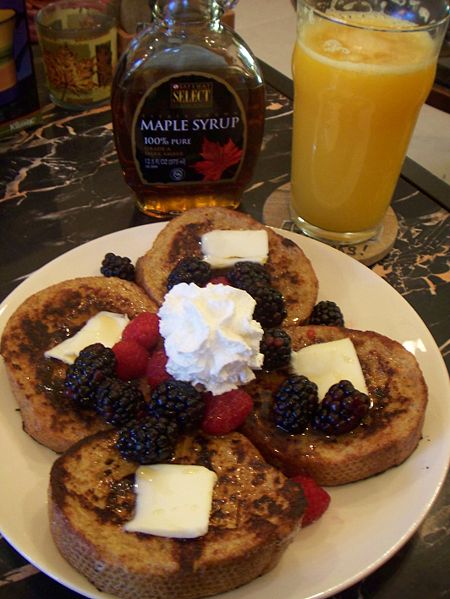
French Toast is Not From France !!!


Myth: French toast was invented in France. 

French toast was not invented in France. In fact, French toast was around long before France even existed as a country. The exact origins of French toast are unknown, but it isn’t surprising that humans seem to have come up with the recipe quickly, given that French toast is traditionally made out of stale bread. Bread has been a staple food for most cultures since food first began being prepared and, up until very recently, the vast majority of humans would have never dreamed of wasting any food; thus, one has to find a way to make stale bread palatable. Soaking it in milk and egg and then cooking it, seems logical enough, making a good tasty meal while not wasting any bread.

The earliest reference to doing just this dates all the way back to 4th century Rome, in a cookbook attributed to Apicius, and it is thought to predate this work by a good margin. This style of “French” toast was called Pan Dulcis. The Romans would take the bread and soak it in a milk and egg mixture, and then cook it, typically frying it in oil or butter, pretty much just like it’s made today in many countries in the world.

This practice became common throughout Europe in the Middle Ages, including making it primarily out of stale bread. Indeed, the name for French toast in France itself is “pain perdu”, which literally means “lost bread” (it is also called this in Belgium, New Orleans, Acadiana, Newfoundland, and the Congo, among other places). It’s interesting to note, for the naysayers who like to cling to the belief that it came from France, that before the French called it pain perdu, they called it “pain a la Romaine” (Roman bread).

Another popular myth as to the origins of the name “French toast”, perpetuated in such publications asWhy Do Donuts Have Holes, is that French toast actually came from America, specifically, being created in 1724. The name “French” came from the chef who first made it, Joseph French. Supposedly, Mr. French was bad at grammar and when he named it, simply forgot the apostrophe, as in: Frenchs toast, instead of French’s toast. Alas, if only the Grammar Nazis of the day would have correct him.

This story, of course, is pure fiction as there are numerous references throughout history of what is now called, in North America, French toast. Indeed, there are numerous cookbooks from the middle ages throughout Europe that even give the classical recipes for French toast. Further, the name “French toast” pre-dates the 18th century, with the earliest references popping up in the mid-17th century, before the story of the grammatically inept Joesph French. Before that time, it was also known as German toast, Spanish toast, and a variety of other names, only some of which had anything to do with the name of a country.

North Americans call it French toast for very similar reasons as to why they call fried potato strips “French fries”. Simply that they were popularized in America by French immigrants. Note: for more on the fascinating history of the French Fry, check out Misconception Junction’s companion site Today I Found OutThe History of French Fries

source::::today i found out .com

natarajan