source::::glasbergen.com
natarajan
source::::glasbergen.com
natarajan

Baby Molly wasn’t impressed by the airy bubbles her mother blew to amuse her until Bennie the dog joined in the fun.
Bennie leaping around popping the bubbles turned out to be the funniest thing not-quite-10-months-old Molly had ever seen in her short life.
Tail wagging, Bennie waits expectantly for the next rush of bubbles. Gurgling and giggling in equal parts, so does little Molly.
We dare you not to fall over laughing just like Molly does. And we guarantee this video of baby, dog and ‘Hysterical Bubbles’ will make you more than a little bit wistful, nostalgic about those long-gone days when all it took to make the sun shine brighter was a bottle of soap water and a plastic ring that created a rainbow-tinted cloud of happiness, a fragile joy.
Watch Molly and Bennie have fun with bubbles:
source::::You Tube and NDTV
Natarajan
Heathrow Airport’s new Terminal 2 is set to open in months, giving the capital a spacious new air transit point able to handle 20million passengers a year.
Replacing the old, overcrowded Terminal 2 which had stood since the Fifties, the new facility was today hailed as a cornerstone of Heathrow’s revitalisation ahead of its opening on June 4.
Shafts of natural light and high quality acoustics should make the building a calm space for travellers accustomed to high anxiety at dark, noisy airports, said lead architect Luis Vidal.

Spacious: British artist Richard Wilson’s sculpture Slipstream dominates this view of the new Terminal 2 at Heathrow Airport on April 23, 2014 in London, England. The rebuilding of the transit point has taken five years at a cost of £2.5billion, but it is finally slated to open on June 4

Gateway to the world: The departure area of the new ‘Queen’s Terminal’, which is expected to manage up to 20million passengers every year

Breath of fresh air: Visitors walk past a doorway at the new building, which replaces the old, overcrowded Terminal 2 which had stood since the Fifties
‘If you make it intuitive, pleasant, joyful, you can take away a completely different memory of the terminal,’ Mr Vidal told The Associated Press.
‘You can never completely erase your memory of the former Terminal 2, because it was a dreadful experience. This will be completely the opposite. This will be a destination. People will want to come here.’
In an effort to dispense with those past bad associations, the new Terminal 2 will be rebranded as ‘The Queen’s Terminal’. Queen Elizabeth will open the building herself – just as she did the original Terminal 2 in 1955.
The completion of the £2.5billion project, in conjunction with the relatively new Terminal 5 that opened in 2008, gives Heathrow two modern terminals. It is part of an £11billion refurbishment designed to keep London’s biggest airport competitive with other major European hubs including Amsterdam, Frankfurt and Paris.

The Slipstream sculpture is the centrepiece of the development, hanging 18m above the ground with a design intended to evoke the path of a plane in flight

Luxurious: With London increasingly becoming a destination of choice for the world’s super-rich, Terminal 2 will have no shortage of pricey shops

World of possibility: A construction worker puts the finishing touches to a sign at Terminal 2, which is to be rebranded ‘The Queen’s Terminal’ when it opens this summer
The Queen’s Terminal will host 26 airlines, including United, Air Canada, Singapore Airlines and others that are part of the global Star Alliance, and offer flights to 51 destinations.
Of course, with London increasingly becoming a destination of choice for the world’s super-rich, Terminal 2 will have no shortage of pricey shops.
Officials say Terminal 2 will be the first in the world to offer a ‘complimentary personal shopping lounge where trained stylists will present a curated range of products for each client.’
The interior of the new terminal is dominated by a huge aluminium sculpture hanging 18m above the ground that is inspired by the flight path of a stunt place.
British artist Richard Wilson’s ‘Slipstream’ weighs 77 tonnes and is 78m in length, its vast bulk looming above the terminal’s main lobby and escalators, evoking the journeys that those who see it are set to embark on.

Slipstream weighs 77 tonnes and is 78m in length, its vast bulk looming above the terminal’s main lobby and escalators

Airport officials chastened by the chaos that plagued the opening of Terminal 5 in 2008 are planning a ‘soft’ opening of the new terminal

Only one flight is planned the first day so, even if things go awry, the number of people affected will be small

The new terminal will gradually be brought to full capacity over six months
Chastened by the problems that plagued the opening of Terminal 5, which included chaos when the luggage handling system broke down, airport officials are planning a ‘soft’ opening of the new terminal.
Only one flight is planned the first day so, even if things go awry, the number of people affected will be small.
The new terminal will gradually be brought to full capacity over six months.

Queues at the old Terminal 2: The old, overcrowded terminal building had stood since the Fifties

Old fashioned: The building suffered from poor design and a lack of natural light, problems exacerbated by its handling far more passengers than it was ever intended to

Passengers try to sleep on uncomfortable seats at Terminal 2 after the UK’s then newly privatised air traffic control system crashed
Heathrow officials say they are still pushing to build a controversial third runway, which is opposed by London Mayor Boris Johnson and influential environmental groups.
John Holland-Kaye, Heathrow’s development director, said the completion of the new terminal shows Heathrow has complied with the last Labour government’s directive that Heathrow should improve without growing.
‘Our challenge now is to make the case to expand,’ he said, admitting that getting permission would be ‘politically complex.’
Mr Holland-Kaye said private money is available to pay for a third runway, which would greatly add to Heathrow’s capacity.
He also claimed the new Terminal 2 would reduce the ‘stacking’ problem over Heathrow that often causes delays as planes await permission to land.
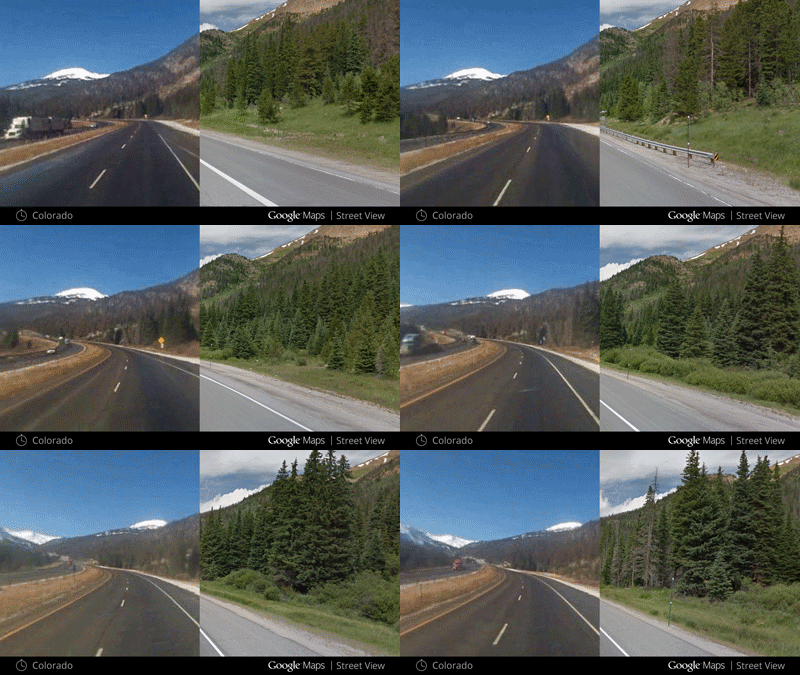
Every day, Google’s Street View cars capture massive amounts of data and the company then publishes them on Google Maps at regular intervals. Until now, the only images you could see on Google Maps were the latest images. Starting today, however, you will also be able to go back in time and see older images.
When you’re in the Street View interface, you will now see a small clock icon on the page. Once you click that, a preview image with a timeline underneath it will appear and allow you to see the older images.
It looks like Google’s Street View cars pass by most locations about twice per year. There is a bit of variation here, however, and some urban areas especially have more historical images available while some rural areas may have fewer. In many regions of the world, Google only started collecting this imagery in the last few years (it launched in the U.S. in 2007), so that may also limit the availability of historical images.
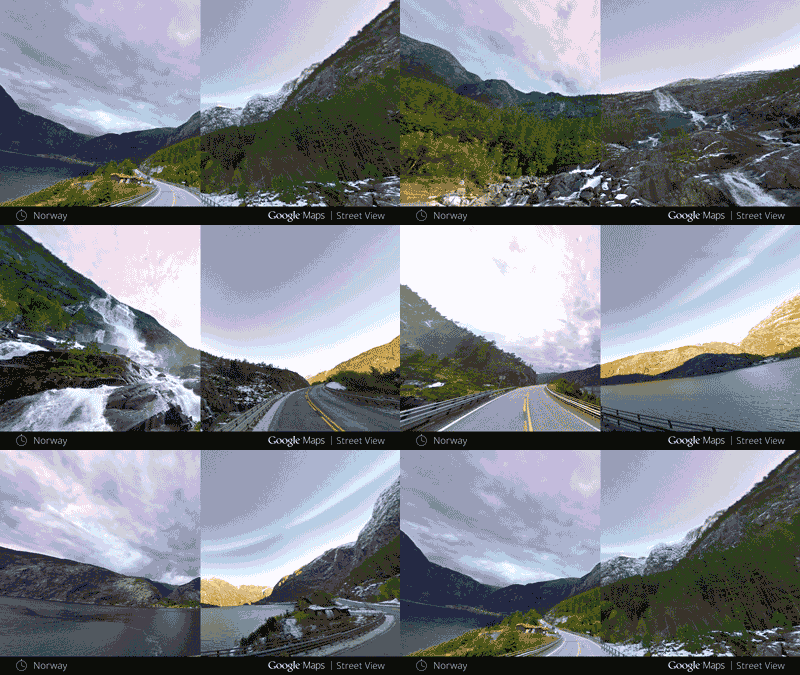 Google tells me this update is meant to be part of the company’s effort to “create a digital mirror and true record of the world.”
The update is going live globally today. For now, it will only be available in the desktop version of Google Maps and it is unclear if Google plans to bring this feature to other versions of Maps later.
Here is an example of what these images look like:

In celebration of Earth Day 2014, EarthSky has brought together some of our favorite images of Earth received from friends in past years. Thank you all!
EarthSky is fortunate and grateful to have many talented friends on Facebook and Google+ who share their photos of the Earth, the sky and their surroundings. In celebration of Earth Day 2014, here are a few of our favorites from past years. We hope they help you enjoy Earth’s beauty and diversity. Our thanks to all who posted!





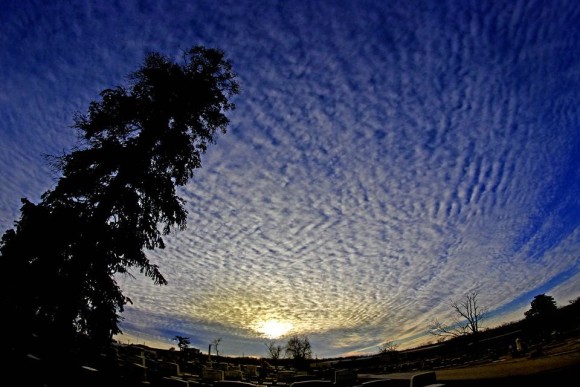
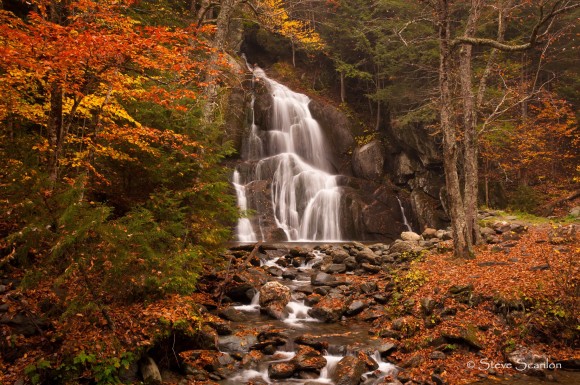
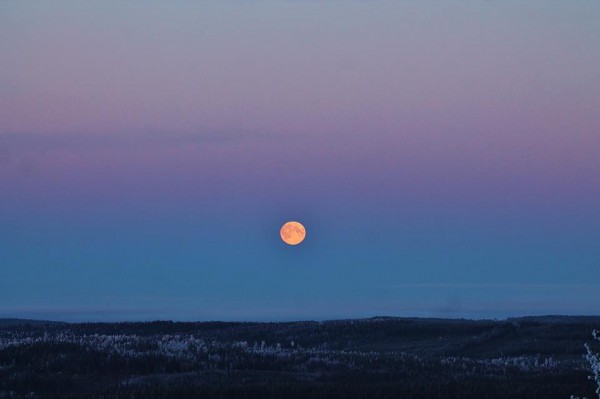

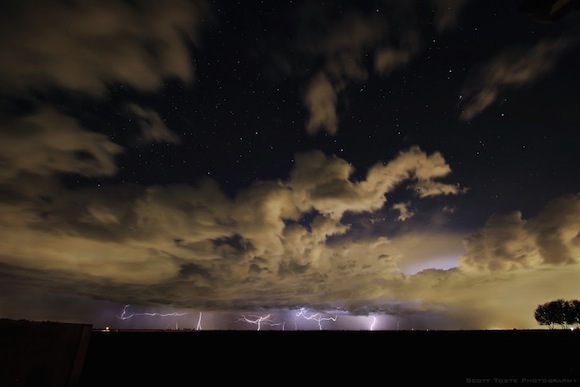



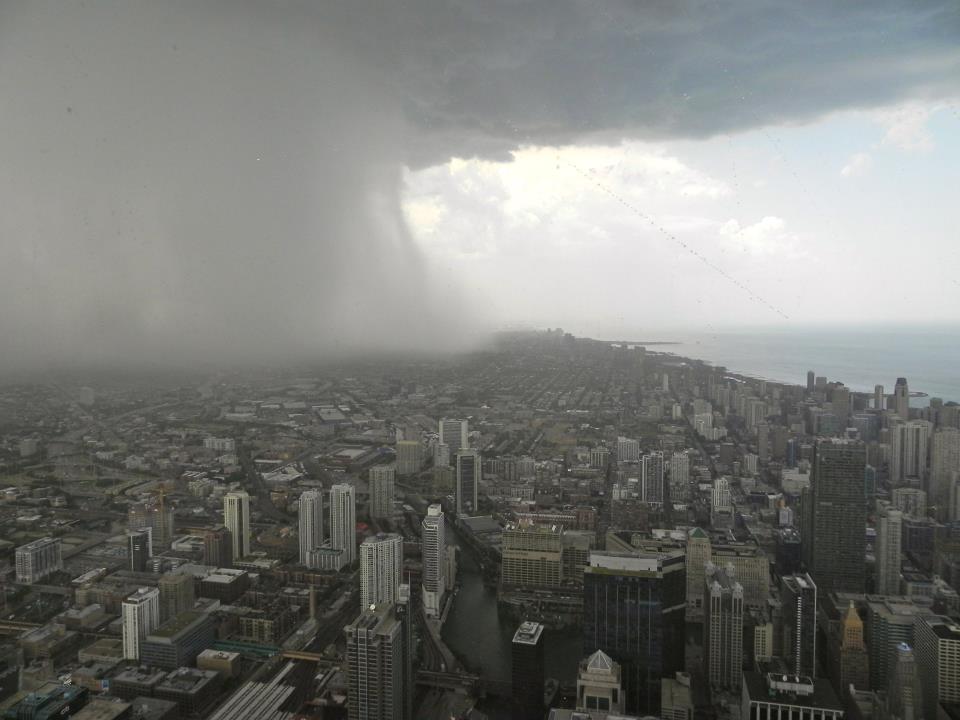
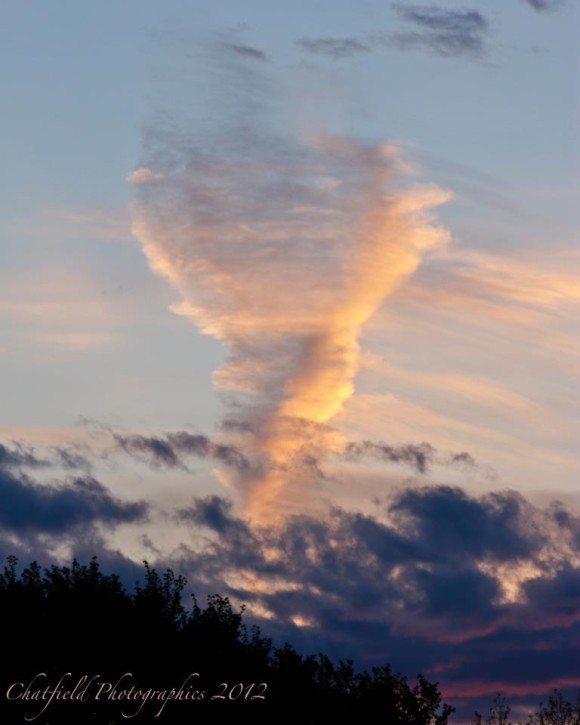
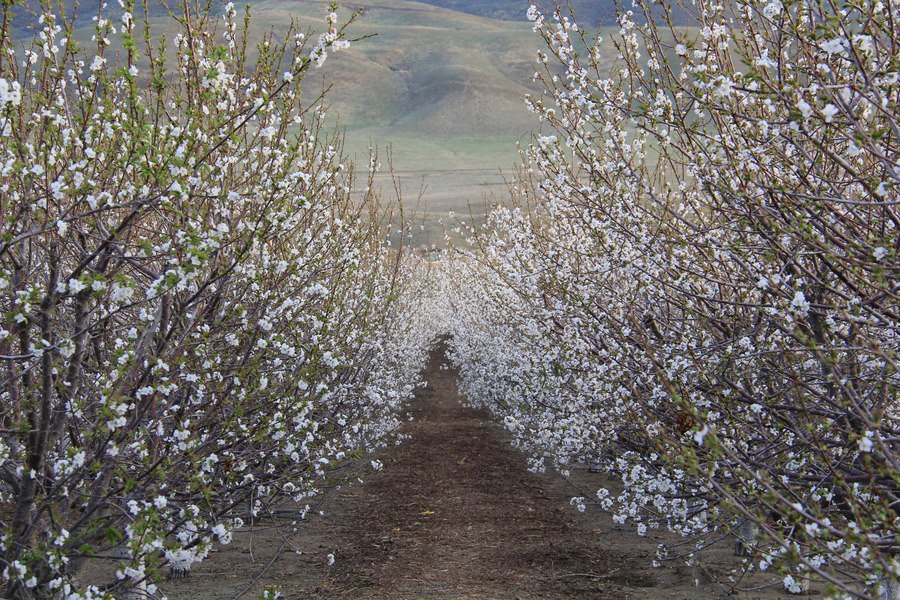

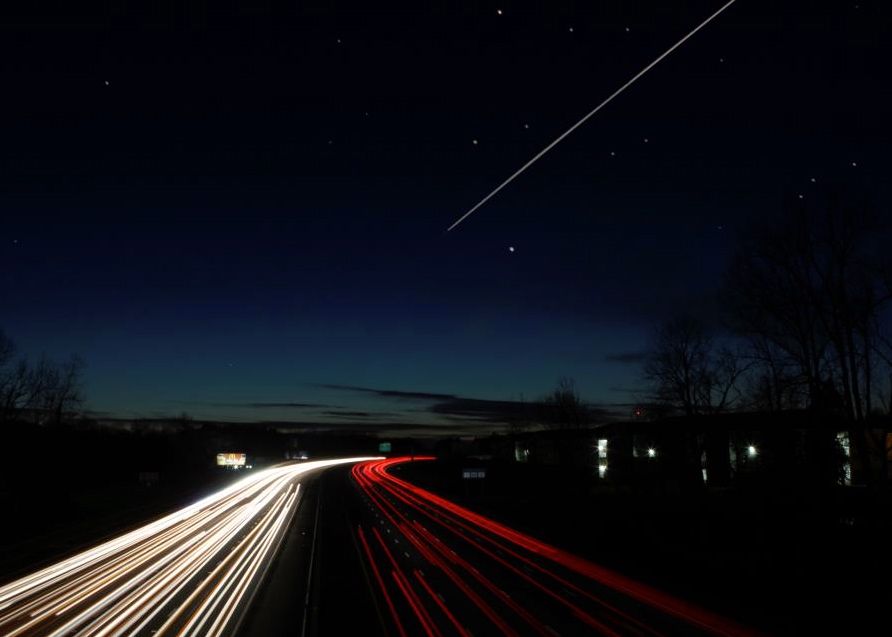

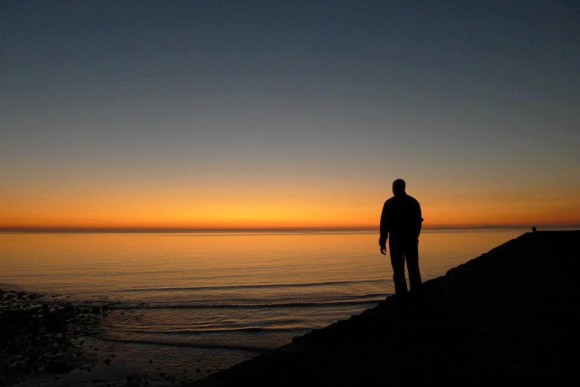
Bottom line: Best nature images, in celebration of Earth Day 2014.
A copy of John James Audubon’s Birds of America was sold at an auction in London for £7.3 million ($11.5 million), and thus became the most expensive book ever sold. The auction was a rare chance to own one of the best preserved editions of the 19th century masterpiece, with its 435 hand-colored illustrations. The winning bid was placed by London-based art dealer Michael Tollemache, who outbid three others during the auction.
Only 120 complete sets of Audubon’s 435 hand-colored, life-sized engravings of America’s birds are believed to exist today, with the majority (107) owned by institutions. The last full edition of The Birds of America, which went up for auction in 2010, sold for £7.3m at Sotheby’s, breaking the world record for a single book.
“Birds of America is most significant for its sheer beauty. It’s a masterpiece of illustration,” the words of Richard Davies, a rare and used books specialist. “Aside from being famous in the rare book world, Birds of America has also immense historical and ornithological importance. Some of the birds John James Audubon painted are extinct and he also discovered new species.”
Measuring over three feet in height and running to four volumes, The Birds of America was created by Audubon between 1827 and 1838. The illegitimate son of a French sea captain and his creole mistress, Audubon was an itinerant artist who traveled America’s wilderness drawing the birds he loved. He was insistent that The Birds of America was made up of life-size illustrations, and that it showed all the known species of north America, making the finished volume
Each of the printed book were colored by hand, and it was an extremely laborious process. Even by today’s standards, the vividness of its illustrations of birds is extraordinary but when it was being released in the 1830s it was mindboggling. Audubon employed a rather shocking technique to produce the book. He hunted the birds down and shot them before propping them up on wires to paint. Each drawing would take about 60 hours to complete. Ironically, many of his beautifully rendered subjects are now extinct, such as the Carolina Parakeet, Passenger Pigeon, Labrador Duck, Great Auk, Esquimaux Curlew, and Pinnated Grouse.
Picking up a copy of the “book” is a two-person job, said the dealer, who examined an edition at Sotheby’s once prior to an auction. “The (very nervous) resident expert and I (gingerly) turned the pages together, him at the top and me at the bottom, and peeled them back (respectfully) into just the right conjunction with the rest of the plates,” said Gekoski. “You have to be careful how you handle a gargantuan book worth more than 10 million dollars.”


source::::You Tube & ba-ba mail site
natarajan
Clever Bird Hunts Intelligently!
Birds, except for Parrots and a few other, are not considered to be very clever compared to the rest of the animal kingdom, which is where we get the term ‘bird brain’. But in this video (We believe this is a Heron hunting for Brill), we see another side to this animal. The bird patiently and cleverly fishes, much like humans do, using a bait for the unsuspecting fish. It’s truly a pleasure seeing such a clever hunter at work!
source::: You Tube and ba-ba mail
natarajan
If you’ve gone through the 90s as a kid, then this video will make you nostalgic. A trip down the memory lane when things used to be simpler and fun; from textbook cricket to Nagraj comics, from Duck Tales to Surabhi, from F.L.A.M.E.S to approaching a girl through a wingman, from familiar postmen to a single landline in a Mohalla, this film has covered it all.
“Woh Din” is a tribute to the glorious decade of 90′s by the creative ‘emotional fools’ at EmotionalFulls.
Thank you for such a wonderful film.
Credit: EmotionalFulls AND STORY PICK & YOU TUBE
natarajan