Message for the Day…” Have anyone of you, young men and women, thought of showing gratitude to the society from which you got the name and fame? What service are you rendering to the society in return for the good things received? “


You are born in society, you grow in society, and earn name and fame in society. You learn many skills from the society and develop intelligence, and thereby you gain reputation for being intelligent. You received all these precious gifts from society. Have anyone of you, young men and women, thought of showing gratitude to the society from which you got the name and fame? What service are you rendering to the society in return for the good things received? How are you expressing your gratitude to society? Put these questions to yourself, and you get shallow answers. Ingratitude is incorrect. Every human being must possess the quality of gratitude. Being beneficiaries one must show gratitude. And as an expression of one’s gratitude, one should render selfless service to the society; it is one’s foremost duty.

Source….http://media.radiosai.org/

Natarajan

வாரம் ஒரு கவிதை …”.நல்லதோர் வீணை “


நல்லதோர்  வீணை
——————
நல்லதோர்  வீணை … அதன் நாதம்
சுருதி பிறழாத  சப்தஸ்வர கீதம் !
இந்த மண்ணில் பிறக்கும் ஓவ்வொரு
குழந்தையும்  நல்லதோர் வீணைதான் !
அந்த  வீணை இசைக்கப் போவது இனிய
கீதமா …இல்லை அபஸ்வர ஒலியா ?
விடை இதற்கு  அதன் அம்மா அப்பாவிடம்தான் !
வீணை வாசிப்பு எப்படி என்று தெரியவேண்டும்
குழந்தையின் அம்மா அப்பாவுக்கு !
அம்மா அப்பாவின் இனிய  இசை இயக்கத்தில்
வளரும் பிள்ளை  தப்பு தாளம் போடாது ..
தவறியும்  சுருதி பிசகு செய்யாது ! தன் இசையால்
பிறர் மனதை கொள்ளை அடிக்குமே அல்லாமல்
மறந்தும் தன் வீட்டையும் நாட்டையும் கொள்ளை
அடிக்காது !
நல்லதோர்  வீணை செய்வோம் ஒவ்வொரு
வீட்டிலும் …வீணையின் இனிய இசை
ஒலிக்கட்டும்  நம் வீட்டிலும் நாட்டிலும் !
Source…..Natarajan
in http://www.dinamani.com dated 27th Jan 2018

The making of the Tiranga….

Year after year, Indians hoist the Tricolour with great fervour on Republic Day and Independence Day.

But have you ever wondered where, and how, the flag is made?

On the occasion of India’s Republic Day, Rediff.com visits Khadi Dyers and Printers, a tiny unit in Borivli, north west Mumbai, where the Tricolour takes shape.


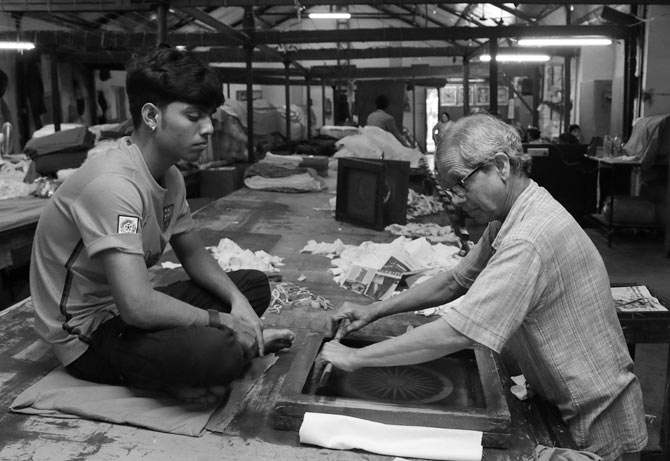
IMAGE: The blue dye is spread evenly on a cast with the Ashoka Chakra.
It takes the better part of the entire day to get the Ashoka Chakra printed onto a piece of white cloth.

The national flag you see fluttering on government buildings across Maharashtra take shape in a tiny unit in suburban Mumbai.

Here workers stencil and stamp the Ashoka Chakra onto white khadi cloth — the central motif is printed in blue ink using a screen printing technique.

Printing happens only by hand at this unit, where flags are manufactured according to the Indian standard specifications for the national flag.   

IMAGE: The white cloth is quickly spread out so that the ink can dry and does not bleed.
At this unit, no cloth is just a piece of fabric. It’s something special.

“When you buy khadi flags, you’re actually supporting poor farmers living in villages,” says D N Bhatt, manager, Khadi Dyers and Printers.

“Education has not touched some of these villages, where poor farmers make khadi for a living,” he adds.

The process of flag-making is strenuous and the flags are made in segments.

Khadi manufactured in the villages reaches Bhatt’s unit. It is then segregated into three parts: One to be bleached white and two to be dyed green and saffron.

When the bleached cloth returns to the unit, the Ashoka Chakra is printed on it.

Once the green and saffron dyed cloth return to the unit, a stitching team cuts out the required sizes and sews the flag panels to put together the Indian flag.

Lastly the flag is ironed, neatly folded and packed.

The finished bags are then ready to be shipped to government offices and also supplied to khadi stores from where the public can buy these flags.

Bhatt’s unit has limited production capacity, so it produces flags throughout the year.

“Our main work is printing the Ashoka Chakra and stitching the flags according to BIS norms,” says Bhatt. “We also sew accessories like ropes, toggles and threads into the flag.”

“The flags here are made of khadi only and they strictly adhere to the specifications laid down by the BIS,” he adds.

“The flags come in nine sizes from 4″ x 6″ to 14″ x 21”.

“As and when a Khadi Bhandar gets an order, they approach us and we immediately supply flags to them. For that, we need to keep flags in all sizes ready.”

Bhatt’s unit also manufactures table and car flags for VIPs. “We cater to all government departments and embassies in India and abroad.”

The flags made at this unit are more expensive than the ones made of regular cloth, paper and metal. That’s the price you pay for the effort that goes into making the flag.

“Please buy khadi flags,” Bhatt urges readers. “By doing so, you are helping poor people.”

Source….www.rediff.com

Natarajan


Message for the Day…” When you worship God, make sure you repose total faith in Him. Without faith, what is the use of worship? Faith alone will take you beyond worries.”

Life is full of worries. They seem to come in an endless procession, isn’t it? When you worship God, make sure you repose total faith in Him. Without faith, what is the use of worship? Faith alone will take you beyond worries. What is it that does not cause anxiety? Birth is a worry, and so is existence itself; family life is a worry, death is a worry, childhood is a worry, old age is the same, living is a worry, working is a worry, pain causes worry, pleasure too causes worry, and so on. Worry, worry, worry all the time! In this world, troubles will come for sure but you must learn to rise above worry; this is possible only with forbearance (kshama). Welcome troubles with a smile saying, “Come my friend, you are the bearer of joy!” When you are filled with kshama, you will be blissful and achieve everything in life!

Source….http://media.radiosai.org/

Natarajan

Meet Narasamma…97 years…Padma Awardee from Karnataka ….Who help delivering babies for 70 years ….

When Narasamma helped deliver the very first child in 1940, the mother told her that her hands were ‘special’.

It was the year 1940. Narasamma was only 20 years old when she helped bring the first baby into the world. This child was her aunt’s. And even as an overwhelmed Narasamma took on the role of a midwife for the very first time, little did she know that what she would one day win a national honour for it.

‘Sulagatti’ Narasamma has been delivering babies for 70 years in backward areas of Tumkur district in Karnataka. And her life-long services to women whose children she helped deliver without taking a penny were finally recognised – she was honoured with a Padma Shri on Thursday.

Narasamma, now 97, is currently admitted at a nursing home for treatment.

TNM spoke to Sriram Pavagada, one of Narasamma’s 12 children. He says that Narasamma would always observe her grandmother Margamma deliver babies, when she was a child.

“Margamma herself was locally famous in Tumkur for delivering babies around 70 years ago. When she delivered her aunt’s child – her first – her aunt remarked ‘Narsu, your hands are special’. That was the start,” Sriram narrates.

Encouraged by her grandmother and aunt, Narasamma began delivering babies and soon became the go-to person in Pavagada for pregnant women.

Narsamma delivered babies free of cost at a time hospitals and roads were unheard of in Pavagada. It earned the moniker ‘Sulagatti’ Narasamma – sulagatti in Kannada means ‘delivery work’.

“Even now, though there are hospitals, many people don’t like to go there. Instead, they prefer Narsamma since they know her,” says Sriram.

People’s immense faith in Narasamma and her ways has seen her deliver over 1,500 babies in the last 77 years. And until a few years ago, she did this apart from agricultural work. “If you ask her, she will say I don’t have a count since she has been doing it all her life,” Sriram says with fondness.

Midwives were an integral part of rural life in Tumkur until technological innovations in medicine reached there. The introduction of hospitals contributed to the gradual fall in the prominence of women who help during childbirth.

The Padma Shri award has brought Narasamma’s work into limelight once again, and her son hopes that there is a greater interest in taking her work forward.

Narasamma’s work is now being continued by close to 180 pupils who learnt the traditional way of delivering babies from her. This includes her youngest daughter Jayamma who is now an experienced midwife.

Though he doesn’t remember when, Sriram says that his mother has also been conferred an honorary doctorate by Tumkur University.

Source…Prajwal Bhat in www. the news  minute .com

Natarajan


Weight Loss Strategies to Avoid…

Fighting off the bulge can range from following a sensible and healthy diet to making ill-guided efforts that can have serious consequences for your health. Below you’ll find seven dangerous strategies that you should avoid at all costs when trying to lose weight:

1. Starvation, Fasting, or Very Low-Calorie Diets

This may lead to weight loss, but the lost weight includes precious muscle and lowers metabolism. Drastic calorie restriction also causes a shift towards a higher percentage of body fat, which increases the risk for metabolic syndrome and type 2 diabetes.

Unless medically supervised, don’t consume fewer than 1,200 calories per day. Otherwise, you’ll struggle to get enough nutrients to fuel your daily activities and satisfy your hunger. Keep in mind that when you lose weight quickly, you might be at risk of packing it back on – with more fat and less muscle – especially if you’re older than 50.

2. Taking Supplements That Make Grand Promises

If it sounds too good to be true, then it probably is. Unlike makers of prescription drugs, companies that make supplements don’t have to prove that their products are safe or effective before selling them on the market. Even products that claim to be natural aren’t necessarily safe or good for you.

Therefore, if you’re thinking about taking any weight loss products, ask a doctor first. It’s better to focus on what’s proven to work for weight loss, including your diet.

3. Using Cleansing or Detox Plans

At best, cleanses cause weight loss from water and stool weight, but they can be dangerous. They carry the risk of electrolyte imbalance and dehydration. Your body is fine-tuned to detoxify and excrete toxins, so cleanses aren’t necessary and can lead to serious complications by messing with your body’s system.

Therefore, instead of detoxifying, be more mindful of what you’re eating. If you want to cleanse or detoxify your body, drink plenty ofwater and eat high-fiber foods.

4. All Forms of Purging

Purging includes making yourself vomit, chewing food and spitting it out, and abusing laxatives. These habits pose serious health issues, and are the first step towards the development of eating disorders.

Acid in the stomach is extremely strong, and it’s meant to stay in the stomach, not be regurgitated into the throat and mouth. Extremely acidic vomit can cause erosion in the esophagus, mouth and tooth enamel. This can increase the risk of certain cancers and tooth decay.

Regular purging by vomiting or abusing laxatives can cause excess fluid loss that can cause serious dehydration and electrolyte imbalance.

Purging in all its forms is no way to decrease your waistline. Eating and drinking healthfully is a much safer option.

5. Extreme Exercising

This can cause serious problems such as severe wear and tear,dehydration, increased injury risk, and electrolyte imbalance.

The American College of Sports Medicine and American Heart Association recommend getting at least 30 minutes of moderately intense cardio exercise five days a week, or 20 minutes of intense cardio exercise three days a week, and strength-training exercises that work all the major muscle groups 2-3 times a week.

Some people think that more is better and go beyond what is healthy. This kind of obsessive approach can take control of their lives in an unhealthy way. If you take a moderate approach to exercise, you’ll be able to stick with it for the long haul.

6. Legal or Illegal Drugs

Using drugs other than prescription weight loss drugs intended for weight loss is a mistake that can come with dangerous consequences.

The risks associated with abusing drugs such as cocaine, speed, and medication intended for attention deficit disorder or diabetes to lose weight far outweigh any health benefits you may get from the weight loss. The risks include anxiety, severe headaches, addiction, financial and relationship problems, strokes, and heart, lung, and kidney issues.

Using illegal drugs for any purpose is strongly discouraged, and using legal ones for their unintended purpose without medical supervision is dangerous.

7. Smoking

We are all aware that smoking has countless health risks. Yet, some people, especially young adults, use smoking as a diet strategy.

Nicotine has been shown to be an appetite suppressant, but the risks of smoking vastly outweigh any benefits. Smoking damages nearly every organ in the body; causes cancer as well as respiratory and cardiovascular diseases.

Beyond the numerous health risks, weight gain is often a side effect when smokers try to kick the addictive habit.

Best Weight Loss Practices

Choose a diet that works well for your lifestyle. The best diet is one that you can stick to long-term. Use common sense, listen to your body, be mindful of what you eat, and ignore expensive, risky, and worthless weight loss strategies or products that are unproven.

Seek advice from your doctor or a registered dietitian if you are concerned that your weight loss methods may border on extreme or unhealthy.

Source….www.ba-ba mail.com

Natarajan
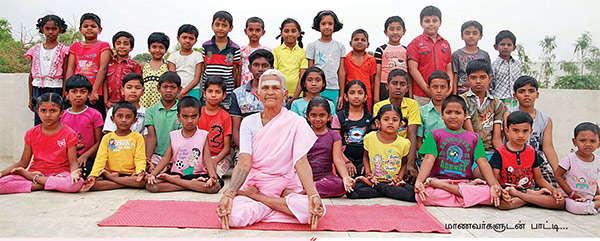
98 வயதில் பத்மஸ்ரீ விருது!- நானம்மாள் பாட்டியின் அர்ப்பணிப்புக்கு கிடைத்த அங்கீகாரம்.

Coimbatore: 

98 வயதிலும் ஓய்ந்துவிடாமல் யோகா கற்பித்துவரும் கோவையைச் சேர்ந்த நானம்மாள் பாட்டிக்கு மத்திய அரசு இந்த ஆண்டின் பத்மஸ்ரீ விருது அறிவித்துள்ளது கோவை மக்களிடையே மகிழ்ச்சியை ஏற்படுத்தியுள்ளது.

கோவை கணபதியைச் சேர்ந்தவர் நானம்மாள். எட்டு வயதாக இருக்கும் போது தன்னுடைய தந்தையிடமிருந்து யோகா கற்றுக்கொண்ட நானம்மாள் அன்றிலிருந்து இன்றுவரை 90 வருடங்களாக தன் யோகா பயணத்தைத் தொடர்ந்து வருகிறார். இதுவரைக்கும் சுமார் பத்து லட்சம் பேருக்கு யோகாசனம் கற்றுக்கொடுத்துள்ளவர், 600-க்கும் மேற்பட்ட யோகா ஆசிரியர்களை உருவாக்கியுள்ளார். இதில் 36 பேர் அவருடைய குடும்பத்தைச் சார்ந்தவர்களே என்பது சுவாரஸ்யத் தகவல். அவர்கள் அனைவரும் இப்போது உலகின் பல்வேறு நாடுகளில் யோகா கற்பித்து வருகிறார்கள்.

யோகா பயில ஆரம்பித்ததிலிருந்து இப்போது வரை நாள் தவறாமல் யோகாசனம்  செய்துவரும்  நானம்மாள் ஒருநாள்கூட உடல்நிலை சரி இல்லையென்று முடங்கியது கிடையாது. மருத்துவமனை பக்கமே சென்றது கிடையாது. அந்த அளவுக்கு வலுவான உடலையும், மனதையும் யோகாவால் பெற்றிருப்பதாகச் சொல்கிறார் நானாம்மாள்.

காலையில் வேப்பங்குச்சியில் பல்துலக்கி பொழுதை ஆரம்பிக்கும் நானம்மாள், ராகி, கம்பு, மக்காச்சோளம், பாசிப்பயிறு, வரகு, தினை, கோதுமை, சிவப்பு அரிசி, தானியங்கள் என்று ஏதாவதொன்றை வறுத்து அரைத்த மாவில் காய்ச்சிய கூழில் மோர், உப்பு சேர்த்துக் குடிக்கிறார். மதியத்துக்கு சாதம், காய்கறிகள், கீரை, அவற்றோடு கொஞ்சம் மோர் சேர்த்துக்கொள்கிறார். இரவில் ஒரு டம்ளர் பால், ரெண்டு வாழைப்பழம்’ இதுதான் நானம்மாள் பாட்டியின் உணவுப்பட்டியல். காபி, டீயைத் தடைபோட்டிருக்கும் நானம்மாள், கருப்பட்டி கலந்த சுக்குக் காபியைத்தான் குடிக்கிறாராம்.

வீடுமுழுக்க விருதுகளை வாங்கிக் குவித்து வைத்திருக்கும் நானம்மாள் ஏற்கெனவே குடியரசுத் தலைவரிடம் பெண் சக்தி விருதை பெற்றிருக்கிறார். அவருக்கு இப்போது மத்திய அரசு பத்மஸ்ரீ விருதை அறிவித்து பெருமைப்படுத்தியுள்ளது.

Source…. M.Punniya Murthy  in http://www.vikatan.com

Natarajan

Message for the Day…” Sages of yore, though they were ordinary people in the beginning, were transformed into great sages through their sacred sankalpa. It is such sankalpa that transformed Ratnakara, who lived as a thief into Maharishi Valmiki.”

It is through sankalpa (thoughts and ideas) the entire creation manifests. As is the sankalpa, so is the human life. Life itself is an interplay of sankalpa; it has life and is powerful. There are two types of sankalpas – polluted and the pure. Thoughts and feelings associated with sacred activities, helping the needy, contemplation of spiritual truths and the divine nature of God are examples of pure sankalpas. The thoughts that lead one to take up service without selfishness, without considering one’s personal gains, and considering the welfare of the nation as one’s own, are all noble sankalpas. Jealousy that arises in seeing others prosper, and doing such things that could impede their happiness, focussing on the bad in others and resorting to criticising them – these are polluted sankalpas. Sages of yore, though they were ordinary people in the beginning, were transformed into great sages through their sacred sankalpa. It is such sankalpa that transformed Ratnakara, who lived as a thief into Maharishi Valmiki.

Source….http://media.radiosai.org/

Natarajan

Message for the Day…” To think that due to others or external factors we get difficulties or happiness is incorrect! We ourselves cause our own happiness or grief. If we recognise this, we need not fear.”

People say Lord Yama, God of death takes everyone’s life away using a rope called Yama pasa. What is the rope that takes every person’s life? Attachment and selfishness are the ropes that bring end to each one! God does not create pleasure and pain from somewhere else! To think that due to others or external factors we get difficulties or happiness is incorrect! We ourselves cause our own happiness or grief. If we recognise this, we need not fear. When we are full of pure love we will be fearless. Where there is sin, there is fear. So, never give scope to wrong deeds. Whatever small work you may do, first discriminate whether it is good or bad. Take time. Do not be in haste. ‘Haste makes waste. Waste brings worry. So do not be in a hurry’. Whatever happens, be peaceful. Pray to God and cultivate love for God. That love is the divine nectar that will remove all sorrow.

Source….http://media.radiosai.org/

Natarajan