Meet Narasamma…97 years…Padma Awardee from Karnataka ….Who help delivering babies for 70 years ….

When Narasamma helped deliver the very first child in 1940, the mother told her that her hands were ‘special’.

It was the year 1940. Narasamma was only 20 years old when she helped bring the first baby into the world. This child was her aunt’s. And even as an overwhelmed Narasamma took on the role of a midwife for the very first time, little did she know that what she would one day win a national honour for it.

‘Sulagatti’ Narasamma has been delivering babies for 70 years in backward areas of Tumkur district in Karnataka. And her life-long services to women whose children she helped deliver without taking a penny were finally recognised – she was honoured with a Padma Shri on Thursday.

Narasamma, now 97, is currently admitted at a nursing home for treatment.

TNM spoke to Sriram Pavagada, one of Narasamma’s 12 children. He says that Narasamma would always observe her grandmother Margamma deliver babies, when she was a child.

“Margamma herself was locally famous in Tumkur for delivering babies around 70 years ago. When she delivered her aunt’s child – her first – her aunt remarked ‘Narsu, your hands are special’. That was the start,” Sriram narrates.

Encouraged by her grandmother and aunt, Narasamma began delivering babies and soon became the go-to person in Pavagada for pregnant women.

Narsamma delivered babies free of cost at a time hospitals and roads were unheard of in Pavagada. It earned the moniker ‘Sulagatti’ Narasamma – sulagatti in Kannada means ‘delivery work’.

“Even now, though there are hospitals, many people don’t like to go there. Instead, they prefer Narsamma since they know her,” says Sriram.

People’s immense faith in Narasamma and her ways has seen her deliver over 1,500 babies in the last 77 years. And until a few years ago, she did this apart from agricultural work. “If you ask her, she will say I don’t have a count since she has been doing it all her life,” Sriram says with fondness.

Midwives were an integral part of rural life in Tumkur until technological innovations in medicine reached there. The introduction of hospitals contributed to the gradual fall in the prominence of women who help during childbirth.

The Padma Shri award has brought Narasamma’s work into limelight once again, and her son hopes that there is a greater interest in taking her work forward.

Narasamma’s work is now being continued by close to 180 pupils who learnt the traditional way of delivering babies from her. This includes her youngest daughter Jayamma who is now an experienced midwife.

Though he doesn’t remember when, Sriram says that his mother has also been conferred an honorary doctorate by Tumkur University.

Source…Prajwal Bhat in www. the news  minute .com

Natarajan


Weight Loss Strategies to Avoid…

Fighting off the bulge can range from following a sensible and healthy diet to making ill-guided efforts that can have serious consequences for your health. Below you’ll find seven dangerous strategies that you should avoid at all costs when trying to lose weight:

1. Starvation, Fasting, or Very Low-Calorie Diets

This may lead to weight loss, but the lost weight includes precious muscle and lowers metabolism. Drastic calorie restriction also causes a shift towards a higher percentage of body fat, which increases the risk for metabolic syndrome and type 2 diabetes.

Unless medically supervised, don’t consume fewer than 1,200 calories per day. Otherwise, you’ll struggle to get enough nutrients to fuel your daily activities and satisfy your hunger. Keep in mind that when you lose weight quickly, you might be at risk of packing it back on – with more fat and less muscle – especially if you’re older than 50.

2. Taking Supplements That Make Grand Promises

If it sounds too good to be true, then it probably is. Unlike makers of prescription drugs, companies that make supplements don’t have to prove that their products are safe or effective before selling them on the market. Even products that claim to be natural aren’t necessarily safe or good for you.

Therefore, if you’re thinking about taking any weight loss products, ask a doctor first. It’s better to focus on what’s proven to work for weight loss, including your diet.

3. Using Cleansing or Detox Plans

At best, cleanses cause weight loss from water and stool weight, but they can be dangerous. They carry the risk of electrolyte imbalance and dehydration. Your body is fine-tuned to detoxify and excrete toxins, so cleanses aren’t necessary and can lead to serious complications by messing with your body’s system.

Therefore, instead of detoxifying, be more mindful of what you’re eating. If you want to cleanse or detoxify your body, drink plenty ofwater and eat high-fiber foods.

4. All Forms of Purging

Purging includes making yourself vomit, chewing food and spitting it out, and abusing laxatives. These habits pose serious health issues, and are the first step towards the development of eating disorders.

Acid in the stomach is extremely strong, and it’s meant to stay in the stomach, not be regurgitated into the throat and mouth. Extremely acidic vomit can cause erosion in the esophagus, mouth and tooth enamel. This can increase the risk of certain cancers and tooth decay.

Regular purging by vomiting or abusing laxatives can cause excess fluid loss that can cause serious dehydration and electrolyte imbalance.

Purging in all its forms is no way to decrease your waistline. Eating and drinking healthfully is a much safer option.

5. Extreme Exercising

This can cause serious problems such as severe wear and tear,dehydration, increased injury risk, and electrolyte imbalance.

The American College of Sports Medicine and American Heart Association recommend getting at least 30 minutes of moderately intense cardio exercise five days a week, or 20 minutes of intense cardio exercise three days a week, and strength-training exercises that work all the major muscle groups 2-3 times a week.

Some people think that more is better and go beyond what is healthy. This kind of obsessive approach can take control of their lives in an unhealthy way. If you take a moderate approach to exercise, you’ll be able to stick with it for the long haul.

6. Legal or Illegal Drugs

Using drugs other than prescription weight loss drugs intended for weight loss is a mistake that can come with dangerous consequences.

The risks associated with abusing drugs such as cocaine, speed, and medication intended for attention deficit disorder or diabetes to lose weight far outweigh any health benefits you may get from the weight loss. The risks include anxiety, severe headaches, addiction, financial and relationship problems, strokes, and heart, lung, and kidney issues.

Using illegal drugs for any purpose is strongly discouraged, and using legal ones for their unintended purpose without medical supervision is dangerous.

7. Smoking

We are all aware that smoking has countless health risks. Yet, some people, especially young adults, use smoking as a diet strategy.

Nicotine has been shown to be an appetite suppressant, but the risks of smoking vastly outweigh any benefits. Smoking damages nearly every organ in the body; causes cancer as well as respiratory and cardiovascular diseases.

Beyond the numerous health risks, weight gain is often a side effect when smokers try to kick the addictive habit.

Best Weight Loss Practices

Choose a diet that works well for your lifestyle. The best diet is one that you can stick to long-term. Use common sense, listen to your body, be mindful of what you eat, and ignore expensive, risky, and worthless weight loss strategies or products that are unproven.

Seek advice from your doctor or a registered dietitian if you are concerned that your weight loss methods may border on extreme or unhealthy.

Source….www.ba-ba mail.com

Natarajan

98 வயதில் பத்மஸ்ரீ விருது!- நானம்மாள் பாட்டியின் அர்ப்பணிப்புக்கு கிடைத்த அங்கீகாரம்.

Coimbatore: 

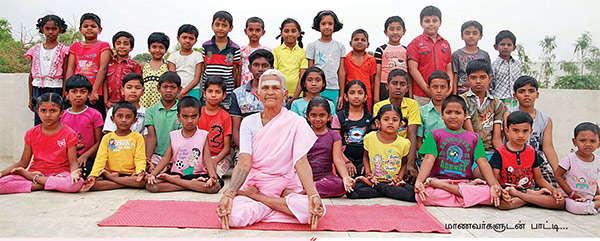
98 வயதிலும் ஓய்ந்துவிடாமல் யோகா கற்பித்துவரும் கோவையைச் சேர்ந்த நானம்மாள் பாட்டிக்கு மத்திய அரசு இந்த ஆண்டின் பத்மஸ்ரீ விருது அறிவித்துள்ளது கோவை மக்களிடையே மகிழ்ச்சியை ஏற்படுத்தியுள்ளது.

கோவை கணபதியைச் சேர்ந்தவர் நானம்மாள். எட்டு வயதாக இருக்கும் போது தன்னுடைய தந்தையிடமிருந்து யோகா கற்றுக்கொண்ட நானம்மாள் அன்றிலிருந்து இன்றுவரை 90 வருடங்களாக தன் யோகா பயணத்தைத் தொடர்ந்து வருகிறார். இதுவரைக்கும் சுமார் பத்து லட்சம் பேருக்கு யோகாசனம் கற்றுக்கொடுத்துள்ளவர், 600-க்கும் மேற்பட்ட யோகா ஆசிரியர்களை உருவாக்கியுள்ளார். இதில் 36 பேர் அவருடைய குடும்பத்தைச் சார்ந்தவர்களே என்பது சுவாரஸ்யத் தகவல். அவர்கள் அனைவரும் இப்போது உலகின் பல்வேறு நாடுகளில் யோகா கற்பித்து வருகிறார்கள்.

யோகா பயில ஆரம்பித்ததிலிருந்து இப்போது வரை நாள் தவறாமல் யோகாசனம்  செய்துவரும்  நானம்மாள் ஒருநாள்கூட உடல்நிலை சரி இல்லையென்று முடங்கியது கிடையாது. மருத்துவமனை பக்கமே சென்றது கிடையாது. அந்த அளவுக்கு வலுவான உடலையும், மனதையும் யோகாவால் பெற்றிருப்பதாகச் சொல்கிறார் நானாம்மாள்.

காலையில் வேப்பங்குச்சியில் பல்துலக்கி பொழுதை ஆரம்பிக்கும் நானம்மாள், ராகி, கம்பு, மக்காச்சோளம், பாசிப்பயிறு, வரகு, தினை, கோதுமை, சிவப்பு அரிசி, தானியங்கள் என்று ஏதாவதொன்றை வறுத்து அரைத்த மாவில் காய்ச்சிய கூழில் மோர், உப்பு சேர்த்துக் குடிக்கிறார். மதியத்துக்கு சாதம், காய்கறிகள், கீரை, அவற்றோடு கொஞ்சம் மோர் சேர்த்துக்கொள்கிறார். இரவில் ஒரு டம்ளர் பால், ரெண்டு வாழைப்பழம்’ இதுதான் நானம்மாள் பாட்டியின் உணவுப்பட்டியல். காபி, டீயைத் தடைபோட்டிருக்கும் நானம்மாள், கருப்பட்டி கலந்த சுக்குக் காபியைத்தான் குடிக்கிறாராம்.

வீடுமுழுக்க விருதுகளை வாங்கிக் குவித்து வைத்திருக்கும் நானம்மாள் ஏற்கெனவே குடியரசுத் தலைவரிடம் பெண் சக்தி விருதை பெற்றிருக்கிறார். அவருக்கு இப்போது மத்திய அரசு பத்மஸ்ரீ விருதை அறிவித்து பெருமைப்படுத்தியுள்ளது.

Source…. M.Punniya Murthy  in http://www.vikatan.com

Natarajan

வாரம் ஒரு கவிதை ….” தூரத்து வெளிச்சம் “


தூரத்து வெளிச்சம்
—————–
தூரத்து பச்சை கண்ணுக்கு குளிர்ச்சி  என்றால்
தூரத்து வெளிச்சம் ஒரு நம்பிக்கை நட்சத்திரம் !
மழை வேண்டி ஏங்கி தவிக்கும் மண்ணுக்கு
வானில் கருமேகம்  தூரத்து வெளிச்சம் !
பார்வை இல்லாமல் இருட்டில்  தவிக்கும்   கண்ணுக்கு
கண் தான விருப்ப மனுக்கள்  ஒரு தூரத்து வெளிச்சம் !
கடல் பயணம் வழி தவறும் நேரம்
கலங்கரை விளக்கம் தூரத்து வெளிச்சம் !
ஒரு மருத்துவரே தூரத்து வெளிச்சம்
அவரிடம் சிகிச்சை பெரும் நோயாளிக்கு !
இன்று என்ன துயரம் இருந்தாலும்
நாளைய  விடியல் யாருக்கும் ஓரு
தூரத்து வெளிச்சமே !
இருட்டில் தடுமாறும் ஒருவனுக்கு
ஒரு மெழுகு வத்தி ஒளியும்
தூரத்து வெளிச்சம்தான் !
என்  நாட்டுக்கும் நல்ல காலம் பிறக்கும்
நல்ல தலைவன் ஒருவன் என்
நாட்டை நல்ல வழியில் நடத்துவான்
அவனே என் தூரத்து வெளிச்சம் !
இது என் எதிர்பார்ப்பு !
இன்று என் விண்ணில் தெரியும் ஒரு
சிறு ஒளிக்கீற்று தூரத்து வெளிச்சமா ?
இல்லை வெறும் மின்னல் கீற்று மட்டுமா ?
விடை இல்லையே  இதற்கு என்னிடம் !
அது அந்த ஆண்டவனுக்கே வெளிச்சம் !
Source…..Natarajan
in http://www.dinamani.com dated 20th Jan 2018

Here’s How Eating Before 7 PM Can Change Your Life….

Planned what you should be eating from breakfast to dinner and think you are done for the day? Think again. You may be missing out on something crucial that can impact your overall health. Turns out ‘when’ you eat could prove to be as important as ‘what’ you eat. And eating your last meal, as early as 7 pm in the evening can do wonders to your health. For the longest time nutritionists over the world have been stressing on not just a light dinner but also an early one, but is it worth the hype? Let’s find out.

Our body doesn’t have an actual clock, but it does have an internal rhythm according to which it schedules major body functions. Called the ‘circadian rhythm’, this internal clock helps the body adjust to environmental changes, sleep, and activities like digestion and eating. Thus, the timing of your meals can affect your body’s weight regulation, metabolic regulation, heart heath and sleep cycle too.

1. Weight Loss
Experts claim, that restricting your meal intake in the window of 6 a.m. to 7 p.m. can reduce the overall calorie intake drastically. This could be because you are most likely to consume fewer calories as the time you have spent in eating has come down. Also a longer duration of overnight fast, helps with increasing fat loss as the body has time to reach a state of ketosis – a natural state for the body, when it is almost completely fueled by fat. In other words the body is using stored fat for energy.

Clinical nutritionist Dr. Rupali Dutta says, “An early dinner is good for digestion, and anything that is good for digestion aids weight loss. It is said that the body is wired to the movement of the sun. The later we eat, more are the chances of the food lying in the intestines, affecting the digestion. On the other hand, if you have your dinner early, you reach the satiety value earlier, the body is able to utilise the food better. The body uses everything we eat. If the calories produced are not put to use, it is stored as fat.”

2. Good Sleep

Over stuffing or eating too close to your bed time can increase the risk of heartburn and indigestion, making it harder to fall asleep. Experts warn against bed time munchies as well. Eating late in the night leaves the body on a ‘high alert’ state, which interferes with the circadian rhythm. It also prevents our body from powering down. If on the other hand, food is taken earlier, it is not only digested better, you sleep well and wake up energised too.

3. Better Heart Health

Nutritionist Meher Rajput further lists down the consequences attached, “For people suffering disorders like diabetes, thyroid, PCOD and cardiovascular diseases, it is advisable not only to have a light dinner but also an early one. As Indians we are used to eating sodium rich food for our dinners. Right from dal, papad, vegetables to meat, all of our preparations reek of salt in rather high proportions. If we happen to take these salty foods later at night, it will lead to water retention and bloating, but most significantly a looming risk of high blood pressure.

Restricting the eating to an early hour also ensures better heart health and keeps cardiovascular risks at bay. Meher says, “As we go on hogging more carbs and sodium in our dinners we put our heart and blood vessels to a greater risk of overnight blood pressure. For people suffering from hypertension it is advisable to eat more complex carbs, oats, brown rice and bran chapatis that can work as healthier alternatives.”

Experts around the world haven’t been stressing on maintaining the two hour gap between bedtime and dinner for nothing. Those who eat their dinner late are most likely to suffer from “non-dipper hypertension”, which is a state where the pressure fails to drop properly over night. Ideally, the blood pressure is supposed to drop by at least 10 per cent at night allowing the body to rest well. If the pressure remains raised, it runs the risk of heart disease and, in extreme cases, even a stroke.


The risk can be averted to a greater degree by maintaining good time gap between your dinner and bedtime.


However, if you do feel hungry in the evening or late at night, it is not advisable to starve either. Instead of helping, it would trigger a host of other problems stemming from an unhealthy relationship with food. In such times you can bank on low calorie, protein rich, low carb foods.


If late night hunger pangs are a common occurrence maybe you need to relook at your diet through the day. The idea is not to starve in the evening, but consuming an adequately spread, balanced diet from 6 a.m. to 7. p.m., preferably split into 4-6 smaller meals. To make this work you need to be eating enough during the first half of the day, the idea is to fuel your body well through the day. Your body would only call for food when it feels depraved of fuel. Fitting your major meals into this window may take several days to adapt. Trying to eat at the same time and sticking to it can bring about the change quickly.

Source….Sushmita Sengupta   in https://food.ndtv.com/

Natarajan