
How the Word “Spam” Came to Mean “Junk Message” !!!

spam

While some have suggested that this was because SPAM (as in the Hormel meat product) is sometimes satirized as “fake meat”, thus spam messages are “fake messages”, this potential origin, while plausible enough on the surface, turns out to be not correct at all.

The real origin of the term comes from a 1970 Monty Python’s Flying Circus skit.  In this skit, all the restaurant’s menu items devolve into SPAM.  When the waitress repeats the word SPAM, a group of Vikings in the corner sing “SPAM, SPAM, SPAM, SPAM, SPAM, SPAM, SPAM, SPAM, lovely SPAM!  Wonderful SPAM!”, drowning out other conversation, until they are finally told to shut it.

Exactly where this first translated to internet messages of varying type, such as chat messages, newsgroups, etc, isn’t entirely known as it sort of happened all over the place in a very short span of years, in terms of the name being applied to these messages.  It is, however, well documented that the users in each of these first instances chose the word “spam” referring to the 1970 Monty Python sketch where SPAM singing was drowning out conversation and SPAM itself was unwanted and popping up all over the menu.

Some examples of these first instances of unsolicited/unwanted messages being referred to as spam:

Some examples of these first instances of unsolicited/unwanted messages being referred to as spam:

  • First documented case among Usenet users was March 31, 1993.  This is often incorrectly stated to be the first usage of the term spam as referring to spam messages.  This first Usenet case came when Richard Depew, who had been playing with some moderation software, accidentally ended up posting around 200 duplicate messages in a row to news.admin.policy newsgroup.  The first person to call this spam is thought to be Joel Furr on March 31, 1993.  Depew himself when he apologized referred to his messages as spam.
  • A more likely “first use” of the word spam, referring to certain electronic messages, comes from MUDs (multi-user-dungeons).  This was a sort of real time multi-person shared environment; a somewhat primitive version of The Sims Online or Second Life and the like.  In it, users could chat and interact with other people, locations, and objects, as well as create objects and share them with the community.  Basically a really advanced chat room.   The name MUD comes from the fact that it reminded people of certain aspects of Dungeons and Dragons.  In any event, spamming was used here to refer to a few different things including: flooding the computer with random data; “spam the database” by flooding it with new objects; and flooding a chat session with a ton of unwanted text.  Basically, anything that had to do with filling other member’s accounts with unwanted electronic junk.   One of the earliest documented uses of the word spam from MUDders comes from 1990 when they were, ironically enough, discussing the origins of the word “spam” as referring to electronic junk messages.  Undocumented sources say it had been around quite a bit before that among MUDders, which is evidenced by the content of the documented message.
  • Others say that the term originated on Bitnet’s Relay, which was a very early chat system in the 1980s.  Supposedly, users would occasionally come on and annoy other users with unwanted text, including the actual SPAM SPAM SPAM song from Monty Python.
  • Another similar chat system TRS-80 also reported the same phenomenon and also called it spam.  Both these latter two chat system origins are not documented, but numerous former users of these systems have stated they remember this term being use commonly among users of these systems.

spam Spam SPam SPAm SPAM SPAM SPAM, lovely SPAM; Wonderful SPAM…

Bonus Facts:

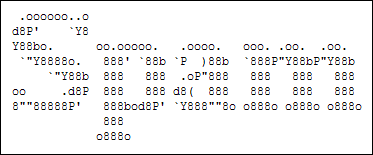
  • spam ascii artIn the early days of the internet, spam was significantly more annoying than it is today, not just because of the lack of effective filters back then, but because of the extremely slow internet connections.  Even just an ASCII art spam picture sent a few times in a row could take an enormous amount of time to download with often no real way for the end user to get around this except to wait it out or disconnect.
  • Also in the early days of chat rooms, it was a common tactic among chatters to use large blocks of meaningless text to annoy other groups.  For instance, Star Trek chatters would invade a Star Wars chat room and post large amounts of random text, making it impossible for the Star Wars people to talk.  NERD-FIGHT!!! :-)
  • Star Wars vs Star TrekAround the same time the term spam became popular among Usenet groups, it also spread to refer to email spam, which quickly dominated the world of spam and still does to this day.  Early spam bots simply harvested emails from Usenet newsgroup messages, which gave them extremely large email lists to work from.
  • IRC (Internet Relay Chat) was named after Bitnet’s Relay.
  • The earliest documented commercial spam message is often incorrectly cited as the 1994 “Green Card Spam” incident.  However, the actual first documented commercial spam message was for a new model of Digital Equipment Corporation computers and was sent on ARPANET to 393 recipients by Gary Thuerk in 1978.
  • The famed Green Card Spam incident was sent April 12, 1994 by a husband and wife team of lawyers, Laurance Canter and Martha Siegal.  They bulk posted, on Usenet newsgroups, advertisements for immigration law services.  The two defended their actions citing free speech rights.  They also later wrote a book titled “How to Make a Fortune on the Information Superhighway“, which encouraged and demonstrated to people how to quickly and freely reach over 30 million users on the Internet by spamming.
  • Before it was called “spamming”, as referring to unsolicited messages in a chat or forum or the like, the generally used terms for these actions were “flooding” and “trashing”.
  • Cisco Systems, in 2009, released the following numbers for the origins of spam by country in descending order: Brazil at 7.7%; USA at 6.6%; India at 3.6%; South Korea at 3.1%; Turkey at 2.6%; Vietnam at 2.5%; China at 2.4%; Poland at 2.4%; Russia at 2.3%; Argentina at 1.5%.  Surprisingly, you have to go all the way down to number 91 on the list before you get to Nigeria.
  • Of all email spam, about 73% is attempting to steal the user’s identity in some way (phishing), including possible bank information or gaining enough information to open new credit accounts from the user.
  • Of the 90 trillion emails sent in 2009, 81% were spam.  That amounts to about 200 billion spam emails sent every day.
  • Though not called spam, back then, telegraphic spam messages were extremely common in the 19th century in the United States particularly.  Western Union allowed telegraphic messages on its network to be sent to multiple destinations.  Thus, wealthy American residents tended to get numerous spam messages through telegrams presenting unsolicited investment offers and the like.  This wasn’t nearly as much of a problem in Europe due to the fact that telegraphy was regulated by post offices in Europe.
  • Spam, referring to messages, rather than the food product, was first added to a major English dictionary in the New Oxford Dictionary of English in 1998.  It defined spam as “Irrelevant or inappropriate messages sent on the Internet to a large number of newsgroups or users.”
  • spam tinSPAM, as made by Geo. A. Hormel & Co. was originally registered as a trademark in 1937, being a conflation of “spiced ham”, which was the original name.  The name “SPAM” was chosen from entries in a naming contest at Hormel.  Specifically, the name was suggested by Kenneth Daigneau, who was the brother of a then Hormel Vice president.  He was given $100 prize for winning the naming contest.
  • If you are wondering why I’m continually capitalizing all the letters in the food product SPAM, it is because, according to the official Hormel trademark guidelines, SPAM, as referring to the food product, should be spelled with all capital letters.  They also stipulate it should always be used as an adjective as in “SPAM meat”, but I’m ignoring that one and just calling it SPAM. :-)
  • Hormel was able to successfully defend their trademark of SPAM by limiting it to this capitalized version; thus the more prevalent usage and meaning and spelling “spam” and “Spam” referring to internet messages, doesn’t conflict with their trademark.  Initially, they unsuccessfully defended their trademark by including “Spam”, but lost that case and resorted to “SPAM”.  Hormel states that “Ultimately, we are trying to avoid the day when the consuming public asks, ‘Why would Hormel Foods name its product after junk email?”
  • Other backronyms surrounding SPAM are: “Something Posing As Meat”; “Specially Processed Artificial Meat”; “Stuff, Pork and Ham”; “Spare Parts Animal Meat”; and “Special Product of Austin Minnesota”.
  • Backronyms surround internet spam include: “stupid pointless annoying messages” and “shit posing as mail”.
  • When the US offered the UK citizens affected by WWII SPAM, while they struggled to rebuild their agricultural base, the British citizens assumed it was an acronym and they backronymed it to “Specially Processed American Meats”.
  • SPAM is a canned, precooked meat product (originally ham, but now SPAM from a variety of meats is available).
  • Austin, Minnesota is known as “SPAM town USA”, not for internet spam, but for the fact that the town produces all of the food product SPAM sold in North America, South America, and Australia.  SPAM sold in the UK is produced in Denmark by the company Tulip, who Hormel has licensed its production out to.
  • As of 2007, over seven billion cans of SPAM have been sold.
  • spam adHawaii, Guam, and the Commonwealth of the Northern Mariana Islands eat the most SPAM per capita in the United States, with an average of about 16 tins per year eaten per person.
  • Hawaii, Guam, and CNMI, all have McDonald’s restaurants that serve SPAM.  Burger Kings in Hawaii also serve SPAM since 2007 to better compete with the McDonalds there.
  • SPAM is also nicknamed “The Hawaiian Steak”, due to its extreme popularity there.
  • The term spam today is poised to take another slight shift in meaning.  It is now becoming common for people to refer to any unsolicited/unwanted advertisements, messages, or telemarketer calls as spam, even if the former two aren’t electronically based.

source::::todayifoundout.com

natarajan


Message For The Day…Never Entertain Hatred or Contempt In Your Heart …

You take drugs in a vain attempt to escape from the grip of diseases. But you are unaware of the diseases that eat into the very vitals of your happiness and make you a social danger – the maladies of envy, malice, hatred and greed. Take this best medicine to rid yourself of these diseases! Believe that the Lord is living in every heart and so when you inflict pain, physical or mental, on anyone, you are slighting the Lord Himself. Never entertain hatred or contempt in your heart. Show your resentment, if you must, through carefully selected words but never through action. Introspect and repent for your own errors and pray for strength to refrain from your shortcomings.


Sathya Sai Baba

” It”s Just Deserts …Not Just Desserts ” !!!


If you’ve ever found yourself wondering how either “just deserts” or “just desserts” made any sense, or even which was correct, wonder no more. It’s “just deserts”, not “just desserts”, and the correct version has nothing to do with dry wastelands.

The misconception primarily stems from the fact that most people are unfamiliar with the word ‘desert’ (pronounced dizert), which more or less means the same thing as the word “deserve”.  Instead, when they see the word ‘desert’, most they think only of the word meaning something to the effect of ‘dry wasteland’, which is pronounced “dezert”.

It turns out that these two words that are spelled the same, but pronounced differently, have their origins in two different Latin words.  The word “desert”, as in “wasteland”, comes from the Latin word deserere, meaning “to forsake”.

The word “desert” as in “to get what’s coming to you”, comes from the Latin worddeservire, meaning “to serve well” or “to serve zealously”: “de-” (completely) + “servire” (to serve).

Deservire is also where we got the word “deserve” from.  The transition came from the fact that when one served well, the individual would expect to be rewarded at some point for their services.  Thus, sometime between the third and sixth centuries A.D., “deservire”, meaning “to serve well”, in Late Latin got shifted in meaning to now mean something to the effect of “to be entitled to because of serving well”.

This gave rise to the Old French “deservir”, which in turn gave us “deserve” in English around the 13th century.

It was also around the 13th century that “desert”, as in “to get what’s coming to you”, first popped up in English.  But, of course, outside of the idiom “just desert”, which appeared around the 16th century, is almost never used any more.

“Just deserts” now makes a lot more sense. :-)

source:::::: todayifoundout.com

natarajan

Message For The Day…When God Takes Human Form…

It is to clear the path of spiritual progress of mankind that the Lord incarnates from time to time. The restlessness (ashanthi) in which man is immersed has to be curbed. That is what is meant by, the declaration parithraanaaya saadhoonam – ‘the saving of the good’; the saving of individual beings from the tentacles of restlessness caused by want of knowledge, of the relative unimportance of worldly things. All beings must get peace and true happiness; that is the mission on which the Lord comes again and again on this earth. He selects a place full of holiness and takes on the human form, so that you may meet and talk to Him, understand and appreciate, listen and follow, experience and benefit.

Sathya Sai Baba

Digital Indians : Meet Ruchi Sanghvi …An Enterprising Entrepreneur in Silicon Valley !!!

Ruchi Sanghvi

When Ruchi Sanghvi arrived at the Facebook office in California for a job interview in 2005, she found a menu card outside saying: “Looking for engineers.”

The start-up was located above a Chinese restaurant in downtown Palo Alto. It was modest looking place filled with gawky engineers, black sofas, lava lamps, and walls covered with murals and movie posters.

Earlier that year, the computer science engineer from Carnegie Mellon University had fled a job with a bank on Wall Street after three weeks. “I had panicked. I wanted to be in a business that was dependent on my core skills,” she says.

She had flown out to California, interviewed with Oracle and started out there, when a friend had told her about Facebook.

“I didn’t know much about them. I didn’t even know that they had moved to California. I thought they were still in Boston working out of Harvard dorm rooms,” she says wryly.

Scooter culture 

We are sitting in the hip Dropbox office in downtown San Francisco, where Ms Sanghvi, 31, works as a vice-president of operations.

Employees at the online storage firm whizz through corridors on skates and office scooters, some take time off to play pool and video games, and a plush music room is ready for a karaoke contest.

But, for the moment, we are talking about how Ms Sanghvi got the job at Facebook and became its first female engineer.


It is difficult to do exciting things in India. There are a lot of issues and barriers, simple things like a good internet line to the office”

Ruchi Sanghvi

“When I started out in Facebook, it had only 20 people. I saw it grow to a thousand employees and from five million users to over a billion users. I saw it evolve from a service that served college students to one that served the world,” she says.

“It was extremely chaotic, but it was a wonderful experience. I learnt everything there.”

At Facebook, she was part of the team that developed the news feed.

How was it, I asked, being the first female engineer at Facebook?

Ms Sanghvi says she was used to being in a minority: at engineering school, she was one of the five female students in a class of 150.

But at Facebook, she says, she truly came into her own.

“You had to be opinionated, you had to make sure your point of view was heard, you had to ask questions. Sometimes people would tell you were stupid and you’d start all over again,” she says.

“But it was, by and large, a meritocracy. It had one of the best environments for learning.”

Facebook was also where she met her future husband who was the first Indian engineer the company had hired.

I ask her for a story about Mark Zuckerberg, one of the founders and chief executive. She frowns, thinks hard, and says she doesn’t quite like talking about Mr Zuckerberg. Then she relents.

It’s a story about how the news feed launch outraged users and nearly killed it.

The journey from employee to entrepreneur was a complex and taxing one for an immigrant like me”

Ruchi Sanghvi

“We had less than 10 million users when news feed arrived. Mark was at a press conference (announcing it) and over a million users began protesting against it,” she says.

Last year, Ms Sanghvi spoke about the time in vivid detail.

“Groups with names like ‘I hate Facebook’ and ‘Ruchi is the devil’ had been formed. People camped outside our office and demonstrated. But we realised the very people who hated it were able to spread the word because of the news feed,” she told a talk.

But Mark Zuckerberg stuck to his guns, Ms Sanghvi tells me.

“Typically in any other company if 10% of your users decide to boycott a product you are obviously going to reverse the changes or do something about it. But Mark was really adamant about his vision about the potential of news feed.”

Mark ZuckerbergMark Zuckerberg ‘was adamant about his vision’ for Facebook, Ms Sanghvi says

When Ms Sanghvi left Facebook in 2010 after an itch to start her own company, the social networking site had more than 1,500 employees and more than 500 million users.

As a young girl growing up in India’s industrial city of Pune, she had dreamt of taking over her family business.

Her father, a second generation businessman, runs a heavy engineering company. Her grandfather ran a stainless steel business. “We are an entrepreneurial family,” she says.

But now, she was in the US, having studied computer science and worked at Facebook. The world beckoned.

So she went ahead and set up her own company, Cove, with her husband in 2010. There, helped by a team of engineers, they made “collaborative software” for communities and networks.

“The journey from employee to entrepreneur was a complex and taxing one for an immigrant like me,” says Ms Sanghvi, who has been lobbying US authorities to ease immigration laws.

“When I started Cove, I spoke to three immigration lawyers who gave me a long checklist of things to do before my company could hire immigrants.”

Diverse roles

Two years later, in February 2012, Cove was bought by the cloud-sharing service Dropbox.

At Dropbox, a six-year-old company with more than 175 million users, Ms Sanghvi has diverse roles. She has led hiring – “only great people can make great products,” she says – and managed marketing and communications.

I ask her if she plans to do anything back home in India.

“I’d love to do something if it was easier to do it. It is difficult to do exciting things in India. There are a lot of issues and barriers, simple things like a good internet line to the office,” she says.

“It doesn’t seem as easy as Silicon Valley where you have an idea you can simply execute it with hard work. But I admire folks who are doing things in India. It requires a lot grit and determination.

“You know I think I have had it pretty easy here in US actually,” she adds, with a laugh. Then she skates away for her next meeting.

source:::: Soutik Biswas  for BBC NEWS :bbc.com

natarajan

Message For The Day….Don”t Ever Ignore the Divinity …

We must have the awareness of the relative value of things; the discrimination between the real and relatively real. The gifts of reason and conscience must not be wasted through neglect. Your story should not be a repetition of that of the woodcutter, who was given a huge sandalwood forest as a reward, but, who out of sheer ignorance of the value of the trees, burnt the trees and sold them as charcoal at so much per bag! You ignore the Divinity that you really are and waste the opportunity to unfold it. Ignorance (ajnana) is imported from outside; what is native to you, what is within is wisdom (Jnana).

Sathya Sai Baba

வேண்டாம் டாஸ்மாக் ….தமிழன் வாங்கட்டும் பாஸ்மார்க் !!!

தினமலர் ‘இது உங்கள் இடம்’
வேண்டாம் டாஸ்மாக்; வேண்டும் பாஸ்மார்க்!
ஏ.வி.ராமநாதன், சென்னையிலிருந்து அனுப்பிய, “இ-மெயில்’ கடிதம்: 24-09-2013
தமிழக அரசு, மலிவு விலையில் உணவு, குடிநீர் வழங்குவது போல, “டாஸ்மாக்’ பார்களில், மலிவு விலையில் ஊறுகாய், வறுத்த முந்திரி, தண்ணீர் பாக்கெட் வழங்கி, “குடிமகன்’கள் வயிற்றில், சரக்கை வார்க்க வேண்டும் என, வேண்டுகோள் விடுத்து, இப்பகுதியில், “குடிமகன்’ ஒருவர், கடிதம் எழுதி இருந்தார்.
அதைக் கண்டு, “நஞ்சுண்பார் கள்ளுண்பவர்’ என, “கள்ளுண்ணாமை’யை ஆணித்தரமாக வலியுறுத்திய, வள்ளுவர் காட்டிய வழியில் இருந்து, தமிழன் இப்படித் தடம் புரண்டு போய்க் கொண்டிருக்கிறானே என, வேதனைப்படுவதா அல்லது இலவசங்களால், மக்களைக் கவர நினைக்கும் அரசுக்கு, இப்படியும் ஒரு கோரிக்கை வைக்கலாம் என, அவர் எண்ணியதை நினைத்து, சிரிப்பதா என, தெரியவில்லை.
எப்படியோ ஒரு உண்மை புரிகிறது. இந்த இலவச, மலிவுக் கலாசாரம், தமிழன் நல்வாழ்வுக்கு உதவாமல், அவனை மேலும், சோம்பேறியாக, பிச்சைக்காரனாக, தன்மானம் இல்லாதவனாக மாற்றிக் கொண்டிருக்கிறது.
உச்ச நீதிமன்ற அறிவுரையை பின்பற்றாமல், வாழ்வுத் தரத்தை முன்னேற்றாத, மக்களை மயக்கி ஏமாற்றும், தற்காலிக பயன் தரும், இலவச பொருட்களை அள்ளிவிடும் அரசியல் கலாசாரத்திற்கு அடிமையாகாமல், இனி, இலவசங்களை புறக்கணிப்போம்.

மதுக்கடைகளால், அரசுக்கு வரும் வருமானத்தைப் பற்றி கவலைப்படாமல், பூரண மதுவிலக்கை, பல ஆண்டுகளாக அமல்படுத்தி, பல்வேறு வளர்ச்சித் திட்டங்களால், “ஜம்’மென்று வளர்ந்து வரும் குஜராத் மாநிலத்தை, தமிழகமும், மற்ற மாநிலங்களும் பின்பற்ற வேண்டும்.
மலிவு ஊறுகாயோடு, சரக்கடிக்க, முதல்வருக்கு கோரிக்கை விடுக்கும், வீரக் குடிமகன்களும், அவர் தம் குடும்பங்களும், தமிழகமும் மேலும் சீரழிவதைத் தடுக்க, தமிழக முதல்வர் டாஸ்மாக் கடைகளை இழுத்து மூட வேண்டும்.
வேண்டாம் டாஸ்மாக்; தமிழன் வாங்கட்டும், “பாஸ்மார்க்


source::::: A Letter from my Friend A.V.Ramanathan  in Dinamalar  Tamil Daily

Natarajan

Why Do We Call The Stock Market Trends “Bullish “& “Bearish ???


bull-bearFor those who don’t know, a “bear” market, or when someone is being “bearish” in this context, is marked by investors being very conservative and pessimistic, resulting in a declining market generally marked by the mass selling off of stock.  A “bull” market is simply the opposite of that, with investors being aggressive and positive, with stock prices rising as a result of this optimism.  This “bull” and “bear” terminology first popped up in the 18th century in England.

There are a couple different possible sources for the “bear” part of this tandem, but the leading theory is that it derived from an old 16th century proverb: “selling the bear’s skin before one has caught the bear” or alternatively, “Don’t sell the bear’s skin before you’ve killed him,” equivalent to, “Don’t count your eggs before they’re hatched.”

By the early 18th century, when people in the stock world would sell something they didn’t yet own (in hopes of turning a profit by eventually being able to buy the thing at a cheaper rate than they sold it, before delivery was due), this gave rise to the saying that they “sold the bearskin” and the people themselves were called “bearskin jobbers”.

One of the earliest references of this comes from an issue of The Tatler, April 26, 1709:

Forasmuch as it is very hard to keep land in repair without ready cash, I do, out of my personal estate, bestow the bear-skin, which I have frequently lent to several societies about this town, to supply their necessities;  I say, I give also the said bear-skin as an immediate fund to the said citizens forever…

In a later edition, June 23, 1709, it goes on to state:

I fear the word Bear is hardly to be understood among the polite people; but I take the meaning to be, that one who insures a real value upon an imaginary thing, is said to sell a Bear, and is the same thing as a promise among courtiers, or a vow between lovers…

Yet another early instance of the term is in Daniel Defoe’s The Anatomy of Change Alley, published in 1719, around the time the term was popularized to something of the same type of definition we use today:

Those who buy Exchange Alley Bargains are styled buyers of Bear-skins.

The use of the word “bear” in this way was popularized thanks to one of the early market bubbles known as the South Sea Bubble.  While it was a long and incredibly complex market scheme that led to the bubble, the gist of it was that the South Sea Company, formed in 1711, was granted by Britain a monopoly on all trade to South America and would be given an annual sum (6% interest plus expenses) from the government.  In exchange, the new company agreed to take over large portions of the government’s debt. (In fact, this was primarily how the company actually made money throughout its century and a half it was in business, simply by dealing in government debt.)

Thanks to this deal and an amazing amount of government corruption, insider trading, and other unscrupulous practices by certain shareholders who knew well that the company’s trade business had little hope of ever being profitable, the burgeoning company’s stock soared. At its peak, based on the stock price, the company was worth about £200 million (by purchasing power, today this would be about £24 billion or $37 billion; by average earnings, it would be £350 billion or $537 billion).

Besides the fact that they didn’t even have their first trading shipment until 1717, 6 years after the trading company first formed, one of the problems was that having an exclusive monopoly on trading to South America from the British government at the time wasn’t saying much as most of the region was almost entirely held by Spain, who Britain was at war with.  Nevertheless, amid rampant and widely published rumors (deftly planted by certain stock holders to jack up the price) of the vast wealth from gold and other resources in those regions and the potential promise of soon securing trade rights from Spain, the stock prices soared, even though the company itself wasn’t really doing any actual trading and their main asset, the monopoly on trade to Middle and South America, was essentially worthless, as the core stock holders knew well.

Spain did eventually grant the South Sea Company rights to trade in the regions held by Spain, but only one ship load per year total was allowed in exchange for a percentage of the profits.  Needless to say, the inability to do any actual real volume of trading and the fact that war once again broke out in 1718 between Spain and Britain causing much of the company’s scant physical assets to be seized by Spain, the market crash that followed wasn’t pretty.

As to the “bull” name for rising markets, in this case we have to do a little more speculation as the documented evidence just isn’t there. The leading theory is that it came about as a direct result of the term “bear”.  Specifically, the first known instance of the market term “bull” popped up in 1714, shortly after the “bear” term popped up.  At the time, it was something of a common practice to bear and bull-bait. Essentially, with bear baiting, they’d chain a bear (or bears) up in an arena, and then set some other animals to attack the bear(s) (usually dogs) as a form of entertainment for spectators seated in the arena.

While bears were one of the more popular animals to use in these games, bulls were also commonly used. More rarely, other animals were used such as in one instance where an ape was tied to a pony’s back and dogs were set on them.  According to one spectator, the spectacle of the dogs tearing the pony to shreds while the ape screamed and desperately tried to stay on the pony’s back, out of reach of the snapping jaws of the dogs, was “very laughable”…

In any event, the popularity of bear and bull baiting, along with perhaps the association with bulls charging, is thought to have probably been why “bull” was chosen as something of the antithesis of a “bear”, shortly after “bear” first popped up in the sto

Bonus Fact:

  • A common myth often put forth as to the origin of “bull” and “bear” market terminology is that it comes from the last names of two prominent banking businesses, the Bulteels and the Barings, the former supposedly tending to be extremely aggressive in their investments and the latter supposedly being much more conservative.  While both the Barings bank and the Bulteel bank did in fact exist, there are a couple problems here. The first is that the only Bulteel bank around this era wasn’t prominent at all, certainly not enough to spawn such a term. Second, and more importantly, is that both the Barings bank and the Bulteel bank were founded well after “bull” and “bear” were already common stock market terms.

source::::todayifoundout.com

natarajan
Read more at http://www.todayifoundout.com/index.php/2013/04/origin-of-the-stock-market-terms-bull-and-bear/#OB8ww6J5Ev94BP4W.99 ck sense.  But, of course, we can’t be at all sure on this one as there wasn’t the more lengthy documented progression of definition as with the “bear”  term.


Message For The Day….Real Peace is In your Mind…

People seek frantically for peace and happiness in a thousand ways along a thousand roads. Real peace is to be got only in the depths of the spirit, in the discipline of the mind, in faith in the One base of all this seeming multiplicity. And the joy of that experience, the profound exhilaration which accompanies it cannot be communicated in words. All shravanam and kirthanam (hearing and singing God’s names) is to take you nearer that experience. Shravanam is the medicine that you take internally and kirthanam is the balm you apply externally. Both are needed. Develop devotion to the Lord using as many means as possible. Your mind and the intellect must be trained and controlled, that is the sole aim. 


Sathya Sai Baba

படித்ததில் பிடித்தது … ஒரு கல்!!! ஒரு பழம் !!!

ஒரு கோவில் மண்டபத்தில் ஆன்மீகச்
சொற்பொழிவாற்றிக் கொண்டிருந்த
துறவியின் பேச்சுப் பிடிக்காமல்,
ஒருவன் ஒரு கல்லை அவர்மீது வீசினான்,
அக்கல் துறவியின் தலையில் பட்டுக்
காயத்தை ஏற்படுத்தியது. துறவியின்
துன்பத்தைக் கண்ட மற்ற பக்தர்கள்,
எழுந்து ஓடி, அந்த இளைஞனைப்
பிடித்துத் தாக்கத் துவங்கினர்.
அதைக் கண்ட துறவி, அவனை அடிக்க
வேண்டாம், அவனைத் தன்னிடம்
அழைத்து வருமாறும் சைகை செய்தார்.
அவரது சொற்களுக்கு இணங்கிய பக்தர்கள்,
இளைஞனை மேடைக்கு இழுத்துச்
சென்றார்கள். பயத்தோடு நின்ற அவனைப்
பார்த்துச் சிரித்துக்கொண்டே துறவி,
அருகில் வைக்கப் பட்டிருந்த
தட்டிலிருந்த மாம்பழம்
ஒன்றை எடுத்து அவனிடம் நீட்டினார், அவன்
பயத்துடன் தயங்கினான். “அவனைத்
தண்டிக்காமல் அவனுக்குப் பழம்
தருகிறீர்களே சுவாமி….”
என்று பக்தர்கள் கூச்சலிட்டார்கள்.
அவர்களை அமைதிப்படுத்திய துறவி,
கூட்டத்தினரைப் பார்த்துக் கூறினார்:
“ஓரறிவு உடைய மரமானது தன்மீது கல்
எறிபவனுக்கு பழத்தைத் தருகிறது.
ஆறறிவு உடைய நான், எனக்குத் துன்பம்
செய்தவனுக்கு ஏதேனும்
நன்மை செய்யவேண்டாமா?”
துறவி கூறியதைக் கேட்டவுடன் அவர்
பாதங்களில் தடால்
என்று விழுந்து அழுதான் அந்த இளைஞன்.
குறள்: 314
“இன்னா செய்தாரை ஒறுத்தல் அவர்
நாண நன்னயம் செய்துவிடல்”
மு.வ உரை:
இன்னா செய்தவரைத் தண்டித்தல்
அவரே நாணும் படியாக
அவருக்கு நல்லுதவி செய்து அவருடைய
தீமையையும் நன்மையையும்
மறந்து விடுதலாகும்.


source ::::: input from  a friend of mine

natarajan