விநாயகர் சதுர்த்தி அன்று சொல்ல வேண்டிய ஸ்தோத்ரம் !!!

விநாயகர் சதுர்த்தியன்று மோதகம், பொரி, கடலை, பழம் படைத்து சொல்ல வேண்டிய ஸ்தோத்திரம் இதோ!

Temple images


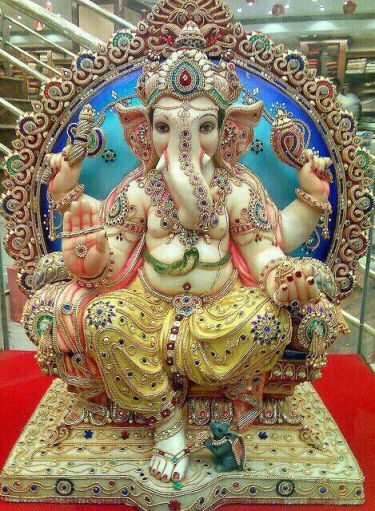
கையில் மகிழ்ச்சி பொங்க மோதகம் ஏந்தியிருக்கும் கணபதியே! வணங்குவோருக்கு என்றும் எந்நேரமும் பிறவாவரம் வர காத்திருக்கும் குணநிதியே!

பிரகாசமான ஒளிக்கற்றையை உடைய சந்திரனை தலையில் சூடியவனே! உலகத்தைக் காப்பதை விளையாட்டாகச் செய்பவனே!

ஒப்பில்லாத உயர்ந்த தயாள குணம் கொண்டவனே! கஜமுகாசுரனை கொன்றவனே! அதர்மத்தை அழித்து தர்மத்தைக் காப்பவனே!

என்னைக் காக்கும் விநாயகனே!
உனக்கு என் வணக்கம்.

இளஞ்சூரியனைப் போல் உள்ளத்தில் ஒளிகொண்டவனே! பாவங்களைக் களைந்து புண்ணியத்தை அருள்பவனே!

தேவர்களுக்கெல்லாம் தேவனே! கருணை மிக்க வனே! யானை முகத்தோனே! அளப்பரிய சக்தியால் செல்வவளத்தை அருள்பவனே!

எல்லையில்லாத பரம் பொருளே! விநாயகப் பெருமானே! உன் திருவடிகளை சரணடைந்து வேண்டுகிறேன். உனக்கு என் நமஸ்காரம்.

உலக மக்களுக்கு நலமும் மங்களமும் தருபவனே! நெஞ்சார வணங்குபவர்களுக்கு மனமகிழ்ச்சியைத் தருபவனே! நாங்கள் செய்யும் குற்றங்களைக் கூட
மன்னித்து அருள்பவனே! ஓம் என்ற மந்திர வடிவினனே! நிலையானவனே! கருணாமூர்த்தியே! சகிப்புத் தன்மை, பொறுமை, மகிழ்ச்சி ஆகிய நற்குணங்களைத்
தருபவனே! உலகத்தாரால் புகழ்ந்து போற்றப்படுபவனே! உனக்கு என் நமஸ்காரம்.

திரிபுரம் எரித்த சிவபெருமானுடைய மூத்த புத்திரனே! எங்கள் துன்பத்தை தீர்த்து, தூய்மையான உள்ளத்தைத் தருவாயாக.

உலகம் அழியும் காலத்திலும் பக்தர்களை ஓடோடி வந்து காக்க வருபவனே! உண்மை வெற்றிபெற என்றும் துணை நிற்பவனே! மதநீர் பொழியும் கஜமுகனே! முதலும் முடிவுமில்லாத பரம்பொருளே! உன் திருவடிகளில் என் தலை தாழ்த்தி வணங்குகிறேன். எம்பெருமானே! மங்கலத்தை தந்தருள்வாயாக.

பிரகாசமான ஒளியைக் கொண்ட வெள்ளைத் தந்தத்தை கொண்டவனே! ஒற்றைக் கொம்பனே! காலனுக்கே காலனான சிவபெருமானின் பிள்ளையே! ஆதியும் அந்தமும் இல்லாதவனே! துன்பங்களைப் போக்குபவனே! யோகிகளின் நெஞ்சில் வசிக்கும் ஞானப் பொருளே! யானை முக கணேசனே! காலமெல்லாம் உன்னை நினைத்து,வணங்கி வருகிறேன். வள்ளலே! வல்லப கணபதியே! உன் திருப்பாதங்களில் சரணமடைகிறேன். எங்களுக்கு இம்மையில் சகல செல்வத்தையும், மறுமையில் முக்தியையும் தந்தருள்வாயாக.


source::::: Dinamalar…Tamil Daily

natarajan

108 Names of Lord Ganesha ….with Meanings ….

108 Names of Lord Ganesha (with meanings)

Fun & Info @ Keralites.net


1. Akhurath – One who has Mouse as His Charioteer

2. Alampata – Ever Eternal Lord

3. Amit – Incomparable Lord

4. Anantachidrupamayam – Infinite and Consciousness Personified

5. Avaneesh – Lord of the whole World

6. Avighna – Remover of Obstacles

7. Balaganapati – Beloved and Lovable Child

8. Bhalchandra – Moon-Crested Lord

9. Bheema – Huge and Gigantic

10. Bhupati – Lord of the Gods

11. Bhuvanpati – God of the Gods

12. Buddhinath – God of Wisdom

13. Buddhipriya – Knowledge Bestower

14. Buddhividhata – God of Knowledge

15. Chaturbhuj – One who has Four Arms

16. Devadeva – Lord of All Lords

17. Devantakanashakarin – Destroyer of Evils And Asuras

18. Devavrata – One who accepts all Penances

19. Devendrashika – Protector of All Gods

20. Dharmik – One who gives Charity

21. Dhoomravarna – Smoke-Hued Lord

22. Durja – Invincible Lord

23. Dvaimatura – One who has two Mothers

24. Ekaakshara – He of the Single Syllable

25. Ekadanta – Single-Tusked Lord

26. Ekadrishta – Single-Tusked Lord

27. Eshanputra – Lord Shiva’s Son

28. Gadadhara – One who has The Mace as His Weapon

29. Gajakarna – One who has Eyes like an Elephant

30. Gajanana – Elephant-Faced Lord

31. Gajananeti – Elephant-Faced Lord

32. Gajavakra – Trunk of The Elephant

33. Gajavaktra – One who has Mouth like An Elephant

34. Ganadhakshya – Lord of All Ganas (Gods)

35. Ganadhyakshina – Leader of All The Celestial Bodies

36. Ganapati – Lord of All Ganas (Gods)

37. Gaurisuta – The Son of Gauri (Parvati)

38. Gunina – One who is The Master of All Virtues

39. Haridra – One who is Golden Coloured

40. Heramba – Mother’s Beloved Son

41. Kapila – Yellowish-Brown Coloured

42. Kaveesha – Master of Poets

43. Krti – Lord of Music

44. Kripalu – Merciful Lord

45. Krishapingaksha – Yellowish-Brown Eyed

46. Kshamakaram – The Place of Forgiveness

47. Kshipra – One who is easy to Appease

48. Lambakarna – Large-Eared Lord

49. Lambodara – The Huge Bellied Lord

50. Mahabala – Enormously Strong Lord

51. Mahaganapati – Omnipotent and Supreme Lord

52. Maheshwaram – Lord of The Universe

53. Mangalamurti – All Auspicious Lord

54. Manomay – Winner of Hearts

55. Mrityuanjaya – Conqueror of Death

56. Mundakarama – Abode of Happiness

57. Muktidaya – Bestower of Eternal Bliss

58. Musikvahana – One who has mouse As charioteer

59. Nadapratithishta – One who Appreciates And Loves Music

60. Namasthetu – Vanquisher of All Evils & Vices & Sins

61. Nandana – Lord Shiva’s Son

62. Nideeshwaram – Giver of Wealth and Treasures

63. Omkara – One who has the Form Of OM

64. Pitambara – One who has Yellow-Coloured Body

65. Pramoda – Lord of All Abodes

66. Prathameshwara – First Among All

67. Purush – The Omnipotent Personality

68. Rakta – One who has Red-Coloured Body

69. Rudrapriya – Beloved Of Lord Shiva

70. Sarvadevatman – Acceptor of All Celestial Offerings

71. Sarvasiddhanta – Bestower of Skills And Wisdom

72. Sarvatman – Protector of The Universe

73. Shambhavi – The Son of Parvati

74. Shashivarnam – One who has a Moon Like Complexion

75. Shoorpakarna – Large-Eared Lord

76. Shuban – All Auspicious Lord

77. Shubhagunakanan – One who is The Master of All Virtues

78. Shweta – One who is as Pure as the White Colour

79. Siddhidhata – Bestower of Success & Accomplishments

80. Siddhipriya – Bestower of Wishes and Boons

81. Siddhivinayaka – Bestower of Success

82. Skandapurvaja – Elder Brother of Skand (Lord Kartik)

83. Sumukha – Auspicious Face

84. Sureshwaram – Lord of All Lords

85. Swaroop – Lover of Beauty

86. Tarun Ageless

87. Uddanda – Nemesis of Evils and Vices

88. Umaputra – The Son of Goddess Uma (Parvati)

89. Vakratunda – Curved Trunk Lord

90. Varaganapati – Bestower of Boons

91. Varaprada – Granter of Wishes and Boons

92. Varadavinayaka – Bestower of Success

93. Veeraganapati – Heroic Lord

94. Vidyavaridhi – God of Wisdom

95. Vighnahara – Remover of Obstacles

96. Vignaharta – Demolisher of Obstacles

97. Vighnaraja – Lord of All Hindrances

98. Vighnarajendra – Lord of All Obstacles

99. Vighnavinashanaya – Destroyer of All Obstacles & Impediments

100. Vigneshwara – Lord of All Obstacles

101. Vikat – Huge and Gigantic

102. Vinayaka – Lord of All

103. Vishwamukha – Master of The Universe

104. Vishwaraja – King of The World

105. Yagnakaya – Acceptor of All Sacred & Sacrficial Offerings

106. Yashaskaram – Bestower of Fame and Fortune

107. Yashvasin – Beloved and Ever Popular Lord

108. Yogadhipa – The Lord of Meditation


source::::: input from a friend of mine….

natarajan


Know About Shingnapur, Maharashtra on this Day…Shani Jayanthi…June 8 2013!!!

Shani Jayanti, or Sani Jayanthi, is believed to be the day when Lord Shani, one of the Navagrahas made its appearance on Earth. In 2013, the date of Shani Jayanti is June 8, Saturday. The day is doubly auspicious in 2013 as it falls on a Saturday. Shani is feared by those people who believe and follow astrology, as Shanaishchara has the capacity to create malefic influence on the horoscope and thus in their life.

In Hinduism, Lord Shani is the son of Surya (Sun God) and his wife Chaya. Suryadev’s wife Chaya had gone into intense meditation to please Lord Shiva for a son. Due to the intensity of her meditation and the rigor and austerity of the sun, the fetus in her womb turned blackish in colour before even being born After Shani Dev was born, Suryadev went to see his wife and the new born baby. However, seeing Shani’s black colour, Suryadev refused to accept him as his child.
Suryadev doubted his wife and said to her that such dark child cannot be his. Seeing such an attitude of his father, Shani Dev started to think very high of his mother, but developed hatred and anger for his father.
To become more Tejasvi and Parakrami than his father, Shani went into intense meditation to please Lord Shiva. Lord Shiva finally got impressed and asked Shani for his wish. In return, Shani Dev asked Shiva to make him more powerful than his father.
His wish was granted and Lord Shiva made him the judge and made him more powerful than his own father, Suryadev.
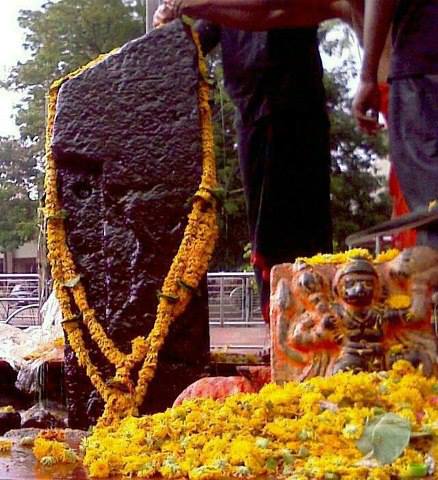
There is a small village in Maharashtra called Shingnapur where even today not even one door of any house remains shut. Despite doors being opened all the time here, there is never a case of theft happening. This is because of a belief that if anyone dares to steal anything from any house, Lord Shani himself will punish the culprit.  This place has a special grace of Shani Dev.
According to the mythological scriptures, Shani was born in Shingnapur. Though there is no temple of Shani here, but the village has his statue. The sculpture is black. Its length is approximately 5 feet 9 inches and 6 feet 1 inch in width.
There is a famous story of this village. Once a Pandit visited this village. He was blind. One night when he was sleeping, Shani Dev appeared in his dream and asked him to visit a hill inside which was his idol to bring it out.
When Panditji told him that he is blind and won’t be able to this work, Lord Shani gave him eyesight. When the Pandit woke up, he was happy to see everything and the first thing he did was take out the idol as asked by Shani Dev. When the idol was taken out,-  people established it in a place and descendants of the priest and other residents worship Lord Shani’s idol even today.
On Shani Jayanti day, people perform special pujas at Navagraha Temples or in Shani Temples. Those Hindus having Saturn cycle or Shani cycle or Sade Sathi in their horoscope perform special pujas like Shani Yagya or Homa. Some devotees observe a fast (fasting or upvaas) on the day and the rules observed are similar to Shanivar Vrat or Saturday Fasting.Shani dev is also the god worshipped on Saturday or Shanivar. .  Visiting Navagraha shrines, Shani temples or temples of Lord Ganesha on the day is considered auspicious.
Depending upon the condition of Shani, people are provided with results. Among all nine planets, Shani is considered to be the most important because it stays on a zodiac for the maximum time, which is two and a half years.
This year, on June 8, Shani Jayanti will be celebrated all over the country. The Amavasya falling on this Saturday has special time to worship Shani Dev.
Coincidently, this year, Shani Jayanti is also on the same day as Amavasya. So it is rare thing and very lucky for people.
source:::::H.Deepa in shirdi sai speaks…
Natarajan

“பிள்ளையார் கண் திறந்து விட்டார் “….சொன்னார் மகாபெரியவர் !!!

Source: Email from our respected member Sri G Vaidyanathan

http://www.periva.proboards.com

Natarajan

பல வருடங்களுக்கு முன் காஞ்சி மகா பெரியவர் தமிழகத்தின் தென்பகுதிகளில் யாத்திரை மேற்கொண்டிருந்த சந்தர்ப்பம்….. தஞ்சாவூர் ,திருச்சி, திருவானைக்காவல், ஸ்ரீரங்கம்,திண்டுக்கல், சோழவந்தான் ஆகிய ஊர்களுக்கு விஜயம் செய்துவிட்டு, மதுரையை நோக்கித் தன் பரிவாரங்களுடன் வந்துகொண்டிருந்தார். ஸ்வாமிகள் . வழி நெடுகிலும் உள்ள கிராம மக்கள் தங்கள் குழந்தை குட்டிகளுடன் திரளாக வந்து ஸ்வாமிகளை தரிசித்து ஆசிபெற்றுச் சென்றனர். அவர்களுக்கெல்லாம் இன்முகத்தோடு அருளாசி வழங்கினார். பழம், கல்கண்டு ஆகியவற்றைப் பிரசாதமாக கொடுத்துக்கொண்டே நடந்தார் ஸ்வாமிகள்.

மதுரை மாநகரை நெருங்கும் நேரம். அங்கிருந்த ஒரு கிராமத்து ஜனங்கள் அனைவரும் ஒன்றுகூடி “பூர்ணகும்ப” மரியாதையுடன் ஸ்வாமிகளை வரவேற்றார்கள்.அந்த ஜனங்களின் பக்தியையும் ஆர்வத்தையும் பார்த்த ஸ்வாமிகளுக்கு ஏக சந்தோஷம். சாலையோரம் இருந்த ஓர் அரசுமரத்து வேரில் வந்து அவராகவே அமர்ந்துகொண்டார் . அனைவரும் கீழே விழுந்து நமஸ்கரித்தனர்.

அந்த ஊர்ப் பஞ்சாயத்துத் தலைவர் மிகுந்த பக்தியுடன் ஸ்வாமிகளை நமஸ்கரித்தார் . பிறகு, “பெரியவங்ககிட்ட ஒண்ணு பிரார்த்திக்கிறோம் . நாங்க ஏழை சனங்கல்லாம் ஒண்ணா சேந்து, பக்கத்துல ஒரு புள்ளயார் கோயிலை புதுசா கட்டி முடிச்சிருக்கோம். சாமி பாதம் அங்க படணும்னு வேண்டிக்கிறோம்….கருண பண்ணணும்!” என்று கன்னத்தில் போட்டுக்கொண்டார்.

குதூகலத்தோடு எழுந்த ஆச்சார்யாள், “கோயில் எங்கே இருக்கு?” என வினவினார்.

பஞ்சாயத்துத் தலைவர், “இதோ கூப்பிடு தூரத்திலதான் சாமி இருக்கு.வந்து அருள் பண்ணணும்!” என்றார்.

ஸ்வாமிகள் மிக வேகமாக பிள்ளையார் கோயிலை நோக்கி நடந்தார். மேளதாள -பூரணகும்ப மரியாதையுடன் ஆச்சார்யாள் கோயிலுக்குள் பிரவேசித்தார் . கர்ப்பக்கிருகத்துள் ஆறடி உயர சிலா ரூபமாக விநாயகர் வீற்றிருந்தார். விக்கிரகம் கம்பீரமாக பளிச்சென்று
இருந்தது . வைத்த கண் வாங்காமல் சற்று நேரம் விநாயகரையே பார்த்த பெரியவா,பஞ்சாயத்துத் தலைவரிடம், “கோயிலுக்கு கும்பாபிஷேகம் ஆயிடுத்தோ?” என்று கேட்டார்.

” இன்னும் ஆகலீங்க சாமி” என்றார் தலைவர்.

” அதான் எல்லாமே பூர்த்தியாகி இருக்கே…ஏன் இன்னும் கும்பாபிஷேகம் நடத்தலே?” என்று கேட்டார் ஸ்வாமிகள்.

பஞ்சாயத்துத் தலைவர் பவ்வியமாக பதில் சொன்னார்.; “எல்லாமே பூர்த்தி ஆயிடுச்சு சாமி. இன்னும் ஒரு மாசத்துக்குள்ளாற மகாத்மா காந்தி இந்த வழியா மதுரைக்கு வாராறாம்.அவுரு வர்றன்னிக்கு , ‘அவருக்கு முன்னால வெச்சே கும்பாபிஷேகத்த நடத்த ஏற்பாடு பண்ணித் தர்றோம்’னு மதுரையைச் சேர்ந்த சில பெரிய மனுஷங்க உறுதி கொடுத்திருக்காங்க! அதனாலதான் காந்தீஜீக்காகக் காத்துக்கிட்ருக்கோம்!”

ஆச்சார்யாள் தனக்குள் சிரித்துக்கொண்டார். இரண்டு நிமிஷம் கண்ணிமைக்காமல் விநாயகரையே பார்த்துவிட்டுச் சொன்னார்.

” அதுக்கு அவசியம் இருக்காது போலத் தோண்றதே! கணபதி கண்ணத் திறந்து நன்னா பாத்துண்ருக்காரே…இனிமே கும்பாபிஷேகத்த தாமசப்படுத்தப்படாது. ஒடனேயே நல்ல நாள் பார்த்து பண்ணிடுங்கோ.”

உடனே பஞ்சாயத்துத் தலைவர், “இல்லீங்க சாமி! கண் தொறக்கிற சடங்கு விநாயகருக்கு இன்னும் நடக்கலீங்க சாமி! நீங்க இப்படி சொல்றத பாத்தா ஒண்ணும் புரியலீங்களே..” என்று குழம்பினார்.

ஸ்வாமிகள் மீண்டும் சிரித்துக்கொண்டே, “இது நானா சொல்லலே! கணபதி கண்ணைத் திறந்து நன்னா “ஸ்பஷ்டமா” பார்த்துண்ருக்கார். சீக்கிரமே கும்பாபிஷேகத்துக்கு வேண்டிய ஏற்பாடுகள் பண்ணுங்கோ! காந்தி வந்தா நன்னா தரிசனம் பண்ணிட்டுப் போகட்டுமே” என்று கூறினார் . குழுமியிருந்த ஜனங்களுக்கு ஒன்றும் புரியவில்லை. அமைதியோடு காத்திருந்தனர்.

பஞ்சாயத்துத் தலைவருக்கும் குழப்பம் தீரவில்லை. உடனே ஆளனுப்பி விநாயகர் சிலையை வடிவமைத்த ஸ்தபதியை வரவழைத்தனர் .அவரிடம் ஆச்சார்யாள் சொன்ன விஷயம் தெரிவிக்கப்பட்டது .

சிற்பியும் அடித்துச் சொன்னார்; “இல்லீங்க ஸ்வாமி..இன்னும் விநாயகருக்கு கண் தொறக்கலீங்க. தொறந்தா விக்கிரகத்தச் செதுக்கின நான்தானே தொறக்கணும்..இன்னும் அது ஆவுலீங்க..” மூன்று தடவை ஆச்சார்யாள் காலில் விழுந்து கை கட்டி நின்றார் சிற்பி.

மீண்டும் ஒருமுறை விக்கிரகத்தையே உற்று நோக்கிய ஸ்வாமிகள் “மகா கணபதிக்கு நன்னா கண் தெறந்தாச்சு! அவர் சந்தோஷமா பாத்துண்டிருக்கார் . இனிமேலும் தாமதிக்கிறது நல்லதில்லே. சீக்கிரமா ஒரு நல்ல நாள் பாத்து கும்பாபிஷேகத்த நடத்துங்கோ..
க்ஷேமம் உண்டாகும்” என்று சொல்லிவிட்டு வேகவேகமாகப் புறப்பட்டுவிட்டார் ஆச்சார்யாள். பரிவாரம் பின்தொடர்ந்தது. ஆச்சார்யாளை அந்த ஊர் எல்லை வரை சென்று வழி அனுப்பி வைத்துவிட்டுத் திரும்பினர்,அத்தனை பேரும்.

சற்று நேரத்துக்கெல்லாம் அந்த ஊர் கிராமப் பஞ்சாயத்து சபை’ கூடியது . ஆச்சார்யாள் கூறிவிட்டுப் போன விஷயம் குறித்து அலசி ஆராயப்பட்டது. விநாயகர் விக்கிரகத்தைச் செதுக்கிய சற்று வயதான ஸ்தபதி அடித்துச் சொன்னார். “ஆச்சார்ய ஸ்வாமிங்களுக்கு ஞான திருஷ்டில எல்லா விஷயங்களும் தெரிஞ்சுடும்.இருந்தாலும் எங்கையால் நான் இன்னும் கண்ண தொறக்கலே.சாமி எப்டி சொல்றாங்கனு தெரியலே .நானும்கூட விக்கிரகத்துகிட்ட போயி உன்னிப்பா கவனிச்சுப் பாத்துட்டேன்.அப்டி ஆனதா தெரியலீங்க…. இப்ப என்ன பண்றது?”

அங்கே மௌனம் நிலவியது. ஒருவரும் வாய் திறக்கவில்லை. திடீரென்று பன்னிரண்டு வயது மதிக்கத்தக்க உள்ளூர்ப் பையன் ஒருவன் அந்த இடத்துக்கு ஓடி வந்தான்.கை கட்டி நின்றான்.

அவனைப் பார்த்த தலைவர், “தம்பி! ஏன் இப்படி ஓடி வர்றே? என்ன விஷயம்?” என்று கேட்டார்.

உடனே அந்தப் பையன் “தலைவரே! கோயில் விநாயகர் சிலை பத்தி எனக்கு ஒரு விஷயம் தெரியும்..சொல்லலாங்களா?” என்று கேட்டான் பவ்யமாக.

” ஒனக்கு என்ன தெரியும்..சொல்லு தம்பி!” என்று மிக ஆர்வம் காட்டினார் தலைவர். கூட்டமும் அந்தப் பையனையே பார்த்துக் கொண்டிருந்தது.

பையன் பேச ஆரம்பித்தான்; “ஐயா தலைவரே! எனக்கு தெரிஞ்ச உண்மையை சத்தியமா சொல்றேங்க. அந்த சாமியார் சாமி [ஆச்சார்யாள்] ‘புள்ளையாருக்கு கண் தொறந்தாச்சு’னு சொல்லிட்டுப் போனது மெய்தாங்க! எப்படீன்னா ஒரு பத்து நாளுக்கு முந்தி ஒரு நாள் உச்சி வெயில் நேரமுங்க.இதோ ஒக்காந்துருக்காரே ..புள்ளையார் விக்கிரகத்தைச் செஞ்ச தாத்தா.. இவரோட பேரப் பையன்..என் சிநேகிதன். என்ன வேலை பண்ணான் தெரியுமா? இவங்க தாத்தா சிலைகளின் கண்ண தொறக்கறத்துக்கு வெச்சிருக்கிற சின்ன உளியையும்,சுத்தியையும் எடுத்துக்கிட்டு ,எங்களையும் கூட்டிக்கிட்டு கோயிலுக்குப் போனான்.

” இதோ பாருங்கடா! எங்க தாத்தா இப்புடித்தான் சிலைங்க கண்ணைத் தொறப்பாருன் ‘ன்னு சொல்லிகிட்டே,’புள்ளையாரே,கண்ணத்தொற… புள்ளையாரே ,கண்ணத் தொற!’னு அவனும் சொல்லி, எங்களையும் ஒரக்க சொல்லச் சொல்லி, “டொக்கு..டொக்குனு” உளிய புள்ளயாரின் ரண்டு கண்ணுலயும் வச்சு தட்டினான்..”புள்ளையாருக்கு கண் தொறந்தாச்சு “னு எல்லாப் பசங்களும் குதிச்சு ஆடினோம்.இந்த விஷயம் ஊர்ல ஒருத்தவங்களுக்கும் தெரியாது. நாங்களும் வெளியிலே மூச்சு வுடலே! இது தாங்க நடந்துச்சு….எங்களை மன்னிச்சுருங்க.”

பிரமிப்போடு அமர்ந்திருந்தது கூட்டம். பஞ்சாயத்துத் தலைவர் கண்களில் நீர் சுரந்தது.ஆச்சார்யாளின் மகிமையைப் பார்த்து அந்த ஊரே வியப்பில் ஆழ்ந்தது . சிற்பியின் பேரனுக்கு எட்டு வயதிருக்கும். பஞ்சாயத்து அந்தச் சிறுவனை அழைத்து விசாரித்தது. விநாயகருக்கு, தான் கண்களைத் திறந்துவிட்டதை ஒப்புக் கொண்டான். எல்லோரும் கோயிலுக்கு ஓடிச் சென்று விநாயகரை விழுந்து வணங்கினர். சிற்பி, ஒரு பூதக் கண்ணாடியின் உதவியோடு கணபதியின் கண்களை நன்கு பரிசீலித்தார். மிக அழகாக “நேத்ரோன் மீலனம்” [கண் திறப்பு] செய்யப்பட்டிருந்ததைப் பார்த்து ஆச்சர்யப்பட்டார்.

ஊரே திரண்டு ஆச்சார்யாள் சென்ற திசையை நோக்கி ஓடியது. அடுத்த கிராமத்தில் சாலை ஓரமிருந்த ஒரு பெரிய ஆலமர நிழலில் பரிவாரங்களுடன் இளைப்பாறிக்கொண்டு இருந்தார் ஸ்வாமிகள். அனைவரும் ஓடிப் போய் ஸ்வாமிகள் காலில் விழுந்து எழுந்தனர்.
அந்தப் பஞ்சாயத்துத் தலைவரும்,சிற்பியும் கேவிக்கேவி அழ ஆரம்பித்துவிட்டனர்.

இவர்களைப் பார்த்த அந்த பரப்பிரம்மம் சிரித்துக்கொண்டே கேட்டது; “புள்ளையாருக்குக் கண் தெறந்தாச்சுங்கறத பிரத்தியட்சமா தெரிஞ்சுண்டுட்டேளோல்லியோ ? போங்கோ….போய் சீக்கிரமா கும்பாபிஷேகத்த நடத்தி முடியுங்கோ. அந்த பிராந்தியத்துக்கே க்ஷேமம் உண்டாகும்.”

சிரித்தபடியே கை தூக்கி ஆசிர்வதித்தது அந்த நடமாடும் தெய்வம்.

Read more: http://periva.proboards.com/thread/4379/#ixzz2U2DTOEps

Message For The Day…Helping Hand From Siddhivinayak Temple , Mumbai , India.

MUMBAI, April 27 2013 (DNA India): The Siddhivinayak Temple trust has decided to set up a state-of-the-art dialysis centre close to the Prabhadevi temple, where patients can have a dialysis done at just US$4.61 per cycle (compared to an average cost in the United States of $500/treatment). At present, patients have to shell out $22 to $28 for each cycle of dialysis. The temple has tied up with an NGO, Shri Veera Desai Jain Sangh, which runs a similar dialysis centre in Andheri, to get its 22-bed centre put together.The NGO, which has a budget of $553,000, will also appoint the health experts needed to run the centre. “We will charge patients the minimum fee. The rest of the expenses will be borne by the temple and us,” explains Chetan Vora, trustee of the NGO. The Sangh and the temple administration have signed a memorandum of understanding to have the centre up and running by July. Mangesh Shinde, CEO of the temple administration, says the decision was spurred by the realization to have a sub-centre within Mumbai for conducting dialysis procedures.


source::::Siddhivinayak Smiles On Dialysis Patients…Hindusim Today

Natarajan

Cute Baby Elephants: Born to Be Wild!!!

Elephants are some of the most spectacular animals on Earth, and baby elephants are especially adorable. They should spend their early years playing, learning, and bonding with their families….

Here are 10 of our favorite pictures of baby elephants looking happy and adorable—in the wild!


source::::stumbleupon.com

Natarajan


Financial Lessons to Learn From Lord Ganesha !!!!


 Lord Ganesha is worshipped as the god of prosperity and symbol of happiness. It is believed that any activity started by worshipping lord Ganesha will bring good results and will be successful. Lord Ganesha’s appearance teaches many things along with some financial tips which people often forget and put themselves into wrongful financial situations. Hiral Thanawala in InvestmentYogi.com discusses 11 financial lessons which you can learn from lord Ganesha.
1. Big Head of ‘Gajanana’
He has a big head or Gajanana which means “Elephant Faced God” symbolizes to think big. People often fail to think out side the already set boundaries. Though at times there is a little amount of risk involved experimenting with financial planning but there are safe ways in which one can explore their options and start thinking differently. Each and every problem has a solution to it. To find the solution one just need to be calm and analyze the situation.
2. Small Eyes of “Gajakarna”
The small and sharp eyes of Ganesha symbolize to have concentration. Any work or plan where there is lack of concentration cannot be successful. Your financial planning also needs proper concentration and need you to think all the risk and gain factors involved. Ask questions to your self before you take any decision. Concentrate on smallest of small details and take note of each and every pros and cons of the step you are about to take. After setting your goals, you need to prioritize them according to their importance.
3. Large Ears of “Lambakarna”
The large ears of “Lambakarna” which means “Large Eared Lord” and symbolizes to listen carefully and keep you years open always. You should know what is going on in the financial markets and what the new innovations are. Also listen to your financial advisors. Often people tend to take their financial decisions on their own in order to save a little amount they have to pay to the advisors. But at times in order to save little money they end up incurring a huge loss.
Still in case you do not feel like consulting an advisor, collect information on your own. There are many articles on internet as well as Television which can help you to know better market trends and take proper decisions.
4. Small Mouth of “Gajavaktra”
At times it is said that actions speak better than words, but few wrong words may make bigger and a very wrong impression than your actions. Lord Ganesha’s small mouth reminds that one should think before they speak anything. Your words portray your personality, you need to listen more and talk less while planning your financial plans. More over it is not always safe to discuss your financial plans with every body as they might provide you some wrong information. Talk only those things which will help you to gain further knowledge and help in making strong financial decisions.
5. One Tusk of “Ekadanta” or “Ekadrishta”
Ganesha’s one tusk symbolizes that you should keep the good and throws the bad. It conveys that keep studying your investments on regular period of time. Investments which are running at loss should not be retained. On the other hand investments which are making profits should be retained and look other measures that how they can perform even better.
6. Trunk of “Vakratunda”
Lord Ganesha’s trunk conveys that one should be highly adaptable and efficient to their surroundings. Even in unfavorable situations one should be patient and should not panic. Your financial matters need to be handled with care for which you need to have patience. Impulsive decisions may often make you take wrong decisions which will further causing you more damage. Once an investment done doesn’t mean your job is over. You need to be efficient and keep checking the prospects on regular intervals.
7. Large Stomach of “Lambodara”
Ganesha”s big stomach conveys that one should be able to digest all good and bad phases of financial decisions. It is not always necessary that you investments will only generate profits. At times they may incur losses too. It such situations one should be able to digest the bad upcoming and find out solutions to handle the problem wisely. You should identify what went wrong wile making the decision and take a note that it should not be repeated any more.
8. Right foot over left foot
Ganesha keeps his right foot over left foot when ever he is seen in sitting posture. This posture symbolizes using knowledge and reason to overcome emotions. One should never take their financial decisions emotionally. Money matters are acute mathematics and are based on strong reasons; decisions related to these should also be taking in such a way. You should have a strong base of financial knowledge to relay your decisions on them. You can read books or go through internet articles on financial issues.
9. Axe
The lord of all Ganas (Gods), Ganesha holds an axe in one of his hands in order to shed off all the bonds and attachments. It means that you should not put all your money and make investments only in one company or one type of investments. This is because different companies and investments perform differently according to the market conditions and investing only in one company increases your risk. Therefore it is suggested by financial advisors to invest in different companies as well as different type of investments.
10. Mouse at Akhuratha’s Feet
“Moshak” or mouse is considered as Ganesha’s ride. Akhuratha means the lord who has mouse as his charioteer. It conveys the message that people should keep their desirers under control and not take a toll of them. Often people end up spending for things they really do not require and just have the urge to have that. Few impulsive buyers like these at times really end up putting themselves in big trouble by not planning properly to invest their money.
11. Modak and Prasada
Modak is ganesha’s favorite sweet and it is served to the devotees as ‘prasada’. This symbolizes that one who does hard work and is patient always gets good rewards. If you are capable of following all the suggestions devotedly, you will definitely get your reward. You financial decisions cannot go wrong and you will always live a healthy and care free life.
 source:::::::silicon india net
 Natarajan

தும்பிக்கை ஆழ்வார் ….பெரியவா சொன்னது !!!!!

”மகா பெரியவா தனக்கு நெருக்கமா இருக்கறவாகிட்டயும, தன்னைச் சுத்தி இருக்கறவாகிட்டேயு&;்தான் கருணை காட்டுவார்னு நினைச்சா, அது தப்பு. அவருக்கு எப்பவுமே ஜனங்கமேல அபரிமிதமான அன்பு உண்டு. அவங்க கஷ்டப்படறதைப் பொறுத்துக்கவே மாட்டார். அவரால அதை சகிச்சுண்டு இருக்கமுடியாது!” என்ற பீடிகையுடன், பல வருடங்களுக்கு முன்னால் நடந்த நிகழ்ச்சி ஒன்றை விவரித்தார் பட்டு சாஸ்திரிகள்.

”திருமழிசைஆழ்வார் பிறந்த க்ஷேத்திரம் திருமழிசை. அந்த ஊருக்குப் பக்கத்திலேயே நூம்பல்னு ஒரு கிராமம் இருக்கு. இங்கே, மகா பெரியவா ஒருமுறை முகாமிட்டிருந்தார் .

ஒருநாள்… திருக்குளத்துல ஸ்நானம் பண்ணிட்டு, பக்கத்திலேயே இருக்கிற பெருமாள் கோயிலுக்கு வந்தார் பெரியவா. அப்போ மணி 11 இருக்கும்; சுள்ளுனு வெயில் அடிச்சிண்டிருந்;. சூடுன்னா அப்படியொரு சூடு!

கோயில் வாசல்ல பெரிய கதவும், அதுலேயே சின்னதா ஒரு கதவும் இருக்கும். அதைத் திட்டிவாசல்னு சொல்லுவா! அந்த வழியா உள்ளே போன பெரியவா, மதிலை ஒட்டி கொஞ்சம் நிழல் இருந்த இடத்துல போய் அப்படியே சாய்ஞ்சு உட்கார்ந்துட்டார். அவருக்கு எதிரே அடியேன்; பெரியவா கேக்கறதுக்கு எல்லாம் பதில் சொல்லிண்டு இருந்தேன்.

வெயில் நெருப்பா கொதிச்சிண்டு இருந்த இடத்துல நின்னுண்டிருந்தேன& . இன்னும் கொஞ்ச நேரம் அப்படியே நின்னுண்டிருந்தா, காலே பொசுங்கிடும்போல இருந்துது. அப்படியரு சூடு! பெரியவாகிட்டே பேசிண்டிருந்த அதே நேரம், தரையோட சூடு பொறுக்கற வரைக்கும் ஒரு கால், அப்புறம் சட்டுன்னு அடுத்த கால்… இப்படியே கால்களை மாத்தி மாத்தி வெச்சு நின்னு சமாளிச்சுண்டிருந்;ேன்!

மகா பெரியவா, நம்மோட மனசுல என்ன இருக்குங்கறதையே தெரிஞ்சுக்கற மகான். எதிர்ல நிக்கற என்னோட நிலைமை அவருக்குத் தெரியாம இருக்குமா? சட்டுன்னு பேச்சை நிறுத்தின பெரியவா, ”வெளியில என்னவோ பேச்சு சத்தம் கேக்கற மாதிரி இருக்கு. என்னன்னு போய்ப் பார்த்துட்டு வந்து சொல்லு!”ன்னார்.

விறுவிறுன்னு வெளியே வந்தேன். வாசல்ல நின்னு எட்டிப் பார்த்தேன். அங்கே ஒரு நூத்தம்பது, இருநூறு பேர் நின்னுண்டிருந்தா. எல்லாரும் மகா பெரியவாளை தரிசிக்கிறதுக்காகதான் நிக்கறாங்கன்னு தோணுச்சு. பெரியவாகிட்ட வந்து விவரத்தைச் சொன்னேன்.

ஆனா மகா பெரியவாளோ, ”அவா எதுக்கு வந்திருக்கா? ஸ்வாமி தரிசனத்துக்குதானே வந்திருக்கா?! சரியா கேட்டுண்டு வா!”ன்னு மறுபடியும் என்னை அனுப்பினார்.

‘அடடா… பெரியவா சொல்றதுபோல, வெளியில நிக்கறவா எல்லாரும் ஸ்வாமி தரிசனத்துக்கு வந்திருக்கலாம், இல்லையா? நமக்குத் தோணாம போச்சே! பெரியவாளை தரிசனம் பண்ணத்தான் வந்திருக்கானு நானாவே எப்படி நினைச்சுக்கலாம்?’ என்று யோசிச்சபடி, வாசல் பக்கம் நகர்ந்தேன்.

”அப்படியே கையோட, அவாள்லாம் வெயில்ல நிக்கறாளா, நிழல்ல நிக்கறாளானு பார்த்துண்டு வா”ன்னார் பெரியவா.

‘நீ மட்டும்தான் கால் சூட்டோட என்கிட்ட பேசிண்டு நிக்கறதா நினைக்கறியோ?! உன்னைப்போல எத்தனை பேரு வெயில்ல கால்கடுக்க நின்னுண்டிருக்கான&; உனக்குத் தெரியவேணாமா?’ன்னுதா ;ன், மகா பெரியவா என்னை அனுப்பிவைச்ச மாதிரி தோணிச்சு எனக்கு.

ஜனங்க கூட்டமா நின்னுண்டிருந்த இடத்துக்கு வந்தேன். ”எல்லாரும் கோயிலுக்கு ஸ்வாமி தரிசனத்துக்கு வந்திருக்கேளா… இல்ல, மகா பெரியவாளை தரிசிக்க வந்திருக்கேளா?”ன்னு ; கேட்டேன்.

”பெரியவாளை தரிசனம் பண்ணி, ஆசீர்வாதம் வாங்குறதுக்குதான் வந்திருக்கோம்”னு கோரஸா பதில் சொன்னா. ஓடி வந்து பெரியவாகிட்ட விஷயத்தைச் சொன்னேன்.

அவர் உடனே எல்லாரையும் உள்ளே அனுப்பிவைக்கச் சொன்னார். ”இங்கே மதிலோட நிழல் விழறது. எல்லாரும் அப்படியே நிழல்ல உட்கார்ந்துக்குங்& #2965;ோ”ன்னார்.

வெயிலின் உக்கிரத்தைத் தாங்கமுடியாம தவிச்ச என்னோட நிலைமையைக் கவனிச்ச அதே நேரம், வெளியே ஜனங்க நின்னுட்டிருக் கிறதையும், அவங்களும் வெயில்ல கஷ்டப் படுவாங்களேங்கிறதை& ம் பெரியவா யோசிச்சு, அவங்களை உடனே உள்ளே அனுப்பச் சொன்னார் பாருங்கோ, அதான் பெரியவாளோட பெருங்கருணை.

இதைக் கேட்கறதுக்கு ரொம்பச் சின்ன விஷயம்போலத் தெரியலாம். ஆனா, எந்த ஒரு சின்ன விஷயத்துலேயும் நுணுக்கமான பார்வையோடு, ஜனங்க மேல மகா பெரியவா காட்டின அன்பையும் அக்கறையையும்தான் நாம இங்கே முக்கியமா கவனிக்கணும்.

கூட்டத்தோடு பேசிண்டிருந்த நேரத்துல, ”நீ போய் கோயிலைச் சுத்திப் பார்த்துட்டு வா”ன்னு என்னை அனுப்பினார். பெரியவா உத்தரவு ஒவ்வொண்ணுக்கும் ஏதாவது உள் அர்த்தம் ஒண்ணு இருக்கும்.

நான் பிராகாரத்தை வலம் வந்தப்ப, அங்கே பிள்ளையார் சந்நிதியைப் பார்த்தேன். ஆச்சரியமும் குழப்பமுமா இருந்தது. தென்கலை நாமத்தோட காட்சி தந்தார் பிள்ளையார். பெருமாள் கோயில்ல பிள்ளையார் எப்படி? தலையைப் பிய்ச்சுண்டேன். யோசிக்க யோசிக்க, பதிலே கிடைக்கலை.

கோயிலைச் சுத்தி முடிச்சு, மகா பெரியவா எதிரே வந்து நின்னேன். என்னை ஒருகணம் உத்துப் பார்த்தார்.

”என்ன… தென்கலை நாமம் போட்ட பிள்ளையார் இருக்காரேனு பிரமிச்சுட்டியோ? வைஷ்ணவ சம்பிரதாயப்படி அவரை ‘தும்பிக்கை ஆழ்வார்‘னு சொல்லுவா!”னு விளக்கம் சொல்லிட்டுச் சிரிச்சார் பெரியவா.

source::::kanchiperivaaforum
Natarajan
Read more: http://periva.proboards.com/index.cgi?board=exptamil&action=display&thread=3023#ixzz2E39X7qYP