What happens if You accidentally damage a Precious Work of Art in a Museum …?


What Happens if You Accidentally Damage a Priceless Work of Art in a Museum?

destroyed-ancient-potteryIf you’ve ever walked through a museum or an art gallery you may have noticed that a lot of the art and historical treasure on display is completely exposed. In fact, with the exception of some of the world’s more famous pieces of art, you could easily fall over and damage much of the artwork on display worldwide, right now. So, what would happen if you did trip and accidentally damage an irreplaceable priceless piece of art? As it turns out, not all that much.

This is mainly because of two things- first, museums and galleries will almost always have insurance to cover any such damage. Second, accidents happen and the people running the museums understand that.

In fact, in nearly every case we could find of a piece of artwork accidentally being damaged, no charges were pressed by either the museum or, in some cases, the owner of the art in question. In fact, it appears that the worst that might happen in such a scenario is that you’ll get banned from the museum.

For example, consider the case of Nick Flynn, a man who in 2006 tripped over his shoelace while walking around the Fitzwilliam Museum in Cambridge and knocked over three 17th century vases worth about £175,000 (~$225,000). Flynn noted of the experience,

“I snagged my shoelace, missed the step and crash, bang, wallop. There were a million pieces of high quality Qing ceramics lying around underneath me… Although [I knew] the vase would break I didn’t imagine it would be loose and crash into the other two.  I’m sure I only hit the first one and that must have flown across the windowsill and hit the next one, which then hit the other, like a set of dominos. I can say with my hand on my heart that it was not deliberate … it was just my Norman Wisdom moment, just one of those unbelievably unlucky things that can sometimes happen.”

The museum official’s response was to merely send him a letter advising Flynn “not to visit the museum again in the near future.” Yes, he didn’t even technically get banned; just politely asked to abstain from visiting for a while.

In fact, the museum didn’t even identify Flynn to the public to spare him the embarrassment of being known as the guy who tripped and knocked over three vases that, before encountering Mr. Flynn, had managed to survive about four centuries and a full six decades sitting on those very windowsills. (We only know his name because British tabloids tracked him down after the fact.)

In another example, this one in 2015, a 12 year old boy tripped while visiting a Taiwanese art exhibition. During his fall forward, he managed to punch a hole through a 350 year old painting, Flowers, by Paola Porpora, valued at about $1,500,000… (You can watch the video of this happening here.) The organisers of the exhibition went out of their way to assure the boy and his family that they wouldn’t be liable to pay any damages nor in any trouble legally. In fact, one of the organisers, Sun Chi-hsuan, publicly insisted that the boy wasn’t to blame.

In yet another case, in 2010, a young woman, who as per usual with these sorts of things went unnamed publicly, damaged a $130,000,000 Picasso painting called The Actor by falling into it during an art class. The result was a six inch tear in the lower right-hand corner. In this specific case, the museum officials were more concerned with reporting that the woman was uninjured than the fact that her accident had potentially wiped away half the painting’s value.

So those are pure accidents. What about more negligent cases? All evidence would seem to indicate that museums and galleries similarly seem hesitant to do anything to the patron in question.  Beyond countless selfie-related accidental destruction of art that has become something of a frequent occurrence in recent years, there is the case of a clock made by artist James Borden that hung in Columbia Pennsylvania’s National Watch and Clock Museum for over two decades before being destroyed. How did it meet its end? An elderly couple began touching and pulling on its various bits, seemingly trying to see what the clock looked like when working; this ultimately caused the clock to come crashing down. (You can watch a video of this here.) The museum chose not to press any charges nor seek compensation for the damages. In fact, as in other examples, they didn’t even berate the individuals in the press, choosing not even to name them at all.

That said, we did find one exception to this “no fault” negligent destruction of art general rule. This happened when a tourist scaled the facade of a Portuguese train station to take a selfie with an 1890 statue of Dom Sebastiao, resulting in the statue’s destruction when said tourist accidentally knocked the statue over and it shattered on the ground below. The unnamed man was later charged with destruction of public property.

As for the non-public, even in cases where museum or gallery staff damage or destroy the art, the individual usually gets off with only a slap on the wrist if it truly was an honest accident. For example, in 2000, some porters at the Bond Street auction house accidentally put a painting by artist Lucian Freud, valued at £100,000 (about $130,000), into a crushing machine…

The painting was stored in a large wooden box, which the porters assumed was empty and put out with the rest of the trash. The auction house assured papers that the porters wouldn’t lose their jobs over the matter, and that it was an honest mistake.

In another case, an unnamed cleaning lady tossed a bunch of modern art valued at about $15,000 into the garbage in 2014. To be fair to the cleaning lady, the “art” in question, created by modernist Paul Branca, was a bunch of cardboard boxes haphazardly strewn across the floor of a section of the gallery (modern art everybody). Again, no action was taken against the cleaner. (We can only hope Mr. Branca was on his game that day, and he simply took the opportunity to go full meta-on it, displaying his former cardboard box art now in the garbage bin, perhaps even increasing its value in that case…)

All this said, while it appears most museums, galleries and even artists will take the destruction or damage of their work in good humor if done accidentally (even if there was a fair bit of negligence involved), the same can’t be said if the damage is malicious. In these cases, the museum can and will press charges, and one might expect a bit of jail time.

For instance, in the aforementioned vase-smashing story, sometime later there was some thought that Flynn had smashed the vases on purpose for the publicity of it (given his going out of his way to give interviews about it and some of his comments therein, despite that the museum had so carefully avoided assigning any blame or mentioning his name). As a result, he was eventually detained for a night, though noted he was treated very well while under arrest, with the police simply trying to determine if he’d done it on purpose. Once they decided it had indeed been an accident, he was let go with no further consequences.

In another instance, one Andrew Shannon punched a Monet painting, Argenteuil Basin with a Single Sail Boat, then worth about £7m (about $9 million). He later claimed he tripped and fell and it was an accident, but security footage clearly showed him intentionally punching the painting.  When he was detained by security guards, a can of paint stripper was also found in his pocket.  He was given a five year prison sentence.

This brings us to perhaps the most obvious question that arises from all this- why is such valuable, and often irreplaceable, art stored in such a way that people can just walk up to it and damage it (whether accidentally or not).

Well one reason is cost- placing every painting, sculpture and fresco behind protective glass or under the careful watch of a burly guard is expensive. Contrary to the value of the pieces they sometimes contain, museums and art galleries often aren’t swimming in money.

A second, perhaps more important reason, is that it would disrupt the experience of viewing the art in question; ensuring the art can be properly appreciated is of tantamount importance to those running various museums and galleries. It’s noted that said institutions have to constantly strike a balance between “keeping works of art accessible to the public, and protecting them at the same time”. Such a balance necessitates a degree of trust be placed in the public to not paw at the priceless works of art on display and to otherwise be careful around them.

Source…www.today i foundout.com

Natarajan

வாரம் ஒரு கவிதை …” மேகம் போடும் தாளம் “


மேகம்  போடும்  தாளம்
__———————
நீல வானம் இசைக்கும் மழை இசைக் கச்சேரிக்கு
வான் மேகம்  தவறாமல் போட்டிடும்  சரியான தாளம் !
கரு மேகத்  தாளம் இல்லாமல் மழை  இசைக் கச்சேரி ஏது ?
மனிதன் போட்ட தப்பு தாளத்தால் இன்று நீல
வானம் இசைக்க மறந்ததே தன் இன்னிசை மழையை !
மழையின்றி மனிதன் தவித்து ஒரு வாய் குடிநீருக்கு
போடுகிறான்  தாளம் இன்று ! மேள தாள வாத்தியம்
சகிதம் காத்திருக்கிறான் அவன்   வான் மழை இசைக்கு !
வான் மழை இசைக்கு சரியான தாளம் போடும்
மேகமே இன்று போடுதே தாளம் அதன் முகத்தை
தொலைத்து விட்டு !
தொலைத்த முகத்தை தேடி எடுத்து வான் மேகம்
போட வேண்டும் மீண்டும் ஒரு தாளம் வான் மழை
இசைக்கு கட்டியம் கூறி !  இசைக்க மறந்த  வானமும்
மேகம் போடும் தாளத்தில் தன்னை மறந்து இசைக்க
வேண்டும் ஒரு இனிய மழை  கீதம் இந்த மண் குளிர!
Natarajan … in http://www.dinamani.com datec 5th June 2017

வாரம் ஒரு கவிதை…. ” குழந்தையின் குரல் “


குழந்தையின் குரல்
——————–
மழலையின் குரல் ஒரு அன்னைக்கு
அழைப்பு மணி என்றால் அந்த
அன்னையின் பதில் குரல் தந்திடும்
ஒரு புத்துணர்ச்சி அந்த குழந்தைக்கு !
இது ஒரு பாசப்பிணைப்பு !
குரல் ஒலி வழியில்  குழந்தையும்
தாயும் இணையும் இந்த பாச  சங்கமம்
ஐந்தறிவு ஜீவனுக்கும் சொந்தமே !
இறைவன் படைப்பில் இது ஒரு
அதிசயம் …ஆச்சர்யம் !
தொடு திரை கணினி அலை பேசி
நம் கையில் குழந்தை போல இன்று !
“தாய்” நம் குரலை இனம் கண்டு
தன் கதவு திறந்து இந்த உலகையே
நம் கண் முன் கொண்டு வந்து சேர்க்குதே
இந்த அலைபேசி “குழந்தை” !
இந்த  கணினி அலைபேசி நமக்கு
குழந்தையா ….இல்லை  நாம்
அதற்கு குழந்தையா !  இது இன்று
புரியாத  புதிர் !
தன் குழந்தையின் குரல் மறந்தாலும்
தங்கள்  அலை பேசியின் அழைப்பு
மணியின் ஒலியை சற்றும் மறக்காத
தாய் தந்தை பலர் நம்மிடையே  உண்டு இன்று !
இது விந்தையிலும் விந்தை !
K. Natarajan  in http://www.dinamani.com dated 21st May 2017

வாரம் ஒரு கவிதை …” ஒற்றை சிறகோடு “…


ஒற்றை சிறகோடு …
——————-
சிறகடித்து விண்ணில் பறந்து  திரிந்த எனக்கு
பிறந்தாய் நீ ஒற்றை சிறகோடு குழந்தாய் !
சிறகு ஒன்று இல்லையென்பதால் மட்டும்
நீ ஒரு சிறைக்  கைதி அல்ல கண்ணே !
ஒற்றை சிறகு பறவை  நீ என நான்
உன்னை சிறை வைக்க மாட்டேன் தரையிலே !
நீயும் மறந்து விடு “நான் ஒரு ஒற்றை சிறகு
பறவை என்று..”
உன் பிஞ்சுக் கால் இரண்டும்  தரையில் தட்டி தட்டி
மண்ணில் நீ நடை பயிற்சி முடித்து   அந்த
விண்ணில்  நீ  பறக்க நினைக்கும் நேரம்  நான் இருப்பேன்
உனக்கு ஒரு மற்றொரு சிறகாக !
என்னைப் போலவே உன்னையும் விண்ணில்
பறக்க வைப்பேன்…. தாய்ப் பறவை நான் !
ஒற்றை சிறகோடு  விண்ணில் நீ பாயும்
நேரம் என் கண்ணில் தெரியுது இப்போதே !
மனம் இருந்தால் மார்க்கம் என்னும் வாக்கு
மனிதருக்கு மாத்திரம் அல்ல !
இந்த மண்ணில் பிறக்கும் எனக்கும் உனக்கும்
மற்றும் எல்லா உயிருக்கும் அந்த சொல்லே
மந்திரம் !
உன் இழப்பு பற்றி நினைக்காதே ..உன்
இலக்கு என்ன என்று மட்டும் நீ யோசி !
K.Natarajan … in http://www.dinamani.com dated 8th May 2017

வாரம் ஒரு கவிதை …” கோடை மழை “


கோடை மழை
————–
சாரல் மழை ….தூறல் மழை …அடை மழை !
அடை மொழி உனக்கு எதுவானாலும் மழை
நீ எனக்கு ஒரு நன்கொடைதான்  எப்போதும்!
கோடை வெயிலில் வாடும் இந்த மண்ணுக்கு
ஒரு கொடை  மழையாய் நீ வரவேண்டும் மண்ணும்
என் மனசும் குளிர ! வருவாயா நீ கோடை மழையே ?
குடை துறந்து  உன் கொடையில் நான் என்னை
மறந்து துள்ளி விளையாட சீக்கிரமே வந்து விடு மழையே !
அடை மழையாய் நீ என்  மண்ணை புரட்டி போட்ட சமயம்
என்ன மழை ..என்ன மழை …விடாமல் பேய்   மழை என  நான்
உன்னை வசை பாடியது உண்மை !
இன்று சுட்டெரிக்கும் சூரியனின் தாக்கத்தில்  ஒரு சொட்டு மழை
நீருக்கு காத்திருக்கும் பல உயிரில் நானும் ஒருவன் !
நான் பாடிய வசைமொழி மறந்து மன்னிக்க வேண்டும் என்னை
மழைத்  தோழி நீ   ! இசைக்க வேண்டும் ஒரு இனிய கீதம் நீ எனக்காக !
இடி மழை மின்னலுடன் நீ ஆட வேண்டும் ஒரு அழகு
நாட்டியம் என் மண்ணில் …கோடையில் உன் இசை நாட்டியம்
கட்டியம் கூற வேண்டும் ஒரு கோடை இசை விழாவுக்கே !
தட்டாமல் நீ வரவேண்டும் கோடை மழையே ! கை தட்டி உன்னை
அரவணைக்க காத்திருக்கிறோம் நானும் என் மண்ணும் !
Natarajan  in www. dinamani.com  dated 24th april 2017

வாரம் ஒரு கவிதை …” சூரிய தாகம் “


சூரிய தாகம்
————–
சுள்ளென்று எரிக்கும் சூரியனின் தாக்கம் தெரியும்
அது என்ன சூரிய தாகம் ? சூரியனுக்கே  தாகமா !
இல்லை  தாகம்,  சூரிய வெப்பம் தாக்கும் பூமிக்கா ?
தாகம் பூமிக்கு மட்டும் அல்ல …  சூரியனுக்கும் இருக்கு !
மண்ணில் உள்ள நீர் மனிதனுக்கு மட்டுமல்ல சொந்தம் !
விண்ணில் உள்ள மேகத்துக்கும் அதுதானே நீராகாரம் !
மண்ணிலிருந்து நீர் உறிஞ்சி வெண் மேகம் நெய்து
கொடுக்கும் கரு மழை மேக புத்தாடை  சூரியனுக்கு
ஒரு பட்டாடை ! கதிரவன் அவன் தாகம் தீர்க்கும்
தண்ணீர் பந்தலும் அதுவே !
விண்ணின் தண்ணீர் பந்தல் அள்ளி வழங்கும்
கொடையே இந்த மண்ணுக்கு துள்ளி வரும் மழை !
மண்ணுக்கு துள்ளி வரும் மழை நீரை வரவேற்க
ஏரி குளம் ஒன்றும் இல்லையே நம் மண்ணில் இன்று !
மண்ணுக்கு குடை பிடித்து கருமேக மழைப்
பொழிவை வழி காட்டி வரவேற்கும் மரம்,
கானகமும் கண்ணில் படவில்லையே இன்று !
வரிசை கட்டி வானம் தொடும் கட்டிடங்கள்தான்
தெரியுது கண்ணுக்கு எட்டும் தூரம் மட்டும் !
வீட்டுக்கு ஒரு மரம் வளர்ப்போம் ! ஏரி குளம்
அருமை புரிந்து நம்  மண்ணின் நீர் வளம்
காப்போம் !
மரம் வளர்த்து நீர் வளம் பெருக்கினால்
தீரும் அந்த சூரிய தாகம் !
சூரிய தாகம் தணிந்தால்  தீரும் இந்த மண்ணின்
தண்ணீர் தாகம்  தன்னால் !
Natarajan  in http://www.dinamani.com  dated 17th April 2017
Natarajan

வாரம் ஒரு கவிதை ….” கை கோர்ப்போம் ” !


கை கோர்ப்போம் …
——————-
“பார்க்கிறேன் நான் ஒரு கை”  என்று சொல்லும்
வாய்  “கோர்க்கிறேன் என் கை உன்னுடன்” என்று
சொல்ல வேண்டும் …
கை கோர்த்து நிற்கும் மனித சங்கிலி தொடுவது
இரு ஊரின் எல்லையை  மட்டுமல்ல ! எல்லை தாண்டி
இருக்கும் இதயங்களையும் சேர்த்துதான் !
நிலவுக்கே மின்தூக்கியும்  படியும் அமைக்க
வழி சொல்லும் இன்றைய இளம் தலைமுறை
நமக்கு நினைவு படுத்தும்  பாடம்  “கூடி வாழ்ந்தால்
கோடி நன்மை “
இல்லை இனிமேல் எங்கள் ஊருக்கு ஒரு எல்லை
இல்லை இனிமேல் எங்கள் நதிக்கு  ஒரு எல்லை
இல்லை இனி ஒரு சாதி மத பேதம் எங்கள் நாட்டுக்குள்
இல்லை இனி ஒரு மத துவேஷம் எங்களுக்குள் !
இது எதுவும் இல்லையென்றால்  வானம்தான் எல்லை
நம் நாட்டின் மறுமலர்ச்சிக்கு…  வளர்ச்சிக்கு !
இணையும் கைகள் இணைக்கும் நம்
இதயங்களையும் ! இனித்து மலரும் புது உறவும் !
உறவுகள் ஒன்றானால்  சச்சரவு ஓடி மறையும் !
இதயங்கள் இணையும் நேரம் நதிகளும் இணையும் தன்னால் !
இன்னும் என்ன தயக்கம் நமக்கு ?  கோர்ப்போம் கைகளை
இன்றே ! நிலவுக்கு படி கட்ட நினைக்கும் நம் பிள்ளைக்கு
காட்ட  வேண்டும் பச்சைக் கொடி நாம் அனைவரும் நம்
கை கோர்த்து ! நிலவின் படிக்கட்டுக்கு நாம் அமைத்துக்
கொடுக்கும் வலுவான  அடித்தளம் இணையும் கைகளே !
கை கோர்ப்போம் …கை கொடுப்போம் …இளம்
விஞ்ஞானிகள் கனவு  நனவாக !
Natarajan
in http://www.dinamani.com dated 10th April 2017

வாரம் ஒரு கவிதை …’ பச்சை நிலம் “


பச்சை நிலம்
————
பச்சை மண்ணில் கால் பதித்து நித்தம் நித்தம்
நீர் பாய்ச்சி  ஒரு பச்சை பயிர் பட்டாடை நெய்து
அதை தன்  நிலத்துக்கு  சூட்டி அழகு பார்க்கும்  பிறவிக்
கலைஞன் அந்த உழவனிடம் மிச்சம் இருப்பது  ஒரு
சிறு பச்சை துண்டு மட்டுமே !
பசி பசி என்று நாம் எல்லாம் சிவப்பு கொடி
பிடித்து ஊரெல்லாம் நியாயம்  கேட்டு
அலைந்த நேரம்  , புசி புசி  என்று  பச்சைக்
கொடி காட்டி நமக்கு அன்னமிட்ட அந்த விவசாயி
இன்று ஊர் விட்டு ஊர் சென்று தன் குறை
தீர முறையிட்டும்… காட்டவில்லையே அரசாங்கம்
அவனுக்கு ஒரு பச்சைக் கொடி  இன்னும் !
சிவப்புக் கொடி காட்டி அவன் குரலை ஒடுக்காமல்
ஒரு சிகப்பு கம்பளம் விரித்து அந்த பிறவிக் கலைஞனை
அரவணைத்து நம் அரசாங்கம் பேச வேண்டும் அவனுடன் !
அவன் குறை தீர்ந்தால்  மன நிறைவு அவனுக்கு மட்டுமல்ல!
அன்னமிடும் அவன் கையை எதிர்பார்க்கும் நம்
அனைவரின் வீட்டிலும் அது அரசு  ஏற்றிவைக்கும் பச்சை விளக்கு !
Natarajan   in http://www.dinamani.com dated 3rd april 2017

CAN HONEY GO BAD OR MAKE YOU SICK?


Barefootangel asks: “I read your report on honey and have a question. Yesterday (June 21, 2012) I went to a farmer’s market and while there I tried a teaspoon of raw honey. It left an awful taste and certainly did not taste like good honey. I helped my grandfather with his hives and know how honey should taste. After leaving the market I went to the drugstore to pick up some meds and while in the store, I got very dizzy, confused and sick. This was about 25 to 30 minutes after tasting the honey. I felt like the life had been let out of me. My daughter in law got me home and it was not until hours later that I remembered about the honey.

Could the honey have been bad or make me sick?”
Now You KnowIt is very unlikely the honey was bad.  Properly stored, honey can last many years without even any degradation of flavor, let alone spoiling. In the extreme, honey can last centuries, though the flavor and color will be affected the longer it is stored.  That being said, it is possible for honey to go “bad” if improperly stored, though that depends somewhat on what you mean by “bad”.

Honey is hygroscopic, meaning that it will absorb water from things, even from the air.  As mentioned in the previous article on this site that you referenced (Honey can be Used for a Variety of Medicinal Purposes), this has the effect of providing almost no free water for microbes and molds to use. Honey also has a low pH value, making an environment that is usually too acidic for most microbes.  Honey also naturally produces hydrogen peroxide when it absorbs moisture, which further makes it hard for bacteria to take hold and “spoil” the honey, even if it’s improperly stored.  However, if the water content of the honey gets high enough, certain types of yeast can survive and ferment the honey somewhat, creating alcohol and in that sense “spoiling” the honey. Although, with the correct type of yeast, lovers of mead might argue with the “spoiling” part.  With the wrong type of yeast, it will become unpalatable and thus “go bad”.

It is extremely unlikely that anything of the sort was going on with the honey you tasted.  It was no doubt fairly new/fresh, packaged, and stored properly.  However, although it’s rare, even unspoiled, fresh honey can make you sick, particularly with raw honey where pollen and other particles are not filtered out.

So how can honey make you sick?  It’s possible that the honey may have been made from nectar containing something you are allergic to or that the honey was made from nectar that contains something toxic to humans, such as nectar from rhododendrons or other plants from the family Ericaceae (including blueberries, huckleberries, cranberries, and azaleas, among others).

Honey made from nectar of things like rhododendrons can cause a variety of problems which will usually show up within a few minutes to a few hours of eating it, depending on the dosage. In this case, the symptoms are caused by a toxin known as grayanotoxin.  These symptoms include sweating, nausea/vomiting, dizziness, weakness, paresthesia (numbness/prickling sensation) in your arms, legs, and around your mouth, low blood pressure, and excessive salivation.  In extreme cases, when the dose gets high enough, you can experience loss of coordination, severe muscle weakness, lower or erratic heart rhythms, and even first, second, and third degree heart blocks.  Despite how bad this all sounds, even in relatively high doses, this will rarely be fatal and symptoms and the effects of the grayanotoxin tend to dissipate within 24 hours.

All that being said, given the very small amount of the honey it sounds like you consumed, the grayanotoxin content would have had to be very high to affect you so severely, so you getting sick may have had nothing to do with the honey, or it could have just contained something you were highly allergic to unrelated to grayanotoxin.  Particularly with raw honey that contains various particles and pollen, this is very possible.

As for the flavor, what nectar(s) honey is made from and weather conditions when it was made can also pretty drastically affect the flavor and color of the honey.  As a general rule, the darker honey is, the stronger it will taste; the lighter it is, the milder it will taste.   It should also be noted that doing things like overheating honey can cause it to turn darker and negatively affect the flavor.  As it ages, particularly when not stored properly, it will also tend to darken and, of course, crystallize.

On another somewhat related note, honey that won’t make you sick can make babies sick, possibly fatally so.  This is because the honey may contain Clostridium botulinum spores. These won’t usually effect people over 12 months old or so as microbes in most people’s intestinal tracts will inhibit the Clostridium botulinum spores from multiplying, but can germinate inside a baby’s less cultured digestive system and cause infant botulism.  Specifically, these spores will produce botulinum toxin in the baby’s large intestine.  This toxin will cause nerve problems, such as blocking their nerve endings’ ability to signal a muscle to contract.

It’s OK for a breastfeeding mother to eat honey though as Clostridium botulinum cannot be transmitted via breast milk to the baby.  However, babies like to put everything in their mouths, so if you eat a lot of honey, best to make sure nothing with honey on it gets near the baby.

Bonus Honey Facts:

  • When honey crystallizes, all you have to do to return it to its former state is place it in a glass jar (if it’s  not already in one), then put the jar in a container of water, which you’ll then heat.  If it’s raw honey and you want to retain most of the nutritional and medicinal benefits, make sure you don’t heat it to over 120 degrees Fahrenheit.  In either case, never boil honey.  This will negatively affect the flavor.
  • You can also microwave crystallized honey.  In this case, to make sure you don’t overheat it, microwave it in 20-30 second increments, stirring and waiting about a minute in between sessions.
  • Similar to how refrigerating bread will make it go stale faster, putting honey in a refrigerator will make it crystallize faster.
  • There are over 300 unique types of honey produced in the United States alone.  Given that it’s not the easiest thing in the world to keep track of what plants one’s bees are getting nectar from, you’ll usually just see honey classified based on color, rather than from nectar from a distinct variety of plant.

Source….www.today i found out.com

Natarajan
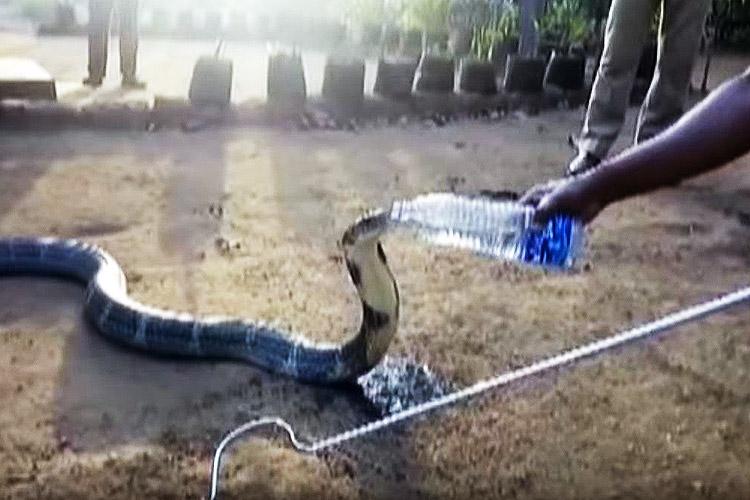
Real story behind a King Cobra from Karnataka drinking water from a water bottle…!!!

The media is fired up about a video showing a 12-foot-long, parched King Cobra drinking water from a water bottle. The video first uploaded by a YouTube channel called ‘Uttara Kannada News’  shows a man in khaki giving water to the snake.

Mashable India, was one of the first to put the video out and said that severe drought prevailing across Karnataka had resulted in the cobra straying into a village and desperately looking for water.

Huffington Post, in its article, Thirsty King Cobra sips water from a bottle amid debilitating drought, draws much sympathy for the poor lost snake, being offered drinking water by a sympathetic man.

One of the men seen in the video giving water to the snake is CN Naykka, the Deputy Range Forest Officer of Karwar forest range. He had rescued the cobra along with snake expert Raghavendra

Though Naykka is surprised that the video has gone viral, he refuted claims of drought in the region and also said that such instances were common during summer months.

“The Kaiga Power Plant is located near the forest range. The snake had wandered into the Kaiga Township, located near the plant sometime in the morning. We spotted the King Cobra at around 12.30 pm and it was dehydrated due to the extreme heat. Hence, I offered it some water and took it to a rescue centre,” Naykka said.

The forest officer also said that this is the mating season and cobras wandering around the area was a common occurrence, which happens almost every year.

“Whenever a snake wanders into civilian-populated areas, we first offer it water. There is nothing sensational about it. The Kali River, which runs through the Karwar Forest Range is flush with water and so are the backwaters located near the Kaiga Power Plant. During summer, many different birds and animals come for water including cobras,” Naykka added.

Source…..http://www.thenewsminute.com/

Natarajan