Pictures of the Day…

Bill Clinton Young Kennedy

Bill Clinton (left) shakes hands with President John F. Kennedy at the White House in 1963. Image Source: www.vintag.es

Camel Yawn Pyramids Egypt

A camel yawns near the Great Pyramids of Giza, Egypt. Photo by Claire Thomas. Image Source: National Geographic

Colorado River Delta Aerial

The Colorado River delta in Mexico as viewed from above. Photo by Edward Burtynsky. Image Source: National Geographic

The Haunting Chinese Village Reclaimed By Nature

Houses Covered In Growth

Image Source: All That Is Interesting

Of the 400 islands that make up the Shengsi archipelago in the mouth of China’s Yangtze River, only 18 are inhabitable. And of those 18, one has recently slipped back into the control of Mother Nature in the most hauntingly beautiful way you could imagine. The houses that dot the hillsides of Goqui Island, once home to fishermen and their families, are now covered in lush, green growth that is truly stunning. See the houses become one with the hills in this photo set.

Goqui China Reclaimed By Nature

Image Source: All That Is Interesting

China House Reclaimed By Nature

Image Source: All That Is Interesting

By on October 2, 2015 in

John Kuroski

In addition to serving as the Assistant Editor of All That Is Interesting, John Kuroski is the Managing Editor of Elmore Magazine, a New York-based music publication.
Source….www.all-that-is-interesting.com
Natarajan

In Nepal, Every Dog Has Its “Day”. Literally……!!!

Dog Festival Nepal Sprinkled

Most dog owners would do just about anything for their canine companions. In Nepal, Hindu populations take that affection to another level.

Coinciding with the traditional Hindu festival of Diwali, the people of Nepal reserve the second day of the annual five-day Tihar Festival to honor man’s best friend. On this day — called Kukur Tihar, or “worship of the dogs” — participants pay tribute to the divine attachment between humans and their faithful, four-legged companions.

Dogs play a significant role in Hindu mythology. Sarama — the mother of dogs — assists the ruler of Heaven, with dogs guarding the gates to the afterlife. Thus during the festival, all dogs – even strays – enjoy special treats, are decorated with malla (garlands of marigold), and colorful head markings to denote their sacredness. The markings, called tika, also serve to bless all who encounter the dog.

Dogs aren’t the only animals honored during the festival, though. Worshipers also pay tribute to cows (which signify wealth and prosperity) and crows, to which people make food offerings in order to deter sadness, grief and to banish death from their homes.

The festivals of Tihar are meant to commemorate not just the sacred bond humans hold with their creator, but also the divine in our relationships with living beings on Earth — something of which we should all take note from time to time.

This year, the Tihar Festival begins on November 9th. In the meantime, enjoy these photos of Kukur Tihars past:

Dog Festival Nepal Garland On

A patient pup receives a garland of bright orange marigolds. Source: Connect Citizen


Dog Festival Nepal Sitting Up

This jaunty little guy joins the police dogs in putting on a show. Source: Imgur

Dog Festival Nepal Paint

The vermilion-colored dye nearly covers almost the whole face of this adored dog. Source: Imgur

Dog Festival Nepal Tongue

Perhaps this sweet guy’s mouth is watering at the anticipation of his treats. Source: Reuters

Dog Festival Nepal Kid

It must be uplifting to see so many appreciated dogs around the city; both strays and those with homes. Source:ofenmacher

Dog festival Nepal welcome

Man’s best friend deserves all the love and respect in the world, every day. Source: AP Photo/Binod Joshi

By By on October 5, 2015 in

Source….www.all-that-is-interesting.com

Natarajan

Finding Indian food in ‘alien’ land….

Finding Indian food in 'alien' land

Long vacations in the UK, US and south-east Asia no longer involve the culinary nightmares of 20 years ago for Indian tourists. When they tire of bland local fare, there’s no dearth of Indian restaurants, run by the vast Indian diaspora and reasonably authentic, to get a taste of home.

The news, though, is that these destinations are becoming passé. Increasingly, it’s to countries in Indo-China, the Balkans, West Asia (the parts that are still peaceful, that is) and South America to which rich and upper middle-class Indians are heading to spend the generous forex allowance the Indian government now permits.

But as a Vietnamese restaurateur once told me, “Indians no eat all foods; velly big ploblem”. True enough, Indians with their many particularities of diet can find mealtimes a chore in many countries off the regular tourist beat. Yet where many Indians go boldly, can be far behind?
As the listing here shows, there are Indian options available in cities from Dubrovnik to Peru for tourists who are so inclined. The names can be misleading, however: Oh Calcutta in Auckland, an award-winning restaurant, bears no resemblance to the well-known Bengali restaurant chain in India.

The restaurant, run by a chef called Meena Anand, has the standard north Indian/Mughlai fare. This, sadly, is true of almost all the menus on offer — the infinite varieties of the Indian sub-continent are largely absent. In Luang Prabang, the stunning UN heritage town in Laos, Nisha restaurant will give you an authentic dhaba experience: it offers, among other things, aloo ghobi, aloo mutter, “Dhal Fry” and rotis. It could be a comforting break from a bewildering local menu that may contain: dog, frog and, yes, even beef!

A gourmet itinerary


Vietnam
Mumtaz Restaurant
Ho Chi Minh City


Foodshop 45
Hanoi


Laos
Nisha Restaurant
Luang Prabang


Taj Mahal Restaurant
Vientiane


Cambodia
Dosa Corner
Phnom Penh


Taste Budz
Phnom Penh
Samsara
Siem Reap
Croatia
Royal Indian Restaurant
Zagreb
Incredible India Cuisine
Dubrovnik
Iran
Taj Mahal
Tehran
Jordan
Tandoori Oven
Amman
Peru
Guru Kebab & Curry
Lima
Brazil
Taj Bar
Iguasu
Gopala Hari
Sao Paulo
Veggie Govinda
Rio
Mexico
El Tandoor
Mexico City
New Zealand
Oh Calcutta
Auckland
Chilis Bistro and Tandoor
Wellington
Maharaja Indian Restaurant
Christchurch
The Spice Room
Christchurch
China
Masala Art
Shanghai
Punjabi Indian Restaurant
Beijing
South Africa
Royal Punjab
Johannesburg
Bukhara
Cape Town
Portugal
Passage to India
Lisbon
Data courtesy: Ashish Chadha, group managing partner, Leisure Ways, New Delhi
 Source…www.business-standard.com
Natarajan

Message for the Day….” What is the True Divine Offering …’ ?

How amazing is this! You can get sacrifices of the highest order performed by yourself or through scholars versed in Vedic ritual. You can visit and praise the holiness of diverse shrines and inspire others to journey thereto. Similarly you can master the highest scriptures and teach them to many and make them experts. But how many of you have succeeded in mastering your own bodies, senses and wayward minds, and turned them inward to gain perpetual and unchanging equanimity? You embark upon an undertaking with a purpose, goal, or an end in view. But the endeavour is sublimated into a yajna (sacrificial rite) only if the purpose, goal or end is the glorification of God. God is the yajna,for He is the Goal. His grace is the reward. His creation is used to propitiate Him; He is the performer as well as the receiver. Every act, where the ego of the doer does not surface, becomes a Divine offering.

Sathya Sai Baba

Meet This Man who had an opportunity to own Rs 10 Million …Yet He Denied it …


Read why Sudhakaran, who barely earns Rs.10,000 every month working hard in his small shop, once gave away the opportunity to pocket Rs. 1 crore. Not only this, he also once found a gold chain in a train which he returned to the police. Know more about the amazing man who has restored our faith in humanity.

Today was a specially blessed day for me—I met a truly blessed man this morning. I first heard about him some months ago, and when I recently discovered that he worked in the town where I’ve been staying for the last month or so, I decided I just had to meet him.

45 year-old K. Sudhakaran runs a little shop, selling sweets, juice, cold-drinks and lottery tickets, in a market in Kanhangad, a town in northern Kerala. This soft-spoken, unassuming man shot into the news last year when he did something truly remarkable. One morning, P. Ashokan, a regular customer of his, called him up and asked him to set aside ten lottery tickets for him. Later that day, Sudharakan learned that one of those tickets had won the first prize—a whopping ten million rupees!

Sudhakaran outside his shop.

Sudhakaran rang up his father at once. “Call up Ashokan right away and give him the news!” his father told him. Sudhakaran did as his father instructed. Ashokan could hardly believe his ears when he learnt what had happened!

Ashokan had not paid for the tickets. Nor had Sudhakaran told him the ticket numbers. And so, Sudhakaran didn’t have to tell him that one of the tickets that he had set aside for him had won the bumper prize. He could easily have pocketed the money had he wanted to—that wouldn’t have been considered illegal. Had he wished, he could have bagged the ten million rupee prize for himself.

What was it, I asked Sudhakaran, that had led him to choose the course that he did.

Lottery tickets for sale.

Lottery tickets for sale.

My father always told me that if you need to, you can even beg, but you must never snatch other people’s rights,” he replied.

Did he at all hesitate to call Ashokan? Did he think twice about what his father had told him to do? Was he, at least for a moment, tempted to claim the money for himself?

No, not at all! I knew that what my father had said was perfectly right,” Sudhakaran said as he drew out a passport-size picture of his father from a note-book and handed it to me to see. “My parents taught me to be honest, to do what is right, to consider everyone, rich and poor, as equal,” he continued. “My mother and all my other relatives were all very happy with what I had done. They all said that I had done the right thing.”

A couple of months ago, Sudhakaran was back in the news—and for a similar reason. He had found a gold chain while travelling in a train and handed it to the police, who managed to trace its owner!

Sudhakaran’s little shop—which he’s taken on rent—is the sole means of livelihood for his family of six, including a daughter who is physically-challenged. Sudhakaran manages to earn around Rs. 10,000 a month from it, and it’s demanding work. He is up every morning, at around 4:30, and takes the train from his village to Kanhangad—a journey of more than two hours each way. He works seven days a week, taking a day off only once in a while.

This man could have been a millionaire had he not listened to his heart and his father and kept the prize-winning lottery ticket for himself instead. But he has no regrets at all about his decision.I know what I did was just what I should have,” he says unhesitatingly.

Try to do as much good as possible and to refrain from doing bad—that way, you can lead a happy, meaningful life, Sudhakaran tells me as he hands me a lemonade and gets back to work.

I slowly sip the lemonade as I watch this amazing man dealing with his customers. I’ve never seen anyone like him before. I know I am truly blessed to have met him—and I’m sure you agree!

– Roshan Shah

Source….www.the betterindia.com

Natarajan

மனிதனை உயர்த்தும் கொலுப் படிகள்….

நவராத்திரிப் பண்டிகை என்று ஒன்பது நாட்களைக் குறிக்கும் இப்பண்டிகையைக் கொலுப் பண்டிகை என்ற பெயரிலும் பொருத்தமாக அழைப்பது இப்பண்டிகைக்கே உள்ள தனிச்சிறப்பு.

நவராத்திரி பண்டிகையின் நோக்கமே இக, பர வாழ்வின் உயர்வுதான். அந்த உயர்வினைப் படிகள் மூலம் விளக்குவதே கொலுவின் முக்கிய அம்சம். இந்தப் படிகள் ஒன்று, மூன்று, ஐந்து, ஏழு, ஒன்பது என ஒன்றைப்படையில் அமைந்திருக்க வேண்டும். அவரவர் இடம், பொருள் ஆகியவற்றின் வசதியைப் பொறுத்து இந்த எண்ணிக்கைகளில் படிகளைத் தேர்ந்தெடுத்துக்கொள்ளலாம். ஆனால் பொம்மைகளின் வைப்பு முறையில் இயன்றவரை ஒன்பது படிக்கான முறையைப் பின்பற்ற வேண்டும்.

உயிரினங்கள் ஓருயிரி முதல் ஆறறிவு மனிதன்வரை வளர்ச்சி அடைவதையே இவை நினைவுபடுத்துகின்றன. பின்னர் மனிதன் தன் எண்ணம், செயல்களால் மேலும் உயர்ந்து இறை நிலையை அடைய வேண்டும் என்பதையும் நினைவுறுத்துகின்றன. இதற்காக சக்தியின் அம்சங்களை எண்ணிப் பூஜித்தால் வாழ்வின் அனைத்து வளங்களையும் பெறலாம் என்பது ஐதிகம்.

நவராத்திரி கொலுவின் கதை

மகாராஜா சுரதா, எதிரிகளை வெல்வதற்குத் தனது குருவான சுமதாவிடம் ஆலோசனை கேட்டார். அதன்படி சுத்தமான ஆற்று மணலைக் கொண்டு காளிரூபத்தைச் சிலையாக வடிக்கிறான். அதை அலங்காரம் செய்து உண்ணா நோன்பிருந்து மனமுருக வேண்டுகிறான். காளி அவனது பூஜையால் மகிழ்வுற்று அம்மன்னனின் பகைவர்களை அழித்து ஒரு புது யுகத்தினை உருவாக்கி அளிக்கிறாள். தன் ரூபத்தை மண்ணால் செய்து பூஜித்தால் சகல சுகங்களும், செளபாக்கியங்களும் பெறலாம் என்று அம்பிகையான தேவி அருளுகிறாள்.

தேவி மகாத்மியம்

ஆதிபராசக்தியான தேவி அசுரர்களை அழித்து தேவர்களையும், பாபங்களை அழித்து மனிதர்களையும் காப்பவள். இவள் கொண்டிருக்கும் ரூபங்கள் மூன்று: தடைகளை நீக்கும் துர்க்கை, ஐஸ்வர்யங்களை அருளும் லஷ்மி, கல்வியையும், ஞானத்தையும் அருளும் சரஸ்வதி.

அசுரர்கள் தேவர்களுக்குத் துன்பம் இழைக்கும் வழக்கத்தைக் கொண்டவர்கள். அவர்கள் வரம் கேட்கும்பொழுதே, பெண்கள் வலிமையற்றவர்கள் என்று நினைத்து, தாங்கள் எந்த ஆணாலும் கொல்லப்படக் கூடாது என்றே வரம் கேட்பார்கள். அதுபோன்ற வரங்களைக் கேட்ட அசுரர்கள் சண்டமுண்டன், ரக்த பீஜன், சும்ப நிசும்பன், மகிஷாசுரன். இவர்களை தேவி அழித்த நிகழ்வுகளே தேவி பாகவதம்.

முப்பத்து முக்கோடி தேவர்களும் தங்கள் சக்தியினைத் திரட்டி அம்பாள் போர் புரியச் செல்லும்பொழுது உதவுகிறார்கள். சக்தி அனைத்தையும் கொடுத்துவிட்டதால், பொம்மை போல் ஆகிவிடுகிறார்கள். அதுவே கொலு என்ற ஐதீகமும் உண்டு.

ஓரறிவு உயிர்களான புல், செடி, கொடி போன்ற தாவரங்களின் பொம்மைகளைப் படி ஒன்றில் வைக்க வேண்டும். இது தவிரப் பொதுவாகக் கொலு வைக்கும் இல்லங்களில் பூங்கா அமைப்பது உண்டு.

ஈரறிவு கொண்ட நத்தை, சங்கு போன்ற பொம்மைகள். அந்தக் காலத்தில் திண்ணைகளில் அமர்ந்து சோழி உருட்டி விளையாடுவது வழக்கம். இந்தச் சோழிகளையும், சோழிகளால் செய்யப்பட்ட பொம்மைகளையும் இந்தப் படியில் வைக்கலாம்.

மூன்றறிவு உயிர்களான கரையான், எறும்பு, சிறு பூச்சிகள், மண் புழு ஆகியவற்றின் பொம்மைகள்.

நான்கறிவு உயிர்களை விளக்கும் நண்டு, வண்டு, பட்டாம்பூச்சி ஆகியவற்றின் பொம்மைகள்.

ஐந்தறிவு உள்ள மிருகங்கள், பறவைகள் ஆகியவற்றின் பொம்மைகளை அழகுற வைக்கலாம்.

ஆறறிவு மனிதர்களின் பொம்மைகளை வைக்க வேண்டும். சாதனையாளர்கள், உலகத் தலைவர்கள் ஆகியவற்றை வைத்தால், இல்லத்திற்கு வரும் விருந்தாளிகள் அச்சிலையில் உள்ளவர்களின் சாதனைகளை நினைவுகூர முடியும்.

மனித நிலையிலிருந்து உயர்நிலையை அடைந்த சித்தர்கள், ரிஷிகள், மகரிஷிகள் ராமகிருஷ்ண பரமஹம்சர், விவேகானந்தர், ரமணர், வள்ளலார் முதலானோரின் பொம்மைகளை வைக்க வேண்டும்.

தேவர்கள், அஷ்டதிக் பாலர்கள், நவக்கிரக அதிபதிகள், இந்திரன், சந்திரன் ஆகிய தெய்வ உருவங்களை மண் பொம்மைகளாக வைக்கலாம்.

பிரம்மா, விஷ்ணு, சிவன் ஆகியோரின் சிலையுடன் அவ்வவர்களின் தேவியருடன் அமைந்திருக்குமாறு இந்த மேல் உச்சிப்படியில் வைக்க வேண்டும். இவற்றின் நடுவில் ஆதி பராசக்தி இருக்குமாறு அமைக்க வேண்டும்.

Source….விக்னேஷ் ஜி….www.tamil.thehindu.com

natarajan

” “சரவணப் பொய்கை-சாக்ஷாத் பராசக்தியின் சரீரம்.”…..

“சரவணப் பொய்கை-சாக்ஷாத் பராசக்தியின் சரீரம்.”

முருகனின் பூர்வ அவதாரம்-பெரியவா சொன்னது

10644833_1507509169535627_450003012155475782_n.jpg

யதா ஸந்திதாநம் கதா மாநவா மே

பவாம் போதி பாரம் கதாஸ் தே ததைவ

இதி வ்யஞ்ஜயந் ஸிந்துதீரே ய ஆஸ்தே

தமீடே பவித்ரம் பராஸக்தி புத்ரம்

(கிழக்கு தாம்பரத்தில் 30-09-2015 அன்று திரு சுந்தர் குமார் தன் உபன்யாஸத்தில் (சுப்ரமண்ய புஜங்கம்) அற்புதமாக விளக்கிக் கூறினார்-மேற்படி ஸ்லோகத்தின் நாலாவது வரியில் உள்ள

பராஸக்தி புத்ரம் என்பற்கான விளக்கம்)

பிரம்மாவின் மனஸிலிருந்து உதித்தவர் ஸனத்குமாரர். அவர் பிரம்ம ஞானி. சுகாசாரியார் மாதிரி, உள்ளும் புறமும் எல்லாம் ஒன்று என்று ஸதாகாலமும் உணர்ந்திருந்தவர். இப்படிப்பட்டவருக்கு விசித்திரமாக ஒரு நாள் ஸ்வப்னம் வந்தது. ஸ்வப்பனத்தில் தேவர்களும் அசுரர்களுக்கும் சண்டை நடந்தது. அதில் ஸனத்குமாரர் தேவ சேனாபதியாக யுத்தம் செய்து, அசுரர்களை எல்லாம் சம்ஹரிக்கிறார்.

விழித்தெழுந்ததும் அவருக்கே ஆச்சரியமாக இருந்தது. தகப்பனாரான பிரம்மாவிடம் போய் ஸ்வப்பனத்தைச் சொல்லி, அதற்கென்ன அர்த்தம் என்று கேட்டார்.

“குழந்தை! நீ பூர்வ ஜன்மத்தில் வேத அத்யயனம் செய்தாய். அதில் தேவாசுர யுத்தம் என்று வருவது உன் மனஸில் ஆழப் பதிந்துவிட்டது. வேத யக்ஞங்களால் ஆராதிக்கப்பட்டு அநுக்கிரகம் செய்கிறவர்கள் தேவர்கள். இவற்றை அழிக்க நினைக்கிறவர்கள் அசுரர்கள். உனக்கு வேதத்தில் இருந்து ஆழ்ந்த பிடிமானத்தால், “அசுரர்களையெல்லாம் நாமே சம்ஹாரம் செய்துவிட மாட்டோமா?’ என்று பூர்வஜன்மத்தில் ஆத்திரப்பட்டாய். அந்த நினைப்புத்தான் இந்த ஜன்மாவிலும் தொடர்ந்து வந்து ஸ்வப்னமாக வெளியாகி இருக்கிறது” என்றார் பிரம்மா.

ஸனத்குமாரரிடம் பிரம்மா, “உனக்கு எந்த எண்ணம் உண்டானாலும் அது வாஸ்தவத்திலேயே நடந்துவிடும். அதனால் நீ யதார்த்தமாகவே ஒருநாள் தேவ சேனாதிபதியாக அசுர சம்ஹாரம் செய்யத்தான் போகிறாய்

.

இந்த ஜன்மாவில் நீ, ‘தேவராவது, அசுரராவது, எல்லாம்

ஒரே பிரம்மம்’ என்று இருப்பதால், இன்னொரு ஜன்மா எடுத்து இதைச் செய்யப் போகிறாய்” என்றார்.

வாக்கு, மனம், சரீரம் மூன்றும் ஒருத்தருக்கு சத்தியத்திலேயே பிரதிஷ்டையாகிவிட்டால், அப்படிப்பட்டவர் உத்தேசிக்காமலே அவருக்கு ஒரு பெரிய சக்தி வந்துவிடும். அதாவது, அவர் எது சொன்னாலும் அதுவே சத்தியத்தைத்தான் சொல்ல வேண்டும் என்றில்லாமல், அவர் எது சொன்னாலும் அதுவே சத்தியமாகிவிடும். தவறுதலாகவோ, தெரியாததாலோ அவர் உண்மைக்கு விரோதமாக ஒன்றைச் சொன்னால்கூடத் வாஸ்தவத்தில் அப்படியே நடந்துவிடும். பரம சத்தியத்திலேயே ஸ்திரமாக நின்ற ஸனத்குமாரர் எதை நினைத்தாலும் – ஸ்வப்னத்தில் நினைத்தால்கூட – அதுவே சத்தியமாகிவிடும்.

இந்த சமாசாரம் தெரிந்து கொண்ட பின் ஸனத்குமாரர் ஆத்மாராமராக, பரப்பிரம்மத்தைத் தன்னில் தானாக அநுபவித்துக்கொண்டு, பழையபடியே உட்கார்ந்து விட்டார். லோகமெல்லாமே அவருக்கு ஸ்வப்னமாகி விட்டதால் தம் ஸ்வப்பனத்தைப் பற்றி நினைக்கவேயில்லை.

ஆனால் இவர் ஸ்வப்பனத்தில் நினைத்த நினைப்பு அசத்தியமாக போய்விடக்கூடாதே என்று பரமேசுவரனுகக்கு விசாரம் வந்துவிட்டது. அதனால், இவர் தரிசனத்துக்காகத் தபஸ் பண்ணாதபோதே, அவராகப் பார்வதீ ஸமேதராக இவருடைய ஆசிரமத்துக்கு வந்து விட்டார்.

ஸனத்குமாரருக்கோ மரம், மட்டையிலிருந்து சகலமும் ஒரே பிரம்மமாகத்தான் தெரிந்தது. பிரம்மத்தில் உசந்த பிரம்மம் தாழ்ந்த பிரம்மம் என்று உண்டா என்ன? எல்லாம் பிரம்மம் என்ற மாதிரியே பரமேசுவரனும் பிரம்மமாகத் தெரிந்தார். அவரை உபசரிக்க வேண்டும், பூஜை பண்ண வேண்டும் என்ற எண்ணமே ஸனத்குமாரருக்குக் கொஞ்சம் கூட உண்டாகவில்லை. அவர் தம்பாட்டுக்கு உட்கார்ந்தது உட்கார்ந்தபடி இருந்தார்.

பார்வதீ – பரமேசுவராள் ரொம் நேரம் நின்று பார்த்தார்கள். ஒரு பலனும் இல்லை. இப்படி மகா ஞானியாக ஒரு பிள்ளை இருப்பதைப் பார்த்து அவர்களுக்குப் பரமப் பிரீதிதான். இருந்தாலும் ஈசுவரன் பொய்க் கோபத்துடன் ‘ஞானி என்ற அகங்காரம்தானே உனக்கு? நாங்கள் லோகத்தின் மாதா பிதாக்கள் வந்திருக்கும்போது அவமதித்துவிட்டாயே. நான் சாபம் கொடுத்தால் என்ன செய்வாய்?’ என்று கேட்டார்

ஸனத்குமாரர் பயந்துவிடவில்லை. அலட்சியமாக, “நீர் சாக்ஷாத் மகா கோபிஷ்டரான ருத்திரராக இருந்து சாபம்தான் கொடும். அது ஆத்மாவைப் பாதிக்காது” என்று சொல்லிவிட்டு நிச்சிந்தையாக இருந்தார்.

‘அடடா, எப்பேர்ப்பட்ட உண்மையான ஆத்ம ஞானி!’ என்று ஈசுவரனுக்கு ரொம்ப சந்தோஷமாகிவிட்டது.

இன்னும் கொஞ்சம் பரீட்சை பார்த்து, பூராவும் ஞானி தானா என்று தெரிந்துகொள்வோம் என்று நினைத்து, “அப்பா; உன்னுடைய ஞானத்தை நான் ரொம்பவும் மெச்சுகிறேன். என்ன வேண்டுமானாலும் வரம் கேள். தருகிறேன்” என்றார்.

ஸனத்குமாரர் சிரித்தார். ‘உம் வரத்தை நீரே வைத்துக் கொள்ளும். எதை அடைந்தபின் இன்னொன்று வேண்டும் என்ற ஆசை லவலேசமும் இருப்பதில்லையோ, அப்படிப்பட்ட நிறைந்த நிறைவாக இருக்கிற எனக்கு வரத்தினால் ஆக வேண்டியது கடுகத்தனைக்கூட இல்லை’ என்று தீர்மானமாகச் சொல்லி விட்டார்.

அதற்கும் ஒரு படி மேலே போனார். “பரமேசுவரா! நீ பேசுவதிலிருந்து பார்த்தால் நீதான் வரம், சாபம் இதுகளிலெல்லாம் ஏதோ அர்த்தம் இருக்கிறதென்று நினைப்பதாகத் தெரிகிறது. அப்படியானால் சரி, உனக்கு ஏதாவது வரம் வேண்டுமானால் கேள். தருகிறேன்” என்றார்.

ஸனத்குமாரர் சொன்னதைக் கேட்டு ஈசுவரனுக்குப் பெருமையாக இருந்தது. நம் குழந்தை நம்மிடம் ‘தாட்பூட்’ செய்தால், நமக்கு சந்தோஷமாகத்தானே இருக்கும்? சர்வ லோக மகேசுவரனான அவர் ரொம்பவும் தழைத்து தம்மைச் சிறியவராக்கிக் கொண்டு ஸனத்குமாரரிடம் வரம் கேட்டார். இவருடைய ஸ்வப்பனத்தை நிஜமாக்க இதுவே வழி என்று நினைத்துக் கேட்டார்.

“அப்பா! இப்பேர்ப்பட்ட மகா ஞானியான நீ பிரம்மாவுக்குப் பிள்ளையாகப் பிறந்திருக்கிறாய். பிரம்மா செய்த பாக்கியம் எனக்கும் கிடைக்கும்படியாக வரம் கொடுப்பாய்! இன்னொரு ஜன்மாவில் நீ எனக்குப் புத்திரனாகப் பிறக்கும் படி கேட்டுக் கொள்கிறேன்” என்றார்.

“ஆஹா, உனக்குப் பிள்ளையாகப் பிறக்கிறேன்” என்று ஒப்புக் கொண்டார் ஸனத்குமாரர். ஞானம் வருகிறவரையில்தான் இனிப் பிறவி வேண்டாம் என்று அழுவோம்.

ஞானம் வந்துவிட்டால் எப்போதும் ஆனந்த ஸாகரம்தான். ஜன்மா கின்மா எல்லாம் அதில் ஒரு சின்னக் குமிழி மாதிரிதான். அது வேண்டும் வேண்டாம் என்பதெல்லாம் ஒரு பொருட்டாகவே தெரியாது.

ஸனத்ககுமாரர் சொல்வதெல்லாம் சத்தியமாகிவிடும் அல்லவா? இப்போது ஈசுவரனை மட்டும் பார்த்ததுதான் ‘உனக்குப் பிள்ளையாகப் பிறப்பேன்’ என்றார். அம்பாளையும் சேர்த்து, ‘உங்களுக்குப் பிள்ளையாகப் பிறப்பேன்’ என்று சொல்லவில்லை.

இதையும் ஸனத்குமாரர் யோசித்துப் பார்த்தார். ஸனத்குமாரருக்கும் தாம் பார்வதியை நீக்கி பரமேசுவரனுக்கு மட்டும் பிள்ளையாகப் பிறப்பதாகச் சொன்னதிலும் ஒரு நியாயம் தெரிந்தது. அவருக்கு எவரிடமும் நிர்ப்பயம் தான். அதனால் அந்த நியாயத்தை வெளிப்படையாகவே சொன்னார்.

‘கேட்காதவருக்கு ஒன்றைத் தரக்கூடாது என்று சாஸ்திரம். அந்த நியாயப்படி நீதான் என்னிடம் வரம் கேட்டாயே தவிர, பார்வதி கேட்கவில்லை. ஆகவே, உனக்கு மட்டுமே பிள்ளையாகப் பிறப்பேன். நீ மட்டுமாக என்னை எப்படி உற்பவிக்கச் செய்வாயோ, அப்படிச் செய்துகொள்” என்று ஸ்வாமியிடம் சொன்னார்.

இதைக் கேட்டதும் அம்பாளுக்கு ரொம்ப ஏமாற்றமாக, பரம துக்கமாக ஆகிவிட்டது. லோகத்திலுள்ள சமஸ்த ஜீவராசிகளும் அவள் குழந்தைகள்தாம் என்றாலும், இது அந்த ஞானாம்பாளுக்கே தெரியும் என்றாலும், இப்படிப்பட்ட ஒரு பிரம்மஞானி மறுபடியும் பிறக்கிறபோது, அவன் நேராகத் தனக்குப் பிள்ளையாகப் பிறக்கவேண்டும் என்று அவளுக்கும் ஆசையிருந்தது.

இவர் சாஸ்திரத்திலிருந்து நியாயம் காட்டினமாதிரி, அவளும் காட்டித் தர்க்கம் பண்ணினாள். “சாஸ்திரங்களில் பதியையும் பத்தினியையும் ஒன்றாகத்தான் சொல்லியிருக்கிறது. பதி பிரார்த்திப்பதெல்லாம் பத்தினியையும் உத்தேசித்துத்தான். ஆனதால் நான் தனியாக வரம் கேட்க வேண்டும் என்றில்லை. அவர் கேட்டதாலேயே நீ எனக்கும் புத்திரனாக வரத்தான் வேண்டும்” என்று ரைட் கேட்டாள்.

ஸனத்குமாரர் யோசித்தார். “அம்மா, நீ சொல்வது நியாயம்தான். இருந்தாலும் நான் ஈசுவரனிடமிருந்து மட்டும் உற்பவிப்பது இன்னொரு தினுசில் எனக்குத் திருப்தி தருவதாகத் இருக்கிறது. எல்லாம் பிரம்மம் என்று எனக்குத் தெரிந்தாலும், அதற்கே நீங்கள் இரண்டு பேரும் எனக்கு இத்தனை ‘டைட்டில்’ கொடுத்தாலும், ஒரு விஷயத்தில் எனக்குப் பக்குவம் வரவில்லை. அதாவது, ஸ்திரீ புருஷ சம்பந்தத்தில் நாம் பிறப்பதாவது, கர்ப்பவாசம் செய்து கீழ்முகமாக ஜனிப்பதாவது என்று இன்னமும் எனக்கு அருவருப்பாகத்தான் இருக்கிறது. பிரம்ம ஞானிக்கு இப்படி இருக்கக் கூடாததுதான். ஆனால் ஏனோ இருக்கிறதே. அதனால் இதைச் சொல்கிறேன். ஆகையால் நீ பெரிய மனசு பண்ணி, உன் பதி மட்டுமே என்னைச் ஜனிக்கச் செய்வதற்கு அநுமதி தர வேண்டும்” என்றார்.

ஆனால் அம்பாளுக்கு மனசு வரவில்லை.

யோசித்துப் பார்த்துக் கடைசியில் ஒரு ‘ராஜி’ க்கு – ‘காம்ப்ரமைஸு’க்கு – வந்தார்கள்.

ஆதியில் பரமேசுவரன் பஸ்மாசுரனுக்கு வரம் தந்திருந்தார். இந்த வர பலத்தால், அவன் யார் தலையில் கைவைத்தாலும் அவர் பஸ்பமாகிவிடுவார்.

வரம் பலிக்கிறதா என்று பரமேசுவரனிடமே பரீட்சை பார்க்க வந்தான் அசுரன். உடனே அவர் அந்தர்த்தானமாகி விட்டார்.

அந்தச் சமயத்தில் அம்பாள் ஏதோ லீலா நிமித்தம் தன்னுடைய ஸர்வக்ஞத்வத்தை மறைத்துக்கொண்டு சாதாரண ஸ்திரீ மாதிரி இருந்தாள். எனவே, திடீரென்று பரமேசுவரனின் சரீரம் மறைந்ததைப் பார்த்ததும் அவளுக்குப் ‘பகீர்’ என்றது. பதிவிரதா ரத்தினமான அவளால் ஈசுவரனின் பிரிவைத் தாங்க முடியவில்லை. அப்போதே அப்படியே உருகிவிட்டாள்.

யதார்த்தத்திலேயே அவளுடைய சரீரம் உருகி ஒரு ஜலாசயமாக (நீர் நிலையாக) ஆகி விட்டது. அதுதான் சரவணப் பொய்கை.

பிறகு பஸ்மாசுரன் மறைந்து ஸ்வாமி சரீரத்துடன் வந்ததும், அம்பாளும் தன் திவ்விய தேகத்தை எடுத்துக் கொண்டாள். இருந்தாலும் அவளுடைய பதிவிரதா தர்மத்துக்கும் பிரேமைக்கும் அடையாளமாக சரவணப் பொய்கையையும் அழியாமலிருக்கும்படியாக அநுக்கிரகத்தாள். சரவணம் சாட்க்ஷாத் இவள் சரீரம்தான். அது இப்போது நினைவுக்கு வந்தது.

அதனால், ஸனத்குமாரர் அடுத்த ஜெனமாவில் பரமேசுவர தேஜஸாக ஜனித்து விடுவதென்றும், பிறகு அதை அம்பாள் சரவணம் என்ற தன் சரீரத்தில் தாங்கி ஸுப்ரம்மண்ய ஸ்வரூபமாக்கித் தருவதென்றும் முடிவு செய்து கொண்டார்கள்.

இதன்படியே பிற்பாடு ஈசுவரன் தன் நெற்றிக் கண்களிலிருந்து பொறிகளை வெளியிட்டார். ஸனத்குமாரர்தான் இப்படி ஆவிர்பவித்தவர். அந்தத் தேஜசின் உக்கிரத்தை எவராலும் தாங்க முடியவில்லை. முதலில் கங்கை தாங்கப் பார்த்தாள். முடியவில்லை.

அப்போது பிரம்மா அவளிடம், “இதைக் கொண்டுபோய் சரவணத்தில் சேர்த்துவிடு” என்றார்.

ஆனானப்பட்ட என்னாலேயே தாங்க முடியாத உக்ர ஜ்வாலையை அந்தச் சின்னப் பொய்கை எப்படித் தாங்கும்?” என்று கங்கை அவரைக் கேட்டாள்.

அவர், “சரவணம் என்பது சாக்ஷாத் பராசக்தியின் சரீரமாகும். அது ஒன்றாலேயே ஈசுவர தேஜஸை தாங்க முடியும்” என்றார்.

இதன்படியே கங்கை செய்ய, சரவணபவனாக முருகன் அவதரித்தான். பிறகு ஸனத்குமாரர் கண்ட ஸ்வப்னப்படி தேவர்களுக்கெல்லாம் சேனாதிபதியாகி, அசுரர்களை ஸமூலம் இருந்த இடம் தெரியாமல் சம்ஹாரம் செய்து சர்வ லோகங்களையும் ரக்ஷித்தான் இந்த சரவணபவன். அவருக்கு எத்தனை பெயர்கள் இருந்தாலும் இதுவே ஷடக்ஷரி, ஆறெழுத்து என்று மகாமந்திரமாக இருக்கிறது. சரவணமாக இருக்கும் அம்பாளின் மகிமை!

ஸனத்குமாரர்தான் ஸ்கந்தர் என்று சந்தோக்ய உபநிஷத்திலும் ஸ்பஷ்டமாகச் சொல்லியிருக்கிறது. அதில் அவரே ஞான பண்டிதர் என்பதும் தெளிவாகத் தெரிகிறது. ஆனானப்பட்ட நாரத மகரிஷி ஸனத்குமாரரிடம்தான் ஞானோபதேசத்துக்காக வருகிறார். ‘சகல வேதங்களையும், இதிஹாச புராணங்கள், சகல சாஸ்திரங்கள், தேவ வித்யை, பிரம்மவித்யை, பூத வித்யை, நக்ஷத்திர வித்யை என்று ஒன்று பாக்கியில்லாமல் எல்லா விஷயங்களையும் கரைத்துக் குடித்து விட்டேன். ஆனால், இதனாலெல்லாம் வெளி சமாசாரங்கள், மந்திரங்களைத்தான் தெரிந்து கொண்டேனே யொழியத் தன்னைத்தெரிந்து கொள்ளவேயில்லை. ஆத்மாவை அறியாததால் துக்கத்தில்தான் இருக்கிறேன்.நீங்கள்தான் என்னைத் தூக்கி அக்கரை சேர்க்க வேண்டும்’ என்றார் நாரதர்.

ஸனத்குமாரர், “ஆத்மா எங்கேயோ இருக்கிறது என்று தேடிப்போக வேண்டியதில்லை. கீழும் மேலும், முன்னும் பின்னும், வலது பக்கமும் இடது பக்கமும் எல்லாம் ஒரே ஆத்மாதான். அதைப் பற்றியே ஒருத்தன் தியானித்து தியானித்து, அதுவாகவே ஆகிவிட்டால், அப்புறம் அதிலேயே அவன் எப்போதும் விளையாடிக் கொண்டிருக்கிறான். உண்மையான ஸ்வராஜ்யம் தன்னைத்தானே ஆண்டு கொள்கிற இந்த நிலைதான். இவன்தான் ‘ஸ்வராட்’ – உண்மையான சக்கரவர்த்தி. இந்த உத்தம நிலையை அடைய முதலில் ஆகார சுத்தியில் ஆரம்பிக்க வேண்டும். பிறகு படிப்படியாக சித்தசுத்தி உண்டாகி, மனசு நன்றாக தியானத்தில் நிலைத்து நின்று, எல்லாக் கட்டுக்குள் தெரித்து விழுந்து, ஆத்ம ஸ்வரூபமாகவே இருப்பான்” என்று வழிகாட்டினார்.

‘இப்படியாக பகவான் ஸனத்குமாரர், இருள் கடந்த நிலையைக் காட்டினார். ‘அவருக்குத்தான் ஸ்கந்தன் என்று பேர்;

அவருக்குத்தான் ஸ்கந்தன் என்ற பேர்’ என்று உபநிஷத்து இரண்டு தடவை முத்தாய்ப்பு வைக்கிறது.

இருள் கடந்த ஒளி, ஞானாக்னி முருகன்தான். அதைத்தான் சாந்தோக்யம் சொல்கிறது

Source…www.periva.proboards.com

Natarajan


” Childhood is Wonderful …No Matter Wherever You Go …” !!!

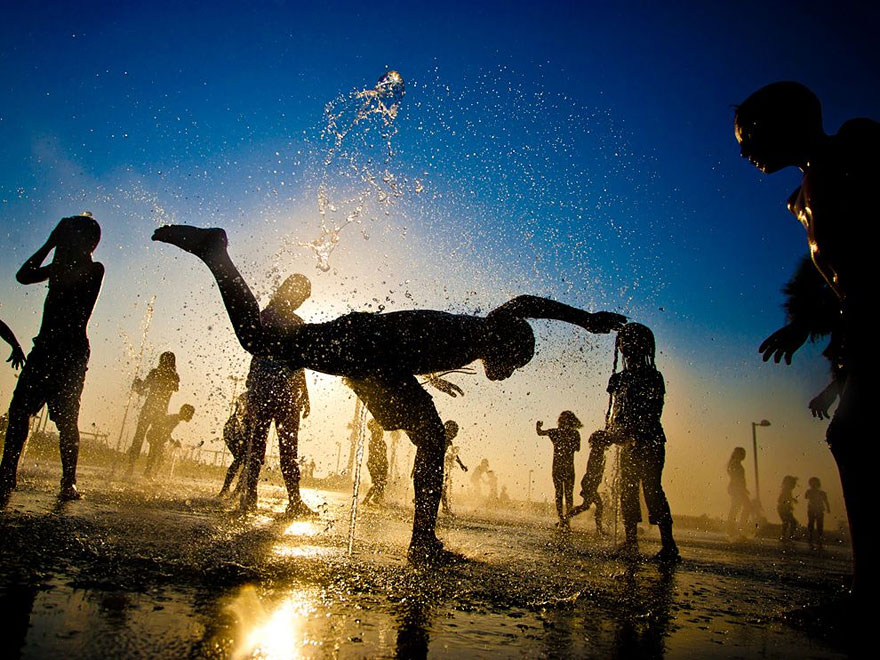
No matter their cultural background, no matter their economic situation, kids will always find imaginative ways to have fun. Their wild imaginations and magical childhood moments, when captured on camera by talented photographers, can make for truly wonderful photos. These 33 images we collected will prove that childhood can be wonderful no matter where you go.

Many in the Western world fear that technology is making today’s children lose touch with nature and with their own creativity, and while there are arguments to be made for the intellectual stimulation that apps and programs for children can bring, there’s also something to be said for simply playing with a stick in the mud or chasing dandelion seeds though an open meadow.

For better or worse, the children in these photos seem entirely content making their own fun. For us adults, it’s important not to let our world-weary and jaded experience stifle our childish hopefulness and imagination!

Indonesia

Image credits: Ipoenk Graphic

children-around-the-world-70

Image credits: Agoes Antara

Image credits: I Gede Lila Kantiana

Image credits: Gede Lila Kantiana

Russia

Image credits: Светлана Квашинa

Image credits: Elena Shumilova

Burkina Faso

Image credits: Òscar Tardío

Myanmar

children-around-the-world-65

Image credits: Chan Kwok Hung

Tajikistan

Image credits: Damon Lynch

India

children-around-the-world-60

Image credits: Sandee Pachetan

chidren-playing-around-the-world-55

Image Credits: Sudharsan Ravikumar

Image credits: Mukund Images

Vietnam

chidren-playing-around-the-world-51

Image Credits: HT KëñShi

Ghana

children-around-the-world-61

Image credits: Terry White

Estonia

children-around-the-world-54

mage credits: Elika Hunt

Thailand

Image credits: Sarawut Intarob

Image credits: Sarawut Intarob

Image credits: Sarawut Intarob

South Africa

children-around-the-world-55

Image credits: Muhammed Muheisen

children-around-the-world-60

Source: tinosoriano.com

Peru

children-around-the-world-52

Image credits: Enrique Castro-Mendivil

Ethiopia

children-around-the-world-50

Image credits: Csilla Zelko

Italy

children-around-the-world-61

Image credits: Michael Potyomin

Israel

children-around-the-world-64

Image credits: Dima Vazinovich

USA

Image credits: Jake Olson

Indonesia #2

Image credits: Rio Rinaldi Rachmatullah

Image credits: James Khoo

children-around-the-world-53

Image credits: Hendrik Priyanto

chidren-playing-around-the-world-50

Image Credits: Mio Cade

Uganda

Image credits: John Van Den Hende

Romania

Image credits: Elena Simona Craciun

Russia

Image credits: Elena Shumilova

Source…..www.boredpanda.com

natarajan


How a Mobile App Is Bringing Better Maternal Health Care to Rural Karnataka in India….

An Auxiliary Nurse Midwife (ANM) is often the first point of contact between a health centre and a mother or expectant mother in India. She takes care of activities as basic as registration of pregnant women to more advanced interventions like routine immunization, identifying medical complications and providing referrals. An ANM has a lot of responsibilities and this simple, mobile-based intervention, Suyojana, enables her to effectively carry out her duties.

Rohini, from Chamrajnagar, Karnataka, is an Auxiliary Nurse Midwife (ANM), working in rural areas of the state. Despite the fact that she is proactive and interested in her work, Rohini often finds herself struggling to remain on top of all the information required to serve her patients effectively. From tracking crucial health parameters to scheduling important visits for critical cases, Rohini finds herself swamped with details that she is unable to handle in an organized manner.

Recently, however, Rohini began using Suyojana, a mobile-based application that improves the decision-making processes in maternal and child care activities undertaken by ANMs.

“The Suyojana application guides me from one step to another, within examinations and investigations, and does not let me skip a single step. This has made my work way more organized and systematic. The application has also made it very easy to identify high-risk cases and refer the patients on time to better facilities. The tool helps me take the right decisions at the right time,” says Rohini.

ANMs can keep track of their patients in a better way and also take necessary actions on time.


ANMs can keep track of their patients in a better way and also take necessary actions on time. –

Rohini is just one among several ANMs who have benefitted from the simple technology, Suyojana, launched by Swasti, a health resource centre established to provide health services to socially backward communities, in collaboration with D-Tree International and Karuna Trust.

“Swasti has been working in this field for 11 years now and work on improving different aspects of public health. Since ANMs do such important work at the grassroots level, we thought it was necessary to make decision-making easier for them through this mobile intervention,” says Shama Karkal, Director, Swasti.

The issue

The app does not let an ANM update her patients' profile until all the fields in the app are filled.

The app does not let an ANM update her patients’ profile until all the fields in the app are filled. –

As par-medical professionals who are closest to the rural communities, ANMs play a crucial role. They are required to use their knowledge in order to take requisite actions on time.

Though ANMs undergo training, many times they are unaware of the basic practices they should follow. Shama recalls that ANMs met during the pilot did not carry blood pressure or weighing machines during home visits. “Everyone assumes that they know what they are doing. Even ANMs are not aware of what they could do better and there is no system to monitor the quality of the care they provide.

Without the application, ANMs can skip many of the examinations and other critical components of an ante-natal or post-natal visit.

This results in incomplete and in-accurate health monitoring of pregnant women and children.

The solution 

This is where Suyojana plays a crucial role. This mobile-based clinical-decision support system (DSS) provides ANMs with consistent guidance with antenatal care (ANC), postnatal care (PNC), and neonatal care.

The mobile app takes ANMs through all the procedures and guidelines to identify the person’s conditions and provides options for decision making. The app uses the national guidelines maternal and neonatal care to guide the ANM. The app also allowsANMs to track patients they have visited, their expected clinic visit dates, their medication, etc. This also helps ANMs to identify those women who are due for their next appointment, both in-clinic visits and home visits.

“The app has various forms which ANMs complete during different visits. The forms in the application include registration, antenatal history (for ANC clients), pregnancy outcome (for PNC clients), danger signs, physical examination, investigation tests, intervention, and counselling. Basic care and monitoring of the child is also included — from foetal heart rate to neonatal danger signs, pre-referral treatments and home-based new-born care counselling. Required fields in the app must be completed in order to complete the visit and record it. This way, every aspect of the care provided is tracked,” says Shama.

With the app the ANMs do not need to maintain multiple registers. The app generates the standard reports which can be further customized.

Another interesting aspect of the app is that it also runs offline and synchronizes with the server using general packet radio service (GPRS) for back up, reporting and analysis.

The impact

With the app the ANMs do not need to maintain multiple registers.

With the app the ANMs do not need to maintain multiple registers.

Thanks to the easily available data, a supervisor can track the details from the server and can identify maternal health trends in a particular area. This way ANMs can also take expert advice from remote locations and can decide the next step they need to take on time.

“This application will help us in quickly referring a complicated case to higher public health facilities and will replace the cumbersome procedure of checking registers and day books. All we would be required to do is click on the app to get all the details. This would be a great relief for us and reduce our workload,” says Saraswathi, yet another ANM from Karnataka.

The interesting initiative, which was launched as a pilot project in March 2014 in Chamarajanagar district, involved 31 ANMs in four districts of Karnataka, including Chamarajanagar, Ramanagara, Bijapur, and Chikkaballapur.

To make the app more user-friendly, all the information is available in Kannada. The ANMs are first given formal training before they actually start using this app. Once the training is complete, ANMs using this app and sync the data collected by them on a regular basis. There is also a full-time supervisor who assists the ANMs in case of difficulties.

“We launched it on mobile phones since they are easier to use and are more handy. Currently, we install the app on the mobile phones of ANMs and it is not available for the general public to use,” says Shama.

Though the simple mobile app looks like a feasible solution to address difficulties of ANMs and the quality of care provided by them, the team is still struggling to have it accepted with the government.

The pilot was funded by D-Tree International, has a small team of four members, who are looking forward to expanding the initiative to cover many more districts and ANMs.

To know more about the initiative, contact Angela at – angela@swasti.org or check out their website.

Source…..Shreya Pareek….www.the betterindia.com

Natarajan