Dicky Bird ….@ 80 and Well set For a Splendid Century !!!!!


Dickie Bird turned 80 on Friday 19 april . And cricket’s favourite umpire remains as enagingly passionate as ever about life and the sport he loves.

 ‘cricketers used to have a laugh back in my day. Not any more’!!!


Cricket's favourite umpire is as passionate as ever about the game as he hits 80 not out

A life in sport: Dickie Bird at his home in Barnsley, which is cluttered with all his cricket memorabilia..


Some of the best stories about Harold “Dickie” Bird involve his pathological fear of lateness. There was one occasion when he arrived at Buckingham Palace at 5am for one of his 29 meetings with the Queen.

And another when he felt a policeman’s hand on his collar as he tried to climb over the front gates of the Oval, some six hours before play was due to start.

So it was a surprise to arrive at his 17th-century cottage in Barnsley, around 10am last Tuesday, and find Bird frantically fiddling with his shirt buttons. “Alarm clock ran out of batteries,” he spluttered.

Keith Lodge, his old friend from the Barnsley Chronicle and the co-author of his latest book, hovered indulgently like a favourite nanny. “Good thing I rang you, Dickie,” he said. “We would have been standing outside in the cold all morning.”

It was a humorous moment, and Bird saw the funny side. But there was an element of pathos too.

As he approaches his 80th birthday on Friday, his health is not as robust as it was. Four years ago, he suffered a stroke that robbed him of his morning bounce.

“It struck at 3am,” he said. “I had a severe pain in my neck and then it worked down my body. I stuck it out until the morning and managed to dial 999.

“The ambulance came and got me away pretty quickly to the hospital, and then they kept me in for five or six weeks.

“I gradually got my strength back, but I have to speak slowly, because if I speak quickly then I can’t get my words out. It’s also left me very emotional – I was always emotional, but not like I am now.

“And you’ve got to make yourself go in the morning every day, because you don’t want to get out of bed, you just want to lie there. You get depressed at times.

“But you just have to fight against it. I can drive now. I have all my movements but I find buttons and shoelaces difficult. But I can’t grumble because some of the cases that I saw in hospital – dear me.”

The carers have left and Bird is independent again, still living in the house that he bought as Yorkshire’s opening batsman in the 1960s.

Today, it has become a shrine to the persona he inhabited for another three decades after that. “Dickie Bird here, Test match umpire,” he still likes to say, when he rings up to discuss the latest local prospect – or, more likely, the evils of the TV review.

The walls are covered with photographs of Bird himself, standing in his white cap behind the stumps as Richard Hadlee, or Kapil Dev, or Imran Khan roars in to bowl.

The desk carries a miniature version of the statue erected to him in the centre of Barnsley. “It stands on the exact spot where I was born, 100 yards from the town hall – trips come from all over to see my statue and go around the market.”

Neither would you want to put a dirty mug down on the living-room coffee table, so crammed is it with memorabilia. Pride of place goes to two books with gilt-edged pages.

One is a commemorative copy of his autobiography, which sold a mind-boggling 750,000 copies. The other is bound in red leather and was presented to him by Eamonn Andrews when he appeared on a 1992 edition of This Is Your Life.

So how did the umpire’s book come to outsell those of the men whom he invigilated? “People have took to me, haven’t they? I don’t know what it is. I talk to everybody and I think that’s why.

“The characters have gone out of all sports haven’t they? There’s no Lambs, Bothams or Dennis Lillees any more. We used to have a laugh in Test matches, which they don’t today – they don’t even smile.”

There is a very British charm to Bird, a Norman Wisdom-style twinkle. A man with a wide variety of nervy mannerisms, he occasionally forgot to laugh at himself – as when the water-pipes burst at Headingley, and he was left wagging his finger at an irate crowd.

But he would banter with the players as if he was still one of them, and they loved him for it.

On the field, Bird was known for being a not-outer. Our own cricket correspondent, Derek Pringle, has never quite forgiven him for turning down an lbw against Gordon Greenidge; the wicket would have completed a hat-trick.

But then Bird, so cautious by nature, could hardly help taking refuge in the “benefit of the doubt”. As a batsman who made only two hundreds in 93 first-class appearances, anxiety was his Achilles’ heel.

“If you’d seen me in one net batting and Geoffrey Boycott in the other, and I’d said to you ‘Which is the England player?’ you’d have said me,” Bird explained, while tapping a finger to his forehead. “But Boycott had it, something up here, more mental strength.

“If I got a series of low scores I worried. A lot thought that I would never make it as an umpire because of that. But it was amazing. I told myself once I crossed that line I were going to enjoy it, have a smile and a laugh.

“I used to have a joke with the crowd, but I never let it interfere with my decision making. And that took all of the pressure off me.”

Inevitably, Bird laments the passing of the glory days, when decisions went unchallenged by ball-tracking technology and Ian Botham could smash spectacular sixes after a night on the tiles.

It is hard to see Steven Finn stopping in his delivery stride to sneak a rubber snake into the umpire’s pocket, as Lillee once did. And nor do relationships achieve the same depth when there is always a plane to catch the morning after a game.

“You can’t buy respect, you have to earn it,” Bird said. “And I can honestly tell you I had not one problem with any professional cricketer.

“If I went to Pakistan, Imran Khan and Javed Miandad invite me round for a meal at their place. If I go to Australia the first man to ring me is Dennis Lillee.

“If I go to est Indies, the first man on the phone will be Garfield Sobers, the greatest that’s ever lived. You’ll never see another like him, not in your lifetime.”

Yet Bird still loves the modern game, even if his passion may not burn as bright as it once did. He remains an ever-present in the stands, both at Yorkshire’s home matches and those of Barnsley FC.

“It’s still the greatest game in the world, cricket,” he said. “I think young Joe Root is one to watch, because mentally I have never met anyone like him.” He leaned forward and tapped his forehead again. “Played up here, is cricket.”

And now it was time to go, because Bird’s solicitor was at the door. “I want to go back over my will,” he said, with a slightly unnerving grin. “My plan is for my ashes to be buried under my statue. What do you think?”

  • Dickie Bird – 80 Not Out, written with Keith Lodge, is published by Hodder & Stoughton, priced £20.

source::::Simon Briggs in THE TELEGRAPH UK

Natarajan


Message For The Day…Emulate Rama in Your Daily Life …

Rama is the embodiment of Dharma (Righteousness), which is the basis for the entire Universe. However deep and great our scholastic eminence or wealth may be, this birth is of no use without the transformation of the mind. Merely repeating Rama’s name is inadequate without realising the Rama Thathwa (Principle). A true human being is one who consistently practices the principle of dharma. Burning is thedharma of fire. Coolness is the dharma of ice. Fire is no fire without burning. Similarly the dharma of man lies in performing actions with the body, following the commands of the heart, deeply rooted in Divine Love. Every act performed with thought, word, and deed in harmony is an act of dharma. From today, emulate Rama in your daily life and transform yourself by following the path of Love.

 Sathya Sai Baba

A Bitter Battle Turns Sweet at the End …..

L. Ponnudurai

L. Ponnudurai

Dalit boy completes chemical engineering and lands job, despite all odds

Four years ago, L. Ponnudurai was cleaning tables at a restaurant in Rajapalayam bus depot. In a month from now, he will begin work in a reputed cement company, as a chemical engineer.

The story of this gritty Dalit boy from Gopalapuram village near Rajapalayam in southern Tamil Nadu is an inspiring one. When he was barely five years old, his mother had committed suicide. Soon after this, his father remarried and sent him away to his grandmother’s place.

A relative noted his keenness to learn and put him in a government Adi Dravidar hostel. “My relatives were mill labourers and earned very little. To avoid burdening them, I used to stay in the hostel even during holidays,” said Ponnudurai.

He scored 96 per cent in Class X, and friends suggested a vocational course at a polytechnic institute. But, Ponnudurai said, he was keen on studying further.

Scholarships helped him finish Class XII with 93 per cent. He, however, faced a roadblock when he wanted to pursue his dream of going to college, as he did not have money to buy a form and apply for engineering counselling.

One day, his former physics teacher spotted him working at Vasantha Bhavan in Rajapalayam. “The next day, all my teachers landed up there. They had pooled in money to send me to Chennai and apply for engineering,” said Ponnudurai.

But this was not the end of Ponnudurai’s struggle. He tried to apply for an education loan all on his own, but bank officials wanted his father to be present. “He came only after my school teachers pleaded with him and promised to pay for his travel,” he added.

Ponnudurai came to Chennai with Rs. 2,000 and two pairs of clothes, but these were not his concerns. “Having studied in Tamil, learning in English was very difficult,” he said. Taunts over his complexion or his trousers almost broke his will. “I ran away thrice from campus, vowing never to return, but friends persuaded me to go back. In the hostel, I kept to myself,” he said.

But now, life is looking up. He recently cleared a recruitment interview with Ramco Cements and has got a decent offer. “I cannot ask for more.They let me answer questions in Tamil. I did not want to work in an IT company. I studied chemical engineering and I really like the subject,” he said, smiling. He has other plans too. “In villages, even bright students are unaware of opportunities, admission procedures, and scholarships. I want to convince students there to finish college,” he said.

Keywords: L. Ponnudurai, Dalit boy

source::::  Vasudha Venugopal in The Hindu

Natarajan

Message For The Day…Understand and Enjoy The Bliss Of Rama Thathwa !!!!

The Rama principle (Thathwa) is laden with many subtle secrets. The Rama story is of exemplary excellence ethically, spiritually and materially as well. Rama was the embodiment of the four cardinal principles: truth, righteousness, love, and peace. The story of Rama teaches us how one should live in the world and conduct himself in the family as well as in society. It also teaches us how one should retain one’s individuality and shape one’s personality. Only when we shape ourselves into a strong personality can we conduct ourselves ideally in the family and in society. He also enshrined in Himself the principles of equanimity, unity and bliss. This principle of bliss is latent in every human heart. Understand and internalize that each and every one of you have a right to realise and enjoy this principle of bliss, which is the real Rama Thathwa.

Sathya Sai Baba

” இது சரி இல்லை “…சொல்கிறார் மகாபெரியவர் ….

இது சரியில்லை!

மும்பை வேதரக்ஷண அறக்கட்டளைக் குழுவினர் மஹாபெரியவா ஜயந்தியையும் சிறப்பாகக் கொண்டாடினார்கள்.
சுப்ரமண்யம் என்ற பொறுப்பாளர் ஜயந்திக்குப் பின் பெரியவா தரிசனத்துக்குச் சென்றார்.

”இதோ பார் – இந்த நோட்டீஸை – இது நீங்கள் போட்டது இல்லை. வேறொரு சபையினர் போட்டது. இந்தமாதிரி நோட்டீஸ்களில் ஆதிசங்கரர் – வ்யாஸர் – ஆசார்யாள் படம் போடக்கூடாது. நோட்டீஸைப் பெற்றுக்கொண்டு போகிறவர்கள், பின்னர் தெருவில் எறிவார்கள். காலால் மிதிப்பார்கள்; குப்பைத் தொட்டியில் போடுவார்கள்! இது சரியில்லைதானே?”

இந்த அறிவுரை ஒரு சுப்ரமண்யத்துக்கு மட்டுமில்லை – எல்லா சுப்ரமண்யன்களுக்கும்தான்! கல்யாணப் பத்திரிகையில் மிக அழகாக ஸ்வாமி படங்களைப் போடுகிறார்கள். கல்யாணத்துக்கு மறுநாள் இந்த ஸ்வாமிகள் எல்லாம் எந்த இடத்தில் பூஜிக்கப்படுவார்கள்?

ஜெய ஜெய சங்கர! ஹர ஹர சங்கர!!

source::::periva.proboards.com
Natarajan
Read more: http://periva.proboards.com/thread/4104/advice#ixzz2QpS94JPq

15 Year Old Girl From Kerala Launches Web Designing Company !!!!!

15 Year Old Girl From Kerala Launches Web Company

Seven years ago at the age of eight, she created history by developing a website for her school. Now, at the age of 15, Shreelakshmi Suresh has hit the headlines for her decision to incept an IT firm at UL Cyberpark in Kozhikode, as reported by Deccan Chronicle.

 
A class 10 student of Presentation Higher Secondary School who will now be one of the youngest CEOs, will set her IT company – YGlobes, along with six other students as board members.

 
The firm is specialized in web designing and the intellects behind this new venture are students from schools, medical and engineering colleges. Most of them had met during an e-learning programme which resulted in forming a team of members with similar ideas, according to Shreelakshmi.

 
The board members are Nadir Hussain, a class 10 Indian Singer Celebrity from MES Indian School Doha, CK Ashhad from KMO ITI at Koduvally, Ameen Al Rahman of MAMO College at Mukkam, Shyni from Royal Dental College in Chalissery and Shabna and Shamila of AWH Engineering College.

 
The young brain’s web design had caught the world’s attention and she has received 30 awards, besides earning a membership in the Association of American Webmasters. She said that the company would function at Cyberpark by July and it would consist of 20 people to begin with.

 
Besides web designing the company will provide other services including web development, web hosting and domain registration. The report also stated that the investment is estimated to be  50 lakh.

source:::: siliconindia net

Natarajan

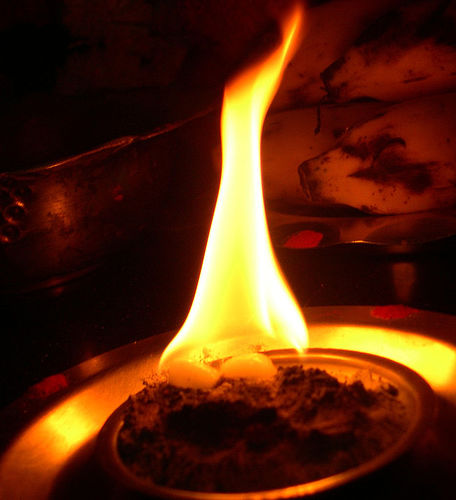
தீப ஆரத்தியின் அர்த்தம் !!!

அறிவார்ந்த ஆன்மிகம்

நம் வழிபாட்டு முறைகளில் பலவும் காரணம் புரியாத சடங்குகளாகவும் சம்பிரதாயங்களாகவும் ஆகி விடுகின்றன. அவற்றை அப்படியே நாமும் பின்பற்றுகிறோமே ஒழிய அவற்றில் புதைந்துள்ள ஆழ்ந்த பொருளை நாம் உணரத் தவறி விடுகிறோம்.  உதாரணத்திற்கு கோயில்களில் இறைவனுக்கு தீப ஆரத்தி எடுப்பதை எடுத்துக் கொள்வோம். தீப ஆரத்தி எடுப்பதை நாம் நாள் தோறும் பார்க்கிறோம் என்றாலும் அது எதற்காக என்றும், ஆரத்தி எடுப்பதன் பின்னால் உள்ள தத்துவம் என்ன என்றும் நம்மில் பெரும்பாலானோர் அறிவதில்லை. அதன் உண்மைப் பொருளை இப்போது பார்ப்போம்.
பூஜையில் இறைவனுக்குச் செய்யப்படும் பதினாறு வகை உபசாரங்களில் தீப ஆரத்தியும் ஒன்று. அதை வடமொழியில் ஷோடச உபசாரா என்று சொல்வார்கள். பூஜை காலத்தில் தீப ஆரத்தி எடுப்பதற்கு முன்பு இறைவன் விக்கிரகத்தின் முன் திரை போட்டு இருப்பார்கள். அந்தத் திரை மறைப்பதால் நம்மால் இறைவனைக் காண முடியாது. ’நான்’என்னும் அறியாமைத் திரை நம்முள் இருக்கும் வரை அதைத் தாண்டி உள்ள எல்லாம் வல்ல இறைவனை நம்மால் அறிந்து கொள்ள முடியாது என்பதை அது குறிக்கிறது. அந்தத் திரை விலகினால் மட்டுமே இறைவனைக் காண முடியும். அப்போதும் கூட இறைவன் மிகத் தெளிவாகத் தெரிவது இல்லை. இறைவனை மிகத் தெளிவாக அறிய ஞானம் என்ற விளக்கு வேண்டும். அந்த ஞான விளக்கொளி இருந்தால் தான் இறைவனை முழுமையாகத் தரிசிக்கும் அனுபவம் வாய்க்கும். அந்த ஞான ஒளி தான் தீப ஆரத்தி. நான் என்னும் ஆணவத் திரை விலகிய பின்னர் ஞானத்தின் துணையுடன் இறைவனைக் காண முடியும் என்பதை தீப ஆரத்தி விளக்குகிறது.
திரை விலகுதல், தீப ஆரத்தி காட்டுதல், இருள் நீங்குதல், இறைவனைக் காணல் எல்லாம் ஏக காலத்தில் நிகழ்வது போல ஆணவம் விலகி, ஞானம் பெற்று, அறியாமை நீங்கி, இறைவனை உணர்தல் எல்லாம் ஏக காலத்தில் மனிதன் மனதில் நிகழ வேண்டும் என்பதை தீப ஆரத்தி குறிப்பால் உணர்த்துகிறது.
உள்ளத்தில் ஞான விளக்கேற்றுவது குறித்து பத்தாம் திருமுறையில் திருமூலர் மிக அழகாகக் கூறுவார்.
  விளக்கினை ஏற்றி வெளியை அறிமின்
விளக்கினின் முன்னே வேதனை மாறும்
விளக்கை விளக்கும் விளக்கு உடையார்கள்
விளக்கில் விளங்கும் விளக்காவர் தாமே!”
இதன் பொருள்: உங்களுக்குள் இருக்கும் ஞான விளக்கை ஏற்றி பரஞான வெளியாக இருக்கும் பரம் பொருளை அறியுங்கள். அந்த ஞான விளக்கின் முன்னே உங்கள் வேதனைகள் மாறும். அந்த ஞான விளக்கை விளங்கிக் கொள்ளும் ஞானம் உடையவர்கள் தாங்களே ஞான விளக்காக விளங்குவார்கள்.
(ஞான விளக்கின் ஒளியின் அனைத்தையும் காணும் போது அறியாமையால் நாம் உணர்கின்ற துன்பங்கள் தானாக மாறி விடும் என்றும் ஞானம் பெற்றவர்கள் தாமாக மற்றவர்களுக்கு ஞான விளக்காக இருந்து வழிகாட்டுவார்கள் என்றும் திருமூலர் விளக்குகிறார்.)
கற்பூர தீப ஆரத்தியில் இன்னொரு மெய்ஞான உண்மை வலியுறுத்தப் படுகிறது. கற்பூரம் ஏற்றப்படும் போது அது எரிந்து ஒளி கொடுத்து பின் கடைசியில் இருந்த சுவடே இல்லாமல் முடிந்து விடுகிறது. கற்பூரம் நான், எனது என்ற எண்ணங்களால் ஏற்படும் வாசனைகளைக் குறிக்கிறது. இறைவனில் இருந்து தனிமைப்படுத்திக் கொண்டு வாழும் தன்மையைக் குறிக்கிறது. ஆனால் எல்லாம் இறைவன் என்ற ஞானம் பற்றிக் கொள்ளும் போது மனிதனின் வாசனைகளும், அறியாமையும் கொஞ்சம் கொஞ்சமாய் அழிய மற்றவர்களுக்கு ஒளி தரும் வாழ்க்கையை மனிதன் வாழ ஆரம்பிக்கிறான். அவன் காலம் முடிந்து விடும் போது அவன் வாசனைகளும் முடிந்து போகின்றன. ஒளிமயமான, உபயோகமான வாழ்க்கை வாழ்ந்து முடித்து இருந்த சுவடில்லாமல் அவன் இறைவனுடன் ஐக்கியமாகி விடுகிறான். இது கற்பூர தீப ஆரத்தி மூலமாக உணர்த்தப்படும் இன்னொரு மாபெரும் தத்துவம்.
தீப ஆரத்தியின் முடிவில் தீபத்தின் மேல் நம் கைகளை வைத்துக் கண்களில் ஒற்றிக் கொண்டு தலையையும் தொட்டுக் கொள்கிறோம். ’இந்த ஞான ஒளி என் அகக் கண்களைத் திறக்கட்டும். என் எண்ணங்களும், நோக்கங்களும், அறிவும் மேன்மையானதாக இருக்கட்டும்.’ என்ற பாவனையில் செய்யப்படும் செயலே அது.
எந்திரத்தனமாகக் கோயிலுக்குச் சென்று தீப ஆரத்தியைக் கண்டு இறைவனை வணங்கி அங்கிருந்து எந்த பாதிப்பும் இல்லாமல் கிளம்பி விடாமல் மேற்கண்ட தத்துவக் கண்ணோட்டத்தோடு தீப ஆரத்தியைக் கண்டு வணங்குங்கள். அதுவே உண்மையான பயனுள்ள வழிபாட்டு முறை. அப்படி உயர்ந்த பாவனையுடன் வழிபட ஆரம்பிக்கும் போது மிக மேன்மையான ஆன்மிக அனுபவத்தை உணர்வீர்கள். உண்மையான வழிபாட்டின் பலனை அடைவீர்கள்!
சரி அப்படியானால் மனிதர்களுக்கும் ஆரத்தி எடுக்கிறார்களே அது எதற்காக என்ற கேள்வி ஒருவர் மனதில் எழுவது இயற்கை. அதற்கான பதிலையும் பார்ப்போம்.
புதிதாய் திருமணம் முடிந்து வீட்டுக்கு வரும் தம்பதியர், குழந்தை பெற்றுக் கொண்டு வீடு திரும்பும் தாய், தொலை தூரங்களுக்குச் சென்று வெற்றிகரமாக ஒரு செயலை முடித்து விட்டு வருபவர் முதலானோருக்கு ஆரத்தி எடுக்கும் வழக்கம் நம் நாட்டில் இருக்கிறது.
அவர்களுக்கு ஆரத்தி எடுப்பது இறைவனுக்கு ஆரத்தி எடுக்கும் முறையில் இருப்பதில்லை. அவர்களுக்கு ஒரு தாம்பாளத் தட்டில் தண்ணீருடன் மஞ்சள் மற்றும் சுண்ணாம்பு கலந்து தண்ணீரை சிவப்பாக்கிக் கொள்கிறார்கள். பின் எண்ணெய் தோய்த்த திரியை விளிம்பில் வைத்து தீபமாக்கி ஆரத்தி எடுக்கிறார்கள்.
ஒவ்வொரு மனிதனைச் சுற்றிலும் ஆரா(aura)என்ற சூட்சுமப் பகுதி இருக்கிறது. மனிதனுக்கு ஏற்படும் திருஷ்டி மற்றும் அவனைச் சேரும் தீய கிருமிகள் ஆகியவை அந்த சூட்சும பகுதியில் முதலில் பதிந்து பின்னரே அவனுள் புகுகின்றன. திருமணம், குழந்தை பெறுதல், வெற்றியடைதல் ஆகியவற்றால் பலருடைய  திருஷ்டி மணமக்கள், தாய்-சேய், வெற்றியாளர் மீது அதிகம் விழ வாய்ப்பு அதிகம் உள்ளது.
மஞ்சள் மற்றும் சுண்ணாம்பு இரண்டிற்கும் விஷக் கிருமிகளை அழிக்கும் சக்தி இருப்பதாக நம் முன்னோர் கண்டிருந்தார்கள் எனவே தான் திருஷ்டி கழிக்கும் சக்தி உள்ள கிருமி நாசினிகளான மஞ்சளையும் சுண்ணாம்பையும் தண்ணீரில் கலந்து திருஷ்டி கழித்து அந்தத் தண்ணீரை வெளியேயே கொட்டி விடுகிறார்கள். வீட்டினுள் நுழையும் முன்பே ஆரா சரீரத்தில் சேர்ந்துள்ள திருஷ்டி மற்றும் கிருமிகளை அகற்றி தூய்மைப்படுத்திய பின்னரே சம்பந்தப் பட்டவர்களை வீட்டுக்குள் அழைத்துக் கொண்டு போகும் வழக்கம் உள்ளது.
எனவே அது போல் ஆரத்தி எடுக்கும் போது பொருள் அறிந்து சரியான பாவனையுடன் செய்வது முக்கியம். அப்போது தான் அதன் பலனும் முழுமையாக இருக்கும்.
source:::::input from a friend of mine
Natarajan

Message For The Day…A dose of Dhyanam and Japam as Breakfast !!!!!

I know how systematic you all are in eating and drinking. You take pretty good care of the body. I do not condemn it; I only want that you should take equally good care of the needs of the spirit also. Take a dose of Dhyanam (meditation) and Japam(repetition of holy Names) as the morning breakfast; Puja andArchana (prayer and worship) as lunch at noon; someSathsang (holy company) or Sathchinthana (holy thoughts) or reading of holy books or Nama likhitha (writing of holy Names) as afternoon tea and snacks; an hour of bhajan as dinner; and a small ten-minute manana (reflection) as the cup of milk before going to bed. This diet is enough to keep your inner being happy and healthy. That is My advice to you today.


Sathya Sai Baba