மாற்றத்தின் வித்தகர் …. பத்மா கோபாலன் !!!

சென்னை சைதாப்பேட்டை மாநகராட்சிப் பள்ளி. நம்ப முடியாத ரம்மியத்தோடு காட்சியளிக்கிறது அதன் மழலையர் பிரிவு வளாகம். வெளியே வரிசையாகப் போடப்பட்டிருக்கும் செருப்புகள், சாப்பாட்டு டப்பாக்கள், தண்ணீர் போத்தல்கள் ஒவ்வொன்றிலும் நேர்த்தி. வகுப்பில் வரிசையாகப் பாய்த் தடுக்கில் அமர்ந்திருக்கிறார்கள் குழந்தைகள். அவர்கள் முன் மரத்திலான உருளைகள், கட்டுமான படிகங்கள், காய்கறிகள்… ஒவ்வொரு குழந்தையும் அவற்றை வைத்து தன் மனதுக்கேற்ற கட்டுமானங்களை உருவாக்கிக்கொண்டிருக்கிறது; காய்கறிகளை நறுக்கிக்கொண்டிருக்கிறது; கோதுமை மாவில் பல்வேறு வடிவங்களைச் செய்துகொண்டிருக்கிறது. ஆசிரியை இங்கு அதிகாரி கிடையாது; அவர் சக தோழர். குழந்தைகளோடு குழந்தைகளாக அமர்ந்து சொல்லிக்கொடுக்கிறார்கள். பாடுகிறார்கள். ஆடுகிறார்கள். குழந்தைகள் தமிழ் – ஆங்கிலம் இரண்டையுமே அற்புதமாகப் படிக்கிறார்கள். சகலமும் நேர்த்தி. வித்தியாசம் சீக்கிரமே புலப்படுகிறது. இவர்கள் படிப்பது மாண்டிசோரி கல்வி முறையில். உலகெங்கும் மிகச் சிறந்த முறை – அதேசமயம் பணக்காரக் குழந்தைகள் மட்டுமே படிக்கக் கூடிய முறை – என்று சொல்லப்படும் கல்விமுறை. சென்னை மாநகராட்சியின் 40+ பள்ளிக்கூடங்களில் உள்ள 3000+ ஏழைக் குழந்தைகளும் இப்போது இந்தக் கல்விமுறையில்தான் படிக்கிறார்கள். சர்வதேச அளவில் மாநகராட்சிப் பள்ளிகளில் முன்னோடி நடவடிக்கை இது.

அற்புதமான இந்த மாற்றத்தின் முன்னோடி… பத்மா கோபாலன். வயது எத்தனை தெரியுமா? 82.

கதர் உடை, பொட்டு நகை கிடையாது… கம்பீரத்தை அணிகலனாக்கிக்கொண்டிருக்கிறார் பத்மினி. பத்து ஆண்டுகளுக்கு முன் மயிலாப்பூரில் ஒரு மாநகராட்சிப் பள்ளியைத் தத்தெடுத்த பத்மினி தன் சொந்த செலவில், அங்கு ரூ. 1 லட்சம் கல்வி உபகரணங்களை வாங்கிக்கொடுத்து, அந்தப் பள்ளிக்கான ஆசிரியை – ஆயாக்களுக்கும் சம்பளம் கொடுத்து மாண்டிசோரி மழலையர் பிரிவைத் தொடங்கிவைத்தது மாற்றத்தின் முதல் விதை. அடுத்தடுத்த ஆண்டுகளில் அவருடைய ‘ராம்சரண் அறக்கட்டளை’ மாநகராட்சியின் எட்டுப் பள்ளிக்கூடங்களுக்குச் சென்றது. இப்போது ஏனைய பள்ளிகளில் மாநகராட்சி நிர்வாகமே இந்தக் கல்விமுறையைக் கையில் எடுத்திருக்கிறது. ஒபாமா இந்தக் கல்விமுறையைத்தான் கொண்டுவர விரும்பினார். அமெரிக்காவில் அவரால் கொண்டுவர முடியவில்லை. அங்கு முடியாதது இங்கு சாத்தியமாகி இருக்கிறது.

“என் தலைமுறையைச் சேர்ந்த இந்தியப் பெண்களோட கதை என்னவா இருக்குமோ, அதே கதைதான் என்னோடதும். ஒரு பெரிய குடும்பத்துல பிறந்தேன். நல்லா படிச்சேன். பி.ஏ. முடிச்சேன். கல்யாணம் ஆனதும் குடும்ப வேலைகளோட ஒதுங்கிட்டேன். ரெண்டு குழந்தைங்க. பொண்ணு டாக்டரா இருக்கா. பையன் ஆடிட்டரா இருக்கான். குடும்பத்துக்காகத்தான் எல்லாருமே உழைக்கிறோம்னாலும் அது மட்டும்தான் கடமையாங்கிற கேள்வி சின்ன வயசுலேர்ந்தே ஓடிக்கிட்டு இருக்கும். ஒரு காலம் வரைக்கும் என் வீட்டுலேயே சாயுங்கால நேரங்கள்ல ஏழைக் குழந்தைகளுக்கு டியூஷன் எடுத்துக்கிட்டு இருந்தேன். அப்புறம் உதவின்னு கேட்டு வர்றவங்களுக்கு என்னால உதவிகளைச் செஞ்சுக்கிட்டு இருந்தேன்.

வாழ்க்கை முழுக்க ஒரு விஷயத்தை என்னால கவனிக்க முடிஞ்சுச்சு. பணம்னு உதவி கேட்டு வர்ற பெண்கள்ல பலர் கல்வி சம்பந்தமான தேவைக்காகத்தான் கேட்டு வந்தாங்க. ஏன் அந்த உதவியை நேரடியாச் செய்யக் கூடாதுன்னு யோசிச்சப்ப, ரெண்டு வழிகள் இருந்துச்சு. ஒண்ணு பள்ளிக்கூடம் தொடங்குறது; இன்னொண்ணு பள்ளிக்கூடங்களை நோக்கிப் போறது. முதல் வழி உதவி தேவைப்படுறவங்களை நம்மளை நோக்கி வரவழைக்கிறது; ரெண்டாவது வழி நாமளே அவங்களை நோக்கிப் போறது. நான் ரெண்டாவது வழியைத் தேர்ந்தெடுத்தேன்.

மாநகராட்சிப் பள்ளிக்கூடங்கள்ல நுழையறது அவ்வளவு சுலபமா இல்லை. ஏகப்பட்ட கேள்விகள், தடைகள் எல்லாத்தையும் கடந்துதான் உள்ளே நுழைஞ்சோம். அப்படி நுழைஞ்சப்போ, இந்தக் குழந்தைகளுக்கு உலகத்திலேயே சிறந்த கல்விமுறையில சொல்லிக்கொடுக்கணும்னு முடிவு பண்ணினோம். அப்போ அறிமுகமானதுதான் மாண்டிசோரி முறை. காந்தி சிறந்த கல்விமுறைனு சொன்ன முறை இது. ஆனா, தொடக்கத்துல இந்த முறையைப் பத்தி விசாரிச்சப்ப யாரும் எனக்கு ஊக்கம் கொடுக்கலை. எல்லாருமே இந்த முறை ரொம்ப ஒசத்தின்னு சொன்னாங்க. ஆனா ‘அது ரொம்ப செலவாகும். ரொம்ப சுதந்திரமான முறை. சேரி குழந்தைகளுக்குச் சரிப்படாது’ன்னாங்க.

எனக்கு ரொம்ப கோவத்தையும் வைராக்கியத்தையும் கொண்டுவந்ததே இந்த வார்த்தைகள்தான். குழந்தைங்களோட குணத்துல சேரிக் குழந்தைங்க; அடுக்குமாடி குழந்தைங்கன்னு பாகுபாடு இருக்குதா என்ன? நான் இல்லேன்னு நெனைச்சேன். இன்னைக்கு என்னோட குழந்தைங்க அது நிரூபிச்சு இருக்காங்க. டெல்லிலேர்ந்து மனித வளத் துறையிலேர்ந்து வந்தாங்க. பிரமிச்சுப்போய்ட்டாங்க.

இந்தக் கல்விமுறையைப் பத்தி எவ்வளவோ சிறப்புகளைச் சொல்வாங்க. என்னைப் பொறுத்த அளவில நான் முக்கியமா நெனைக்குறது இந்தக் கல்விமுறை கொடுக்குற சுயமரியாதை. இங்கே சொல்லிக்கொடுக்குற முதல் விஷயமே எல்லோரும் சமம்கிறதுதான். ஒரு உதாரணம் சொல்றேன். ஆரம்ப காலத்துல ஒரு அதிகாரி இங்கே வந்தார். வழக்கமா இப்படி அதிகாரிங்க பள்ளிக்கூடத்துல போனா குழந்தைங்கள் எழுந்திருச்சு நிற்பாங்க இல்லையா? இவங்க எழுந்திருக்கலை. அவங்க பாட்டுக்குப் படிச்சுக்கிட்டு இருக்காங்க. இவருக்குக் கோபம். ஒரு குழந்தையைக் கூப்பிட்டு, ‘ஏன் எழுந்திருக்கலை’னு கேட்டார். அந்தக் குழந்தை பதிலுக்கு, ’ஏன் எழுந்திருக்கணும்’னு கேட்க, உறைஞ்சுட்டார் அந்த அதிகாரி. இதுதான் நான் முக்கியம்னு நெனைக்கிறேன்.

ஒரு குழந்தையும் சக மனுஷன்தான். அதுக்குனு சுயமரியாதை உண்டு. நாம மரியாதைங்கிறபேருல ஆரம்பத்துலேயே அதை அடக்கி ஒடுக்க ஆரம்பிக்கிறோம்.

நம்ம சமூகம் ஏன் இப்படி இருக்குனு யோசிச்சுப் பாருங்க. அடுக்குகள் தெரியும். ஒருத்தருக்கு மேல் ஒருத்தர்; அவருக்கு மேல் இன்னொருத்தர்னு அடுக்கப்பட்டு இருக்கிறது புரியும். தனக்குக் கீழ் இருக்குறவன் தனக்குப் பணியணும். இந்தப் பணிவை நாம மரியாதைனு சொல்றோம்; நான் பயம்னு சொல்ல விரும்புறேன். இந்தப் பயத்தை உடைச்சுட்டா போதும்; சுயமரியாதை வந்துடும்; எல்லாம் மாறிடும். அதை மாண்டிசோரி கல்விமுறை தருது. என்ன கொடுமைன்னா, ஏழைகளுக்கு அவசியமான இப்படிப்பட்ட கல்விமுறைகூட பணக்காரங்களோடதா இந்தச் சமுதாயம் மாத்திட்டது. அதை மாத்தினோம்னு நாங்க நெனைக்கிறோம்.

எவ்வளவோ பேரோட பங்களிப்பும் ஒத்தாசையும் இதுல இருக்கு. முதல்முதல்ல எங்களுக்கு அனுமதி கொடுத்த கமிஷனர் விஜயகுமார்ல தொடங்கி இன்னைக்கு மேயரா இருக்குற துரைசாமி வரைக்குமான அதிகாரிகள், சம்பளத்தை ஒரு பொருட்டா நெனைக்காம, தங்களோட குழந்தைங்களா நெனைச்சு அவங்களோட மல ஜலம் வரைக்கும் அள்ளுற எங்களோட ஆசிரியைகள், இந்த விஷயத்தைக் கேள்விப்பட்டுட்டு தானா முன்வந்து உதவுற நல்ல உள்ளங்கள்… இதுல நான் ஒரு பொருட்டே இல்லை” என்கிற பத்மினிக்கு வழிகாட்டி காந்தி.

“காந்தி சொல்வார்… ‘எந்த விசேஷ குணமும் இல்லாதவன். சாமானியர்களிலும் சாமானியன். என்னாலேயே இதைச் செய்ய முடியும் என்றால், உங்களால் இன்னும் முடியும்’னு. என்னைப் பத்தி யாராவது பெருமையா பேசுனா, நானும் அதையே சொல்வேன். என்னோட 72 வயசுல இந்தக் காரியத்தை நான் ஆரம்பிச்சேன். நிச்சயமா என்னைவிட எல்லோராலும் அதிகமாவே செய்ய முடியும்!”

 source:::::The Hindu …Tamil
 natarajan

A Thought Provoking Painting ” Beijing 2008″…!!!


Amazing thought-provoking painting “Beijing 2008” by Chinese-Canadian artist Liu Yi.

The woman with the tattoos on her back is China. On the left, focused intensely on the game, is Japan. The one with the shirt and head cocked to the side is America. Lying provocatively on the floor is Russia. And the little girl standing to the side is Taiwan.

This painting, named “Beijing 2008”, has been the subject of much discussion in the west as well as on the internet. What’s interesting is that this painting is called “Beijing 2008”, yet it depicts four women playing mahjong, and conceals a wealth of meaning within…

China’s visible set of tiles “East Wind” has a dual meaning. First, it signifies China’s revival as a world power. Second, it signifies the military might and weaponry that China possesses has already been placed on the table. On one hand, China appears to be in a good position, but we cannot see the rest of her hand. Additionally, she is also handling some hidden tiles below the table.

America looks confident, but is glancing at Taiwan, trying to read something off of Taiwan’s expression, and at the same time seems to be hinting something at Taiwan.

Russia appears to be disinterested in the game, but this is far from the truth. One foot hooks coyly at America, while her hand passes a hidden tile to China, both countries can be said to be exchanging benefits in secret. Japan is all seriousness while staring at her own set of tiles, and is oblivious to the actions of the others in her self-focused state.

Taiwan wears a traditional red slip, symbolizing that she is the true heir of Chinese culture and civilization. In one hand she has a bowl of fruit, and in the other, a paring knife. Her expression as she stares at China is full of anger, sadness, and hatred, but to no avail; unless she enters the game, no matter who ends up as the victor, she is doomed to a fate of serving fruit.

Outside the riverbank is darkened by storm clouds, suggesting the high tension between the two nations is dangerously explosive. The painting hanging on the wall is also very meaningful; Mao’s face, but with Chiang Kai Shek’s bald head, and Sun Yat-Sen’s mustache.

The four women’s state of UnCloth represent the situation in each country. China is Unclad on top, clothed with a skirt and underwear on the bottom. America wears a bra and a light jacket, but is Unclad on the bottom. Russia has only her underwear left. Japan has nothing left.

At first glance, America appears to be most composed and seems to be the best position, as all the others are in various states of unclothedness. However, while America may look radiant, her vulnerability has already been exposed. China and Russia may look Unclad, yet their key private parts remain hidden.

If the stakes of this game is that the loser strips off a piece of clothing, then if China loses, she will be in the same state as Russia (similar to when the USSR dissolved). If America loses, she also ends up in the same state as Russia. If Russia loses, she loses all. Japan has already lost everything.

Russia seems to be a mere “filler” player, but in fact is exchanging tiles with China. The real “filler” player is Japan, for Japan has nothing more to lose, and if she loses just once more she is immediately out of the game.

America may look like she is in the best position, but in fact is in a lot of danger, if she loses this round, she will give up her position as a world power. Russia is the most sinister, playing along with both sides, much like when China was de-occupied, she leaned towards the USSR and then towards America; as she did not have the ability to survive on her own, she had to weave between both sides in order to survive and develop.

There are too many of China’s tiles that we cannot see. Perhaps suggesting that China has several hidden aces? Additionally China is also exchanging tiles with Russia, while America can only guess from Taiwan’s expression of what actions have transpired between Russia and China. Japan on the other hand is completely oblivious, still focused solely on her own set of tiles.

Taiwan stares coldly at the game from aside. She sees everything that the players at the table are doing, she understands everything that is going on. But she doesn’t have the means or permission to join the game, she isn’t even given the right to speak. Even if she has a dearth of complaints, she cannot voice it to anyone, all she can do is to be a good page girl, and bring fresh fruit to the victor.

The final victor lies between China and America, this much is apparent. But look closely; while America is capable, they are playing Chinese Mahjong, not Western Poker. Playing by the rules of China, how much chance at victory does America really have?


source::::nairaland forum site

natarajan

Dubai to Italy in a Bike ….Solo Ride Covering 10000 Km !!!

Sundeep Gajjar aka Motographer is all geared up to ride from Dubai to Italy on the fantastic Ducati Multistrada 1200 with his camera gear


The route took the Motographer from Dubai to Italy via Iran (had to be skipped due to paperwork issues and the trip was restarted from Turkey), Turkey, Greece, Bulgaria, Romania, Hungary, Slovenia, Slovakia and  Austria for a cool 10,000 kms.


In front of the world’s tallest building, Burj Khalifa in Dubai, at the start of the ride.


Around 200 km from Dubai, riding butter-smooth roads flanked by sand dunes.


Riding in the Cappadocia region of Turkey, some amazing alien landscapes.


Riding in the village of Safranbolu in Turkey. Where some of the world’s highest quality saffron is produced.


Beautiful landscapes in Turkey.


At Gallipoli in Turkey. This is where a lives of more than 100,000 soldiers were lost in World War I


At Lake Plastiras in Greece.


Riding in Bulgaria was a great experience with some unbelievably isolated locations in the wilderness.


The Transfagarasan road in Romania was labeled as ‘The Best Road in the World’ by Top Gear and the Motographer rode it as part of this larger ride.


The snow-flanked Transfagarasan Road is a riding delight


Imagine riding all those curves!


Those are the Ducati’s headlights in one of the tunnels on the Transalpina road, the other fantastic road in Romania.


A small ice cave on the Transalpina road.


The Vidraru Dam wall can be ridden on in Romania, and is an enthralling experience!


A super sinuous section of the Transalpina road.


At the Heroes Square in Budapest, the capital of Hungary.


In Ljubljana, the capital of Slovenia.


The Motographer’s helmet is half in Slovenia and half in Italy!


In Austria, at the Grossglockner Road, the Batman makes an appearance with his Ducati!


The World Ducati Week 2012 in Misano, Italy, finally, after 10,000 km


This is the story of an Indian riding solo from Dubai to Italy on a Ducati MultiStrada with a single mission – to reach World Ducati Week 2012. The ride took place between May 19, 2012 and June 22, 2012 across 10 countries and 10,000 km. More at www.missionRedPla.net 

Text and photos:  Sundeep Gajjar (Sunny) aka motoGrapher / xBhp


source::::yahoo Lifestyle

natarajan

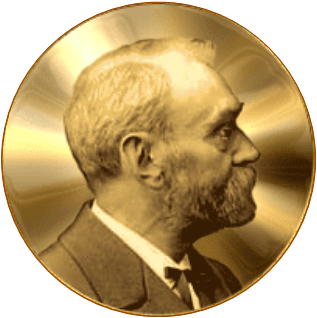
Do you know ?… Alfred Nobel Was once Nicknamed “Merchant of Death ” !!!

Today I found out Alfred Nobel, who left most of his fortune to start the Nobel Prizes, was once nicknamed “The Merchant of Death”.

The “Merchant of Death” title was given to him due to Nobel inventing, and making most of his vast fortune off of, dynamite and other types of explosives, such as “ballistite”, which was the precursor to quite a lot of military grade explosive devices.

Nobel came up with the idea of using his money for these annual prizes after his brother, Ludvig, died in 1888 and a French newspaper mistakenly thought it had been Alfred Nobel himself who died.  The newspaper published the obituary under the title: “The Merchant of Death is Dead”, going on to state: “Dr. Alfred Nobel, who became rich by finding ways to kill more people faster than ever before, died yesterday.”

When Nobel read this, he began thinking of how to improve his public image after his death and decided on leaving his enormous fortune to fund a set of prizes named after himself. The Nobel Prizes were created as awards for people who made the greatest contributions to mankind in subjects that interested Nobel, namely Physics, Chemistry, Medicine, Literature and Peace.

Nobel did a lot of his own work in Physics and Chemistry and was an enthusiast of various literature of the day.  He also saw the benefit to advancements in medicine. The “peace” prize was thought to have been suggested and promoted by his former lover and secretary Bertha Kinsky, who later won the award in 1905, just a few years after the Nobel Prizes were established.  The idea of a peace award appealed to him because of his reputation as a war monger, and the fact that a huge point to the Nobel Prizes, as stated, was to fix his reputation as a “Merchant of Death”.

Bonus Facts:

  • Alfred Nobel invented around 355 things, most notable was his invention of dynamite, in 1867, which he was originally going to call “Nobel’s Safety Powder”, as it was basically a safer version of nitroglycerin and he was attempting to improve his image as a maker of dangerous explosives. He ultimately went with “dynamite”, which was derived from the Greek for “power”.
  • All total, Nobel left 94% of his fortune to be used towards the Nobel Prizes. His total fortune, adjusted for inflation, would be worth about $250 million today.
  • Along with the group setup to select the winners of the Nobel Prizes, a separate group, The Nobel Foundation, was founded to manage Nobel’s money.  To date, along with annually bequeathing money to award winners, The Nobel Foundation has grown Nobel’s assets up to around half a billion dollars.

source:::::todayifoundout.com

natarajan

வாருங்கள் வாழ்த்துவோம் …நம் நாட்டு இளம் தொழில் அதிபர்களை !!!

ஸ்ரவண் குமார், சஞ்சய் குமரன் - படம்: வி.சாரதா

ஸ்ரவண் குமார், சஞ்சய் குமரன் –

சென்னையைச் சேர்ந்த இரு சகோதர்கள், நாட்டின் இளம் தொழிலதிபர்கள் என்ற பெருமையைப் பெற்றுள்ளனர்.

சென்னை பெரும்பாக்கத்தைச் சேர்ந்த ஷ்ரவண் குமரன், சஞ்சய் குமரன் ஆகிய இருவரும் ஒன்பதாம் வகுப்பு மற்றும் ஏழாம் வகுப்பில் படிக்கிறார்கள். இந்நிலையில் “கோ டைமன்ஷன்ஸ்” என்னும் மென்பொருள் நிறுவனத்தினைத் தொடங்கி நடத்திவரும் இவர்கள், செல்போனில் கல்வி, விளையாட்டு மற்றும் வாழ்க்கை முறையை எளிதாக்க உதவும் “ஆப்ஸ்” என்னும் செயலிகளை உருவாக்கியுள்ளனர். இதன்மூலம், இந்தியாவின் மிக இளம் வயது தொழில் அதிபர்கள் என்று அறிவிக்கப்பட்டுள்ளனர்.

சென்னை பெரும்பாக்கத்தைச் சேர்ந்த இந்த சகோதரர்கள் ஆப்பிள் மற்றும் ஆண்ட்ராய்ட் தளங்களில் செயல்படக்கூடிய “கேச் மீ காப்”, “எமெர்ஜென்சி பூத்” உள்ளிட்ட ஏழு செயலிகளை இரண்டு வருடத்திற்குள் உருவாக்கியுள்ளனர்.

ஒன்பதாம் வகுப்பு படிக்கும் கோ டைமன்ஷன்ஸின் தலைவரான ஷ்ரவண், “ஒவ்வொரு செயலியை உருவாகியதற்கும் ஒரு காரணம் இருக்கிறது. ஒரு நாள் மழை பெய்துக் கொண்டிருந்தது. எங்களால் வெளியில் சென்று திருடன் போலீஸ் விளையாட முடியவில்லை. இதுவே செயலியாக கைப்பேசியில் இருந்தால் எப்போது வேண்டுமானாலும் விளையாடலாமே என்று தோன்றியது. அப்போதுதான் ’கேச் மீ காப்’செயலியை உருவாகினோம்.” என்று புன்னகைக்கிறார். தங்கள் பள்ளிக்கு வந்த முன்னாள் குடியரசுத் தலைவர் அப்துல் கலாம் இதை ரசித்து விளையாடியதை இவர்கள் பெருமையுடன் குறிப்பிடுகின்றனர்.

ஆபத்தில் உதவும் செயலி

“எமெர்ஜென்சி பூத்” என்ற செயலியை ஆபத்து காலத்தில் ஒரு முறை அழுத்தினால் காவல்துறை, அவசர ஊர்தி அல்லது தீயணைப்பு படை தானாகவே அழைக்கப்படும். இதில் உங்கள் குடும்பத்தினர், பக்கத்து வீட்டார் எண்ணை சேர்த்துக் கொண்டால் அவர்களுக்கும் ஒரே கிளிக்கில் குறுஞ்செய்தி அனுப்பப்படும். இந்த செயலி உருவான சந்தர்ப்பத்தை விளக்கும் ஏழாம் வகுப்பு படிக்கும் சஞ்சய்,”ஒரு நாள் பக்கத்து வீட்டு பாட்டி வெளிநாட்டில் இருக்கும் தங்கள் உறவினர்களை அவசரமாக அழைக்க முயன்ற போது, கைப்பேசியில் எண்களை தேடுவதே அவர்களுக்கு கடினமாக இருந்தது. அப்போது கிடைத்த யோசனையை வைத்துதான் இந்த செயலியை உருவாக்கினோம்” என்கிறார்.

இந்த சகோதரர்களின் தாயும் முன்னாள் பத்திரிகையாளருமான ஜோதி லட்சுமி, ” குழந்தைகளின் கல்விக்காக ஏதாவது செய்யுங்கள் என்று நான் கூறினேன். இதை முக்கியமாக எடுத்து கொண்டு “ஆல்ஃபபட் போர்ட்” என்ற எழுத்துகளை அறிமுகப்படுத்தும் ஆப்பை உருவாக்கினார்கள். எனக்கு மிகவும் மகிழ்ச்சியாக இருக்கிறது” என்று பெருமையுடன் கூறுகிறார்.

ஆப்பிள் நிறுவனத்தை விட பெரிய மென்பொருள் நிறுவனத்தை உருவாக்க வேண்டும் என்பதே இந்த சகோதரர்களின் கனவாக உள்ளது.

source:::The Hindu ….Tamil

natarajan

Eleven Indian Companies in FORBES FAB 50 List …

China and India dominate the Forbes 2012 list of 50 best publicly traded companies in Asia-Pacific.

China tops the list with 23 companies in the list. A slowing economy has seen the best companies emerge successful, Forbes said. 15 companies are new in the list this year.

India is ranked second with 11 Indian companies in Forbes 2012 list, up from up from seven last year. The companies were selected from a pool of 1,295 companies that had at least $3 billion in annual revenue or market cap.

1. Tata Consultancy Services
(Rank 4)

Tata Consultancy Services is an IT services, business solutions and outsourcing organisation with over 238,583 IT consultants in 42 countries.  The company was founded in 1968.


2. ITC
(Rank 5)

ITC is an Indian public conglomerate company headquartered in Kolkata, West Bengal.

Founded in 1910 as the Imperial Tobacco Company of India, today its diversified business includes Fast Moving Consumer Goods (FMCG), Hotels, Paperboards, Paper & Packaging and Agri Business.

3. HDFC Bank
(Rank 6)

Incorporated in August 1994, HDFC Bank is the fifth largest bank in India by assets. HDFC Bank has 1,986 branches and over 5,471 ATMs, in 996 cities in India.

4. Bharti Airtel
(Rank 9)

Founded in 1995, Bharti Airtel is a leading integrated telecommunications company with operations in 20 countries across Asia and Africa.

Headquartered in New Delhi, India, the company ranks amongst the top 5 mobile service providers globally in terms of subscribers.

5. Tata Motors
(Rank 16)

Founded in 1945, Tata Motors is the world’s eighteenth-largest motor vehicle manufacturing company, fourth-largest truck manufacturer and second-largest bus manufacturer by volume.

Tata Motors has produced and sold over 6.5 million vehicles in India since 1954.

6. Sun Pharmaceutical Industries
(Rank 18)

Sun Pharmaceutical Industries based in Mumbai, manufactures and sells pharmaceutical formulations and active pharmaceutical ingredients (APIs) primarily in India and the United States.

Sun Pharma was established by Dilip Shanghvi in 1983 in Kolkata.

7. Bajaj Auto
(Rank 27)

Bajaj Auto founded by Jamnalal Bajaj at Rajasthan in the 1930s is based in Pune, Maharashtra, with plants in Chakan (Pune), Waluj (near Aurangabad) and Pantnagar in Uttaranchal.

Bajaj Auto manufactures automobiles, scooters, motorcycles and the auto rickshaws. Bajaj Auto is the world’s third-largest manufacturer of motorcycles.

8. Kotak Mahindra Bank
(Rank 29)

Kotak Mahindra Bank is an Indian financial service firm established in 1985.  It was previously known as Kotak Mahindra Finance Limited, a non-banking financial company.

In February 2003, Kotak Mahindra Finance Ltd, the group’s flagship company was given the license to carry on banking business by the Reserve Bank of India (RBI).

9. HCL Technologies
(Rank 33)

HCL Technologies offers a range of outsourcing services, business process outsourcing and infrastructure services.

Founded in 1991, HCL Technologies is fourth largest IT company in India and is ranked 48 in the global list of IT services providers.

10. Titan Industries
(Rank 37)

Titan Industries is the world’s fifth largest wrist watch manufacturer and India’s leading producer of watches under the Titan, Fastrack, Sonata, Nebula, RAGA, Regalia, Octane and Xylys brand names.

Founded in 1987, it is a joint venture between the Tata Group, and the Tamil Nadu Industrial Development Corporation (TIDCO).

Its product portfolio includes watches, accessories and jewellery, in both contemporary and traditional designs.

11. Asian Paints
(Rank 41)

Founded in 1942, Asian Paints is headquartered in Mumbai.  It manufactures a wide range of paints for decorative and industrial use. Asian Paints is India’s largest and Asia’s third largest paint company.

source:::: Rediff.com

natarajan

Want a Better Life ?…Move to One of These Countries !!!

It’s a known fact that being born in the right country at the right time to right parents gives an advantage in all stages of life. So, which is the best country to be born in 2013?

Let’s take a look at nations that are the best to be born in 2013.


Switzerland

Rank in 2013: 1

Score in 2013: 8.22

Rank in 1988: 13


Australia

Rank in 2013: 2

Score in 2013: 8.12

Rank in 1988: 18


Norway

Rank in 2013: 3

Score in 2013: 8.09

Rank in 1988: 13


Sweden

Rank in 2013: 4

Score in 2013: 8.02

Rank in 1988: 9


Denmark

Rank in 2013: 5

Score in 2013: 8.01

Rank in 1988: 24


Singapore

Rank in 2013: 6

Score in 2013: 8.00

Rank in 1988: 36


New Zealand

Rank in 2013: 7

Score in 2013: 7.95

Rank in 1988: 18


The Netherlands

Rank in 2013: 8

Score in 2013: 7.94

Rank in 1988: 10


Canada

Rank in 2013: 9

Score in 2013: 7.81

Rank in 1988: 5


Hong Kong

Rank in 2013: 10

Score in 2013: 7.80

Rank in 1988: 7


Finland

Rank in 2013: 11

Score in 2013: 7.76

Rank in 1988: 18


Ireland

Rank in 2013: 12

Score in 2013: 7.74

Rank in 1988: 15


Austria

Rank in 2013: 13

Score in 2013: 7.73

Rank in 1988: 12


Taiwan

Rank in 2013: 14

Score in 2013: 7.67

Rank in 1988: N/A


Belgium

Rank in 2013: 15

Score in 2013: 7.51

Rank in 1988: 14


Germany

Rank in 2013: 16

Score in 2013: 7.38

Rank in 1988 (East Germany): 36


The United States

Rank in 2013: 17

Score in 2013: 7.38

Rank in 1988: 1


The United Arab Emirates

Rank in 2013: 18

Score in 2013: 7.33

Rank in 1988: 32


South Korea

Rank in 2013: 19

Score in 2013: 7.25

Rank in 1988: 10


Israel

Rank in 2013: 20


Score in 2013: 7.23

Rank in 1988: 30


Italy

Rank in 2013: 21

Score in 2013: 7.21

Rank in 1988: 4


Kuwait

Rank in 2013: 22

Score in 2013: 7.18

Rank in 1988: N/A


Chile

Rank in 2013: 23

Score in 2013: 7.10

Rank in 1988: N/A


Cyprus

Rank in 2013: 24

Score in 2013: 7.10

Rank in 1988: N/A


Japan

Rank in 2013: 25

Score in 2013: 7.08

Rank in 1988: 6


France

Rank in 2013: 26

Score in 2013: 7.04

Rank in 1988: 2


The United Kingdom

Rank in 2013: 27

Score in 2013: 7.01

Rank in 1988: 7


The Czech Republic

Rank in 2013: 28

Score in 2013: 6.96

Rank in 1988: N/A


Spain

Rank in 2013: 29

Score in 2013: 6.96

Rank in 1988: 15


Source::::Economist &Rediff.com

natarajan

மாற்றத்தின் வித்தகர் …கும்பகோணம் குருசாமி பாலசுப்ரமணியன் !!!

உலகில் நீ விரும்பும் மாற்றமாக நீயே மாறிவிடு! – காந்தியின் வாழ்க்கைச் செய்திகளிலேயே மகத்தானது இதுதான். உண்மையில் இந்த உலகின் உயிரியக்கத்துக்கும் மகத்தான மாற்றங்களுக்கும், தான் விரும்பும் மாற்றமாகவே மாறியவர்கள்தான் ஆதார சுருதியாக நிற்கிறார்கள். அவர்களில் பலர், சின்ன விஷயங்களிலிருந்து மாற்றங்களை முன்னெடுக்கத் தொடங்கியவர்கள். மிக யதார்த்தமாகத் தன் வாழ்வின், தொழிலின் ஒரு பகுதியாக மாற்றங்களைக் கையாள்பவர்கள். பிரமாண்டங்களை வெறுப்பவர்கள். விளம்பர வெளிச்சத்திலிருந்து ஒதுங்கியிருப்பவர்கள். தான் ஏதும் விசேஷமாகச் செய்யவில்லை என்ற உணர்வோடு, வெகுளியாகச் சிரிப்பவர்கள். நமக்குப் பக்கத்திலும் அப்படிப்பட்டவர்கள் இருக்கிறார்கள். அன்றாடம் நாம் மிகச் சாதாரணமாகப் பார்த்துக்கொண்டே கடக்கும் அசாதாரணர்கள். ஆச்சர்யமாக, ஏதோ ஒரு வகையில் காந்தி சொல்லும் இயல்போடும் இயற்கையோடும் எளிமையோடும் தங்களைப் பொருத்திக்கொண்டவர்கள். அவர்களுடைய அணிவகுப்பே இந்த ‘மாற்றத்தின் வித்தகர்கள்’. நாம் ஏற்கெனவே பார்த்த முகங்கள்… பார்க்காத பரிமாணங்களில்…

கும்பகோணம் குருசாமி பாலசுப்பிரமணியன். 10 ஆண்டுகளுக்கு முன் இவரைப் பற்றி முதல்முறையாகக் கேள்விப்பட்ட முதல் செய்தியே இன்றைக்கும் அசரடிக்கவைக்கக் கூடியது.

கு. பாலசுப்பிரமணியன்

“ஒரு மளிகைக் கடைக்காரர் பள்ளிக்கூடம் நடத்துறார். படிக்கிறவங்களுக்கும் காசு கிடையாது; படிப்பு சொல்லிக்கொடுக்கு றவங்களுக்கும் காசு கிடையாது. பல வருஷமா நடக்குற அந்தப் பள்ளிக்கூடத்துல படிச்ச பல புள்ளைங்க பெரிய பெரிய வேலைகளுக்குப் போய்ட்டாங்க. இப்போ அந்தப் புள்ளைங்க எல்லாம் சேர்ந்து வாடகைக் கட்டடத்துல நடக்குற அந்தப் பள்ளிக்கூடத்துக்குச் சொந்தமா ஒரு கட்டடம் கட்டியிருக்காங்க. ஆனா, அந்த ஏழை மளிகைக் கடைக்காரர் இன்னமும் வாடகை வீட்டுலதான் இருக்கார்.”

அந்த மளிகைக் கடைக்காரர் பாலசுப்பிர மணியன். அவரை அறிந்தவர்களுக்கு பாலுஜி. பள்ளிக்கூடத்தின் பெயர் ‘காந்தியடிகள் நற்பணிக் கழகம்’. 300-க்கும் மேற்பட்டவர்கள் படிக்கிறார்கள். பெரும்பாலானவர்கள் கும்பகோணம் மற்றும் அதைச் சுற்றியுள்ள கிராமப்புற ஏழைச் சிறார்கள். விசேஷம் என்னவென்றால், இவர்களில் பெரும்பாலானவர்கள் வேலைக்குச் சென்றுகொண்டே படிப்பவர்கள். ஆகையால், எல்லாப் பள்ளிக்கூடங்களும் இயங்கும் நேரத்தில் இந்தப் பள்ளி இயங்காது. காலை 6 மணி முதல் 8 மணி வரை. மாலை 6 மணி முதல் 9 மணி வரை. இந்த இரு நேரங்களில் சௌகரியமான நேரத்தில் மாணவ -மாணவியர் வருகிறார்கள். பள்ளிக்கூடத்தின் ஆசிரியர்களும் இப்படித்தான். வேலைக்குச் சென்றுகொண்டே கல்விச் சேவை தருபவர்கள். 38 ஆண்டுகளில் 10 ஆயிரத்துக்கும் மேற்பட்டவர்களுக்குக் கல்வி அளித்து அனுப்பியிருக்கிறார் பாலுஜி.

“அப்போ நான் எட்டாவது படிச்சுக்கிட்டுருந்தேன். வகுப்புல நான்தான் படிப்பில் முதல் மாணவன். அப்பா போய்ட்டார். வீட்டுக்கு நான்தான் மூத்த பையன். ரெண்டு தம்பிங்க. ஒரு தங்கச்சி எனக்குக் கீழே இருந்தாங்க. படிப்பைவிட்டுட்டு மளிகைக் கடை வேலைக்குப் போனேன். வேலைக்குப் போய்ட்டேனே தவிர, படிப்பு ஆசை விடலை. பிரைவேட்டாவே 10-வது, 12-வது எழுதினேன், பி.ஏ. பண்ணினேன், எம்.ஏ. முடிச்சேன். இந்தியும் படிச்சேன்.

இந்தப் பகுதி நெசவாளர்கள் அதிகம் உள்ள பகுதி. ஏழ்மை காரணமா நிறைய குழந்தைங்க படிக்க முடியாத சூழல். கடைக்கு வரும்போது அவங்களைப் பார்க்க அத்தனை சங்கடமா இருக்கும். ஏதாவது செய்யணுமேனு தோணும். கொஞ்ச நாள் கழிச்சு நானே சின்னதா கடை ஆரம்பிச்சதுக்கு அப்புறம் சாயுங்கால நேரத்தை இவங்களுக்கு ஒதுக்குவோம்னு முடிவெடுத்தேன். என்னை மாதிரியே நல்லெண்ணம் உள்ள – படிச்சுக்கிட்டு இருக்குற சில பசங்களைச் சேர்த்துக்கிட்டு ‘காந்தியடிகள் நற்பணிக் கழக’த்தைத் தொடங்கினேன். யாருக்கும் யாரும் காசு தர வேண்டாம். அன்னைக்கு எல்லாம் இருந்த பெரிய செலவு கட்டடத்துக்கு வாடகை தர்றதுதான். மாசம் அம்பது ரூபா. ஒருகட்டத்துல இங்கே படிச்சு வெளியே வேலைக்குப் போன பிள்ளைங்களே இங்கே சொல்லிக்கொடுக்க ஆரம்பிச்சாங்க. கழகத்துக்குச் சொந்தக் கட்டடம் கட்டினாங்க. இன்னைக்கு ஆலமரம் மாதிரி ஆயிடுச்சு கழகம். விழுதுகள் தாங்குது” என்கிற பாலுஜி, இரு ஆசிரியர்களை அறிமுகப்படுத்தினார்.

ஒருவர் ராதாகிருஷ்ணன். இன்னொருவர் அகிலா.

“ராதாகிருஷ்ணன் இங்கே உள்ள ஆசிரியர்களிலேயே மூத்தவர். இங்கே படிச்சவர். சுகாதாரத் துறையில தஞ்சாவூர் பக்கத்துல உள்ள வல்லத்துல வேலை செய்றார். தினமும் 100 கி.மீ. பயணம் செஞ்சாலும் இங்கே ஒரு நாள் விடாம வந்துபோதிக்கிறார். அகிலா இங்கே உள்ள ஆசிரியர்களிலேயே சின்ன பொண்ணு. ஒன்பதாம் வகுப்பு படிச்சுக்கிட்டே, இங்கே உள்ள பிள்ளைகளுக்கு இந்தி கத்துக்கொடுக்கிறார். இங்குள்ள 38 ஆசிரியர்களும் இப்படித்தான்” என்கிற பாலுஜி அடுத்தடுத்து சொல்லும் விஷயங்கள் மிக முக்கியமானவை.

“இங்கே வர்ற நிறைய பேர் ஏதோ காசு வாங்காம கல்வி கொடுக்குறதுதான் பெரிய காரியம்னு நெனைக்குறாங்க. அது இல்லை. இங்கே நாங்க எதைக் கல்வியா கொடுக்குறோம்கிறதுதான் முக்கியம்னு நாங்க நெனைக்கிறோம். பணம்தான் உலகம்னு ஓடிக்கிட்டு இருக்குறவங்களுக்கு மத்தியில, பணம் மட்டும் வாழ்க்கை இல்லைனு சொல்லிக்கொடுக்குறோம். அறம்தான் உண்மையான வாழ்க்கையோட ஆதாரம்னு சொல்லிக்கொடுக்குறோம். இங்கே படிச்ச ஒரு மாணவர் சுங்கத் துறையில ஒரு பெரிய பதவிக்கு, நல்ல சம்பளத்துக்கு வேலை கிடைச்சுப் போனார். கொஞ்ச நாள்ளேயே அந்த வேலை வேணாம்னு சொல்லி ஒதுங்கிட்டார். காரணம் என்ன தெரியுமா? லஞ்சம் வாங்காம, லஞ்சம் வாங்குறதைத் தடுக்காம அங்கே வேலை பார்க்க முடியாதுங்கிற சூழல். எங்க பிள்ளைங்க ஒருபோதும் தவறான பாதையில போக மாட்டாங்க. பணத்துக்குப் பின்னாடி ஓட மாட்டாங்க. இதைச் சொல்லிக்கொடுக்குறதுதான் முக்கியம்னு நெனைக்குறேன்” என்று சொல்லும் பாலுஜி எங்கிருந்து இந்த அறவுணர்வைப் பெற்றார்? எப்படி அதை அணையாமல் காக்கிறார்?

பாலுஜியின் பதில்: காந்தி. “செம்பியன்மாதவிங்கிற குக்கிராமத்துல உள்ள காந்தியடிகள் நடுநிலைப் பள்ளிதான் எனக்குள் காந்தியை விதைச்சுது. அந்தப் பள்ளிக்கூடத்தை நடத்துன தாளாளர் ஆர்.என்.ராமசாமியும் ஆசிரியர் வி.ராமச்சந்திரனும் படிப்பைவிட முக்கியம் அறம்னு சொல்லி எங்களை வளர்த்தாங்க. நல்ல விஷயங்களை அடுத்தவங்களுக்குப் போதிக்கிறதைவிட முக்கியம், நாம பின்பற்றுவதுனு சொல்லிக்கொடுத்தாங்க. அப்போ அவங்க எங்களுக்குச் சுட்டிக்காட்டின வழிகாட்டி காந்தி. தான் உண்மைனு நினைச்ச அறத்துக்காகக் கடைசிவரைக்கும் வாழ்ந்தார் காந்தி. அந்த வைராக்கியம் வந்துடுச்சுன்னா எவ்வளவு கஷ்டங்கள் வந்தாலும் அறம் நம்மையும் காப்பாற்றும்!”

சமஸ் – தொடர்புக்கு: writersamas@gmail.com

source:::::: The Hindu…Tamil

natarajan

“Innovation is Rarely Able to be Clearly Understood at the Time It “s Happening ” !!!

Today’s technology represents such a serendipitous hodgepodge that it might seem unfair to judge historical figures’ wrong-headed assumptions about the future.

But why not?

Looking back over tech history gives valuable insights into how past innovation was brought to commercial fruition.

Thus, to provide a bit of context for the following five pronouncements — which over time have proven to be woefully off the mark — Forbes.comspoke to Bruce Seely, historian of technology at Michigan Tech University and the president of the Society for the History of Technology (SHOT).

1. Martin Van Buren on the dangers of “high speed” rail travel.

“…railroad carriages are pulled at the enormous speed of fifteen miles per hour by ‘engines’ which,

in addition to endangering life and limb of passengers, roar and snort their way through the countryside. The almighty certainly never intended that people should travel at such breakneck speed.” — New York Governor Martin Van Buren, 1829.

Why was Van Buren so taken aback by railroad technology at the time?

Seely says the former New York governor and former U.S. president wasn’t the only one.

“There were even some physicians at the time who questioned whether the human body could stand a 25 mph speed,” said Seely.

And in 1829, Seely says no one really foresaw the commercial possibility that railroads presented for long haul freight. However, Seely says it’s more likely that Van Buren was simply reacting to a novel technology that he as a politician could never have anticipated.

2. William Henry Pickering’s dim view of aviation.

“…gigantic flying machines speeding across the Atlantic carrying innumerable passengers in a way analogous to our modern steam ships…such ideas are wholly visionary…” — William Henry Pickering, astronomer, 1910.

Only seven years after the Wright brothers’ first powered flight, airplanes in 1910 still remained very fragile, Seely notes.

But Pickering’s quote is particularly frustrating, Seely says, because the noted Harvard astronomer was someone that in the public mind would seem to have some special knowledge about aviation. But, in fact, Seely says Pickering had “no insights at all” about how these aircraft fly.

“the phrase — ‘such ideas are wholly visionary,’ really jumps out at me,” said Seely, “as if this is somehow a problem. Almost any large scale technical breakthrough requires a visionary to push it through because they are either going against an existing technical system or [advocating] one that is very expensive to develop.”

3. Ernest Rutherford’s atomic myopia.

“the energy produced by the breaking down of the atom is a very poor kind of thing. Anyone who expects a source of power from the transformation of these atoms is talking moonshine.” – Ernest Rutherford, physicist, 1933.

“With Rutherford, you think, ‘this is a guy involved in nuclear physics’,” said Seely. “Surely, he must have insight into what was going on.”


But by 1933, Rutherford is not necessarily at the front and center of the most exciting research, says Seely. For, as he notes, it was a time when a new generation of physicists had emerged; developing novel but controversial theories, such as quantum mechanics.

It took World War II to bring nuclear energy to term.

4. Harry Warner’s wariness of movies with sound.

“Who the hell wants to hear actors talk?” — Hollywood movie mogul Harry Warner, 1925.

Like all movie moguls of the 1920s, Seely says Harry Warner was very much worried about the technological investment of talkies, such as soundstages and cinema sound systems.

“They were concerned that the existing way their industry operated was going to overtaken by technology,” said Seely, “that it was going to be turned upside down due to tech.”

Talkies are wonderful proof that when you change one piece of a technical system, he says, the whole system changes.

Thus, the film industry was in upheaval from 1926 to the mid-1930s trying to find money to make this transition during the depression.

5. Henry David Thoreau’s misgivings about the telegraph.

Arguably, the ultimate uber hippie, Thoreau asserted a 19th century version of Springsteen’s refrain of “57 channels (and nothin’ on).”

“We are in great haste to construct a magnetic telegraph from Maine to Texas; but Maine and Texas, it may be, have nothing important to communicate.” — Henry David Thoreau, 1854.


As soon as Morse’s telegraph technology was proven, it was understood that in fact there was a lot to say from Texas to Maine and vice-versa, says Seely. The main reason the federal government put money into the telegraph, he adds, was to enable a democratic government to function on a continental scale.

The telegraph was just as useful for stock markets and newspapers also trying to function on a continental scale.

However, Thoreau was from an era of face to face or words on paper communications.

“The idea that you had an electrical medium as an intermediary took getting used to,” said Seely. “I [myself] am from a world of books and articles. Today, I can’t see that Twitter makes any sense; 140 characters aren’t enough to say anything.”

What’s the lesson in all this?

“Innovation is rarely able to be clearly understood at the time it’s happening,” said Seely, “and people who find ways to make the technology work [point it] in directions that the original innovators never imagined.”

source:::::Bruce Dorminey in Forbes.com

natarajan


” உனக்கு பரமேஸ்வரனை தெரியுமோ ” ?

சிவசங்கரன் என்பவர் ஸ்ரீமடத்தின் நெடுநாளைய பக்தர். ஒரு முறை அவர் தரிசனத்துக்கு வந்த போது, ஒர் அனுக்கத் தொண்டர், அவரிடம் முரட்டுத் தனமாக நடந்து கொண்டு விட்டார்.

சிவசங்கரனுக்கு எல்லையில்லத வருத்தம். உடனே தான் பட்ட அவமானத்தை ஓடி சென்று பெரியவாளிடம் புகார் செய்கிற அநாகரீகர் இல்லை அவர்.

பெரியவாளிடம் தனித்துப் பேசக்கூடிய வாய்ப்பு வந்தது.

“மடத்துத் தொண்டர்களில் சில பேர்கள் துஷ்டர்களாக இருக்கிறார்கள். தவறு செய்கிறார்கள். பேராசைக்காரர்களாக இருக்கிறார்கள். பெரியவா இப்படிப் பட்டவர்களையெல்லாம் பக்கத்தில் வைத்துக் கொண்டு எப்படிதான் சமாளிக்க முடிகிறதோ…” என்று வாழைப்பழத்தில் ஊசி ஏற்றுகிற மாதிரி சொல்லி விட்டார்.

பெரியவாளுக்கு ஒரே சிரிப்பு. “நீ சொல்கிற தகவல் எனக்கு ஒன்றும் புதுசில்ல” என்று ஒரு பார்வை.

பின்னர் சொன்னார்:

”ஆயிரம் பேர் வேலை செய்கிற ஒரு பாக்டரியில் எல்லாத் தொழிலாளர்களும் திறமைசாலிகளாக, யோக்யர்களாக, ஸின்ஸியராக இருக்கிறார்களா? அரசாங்கத்தில் லட்சகணக்கான பேர் வேலை செய்கிறார்கள். எல்லோரும் ஒரே லெவலில் இருப்பதில்லை. நிறையப் பேர் வேலை சரியாகச் செய்வதில்லை. அல்லது, தப்பும் தவறுமாகச் செய்திகிரார்கள். அவர்களை அப்படியே வீட்டுக்கு அனுப்ப முடியல்லே. அவர்களை வைத்துக் கொண்டே தான் ராஜாங்கம் நடக்கிறது. ஏனென்றால், அரசு – அதற்கு ஒரு தலைமை – அவசியம். தலைமை சரியாக இருக்கான்னு பார்த்தாலே போதும். அவ்வளவுதான் முடியும்.

“ஸ்ரீமடம் ஒரு சமஸ்தானம். பல வகையான சிப்பந்திகள் இருக்கத் தான் செய்வார்கள்…” என்று சொல்லிவிட்டு, “உனக்கு பரமேசுவரனை தெரியுமோ?” என்று கேட்டார் நம் உம்மாச்சி தாத்தா.

சிவசங்கரனுக்கு ஐந்தாறு பரமேசுவரன்களைத் தெரியும். அவர்களில் யாரை குறிப்பிடுகிறார்கள் என்பது புரியாமல் விழித்தார்.

”நான் கைலாசபதி பரமேஸ்வரனைச் சொன்னேன்… அவர் கழுத்தில் பாம்பு இருக்கு. கையில் அக்னி, காலின் கீழ் அவஸ்மாரம் இருக்கு. அவருடைய ருத்ரகணங்கள் எல்லாம் பிரேத, பைசாசங்கள்! இத்தனையயும் தன்னிடத்திலே வைத்துக் கொண்டு தான் அவர் உலகம் பூரா சஞ்சரிக்கிறார். நடனமும் ஆடறார்.

“பாம்பைக் கீழே போட்டுவிட்டால் அது திரிந்து எல்லோரயும் பயம்முறுத்தும், கடிக்கும். நெருப்பை கீழே போட்டால், வீடு-காடு எல்லாவற்றையும் அழிச்சிடும். அபஸ்மார தேவதையை போக விட்டால், கண்ட பேர்களையெல்லாம் தாக்கி மயக்கம் போடச் செய்யும். பீரேத – பைசாசங்களைப் பற்றி சொல்லவே வேண்டாம். இப்படி துஷ்டர்களை தன் பக்கத்திலேயே வைத்துக் கொண்டிருப்பது தான் பரமேசுவரனுடைய பெருமை!”

சிவசங்கரன் அசந்து போய் நின்றார். பெரியவா ஏதோ சமாதானம் சொல்லித் தன்னை அடக்குவார்கள் என்று எதிர்பார்த்தார். ஆனால், என்ன தெள்ளத் தெளிவான உலகியலை ஒட்டிய பதிலைக் கூறி விட்டார்.

பரமாச்சாரியா சாட்சாத் பரமேஸ்வரனே!!!

source::::::www.periva.proboards.com

natarajan

Read more: http://www.periva.proboards.com/thread/5270/#ixzz2gGjqqKPd