How to Distinguish Between Confidence and Ego ?!!!

Self Confidence Vs Ego

There is a thin line dividing confidence and ego. Most of the time we get confused and fail to decide whether we are on the right track or our ego is dominating in the guise of confidence. When ego dominates every success turns into failure. One has to be very careful about it. How to distinguish between confidence and ego?-

A man of confidence says that he can do the work and others can also do it; where as a man of ego says that he alone can do it and nobody else can.

A man of confidence always try to encourage and help others in building their confidence, whereas a man of ego tries to curb and discourage others when they try to come up in life.

A man of confidence always attracts people. Even the weak feel confident and elevated in his company. Where as an egoistic person creates repulsion in the minds of people who try to avoid him because of his boastful nature.

A man of confidence appreciates the success of others and shares happiness with them. Whereas a man of ego discourages and humiliates others and feels jealous of the success of others.

There is a joy in working with people of confidence because they are always cheerful and can mix with everybody. In the presence of egoistic people even the man of confidence feel an inferiority complex. They feel nervous to work them.

A man of confidence always commands love and respect whereas a man of ego always demands and expects love and respect.
Confident people are always successful in every field of life because they can conquer the hearts of all by putting their faith and confidence in others and receive all help and cooperation from colleagues and friends. A man of ego always suffers setbacks and failures loosing men and power because of his arrogant approach which adds only to his worries and tensions.

In one word a man of self confidence puts his faith in the inner most Divine self, the source of all power and energy and also feels presence of Divine in everyone while dealing with them whereas the ego-centric person puts his faith only in his mental and intellectual abilities and skills, forgetting the Divine, which operates through mind and intellect out of ignorance. He applies the same standards while dealing with others. He is only aware of the weaknesses and drawbacks and never realizes that the perfect Divine is hidden behind these superficial appearances, which can be awakened by constant training and positive approach.

Source: Dr.E.S.Maheswar & A.V.Ramanatahan

Who, What, Why: What is ‘ungoogleable’?!!!

Google sweets

The word “ungoogleable” has been removed from a list of new Swedish words after a trademark spat. But it raises the question of what can and can’t be found with a search engine.

Today Google appears to be the font of all data.

The idea that something can’t be found online is strange enough to have spawned its own adjective.

The word “ungoogleable” is in the headlines after a dispute between the search engine giant and Sweden’s language watchdog.

The Language Council of Sweden wanted to include “ungoogleable” – or “ogooglebar” – in its annual list of new Swedish words. But it defined the term as something that cannot be found with any search engine.

Google wanted the Swedish translation to be changed to refer only to Google searches, and the Council opted to remove the word altogether to avoid a lengthy legal battle.

The spat raises the question of just what “ungoogleable” means. Or more specifically, are some things still impossible to find with a search engine? And if so, is it a deliberate strategy?

To be ungoogleable might be a blessing  or curse !!!!

source :::bbc.com

Natarajan

The Cardboard Cops: @ Bangalore !!!

cardboard

Instead of state-of-the-art speed cameras and number plate recognition devices, Bangalore’s police chiefs opted to swell their ranks with recruits who work 24 hours a day, seven days a week, without breaks, bribes or even a salary. The city sees two road deaths every day and officials hopes motorists will be fooled into slowing down after seeing the fake officers !!!!

source::::::mail on line …UK

Natarajan

Indian startup aims for the moon – and $30 million Prize Money!!!!

GOOGLE LUNAR X PRIZE | MOON | SPACE | TEAM INDUS

Rahul Narayan, who describes himself as a serial entrepreneur, is the founder of Team Indus. It is the only Indian team in a race to the moon by privately funded groups competing for the largest international incentive prize of all time – the Google Lunar X Prize.

Google is offering $30 million in prizes to the first privately funded teams to safely land a robot on the Moon, including a grand prize and other bonus prizes.

With a purse of $30 million, the competition will reward the first privately funded team to softland on the moon, travel 500 metres and transmit back to earth, at a distance of nearly 4 lakh km.

With a purse of $30 million, the competition will reward the first privately funded team to softland on the moon, travel 500 metres and transmit back to earth, at a distance of nearly 4 lakh km.!!!!!!

In a conversation with Reuters, Narayan talks about Team Indus’ prospects, timing, his struggle to be taken seriously by investors and why he would not be too disappointed if someone else wins.

Q: What is the biggest challenge in this mission?

A: Everything is a challenge – money, finding advisers, being taken seriously, reaching out to people.

Almost all of it is uncharted territory. Nobody’s done a (privately funded) mission before, definitely not from India.

Q: How was Team Indus formed?

A: I had gotten in touch with them (organizers) saying, if there was an Indian team, please let me know, I’d like to work with them. They got back to me saying there was no Indian team, and if you want to set up a team, we can give you a bit of expert help. That’s when I got out of whatever startups I was doing.

Q: How did you recruit people for this project?

A: Almost our entire team right now is people who came to our website and said they wanted to work.

Q: When is your planned launch date?

A: We plan to launch sometime in 2015.

Q: How much have you spent so far? What is the projected total cost?

A: We’ve spent about one crore rupees (10 million rupees, or about $185,200), including for registration, a little bit of prototype being done, operational expenses and salaries. It’s a design effort and we are not doing any hardware yet. Total spend, we expect it to be $15 million.

Q: Where do you see yourself among the 23 active teams?

A: We believe we are in the top five. We believe the moment we sign up with ISRO, we will be in the top two. Signing up with ISRO is the one big event that changes a lot of things for us. It has not happened yet, but we’ve started talking to them. (The Indian Space Research Organisation, or ISRO, is the primary space agency of the Indian government. Team Indus plans to use ISRO’s PSLV satellite launch vehicle for its moon mission)

Q: The competition rules state that the project must be 90 percent privately funded. So how are you managing?

A: Right now it is founder-funded. We’ve divided the cost into three different parts. One is cost of design, second is the cost of building it and the third is the cost of launching it. We have separate strategies for each one of them. For designing, we will be looking for investments. Building it is where we are looking at partnerships (aerospace companies, IITs or government agencies). We are looking at these people to partner with us and potentially contribute, if not money, then equipment. The last part, we are going to do crowdfunding.

Q: Why would investors be interested?

A: I started by saying we are an aerospace company. So we see this as a company which is doing a project, and it will continue doing other aerospace projects or derived technologies or IPR, or licensing rights from what we’re going to do here (moon mission).

We are a for-profit company. It’s not just this mission, we will continue building beyond it.

Q: What if somebody else beats you to the prizes?

A: We’re definitely aiming for the first prize. We’ve got one bonus prize built into it. But, if all the prizes go away in 2014 and I’ve booked my launch with ISRO, that doesn’t mean I stop. I have to go because I’ve already done my engineering, I’ve already spent the money and probably just a residual amount is left. So you’d see that differently as then maybe it converts from a Google Lunar X Prize mission to simply a India’s mission. It’s a people mission, people have contributed to it, people have worked in it, and people have a part in it.

Q: What would losing mean for your team?

A: Even if we lose, we’ll still accomplish a fantastic engineering feat. Prize money is just one component of it, so I’m talking about a company which is going to continue after the prize money….

source:::: David Lalmalsawma  in Reuters US

Natarajan

You can follow the David on Twitter @confusedat30

A Private Jet Maker Is Thriving By Making Old Planes New Again !!!!!

Designing a new airplane is an incredibly expensive, complicated, and long process, one that can prove wasteful if not executed properly — as Boeing‘s troubled Dreamliner jet has proven in recent months.

nextant 400XT on Production Floor

In 2007, looking to avoid the costs and pitfalls that come with new aircraft, aviation entrepreneur Kenn Ricci created a business that would sell small jets for half of what they usually cost, thanks to a simple change.

Instead of building new jets, Nextant Aerospace would take old jets, refurbish them, and sell them for 50 cents on the dollar.

The result, President Sean McGeough says, gives you “everything a new aircraft gives you.” Unless a buyer is dead set on having a 100 percent new plane, he seems right. That’s because Nextant retains the hull of the plane, then replaces just about everything else.

So far, Nextant has produced one model, the 400XT, based on the Hawker 400. The huge cost of designing a plane from scratch does not have to be recouped, so the price of the planes stays low.

In refurbishing a jet, the airframe is kept, while the avionics and any life-limited components, along with the interior, are replaced. From start to finish it takes about 6,000 man hours of work, around 16 weeks.

Before re-entering service, the jets go through the same certification process and flight testing as any new plane. The end result, McGeough says, is a “virtually new” airplane.


Nextant 400XT interior

Nextant

In fact, he says, the updated planes are often improvements of their original selves, because they are outfitted with systems developed since the planes were first designed. Once a Hawker 400 becomes a Nextant 400 XT, its operating costs drop 30 percent, and its range improves by 50 percent, says McGeough.


McGeough joined Nextant as President after leading Hawker Beechcraft’s international operations in Europe, the Middle East, Africa, and Asia Pacific. Selling old planes instead of new ones was “very new territory,” he says, but he was drawn to Nextant by its value proposition and track record of high deliveries: 25 planes in 13 months.

Matt Doyle is the Executive Vice President of Sales and Marketing at Flight Options, a fractional jet ownership company that has purchased 12 aircraft from Nextant (its chairman is Kenn Ricci, Nextant’s founder). Asked if he hesitated before buying refurbished aircraft, Doyle said no.

If Flight Options can offer essentially new planes to its customers for half the cost, and saves everyone money, it’s a good deal, Doyle told Business Insider.


Nextant 400XT on ground in front of hangar

Nextant

That’s especially important in a private jet industry that has been lagging in the United States in the wake of the recession. Nextant has sold aircraft to corporate clients, commercial fleet operators, and wealthy individuals.


Its business model has proved popular abroad as well: Despite expectations that its clients would be mostly domestic for the first few years, McGeough now predicts 60 percent of its products over the next three to five years will go to foreign buyers.

So far, Nextant has not gone beyond its first product, the refurbished 400XT. To build on its early success, the company is getting ready to announce its next model, a few months from now.

And while selling old planes may seem questionable, the saga of Boeing’s Dreamliner — the commercial passenger jet full of new technology that was designed to change the industry — proves its wisdom.

The Dreamliner debacle is an example of why remanufacturing works, McGeough argues: “You don’t go through the teething problems you would on a cleansheet design,” and you work only with proven technology.

source::::businessinsider.com

Natarajan

Read more: http://www.businessinsider.com/nextant-sells-old-private-jets-made-new-2013-3#ixzz2OBP66c41

A King In Waiting !!!…Race For The Crown is Still Wide Open !!!…Apple or Samsung!!!!


Illustration: Deepak Harichandan

The race for SMART  Phone crown, in which Samsung has gained pace, is for Apple to lose

The anointment of Jorge Mario Bergoglio as the new Pope was overshadowed by a coronation of a different kind last week. Amidst hype, some warranted and a lot not so, Korean chaebol Samsung was anointed as King of the Smartphone by all and sundry after it unveiled the Galaxy S4 last Thursday night in New York. The S4 is the chaebol’s latest shot at dethroning the King from Cupertino.

“The King is dead; long live the King”, the cry went out—a narrative whose truth is directly proportional only to the number of times it is repeated, and not based on any solid foundation.

Ironically, this new coronation story is far more apt from the perspective of the Indian market. But more on that a little later.

From 2009 – 2011, Apple, which invented the modern smartphone, enjoyed being the lone player in the market. This period also saw Apple’s stock zoom, in pace with its profits. The last two years however, which has seen the death of Steve Jobs and a management reshuffle, have given observers and investors alike a number of wrong assumptions.

Myth number one: Apple at any point had an overwhelming market share advantage for the iPhone. And myth number two: Now that Apple has a serious and successful competitor, it won’t be able to compete as its forte has always been staying ahead of the market rather than fighting it out.

Be the smartphone market or the mobile phones market, the fact is that Apple has always been behind in terms of sheer units sold. In the wholly smartphone market, the iPhone has a 20 per cent market share, and in all phone handsets, it has never crossed the double-digit mark. Nokia, BlackBerry and Samsung have always beaten Apple in this.

Criticising Apple for not winning the market-share game and letting Samsung sell a huge number of S3s is similar to criticizing BMW for selling fewer cars than Maruti Suzuki.

The second myth comes with the assumption that because Apple finally has a serious competitor in Samsung, it has already lost the race. Au contraire, the race has only begun! Last quarter, Apple took 72 per cent of the industry’s profits, while Samsung got 29 per cent. These numbers total more than 100 per cent because all other handset makers, combined, are losing money.

And this is where the true race is – in profits, not market share— a lesson that Nokia and Microsoft are learning now. It is because over the next four or five years, the smartphone bubble is going to burst, very similar to the way the personal computer (PC) bubble burst a couple of years ago. The PC market didn’t solely slow down because of the explosion of tablets and smartphones. It went down mainly because technology had reached a point where PCs went right past being “good enough” and straight into “insanely overpowered” for the normal user.

The average mom-and-pop user suddenly became satisfied with buying a new PC once in four or five years, when ten years ago it used to be once in two years. The market for PCs, consequently, took a big hit.

The same thing is destined to happen with smartphones, once the technology for durability is set in place. And indeed, one can see evidence of it already with the eight core processor in the Galaxy S4.

Nevertheless, no matter how many times Samsung executives click their heels together and say “There’s no place like Cupertino, there’s no place like Cupertino,” – they will not be able to win the profit race. Unless, of course, they discover some way to cash in on downstream revenue the way Apple does with its golden egg laying hen- the App Store.

While the momentum lead might be with Samsung, there is no evidence in what is happening in the Western markets that suggests that Apple has been dethroned in any way. If anything, a glimpse at what is happening in the Indian market is a far better indicator of Samsung’s ascension.

It is no secret that Apple prefers Chinese noodles over Indian curry – its focus over the last two years on China at the expense of India has allowed Samsung to entrench itself here quite deeply. Samsung sold nearly 45 per cent of the 5.2 million smartphones sold in India in the last quarter. However, numbers don’t wholly matter as evidenced above.

What does matter is that Samsung has taken a leaf out of Apple’s book and, over the last three years, has started the process of cleverly positioning itself as a premium/luxury brand. It started simple – the company set up posh, aesthetically-pleasing Samsung ‘experience centres’. Contrast this to where iPhones are sold in India – lined up with other phones in normal mobile stores like a street cart vendor who sells vegetables.

A huge marketing and advertising budget, and a focus on a plethora of features, has seen the last two premium launches of Samsung, the Galaxy Grand and the Note, greeted as a sort of status symbol.

Whether or not Samsung can replicate this success in international markets depends on how intensely Apple is willing to fight back, even as the ghost of its late founder still weighs heavily on the company.

The race for the crown, which is still wide open, is very much for Apple’s to lose. A coronation at this stage would be extremely premature.

The market-share narrative is glaringly wrong, with Steve Jobs it was always about ‘advancing the human race.’ But if he visited Apple now, he would say something like “I’ve been dead for two years, and we’re still arguing over who makes higher resolution screens? That’s boring now. Let’s invent something new. And by the way, fire whoever thought it was okay to have 21 icons on the iPhone 5.”

anuj.s@thehindu.co.in

SOURCE::::THE HINDU

Natarajan

Meet Sundar Pichai….Google Android”s New Spearhead !!!!!


 Another name that India’s illustrious education brand – IIT Kharagpur can boast of is Sundar Pichai. In a much unexpected move that led Andy Rubin to step down from the executive in charge of Google’s Android operating system and Sundar Pichai to come in as the replacement, who was in charge of Google’s Chrome Web browser and operating system for lightweight laptop computers, has made Indians across the globe give a standing ovation.

 
The Rise of Sundar Pichai

 
Born in 1972, Pichai hails from the Southern state of Tamil Nadu. He studied metallurgical and materials engineering from IIT Kharagpur and graduated in the year 1993. Pichai was known to be one of the most obedient and enthusiastic students at the institution.

 
IIT Kharagpur is always famous for its prodigies that include Arun Sarin, the former chief executive of Vodafone Group, and Vinod Gupta, chairman of U.S.-based venture capital and private equity firm Everest Group LLC.


Masters in engineering and materials science at Stanford University in the U.S. Later on he also got a Masters in business administration from the Wharton School of Business, where he was named a Siebel Scholar and a Palmer Scholar.

 
After his graduation, Pichai started working with the engineering and product management divisions of semiconductor maker Applied Materials and as a management consultant at McKinsey & Co.

 
Pichai at the Helm of Google

 
It wasn’t long before Pichai’s name started coming up with Google. In 2004, Pichai joined Google as the vice president of product management, where his duties involved leading the innovation team for Google’s Chrome and Chrome OS.

 
Pichai’s growth at Google was uncompromisingly fast. Pichai spearheaded other Google search products, like Google Toolbar, Chrome, Desktop Search, Gadgets, Google Pack, Google Gears, Firefox extensions, apps such as Gmail and Google Maps and Mac products.


In September 2008, Pichai was promoted as the VP of product development and he was ready to introduce the Chrome browser to an impatient world. A few weeks after Google came up with another ground breaking announcement and this time it was the Android 1.0 SDK.

 
But Pichai wasn’t done yet, as less than a year later, in July 2009, Pichai surprised the whole world by announcing the new Chrome OS.

 
The launch of both Chrome and Chrome OS propelled the search giant to a whole new space and the prominence of Pichai and his visions powered into a new public-facing role at Google. Later on Pichai presided over Google’s major announcements like the first Chromebook prototype, the launch of Chrome for Android and iOS, the revelation of Google Drive, and the recent introduction of the Chromebook Pixel.

And now there is Android! Pichai’s additional responsibility comes in at a crucial time for Google and Android, as a stint of anxiety on Samsung’s dominance over Google’s OS flaunts over the company.
 
This is what CEO Larry Page said about Pichai’s new role:

 
“Sundar has a talent for creating products that are technically excellent yet easy to use — and he loves a big bet. Take Chrome, for example. In 2008, people asked whether the world really needed another browser. Today Chrome has hundreds of millions of happy users and is growing fast thanks to its speed, simplicity and security.”

 
“So while Andy’s a really hard act to follow, I know Sundar will do a tremendous job doubling down on Android as we work to push the ecosystem forward,” Page said in a company blog post.

source:::::siliconindianet

Natarajan

உத்தவ கீதை யின் முத்துக்கள் சில உங்கள் பார்வைக்கு !!!!

 உத்தவ கீதை
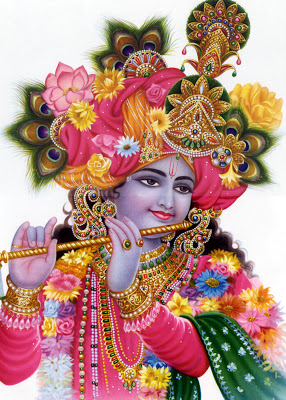
பகவான் கிருஷ்ணனின் குழந்தைப் பருவம் முதலே, அவருக்குப் பணிவிடைகள் செய்து, தேரோட்டி, பல்வேறு சேவைகள் புரிந்தவர், உத்தவர். இவர் தனது வாழ்நாளில், தனக்கென நன்மைகளோ வரங்களோ கண்ணனிடம் கேட்டதில்லை. துவாபர யுகத்தில், தமது அவதாரப் பணியை முடித்துவிட்ட நிலையில், உத்தவரிடம் ஸ்ரீகிருஷ்ணர், உத்தவரே, இந்த அவதாரத்தில் பலர் என்னிடம் பல வரங்களும், நன்மைகளும் பெற்றிருக்கின்றனர். ஆனால், நீங்கள் எதுவுமே கேட்டதில்லை. ஏதாவது கேளுங்கள், தருகிறேன். உங்களுக்கும் ஏதாவது நன்மைகள் செய்துவிட்டே, எனது அவதாரப் பணியை முடிக்க நினைக்கிறேன் என்றார். தனக்கென எதையும் கேட்காவிட்டாலும், சிறு வயது முதலே கண்ணனின் செயல்களைக் கவனித்து வந்த உத்தவருக்கு… சொல் ஒன்றும், செயல் ஒன்றுமாக இருந்த கண்ணனின் லீலைகள், புரியாத புதிராக இருந்தன. அவற்றுக்கான காரண, காரியங்களைத் தெரிந்துகொள்ள விரும்பினார். பெருமானே! நீ வாழச் சொன்ன வழி வேறு; நீ வாழ்ந்து காட்டிய வழி வேறு! நீ நடத்திய மகாபாரத நாடகத்தில்… நீ ஏற்ற பாத்திரத்தில், நீ புரிந்த செயல்களில், எனக்குப் புரியாத விஷயங்கள் பல உண்டு. அவற்றுக்கெல்லாம் காரணங்களை அறிய ஆவலாக இருக்கிறேன் நிறைவேற்றுவாயா? என்றார் உத்தவர்.

உத்தவரே! அன்று குரு÷க்ஷத்திரப் போரில் அர்ஜுனனுக்காக நான் சொன்னது, பகவத் கீதை. இன்று உங்களுக்குத் தரும் பதில்கள், உத்தவ கீதை. அதற்காகவே உங்களுக்கு இந்தச் சந்தர்ப்பத்தைத் தந்தேன். தயங்காமல் கேளுங்கள் என்றான் பரந்தாமன்

 
 உத்தவர் கேட்க ஆரம்பித்தார்; கண்ணா! முதலில் எனக்கு ஒரு விளக்கம் வேண்டும். உண்மையான நண்பன் யார்? நண்பனுக்கு ஏற்படும் துயரத்தைத் தீர்க்க, உடனே அழைப்பு இல்லாமலேயே வந்து உதவி செய்பவனே உற்ற நண்பன் என்றான் கண்ணன். கிருஷ்ணா! நீ பாண்டவர்களின் உற்ற நண்பன். உன்னை அவர்கள் ஆபத்பாந்தவனாக, பரிபூரணமாக நம்பினார்கள். நடப்பதை மட்டுமல்ல; நடக்கப் போவதையும் நன்கறிந்த ஞானியான நீ… உற்ற நண்பன் யார் என்பதற்கு நீ அளித்த விளக்கத்தின்படி… முன்னதாகவே சென்று, தருமா! வேண்டாம் இந்தச் சூதாட்டம் என்று தடுத்திருக்கலாம் ஏன் அப்படிச் செய்யவில்லை? போகட்டும். விளையாட ஆரம்பித்ததும், தருமன் பக்கம் அதிர்ஷ்டம் இருக்கும்படி செய்து, வஞ்சகர்களுக்கு நீதி புகட்டியிருக்கலாம். அதையும் நீ செய்யவில்லை. தருமன் செல்வத்தை இழந்தான்; நாட்டை இழந்தான்; தன்னையும் இழந்தான். சூதாடியதற்குத் தண்டனையாக, அதோடு அவனை விட்டிருக்கலாம். தம்பிகளை அவன் பயணம் வைத்த போதாவது, நீ சபைக்குள் நுழைந்து தடுத்திருக்கலாம். அதையும் நீ செய்யவில்லை. திரௌபதி அதிர்ஷ்டம் மிக்கவள். அவளைப் பணயம் வைத்து ஆடு. இழந்தது அனைத்தையும் திருப்பித் தருகிறேன் என்று சவால் விட்டான் துரியோதனன். அப்போதாவது, உனது தெய்வீக சக்தியால், அந்தப் பொய்யான பகடைக் காய்கள் தருமனுக்குச் சாதகமாக விழும்படி செய்திருக்கலாம். அதையும் செய்யவில்லை.

மாறாக, திரவுபதியின் துகிலை உரித்து, அவளின் மானம் பறிபோகும் நிலை ஏற்பட்ட போதுதான் சென்று, துகில் தந்தேன். திரவுபதி மானம் காத்தேன் என்று மார்தட்டிக் கொண்டாய். மாற்றான் ஒருவன், குலமகள் சிகையைக் பிடித்து இழுத்து வந்து, சூதர் சபையில் பலர் முன்னிலையில், அவள் ஆடையில் கை வைத்த பிறகு, எஞ்சிய மானம் என்ன இருக்கிறது? எதனைக் காத்ததாக நீ பெருமைப்படுகிறாய்? ஆபத்தில் உதவுபவன்தானே ஆபத்பாந்தவன்? இந்த நிலையில் உதவாத நீயா ஆபத்பாந்தவன்? நீ செய்தது தருமமா? என்று கண்ணீர் மல்கக் கேட்டார் உத்தவர். இது உத்தவரின் உள்ளக் குமுறல் மட்டுமன்று; மகாபாரதம் படித்துவிட்டு நாம் அனைவருமே கேட்கும் கேள்விகளே இவை. நமக்காக இவற்றை அன்றே கண்ணனிடம் கேட்டிருக்கிறார் உத்தவர். பகவான் சிரித்தார். உத்தவரே… விவேகம் உள்ளவனே ஜெயிக்க வேண்டும் என்பது தர்ம நியதி. துரியோதனனுக்கு இருந்த விவேகம் தருமனுக்கு இல்லை. அதனால்தான் தருமன் தோற்றான் என்றான் கண்ணன். உத்தவர் ஏதும் புரியாது திகைத்து நிற்க, கண்ணன் தொடர்ந்தான். துரியோதனனுக்கு சூதாடத் தெரியாது. ஆனால், பணயம் வைக்க அவனிடம் பணமும், ஏராளமான ஆஸ்தியும் இருந்தது. பணயம் நான் வைக்கிறேன். என் மாமா சகுனி, பகடையை உருட்டிச் சூதாடுவார் என்றார் துரியோதனன். அது விவேகம். தருமனும் அதுபோலவே விவேகத்துடன் செயல்பட்டு, நானும் பணயம் வைக்கிறேன். ஆனால், என் சார்பாக என் மைத்துனன் ஸ்ரீகிருஷ்ணன் பகடைக்காயை உருட்டுவான் என்று சொல்லியிருக்கலாமே?

சகுனியும் நானும் சூதாடியிருந்தால், யார் ஜெயித்திருப்பார்கள்? நான் கேட்கும் எண்ணிக்கைகளைச் சகுனியால் பகடைக் காய்களில் போடத்தான் முடியுமா? அல்லது, அவன் கேட்கும் எண்ணிக்கைகளை என்னால்தான் போட முடியாதா? போகட்டும். தருமன் என்னை ஆட்டத்தில் சேர்த்துக் கொள்ள மறந்துவிட்டான் என்பதையாவது மன்னித்து விடலாம். ஆனால், அவன் விவேகமில்லாமல் மற்றொரு மாபெரும் தவற்றையும் செய்தான். ஐயோ…. விதிவசத்தால் சூதாட ஒப்புக்கொண்டேனே! ஆனால், இந்த விஷயம் ஸ்ரீகிருஷ்ணனுக்கு மட்டும் தெரியவே கூடாது. கடவுளே! அவன் மட்டும் சூதாட்ட மண்டபத்துக்கு வராமல் இருக்க வேண்டும் என்று வேண்டிக் கொண்டான்; என்னை மண்டபத்துக்குள் வர முடியாதவாறு, அவனே கட்டிப் போட்டுவிட்டான். நான் அங்கு வரக்கூடாதென என்னிடமே வேண்டிக்கொண்டான். யாராவது தனது பிரார்த்தனையால் என்னைக் கூப்பிடமாட்டார்களா என்று மண்டபத்துக்கு வெளியில் காத்துக்கொண்டு நின்றேன். பீமனையும், அர்ஜுனனையும், நகுல சகாதேவர்களையும் வைத்து இழந்தபோது, அவர்களும் துரியோதனனைத் திட்டிக் கொண்டும், தங்கள் கதியை எண்ணி நொந்து கொண்டும் இருந்தார்களே தவிர, என்னைக் கூப்பிட மறந்துவிட்டார்களே! அண்ணன் ஆணையை நிறைவேற்ற துச்சாதனன் சென்று, திரவுபதியின் சிகையைப் பிடித்தபோது, அவளாவது என்னைக் கூப்பிட்டாளா? இல்லை. அவளும் தனது பலத்தையே நம்பி, சபையில் வந்து, வாதங்கள் செய்து கொண்டிருந்தாளே ஒழிய, என்னைக் கூப்பிடவில்லை! நல்லவேளை… துச்சாதனன் துகிலுரித்தபோதும் தனது பலத்தால் போராடாமல், ஹரி…. ஹரி… அபயம் கிருஷ்ணா… அபயம் எனக் குரல் கொடுத்தாள் பாஞ்சாலி. அவளுடைய மானத்தைக் காப்பாற்ற அப்போதுதான் எனக்குச் சந்தர்ப்பம் கிடைத்தது. அழைத்ததும் சென்றேன். அவள் மானத்தைக் காக்க வழி செய்தேன். இந்தச் சம்பவத்தில் என் மீது என்ன தவறு? என்று பதிலளித்தான் கண்ணன்.

அருமையான விளக்கம் கண்ணா! அசந்துவிட்டேன். ஆனால் ஏமாறவில்லை. உன்னை இன்னொரு கேள்வி கேட்கிறேன் என்றார் உத்தவர். கேள் என்றான் கண்ணன். அப்படியானால், கூப்பிட்டால்தான் நீ வருவாயா? நீயாக, நீதியை நிலை நாட்ட, ஆபத்துகளில் உன் அடியவர்களுக்கு உதவ வரமாட்டாயா? புன்னகைத்தான் கண்ணன். உத்தவா, மனித வாழ்க்கை அவரவர் கர்ம வினைப்படி அமைகிறது. நான் அதை நடத்துவதும் இல்லை. அதில் குறுக்கிடுவதும் இல்லை. நான் வெறும் சாட்சி பூதம். நடப்பதையெல்லாம் அருகில் நின்று பார்த்துக்கொண்டு நிற்பவனே! அதுதான் தெய்வ தர்மம் என்றான். நன்றாயிருக்கிறது கிருஷ்ணா! அப்படியானால், நீ அருகில் நின்று, நாங்கள் செய்யும் தீமைகளையெல்லாம் பார்த்துக் கொண்டிருப்பாய். நாங்கள் தவறுகளைத் தொடர்ந்து செய்து கொண்டேயிருந்து பாவங்களைக் குவித்து, துன்பங்களை அனுபவித்துக் கொண்டே இருக்க வேண்டும். அப்படித்தானே? என்றார் உத்தவர். உத்தவரே! நான் சொன்ன வாசகங்களின் உட்பொருளை நன்றாக உணர்ந்து பாருங்கள்.


நான் சாட்சி பூதமாக அருகில் நிற்பதை நீங்கள் உணரும் போது, உங்களால் தவறுகளையோ தீவினைகளையோ நிச்சயமாகச் செய்ய முடியாது. அதை நீங்கள் மறந்துவிடும்போதுதான், எனக்குத் தெரியாமல் செயல்களைச் செய்துவிடலாம் என்று எண்ணுகிறீர்கள்.


 SOURCE:::: input from a friend of mine
Natarajan

When I Started Loving Myself…A Poem By Charlie Chaplin !!!!


A poem by Charlie Chaplin written on his 70th birthday on April 16, 1959:


When I started loving myself
I understood that I’m always and at any given opportunity
in the right place at the right time.
And I understood that all that happens is right –
from then on I could be calm.
Today I know: It’s called TRUST.

When I started to love myself I understood how much it can offend somebody
When I tried to force my desires on this person,
even though I knew the time is not right and the person was not ready for it,
and even though this person was me.
Today I know: It’s called LETTING GO

When I started loving myself
I could recognize that emotional pain and grief
are just warnings for me to not live against my own truth.
Today I know: It’s called AUTHENTICALLY BEING.

When I started loving myself
I stopped longing for another life
and could see that everything around me was a request to grow.
Today I know: It’s called MATURITY.

When I started loving myself
I stopped depriving myself of my free time
and stopped sketching further magnificent projects for the future.
Today I only do what’s fun and joy for me,
what I love and what makes my heart laugh,
in my own way and in my tempo.
Today I know: it’s called HONESTY.

When I started loving myself
I escaped from all what wasn’t healthy for me,
from dishes, people, things, situations
and from everyhting pulling me down and away from myself.
In the beginning I called it the “healthy egoism”,
but today I know: it’s called SELF-LOVE.

When I started loving myself
I stopped wanting to be always right
thus I’ve been less wrong.
Today I’ve recognized: it’s called HUMBLENESS.

When I started loving myself
I refused to live further in the past
and worry about my future.
Now I live only at this moment where EVERYTHING takes place,
like this I live every day and I call it CONSCIOUSNESS.

When I started loving myself
I recognized, that my thinking
can make me miserable and sick.
When I requested for my heart forces,
my mind got an important partner.
Today I call this connection HEART WISDOM.

We do not need to fear further discussions,
conflicts and problems with ourselves and others
since even stars sometimes bang on each other
and create new worlds.
Today I know: THIS IS LIFE!    

source:::babamail

Natarajan