” அந்த மாதிரி வரம் கொடுக்கும் சக்தி எனக்கு இல்லை …”

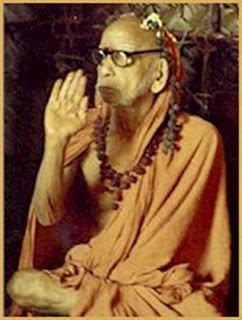
ஒரு கூர்கா, தரிசனத்துக்கு வந்தார். முகத்தில்

கவலை தெரிந்தது.

“என்ன சமாசாரம்னு கேளு” என்று தொண்டரிடம்

சொன்னார்கள் பெரியவா.

1f22d-1கூர்கா சொன்னார்.

“நான் பிறந்ததிலிருந்தே கஷ்டங்களைத்தான்

அனுபவித்துக் கொண்டிருக்கிறேன்.ஆனால் ஏதோ

புண்ணிய வசத்தால் தெய்வ ஸ்வரூபமான பெரியவா

தரிசனம் கிடைச்சிருக்கு….இனி எனக்கு ஜன்மாவே

வரக் கூடாது என்று அனுக்ரஹம் பண்ணணும்…”

“ஆகா,அப்படியே ஆகுக! உனக்கு இனி ஜன்மாவே கிடையாது!”

என்று பெரியவாள் சொல்லி விடவில்லை.

பின் மெதுவாகச் சொன்னார்கள்.

“அந்த மாதிரி வரம் கொடுக்கும் சக்தி எனக்கு இல்லை.

நான் தினந்தோறும் பூஜை செய்யும் சந்த்ரமௌளீஸ்வரரையும்

த்ரிபுர சுந்தரியையும் உனக்காகப் பிரார்த்தனை செய்து

கொள்கிறேன்….”

கூர்காவுக்கு இந்தப் பதில் நியாயமாகப்பட்டது போலும்.

ஒரே குதூகலம் அவருக்கு.

பிரசாதம் பெற்றுக் கொண்டு;,

“எனக்கு இனிமேல் ஜன்மா கிடையாது….ஈசுவராக்ஞை”

என்று திரும்பத் திரும்ப சொல்லிக் கொண்டே போனார்.

“ரொம்ப நாள் கழிச்சு இந்த மாதிரி, எனக்கு ஜன்மா

வரக் கூடாதுன்னு கேட்டு, இவன் ஒருத்தன் தான்

வந்திருக்கான்!” என்று கண்களில் ஞானஒளி வீசக்

கூறினார்கள் பெரியவா.

“மனுஷ்யனாக அவதாரம் பண்ணிய ராமன், எந்தத்

தைரியத்தில் ஜடாயுவுக்கு ஸ்வர்க்க லோகத்தைக்

கொடுத்தான்? அவனறியாமல் நாராயணத்வம்

வெளிப்பட்டு விட்டது” என்று ஒரு பௌராணிகர்

கூறியது நினைவுக்கு வந்தது.

பெரியவா, சங்கரர் என்பது, உடனிருந்த

கிங்கரர்களுக்குப் புரியவில்லை.

கூர்காவுக்குத் தெரிந்திருந்தது !!!!

SOURCE:::::www.periva.proboards.com

Natarajan

Read more: http://periva.proboards.com/thread/8233/#ixzz3ICgX2QEG


Message For the day…” Call God From the Core of your Heart …”

 Today the world is facing a lot of problems because people are not doing enough Namasamarana. Let each and every street reverberate with the singing of the divine glory. May each and every cell of your body be filled with the Divine Name. Nothing else can give you the bliss, courage and strength that you derive from Namasamarana. Even if others make fun of you, ignore it, let it go! Everyone young or old, rich or poor, must doNamasamarana. Do it with all your mind and total dedication. Sing to the Lord without any inhibitions; only then can you experience divine bliss. You do not need any musical instruments – it is enough if you call Him from the core of your heart. Take care that you do not have evil thoughts as they will produce discordant notes. Then you will receive divine grace and energy. 

Sathya Sai Baba

Dialysis @ Rs 100…? ….He Made it Happen !!!

Indian American Harvard Medical School student Sachin Jain looks beyond boundaries of direct service.

Sachin Jain comes from a family of philanthropists.

His India-born father, Subhash, and others funded Jain’s paternal aunt Shanti, who had committed her life to rural health care in Phalodi, Rajasthan.

The family runs the HBS Trust, which, among other things, runs a non-profit hospital (Kalapurnam General Hospital) and a school (Bal Academy).

He watched as his father and brother, Roopam, worked their own magic, once sending to India supplies from a hospital in Kansas that went bankrupt.

Sachin had done his share in organising things for his parents in the United States.

He spent some time at the hospital, even living there awhile.

But if he was to help, he saw that he could not make the same kind of headway his father perhaps did.

He realised there were cultural nuances to India, one that essentially made for a foreign context for him, he says:

“As someone who grew up in America, I don’t have that. People there know to get things done… There’s a different work culture in India.”

Sachin, who went to Harvard Medical School, taking a break to do his MBA first, and then to work awhile in the Obama administration, says, “As I got older, (I saw) the special sweet spot I could be at (would be one where I could) build partnerships that create novel programmes.”

He spoke to Kent Theiry, chief executive officer, Davita, the largest dialysis material supplier in the US, and worked out a deal to do collaborative work on dialysis services in India.

Thanks to Davita and other sources of funding, the HBS Trust has two dialysis centres — in Jodhpur and Phalodi.

Already 17,000 patients have used the facilities in Jodhpur, 3500 in Phalodi.

The charges are on the ability to pay, amounting to about Rs 100 ($1.63) and Rs 200 ($3.27) per session.

That well-nurtured partnership has been on for almost six years.

Sachin also worked out a deal with the Medical Mission for Children (Boston), which worked on cleft lips and palates.

“They were interested in going to India,” Jain says, adding that he “didn’t think there was need for this.”

But a few advertisements in the local papers there unleashed an overwhelming response.

He now realises how important the seven-year partnership has been in helping people living with that social stigma get jobs or even get married.

Sachin goes there every year, to meet family and see how the hospitals are doing.

In the US, he practices at the Boston Veterans Hospital, is editor-in-chief of Healthcare, an academic publication, and the chief innovation officer at Merck.

On the side he organises trips for doctors to India.

The role of Indian Americans has been to go back and give frontline service, he says, adding, “My job is understanding what is going there.”

He says he spends a lot of time maintaining relationships, failing to fix a deal 80 percent of the time.

He speaks of another dialysis company he has been wooing, which has coyly refused to play nice yet.

Something might happen next month or next fall. The important thing is not to get discouraged, Jain says.

He adds that right now people think of doing direct service. But, just as he did, there is also the option for young people to learn to use the options they have here.

SOURCE::::: P.Rajendran in http://www.rediff.com

Natarajan

Message For the Day…” Youth Must Hold Fast to God …”

Adi Shankara remarked to his disciples that young people were more keen on sensuous pleasures than enquire about the Soul (Atma). It is piteous that people are more attached to the body, which is a container of many filthy objects. They are carried away by the external physical attractions of the body, without understanding its impermanence. How long can youth last? His message is a strong warning to the young to be very careful in the life they lead and encourages them to shed body-consciousness. You must practice recognising the Divine Principle present in all beings, even though they may be called by different names and appear different. Youth must hold fast to God as their only true Friend and Supporter. Once you have firm faith, the Divine will Himself manifest and reveal Himself to you.

Sathya Sai Baba

Message For the Day…” Childhood is a Very Sacred and Golden Phase in Human Life …”

Today many parents, even those highly educated, are acting without any sense of discrimination – discouraging children from worshipping God and participating in bhajans. They tell them that they would have ample time to think of God, post retirement. This is a grave mistake. You can remember God in old age, only when you practice thinking of Him from early on. Childhood is a very sacred and golden phase in human life – do not misuse it! Gayatri Mantra is the embodiment of Mother Principle. Practice chanting it every day – in the morning, afternoon and evening. When your back is towards the Sun, your shadow will be in front of you. It will fall behind you only when you stand facing the Sun. Similarly illusion (maya), which is like your shadow, will overpower you when you turn your mind away from God. You can easily overcome illusion, when you turn your mind towards God.

Sathya Sai Baba

This 75 Year old ‘Mami’ Has a Cooking App to her Name !!!

>

Shobha Warrier in Rediff.com


Chitra Viswanathan


“I want to preserve all the traditional recipes as people are more interested in Italian and Mexican cuisine these days. I do not want the next generation to forget great dishes that are part of our traditional cuisine.

People think Chitvish (short for Chitra Vishwanathan) is a flashy, smart lady, but no, there is nothing extraordinary about what I do. I am a housewife like any other; I just happen to be interested in technology.

“My entry into the world of the Internet began when I told a lady from Nigeria how to make veppila katti (a spicy chutney powder).”

Meet Chitra Vishwanathan, 75, who talks about her inspiring, self-motivated journey from a home-maker to a culinary expert.

You don’t expect a 75-year-old mami (auntie) to be so tech savvy as to use her iPad to make her points, shoot pictures on her mobile phone when she goes for a walk on the beach, or talk about storing her stuff on the cloud as her hard disk kept failing.

But Chitra Viswanathan is not any 75-year-old mami.

She’s Chitvish, columnist and head of the cookery section of a website, and a well-known food blogger who shares her recipes and culinary expertise on the Internet.

She vehemently denies she is different. “I am just a matronly, grey-haired Mylapore mami who is passionate about cooking.

“People think Chitvish is a flashy, smart lady, but no, there is nothing extraordinary about what I do. I am a housewife like any other, I just happen to be interested in technology. Yeah, I guess my hobby is different.”

She may be modest about it, but there aren’t many mamis who are active on Facebook, who upload pictures of their cooking experiments on the Internet, and have mobile apps named after them.

She welcomed our photographer and I to her home with a baked dish and a sweet drink, saying, “I have made these two for you. Let me know how they taste. Only if you like them will I upload them on my Facebook page. I always try new recipes on guests.”

Needless to say, they were both yummy.

Viswanathan’s love of cooking started when she was a child. Whenever her mother’s side of the family got together in Trivandrum, the ladies did all the cooking.

“Even though I was but a chit of a girl, I used to wait for the stove to be lit so as to join in the fun.

“We only cooked traditional South Indian food at home, and never really partook of any North Indian food. That is why, to this day, I retain a fascination for traditionally cooked South Indian food.”

She moved to Chennai after she got married, in 1960.

“In 1964, cooking gas and the pressure cooker made their way into our lives. I can’t tell you how much easier those innovations made cooking,” she recalls.

When she read an advertisement in the newspapers for a training course in juice and jam making offered by the Government Catering Institute, she decided to join.

“Back then — this is 1964 we’re talking about — going to classes to learn cooking was a new concept. But I’ve always loved to do different things.”

She started making juices, ketchup and jams at home. And whenever she heard of a cookery class, she joined up.

But what opened her horizons was a course in baking.

“Baking was totally alien, not just to me, but to most women in Chennai who were otherwise passionate about cooking.

“We learnt to bake bread, pastries and so many other things in a short span of three months. After that, I was ready to bake anything.”

Each day, after sending the children off to school, she used to rush to the British Council library to pore over recipes for baked dishes from magazines.

Soon after, she got a tin oven from Mumbai and started baking a variety of things for her children.

When I first made all those dishes, I thought I was the most creative person on earth! I still remember this one time I was baking a dish when a cousin walked in and asked, ‘Chitra Akka, what are you making? It smells like a bakery in here.’

“When people say that, I feel so thrilled.”

“I want to preserve all the traditional recipes as people are more interested in Italian and Mexican cuisine these days. I do not want the next generation to forget great dishes that are part of our traditional cuisine — athirasam (a fried donut), kai murukku (a salty snack), the list goes on…” she says.

In 2004, her daughter gifted her a computer and an Internet connection.

“I asked my daughter, am I not a bit too old to learn new things at 65? What if I am not able to learn? She told me that I would be able to, dumped a lot of computing books on me, and headed back home.

“She felt it would help me to explore a new world of baking and cooking. As I generally feel depressed if I fail to learn something, I tried hard to learn to use the computer.”

The broadband connection opened a whole new world, mainly culinary.

“When I searched for traditional recipes of various kuzhambus and koottus, I found that the recipes were all wrong. Every recipe had onion and garlic whereas the traditional ones have neither.

“When I went to Indiatastes.com, a recipe discussion forum, I found that no one had answered a query on how to make poosanika koottu. I answered the query and gave her the proper recipe.

“From the moment I posted it, people started bombarding me with more queries. They understood that somebody who actually knew how to cook had answered.

I still think my entry into the world of the Internet began when I told a lady from Nigeria how to make veppila katti (a spicy chutney powder).”

She came across Indusladies.com, a website started by a woman named Malathi, in the US in 2005. Malathi sent her an e-mail asking her to head the Indusladies cookery section.

Though she was initially hesitant, wondering how she would answer questions on recipes unknown to her, she took up the offer.

Malathi named the column ‘Ask Chitvish’, and thus did Chitra Viswanathan become Chitvish.

“It was a new identity and a new beginning for me. She gave me full freedom to run the column the way I wanted. I covered almost everything that young women wanted to know, from making a meal in a jiffy to elaborate dishes.”

When a Kashmiri woman asked her what kozhukattai (a traditional rice dumpling) looked like, Chitra realised that pictures were an essential part of a recipe column. She bought a camera and started posting pictures of all of the dishes she cooked.

“It was a big challenge for me to upload the pictures from the camera. But in no time, I mastered the art. Google was my teacher, helping me to do these things.”

From posting pictures of recipes, she moved on to ‘step by step’ recipe pictures for newbies!

From cooking, she moved to spirituality.

As she was a senior citizen, many young women started asking her questions of a religious and spiritual nature. That led to another column on many aspects of Indian culture.

Then came the mobile app Ask Chitvish.

Priced at $4 for Android users and $5 for iOS users, the app was a gift from her daughter to her three years ago.

She has uploaded more than 2,300 recipes, with many more to be tested and posted.

She has stored all her recipes in the cloud after she had the unfortunate experience of her hard disk crashing.

She also has a very active Facebook page.

Vishwanathan’s days are jam packed. She spends almost seven to eight hours in front of the computer.

A typical day begins at 6 am and a walk to the kitchen with her iPad and camera.

“I run between the kitchen and my computer, as that’s when people in the USA ask me questions on my Facebook page. If I cook something interesting for my breakfast, I immediately put it up on my page.”

In the evenings she walks down Marina beach. Using her camera phone, she takes candid pictures and puts them up on her Facebook page.

“I even got an award once, from a radio station, for a candid photo I took.”

She connects with readers on Facebook, sharing new recipes and answering their queries.

“Whatever I try, I post on Facebook. After my husband’s death recently, I wanted to make sure I didn’t wallow in loneliness. I have so many ‘cyber-friends’ who consider me a part of their family. I also blog a lot on many aspects of life that take my fancy.”

Her ambition is to now document all the recipes she knows.

“There are hundreds of versions of each recipe. I want to note down for posterity the versions I learnt from my grandmother.”

Now, do you still agree with her when she says she is just a matronly, grey haired ‘Mylapore mami’ who is passionate about cooking?

As we were about to leave, she asked, “Can you think of a better word than ‘passionate’ to express my love for cooking?”


SOURCE::::: Shobha Warrier in rediff.com…Photo Credit …Sreeram Selvaraj

Natarajan


” Food For Thought …” !!!

Illustrations: Sreejith R. Kumar
The HinduIllustrations: Sreejith R. Kumar

At marriages, all seems to be fair in the love for food and the war to reach it

“Do you know there were only 80 guests at the wedding?” A friend who had attended a marriage in the United Kingdom was describing the experience. He was full of praise for the function, but appeared a little bewildered too. “Only 80, can you beat it, and that included the families of the bride and groom. Eight tables in all with every guest allotted a particular seat.” After attending marriages here where half the population is invited and the other half gatecrashes, he had every right to sound astonished.

“Can you change seats?,” I asked, intrigued. This sounded like booking tickets for a movie. “No way,” he replied. “I can’t imagine something like this happening in our part of the world.”

I can’t, either. Kerala weddings have always been known for their brevity, but the austerity that used to be associated with them is gone. Everyone’s invited to witness the extravaganza. The hall is huge, the decorations unique – event management has seen to that – the bride is covered with gold, silk and flowers, in the order of visibility, while the groom looks self conscious and uncomfortable in an ‘Indian’ costume. He need not be, for the guests have come with their priorities firmly in place. The bride, the groom and the ceremony are mere trappings; the feast is the thing.

The beating of the drums and the ‘nadaswaram’ rising to a crescendo signals the tying of the ‘thali’ around the bride’s neck. It signals something else for the guests – it’s the welcome meal bell that indicates it’s time to make a dash for the dining hall.

The most coveted seats in the wedding auditorium are those nearest the doors to the gastronomical heaven and many canny guests have taken strategic positions there, already half out of their seats in their eagerness to sprint at the right moment.

Before you know what’s happening, almost all the guests rush out as if the fire alarm has been sounded. And then begins the jostling, the pushing and the shoving. The wedding feast is a great leveller. Class, caste and gender distinctions are ignored while good manners are thrown to the winds in this mad rush to sit reverentially before the banana leaf. The well heeled rub eager silk covered shoulders with the down at heel, men ungallantly push women aside while women, not to be out done, return the compliment – sexual harassment is not an issue here. Children cheerfully bring down old grandmothers, students think nothing of aiming well directed elbows into whomever stands in their way and all seems to be fair in the love for food and the war to reach it.

Those with the swiftest feet and the quickest reflexes manage to gain entry and the doors close leaving high, dry and hungry, a huge group that is left ruing its lack of initiative. These days it’s not just feasting that is important but telling the whole world you have feasted.

The other day I noticed a young chap taking a picture on his phone of the leaf after food was served. “Whatever for?,” I asked my husband. “To put up on Facebook, what else?,” he replied. One can imagine the likes that would appear and the comments: “Wow, three rows of curries! You lucky dude!”, “I’m hungry!”, “Oh for the taste of Kerala. Homesick!”, “What’s that interesting looking item, middle row, third from right?”…

The hungry ones, watching hawk eyed from the glass doors and windows, perk up the moment they see the buttermilk being served. “Over!”, they announce to their ravenous companions. Before the first group can exit, they rush in, causing a stampede of sorts, while the catering manager and the long suffering uncle of the bride seek vainly to bring some order into the proceedings.

“Allow us to clear the tables first”, they plead, trying to close the doors but in vain. “So what if the used leaves are just being cleared? We aren’t finicky or squeamish, are we?,” the self appointed spokesperson of the group asks rhetorically, as all scramble for seats and watch with satisfaction the leaves being taken away, fresh ones being placed and curries being served.

If you chance to glance at the stage as you leave with a burp, you might find two people in a corner with lost expressions on their faces, waiting resignedly to be taken for lunch. They are the bride and the groom.

[khyrubutter@yahoo.com]

(A fortnightly column by the city-based writer, academic and author of the Butterfingers series)

Keywords: Inside view columnmarriage foodKerala weddings

SOURCE::::THE HINDU.COM

Natarajan

Message For the Day…” Sanctify Your Birth by Leading a Pure and Sacred Life …”

The body is made up of five elements and is not real at any time. Body is like a water bubble. The bubble is born in water, sustained in water and ultimately merges in the water. Similarly the Self is born from Divine Consciousness (Satchidananda) and merges ultimately in the Divine. Birth and death are scenes in this drama of life; do not consider them to be true. In your sleep you may have seen many mansions, but when you are awake, you don’t see any of them! The buildings you see during your day are not visible to you when you are asleep. Hence both are untrue – day-dreams and night-dreams at best! The only fact in it is that ‘you’ are present in both times. Similarly though you have a human form, in reality you are Divine. Therefore sanctify this birth by leading a pure and sacred life. Don’t accumulate the dirt of worldly life.

Sathya Sai Baba

Message For the Day…” Revere Your Father and Mother as Divine…”

The Vedas declare, “Mathru Devo Bhava, Pitru Devo Bhava”. Revere the mother and father as Divine. All of you must realize that your blood, food, head and money are gifts of your parents. First and foremost, offer your gratitude to your mother. Never forget your mother who gave you birth after allowing you to grow within herself for nine months, and provides you all care and comfort, unmindful of her own discomforts. The mother always has the child’s well-being uppermost in her mind on all that she says and does. You may be highly educated and your mother may be illiterate, still you should have the utmost regard and respect for her. Consider the teachings of your mother as dear as scriptures themselves. Bereft of character, worldly education cannot grant peace or help you lead a Divine Life. 

Sathya Sai Baba