
source:::::glasbergen.com
natarajan
source:::::glasbergen.com
natarajan
A mother holds a child that has soiled its shirt and puts on it a new one. Death is the removal of the soiled shirt and putting on the fresh one. Let the Mother do Her will, be a willing child in Her hands. Have full faith in Her love and wisdom. Be an instrument; submerge your will in the Will of the Lord. That will save you from worry and pain. Do not lose your mind, seeing people who have gone astray. It will be like seeing a stagnant pool and then judging rainwater to be dirty. Rain water is pure; it is the soil that soils it. Also be careful not to decry anyone. It amounts to decrying God. Be aware of the God within you and the God in everyone else. If you do this, there is nothing to equal the joy and peace that you will be rewarded with. I bless you, so that you may attain that bliss.

This Banner is going viral on Facebook in India 🙂 What is your opinion. Such a bold and strong statement by Indian Press Media 🙂 Kudos to The Hindu ! Keep more coming like this…
It says ” Dear Mr.Politician, How come rising fuel prices worry a single-car owner and not someone with a 20-car convoy? Behave yourself, India. The Youth are watching.” – The Hindu

source :::::Reblogged from propel steps @wordpress.com
natarajan
The greatest instrument by which success can be ensured for all your efforts is devotion. That will grant you health, wealth and prosperity too. It will also eliminate hatred and faction, and give more strength to you. A person with devotion will do every act as worship of the Lord, and so the act will be done effectively without any malingering or insincerity. It will also win the Grace of the Lord, so the devotee will be able to do more and enjoy greater health and mental happiness. If every one of you unite and sing the glory of the Lord, it will produce greater harmony and social cohesion than thousand people clamoring and shouting one against the other. Divine Love will flood the area and fertilize all your efforts if all of you sing the Lord’s name together in unison. Do it for some time and you will yourself bear witness to the loving and serene atmosphere.

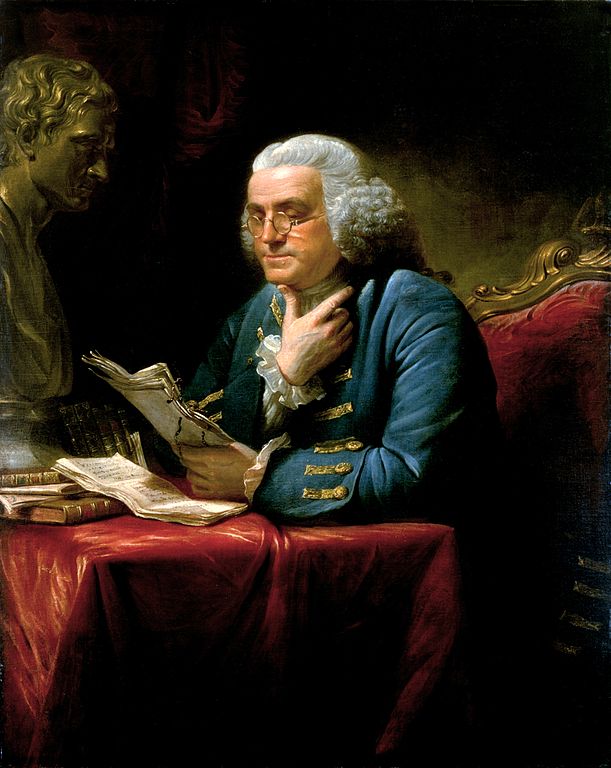 Today I found out Ben Franklin’s proposal of something like daylight saving time was written as a joke.
In a comedic letter he wrote, An Economical Project (published in 1784), ”to the authors of the journal of Paris”, Franklin mentions something like daylight saving time. Although, instead of changing clocks, he suggested ringing church bells and firing cannons, among other things, as the sun rises to maximize the amount of time people would be awake during times when the sun is providing free light. The letter was meant to be a satire, rather than actually suggesting these changes be made.
Here’s an excerpt of the letter:
You often entertain us with accounts of new discoveries. Permit me to communicate to the public, through your paper, one that has lately been made by myself, and which I conceive may be of great utility.
I was the other evening in a grand company, where the new lamp of Messrs. Quinquet and Lange was introduced, and much admired for its splendor; but a general inquiry was made, whether the oil it consumed was not in proportion to the light it afforded, in which case there would be no savoring in the use of it. No one present could satisfy us in that point, which all agreed ought to be known, it being a very desirable thing to lessen, if possible, the expense of lighting our apartments, when every other article of family expense was so much augmented…
I went home, and to bed, three or four hours after midnight, with my head full of the subject. An accidental sudden noise waked me about six in the morning, when I was surprised to find my room filled with light; and I imagined at first, that a number of those lamps had been brought into it; but, rubbing my eyes, I perceived the light came in at the windows. I got up and looked out to see what might be the occasion of it, when I saw the sun just rising above the horizon, from whence he poured his rays plentifully into my chamber, my domestic having negligently omitted, the preceding evening, to close the shutters.
I looked at my watch, which goes very well, and found that it was but six o’clock; and still thinking it something extraordinary that the sun should rise so early, I looked into the almanac, where I found it to be the hour given for his rising on that day. I looked forward, too, and found he was to rise still earlier every day till towards the end of June; and that at no time in the year he retarded his rising so long as till eight o’clock. Your readers, who with me have never seen any signs of sunshine before noon, and seldom regard the astronomical part of the almanac, will be as much astonished as I was, when they hear of his rising so early; and especially when I assure them that he gives light as soon as he rises. I am convinced of this…
Yet it so happens, that when I speak of this discovery to others, I can easily perceive by their countenances, though they forbear expressing it in words, that they do not quite believe me. One, indeed, who is a learned natural philosopher, has assured me that I must certainly be mistaken as to the circumstances of the light coming into my room; for it being well known, as he says, that there could be no light abroad at that hour, it follows that none could enter from without; and that of consequence, my windows being accidentally left open, instead of letting in the light, had only served to let out the darkness…
This event has given rise in my mind to several serious and important reflections. I considered that, if I had not been awakened so early in the morning, I should have slept six hours longer by the light of the sun, and in exchange have lived six hours the following night by candle-light; and, the latter being a much more expensive light than the former, my love of economy induced me to muster up what little arithmetic I was master of, and to make some calculations, which I shall give you, after observing that utility is, in my opinion the test of value in matters of invention, and that a discovery which can be applied to no use, or is not good for something, is good for nothing… [From The Writings of Ben Franklin: An Economic Project]
He then goes on to estimate that a total of about 64 million pounds of wax would be saved in Paris alone over a six month period starting in spring if people woke up when the sun came up. He then suggests a variety of methods to induce people who are “obstinately attached to [the] old custom” of getting up at noon to wake up with the sunrise, such as taxing people who have shutters on their windows, rationing candles, and waking people as soon as the sun comes up by ringing church bells and firing cannons.
Although, it’s quite clear he’s joking around in this letter, Franklin was known for putting more subtle jokes in many of his other papers that only the most astute would spot. He was so famous for this that, according to Ormand Seavey, editor of Oxford’s edition of Ben Franklin’s autobiography, when they were deciding who should write the Declaration of Independence, they partially chose Jefferson over the significantly more qualified and respected Franklin, as some feared Franklin would embed subtle humor and satire in it that wouldn’t be recognized until it was too late to change. Knowing this document would likely be examined closely by the nations of the world at that time, they chose to avoid the issue by having the much less gifted writer, Jefferson, write it instead, with Franklin and three others to help Jefferson draft it.
The modern day version of daylight saving time was first proposed by the New Zealand entomologist George Vernon Hudson in 1895. The credit for the first to suggest the modern day DST system is often incorrectly given to William Willett who independently thought up and lobbied for DST in 1905. He was riding through London one day in the early morning and noticed that a good portion of London’s population slept through several hours of the sunlit summer days. If only he’d read Franklin’s letter, inspiration might have struck sooner. Willet lobbied for DST until his death in 1915. It was one year later in 1916 that certain European countries began adopting DST.
source::::todayifoundout.com
natarajan
|
How to destroy the mind? It is easy once you know what it is. The mind is stuffed with desire, similar to a football filled with air. Puncture it and it will not move from place to place. In a square field filled with water from an irrigation canal, water appears in the form of a square. If the field is circular or triangular, then the sheet of water will match the geometric shape. The mind too takes on the form of one’s desires. Take another example – the mind is like a piece of cloth, the warp and woof being the yarn of desire. The texture, the colour, the durability, the feel, and the shine of the cloth will depend upon the desire that constitutes the warp and the woof. Remove the yarn strand by strand, and the cloth automatically disappears. This is the technique of destroying the mind (Mano Nasanam). A wise person will wipe out all traces of the mind.
|

“காலை இஞ்சி.. கடும்பகல் சுக்கு.. மாலை கடுக்காய்.. மண்டலம் உண்டோர் கோல் இன்றி நடப்பாரே – இதுதானே பண்டைத் தமிழரின் வாழ்வியல் உணவு முறை” என முண்டாசை சரிசெய்தபடி மீசையை முறுக்குகிறார் முத்துச்சாமி. 75 வயதானாலும் 25 வயது இளைஞனிடம் இல்லாத சுறுசுறுப்பை இவரிடம் பார்க்கலாம்.
திருப்பூர் கருவம்பாளையம் பகுதியில் உள்ள முத்துச்சாமியின் வீடு இந்தத் தலைமுறை நிச்சயம் காணவேண்டிய ஒரு அருங்காட்சியகம். சாணம் மெழுகிய திண்ணைகள், கயிற்றுக்கட்டில், பனை ஓலை விசிறி, சீமை ஓட்டு மேல்கூரை, பொன்னாங்கண்ணி, வில்வம், கத்தாழை, தூதுவளை, புதினாவுடன் கூடிய மூலிகைத் தோட்டம், தினசரி சாப்பாட்டுக்காக மாடியில் காய்கறித் தோட்டம், அதன் பக்கத்தில் அறிவை மேம்படுத்தும் பெரிய நூலகம்.. என்று இயற்கையோடு இயைந்து, இணைந்து வாழ்கிறார் முத்துச்சாமி. அக்கம்பக்கத்தில் வசிப்பவர்கள் அவரது வாழ்க்கை முறையைப் பார்த்து வாயைப் பிளக்கிறார்கள்.
“எல்லாரும் எல்லாமும் பெறவேண்டும் என்பதுதான் நான் வாழும் இந்த வாழ்க்கையின் உண்மை தத்துவம். தமிழகத்தின் தேசிய மரம் பனை. ஆனால், கொஞ்சம்கூட யோசிக்காம அதை அழிச்சிட்டு வர்றாங்க. செங்கல் சூளைக்காக பனை மரத்தை தூரோடு வெட்டி எடுத்துட்டே இருக்காங்க. பனைப்பால், பனை நுங்கு, பனை ஓலை, கருப்பட்டி என வாழைக் கன்றுபோல பனையின் அனைத்து பாகங்களும் பயன்படும். பனையின் முக்கியத்துவத்தை வலியுறுத்தி, ஒரு குறளுக்கு 100 மரம் வீதம் ஒரு லட்சத்து 33 ஆயிரம் பனை மரங்களை திருப்பூர், காங்கயம், சென்னிமலை, கைத்தமலை, ஜல்லிப்பட்டி, செஞ்சேரிமலை, நரசிபுரம், பவானி உள்ளிட்ட பகுதிகளில் நட்டுவைத்தோம். ஆனாலும், பனை மரங்களை அழிப்பது நின்றபாடில்லை” – இயற்கையின் மீது தனக்குள்ள அக்கறையை வெளிப்படுத்திய முத்துச்சாமி, தன்னைப் பற்றியும் பேசினார்.
“வருஷா வருஷம் முதியோர் தடகளப் போட்டியில் எனக்குதான் முதலிடம். அந்தளவுக்கு என் மனசையும் உடம்பையும் இயற்கை உணவு காப்பாத்தி வைச்சுருக்கு. இதுவரை எந்த நோயும் அண்டியதில்லை. காலையில் வரகரிசி உப்புமா, கொஞ்சம் கீரை, அரை வேக்காட்டில் காய்கறிகள், மூலிகை தோசை, ராகி, கேப்பை, கம்பு, கூழ்னு எனக்குப் பிடிச்சத எடுத்துக்குவேன். சிறுதானியங்கள் என் உணவுல பிரதான அங்கம். தமிழரின் வாழ்க்கை முறையே அப்படி இருந்ததுதானே. இன்றைக்கு இருப்பதுபோல பளபளக்கும் பகட்டு டப்பாக்களுக்குள் நம் முன்னோர்கள் முடங்கிப் போகவில்லையே?
வீட்டில் சமையலுக்குகூட, கடைகளில் அரைத்து விற்கப்படும் எந்தவொரு பொருளையும் நாங்க பயன்படுத்துறதில்லை. மூணு வேளையும் முழு கட்டு கட்டுற வேலையும் எனக்குப் பிடிக்காது. காலை மற்றும் பொழுதுசாயும் நேரம் என தினமும் ரெண்டு வேளைதான் சாப்பாடு. மத்த நேரங்களில் சுக்கு கசாயம் போதும். வெளியூர் போனா ஓட்டலைத் தேடிப் போறதில்லை. அதுக்குப் பதிலா, கொஞ்சூண்டு அவல் எடுத்துட்டுப் போயிருவேன். ஒருவேளை பசியாற மூணு கைப்பிடி அவல் போதும். நான் மட்டுமல்ல.. சுப்புலட்சுமியும் அப்படித்தான்” என்று தன் மனைவியை அறிமுகப்படுத்துகிறார்.
“எந்தச் சூழலிலும் இயற்கைக்கு முரணா வாழக்கூடாதுன்னு இவரு அடிக்கடி சொல்வாரு. செல்போன் அதிகரிச்சதால சிட்டுக்குருவிகள் அழிஞ்சுட்டு இருக்கு, அதனால செல்போனை நாங்க கையால தொடுறதே இல்லை. பெட்ரோலுக்குத்தானே இந்த உலகத்துல பெரும் யுத்தம் நடக்குது. பெட்ரோல் வண்டிகளோட கரும் புகை நம்மைச் சுற்றி நச்சுக்களை பரப்பி இயற்கையை அழிச்சுக்கிட்டே இருக்கு. அதனால, பெட்ரோல் பயன்படுத்தவே கூடாதுன்னு வைராக்கியம் வச்சுக்கிட்டு, இப்ப வரைக்கும் சைக்கிள்தான் ஓட்டுறாரு.
அளவுக்கு அதிகமாக தண்ணீரை வீணடிக்கிறதும் நாம பூமிக்கு செய்யுற துரோகம்னு சொல்வாரு. வீட்டுல மின்சார வசதிகூட ரொம்ப நாளா இல்லை. இப்பத்தான் சோலார் பேனல் மூலமா ஒரே ஒரு லைட்டுக்கும், காத்தாடிக்கும் தேவையான அளவுக்கு இயற்கை மின்சாரம் உபயோகிக்கிறோம். இவரு வெளியூர்களுக்கு போனாக்கூட கீழாநெல்லி, துளசி மாதிரியான கன்றுகளைத்தான் வாங்கிட்டு வருவாரு. நாங்க, முடிஞ்ச வரைக்கும் இயற்கையை சீரழிக்காம வாழ்ந்துட்டு இருக்கோம். அதனால, எங்க வாழ்க்கையும் ரொம்ப ஆரோக்கியமாக இருக்கு. ஆனா, தங்களையும் அறியாமல் இயற்கையை அழிச்சிட்டு இருக்கிற சனங்க, ‘எப்படி உங்களால இந்தக் காலத்துலயும் இப்படி எல்லாம் வாழமுடியுது. இந்தக் காலத்துக்கு இதெல்லாம் சரிப்பட்டு வருமா?’ன்னு கேள்வி கேக்குறப்ப சிரிக்கிறதா வேதனைப்படுறதான்னு தெரியல” கணவர் கருத்திலிருந்து கடுகளவும் மாறாமல் பேசினார் சுப்புலட்சுமி.
‘அரசு விழாக்களில் புலால் உணவு பயன்படுத்த தடைவிதிக்க வேண்டும்’ என முத்துச்சாமி எழுதிய கோரிக்கை மனுவை ஏற்றுத்தான், ‘இனி, அரசு விழாக்களில் சைவ உணவு மட்டுமே பரிமாறப்படும்’என்ற உத்தரவை தமிழக அரசு பிறப்பித்ததாம். பெருமையுடன் சொல்கிறார் முத்துச்சாமி.
இயற்கையோடு இணைந்த இவர்களது வாழ்க்கைமுறை பற்றி கேள்விப்பட்டு, இந்தக் காலத்து இளைஞர்கள் பலரும் இவர்களது வீட்டுக்கு வந்து விசாரித்துவிட்டுப் போகிறார்களாம். இவர்களில் பலர், ‘நாங்களும் உங்களைப் போல இயற்கைக்கு மாறிட்டோம் ஐயா’ என்று சொல்ல ஆரம்பித்திருப்பது முத்துச்சாமியின் இயற்கை வாழ்வியல் முறைக்கு கிடைத்த இன்னொரு வெற்றி!
மஹா பெரியவாள் தரிசன அனுபவங்கள் – ஆறாம் பாகத்திலிருந்து ஸ்ரீமதி ஜெயலெஷ்மி அம்மாளின் அனுபவங்கள்….
ஸ்ரீகுரு பாதுகா சரணம்
மஹாபெரியவாளிடம் எனக்கும் என் குடும்பத்தினருக்கும் உள்ள பக்தியை எழுத்துக்களால் எழுதிக் காட்ட முடியாது. நாங்கள் ஸ்ரீவைஷ்ணவர்கள். என்றாலும், பெரியவாளிடம் உரிமை கொண்டாடும் பக்தி இருக்கிறது.
நான் வாழ்க்கையைத் தொடங்கிய காலத்தில் ஏராளமான கஷ்டங்கள். திக்குத் திசை தெரியாமல் அல்லாடினேன். அந்தச் சமயத்தில் ஒரு தீட்சிதர், புராணப் பிரவசனம் செய்வதற்காக செங்கற்பட்டுக்கு வந்திருந்தார். அவரிடம் சென்று என் குடும்ப நிலையை எடுத்துச் சொல்லி பரிஹாரம் கேட்டேன்.
ஒரு வெள்ளிக் குத்துவிளக்கில் லட்சுமி-சரஸ்வதி-பார்வதி ஆகிய மூன்று அம்பிகைகளை ஆவாஹனம் செய்து, பூஜை செய்து வரும்படி அவர் ஆலோசனை கூறினார். அப்படியே செய்து வந்தேன்.
ஒருநாள், ஒரு பரதேசி என் வீட்டுக்கு வந்து பிச்சை கேட்டான். ஏதோ சில்லரைக் காசு கொடுத்தேன். அவன் என்னை மேலும் கீழுமாகப் பார்த்துவிட்டு, குறி சொல்பவன் போல், “குத்துவிளக்குப் பூஜையெல்லாம் உபயோகப்படாது… காலின் கீழே இருக்கிற மூலிகை உன் கண்ணுக்குத் தெரியவில்லையே…” என்று சொல்லிவிட்டுப் போய்விட்டான்.
தெருவில் வேறு எந்த வீட்டிலும் சென்று யாசிக்காமல் தெருவைக் கடந்து போய்விட்டான்.
இது என்ன தெய்வ வாக்கா? இல்லை, வெறும் பிதற்றலா? அல்லது, இத்தனை நாட்களாகச் செய்த விளக்கு பூஜையின் பலனா?
மனம் படாத பாடு பட்டுக் கொண்டிருந்தது.
‘காஞ்சிப் பெரியவாளை சேவித்துக் கேட்கலாமே’ என்று ஒரு யோசனை பளீரிட்டது. பெரியவாளை தரிசித்து, சேவித்து, என் கஷ்டங்களை திருச்செவி சாற்றினேன்.
‘கருந்துளசிச் செடி பூஜை செய்’ என்று அனுக்ரஹம் ஆயிற்று.
என் மனத்துக்குள் ஒரு சங்கல்பம். அந்தப் பரதேசி சொன்னபோது நான் தயங்கியதற்கும் காரணம் இருந்தது. துளசி மாடத்தில் துளசியை வைத்து நான் பூஜை செய்தால், அந்தச் செடி சில நாள்களிலேயே பட்டுப் போய்விடும். பெரியவாளிடம் என் சங்கடத்தை விண்ணப்பித்தேன்.
நான் கூறி முடித்தபிறகும், “நீ, கருந்துளசி பூஜையே செய்” என்றார்கள்.
கருந்துளசிச் செடி நட்டு, பூஜை செய்யத் தொடங்கினேன்.
ஆச்சரியம்! செடி கப்பும் கிளையுமாக, சிறு ஆலமரம் போல் செழித்து வளரத் தொடங்கியது.
துளசிச்செடி வளர வளர என் துன்பங்கள் குறைந்து கொண்டே வந்தன.
இன்றைக்கும் எங்கள் வீட்டில் கருந்துளசி நிறைய வளர்கிறது.
கருந்துளசிச் செடி பூஜை செய்தால் கஷ்டங்கள் விலகும் என்று சொல்லி, நானும் மற்றவர்களைத் தூண்டிவிடுகிறேன்.
பெரியவாள் காட்டிய வழியாதலால் எல்லோரும் நல்ல பலன்களையே பெற்று வருகிறார்கள்.
ஒரு சமயம் ஒரு பெரிய இலையில் நிறைய தும்பைப்பூ எடுத்துக்கொண்டு வந்து பெரியவாளிடம் சமர்ப்பித்தார் ஓர் அடியார். தும்பைப்பூவைப் பார்த்ததும் பெரியவாள் ரொம்பவும் சந்தோஷப்பட்டார்.
அங்கிருந்த பக்தர்களைப் பார்த்து, தும்பைப்பூ வைத்திருந்த இலையைக் காட்டி, “இது என்ன இலை தெரியுமா?” என்று கேட்டார்கள்.
பலரும் வெவ்வேறு விதமாகச் சொன்னார்கள்.
“இதன் பேர் – பேத்தி இலை. இதில்தான் சந்நியாசிகள் பிக்ஷை செய்யணும். இது தங்கத்துக்கு சமானம். தினமும் இந்த இலை கிடைக்கலேன்னா, துவாதசியன்னிக்குப் பாரணையை இந்த இலையில் வைத்து பிக்ஷை செய்யணும். அவ்வளவு ஒசத்தி! அபூர்வம்! எனக்குக் கூட ஒரு பாட்டி தங்கத் தட்டு பண்ணிக் கொடுத்தாள். ஆனா, நான் அதில் ஒரு தடவைகூட பிக்ஷை பண்ணியதே இல்லை… இப்போ அது ஸ்டோர் ரூம்லே இருக்கு.”
இதைக் கேட்டுக் கொண்டிருந்த நான் ‘பேத்தி’ இலைக்காக பைத்தியமாக அலையத் தொடங்கினேன். கடைசியில் அதைக் கண்டுபிடித்து, மந்தார இலையை ஈர்க்குச்சியினால் தைத்து போஜனத்திற்காக உபயோகப் படுத்துவதைப் போல, சில இலைகளைத் தைத்துக் கொண்டு காஞ்சிபுரம் போனேன்.
பெரியவாளிடம், தொண்டர் பாலு என்பவர், பேத்தி இலையைப் பற்றித் தெரிவித்து, “செங்கல்பட்டு ஜெயலக்ஷ்மி; வைஷ்ணவா கொண்டு வந்திருக்கா” என்றார்.
உடனே பெரியவா, “இவாளை ஸ்ரீவைஷ்ணவான்னு கூப்பிடணும்” என்றார்கள். எனக்கு ஏற்பட்ட ஆனந்தத்தை எவ்வாறு சொல்வேன்!
அன்றுமுதல் ஸ்ரீமடம் சிப்பந்திகள் என்னை ‘ஸ்ரீவைஷ்ணவா’ என்றே அழைக்கத் தொடங்கிவிட்டார்கள்.
வாழ்க்கையில் இதைவிட வேறு என்ன பட்டம் வேண்டும் எனக்கு?
ஜெய ஜெய சங்கர! ஹர ஹர சங்கர!!
source::::::: http://www.periva.proboards.com
natarajan
Read more: http://periva.proboards.com/thread/5500/sengalpat-smt-jeyalakshmi-ammals-experience#ixzz2iP6NY7D9
Most agriculturists feed on hope for their survival. Hope sustains them while they plough, sow, plant and manure the crops that they raise. That hope, must become a mental habit not just during agriculture, but as part of everyone’s daily life, in all the manifold activities. Never give any chance for that vile thing, despair, to eat into the vitals of activity and effort. Despair is a sin against God. When He is within you, why do you lose hope? That is why the Lord says, “Why fear, when I am here?” Be always joyful, optimistic and courageous. Know that the strongest connection between you and the Divine is when the life-giving waters of courage and hope, flow in your heart.


 Take off with Natarajan