படித்ததில் பிடித்தது …” பரிமளம் , மகனா ? மகளா ? ” !!!

1968-ஆம் ஆண்டு. முதலமைச்சராக அவையில் வீற்றிருக்கிறார் அறிஞர் அண்ணா. அப்போது நான் பொதுப்பணித்துறை அமைச்சர். மொழிப் பிரச்னை பற்றி வாக்குவாதம் நடக்கிறது. அவை உறுப்பினர் ம.பொ.சி. மீது எதிர்க்கட்சித் தலைவர் கருத்திருமன் ஒரு குற்றச்சாட்டு கூறினார். அதைத் தொடர்ந்து நடந்த விவாதத்தையும் அதை அண்ணா எவ்வாறு முடித்து வைத்தார்
என்பதையும் குறிப்பிட விரும்புகிறேன்.
கருத்திருமன்: “”தமிழ்தான் என் உயிர். தமிழை ஆட்சி மொழி ஆக்கியதற்காக இந்த ஆட்சியைப் பாராட்டுகிறேன்” என்று ம.பொ.சி. சொன்னார். ஆனால் விவேகானந்தா கல்லூரியில் தன் மகனுக்கு ஆங்கிலப் படிப்பு வேண்டும் என்று கேட்டவர் அவர்.
ம.பொ.சி: எதிர்க்கட்சித் தலைவர், நேர்மையைக் கடைப்பிடிக்க வேண்டும். என் பிள்ளை, உயர்நிலைப் பள்ளிப் படிப்புகூட முடித்ததில்லை. குற்றச்சாட்டை வாபஸ் பெற வேண்டும்.
கருத்திருமன்: எனக்கு வந்த தகவலைத்தான் சொன்னேன்.
அண்ணாதுரை: யார் மகனைப் பற்றி குறிப்பிடுகிறீர்களோ, அந்த தந்தையே தகவல் தவறு என்று கூறிவிட்ட பிறகு, தாங்கள் ஏற்றுக்கொள்ள என்ன தயக்கம்?
கருத்திருமன்: அவர் சிபாரிசு செய்த பிள்ளை என்றுதான் சொல்கிறேன். சொன்னது தவறென்றால் வருத்தம் தெரிவித்துக் கொள்கிறேன்.
பொதுப்பணித்துறை அமைச்சர் (நான்): எதிர்க்கட்சித் தலைவர் முதலில் ம.பொ.சி.யின் மகன் என்று குறிப்பிட்டார். இப்போது மகனில்லை; அவர் சிபாரிசு செய்த பிள்ளை என்கிறார்.
அண்ணாதுரை: தவறான தகவலை நம்பினால் என்ன ஆகும் என்பதற்கு ஒரு சம்பவம் சொல்கிறேன். என் மகன் பெயர் பரிமளம். நமது நண்பர் விநாயகம் ஒரு கூட்டத்தில் பேசும்போது, “அண்ணாதுரைக்கு பரிமளம் என்று ஒரு பெண் இருக்கிறாள்’ என்று குறிப்பிட்டு, அது பத்திரிகையிலும் வந்துவிட்டது. பிறகு ஒருநாள், விநாயகம் என் வீட்டுக்கு போன் செய்த போது, பரிமளம் பேசினான். “நீ யார்?’ என்று விநாயகம் கேட்க, “அண்ணாவின் மகன்’ என்று அவன் கூறினான். “அடடே! நீ ஆண் பிள்ளையா? பரிமளம் என்ற பெயரைப் பார்த்து பெண் என்று நினைத்துவிட்டேன்’ என்றார்.
முதலமைச்சர் அண்ணா இந்த நிகழ்ச்சியை விவரித்ததும் கருத்திருமன் எழுந்திருந்து, ம.பொ.சி. பற்றி தவறான தகவல் சொன்னதற்காக வருத்தம் தெரிவித்துக் கொண்டார். அண்ணா எடுத்துரைத்த சம்பவம், அவையை சிரிப்பில் ஆழ்த்தியதுடன் சூடாகத் தொடங்கிய வாக்கு வாதத்தை சுவையாகவும் மாற்றியது.
– “மலரும் நினைவுகள்’ புத்தகத்தில்  கலைஞர் கருணாநிதி .

source:::: Dinamani .Tamil Daily

natarajan

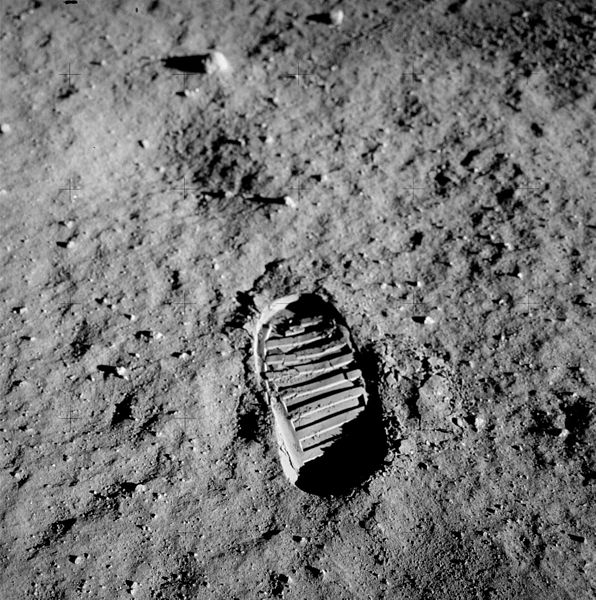
“One Small Step For Man or One Small Step For A man “…What did Neil Armstrong really say? …


moonprintWhen Neil Armstrong set his left boot on the surface of the moon on July 21, 1969, becoming the first person to ever walk on the moon. He then spoke some of the most famous words in the history of mankind, ”That’s one small step for man, one giant leap for mankind.”

So true, so brilliant, so inspirational yet…so contradicting? The word “man” and “mankind” are used synonymously, meaning that the oh-so-famous quote quite simply put was, “That’s one small step for man, one giant leap for man.” Huh?

A one-lettered indefinite article is all it would take to turn this quote into the inspirational words our brains all process when we hear them. That article is “a”- “One small step for “a” man, one giant leap for mankind.” That is how most people interpret his words and, according to Neil Armstrong, those are the words he intended to speak.

NASA’s official transcript of the quote still shows the “a” in parentheses, “That’s one small step for [a] man, one giant leap for mankind.” This is because the “a” is not audible in the broadcast. For years, both NASA and Armstrong insisted that static had obscured the “a”. Armstrong himself stated that he would never make such a mistake (omitting such an important part) but after listening to recordings of his quote, finally conceded that it’s possible that he may not have said the “a”. When he admitted this, he stated, “I would hope that history would grant me leeway for dropping the syllable and understand that it was certainly intended, even if it was not said—although it might actually have been”.

An Australia-based computer programmer named Pater Shann Ford conducted a digital audio analysis to support Armstrong’s claim that he did say “a” and concluded that he did, in fact, say “a man”, but the “a” was inaudible due to technological limitations of the time. However, linguists David Beaver and Mark Liberman wrote their own digital audio analysis of the infamous quote on Language Log blog and concluded that, “The acoustic evidence seems to be against Ford’s theory.”

But that’s not the end of the story. Support for Armstrong  has been found in a team of researchers from Michigan State University and Ohio State University who have concluded that Armstrong did indeed speak the words he claims to have spoken but static or technological limitations are not to blame for its apparent omission.  According to them, Armstrong’s Ohion accent is to blame y’all.

According to a Michigan State University specialist in communicative sciences, assistant professor Laura Diller, because of the dialect of his hometown, if Neil Armstrong did voice the word “a”, it was short and fully acoustically blended with the preceding word “for”.


The Acoustical Society of America’s article on this topic states that,

Dilley and her colleagues, who include MSU linguist Melissa Baese-Berk and OSU psychologist Mark Pitt, thought they might be able to figure out what Armstrong said with a statistical analysis of the duration of the ‘r’ sound as spoken by native central Ohioans saying ‘for’ and ‘for a’ in natural conversation. They used a collection of recordings of conversational speech from 40 people raised in Columbus, Ohio, near Armstrong’s native town of Wapakoneta. Within this body of recordings, they found 191 cases of ‘for a’. They matched each of these to an instance of ‘for’ as said by the same speaker and compared the relative duration. They also examined the duration of Armstrong’s ‘for (a’) from the lunar transmission.

The researchers found a large overlap between the relative duration of the ‘r’ sound in ‘for’ and ‘for a’ using the Ohio speech data. The duration of the ‘frrr(uh)’ in Armstrong’s recording was 0.127 seconds, which falls into the middle of this overlap, though it is a slightly better match for an ‘a’-less ‘for’. In other words, the researchers conclude, the lunar landing quote is highly compatible with either possible interpretation, though it is probably slightly more likely to be perceived as ‘for’ regardless of what Armstrong actually said. Dilley says there may have been a ‘perfect storm of conditions’ for the word ‘a’ to have been spoken but not heard.

source:::::today i foundout.com

natarajan

“Just a Slip … Not a Fall”….:” No Question of Giving Up”….

Climbing a ladder of success is definitely not an easy task. There is a saying that goes, “Rome was not built in a day,” similarly there is no successful person who has got the name and fame overnight. It’s not like successful personalities have never failed but they dared to stand against all odds, which can only attain through hard work and sheer determination. Let us take a look at these  personalities who have never accepted defeat to achieve their goals, as compiled by listdose.com

1. Lionel Messi:

Argentinian striker, Lionel Messi is widely regarded as one of the greatest players of the modern generation. He plays for FC Barcelona and the Argentina national team. He has been described as Diego Maradona’s successor because of his prolific goal scoring record and ability to dribble past opponents. Widely recognised as the best player in the world and rated by some commentators, coaches and players as the greatest footballer of all time, he is the first football player in history to win FIFA world player of the year four times. Despite his successful career today, Messi as a child was diagnosed with a growth hormone disorder, or GHD. It is often called idiopathic short stature, but there are problems that go beyond being shorter than average. The treatments were expensive, a $900 monthly expense that his modest family could not afford. So his parents decided to move to Barcelona, Spain for the treatment.

2.Sudha Chandran:

Sudha Chandran is a well known Bharatanatyam dancer from Chennai, India. She completed her Masters in Mumbai, and while travelling from Mumbai to Chennai, she met with an accident. The wound on her right leg got affected by gangrene, which resulted in the amputation. But despite her injury, Sudha went on to become one of the most highly acclaimed dancers. She is recognized in many countries and has been honored with numerous awards and still receives invitations to perform dance in all over the world.


3 Ludwig van Beethoven:

Ludwig van Beethoven, a German composer and pianist is one of the most famous and influential composers of all times. Some of his best known compositions include 9 symphonies, 5 concertos for piano, 32 piano sonatas, and 16 string quartets. Miraculously, this great composer went deaf during his course of life as a musician. Then on, he was unable to hear his own compose music. In spite of his physical shortcoming, music made him carry on and gave the world some of the best music ever.


4. Thomas Alva Edison:

Thomas Alva Edison was an American inventor and businessman who developed many devices that greatly influenced life around the world, including the phonograph, the motion picture camera, and a practical electric light bulb. He was also called ‘The Wizard of Menlo Park’. This extraordinary inventor, failed over ten thousand times on his attempt to invent the light bulb. For this Edison states, “I have not failed. I’ve just found ten thousand ways that won’t work.”


5. Abraham Lincoln:

Abraham Lincoln, The 16th president of the United States, was a self educated person. He faced many obstacles and fought it with determination to come up as a well known and successful leader respected all around the world. His success as president was particularly interesting because of the amount of personal and professional failure he had in his entire life. Lincoln had two business ventures fail, lost 8 different elections and had a complete nervous breakdown before becoming president in 1860. His story is indeed a great inspirational story which shows how one should keep moving towards one dream to eventually achieve it.

 
6. Helen Keller:

Helen is an American author, political activist, and lecturer and was the first deaf-blind person to earn a Bachelor of Arts degree. Her teacher Anne Sullivan played a very important role in Helen’s life by teaching her how to communicate. Hellen Keller has also campaigned for women’s suffrage, workers’ rights, and socialism, as well as various other progressive causes. Keller has met almost every President during her life and was friends with Keller famous personalities such as Alexander Graham Bell, Charlie Chaplin, and Mark Twain.


7. Nick Vujicic:

Nick Vujicic is an Australian Christian evangelist and motivational speaker who was born with no arms and legs. He was suffering from tetra-amelia syndrome, a rare disorder characterized by the absence of all four limbs. But this doesn’t stop him from taking his life ahead. The early days were quite difficult for him. Throughout his childhood, Nick not only dealt with the typical challenges in school, but he also struggled with depression and loneliness. But eventually, he came in terms with his disability and, at the age of seventeen, Nick started his own non-profit organization, ‘Life Without Limbs’. Today, he gives motivational speeches all across the world about life with a disability, on hope, and on finding meaning in life. He also talks about his belief that God can use any willing heart to do his work and that God is big enough to overcome any disability. It is his small foot on his left hip that helps him balance and enables him to use his one foot to type, write with a pen and pick things up between his toes.


8.  Glenn Verniss Cunningham:

Glenn Cunningham was one of the United States’ fastest runners who shines against the greatest odds. At the age of 8, Glenn met with a horrible accident at school that left him with complete loss of skin around his knees and shins. So, doctors urged his parents to amputate his legs, but his parents refused it. The doctors told his parents that he would never walk normally again. However, Glenn and his family refused to accept such claims and with much determination and unwavering faith, he not only walked but also ran faster. In 1932 Summer Olympics, Glenn stood at fourth place in the Men’s 1500m and in 1936 Summer Olympics, he bagged silver in the same 1500 m.  Then in 1934, he set the world record by finishing a mile in 4:06.8. Glenn received the James E. Sullivan Award for top amateur athlete in the United States in 1933. Such kinds of achievements would never happen without extreme will power and faith.

source::::: siliconindia .com

natarajan

“உம்மாச்சி தாத்தாவுக்கு பிடிச்ச கோதுமை ஹல்வா , பால்கோவா ” …

”பல ஆண்டுகளுக்கு முன் ஒரு தீபாவளியன்று காஞ்சி சங்கர மடத்தில் மஹாபெரியவர் பக்தர்களுக்கு அருளாசி வழங்கிக் கொண்டிருந்தார். பக்தர்கள், நீண்ட வரிசையில் காத்திருந்தார்கள். அந்த வரிசையில், ஒன்பது வயது மதிக்கத்தக்க சிறுமியும் நின்றாள். நீலநிற பட்டுப்பாவாடை, பச்சை நிற சட்டையுடன், நெற்றியில் திலகமிட்டு, தலை நிறைய பூச்சூடி ‘பாலதிரிபுரசுந்தர்’ போல், அவள் தோற்றமளித்தாள். அவளது கையில் மூன்று டப்பாக்கள் இருந்தன.

வரிசையில் நின்ற பக்தர்களின் பார்வை அந்தச் சிறுமியின் மீது பதிந்திருந்தது. எல்லாரும் கண் கொட்டாமல் பார்த்துக் கொண்டிருந்தனர். “இப்படிக்கூட திவ்ய அழகுடன் ஒரு பெண் இருப்பாளா!” என்பதே அவர்களின் ஆச்சரியப் பார்வைக்குக் காரணம்.

திடீரென பெரியவர் அந்தச் சிறுமியை அழைத்தார்.
“உன் பெயர் என்னம்மா? எங்கிருந்து வருகிறாய்? உன் பெற்றோர் வந்திருக்கிறார்களா?” என்று பரிவுடன் கேட்டார். ”தீபாவளிக்கு என்னென்ன பட்சணம் சாப்பிட்டாய்” என்று கேள்விகளை அடுக்கினார்.

அவள், “ஒக்காரை, பஜ்ஜி, வடை.. “ என தான் சாப்புட்ட பலகார வகைகள் பற்றி பெரியவரிடம் சொன்னாள்.

“சரி… நிறைய டப்பா வச்சிருக்கியே! அதில் என்ன இருக்கு?” என்று கேட்டார் பெரியவர்.

அவள் அதற்கு, “உம்மாச்சி தாத்தாவுக்கு பிடித்தமான கோதுமை அல்வாவும், பால்கோவாவும் வச்சிருக்கேன்” என்று சொல்லி, இரண்டு டப்பாக்களை மட்டும் பெரியவர் முன் வைத்து, அவரை வணங்கி எழுந்தாள்.

தன் மடியில், ஒரு சிறிய டப்பாவை வைத்திருந்த அந்தச் சிறுமியை நோக்கி, “சரி… இரண்டு டப்பா நிறைய பட்சணம் கொண்டு வந்து தந்திருக்கியே! இன்னொரு டப்பாவிலே என்ன வச்சிருக்கே! அதை ஏன் தரலை!” என்றார்.

“இதிலா… இதிலே தீபாவளி மருந்து வச்சிருக்கேன். உம்மாச்சி தாத்தா பட்சணத்தைச் சாப்பிட்டதும், இதையும் கொடுத்துட்டு போகலாமுன்னு இருக்கேன்” என்று மழலை மொழியில் பதிலளித்தாள் குழந்தை. பிறகு என்ன நினைத்தாளோ! அந்த டப்பாவையும் பெரியவர் முன் வைத்து விட்டு, அவரை வலம் வந்து வணங்கினாள். பிறகு அங்கிருந்து எழுந்து போய் விட்டாள்.

அவளுக்கு எந்த ஊர்? தாய் தந்தை யார்? என்ற விபரத்தை மட்டும் அவள் கடைசி வரை சொல்லவே இல்லை.

அந்தச் சிறுமியை பக்தர்கள் மடம் முழுவதும் தேடியலைந்தனர். ஊஹூம்…. யாராலும் கண்டு பிடிக்க முடியவில்லை. அன்னை பாலதிரிபுரசுந்தரியே அங்கு வந்து, பெரியவருக்குப் பட்சணம் அளித்ததாகத்தான் எல்லாரும் பேசிக் கொண்டார்கள்.

பெரியவருக்கு அம்பாளின் வடிவான பாலதிரிபுரசுந்தரி என்றால் மிகவும் பக்தி. அவளே நேரில் வந்ததாகத்தான் அவருக் கருதியிருப்பார்.

‘உம்மாச்சி தாத்தா’ என்றால், ‘அம்மாவைப் பெற்றவர்’ என்று பொருள். ஆம்… அந்த அம்பாளே மஹாபெரியவரை தன் தந்தையாக ஏற்றிருக்கிறாள் என்று தான் இதற்கு அர்த்தம் கொள்ள வேண்டும்! ஆம்….நம்மைப் பெற்றது ஒரு தந்தை, நம் எல்லோருக்கும் தந்தை, நடமாடும் தெய்வமாய் விளங்கிய காஞ்சி மஹாஸ்வாமிகள்!”

ஜெய ஜெய சங்கர! ஹர ஹர சங்கர!!

source::::: http://www.periva.proboards.com

natarajan
Read more: http://periva.proboards.com/thread/5623/balatripura-sundari#ixzz2kNNkzsCD

Humour In Civil Service Too … “Spoke with File ..No Reply From File ” !!!

source :::: Story ” Whoever Said Babus are Humourless Bunch ”  By S.R.Raghuram …in The Hindu

natarajan

 T

he bureaucracy in India in perceived as being wooden and bureaucrats are often accused of lacking in a sense of humour. My experience as civil servant in the Indian Revenue Service was, however, quite contrary. My colleagues in the Revenue and other Services often displayed sparks of humour and sparkle of wit to prove that they were doing an effective job of cutting red tape down to size in the file-strewn corridors of power.

The fun started early in the IAS Training School itself (1959). Two IAS probationers, one reed-thin and the other with a pronounced paunch happened to be together. The supercilious “Reed-Thin” (he later became a Governor) addressed the other as “Beer-Barrel” only to be shot down with the stinging retort — “I would much rather be a beer barrel than a Chinese noodle”!

At the introduction session on the first day of training, an IIT alumnus, who had been selected to the Indian Defence Accounts Servcice (IDAS) said, he had given up his post in the Indian Railway Service of Engineers (IRSE) to come over to the Civil Service stream. When someone in the gathering commented that the loss to the Railways was a gain to the defence services, our Director, A.N.Jha, retorted deadpan that it could as well be the other way round!

Later on, in the Income Tax Training College, during the new batch introduction, when M.P. Agarwal of my batch announced his name, Director, R.D. Shah interjected and asked him whether he was related to P.K. Agarwal of the previous batch. Prompt came M.P’s reply — “Not yet”!

One Assistant Commissioner who had a compulsive urge to refer to judicial pronouncements, whether relevant or not, once noted on a file that came to him for approval — “The ITO may please peruse 27 ITR 273 with profit before finalising the assessment order”. The ITO sent back the file with the note — “Perused 27 ITR 273. No profit derived, order passed.” The file went up and came back without any comment!

The same Assistant Commissioner, who was adept at avoiding responsibility, once made a noting — “Please speak with file”. The file came back in double quick time with the noting — “Spoke with file. File did not reply. For further orders please.” That put paid to further such demands.

Mr. K.M.S. Reddy, who was Income Tax Commissioner in Bangalore, was a Bar-At Law. Once his steno misspelt his letterhead with the legend — “K.M.S. Reddy, Bad-At-Law.” The sporting Mr. Reddy caught the error (or was it?!) and admonished the steno: “I say Menon, I know and you know about my knowledge of law. But should you broadcast it to the entire world?” Poor Menon, he did not know where to hide his face.

When Mr. J.P. Singh was Income Tax Commissioner in Madras, he had two PAs — one an over-clever person and the other, a less intellectually endowed but pleasant officer who had come through the sports quota. Mr. Singh would always introduce them together to visitors, saying “One is wise and the other one is otherwise.” The discerning visitors could always make out which attribute referred to whom!

What takes the cake for the most ingenious circumvention of the red tape was what my IRAS batchmate, R. Srinivasan, did when he was Railways Personnel Manager at Guntakal Junction. As the Railway School did not have a budget provision for buying musical instruments for the school band, he asked the engineering department to make a requisition for pipes and drums and used the money to get flutes, clarinets, drums, tablas, etc!

(The writer’s email: sr_raghuram@hotmail.com)

Dinner to Muslim Youths …By Mahaperiavar in 1921!!!

What you will be reading below is assorted selections from a book (“ MAHAPERIYAVAL VIRUNDHU”) written by the great author Sri Ra. Ganapathi  :These cover various incidents showing the universality and greatness of Maha Periyavaa.

Even during the 1920s ParamAchArya hosted a dinner for the Muslims, whose sense of unity and patriotism ran high in those days.  Two hundred Muslim youths from an Islamic Youth Forum performed an exemplary service in the Mahamaham festival of 1921 in Kumbakonam. ParamAchArya, who was camping at Patteesvarm nearby, heard about it and sent some maTham officials to bring the Muslim youths to him. The youths were very happy that Shankaracharya had called them to his presence. They stood before him showing utmost reverence.

ParamAchArya praised their seva and heard the details about their Forum. He inquired their personal details such as native place, education, occupation and family of all the two hundred youths individually, and made everyone of them immensely happy. He also presented a silver cup as a memento from Kanchi maTham for their seva.

Like the cherry on the ice cream, ParamAchArya ended the interview with a tasty, three-course dinner to the youths.

*** *** ***

In the year 1924, Kaveri and Kollidam were overflowing with floods that threatened to merge them into a single river. Tiruvaiyaru and its surroundings were the worst affected by the floods. At that time, for nearly fifteen days, cartloads of cooked food were sent from Kanchi maTham for the thousands of poor people in the area. The food was served by the Congress workers under the supervision of Lawyer Sarangapani Iyengar, leader of the Tiruvaiyaru Congress Committee. 

The daily culinary needs of SrimaTham were reduced to the minimum, in order to use the stored provisions for feeding the poor. They worshipped the great sage who fed them as God.   The press praised this social service as the largest till then by a Sanatana Religious Institution.

*** *** ***

During the last days of the year 1931, the persecution of the Congress workers by the British government was at its peak. People and organizations were warned of stern action against any support for the Congress members. 
ParamAchArya was camping at Arani in the North Arcot district. A group of Congress members wanted to meet him. The maTham officials informed the sage that his meeting the Congress workers might create problems for SrimaTham.   ParamAchArya heard their apprehensions with concern and then said calmly, “Ask all the members of the group to come here. Also arrange for feeding them from SrimaTham.”

The stunned maTham officials carried out the orders of the sage with consternation, but there was no problem from the government.  When the Manager brought the happy news of no reaction from the British government, ParamAchArya said, “If I were to close the doors on people who want to meet me, I would not be fit to carry the title Jagatguru and sit on the throne of this Peetam.”

*** *** ***

ParamAchArya used to quote the Tamil saying ‘Feed everyone, without any distinction’ (yArkkum idumin, avar ivar ennnanmin) and explain that no distinction of any kind must be entertained in offering food. He would be delighted to explain the Keralite tradition of feeding even the thieves at night! This custom existed in the place called Cherukkunnam, Kerala, in the Annapurani temple. After feeding the bhaktas in the temple, food packets were prepared and kept tied to the trees in the night, for the use of any prowling thieves. 

ParamAchArya also took delight in explaining the reference in the Sagam Literature of how the Chera king Udhiyan Cheraladhan earned the name Perum Sotru Cheraladhan (the king who was the chief host) by feeding the opposite camps of the Pandavas and the Kauravas during the Mahabharata war.

Kannappan the hunter fed Shiva Mahadev. Guhan the hunter fed Sri Rama. Here, the hunters named the Senjus of the Srisailam forest area were fed by the Paramacharaya!

During the 1934s, when the road transport facilities were very scanty, ParamAchArya was traveling with his entourage in the desolate forests of Srisailam. Somewhere on the way, they came across the Senju hunters. Mistaking them for their foes, the hunters raised their bow and arrows initially, but when they saw the sage with hisdivya tejas, they realized their mistake and became friendly.

The people who came to oppose their passage became their security guards, carrying their luggage and watching over their camps at night time. Only after safely seeing off ParamAchArya and his entourage at their next destination, the hunters assembled before them to take leave.

ParamAchArya ordered the manager to give them some cash, but they refused to touch the money. The leader of the group said something to the manager, who nodded his head in disapproval and spread out his hands. 

Paramachara snapped his fingers and called the manager to attention: “What is it that he asks for and you refuse?”

“They want to show their dancing skills before PeriyavA”.

“So you told them that I can’t see their dance because it was your opinion as manager that it was beneath the dignity of SrimaTham.”

There was not any trace of anger in ParamAchArya’s words. The manager was silent.

And the ParamAchArya, who would not witness the performance of even the great and popular dance artistes, gave them permission to dance before him, with a condition: that while any of their males could dance, only those females who hadn’t attained puberty could join the males in dance.

ParamAchArya asked them, “you might have different types of dances to suit different occasions: one for Swami (God), one for victory, one for sports and so on. What type of dance are you going to perform now?”

They gave a telling reply: “We are going to perform the dance reserved only for the closest of our relatives.”

ParamAchArya witnessed their dance, blessed them, and hosted a nice dinner for them.

*** *** ***

ParamAchArya was travelling in the Kodavasal – Koradacherry route. On the way in Tirukklambur, the slum people met him and submitted their humble offerings.

ParamAchArya heard their welfare and woes. Unhurriedly, he discussed the details with the manager as to what SrimaTham could do to mitigate their woes, either in their own capacity or with the charity of affordable devotees.

The managers and the other officials started worrying about the ensuing delay for their next camp and the following pujas. The god of the poor, however, seated himself among them, and ordered dhotis and saris for every nandan – nandini from the local textile shop. If that shop didn’t have the required goods, ParamAchArya ordered them bought at Kodavasal. He also ordered prepartion of thick sambar rice under the shades of the trees.

The manager was worried that the two or three hours time spent in these activities would delay reaching their next camp and that it would be very tedious for PeriyavA to undertake the long puja thereafter.

When he started to express his feeings, ParamAchArya said simply, “this is also a puja.”

*** *** ***

Two years after his Varanasi trip, when ParamAchArya was returning, he had to camp for three days in the Kyonjersamastanam of the hilly areas. His heart overflew with campassion at the pitiable conditions of the tribals in the area. He told the manager, “for all the three days we stay here, we should arrange to feed them.”

The manager hesitated with a request, “Those people are over a hundred and fifty families. We don’t have the facilities to cook food here.”

“Then give them as uluppai“, replied the sage.

Giving as uluppai is giving supplies of food articles, vegetables and fruits. For three days the tribals enjoyed the bounty of SrimaTham.

In the same way, ParamAchArya ordered serving three days supplies to the suffering employees of a circus company in Ilayattankudi, that was closed down.

*** *** ***

It seems that there was only one occasion in the history of SrimaTham, when rice and other food supplies were carried on the back of the SrimaTham elephant! ParamAchArya, the udAra murti created history with such an incident, to fill the udarams of the poor harijan people.

It was November 1940. The village was heavily flooded when ParamAchArya reached Tiruchettankudi from Tirumarukal. News reached his ears that over five hundred harijans in the area were suffering, as a hailstorm lashed on.

ParamAchArya hastened the officials to rush them food supplies, but was informed that it was not possible for bullock carts to pass through the rain inundated roads.

“Then you send the supplies on the back of the elephant. This place is known as Ganapateesvaram,” said ParamAchArya, poining out the harmony. “So Pillaiyar will be happy that an elephant partakes the jana seva.”

*** *** ***

The dog, according to shastras is of a low birth. The Guardian of Shastra also extended his bounty to the dogs.

In the year 1927, a dog came to SrimaTham camp on its own and started keeping vigil. After his biksha was over, ParamAchArya ordered that the dog be fed. Strangely, after tasting the food from the maTham, the dog stopped accepting food from anyone else. 

The dog used to trot under the palanquin known as mena which carried ParamAchArya. Sometimes it would run between the massive, moving legs of the elephant! When the palanquin was parked, it would step aside to a distance and watch the sage descend and walk, wagging its tail.

At one time, the officials thought that the dog had become mad and ordered a servant to leave it in a village, about forty kilometers away from their camp. No sooner had the servant returned, than the dog also had got back to the camp! From that time, until its death, the dog kept vigil and also kept a vow not to take food until it had a darshan of ParamAchArya.

As he resumed his divine duties after a short rest following his biksha, ParamAchArya would first inquire if the dog was fed.

*** *** ***

There was an incident when ParamAchArya served food for an entire army of dogs.

He was observing chAturmAsyam at Vasanta Krishnapuram near Tirukkovalur in the year 1947. The peak of Tiruvannamalai hill, about twenty kilometers away, was visible from that place. ParamAchArya used to perform a puja for the mountain that was Lord Siva’s form at where he stayed, with a darshan of the peak.

During one such puja, when he was meditating, a dog came and put its mouth to the water in the kamandaluh. The people around were very much upset by this happening, and a devotee who was a retired government official, stoned the dog, which ran howling, and stopped at a safe distance. 

ParamAchArya’s eyes opened at the anxious hubbub. He looked at the people aroud him and ordered: “Collect all the available dishes from the houses of the agrahAram. Also bring bucketfuls of water.”

The volunteers group that included retired official went around and brought the food and water. As aramAchArya gestured, the dog that was standing at a distance came near and stopped hesitatingly. As he gestured a second time, soemthing very strange happened.

An army of dogs came from nowhere and calmly arranged themselves in a row, without showing any signs of hurry for the food that was before them. ParamAchArya offered food and water to the dogs through the retired official who had stoned the dog earlier.
“Life without God is like an unsharpened pencil 
– it has no point.”

source::::input from a friend of mine

natarajan


படித்து ரசித்தது ….வாரியார் சுவாமிகளின் அருளுரைகள் !!!

திருமுருக கிருபானந்த வாரியாரின் “குமுதம் வினா விடை” தொகுப்பில் இருந்து ரசித்தவை)

தெய்வங்கள் மக்களை காப்பாற்றும் என்று கூறுகிறார்கள். ஆனால் தெய்வங்களின் சிலைகளைத் திருடிக் கொண்டு சென்று விடுகின்றனர். அவ்வாறு தங்களையே காத்துக் கொள்ள முடியாத தெய்வங்கள் மக்களை எப்படி காப்பாற்றும் ?

சிலைகளே கடவுள் அல்ல. மூர்த்தி வேறு. மூர்த்திமான் வேறு. மூர்த்தி என்பது சிலை. மூர்த்திமான் அந்தச் சிலையில் நாம் ஆவாகனம் செய்கின்ற தெய்வம்..மின்சாரம் வேறு. மின்சார பல்புகள் வேறு. பல்பில் ஷாக் அடிப்பதில்லை. ஆகவே பல்புகளை திருடும் போது ஏன் ஷாக் அடிப்பதில்லை என்று கேட்பதை போலிருக்கிறது இந்த வினா. சிலைகளைத் திருடுகின்றபோது, ஆண்டவன் ஏன் அவனுக்கு தண்டனை கொடுக்கவில்லை என்ற வினா எழக்கூடும்.

கடவுள் கருணைக்கடல். தாய், திருடுகின்ற மகனிடத்தும் அன்பு பாராட்டுவது போல், கடவுள் கள்ளனுக்கும் கருணை காட்டுவார். “நல்லார்க்கும் பொல்லார்க்கும் நடுவில் நின்ற நடு” என்கின்றார் இராமலிங்க வள்ளலார்.

Photo: (திருமுருக கிருபானந்த வாரியாரின் "குமுதம் வினா விடை" தொகுப்பில் இருந்து ரசித்தவை)தெய்வங்கள் மக்களை காப்பாற்றும் என்று கூறுகிறார்கள். ஆனால் தெய்வங்களின் சிலைகளைத் திருடிக் கொண்டு சென்று விடுகின்றனர். அவ்வாறு தங்களையே காத்துக் கொள்ள முடியாத தெய்வங்கள் மக்களை எப்படி காப்பாற்றும் ?சிலைகளே கடவுள் அல்ல. மூர்த்தி வேறு. மூர்த்திமான் வேறு. மூர்த்தி என்பது சிலை. மூர்த்திமான் அந்தச் சிலையில் நாம் ஆவாகனம் செய்கின்ற தெய்வம்..மின்சாரம் வேறு. மின்சார பல்புகள் வேறு. பல்பில் ஷாக் அடிப்பதில்லை. ஆகவே பல்புகளை திருடும் போது ஏன் ஷாக் அடிப்பதில்லை என்று கேட்பதை போலிருக்கிறது இந்த வினா. சிலைகளைத் திருடுகின்றபோது, ஆண்டவன் ஏன் அவனுக்கு தண்டனை கொடுக்கவில்லை என்ற வினா எழக்கூடும். கடவுள் கருணைக்கடல். தாய், திருடுகின்ற மகனிடத்தும் அன்பு பாராட்டுவது போல், கடவுள் கள்ளனுக்கும் கருணை காட்டுவார். "நல்லார்க்கும் பொல்லார்க்கும் நடுவில் நின்ற நடு" என்கின்றார் இராமலிங்க வள்ளலார்.
‘கொன்றார் பாவம் தின்றாரோடு’ என்று கசாப்பு கடைக்காரர் சொல்லுகின்றார். ‘தின்றார் பாவம் கொன்றாரோடு’ என்று புலால் உண்பவர் கூறுகின்றார். இதில் எது சரி? இதன் மூலம் இரு சாரார்களுமே பாவத்தில் இருந்து தப்பித்துக் கொள்ளப் பார்க்கிறார்களா?

‘கொன்றால் பாவம் தின்றால் தீரும்’ என்ற பழமொழிக்கு மற்றவர்கள் சொல்கின்ற பொருள் பிழையானது. கொல்லுகின்றவன், விலை கொடுத்து வாங்கித் தின்பவனுக்காகவே செய்கின்றான். ஆகவே அப்பாவம் முழுதும் அவனையே சேராது.

தினற்பொருட்டால் கொல்லாது உலகெனின் யாரும்
விலைப்பொருட்டால் ஊன் தருவார் இல்
– திருவள்ளுவர் (அதிகாரம்: புலால் மறுத்தல்).

ஆகவே, உயிர்களைக் கொன்ற பாவம், தின்பதனால் போகும் என்பது ஒரு சிறிதும் பொருந்தாது. ஒரு சிலர், ‘நான் கொல்வதில்லை, கடையில் இருந்து வாங்கித் தின்கின்றேன்” என்பார்கள்’ இதுவும் பிழையான கருத்தாகும். வாங்குவார் பொருட்டே விற்பவன் கொல்கின்றான். திருவள்ளுவர் ‘கொல்லாமை’ என்று ஒரு அதிகாரமும் ‘புலால் மறுத்தல்’ என்று ஒரு அதிகாரமும் தனித்தனியே கூறியிருக்கின்றார்.

கொல்லாமல் கொன்றதை தின்னாமல் சூத்திரம் கோள்களவு
கல்லாமல் கைதவரோடு இனங்காமல் கனவிலும் பொய்
சொல்லாமல் …………………தோகையர் மாயையிலே
செல்லாமல் செல்வம் தருவாய் சிதம்பர தேசிகனே
— பட்டினத்தார்.

இவ்வாறு எத்தனை பிரகாரங்களாகப் பார்த்தாலும் ஊன் உண்பது பெரிய பாவமாகும்.

கங்கையில் படிந்திட்டாலும் கடவுளைப் பூசித்தாலும்
சங்கையில்லாத ஞான சாத்திரம் உணர்ந்திட்டாலும்
மங்கு போல் கோடி தானம் வள்ளலாய் வழங்கிட்டாலும்
பொங்குறு புலால் புசிப்போன் போய் நரகு அடைவன் அன்றே!!!
–இராமலிங்க வள்ளலாளர்

இனி, கொன்றால் பாவம் தின்றால் போகும் என்பதற்கு சரியான உரை கீழ்வருமாறு.

புலால் உண்டவர்களை இறந்த பின் இருள் உலகத்தில் (நரகத்தில்) நிறுத்தி அவர்கள் உடல் தசையை அறுத்து அறுத்து அவர்கள் வாயில் வைத்து ஊட்டுவார்கள். அதை உண்டால் தான் அவர்கள் கொன்ற பாவம் போகும். இந்தக் கருத்தை அருணகிரிநாதர், ‘புவனத்தொரு’ என்று தொடங்குகின்ற திருசிராப்பள்ளி திருப்புகழில், ‘இறைச்சி அறுத்து அயில்வித்து’ என்று குறிப்பிட்டு இருக்கின்றார். எனவே, கொன்ற பாவமும் தின்ற பாவமும் தன் உடம்பைத் தானே தின்றால் தான் போகும்.

(திருமுருக கிருபானந்த வாரியாரின் “அது போல” தொகுப்பில் இருந்து)
மாடி மேல் ஏறுவதற்கு ஒரு கருவி ஏணி. மாடி மீது ஏறுவதற்கு என அமைந்த ஏணி மீதே பல மணி நேரம் நின்று கொண்டு இருக்க ஒருவன் விரும்புவானா ?. விரும்ப மாட்டான்.

—அது போல—

பிறவாமயைப் பெற நமக்கு அளிக்கப்பட்ட ஏணி போன்ற இவ்வுடம்பிலேயே (பிறந்தும் இறந்தும்) நின்று கொண்டிருப்பது அறிவுடமை ஆகாது. மதி நலமுடையோர் விரைவாக ஏணி மீது ஏறி மாடிக்கு செல்வது போல், இந்த உடம்பைக் கொண்டு பிறவாமயைப் பெற முயல்வார்கள்

இது கதையல்ல நிஜம்.கிருபானந்த வாரியார் திருமணம் ஒன்றிற்குத் தலைமை தாங்கச் சென்றிருந்தார். அங்கே நடிகவேள் எம்.ஆர்.ராதாவும் வந்திருந்தார்.இருவரும் சுவாரசியமாகப் பேசிக் கொண்டிருக்க திருமண பேச்சுக்கு இடையே நடிகவேள் தனது வழக்கமான கிண்டலுடன், “சாமி. முருகனுக்கு ஆறு தலைன்றானுங்கோ, ராத்திரி தூங்கும் போது எப்படி ஒரு பக்கமா படுப்பாரு.?

கூடி இருந்தவர்கள் அனைவரும் சிரிக்க.. வாரியாருடன் வந்தவர்கள் தர்மசங்கடத்துடன் நெளிந்தார்கள்.

வாரியார் புன்சிரிப்புடன், திருமண ஏற்பாடுகளை பார்த்துக் கொண்டு இருந்த மணமக்களின் தந்தையரை அழைத்து அவர்களிடம் கேட்டார், “நேத்து தூங்கினீங்களா?”

அவர்கள் இருவரும் “இன்னைக்குக் கல்யாணத்தை வச்சுக்கிட்டு எங்க சாமி தூங்கறது” என்றார்கள்.

வாரியார், நடிகவேளைப் பார்த்துச் சொன்னார்.

ஒரு குழந்தையின் வாழ்க்கையை நடத்தி வைக்க நினைச்ச இவங்களுக்கேத் தூக்கம் வரவில்லை… உலக மக்கள் அனைவரும் எம்பெருமானோட குழந்தைகள். அவருக்கு எப்படி தூக்கம் வரும்? அவருக்குத் தூங்கறதுக்கு நேரம் ஏது?” என்றார்.

source:::: Thirumuruga Kripanandavariar  Swamigal page in facebook
NATARAJAN
Today 7 th Nov.. is His 20th ARADHANA DAY…

“எனக்குத் தெரியுமே …நான் அங்கே வந்தேனே” !!!

எங்கேயும் வியாபிக்கும் பேரருள்

1956ம் வருடம் ஒரு டாக்டருக்கு ஏற்பட்ட அபூர்வ அனுபவம். அவர் இந்திய ராணுவத்தில் மெடிக்கல் ஆபீஸராக பணியாற்றியவர். ஜப்பானை எதிர்த்து பர்மாவில் போர் நடந்தபோது அங்கே பாதிக்கப்பட்ட சிப்பாய்களுக்கு சிகிச்சை அளிக்கும் பணி புரிந்தார்.

அப்படி இவர் போர் களத்திலிருந்த சமயம் ஒரு குண்டு இவரையும் தாக்கியதில் மயக்கமுற்று விழுந்து விட்டார். நினைவின்றி விழுந்து கிடந்தவர் தான் ஒரு முதல் உதவி ஆஸ்பத்திரியில் படுத்துக் கொண்டிருப்பதை உணர்ந்தார். உடனே தன் கீழ் வேலை செய்த ஒரு சிப்பாயிடம் என்ன நடந்தது என்று கேட்டார்.

அவனோ படிப்பறிவில்லாதவன். டாக்டருக்கு உதவி செய்ய அனுப்பப்பட்டவன். ஆனால் டாக்டர் மயக்கமடைந்து விழுந்ததும் நிலை குலைந்து நின்றுவிட்டான்.
என்ன செய்வதென்று புரியாமல் நின்று கொண்டிருந்தவன் முன் ஒரு சந்யாசி, காவி உடையுடன் தோன்றினாராம். “ஏன் இப்படி ஒண்ணும் செய்யாம நிக்கறே… உடனே டாக்டரை உன் தோளில் தூக்கிக் கொண்டு பக்கத்தில் இருக்கும் ஆஸ்பத்திரிக்கு ஓடு” என்று சொல்லி மறைந்து விட்டாராம்.

உடனே ஒரு உத்வேகத்துடன் அந்த சிப்பாயும் டாக்டரை கொண்டுவந்து சேர்த்ததாகக் கூறினான். ஏதோ படிப்பறிவில்லாதவன் கூறுகிறான் என்று டாக்டர் அலட்சியமாக இருந்து விட்டார்.

சில மாதங்களில் இவர் பூர்ண குணமானார். போர் முடிந்ததும் ஸ்ரீஸ்ரீஸ்ரீ மஹாபெரியவாளை தரிசிக்க வந்தார்.

ஸ்ரீபெரியவாளிடம் அந்த சிப்பாய் சொன்ன அபூர்வ நிகழ்ச்சியை கூறலாமென்று தோன்ற டாக்டர் மெதுவாக ஆரம்பித்தார். “எனக்குப் போர்களத்திலே குண்டடி பட்டு மயக்கமா விழுந்துட்டேன்” என்று தொடங்கி மற்றவைகளை சொல்வதற்கு முன் சர்வ வ்யாபியான ஈஸ்வரர் முந்திக் கொண்டவராய், “எனக்குத் தெரியுமே…. நானே அங்கு வந்திருந்தேனே… நீ என்னைப் பார்க்கல்லே” என்றதும் டாக்டருக்குப் பெரும் திகைப்பு! அடடா! அந்த சிப்பாய் சொன்னது அத்தைனையும் உண்மை என்பது புரிந்தது. எங்கும் நிறை பிரம்மமாய் ஸ்ரீமஹாபெரியவா வியாபித்தருளி தன்னைக் காப்பாற்றியுள்ளதையும் அதை அந்த ஈஸ்வரரே சாட்சி சொல்லி மெய்ப்பித்து அருளியதையும் உணர்ந்து உருகினார்.

அந்த மிலிடரி டாக்டர் இந்த மெய்சிலிர்க்க வைக்கும் சம்பவத்தை கண்களில் நீர் வழிய விவரித்ததாக டாக்டர் கல்யாணராமன் கூறுகிறார்.

இப்பேற்பட்ட பெருங்கருணை தெய்வத்தின்மேல் நாம் கொள்ளும் பூர்ண சரணாகத பக்தி நம்மையெல்லாம் சகல தோஷங்களிலிருந்து விடுபடச் செய்து எல்லா நலன்களையும் ஈந்து சகல சௌபாக்யங்களுடனும், சர்வ மங்களங்களுடனும் காப்பாற்றி அருளும் என்பது சத்தியம்!

ஜெய ஜெய சங்கர! ஹர ஹர சங்கர!!

source::::periva.proboards.com

natarajan

Read more: http://periva.proboards.com/thread/5632/mahaperiyavaa-goes-battlefield#ixzz2jrV2uUwF

Pindrop Silence !!!….Few Drops of Those Moments !!!!


Veer Savarkar once started addressing a public meeting in Hindi at Bangalore .
The crowd started shouting ” Speak in Kannada. We will hear only in kannada.”
Veer Savarkar replied ” Friends, I have spent 14 years of rigorous imprisonment in the infamous Andaman Jail where all freedom fighters were kept in jail. I have learned Bengali from the freedom fighters coming from Bengal , Hindi from those coming from Uttar Pradesh, even Gujarati and Punjabi.  Unfortunately there was none from Karnataka from whom I could have learned Kannada.”

…and there was pin drop silence.  

—————-

At a time when the US President and other US politicians tend to apologize for their country’s prior actions, here’s a refresher on how some former US personnel handled negative comments about the United States.

JFK’S Secretary of State, Dean Rusk, was in France in the early 60’s when Charles DeGaule, the French President, decided to pull out of NATO.
DeGaule said he wanted all US military out of France as soon as possible.

Rusk responded “does that include those who are buried here?

DeGaule did not respond.

You could have heard a pin drop.
~~~~~~~~~~~~~~~~~~~~~~~~

When in England , at a fairly large conference, Colin Powell was asked by the Archbishop of Canterbury if US plans for Iraq were just an example of empire building by George Bush.

He answered by saying, ‘Over the years, the United States has sent many of its fine young men and women into great peril to fight for freedom beyond our borders.
The only amount of land we have ever asked for in return is enough to bury those that did not return.’

You could have heard a pin drop.
~~~~~~~~~~~~~~

There was a conference in France where a number of international engineers were taking part, including French and American.
During a break, one of the French engineers came back into the room saying ‘Have you heard the latest dumb stunt Bush has done?
He has sent an aircraft carrier to Indonesia to help the tsunami victims.  What does he intended to do, bomb them?’

A Boeing engineer stood up and replied quietly: ‘Our carriers have three hospitals on board that can treat several hundred people; they are nuclear powered and can supply emergency  electrical power to shore facilities; they have three  cafeterias with the capacity to feed 3,000 people three meals a day, they can produce several thousand gallons of fresh water from sea water each day, and they carry half a dozen helicopters for use in transporting victims and injured to and from their flight deck.  We have eleven such ships; how many does France have?’
 
You could have heard a pin drop.
~~~~~~~~~~~~~~~~~~~~~~~~~~~

A U.S. Navy Admiral was attending a naval conference that included Admirals from the U.S. , English, Canadian, Australian and French Navies.
At a cocktail reception, he found himself standing with a large group of Officers that included personnel from most of those countries.
Everyone was chatting away in English as they sipped their drinks when a French admiral suddenly complained that, whereas Europeans learn many languages, Americans learn only English.
He then asked, ‘Why is it that we always have to speak English in these conferences rather than speaking French?’

Without hesitating, the American Admiral replied, ‘Maybe it’s because the Brit’s, Canadians, Aussie’s and Americans arranged it so you wouldn’t have to speak German.’

You could have heard a pin drop.
~~~~~~~~~~~~~~~~~

………… AND THE FOLLOWING STORY FITS RIGHT IN WITH THE ABOVE ……….

Robert Whiting, an elderly US gentleman of 83, arrived in Paris by plane.
At French Customs, he took a few minutes to locate his passport in his carry on.

“You have been to France before, monsieur?” the customs officer asked  sarcastically.

Mr. Whiting admitted that he had been to France previously.

“Then you should know enough to have your passport ready.”

The American said, ‘The last time I was here, I didn’t have to show it.”

“Impossible. Americans always have to show your passports on arrival in France !”

The American senior gave the Frenchman a long hard  look.
Then he quietly explained, ”Well, when I came ashore at Omaha Beach on D-Day in 1944 to help liberate this country,
I couldn’t find a single Frenchman to show a passport to.”

You could have heard a pin drop.

source ::::unknown…input from a friend of mine…

natarajan

அனுப்புவோமா நாம் வாழ்த்து அட்டை …காட்டுவோமா வழி நம் குழந்தைகளுக்கு !!!

பரபரப்புகள் ஏதுமற்ற நம் பால்யத்தில் பண்டிகைகள் தொடங்கிவிட்டாலே புத்தாடை, பலகாரங்களைப் போலவே வாழ்த்து அட்டைகளும் விற்றுத் தீர்க்கும். ஆடை வாங்கக்கூட அத்தனை யோசிக்க மாட்டார்கள். ஆனால் மனம் விரும்பிய வடிவத்தில் வாழ்த்து அட்டை கிடைக்கவில்லை என்றால் கொஞ்சம் சுணங்கித்தான் போவார்கள்.

தீபாவளியைப் போலவே பொங்கல் மற்றும் புத்தாண்டு வாழ்த்து அட்டைகளும் சக்கைப்போடு போடும். சுருள்முடி நெற்றியில் விழ, பெருமிதமாகச் சிரிக்கும் நடிகர் திலகம், கையில் சாட்டையுடன் பாட்டுப் பாடும் மக்கள் திலகம் தொடங்கி, ரஜினிகாந்த், கமலஹாசன் உருவப் படங்கள் அச்சிட்ட வாழ்த்து அட்டைகள் எல்லாம் கடைக்கு வந்த அன்றே காணாமல் போகும் மாயமும் நடந்திருக்கிறது.

இரு புறமும் செங்கரும்புகள் நிற்க, நடுவே பொங்கல் பானையுடன் மாடுகள் இருக்கும் வாழ்த்து அட்டையே பொங்கல் திருநாளின் மகத்துவத்தையும் மகிழ்ச்சியையும் சொல்லிவிடும். புத்தாண்டு வாழ்த்து அட்டைகளில் மலர்ந்து சிரிக்கும் ரோஜாக்களையும் குழந்தைகளையும் பார்க்கலாம்.

இப்படித் தேடித் தேடி அட்டைகள் வாங்கி, பின்பக்கம் தங்கள் கைப்பட நாலு வார்த்தை எழுதி, அடியில் வீட்டில் இருக்கிறவர்களின் பெயர்களை எல்லாம் வரிசையாகப் பட்டியலிட்டு, மறக்காமல் ஸ்டாம்ப் ஒட்டி, தபால்பெட்டியில் போட்டுவிட்டுத் திரும்பும்போது மனம் முழுக்கப் பரவுகிற மகிழ்ச்சி இருக்கிறதே அதை வார்த்தைகளில் விவரித்துவிட முடியாது. அதுவும் இளவட்டங்கள் தங்கள் முறைப்பெண் இருக்கும் வீட்டுக்கு வாழ்த்துச் செய்தியோடு, காதல் செய்தியையும் இலைமறை காய்மறையாக அனுப்புகிற வைபவமும் அரங்கேறும். பண்டிகைக்கு ஒரு வாரம் இருக்கும்போதே தபால்காரரின் சைக்கிள் மணி நம் வீட்டு வாசலில் ஒலிக்கிறதா, யாராவது வாழ்த்து அட்டை அனுப்பியிருக்கிறார்களா என்று காத்திருப்பதிலும் ஒரு சுகம் இருக்கத்தான் செய்தது. விஞ்ஞான வளர்ச்சி பெருகப் பெருக, வாழ்த்து அட்டைகள் அனுப்புவது குறைந்துவிட்டது.

‘டேய் மாமா வீட்டுக்கும் பெரியம்மா வீட்டுக்கும் கார்டு போடணும்டா’ என்று சொல்கிற பெரியவர்களும் அருகிவருகிறார்கள். வீட்டுக்கு வீடு தொலைபேசி வந்த பிறகு தொலைபேசியில் சம்பிரதாயத்துக்கு வாழ்த்து சொல்வதோடு நின்றுவிட்டோம். அதுவும் ஆளுக்கு இரண்டு செல்போன் என்ற நிலை வந்ததும், ‘ஹாப்பி திவாலி’என்று குழுச் செய்தி அனுப்பிவிட்டு வேறு வேலை பார்க்கக் கிளம்பிவிடுகிறோம்.

பண்டிகை தினத்தில் குறுஞ்செய்திகள் அனுப்பினால் அதிகமாகப் பணம் செலவாகும் என்று நான்கு நாட்கள் முன்னதாகவே குறுஞ்செய்தி அனுப்புகிற கனவான்களும் சீமாட்டிகளும் இருக்கிறார்கள். அனுப்புகிறவருக்கும் மகிழ்ச்சி இல்லை, வாழ்த்துச் செய்தியைப் படிக்கிறவருக்கும் புன்னகை இல்லை. வாழ்வின் சின்னச் சின்ன சுவாரஸ்யங்களையும் ஆனந்தங்களையும்கூடத் தொலைத்துவிட்டோம் என்பதே புரியாமல், வாழ்த்துகளைச் சொல்லித் திரிகிறோம். இரண்டு இயந்திரங்களுக்கு இடையே பரிமாறப்படுகிற தகவல்கள்கூட மனித மனங்களுக்கு நடுவே நிகழ்வதில்லை.

தபால்காரரிடம் இருந்து வாழ்த்து அட்டையைப் பிடுங்காத குறையாக வாங்கிக் கொண்டு வந்து, யாரெல்லாம் அனுப்பியிருக்கிறார்கள், யார் பெயரையெல்லாம் எழுதியிருக்கிறார்கள் என்று பரபரப்புடன் பார்க்கிற சுகத்தை இந்தத் தலைமுறை அனுபவித்திருக்கிறதா? பிறந்த வீட்டில் இருந்து வந்த அட்டையைப் படிக்க முடியாமல் மகிழ்ச்சியில் கண்கள் பளபளக்க எத்தனை பெண்கள் நின்றிருப்பார்கள்?

விடுமுறை விண்ணப்பம் தவிர வேறு எதற்கும் பேனா மூடியைத் திறக்காத இந்தத் தலைமுறை எதை மகிழ்ச்சி எனக் கொண்டாடுகிறது? அடித்துப் பிடித்து சொகுசுப் பேருந்தில் டிக்கெட் எடுத்துப் பெரிய பெரிய கடைகளில் வாங்கிய இனிப்புகளை அள்ளிக்கொண்டுச் செல்வதிலேயே பண்டிகை முழுமை பெற்றுவிட்டதாக நினைத்துக்கொண்டிருக்கிறது.

உண்மையில் இதுவா கொண்டாட்டம்? இதுதானா மகிழ்ச்சி? ஒரு கிலோ இனிப்பைவிட ஒரு வரி வாழ்த்து உங்கள் மனதை அடுத்தவருக்குப் புரியவைத்துவிடாதா? உங்கள் கையெழுத்தின் நெளிவில் உங்கள் நேசம் புரிந்துகொள்ளப்படாதா? சென்னை போன்ற பெருநகரங்களில் மட்டுமல்ல, தமிழகத்தின் கிராமங்களிலும் இதே நிலைதான்.

“என் சின்ன வயசுல நிறையப் பேருக்கு வாழ்த்து அட்டை அனுப்பியிருக்கேன். சில சமயம் அட்டை வாங்கக் கையில காசு இருக்காது. நானே தபால் கார்டுல படம் வரைஞ்சு அனுப்பியிருக்கேன். இப்போ சிலர் போன்ல வாழ்த்துச் சொல்றாங்க. இன்னும் சிலர் ஒரு மெசேஜ் அனுப்பிடறாங்க. என்ன பண்றது? காலத்துக்கு ஏத்த மாதிரி எல்லாமே மாறிடுச்சு. அதுக்கேத்த மாதிரி சந்தோஷமும் குறைஞ்சுடுச்சு” என்று வருத்தத்துடன் சொல்கிறார் வேலூரைச் சேர்ந்த அரங்கநாதன்.

திண்டுக்கல் சுப்பிரமணியத்தின் அனுபவமும் அதையேதான் ஆமோதிக்கிறது. “பண்டிகை வந்தா போதும் நான் என் தம்பிகளோட சேர்ந்து வாழ்த்து அட்டை வாங்கக் கிளம்பிடுவேன். யாருக்கெல்லாம் வாழ்த்து அனுப்பணும்னு அம்மா சொல்லுவாங்க. யாருக்கு அனுப்புறோமோ அதுக்கு ஏத்த மாதிரி வாழ்த்து எழுதுவோம். என் தம்பியோட கையெழுத்து அழகா இருக்கும். அதனால அவன்தான் நிறைய அட்டையில எழுதுவான். பொங்கல், தீபாவளி வந்தா சொந்தங்களுக்கு வாழ்த்து அட்டை அனுப்புவோம்னு சொன்னா என் மகன் ஆச்சரியமா பார்க்கிறான். அவங்களுக்கு போன்ல சொல்றது மட்டும்தான் வாழ்த்து. என்ன பண்றது? இந்தத் தலைமுறை மகிழ்ச்சிகளோட அறிமுகம் இல்லாமதான் வளருது” என்று நிதர்சனத்தைச் சொல்கிறார் சுப்பிரமணி.

இந்தத் தலைமுறைக்கு எதுவும் வாய்க்கவில்லை என்று சொல்வதைவிட அதற்கான வாய்ப்பை நாம் ஏற்படுத்தித் தரலாமே. நேரமில்லை என்று சப்பைக்கட்டுவதை விட்டுவிட்டு நாமே நம் நண்பர்களுக்கும் உறவுகளுக்கும் வாழ்த்து அட்டை அனுப்பினால், அந்த அன்பு நிச்சயம் எதிரொலிக்கத்தான் செய்யும். இதோ தீபாவளி வந்துவிட்டது. யாருக்கெல்லாம் வாழ்த்துச் சொன்னோம்? இன்னும் யாரையெல்லாம் தொடர்பு கொண்டு பேசப்போகிறோம்? நம் வாழ்த்துச் செய்தியை எதிர்பார்த்து எத்தனை பேர் காத்திருக்கிறார்கள்? நம் வாழ்த்து, எத்தனை மனங்களை மலரச் செய்யப்போகிறது, எத்தனை முகங்களைப் புன்னகையால் முகிழ்க்கப் போகிறது? இந்தக் கேள்விகளுக்கான பதிலில்தான் பண்டிகையின் கொண்டாட்டமும் உறவின் மகத்துவமும் அடங்கியிருக்கிறது.


source;;;;;Brindha Srinivasan in The Hindu….Tamil

natarajan