படித்ததில் பிடித்தது … கடவுளைக் காண தேவைப்படும் கண்ணாடி !!!

ஒரு பெரியவர் அரசமரத்தின் கீழ் அமர்ந்து கடவுளைத் தியானித்துக் கொண்டிருந்தார். அங்கே ஒரு மாணவன் சென்றான். அம்மாணவன் மிடுக்கும், சொல் துடுக்கும் உடையவனாகக் காட்சியளித்தான். “ஐயா! பெரியவரே! ஏன் உட்கார்ந்து கொண்டே தூங்குகின்றீர்? சுகமாகப் படுத்து உறங்கும்” என்றான்.

“தம்பீ! நான் உறங்கவில்லை. கடவுளைத் தியானிக்கிறேன்.”

“ஓ! கடவுள் என்று ஒன்று உண்டா? ஐயா! நான் எம்.ஏ. படித்தவன். நான் மூடன் அல்லன். நூலறிவு படைத்தவன். கடவுள் கடவுள் என்று கூறுவது மூடத்தனம். கடவுளை நீர் கண்ணால் கண்டிருக்கின்றீரா?”

“தம்பீ, காண முயலுகின்றேன்.”

“கடவுளைக் கையால் தீண்டியிருக்கின்றீரா?”

“இல்லை.”

“கடவுள் மீது வீசும் மணத்தை மூக்கால் முகர்ந்திருக்கின்றீரா?”

“இல்லை.”

“ஐயா! என்ன இது மூட நம்பிக்கை? உம்மை அறிவற்றவர் என்று கூறுவதில் என்ன தடை? கடவுளைக் கண்ணால் கண்டீரில்லை, மூக்கால் முகர்ந்தீரில்லை; கையால் தொட்டீரில்லை; காதால் கேட்டீரில்லை; இல்லாதவொன்றை இருப்பதாகக் கற்பனை செய்துகொண்டு அரிய நேரத்தை வீணடிக்கிறீரே? உம்மைக் கண்டு நான் பரிதாபப் படுகிறேன். உமக்கு வயது முதிர்ந்தும் மதிநலம் முதிரவில்லையே? பாவம்! உம்போன்றவர்களைக் காட்சிச் சாலையில் வைக்க வேண்டும். கடவுள் என்றீரே? அது கறுப்பா, சிவப்பா?”

“அது சரி, தம்பீ! உன் சட்டைப் பையில் என்ன இருக்கின்றது?”

“தேன் பாட்டில்.”

“தேன் இனிக்குமா, கசக்குமா?’

“என்ன ஐயா! இதுகூட உமக்குத் தெரியாதா? சுத்த மக்குப் பிண்டமாக இருக்கின்றீர். உலகமெல்லாம் உணர்ந்த தேனை இனிக்குமா கசக்குமா என்று வினாவுகின்றீரே, உணவுப் பொருள்களிலேயே தேன் தலைமை பூண்டது. இது அருந்தேன். இதை அருந்தேன் என்று எவன் கூறுவான்? அதற்காக இருந்தேன் என்பான். தேன் தித்திக்கும். இதை எத்திக்கும் ஒப்புக் கொள்ளும்.”

“தம்பீ! தித்திக்கும் என்றனையே, அந்த இனிப்பு கறுப்பா, சிவப்பா! சற்று விளக்கமாக விளம்பு, நீ நல்ல அறிஞன்.”

மாணவன் திகைத்தான். தித்திப்பு என்ற ஒன்று கறுப்பா சிவப்பா என்றால், இந்தக் கேள்விக்கு என்ன விடை கூறுவது என்று திக்கித் திணறினான்.

“ஐயா! தேனின் இனிமையை எப்படி இயம்புவது? இதைக் கண்டவனுக்குத் தெரியாது! உண்டவனே உணர்வான்.”

பெரியவர் புன்முறுவல் பூத்தார். “அப்பா! இந்தப் பௌதிகப் பொருளாக, ஜடவஸ்துவாகவுள்ள தேனின் இனிமையையே உரைக்க முடியாது, உண்டவனே உணர்வான் என்கின்றனையே? ஞானப் பொருளாக, அநுபவவஸ்துவாக விளங்கும் இறைவனை அநுபவத்தால் தான் உணர்தல் வேண்டும்.

“தேனுக்குள் இன்பம் கறுப்போ? சிவப்போ?

வானுக்குள் ஈசனைத் தேடும் மதியிலீர்!

தேனுக்குள் இன்பம் செறிந்திருந்தாற் போல்

ஊனுக்குள் ஈசன் ஒளிந்திருந்தானே!”

என்கிறார் பரம ஞானியாகிய திருமூலர்.

மாணவன் வாய் சிறிது அடங்கியது. “பெரியவரே! எனக்குப் பசிக்கிறது. சாப்பிட்டு விட்டு வந்து உம்முடன் உரையாடுவேன்.”

“தம்பீ! சற்று நில். பசி என்றனையே, அதைக் கண்ணால் கண்டிருக்கின்றனையா?” “இல்லை.”

“என்ன தம்பீ! உன்னை அறிஞன் என்று நீயே கூறிக் கொள்கிறாய். பசியைக் கண்ணால் கண்டாயில்லை, மூக்கால் முகர்ந்தாயில்லை; கையால் தொட்டாயில்லை; அப்படியிருக்க அதை எப்படி நம்புவது? பசி பசி என்று உரைத்து உலகத்தை ஏமாற்றுகின்றாய். பசி என்று ஒன்று கிடையவே கிடையாது. இது சுத்தப்பொய். பசி என்று ஒன்று இருக்கிறது என்று கூறுபவன் முட்டாள். உனக்கு இப்போது புரிகின்றதா? பசி என்ற ஒன்று அநுபவப் பொருள். அது கண்ணால் காணக் கூடியதன்று. அதுபோல்தான் கடவுளும் அநுபவப் பொருள். அதைத் தவஞ் செய்து மெய்யுணர்வினால் உணர்தல் வேண்டும்.”

மாணவன் உடம்பு வேர்த்தது, தலை சுற்றியது. பெரியவர் கூறுவதில் உண்மை உள்ளது என்பதை உணர்ந்தான்.

“என் அறியாமையை உணர்கின்றேன். இருந்தாலும் ஒரு சந்தேகம், கடவுளைக் கண்ணால் காண முடியுமா?”

“உன் கேள்விக்குப் பதில் சொல்வதற்கு முன் ஒரு கேள்வி, தம்பீ! இந்த உடம்பை நீ கண்ணால் பார்க்கின்றாயா?”

“என்ன ஐயா! என்னைச் சுத்த மடையன் என்றா கருதுகின்றீர்? எனக்கென்ன கண் இல்லையா? இந்த உடம்பை எத்தனையோ காலமாகப் பார்த்து வருகிறேன்.” “தம்பீ! நான் உன்னை மூடன் என்று ஒருபோதும் கருதமாட்டேன். நீ அறிஞன்தான். ஆனால் அறிவில் விளக்கந்தான் இல்லை. கண் இருந்தால் மட்டும் போதாது. கண்ணில் ஒளியிருக்க வேண்டும். காது இருந்தால் மட்டும் போதுமா? காது ஒலி கேட்பதாக அமைய வேண்டும். அறிவு இருந்தால் மட்டும் போதாது. அதில் நுட்பமும் திட்பமும் அமைந்திருத்தல் வேண்டும். உடம்பை நீ பார்க்கின்றாய். இந்த உடம்பு முழுவதும் உனக்குத் தெரிகின்றதா?”

“ஆம். நன்றாகத் தெரிகின்றது.”

“அப்பா! அவசரப்படாதே. எல்லாம் தெரிகின்றதா?”

“என்ன ஐயா! தெரிகின்றது, தெரிகின்றது என்று எத்தனை முறை கூறுவது? எல்லாந்தான் தெரிகின்றது?”

“அப்பா! எல்லா அங்கங்களும் தெரிகின்றனவா?”

“ஆம்! தெரிகின்றன.”

“முழுவதும் தெரிகின்றதா?”

அவன் சற்று எரிச்சலுடன் உரத்த குரலில் “முழுவதும் தெரிகின்றது” என்றான். “தம்பீ! உடம்பின் பின்புறம் தெரிகின்றதா?”

மாணவன் விழித்தான்.

“ஐயா! பின்புறம் தெரியவில்லை.”

“என்ன தம்பீ! முதலில் தெரிகின்றது தெரிகின்றது என்று பன்முறை பகர்ந்தாய். பின்னே பின்புறம் தெரியவில்லை என்கின்றாய். நல்லது, முன்புறம் முழுவதுமாவது தெரிகின்றதா?” “முன்புறம் முழுவதும் தெரிகின்றதே.”

“அப்பா! அவசரங்கூடாது. முன்புறம் எல்லாப் பகுதிகளையும் காண்கின்றனையோ? நிதானித்துக் கூறு….”

“எல்லாப் பகுதிகளையும் காண்கின்றேன். எல்லாம் தெரிகின்றது.”

“தம்பீ! இன்னும் ஒருமுறை சொல். எல்லாம் தெரிகின்றதா? நன்கு சிந்தனை செய்து சொல்.”

“ஆம்! நன்றாகச் சிந்தித்தே சொல்கின்றேன். முன்புறம் எல்லாம் தெரிகின்றது.”

“தம்பீ! முன்புறத்தின் முக்கியமான முகம் தெரிகின்றா?

மாணவன் துணுக்குற்றான். நெருப்பை மிதித்தவன் போல் துள்ளினான். தன் அறியாமையை உன்னி உன்னி வருந்தலானான்.

தணிந்த குரலில் பணிந்த உடம்புடன், “ஐயனே! முகம் தெரியவில்லை!” என்றான்.

“குழந்தாய்! இந்த ஊன உடம்பில் பின்புறம் முழுதும் தெரியவில்லை. முகம் தெரியவில்லை. நீ இந்த உடம்பில் சிறிதுதான் கண்டனை. கண்டேன் கண்டேன் என்று பிதற்றுகின்றாய். அன்பனே! இந்த உடம்பு முழுவதும் தெரிய வேண்டுமானால் என்ன செய்ய வேண்டும், சொல்.”

“ஐயனே! இருநிலைக் கண்ணாடிகளின் இடையே நின்றால் உடம்பு இருபுறங்களும் தெரியும்.”

“தம்பீ! இந்த ஊன் உடம்பை முழுவதும் காண்பதற்கு இருநிலைக் கண்ணாடிகள் தேவைப்படுவதுபோல், ஞானமே வடிவாய் உள்ள கடவுளைக் காண்பதற்கும் இரு கண்ணாடிகள் வேண்டும்.”

“ஐயனே! அந்தக் கண்ணாடிகள் எந்தக் கடையில் விற்கின்றன? சொல்லுங்கள். இப்போதே வாங்கி வருகின்றேன். பெல்ஜியத்தில் செய்த கண்ணாடியா?”

“அப்பனே! அவை பெல்ஜியத்தில் செய்ததன்று. வேதாகமத்தில் விளைந்தவை. ஞானமூர்த்தியைக் காண இருநிலைக் கண்ணாடிகள் வேண்டும். ஒரு கண்ணாடி திருவருள், மற்றொன்று குருவருள். இந்தத் திருவருள் குருவருள் என்ற இரு கண்ணாடிகளின் துணையால் ஞானமே வடிவான இறைவனைக் காணலாம்.

“தம்பீ! திருவருள் எங்கும் நிறைந்திருப்பினும் அதனை குருவருள் மூலமே பெற வேண்டும். திருவருளும் குருவருளும் இறைவனைக் காண இன்றியமையாதவை.”

source:::: Dinamani  Tamil Daily…. Extract  from  Discourse of Thirumuruga Kripananda variar

natarajan

” தெரிஞ்சே தப்பு பண்ணிட்டேன் …. மன்னிச்சுடுங்கோ ” !!!!

சென்னை ஸம்ஸ்கிருதக் கல்லூரியில் ஸ்ரீசரணர் முகாமிட்டிருக்கிறார். ஒரு சிறிய பெண் அவரிடம் ஸ்ரீராமநாமம் எழுதிய நோட்டுப் புத்தகத்தை ஸமர்ப்பித்து வெள்ளிக் காசு கேட்டது.

ஒரு லக்ஷம் நாமம் எழுதினால் பொற்காசும், அதில் எட்டில் ஒரு பங்கான 12,500 நாமம் எழுதினால் வெள்ளிக்காசும் ஸ்ரீசரணர் வழங்கி வந்த காலம் அது.

சிறுமி கேட்டவுடன் பெரியவாள் வெள்ளிக் காசு கொண்டுவரச் சொல்லி அதற்கு ஈந்தார்.

சிரித்துக் கொண்டு காசுடன் ஓடிய சிறுமி சிறிது நேரத்திலேயே கண்ணைக் கசக்கிக்கொண்டு திரும்பி வந்தது.

“ஏம்மா அழறே?” என்று பரிவுடன் கேட்டார் ஸ்ரீசரணர்.

“காசு எப்படியோ காணாமப் போயிடுத்து” என்று விக்கிற்று குழந்தை.

”அழாதேம்மா!” என்று கனிந்து சொன்ன பெரியவாள், “அது ஸரி, நீ எவ்வளவு நாமம் எழுதியிருந்தே?” என்று கேட்டார்.

“8,500” என்றது குழந்தை.

“12,500 எழுதினாதான் காசு தரதுன்னு ஒனக்குத் தெரியுமோன்னோ?”

“தெரியும், தெரிஞ்சேதான் பொய் பண்ணிட்டேன். தப்புதான். மன்னிச்சுடுங்கோ!”

சின்னஞ்சிறுமி தவற்றை ஒப்புக்கொண்டு மன்னிப்பு வேண்டியதில் ஸ்ரீசரணரின் மனம் உருகிவிட்டது!

“பரவாயில்லேம்மா! இனிமே அப்படிப் பண்ணாட்டா ஸரிதான். இப்படி ஒக்காரு” என்று பிரியமாகச் சிறுமியை அருகே உட்கார்த்தி வைத்துக் கொண்டார்.

அருகே இருந்தவர்களைப் பார்த்து, “நீங்க எல்லாரும் இப்பவே ராம நாமா எழுதி ஸொச்சம் நாலாயிரத்தையும் ‘கம்ப்ளீட்’ பண்ணுங்கோ. இந்தக் கொழந்தையும் எழுதட்டும். நீங்கள்ளாமும் எழுதுங்கோ” என்றார்.

எல்லோருக்கும் காகிதம், எழுதுகலம் வழங்கப் பட்டது. அந்த ஒரு பாலகியின் தவற்றினாலேயே அன்று பல பேருக்கு திவ்ய நாமம் எழுதும் பாக்கியத்தைப் பெரியவா அருளினார். பலர் எழுதியதால் விரைவிலேயே நாலாயிரம் பூர்த்தியாயிற்று.

பாலகியை அழைத்தார் மாமுனி. “ஒனக்கு வெள்ளிக் காசு வேண்டாம். தங்கக் காசே தரேன்” என்று மஹா பெரிய போனஸாகப் பொற் கழங்சு ஒன்றை அந்தப் பிஞ்சின் குஞ்சுக் கரத்தில் போட்டார் குணகுஞ்சரர்.

ஜெய ஜெய சங்கர! ஹர ஹர சங்கர!

source:::::www.periva.proboards.com

natarajan
Read more: http://periva.proboards.com/thread/4970/maha-periyava-children-12#ixzz2eNFgII00

Mahaperiavar….Architect of Architects !!!


Author: Shri N.Subramaniam, B.E., M.Sc., (Engg..), M.I.E., M.I.C.I – Chennai
Source: Moments of a lifetime

(The following episode was narrated by Engineer Mani concerning the renowned architect Sri R.R.Sharma – the first Indian to acquire his degree in architecture from the London School of Architecture, in those days – whom he accompanied when calling upon the Mahaswami)

The renowned architect, known for his vast knowledge in his field went to see the Mahaswami on being called on some work. The work that lay ahead was quite simple. The figures of Adi Sankara and his four disciples had to be installed in Rameshwaram at a height, in such a way that they could be seen without any obstruction when viewed from Agni Theertham. The angle of elevation for the height of the structure on which the figures had to be installed had to be decided. The architect was a little taken aback and felt slighted that he had been called for a matter as insignificant as this. Meanwhile, as he looked at Mahaswami, several thoughts passed through His mind. ‘People talk so much about the Sanakaracharya. But he looks so non-descript and puny, and seems nothing extraordinary. Is he at all as knowledgeable as it is generally believed?”

As for the Mahaswami, in His own leisurely manner, He began to converse with the architect. He asked Sri Sharma the names by which the various measurements were signified. The architect for his part replied with words like ‘foot’, ‘yard’, ‘mile’ and so on.

Some time passed. His Holiness showed the measurements from the tip of His middle finger to that of the forearm and asked the architect what it was called. The architect shot back the reply that it was called ‘muzham’ (or yard) in Tamil. Some time passed. Now His Holiness stretched his fingers and pointing to the distance between the tip of the thumb and the tip of the little finger asked the architect by what term it was described. Without a moment’s hesitation, the architect replied that it was known as ‘jaan’ in Tamil.

The architect was amused and wondered why His Holiness was questioning him thus, making him name the basic measurements. But more was yet to come!

A short while later, His Holiness stretched His thumb and His forefinger and looked at the architect questioningly as if to ask if there was any such measurement and if it was in use, what it was called.

The architect was taken aback and had no answer to give. Nor could he say definitely that no such measurement existed because he was not sure whether it did nor not. Minutes passed and only silence reigned. Then answering the question Himself, His Holiness said, “It is known as ‘coopay’, isn’t it?”

In those days, the only train from Rameshwaram to Chennai was the Boat Mail. The architect boarded the train that night in a state of restlessness for he had to ascertain the matter to himself!

On reaching his place the next morning, the first thing he did was to search the Dictionary of Architect terms and lo and behold! There it was, ‘coopay’, which signified the space between the tip of the thumb and the tip of the forefinger!

The architect telephoned his friend Mani, the engineer, and said “Mani! That Samiyar of yours…., my salutations to him!!

Jaya Jaya Shankara, Hara Hara Shankara!

source:::::www.periva.proboards.com

natarajan

Read more: http://periva.proboards.com/thread/4966/mahaswami-architect-architects?ixzz2e4nRJVtL=undefined#ixzz2eNB7Mpcl

Vinayaka is the Supreme Leader of God ….

Vinayaka Chaturthi

Vinayaka is the Lord of Gnanam. If we pray to him, he would bestow upon us the Knowledge that would liberate us from the cycle of birth and death which is samsara. The tradition of Vinayaka worship is part of our ancient culture and has been given to us by our rishis so that we may understand the truth about our life. The word ‘Vinayaka’ is Vi + Nayaka. The word ‘Nayaka’ means Leader and the prefix ‘Vi’ indicates Supreme. Thus Vinayaka is the Supreme Leader or God. Only because he is the Supreme, we pray to him first before starting anything auspicious. Even while writing a major work like poetry, there is first the invocation to Lord Vinayaka which you can see from Bhagavan’s Aksharamanamalai, so that He would clear all the obstacles on the path. Even while writing anything there is the tradition of affixing the “Pillayar Suzhi” on the top of the page. Thus we are taught to think of the Lord in all our activities. The form of Vinayaka appears like the Om symbol signifying his primordial nature.
In the Puranas, Vinayaka’s father Lord Siva had a fruit of Gnanam. There was a contest between Vinayaka and his younger brother Muruga as to who would get this great fruit. The test was to go around the world and whoever returned first would get the coveted fruit. Vinayaka cleverly went around his parents Siva and Parvati and got the fruit. He ate the fruit and became a Jnani. Thus he became the God for Jnanam. Similarly, in the Hindu Pantheon, various Gods represent various qualities ― Sarasvati for learning, Lakshmi for wealth, Kali for valour, Hanuman for strength and so on. By worshipping them we try to obtain such qualities for our life.
On the day of Vinayaka Chaturthi, we worship a clay image of the Lord. God is formless in nature but we cannot imagine anything that is formless. It is not possible for us to imagine even how air looks like because it is formless. That is why for the purpose of worship we create a form that symbolises Him. We worship Him for nine days and then immerse the idol in a tank or well so as to restore him to his original formless nature. What does this convey to us? We were also originally one with God and formless and we have now taken on a form and the big stomach of the idol shows how we have been only pampering the body and living at the level of the body only and all our pujas have been essentially in the form of “stomach puja”! In fact, the prasadam for this puja is ‘Kozhakkattai’ which too has significance. The outer layers represent the pancha kosas or the five sheaths that cover the soul and the inner sweet is called the Pūraṇam. This is symbolic of how all beings are made up of. Pūraṇam means Totality or Self. The Self or soul covered by the five sheaths is the Pūraṇam and it is all sweetness. Thus even in the offering of prasadam we are taught a great truth. Thus our rishis are constantly reminding us of our true nature and the goal of life so that we may acquire the right knowledge in order to be liberated from this bondage of repeated births. Thus for nine days we concentrate on the various aspects of the Lord and this helps us in our spiritual development. Finally, we are shown how to attain the formless state ― by having a holy dip in the waters of the Self (as Andal has shown in Tiruppavai). By merging and dissolving in the waters of the Self within us, the mind that is with form becomes formless and attains oneness with the Self. This is the state of Jnanam which is to regain our true nature by merging in the Self in our own Heart. This is the significance of the clay idol being immersed in a pond or tank at the end of the worship.
Thus we see that our rishis were very great and intelligent to give us such a ritual wherein as we keep doing our puja, we would be able to slowly understand and attain the goal of life. Why should they use an elephant head to represent Lord Vinayaka? The significance of this has been given to us by Bhagavan Ramana Maharshi. The trunk of the elephant descends from the head and curls to the right side of the chest. It indicates that the mind that is residing in the head has to be brought to the spiritual Heart which is situated on the right side of the chest. This is not the physical heart which is on the left side. Thus even the path to attaining Jnanam has been clearly delineated by the rishis. The working centre of the mind has to descend from the head to the Heart. This is the spiritual journey or sadhana one has to undertake in order to regain one’s formless nature and attain Liberation. Thus as we keep doing the puja, year after year, we would start contemplating on the various principles indicated in this worship and this will lead us to an enquiry into our true nature. Thus over a period of time, our attention would be drawn from puja to enquiry which is the essence of Jnana Margam and we would be embarked on an inner journey that will lead us to our supreme destination.
Thus every year we worship Lord Vinayaka to remind ourselves that Jnanam is the path to Moksham and we pray to the Lord to grant us the Supreme Knowledge. When our prayers are strong and the mind pure, the Lord would come to us alive in the form of a Guru and instruct us on the path to be taken by which we would reach Him. The Guru is the guide to take us to Him. Thus all our rituals and festivals have a great significance which is to help us to go back to the Lord who is our Source. Our pujas are not meaningless rituals as some tend to think these days. Many people in family life think that puja and rituals need not be done because they have gone above them. They should realise that even if they have spiritually evolved, they need to do it in order to set the right example for their children to practise. Then only such great traditions can be maintained. Even great saints like Kanchi Paramacharya and others had always performed such pujas for the sake of others. Even Lord Krishna says in Bhagavad Gita, Stanza 3:21, “Whatever a great man does, only that other people follow; whatever example he sets, that the world follows.” Thus we should not stop our pujas and other traditions just because we feel we no longer require it. We may have to do it for the sake of others. Moreover, if we don’t do them out of lethargy or complacency, our elders in the family may feel bad about it and treat it as indifference. This shows that we have a karma to do such things. And till there are no expectations in the family and there is no feeling of guilt, we should fulfil all our karmas without escaping. Then one day they would all end and nobody would mind even if we don’t perform our pujas. Thus we should be clear as to why we have to do all these pujas and rituals. All such activities done in the right manner would surely elevate us.
We are indeed fortunate to be born in this Punya Bhoomi called ‘Bharata’ wherein spirituality is in our culture and our blood itself! In fact, in the name Bharata (also known as ‘Bharat’ in Hindi), ‘Bha’ means light which refers to the inner light or the light of knowledge which is spiritual knowledge and ‘rata’ means devoted to or intent upon. Thus the word ‘Bharata’ means those devoted to or keen on acquiring the inner light which is the Self. Thus Bharata is the nation of those who are keen to attain the Self for which they are seeking spiritual knowledge. This means that the people of Bharata were primarily spiritual seekers and this is our heritage. This was how the people of our country lived in ancient times. That is why our country has produced numerous rishis and saints from the time immemorial because seeking the Self has
been part of our culture and heritage and is there in the nature of all those who are born in this sacred land called Bharata. Having been born in this glorious land, we should not miss the opportunity of acquiring spiritual knowledge and seeking the Self which is the supreme goal of life. Let us therefore follow the path of our ancient ones and achieve the grand purpose of life in this very birth itself!

Let me wish you all an enlightening Vinayaka Chaturthi!    

source::::input from a friend of mine 

natarajan


D for Devi ..I for Ilango ..P for Prahaladha…and A for Anjaneya !!!

ரா.கணபதி அண்ணாவின் “மைத்ரீம் பஜத’ புஸ்தகத்திலிருந்து….

மேனா எனப்படும் பல்லக்கு ஸ்ரீபெரியவாளுக்குச் ‘சென்றால் ஊர்தியாம்; இருந்தால் சிங்காசனமாம்; புணையாம்’ (உறங்கப் பாயாம்)! ‘இருந்த திருக்கோல’த்தில் மேனாவுக்குள்ளிருந்து அவர் ராஜ்யபாரம் நடத்துவார். அப்படி ஒரு நாள்.

பக்கத்தில் ஒரு பெண் குழந்தை வந்து நின்றது.

“பேர் என்ன?” என்று விசாரித்தார் பெருமான்.

“தீபா” என்று கீச்சுக்குரலில் குட்டி கூறிற்று.

பெரியவாளுக்கு அது சரியாகக் காது கேட்கவில்லை. குழந்தையிடம், “நீ சொன்னது எனக்குக் கேக்கலியே! பலமாச் சொல்லும்மா”! என்றார்.

அது அழுத்தந்திருத்தமாக, “D for Donkey, E for Egg, இன்னொரு E for Elephant, P for People, A for Ant” என்றது.

பெரியவாள் மெய்யாலுமே அதில் வியப்படைந்தாலும் அவ்வியப்பை ஆயிரமாகப் பெருக்கி அபிநயித்து, “பேஷ், பேஷ், மஹா கெட்டிக்காரியா இருக்கியே! பொளந்து தள்றியே!” என்று குட்டியைச் சிலாகித்தார்.

அதற்கு ஏக மகிழ்ச்சி.

சின்னஞ் சிறிசிடம் பென்னம் பெரியவர் தொடர்ந்தார்: “நீ நன்னாதான் சொன்னே, ஆனா ஒம் பேரோட ‘டாங்கி’யையும் ‘எக்’கையும் சேக்கறதுக்குப் பதிலா நான் இன்னூரு தினுஸா சொல்லித் தரட்டுமா? ரொம்ப ஒஸ்த்தியானவாளோட சேத்துச் சொல்லித் தரேன். நீ D-e-e-p-aன்னு அஞ்சு எழுத்துல சொன்ன பேருக்கே இன்னுங் கொஞ்சம் ஈஸியா D-i-p-aன்னு நாலு எழுத்துலயும் ஸ்பெல்லிங் சொல்லலாம். அப்படி வெச்சுக்கலாம்.

“D for Devi, தேவின்னா என்ன தெரியுமா? ஒரே ஸ்வாமியே பல விதமா வருவார். அம்மாஸ்வாமியா அவர் ரொம்ப அன்போட வரச்சே தேவின்னு பேரு. அம்மன் கோவில்னு கோவில்லே பாத்திருக்கியோ?”

“பாத்திருக்கேன்”.

“அங்கே இருக்கிற அம்மன் தான் தேவி. எங்கே சொல்லு, D for Devi”.

“D for Devi”.

”பேஷ்! அப்புறம் நீ ரெண்டு E சொன்னதுக்குப் பதிலா ஒரே I. I for Ilango. இ-ள-ங்-கோ. சொல்லு”.

“இளங்கோ அப்படின்னா?”

“இளங்கோ-ங்கிறவர்தான் தமிழ்லயே ரொம்ப ஒஸ்த்தியான பொயட்ரி கதை எழுதினவர். கண்ணகி-ன்னு ஒரு அம்மாவைப் பத்தி பொயட்ரியாவே ஸ்டோரி சொன்னவர். அந்த ஸ்டோரி ரொம்ப நன்னா இருக்கும். எனக்கு இப்ப சொல்றதுக்கு டயம் இல்லே. அப்பாவைப் பொஸ்தகம் வாங்கித் தரச் சொல்லு. I for Ilango”.

“I for Ilango”

”அப்புறம் P for Prahlada – ப்ரஹ்லாதன்…”

“தெரியும், தெரியும். பக்தியா இருந்த boy. அவனுக்காக Godஏ சிங்கம் மாதிரி வந்து அவனுக்கு enemy-யா இருந்த father-ஐ kill பண்ணினார்”.

“பேஷ், பேஷ், நன்னா தெரிஞ்சு வெச்சுண்டிருக்கியே! கடைசியா, A for Anjaneya. ஆங்ஜநேயர் தெரியுமா?”

”ஊஹூம்”.

“ஹநுமார்?”

”தெரியும். Monkey-God”.

“அவரே தான். அவருக்கே தான் ஆஞ்ஜநேயர்னு பேரு. சொல்லு”.

“ஆஞ்ஜநேயர். A for Anjaneya.”.

“கரெக்டா சொல்லிட்டே! இந்தாம்மா!” என்று பாலகியிடம் கற்கண்டை வீசினார் அருளாளர்.

“D for Devi, I for Ilango” என்று சொல்லியவாறு துள்ளி ஓடினாள் சூட்டிகைச் சிறுமி.

எழுத்துக்களை அறியும்போதே மதத்திலும் இலக்கியத்திலும் பிடிமானம் ஏற்படுத்தித் தர ஜகத்குருவின் சுவையான பாடம்.

ஜெய ஜெய சங்கர! ஹர ஹர சங்கர!!

source:::::www.periva.proboards.com

natarajan

Read more: http://periva.proboards.com/thread/4964/maha-periyava-children-11/#ixzz2e2CyXn2j

Strange But True !!!…Reasons for Aircraft Delays !!!!!

Weird reasons for aircraft delays

An Air India flight was delayed by an hour earlier this year after the pilot, Captain Smiriti Trehan, refused to fly. Her objection was due to the fact that the original Mumbai-Jodhpur-Delhi route had been altered by the airline, cutting out the stopover in Jodhpur. Not a problem, you’d assume. However, Trehan had already arranged for some of the city’s famous onion kachoris to be delivered to her at the airport while the plane waited. Angered by her employers’ inflexibility, she declined to take charge of the flight.


Weird reasons for aircraft delays

Amateur aviator Larry Walters famously built a flying machine in 1982 that consisted of a patio chair with 45 helium-filled weather balloons attached to it. He took flight, reaching an altitude of 15,000ft, before floating into controlled airspace above Los Angeles International Airport, causing widespread disruption to services.


Weird reasons for aircraft delays

In a widely disputed incident at the same airport, former President Bill Clinton allegedly delayed several departures so a stylist could finish cutting his hair cut on board Air Force One.


Weird reasons for aircraft delays

An American Airlines flight from Dallas was delayed in 2012 after a flight attendant began “ranting” over the PA system that the plane had technical difficulties and was likely to crash. A colleague attempted to reassure passengers, who became understandably unnerved. The plane returned to the gate and the flight attendant was removed.


Weird reasons for aircraft delays

A Delta flight from Istanbul to New York was diverted to Dublin last year after a passenger attempted to charge their mobile phone using the shaving socket in the aircraft’s lavatory. The device was discovered by staff, who feared it was a bomb.


Weird reasons for aircraft delays

Two flights were cancelled in Australia in 2009 following scenes reminiscent of the cult movie Snakes on a Plane. A dozen Stimson’s pythons were being transported from Alice Springs to Melbourne on a Qantas flight, but when the plane landed it was discovered that four were missing. Despite an extensive search, the four creatures were never recovered.


Weird reasons for aircraft delays

In April 2011, a Rhodesian Ridgeback puppy caused delays at New York’s La Guardia Airport after it broke free as it was being loaded onto a plane. Ground staff frantically chased the dog for 20 minutes before it was captured. A similar incident involving a whippet occurred at Manchester Airport later that year, delaying a dozen flights.


Weird reasons for aircraft delays

A flight from Paris to Dublin was delayed for two hours after Gerard Depardieu urinated on the floor. The plane had been waiting to take-off when the portly French actor demanded to use the loo. After cabin crew refused, he decided to go on the carpet. The jet was forced to return to the gate so staff could clean up. “You could tell he’d been drinking,” one passenger claimed.


Weird reasons for aircraft delays

An easyJet flight to Geneva was delayed for an hour-an-a-half in January after it was deemed too heavy to take off. A man on board claimed he and fellow passengers stumped up £400 in cash to convince four people to disembark, allowing it to fly.


Weird reasons for aircraft delays

n 2009 a Continental flight from Houston to Columbus, Ohio, was delayed for an hour after a pair of otters escaped from the cargo hold. Passengers assumed cabin crew were joking when an announcement was made, until they saw the animals dashing across the tarmac. They were eventually captured and the plane was cleared for Tarka-off.


Weird reasons for aircraft delays


Slow-moving turtles interrupted services at JFK Airport in 2011. The animals wandered onto the runway in search of their seasonal breeding grounds, shutting runway 4L for an hour.


source::::: The Telegraph UK

natarajan


“ரோஜாப்பூ இன்று குழந்தைகளுக்கு”….மகாபெரியவர் !!!

நாலைந்து கூடைகள் நல்ல ரோஜா மலர்கள் ஒரு தினம் ஸ்ரீமடத்தில் ஸமர்ப்பணமாயிற்று. ஸ்ரீசந்திர மெளளீச்வரர் பூஜா விமானம் அற்புதப் புஷ்பாலங்காரம் பெறும் எனப் பணியாளர்கள் எண்ணினர்.

அப்போது ஒரு பள்ளிக் குழந்தை கோஷ்டி வந்தது. அவர்களுக்குத் தரிசனம் அளித்த அருட் தாத்தா ரோஜாக் கூடைகளைக் கொண்டுவரப் பணித்தார்.

”இன்று என்ன, வழக்கமில்லா வழக்கமாகக் குழந்தைகளுக்குப் புஷ்ப விநியோகம்?” என்று பாரிஷதர்களுக்குப் புரியவில்லை.

குழந்தைகளின் வாயாலேயே அவர்களுக்கு குருநாதன் புரிய வைத்தார்.

“இன்னிக்கு என்ன விசேஷம்:” என்று அவற்றைக் கேட்டார்.

“நேருஜி பிறந்த நாள்” என்று அவை ஒருகுரலில் கூறின.

“அவருக்கு ரொம்பப் பிடிச்சது என்ன?”

“ரோஜாப்பூ, ரோஜாப்பூ!”

“ஒங்களுக்கெல்லாமும் அவர் ஞாபகமா இன்னிக்கு ரோஜாப்பூ!”

இப்படியாகத்தானே ‘குழந்தையும் தெய்வமும்’ என்ற வாக்குப்படி, பூஜைக்கு என எண்ணப்பட்ட மலர்களை அரும்புப் பருவத்தினருக்கு விநியோகித்தவர், அருள் பழுத்த கனியான ஸ்ரீசரணர்.

ஜெய ஜெய சங்கர! ஹர ஹர சங்கர!!

source:::::www.periva.proboards.com

natarajan

Read more: http://periva.proboards.com/thread/4947/maha-periyava-children-9/#ixzz2dQQwyZXF

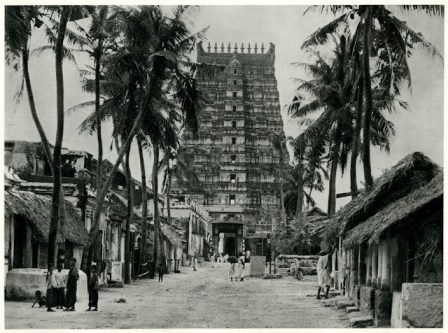
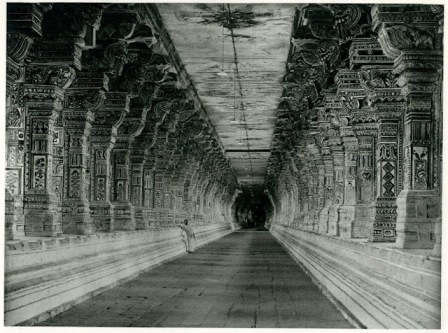
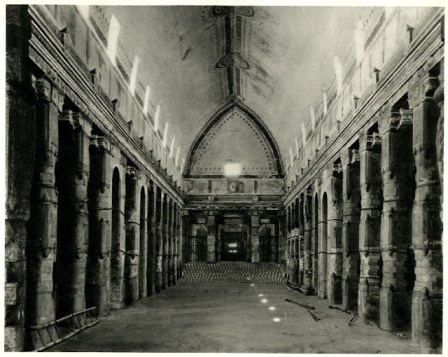
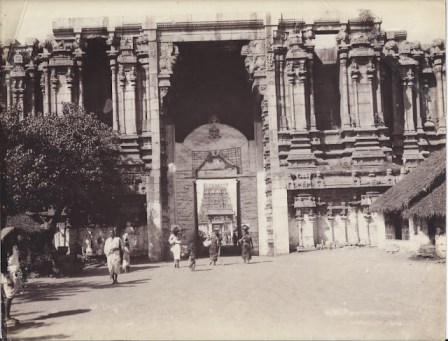
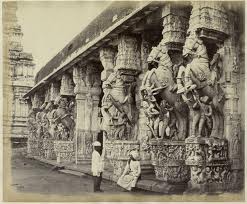
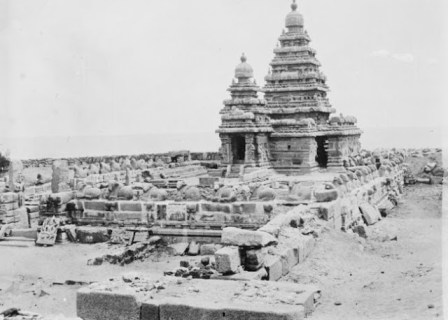
நமது அருமை கோயில்களின் சில அரிய புகைப்படங்கள் …சில நூறு ஆண்டு முன்பு!!!

200 வருடங்களுக்கு முன்னாள் திருவண்ணாமலை கோவிலின் அமைப்பு 


Sri Padmanabhaswamy temple..Thiruvanandapuram


Rameswaram Ramanathaswamy Temple

1000 Pillar Mandapam…Rameswaram Temple


Chidambaram Nataraja Temple


Srirangam Temple


Srirangam Temple


Mamallapuram Shore Temple


source:::::Rudran in blog

natarajan


Divine Invitation Card From Swami Sathya Sai Baba in the Year 1945 !!!….A Flashback !!!


Inauguration (Grahapravesam) of Padha Manidram
The first Mandir in Puttaparthi was opened on Friday December 14, 1945.  You are seeing here, the scanned copy of the Divine Invitation Card sent out by Swami. I wonder which were the families who were most blessed and fortunate to receive an Invitation from Bhagavan Himself.
The Grahapravesam (house warming) ceremony was the first major event in Puttaparthi .
In 1944 Puttaparthi village, was a tiny hamlet of 2 lanes at right angles. Only one or two families from Bangalore or Madras used come at a time to have Darshan of Bala Sai.  They resided at cattle sheds for a nominal rent of four rupees per month. They spent all their time drinking the Nectar of Swami’s Darshan, Sparshan and Sambhashan. 
Swami would be supervising the building work and the arrangements for the inaugural function. The young men were involved in climbing up the ladders, and hanging decorations and photos on the walls. Sometimes Swami Himself would climb up. Some devotees had the privilege of offering orange juice to Swami whenever He walked through the lanes.
Smt. Savithriamma and group from Bangalore prepared the feast on the inaugural day.  Thanks to Swami’s touch, the contents multiplied and there would be enough to feed the entire village and hundreds of devotees.
Swami arrived in procession, seated on a floral decoration with the idols of two Sais on either sides. Swami installed the two idols in the main prayer hall with large canvas paintings of both Babas and pictures of other deities. A screen was used to cover the altar  in the shrine, after daily Puja was over.
 Swami Himself would perform the Puja. He would dust the pictures and clean and decorate the idols. Swami would lead the Bhajan, followed by His sister Venkamma and other devotees. The first song on that day was, “Sree Ganesha Sivuni Kumara”
He would hit two coconuts against each other and sprinkle the water on all present. He would perform Arathi to Himself and show it to all devotees. 
Devotees would sing “Poojinthu Maa, mana Sayi nee…” and end with the Arathi song “Paavana Purusha Saayeesa”. Swami would give prasad – coconut scrapings mixed with sugar. He used to sing “Sai Rama mana prasada midigo Randi Bhakthularaaa” (Receive the Divine Prasad of our Sai Rama). He would grant interview to everyone. There was no fixed time. As devotees arrived, they were ushered in for interview.
Those days, reaching Parthi was a Herculean task. Every time devotees were forced to take a new unknown route because of floods in Chitravathi River.  
The Mandir had only 4 rooms. There were 5 kitchens in a row at the back. On the inauguration day, Swami went to a corner and placed his Palm on the ground. Soon a spring rose. It was fresh water. Swami ordered a well to be dug there. This was the only source of drinking water for the entire village. Even in summer, the water level remained the same. The devotees slept in the open space with Swami’s cot in the centre. His belongings were meagre, unlike His vast heart.
source:::::: Sairam  Mumbai Srinivasan in saidevotees world net.com
natarajan

“அவனைப் பற்றிய எல்லாமே மதுரம் தான் ” மதுரா நாதன் பற்றி மகாபெரியவர் !!!


ஸ்ரீகிருஷ்ண பரமாத்மா தக்ஷிணாயனத்தில்ஆவணி மாதத்தில் கிருஷ்ண பக்ஷ அஷ்டமி அன்று நடுநிசியில் பிறந்தார்.

நமக்கு ஒரு வருஷம் தேவர்களுக்கு ஒரு நாள்.
நமக்கு உத்தராயணம் அவர்களுக்கு பகல்.
தக்ஷிணாயணம் அவர்களுக்கு ஒரு இரவு.

ஸ்ரீ கிருஷ்ணர் அவதரித்த காலம் தேவர்களுக்கு இரவு நேரம் ஆகிறது. இம்மாதிரியே நம்முடைய ஒரு மாதம் பித்ருகளுக்கு ஒரு நாள் ஆகிறது.

நமது சுக்ல பக்ஷம் அவர்களுக்கு பகல், க்ருஷ்ண பக்ஷம் இரவு. ஆகையால் ஸ்ரீ கிருஷ்ணர் அவதரித்த கிருஷ்ண பக்ஷம் பித்ருக்களுக்கு இரவாகிறது.

அஷ்டமி திதி நடுவில் வருவதால் அன்று அவர்களுக்கு நடுநிசி பொழுது ஆகிறது. இதனால் என்ன ஏற்படுகிறது, ஸ்ரீ கிருஷ்ணர் அவதரித்த காலம் தேவர்கள், பித்ருக்கள், மனிதர்கள் எல்லோருக்கும் எல்லா தினுஸிலும் இருட்டு அதிகமாக இருக்கும் சமயம்.

ஸ்ரீ கிருஷ்ணன் பிறந்ததும் இருட்டு நிறைந்த சிறைச்சாலை. இப்படி ஸ்ரீ கிருஷ்ணர் அவதாரகாலத்தில் எல்லாம் இருள் மயமான சூழ்நிலை. அவருடைய பெயரும் கிருஷ்ணன்.

கிருஷ்ண என்றால் கருப்பு என்று பொருள்.அவனுடைய மேனியும் கருப்பு. இப்படி ஒரே கருப்பு மயமான ஸமயத்தில் தானும கருப்பாக ஆவிர்பவித்தாலும் அவனே ஞானஒளி.

காளமேகங்களுக்கு இடையே மின்னல் மாதிரி இத்தனை இருட்டுக்கு நடுவே தோன்றியதான ஒளி.

ஞான ஒளி ஆதலால் மங்காத பிரகாசமுடையதாய் இன்றும் என்றும் ஜ்வலித்துக்கொண்டு இருக்கிறது.அஞ்ஞானத்தால் இருண்டு இருக்கும் உலகத்தில்தான் ஞானத்தின் மகிமை அதிகமாக விளங்கும்.

உடலுக்கு ஒளி அளிப்பது கண். உயிருக்கு ஒளி தருவது ஞானம். உலக உயிர்களுக்கு எல்லாம் ஞான ஒளி தருகிற கண்ணாக இருப்பவனே கண்ணன்.

தென்நாட்டில் அவன் கிருஷ்ணன் மாத்திரம் அல்லாமல் கண்ணனும் ஆகிவிட்டான்.அகக்கண்ணையும் புறக்கண்ணையும் அம்ருதத்தில் மூழ்கடிக்கும் வடிவம் அவனுடையது.

அவனுடைய கீதை உலகெங்கும் ஒலித்துக் கொண்டு இருக்கிறது. அவனுடைய லீலா விநோதங்ககள் நிறைந்திருக்கும் ஸ்ரீமத்பாகவதம் புரான சிரேஷ்டமாக விளங்குகிறது.

அவனைப்பத்தின அத்…தனையுமே மதுரந்தான்!” தன்னுடைய மதுரமதுரக் குரலில், மதுரமான சிரிப்போடு மதுராநாதனைப் பற்றி பெரியவா சொன்னார்….

“அவன் பொறந்ததே மதுரைல. நம்ம பாண்ட்யதேசத்து மதுரை இல்லே! இங்கே மதுரமயமா அம்பாள் இருக்கா……அவகிட்டேர்ந்துதான் சங்கீதம் பொறந்தது. நான் சொன்னது வடமதுரை. அங்கே அவன் பொறந்த ஒடனேயே அப்பாக்காரர் வஸுதேவர் கொழந்தையை தூக்கிண்டு கோகுலத்துல கொண்டு போயி விட்டுட்டார். யமுனையோட மேலக்கரைல கோகுலம்; பிருந்தாவனம்..ல்லாம் கீழக்கரை. ஆத்துல அளைஞ்சுண்டே தாண்டிப்போய் கோகுலத்ல யசோதைக்கு பக்கத்ல விட்டுட்டு, அப்பத்தான் அவளுக்கு பொறந்திருக்கற பொண் கொழந்தையை தூக்கிண்டு ஜெயிலுக்கு திரும்ப போய்ட்டார்….இங்கே எல்லாமே திருட்டு மயம்..” பெரிதாக சிரித்தார்.

….”அங்க ஜெயில் காவலாளிகளுக்கு தெரியாம திருட்டுத்தனமா வெளில வந்தது, இங்க கோகுலத்ல ப்ரஸவிச்சவளுக்கும் சரி, ப்ரஸவம் பாத்தவாளுக்கும் சரி, பொறந்தது பொண் கொழந்தைன்னோ…அதுக்கு பதில புள்ளைக்கொழந்தையை வஸுதேவர் வெச்சுட்டு போனதோ, தெரியாது! இங்கேயும் திருட்டுத்தனம்! க்ருஷ்ணன்..ன்னாலே ஒரே திருடு.ங்கறோமே! வெண்ணையையும் திருடினான்….மனசையும் திருடினான்! நவநீத சோரன், சித்த சோரன்…ங்கறோமே…..அவனுக்கு அந்த திருட்டு புத்தி எப்டி வந்துதுன்னா…..அவனோட அப்பா அவன் பொறந்த ஒடனேயே பண்ணின திருட்டுத்தனந்தான், அவனுக்கும் பிதுரார்ஜிதமா வந்துடுத்துன்னு தோண்றது!…” கண்ணனின் திருட்டில் ஊறிய புன்னகை பெரியவா முகத்தில் சோபை பெற்றது…….தொடர்ந்தார்….

“ஆனா, அப்டி நெனைக்கறது செரியில்லே! சும்மாக்காக வேடிக்கை பண்ணினேன். வஸுதேவர் பாவம், ஸாது! கொஞ்சங்கூட திருட்டுபொரட்டே தெரியாதவர்! அவரை திருட்டுத்தனம் பண்ணப் பண்ணினதே இந்தக் கொழந்தைதான்! அது பொறந்த ஒடனேயே காவலாள்ளாம் மயக்கம் போட்டா மாதிரி தூங்கினதாலதான் அவர் ஜெயில்லேர்ந்து தப்பிச்சு போக முடிஞ்சுது…ஜெயில் பூட்டு தானா தொறந்துண்டது……அங்க கோகுலத்துலேயும் எல்லாரும் தூங்கி வழிஞ்சதாலதான் அவர் கார்யத்தை சௌகர்யமா முடிக்க முடிஞ்சுது. இதெல்லாம் பாவம் அந்த அப்பாவி மனுஷரா பண்ணினார்? அவருக்கு பிள்ளையா வந்தானே ! ஒரு அப்பன்! அவன்தான் இத்தனையும் மாயாவித்தனமா பண்ணினது!

அயோத்திக்கப்புறம் சப்த மோக்ஷபுரில, மதுரா இருக்கு. அவன் அவதாரம் பண்ணின ஊருக்கே அவனோட ஸ்வபாவம் இருக்கே! க்ருஷ்ணன்..ன்னா என்ன? மதுரந்தான்! தித்திப்புன்னா….தித்திப்பு! அப்டியொரு தித்திப்பு அவன்! மதுரம்ன்னு சொல்லறச்சே கூட “dhu “கொஞ்சம் கடுமையா இருக்கு. இன்னும் நைஸா “ஸ்வாது”ன்னும் ஒரு வார்த்தை இருக்கு. “ஸ்வாது” லேர்ந்துதான் “ஸ்வீட்” வந்தது…..இப்போ, நான் ஒரு விஷயம் செரியா சொல்லலைனா….கொஞ்சம் apologise பண்ணிக்கறா மாதிரி சரி பண்ணிக்க பாத்தேனோல்லியோ?…கிருஷ்ணனா இருந்தா, அப்டி பண்ண மாட்டான்! அவன் பண்ணறதுல… ஸரி, ஸரியில்லை..ங்கற ரெண்டே கெடையாது! அந்த வார்த்தைகளே அவனோட அகராதியில ஏறாது! அவன் பண்ணற சகலமும் மதுரம், மதுரம்…ங்கற ஒண்ணுதான்! மத்தவா பண்ணினா ஸரியில்லாததெல்லாங்கூட அவன் பண்ணறப்ப, மதுரந்தான்! இதை நெனைச்சுத்தான் பரம பக்தரான ஸ்ரீ வல்லபாச்சார்யார்… ங்கறவர் “மதுராதிபதே அகிலம் மதுரம்”..ன்னு பாடி வெச்சுட்டுப் போய்ட்டார்.”
————————–

ஜென்மாஷ்டமியன்று ஸ்ரீ ராதா ஸமேத க்ருஷ்ணன் எல்லாருக்கும் சகல ஸௌபாக்யங்களையும் அனுக்ரஹிக்க என் ஸத்குருநாதரை ப்ரார்த்திக்கிறேன்.
ஹரே ராம ஹரே ராம ராம ராம ஹரே ஹரே|
ஹரே க்ருஷ்ண ஹரே க்ருஷ்ண க்ருஷ்ண க்ருஷ்ண ஹரே ஹரே||

Courtesy: Smt Prema Subramaniam in http://www.periva.proboards.com

natarajan

Read more: http://www.periva.proboards.com/thread/1950/periva-on-gokulashtami#ixzz2dEGMA51R