வாரம் ஒரு கவிதை…” எல்லைக் கோடு ” ….!


எல்லைக்   கோடு
………………..
எல்லைக் கோடு இல்லாத இடம் எது இந்த  மண்ணில் ?  வீட்டுக்கு
வீடு ஒரு எல்லை சுவர்  … ஊருக்கு ஊர் ஒரு எல்லை !
நாட்டுக்கு நாடு ஒரு எல்லைக் கோடு ! எல்லைக்கோட்டுக்குள்
அவரவர் அதிகாரம் …ஆதிக்கம் !  மண்ணில்  மட்டுமா ?
நதியிலும்  கடலிலும்  உண்டு இந்த ஆதிக்கம் ! விண் வெளியில்
இது எங்கள் வான் பகுதி  , அது உங்கள்  வான் பகுதி  என்று
பாகுபாடு வேறு !  இத்தனை  கோடும் , பாகுபாடும்  இந்த
மண்ணில் உள்ள மனிதனுக்கு மட்டுமே ! விண்ணில் பறக்கும்
பறவைக்கும் , கடல்  மீனுக்கும் இல்லையே  எந்த கோடும் எல்லையும் !
இந்த மண்ணில் எத்தனை நாடு …எத்தனை மனிதர் …மொழி
எத்தனை …மதம்  , இனம்  எத்தனை  எத்தனை ! அத்தனை
பேரையும்  மொத்தமாக  தாங்குவது ஒரே ஒரு  பூமித் தாய்தானே !
அந்த தாயின் மக்கள்தானே  இந்த மண்ணின்  மனித குலம் !
ஒரு நிமிடம் யோசிக்க வேண்டும் மனிதா நீ …இந்த மண்ணை
விட்டு  விண்ணுலகம்  நீ செல்லும்போது  இனம்,  மொழி,
மதம்,  நாடு பார்த்து இட  ஒதுக்கீடு கிடைக்குமா  உனக்கு அங்கும் ?
உன் எல்லை அங்கு எது வரை என்று தெரியுமா உனக்கு ? போட முடியுமா
ஒரு கோடு அங்கே  உன்னால் ?
விடை தெரியா கேள்வி அல்லவா இது  ?  பின்  ஏன் இன்று நீ  இருக்கும்
மண்ணில் மட்டும்  இந்த ஆட்டம் …ஒருவர்  மேல் ஒருவர் காட்டம் ?
உன் மனது   தொட்டு நீ சொல்லு ,மனிதா … நீ கிழித்த   எல்லைக் கோடு ,
உன்  தொல்லை தீர்க்கும் கோடா …இல்லை  தொல்லை பல
உன்னை  தொடர்ந்து வர இந்த மண்ணில் நீ போட்ட ” ரோடா ” ?
Natarajan

Two tales of struggle and answering the call of the Olympic dream…


Indian Judoka, Avtar Singh’s parents take maiden flight to cheer son, who will go up against Pople Misenga from the Olympic Refugee Team.  Read on about the intense and interesting story of both Judokas

They once cashed their fixed deposits to realise Avtar Singh’s Olympic dream and the Indian judoka’s parents are now in Rio de Janeiro to support him when he begins his Rio 2016 Olympic campaign at the Carioca Arena 2 in Barra da Tijuca on Wednesday.

A Class-4 employee in the health department, Avtar’s dad Shingara Singh encashed a fixed deposit of Rs 4 lakh saved over 21 years to book Avtar’s tickets to the Samsun Grand Prix in Turkey in April.

Avtar became the first Indian judoka to qualify for the Olympics since the 2004 Athens Games after the International Judo Federation confirmed his entry in the men’s 90kg category as one of the two Asian judokas under the continental quota.

Four months later, thanks to sponsors, Shingara and wife Sukhvinder Kaur, who hail from Gurdaspur, Punjab, boarded their maiden International flight spanning more than 20 hours.

“It’s a dream come true. To have my parents watch me from the hall would be the best thing I wanted. I will give my best and make my parents, country proud,” Avtar told PTI ahead of his bout against Pople Misenga.

Misenga, originally from the Democratic Republic of Congo, one of the worst areas affected by the civil war from 1998-2003, has made Brazil his home and represents the debutant Refugee Olympic Team.

Misenga is ranked way below the 71-ranked Indian, but the latter’s coach sees a tough bout for the assistant sub-inspector of Punjab Police.

“After moving to Brazil, Misenga has been training in Brazil with Olympic medallist judokas for more than three years. So it will be a tough challenge but Avtar is ready,” coach Yashpal Solanki said at the GamesVillage.

“We will give our best, no excuse,” Yashpal said, adding that Avtar was really moved by the pep-talk given by goodwill ambassador Sachin Tendulkar on Sunday.

“He is a motivation for others. He told him to give your best don’t think about medals. Everybody talks about medals but Sachin did not, which was exceptional,” he said showing their photo with the Indian cricket icon.

Misenga has already become a much talked about judoka after overcoming the odds in Congo.     “I wondered sometimes how to live when so many people were dying. Even in Kinshasa, the military of our country comes to do only one thing — kill. I have seen too much war, too much death. I do not want to get into that. I want to stay clean so I can do my sport.”

The 24-year-old lost his parents as a child and managed to board a truck to Kinshasa and that’s where he learnt judo and became champion in Dakar and other places in Africa.

“I tried to get away and now I have a chance to be a part of the Rio games and I am very happy, I’m going to fight for a medal.”

On what Brazil means to him, he said, “I am living in Brazil. Brazil is my home. I have children here, a son and daughter. The people here in Brazil helped me. The people introduced me to a place for training judo because I had stopped.

“I didn’t know where there was a gym for judo. Then I found the institute. I was happy. I learnt Portuguese. They gave me a chance to reach an Olympic Games and I am ready. I will demonstrate what I learnt there and that moment is coming.”

Source…..www.rediff.com

Natarajan

படித்து ரசித்தது …” வெங்காயத்தின் குரல் ” !!!


கதைகள் நம்மை யோசிக்க வைக் கின்றன. சில கதைகளைக் கேட்டோ, வாசித்தோ முடிக்கும் போது இப்படியும் சிந்திக்க முடியுமா? கற்பனை செய்ய முடியுமா என வியப்பாக இருக்கிறது.

பெரியவர்கள் சொல்லும் கதைகள் ஒருவிதம் என்றால், சிறுவர்கள் சொல்லும் கதைகள் வேறுவிதம். நாம் குழந்தைகளுக்கு கதை சொல்வது போலவே, குழந்தைகளிடம் கதை கேட்க வும் வேண்டும். முடிந்தால் மகனோ, மகளோ, பேரன், பேத்தியோ சொன்ன கதைகளை சிறுநூலாக அச்சிட்டு, அவர்களின் பிறந்தநாள் பரிசாக தரலாம். பள்ளிக்கூடமே தனது மாணவர்கள் சொன்னக் கதைகளை அச்சிட்டு, சிறு வெளியீடாக கொண்டுவரலாம்.

சிறுவர்களிடம் ‘எதைப் பற்றி கதை கேட்கப் பிடிக்கும்?’ என்று கேட்டால், உடனே அவர்கள் ‘சிங்கம், யானை, குரங்கு’ ஆகிய மூன்றைத்தான் விரும் பித் தேர்வு செய்கிறார்கள்.

‘சிங்கம்’ பற்றி ஆயிரமாயிரம் கதைகள் சொல்லப்பட்டுள்ளன. எழுதப் பட்டுள்ளன. ஆனாலும், சிங்கத்தின் வசீகரம் குறையவே இல்லை.

நான் கூட சிறார்கள் செய்தித்தாள் படிக்க வேண்டியதன் அவசியத்தை எடுத்துச் சொல்லும் விதமாக, நியூஸ் பேப்பர் படிக்கிற சிங்கம் பற்றி ‘படிக்கத் தெரிந்த சிங்கம்’ என்ற சிறார் நாவலை எழுதியிருக்கிறேன். இதனை ‘டிஸ்கவரி புக் பேலஸ்’ வெளியிட்டுள்ளது.

சமீபத்தில் சஞ்சீவ் சன்யால் எழுதிய ‘ஏழு நதிகளின் நாடு’ என்ற புத்தகத்தைப் படித்தேன். அதில் அவர் ‘சிங்கம் எப்படி இந்தியாவில் இவ்வளவு முக்கியத்துவம் அடைந்தது?’, ‘மவுரியர்கள் ஏன் சிங் கத்தைச் சிற்பமாக செதுக்குவதில் இவ்வளவு ஆர்வம் காட்டினார்கள்?’, ‘சிந்து சமவெளி நாகரீகத்தில் சிங்கம் இருந்ததா, இல்லையா?’ என பல செய்திகளைச் சுவாரஸ்யமாக எழுதி யிருக்கிறார். தமிழகத்தில் சிங்கம் இருந் ததா? சங்க இலக்கியத்தில் சிங்கம் இடம்பெற்றிருக்கிறதா என்பது பற்றி ஆய்வாளர்கள்தான் சொல்ல வேண்டும்.

துருக்கி நாட்டுப்புறக் கதை ஒன்று ‘வெங்காயம் ஏன் சிறியதாக இருக் கிறது?’, ‘தர்பூசணி ஏன் பருமனாக இருக் கிறது?’ என்பதற்கு பதில் சொல்கிறது. ‘இதற்கெல்லாம் கூட கதைகள் இருக்குமா?’ என யோசிக்க வைக்கிறது இக்கதை.

முன்னொரு காலத்தில் வெங் காயம்தான் மிகப் பருமனாக இருந்தது. சோம்பேறியாகவும் தூங்குமூஞ்சியாக வும் இருந்த வெங்காயத்துக்கு, வம்பு பேசுவதைத் தவிர எதிலும் விருப்பம் இல்லை. இதற்கு மாறாக, தர்பூசணி சிறியதாக எலுமிச்சை அளவில் இருந்தது. நாள் முழுவதும் சுறுசுறுப்பாகத் தாவிக் குதித்துக் கொண்டு உற்சாகமாக பேசிக் கொண்டிருந்தது. இந்த இரண்டும் ஒரே தோட்டத்தில் இருந்தன.

அங்கே ஒரு வாழை மரம் இருந்தது. அந்த மரத்தை வெங்காயத்துக்குப் பிடிக்கவே பிடிக்காது. வாழையும் அதன் பிள்ளைகளும் இருக்கிற தண்ணீரைக் குடித்துவிடுகிறார்கள் என்று ஆத்திரமே, அதற்கான காரணம். எப்போதும் வாழை மரத்தைக் குற்றம் சொல்லிக் கொண்டே இருந்தது வெங்காயம். இதற்கு மாற்றாக தர்பூசணிப் பழம் வாழை மரத்தை பாராட்டிக்கொண்டே இருந்தது.

ஒரு நாள் வாழை மரம் வெங்காயத் திடம் கேட்டது: “நீ ஏன் இப்படி உடம்பை வளர்த்துக் கொண்டு வீணாக இருக்கிறாய்? உன்னால் யாருக்கு என்ன பிரயோஜனம்?”

அதைக்கேட்ட வெங்காயம் சொன்னது: “நீ மற்றவர்களுக்குப் பிரயோ ஜனமாக இருக்கிறாய். அதற்காக உன்னை வெட்டாமல் விடுகிறார்களா? மனிதர்கள் உன் காய்களைப் பறித்துக் கொள்கிறார்கள். இலையை அறுத்துக் கொண்டுப் போகிறார்கள். பழங்களைத் தின்கிறார்கள். முடிவில் ஒருநாள் உன்னையே வெட்டிவிடுகிறார்கள். நல்லது செய்தால் ஒரு பயனும் இல்லை என்பதை உன்னிடம் இருந்தே கற்றுக் கொண்டேன்.”

அதைக் கேட்ட வாழைமரம் சொன்னது: “அப்படிச் சொல்லாதே. இருப்பதை எல்லாம் அள்ளிக் கொடுப் பது சந்தோஷமானது. அதை அனுபவித் துப் பார் தெரியும்!”

“பொய். நீ ஒரு முட்டாள். ஏமாளி. வெட்ட வருபவனை உன்னால் எதிர்க் கவோ, தடுக்கவோ முடியாது. தைரிய மற்ற கோழை!” என்றது வெங்காயம்.

“அதெல்லாமில்லை. தைரியம் என்பது சண்டைபோடுவது இல்லை. வேதனையைத் தாங்கி நிற்பதே உண்மையான தைரியம்” என்று வாழை மரம் மறுபடியும் சொல்ல, அதைக் கேட்ட தர்பூசணி சொன்னது:

“வாழை மரம் சொல்வது உண்மை தான். தன்னைக் கஷ்டப்படுத்து கிறார்களே என்று வாழை ஒருபோதும் மனிதர்களுக்கு கசப்பான பழத்தைத் தருவதில்லை. சொல்லாலும் செய லாலும் அடுத்தவரை இம்சிக்காமல் வாழ்வது சிரமம். இந்த வாழை மரம் துறவியைப் போல வாழ்கிறது’’ என்றது

இதை கேட்ட வெங்காயம் எரிச்சலான குரலில் சொன்னது: “இதெல்லாம் வெறும் நடிப்பு. சுயநலம். நான் நம்ப மாட்டேன்!”

அவர்கள் பேசிக் கொண்டிருக்கும் போது, அங்கே தோட்டக்காரன் வேலைக்கு வந்தான். அவனிடம் சென்று வெங்காயம் கண்ணீர் சிந்தியபடியே சொன்னது: “இந்த வாழை மரம் சுத்த மோசம். அதுவே எல்லாத் தண்ணீரையும் குடித்துவிடுகிறது. முதலில் இங்கிருந்து அதை வெட்டி எறி”என்றது.

இதைக் கேட்ட தர்பூசணி: “அய்யோ! வெட்ட வேண்டாம்” என்றது.

தோட்டக்காரன் வெங்காயத்தின் பேச்சைக் கேட்டு, வாழைமரத்தை வெட் டிப்போட்டான். துண்டாகி விழுந்த வாழைமரம் வெங்காயத்தைப் பார்த்து சாபமிட்டது: “வாழ்க்கையின் அர்த் தத்தை நீ உணரவில்லை. அதனால் மெலிந்து சுருங்கிப் போவாய். உண்ணும் பொருளாகி, நீயும் என்னைப் போல துண்டு துண்டாக்கப்படுவாய். உன்னால் கண்ணீர் வடிப்பவர்கள் தினமும் உன்னைத் திட்டுவார்கள்!”

வாழை மரத்தின் நிலையைக் கண்டு தர்பூசணி வருந்தியது. அதைக் கண்ட வாழை மரம் சொன்னது: “மனதில் நல்லதை நினைத்து, நல்லதைப் பாராட்டும் தர்பூசணியே… நீ உடல் பெருத்து, எப்போதும் கருணை ஈரத்துடன் மகிழ்ச்சியாக வாழ்வாய்!”

அன்று முதலே வெங்காயம் சுருங்கி சிறியதாகிவிட்டது. தர்பூசணி பருமனாகி பலராலும் விரும்பப்படுகிறதாம்.

உடற்பருமன் என்பது கேலிக்குரிய விஷயமில்லை. ஒருபோதும் எவரையும் அவரது உடலமைப்பை வைத்து கேலி செய்யவோ, அவமதிக்கவோ கூடாது. உலகப் புகழ்பெற்ற ஓவியரான ஹென்றி டாலெஸ் லாட்ரெக் நாலரை அடி உயரமுள்ளவர். ஆனால், அதை ஒரு குறையாக ஒருபோதும் அவர் கருதவேயில்லை.

உணவுப் பொருட்கள் உண்டான விதம் பற்றியும் தாவரங்கள் உருவான விதம் பற்றியும் நிறைய வாய்மொழிக் கதைகள் உள்ளன. ‘பிரம்மாஸ் ஹேர்’ (Brahma’s Hair) என்ற மேனகா காந்தி தொகுத்த நூலில் இதுபோன்ற சிறந்த கதைகள் உள்ளன.

உலகில் அதிகம் உண்ணப்படும் பொருட்களில் ஆறாவது இடத்தில் வெங்காயம் உள்ளது. எகிப்தில் கி.மு-3500-ல் வெங்காயம் பயிரிட்டிருக் கிறார்கள். அங்கே வெங்காயம் புனிதப் பொருளாகக் கருதப்பட்டது. எகிப்திய மன்னர்களைப் புதைக்கும்போது வெங்காயத்தையும் சேர்த்து வைத்து புதைத்திருக்கிறார்கள். மரணச் சடங்கு களில் வெங்காயம் முக்கிய பொருளாக இடம்பெற்றுள்ளது.

எகிப்திய மதகுருக்கள் வெங்காயத் தில் மந்திரத் தன்மை இருப்பதாகவும், இதன் மூலம் இறந்தவர்களை உயிர்ப் பிக்க முடியும் என நம்பினார்கள். கிரேக்க ஒலிம்பிக் போட்டிகளில் கலந்து கொள்ளும் வீரர்கள் உடல் உறுதிக் காக வெங்காயத்தை நிறையச் சாப் பிட்டுள்ளார்கள். அத்தோடு நோய்த் தொற்றைத் தடுக்க உடலில் வெங்காயச் சாற்றை தேய்த்துக் கொள்வார்களாம்.

வாழ்க்கைப் பாடங்களை எளிமை யாகக் கற்றுத் தருவதற்கு கதைகள் அதிகம் உதவி செய்கின்றன. கதை வழியாகத்தான் வெங்காயமும் தர்பூசணி யும் பேசிக்கொள்கின்றன. இக்கதையை ஒரு சிறுவனிடம் சொன்னபோது அவன் உடனே, “வெங்காயத்தின் குரல் எப்படியிருக்கும்?” என்று கேட்டான்.

“நீயே சொல்லு!” என்றேன். அவன் உடனே கீச்சுக் குரலில் பேசத் தொடங்கினான். வெங்காயத்தின் குரல் இப்படிதான் இருக்கும் என சிறுவன் கற்பனை செய்யத் தொடங்கும் போது, அவனுக்குள் இருந்து படைப்பாற்றல் முளைவிடத் தொடங்குகிறது. இதற் காகத்தான் கதைகள் கேட்கவும் சொல்லவும் வேண்டியிருக்கிறது.

இணையவாசல்: கதை சொல்லிகளுக்கு உதவும் இணையதளம்

– கதை பேசும்… | எண்ணங்களைப் பகிர்ந்துகொள்ள: writerramki@gmail.com

Source…..S.Ramakrishnan in http://www.tamil.thehindu.com
Natarajan

A Syrian refugee who was swimming across borders a year ago is now in the Olympics…


One year ago, Syrian refugee Yusra Mardini was swimming for her life as she fled Damascus, Syria with her older sister. Today, she is a member of the Olympic refugee team competing in Rio.

The 18-year-old is one of ten athletes competing for the Refugee Olympic Athletes in three sports.

Below, read about Mardini’s tenacious and heroic journey, via Alexander Hassenstein of Getty.

Before that, Mardini and her sister have been swimmers for many years. They were known as shining stars at their swimming club in Syria, until the war disrupted their training.

Their parents tried their hardest to keep them away from the intense war zones — they moved multiple times to avoid the conflict, but the war shortly became too dangerous. They decided to pick up and move all together after their house was destroyed.

Mardini and her sister left Damascus, Syria in early August. They boarded an inflatable boat in Turkey that was headed for the Greek island of Lesbos, alongside 20 other refugees.

Not too long into their journey, the motor on the boat broke down. Mardini and her sister were the only two swimmers on the boat, so they jumped into the water to swim the boat to shore.

They swam while helping the boat stay above water for three and a half hours, saving everyone on the boat.

After swimming all of the passengers to safety, the sisters continued their journey to make it to Germany.

They then travelled through five more countries, on land.

They faced many problems — they were arrested at borders, lost money, and had many items stolen from them. Despite all of these problems, the sisters remained strong. They were not going to give up.

After 35 days of fleeing, the sisters finally made it to Germany.

Now, they are safe with their parents in Berlin.

Shortly after their arrival in Berlin, they were introduced to a swimming coach at a local swimming club.

Mardini’s goal was originally to make it to the 2020 Olympics in Tokyo, but her coach said she had progressed so well that there was a good chance that she could qualify for the International Olympic Committee’s (IOC) refugee team for the 2016 Olympics in August.

Since she lost everything and faced a treacherous journey, she was given a IOC Olympic Solidarity scholarship — a scholarship to help athletes qualify for the Olympics.

Her daily schedule leading up to the Olympics involved school and intensive training.

Mardini hopes to encourage refugees and make them proud of her.

In the meantime, she seems to be having the time of her life in Rio.

Source…www.businessinsider.com.au

Natarajan

படித்து ரசித்த கவிதை…” புறங்கூற்று ” !

புறங்கூற்று…

………………….
* குற்றம் சொல்லவும்
குறைகள் பேசவும்
முற்றம் தேவையில்லை
இவர்களுக்கு!

* வென்றவனைக் கண்டால்
அதிர்ஷ்டம் என்று
அலட்டிக் கொள்வர்!

* தோற்றவனை கண்டால்
தேவை தானா என்று
எகத்தாளம் பேசுவர்!

* உள்ளவனைக் கண்டால்
கொள்ளை அடித்த பணமென்று
குற்றம் சொல்வர்!

* இல்லாதவனைக் கண்டால்
பிழைக்க தெரியாதவனென்று
இகழ்ந்து பேசுவர்!
* தப்பு செய்தவன்
தண்டனை பெற்றால்
சட்டம் சரியில்லை என்பர்!

* தப்பு செய்யாதவன்
தண்டனை பெற்றால்
சரியான நீதி என்பர்!

* பிழைப்பு தேடி
பிற நாடு சென்றால்
பேராசை பிடித்தவன்
என்று பிதற்றுவர்!

* உழைப்பு தேடி
உள்நாட்டில் உலவினால்
ஊர் சுற்றியென்று
உதாசினம் செய்வர்!

* ஊருக்கு உதவினால்
ஊர்கழுதை என்று
பட்டம் சூட்டுவர்!

* சும்மா சுற்றினால்
சோம்பேறி என்று
முத்திரை குத்துவர்!

* மற்றவர் குறைகளை
மணிக்கணக்கில் பேசும்
இவர்களுக்கு
ஒரு நிமிஷம் கூட
கிடைப்பதில்லை
தம் குறைகளை
நினைத்துப் பார்க்க!
க.அழகர்சாமி,
கொச்சி. in http://www.dinamalar.com

Natarajan


வாரம் ஒரு கவிதை…” காகிதங்கள் ” !!!


காகிதங்கள்
………..
Natarajan….My Kavithai in http://www.dinamani.com ….published on 1st August 2016

Avoid These Actions to Live Regret-Free ….


The phrase “if only…” is normally one associated with deep regret, and that’s why it’s incredibly sad when we feel compelled to say it. To avoid having to utter those fateful words, I’ve made a list of 10 bad life choices that ultimately lead to this phrase of regret, as well as how to avoid them:

1. Wearing a mask in front of others

It’s a big mistake to always think about other people’s perceptions of you and trying to play up to them, as opposed to just being yourself. If you continuously focus on this, rather than being who you really are, the end result will be that one fine day, you will forget who you are beneath the mask you always try to uphold. Forget about who people want you to be, or how they see you – impress them and inspire them with how you deal with your imperfections instead.
2. Letting others create your dreams

Although the greatest life challenge is the sound discovery of who you really are, the second greatest is finding happiness and peace with yourself. You should always stay true to your own goals and dreams to find happiness and peace. If people disagree with you, it isn’t necessarily a bad thing – it just means you’re standing your own ground and finding you own way. Don’t worry about whether people think you’re doing something crazy. When you find yourself excitedly losing track of time, you’ll know in your heart that you’re on the right path.

3. Keeping the company of negative people

Negative people are best avoided, because they can foist their bad attitudes on you, and even get to you. Remember that keeping the company of negative people is a choice, not an obligation. Once you realize this and begin to keep it in mind, you will open up your world to compassion over anger, generosity over greed, and patience over anxiety.

Although the greatest life challenge is the sound discovery of who you really are, the second greatest is finding happiness and peace with yourself. You should always stay true to your own goals and dreams to find happiness and peace. If people disagree with you, it isn’t necessarily a bad thing – it just means you’re standing your own ground and finding you own way. Don’t worry about whether people think you’re doing something crazy. When you find yourself excitedly losing track of time, you’ll know in your heart that you’re on the right path.
4. Falling into selfishness and egotism

A life that revolves around selfish pursuits and egotism is not a life well-lived. You will be remembered by what you have done for others and the world at large, rather than what you have done for yourself. Be selfless, compassionate and try and give back whenever and wherever you can.

5. Avoidance of change and growth

If you want to know why your life is the way it is, take a look at your past. If you want to know how your future’s going to be, take a look at your actions in the present. You should always leave room in your life for the old to make way for the new. As much as we all like to hold on to that which we know, the truth is that the old is gone, and isn’t coming back. Accepting this fundamental reality and embracing change as it comes will set you up for lasting success.

6. Giving up during tough times

Whenever we fail in life, we should take is as a blessing. This is because failures act as indicators that we need to try something else. What failures do not indicate is the necessity to give up on what we’re setting out to achieve. Learn what you can from a failure and move on. One baby step at a time is what will get you ahead in life. Eventually, these baby steps build on top of each other and lead to our most glorious and defining moments.

7. Attempting to micro-manage everything                       

There’s plenty of truth to the notion of creating your own destiny, however this doesn’t mean that you incessantly have to worry about and control everything. Letting go a little will allow you to gain perspective. Once you can see the forest for the trees again, it’s time to take the next step forward. Remember that you don’t always have to be certain that you’re headed somewhere great. Occurrences in life happen in perfect order, regardless of whether you understand that or not. As time goes by in our lives, we all come to understand this principle and see how all the dots are connected.

8. Settling for less than you are deserving of

You should always make it a priority in life to let go of what no longer serves you. Sometimes we need to be floored by a bad relationship or other situation, as hitting rock bottom can actually be the springboard we need for us to stand taller than we ever did before. The tears we cry can sometimes clear our eyes so we can see the possibilities that lie in front of us. Remember not to settle for anything less than you deserve.

9. Forever waiting for tomorrow

We all know life is short, but it’s actually even shorter than you think. If you’re forever waiting for tomorrow, the window for you to do all the things you’ve always wanted to do will silently close, and by the time you realize it has, it will be too late. The choice is yours – do you want to look back on what you’ve achieved with pride, or do you want to make a whole myriad of excuses for the things you haven’t?

10. Not being assertive and waiting for things to happen

For whatever reason, you may feel hard done by due to the hand of cards that life has dealt you, but that doesn’t mean that you are owed anything – by anyone. Focus on developing a backbone, rather than a wishbone. It’s up to you to take responsibility for what transpires in your life. You are equally important to and just as needed as everyone else in this world. Don’t sit around waiting for things to happen, because they just won’t. Your day is now, it’s here. Seize it and go and create the world you want for yourself.
Content Source: Brightside   thro http://www.ba-bamail.com

Natarajan

Phrases to Avoid in a Professional and formal emails….


Writing professional and formal e-mails isn’t as easy and straightforward as it seems.

It can sometimes go horribly wrong.

Many people don’t realise that the phrases they use can take on different, sometimes unintended, meanings in the workplace, especially when interacting with crucial clients and senior people in the company.

Having a professional bearing is good, but having professional communicative skills is far more important.

Here are some phrases you should avoid using in your e-mails, unless you want to come across as unprofessional, and perhaps even rude, to the recipient:

1. “I don’t know”

The phrase ‘I don’t know’ is the pinnacle of unprofessionalism as it conveys that the writer is bluntly washing their hands away from the work at hand and is not even willing to find a solution to it.

The ideal phrase should be: “I will get back to you on that subject matter/issue/topic” or “That is exactly what we are looking to resolve/find out/figure out.”

You are certainly not expected to know everything, but reassure the other person over the mail that you will find out what is needed or that you are working towards finding out what you don’t know.

Doing this helps you come across as an efficient and hardworking professional.

2. “Is that okay?”

When you have to follow up, discuss or enquire about a particular issue that you don’t know about, you certainly need the time to do so.

Asking the person if “that is okay” can put them off. If the person replies that it’s not okay, it will make the conversation unproductive and it heads nowhere. Not only does it make you look unprofessional, but it also makes it seem like you are sloppy at your job.

When you know that a particular matter will not be possible or needs time, it’s right to form a crisp reply and end it there without any further words. If the person is not comfortable with the decision, then run it though your boss and respond accordingly.

3. “I am the *designation title*”

Whether you have a junior-level title or a senior-level title, it’s arrogant to start an e-mail with such a sentence.

If you have a junior-level designation, it is better not to include it at all because it comes across as brash and superficial to potential clients and higher management.

4. “Hey”

Never begin an e-mail with the word ‘hey’.

It is far too casual for a professional setting and gives the reader the impression that you are a random person who has appeared form nowhere.

A better way to introduce yourself is by saying “Hello” or “I am *name* from *name of department *.”

It inspires more confidence and gives the impression that you were invited to be included in this conversation.

5. “Thanks”

Anything less than a ‘Thank you’ is righteously believed to be either sarcastic or flippant. The word ‘thanks’ is slightly harsh as well.

Refrain from using it even verbally in the office environment.

6. “That’s fine.”

‘Fine’ is a word that can be interpreted in many ways. It could mean fine in the manner of quality, or it could mean the work is average and not better.

So, instead of confusing the reader with a colloquial term, it is better and more professional to be specific in all the words you use.

Instead of “fine”, say “that is/was a good effort” or “that is/was not up to the mark.”

7. “I’m sorry.”

Saying “I’m sorry” sounds offhand and almost like you don’t mean it at all.

Always keep in mind that when you need to apologise, it is better done in person.

However, if you have to type it out in an e-mail before that, say something like “My sincere apologies for the inconvenience, let us make it up to you by *doing something else*.”

Always apologise and follow it up with a small service that you can extend to the other party with a genuine intention.

8. “Extremely”, “Enormously”, and “Exceptionally”

Avoid using adverbs like these in professional e-mails should be fact-based and not express emotion or emphasise a feeling.

For instance, when you want to say “I’m extremely busy this week,” instead say, “I have a tight schedule this week.”

9. “I’m exhausted.”

While we all know you are bound to get tired after working long hours, saying it in an e-mail is like telling people that you can’t manage your work life.

Successful people know how to work hard and work smart.

10. “!!!!!????”

Exclamation points will be the death of your professional image in a work environment.

Do not use or overuse them at all if you can help it. It looks very childlike, and using them could send mixed signs to the receiver.

Exclamation points are used when you want to tone up your virtual voice or say something in an authoritative manner.

While you may think that you sound like a proactive and efficient individual, it just may happen that you come across as pompous and rude.

Mean well, write smart and sound sincere, and things will work in your favour.

Source…..www.rediff.com

Natarajan

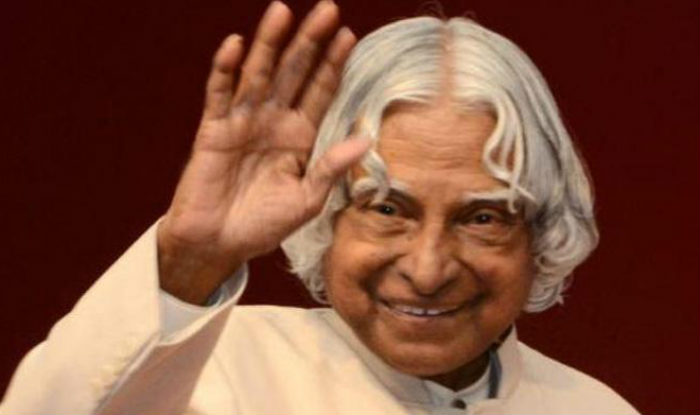
APJ Abdul Kalam 1st death anniversary: This is how the noble soul planned to celebrate his elder brother’s 100th birthday….


APJ Maracayer, elder brother of APJ Abdul Kalam was like a father figure to Kalam and counselled him on several important decisions and was also his spiritual guide.

apj-abdul-kalam-political-party

APJ Abdul Kalam had planned a “big surprise party” for his elder brother who would turn 100 this November by gathering all the family members at his native place Rameswaram, putting up banners saying ’100′ and playing Tamil songs but destiny had other ideas.
Sixteen years older, APJ Maracayer was like a father figure to Kalam and counselled him on several important decisions and was also his spiritual guide.

But as fate would have it, seven weeks after this planning session Kalam passed away on July 27 last year. Kalam’s aide Srijan Pal Singh presents a tribute to the late President on his first death anniversary in the form of a book “What Can I Give?: Life Lessons from My Teacher, A.P.J.

The book, published by Penguin Random House, brings alive rare personal and unheard-of anecdotes as well as unseen pictures from Kalam’s life. Taking Kalam’s vision ahead, Singh has decided to donate all the royalties from the book to the charitable cause of providing free education to underprivileged children through an initiative called The Kalam Library Project.

On the grand plans made by Kalam for his brother’s 100th birthday celebrations, Singh writes, “In 2015, in the month of May, Kalam’s brother dropped by for a visit. It was a special moment as Janaab A P J Maracayer was about to turn 99 in a few months. His birthday was on the 5th of November. The day his brother was leaving for Rameswaram, Kalam met him over dinner.

He said to me later, ‘You fellow, listen. My brother will turn 99 years old in November. Tell me, now by the end of this year, how many orbits will he have completed around the sun? “This was the question he always asked on people’s birthdays. A true rocket engineer, he loved equating years to the number of orbits the earth had made around the sun and the number of orbits the moon had made around the earth. I was familiar with this question by now.”

“Hundredth orbit!” Singh replied. ”Right. Now listen, you fellow. You see, next year, in November 2016, my brother will be a hundred years old. He has never celebrated his birthday in a big way. On his hundredth birthday, I want to throw him a big surprise party. He would love it, right?” Kalam asked.

Kalam wanted the party to happen at his native place. ”We can also gather all the family – the grandchildren, the great-grandchildren – everyone. There will be about 50 fellows like that,” Singh quotes Kalam as saying. Kalam entrusted Singh with making all the arrangements. Then Kalam was undecided on what gift he should give to his brother. For the next half an hour, both sat planning the details of the party.

“We thought of everything, from banners saying ’100′ to Tamil songs to be played in the party. We came up with many ideas for commemorating the occasion and finally decided to open a 100 libraries across rural India. A 100 libraries for a 100 years on earth. Kalam was very happy with the idea. We decided to begin working on it by July,” Singh writes. The Kalam Library Project was started in December 2015.

“By the time this book reaches you, we would have perhaps already completed the target of opening a hundred libraries.
And by reading this book, you are becoming a part of this project because the proceeds from this book will be used to open more and more such libraries,” Singh says.

Source…..Press Trust of India….27 july 2016

Natarajan


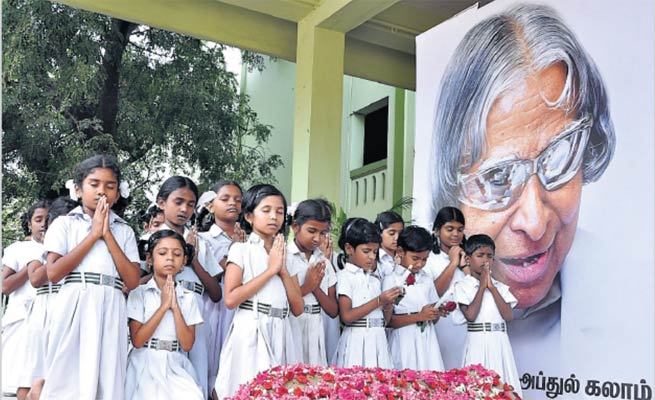
காவியம் படைத்த கனவு நாயகன் கலாம் முதலாண்டு நினைவஞ்சலி….


1931: தமிழகத்தின் ராமேஸ்வரம் தீவில் அப்துல் கலாம் பிறந்தார்.

gallerye_021857771_1572606

1954: திருச்சி புனித ஜோசப் கல்லுாரியில் பி.எஸ்சி., இயற்பியல் பட்டம் பெற்றார்.


1960: சென்னை எம்.ஐ.டி., கல்லுாரியில் ‘ஏரோஸ்பேஸ் இன்ஜினியரிங்’ பட்டம் பெற்றார்.


1960: டி.ஆர்.டி.ஓ.,வில் விஞ்ஞானியாக பணியில் சேர்ந்தார்.


1969: இஸ்ரோ நிறுவனத்துக்கு மாற்றப்பட்டார்.


1980: கலாம் தலைமையிலான விஞ்ஞானிகள் ரோகிணி செயற்கைக்கோளை,


‘எஸ்.எல்.வி.,- 3’ ராக்கெட் மூலம் விண்ணில் வெற்றிகரமாக ஏவினர். இதன் மூலம்


உலகின் பார்வையை இந்தியா மீது திருப்பினார்.


1980-90: ஒருங்கிணைந்த ஏவுகணை தயாரிப்பு திட்டத்தின் கீழ், அக்னி மற்றும் பிருத்வி ஏவுகணைகள் வெற்றிகரமாக சோதித்து பார்க்கப்பட்டது.

1981: பத்ம பூஷன் விருது பெற்றார்.


1990: பத்ம விபூஷன் விருது பெற்றார்.


1992 – 99: டி.ஆர்.டி.ஓ., அமைப்பின் செயலராகவும், பிரதமரின் தலைமை பாதுகாப்பு ஆலோசகராகவும் பணியாற்றினார்.


1997: நாட்டின் உயரிய விருதான ‘பாரத ரத்னா’ விருது பெற்றார்.


1998: பொக்ரான் அணுஆயுத சோதனையை வெற்றிகரமாக நடத்திக் காட்டினார். இதன் மூலம் அணுஆயுத நாடுகளின் பட்டியலில் இந்தியாவும் இடம் பெற்றது.


1999: அப்துல் கலாம் எழுதிய அவரது சுயசரிதை புத்தகம் ‘அக்னி சிறகுகள்’


ஆங்கிலத்தில் வெளியானது.

1999 – 2001 : பிரதமர் வாஜ்பாயின் முதன்மை அறிவியல் ஆலோசகராக பணியாற்றினார்.


2002: நாட்டின் 11வது ஜனாதிபதியாக பதவியேற்றார்.


2007: ஜனாதிபதி பதவிக்காலத்தை நிறைவு செய்தார்.


2007: திருவனந்தபுரத்தில் இஸ்ரோவால், தொடங்கப்பட்ட இந்திய விண்வெளி அறிவியல் மற்றும் தொழில்நுட்ப கல்லுாரியின் முதல் வேந்தராக பொறுப்பேற்றார்.


2007-15 : ஜனாதிபதி பதவியில் இருந்து விலகிய பின், பல்வேறு பல்கலைக்கழங்களில் கவுரவ பேராசிரியராக பணியாற்றினார்.


2015: மேகாலயாவில் மறைந்தார்.

பொன்மொழிகள்


* கனவு காணுங்கள் அவற்றை நனவாக்க கடுமையாக உழைக்க வேண்டும். என்னால் முடியும்… நம்மால் முடியும்… இந்தியாவால் முடியும் என்ற மந்திரத்தை சொல்லிக்கொண்டே இருங்கள்.


* முதல் வெற்றியுடன் ஓய்வு எடுத்து விடாதீர். ஏனெனில் இரண்டாவது முயற்சியில்


தோல்வி அடைந்தால், முதல் வெற்றி அதிர்ஷ்டத்தால் வந்தது என விமர்சிப்பர்.


* மழை வந்தால் பறவைகள் எல்லாம் பாதுகாப்பான இடத்தில் தஞ்சம் அடையும். ஆனால் கழுகு மட்டும் வித்தியாசமாக சிந்தித்து, மேகத்துக்கு மேலே பறந்து மழையில் இருந்து தப்பிக்கும்.


* அனைவருக்கும் ஒரே மாதிரியான திறமை கிடையாது. ஆனால் திறமையை வளர்த்துக் கொள்ள ஒரே மாதிரியான வாய்ப்பு கிடைக்கிறது.


* வாழ்க்கையில் மகிழ்ச்சியாக இருப்பதற்கு ஒரு வழி. அடுத்தவர்களின் வெற்றியை உங்களுடைய வெற்றியைப் போலக் கொண்டாட கற்றுக் கொள்ளுங்கள்.


* நீங்கள் உறங்கும்போது வருவதல்ல கனவு. உங்களை உறங்கவிடாமல் செய்வதே கனவு.


* உங்களுக்கு சிறகுகள் உள்ளன. தவழ்ந்து செல்லாதீர்கள். அதைக் கொண்டு, மேலே மேலே பறந்து செல்லுங்கள்.


* உன் ரேகையைப் பார்த்து எதிர்காலத்தை நிர்ணயித்து விடாதே. ஏனெனில் கையே இல்லாதவனுக்கும் எதிர்காலம் உள்ளது.


* ஜனாதிபதி, விஞ்ஞானி என பன்முக மனிதராக இருந்த அப்துல் கலாம், தேசப்பற்று மிக்கவராக இருந்தார். இந்தியாவின் மிகப் பெரும் விஞ்ஞானி விக்ரம் சாராபாயை தனது ‘ரோல் மாடலாக’ கொண்டு செயல்பட்டார்.

கலாமுக்கு மரியாதை


கலாம் மறைவுக்குப் பின் பல்வேறு மாநில அரசுகளும், அவரது பெயரை சூட்டி மரியாதை அளித்துள்ளன.


* டில்லியில் உள்ள அவுரங்கசீப் சாலை, அப்துல் கலாம் சாலை என பெயர் மாற்றம்.


* ஒடிசாவில் உள்ள ஏவுகணை சோதனை மையமான வீலர் தீவுக்கு, அப்துல் கலாம்


தீவு என பெயர் மாற்றப்பட்டது.


* கேரள தொழில்நுட்ப பல்கலைக்கழகம், அப்துல் கலாம் தொழில்நுட்ப பல்கலைக்கழகம் என பெயர் சூட்டியுள்ளது.


* உத்தர பிரதேசத்தில் செயல்படும் உ.பி., தொழில்நுட்ப பல்கலைக்கழகம், அப்துல் கலாம் தொழில்நுட்ப பல்கலைக்கழகம் என பெயர் மாற்றம் செய்துள்ளது.


* டில்லி அரசு ‘மாணவர்களுக்கு 10 லட்சம் ரூபாய் வரை வழங்கப்படும் கல்விக்கடன்’ திட்டத்துக்கு, அப்துல் கலாம் பெயரை சூட்டியுள்ளது.


* தமிழக அரசு அப்துல் கலாம் பிறந்த தினத்தை ‘இளைஞர் எழுச்சி தினமாக’ அறிவித்தது. மேலும் அறிவியல் துறையில் சாதிப்பவர்களுக்கு அவரது பெயரில் விருது ஒன்றையும் வழங்குகிறது.


* ஐதராபாத்தில் உள்ள ஏவுகணை மையத்துக்கு, அப்துல் கலாம் பெயரை மத்திய அரசு


இன்று சூட்டுகிறது.


* பீகாரில் உள்ள கிஷன்கஞ்ச் வேளாண்மை கல்லுாரிக்கு, அப்துல் கலாம் பெயர் சூட்டப்பட்டது.

புதுவை அறிவியல் மையம் மற்றும் கோளரங்கத்திற்கு அப்துல் கலாம் பெயர் சூட்டப்பட்டது.


கடைசி நிமிடத்திலும்


கலாம் தன் கடைசி நிகழ்ச்சியில் பங்கேற்பதற்காக கவுகாத்தியில் இருந்து ஷில்லாங்கிற்கு காரில் பயணம். மேற்கொண்டார். அப்போது அவரது பாதுகாப்பிற்காக, பாதுகாப்பு வீரர்கள் நின்றபடி பின்தொடர்ந்து வந்தனர்.


அதைப்பார்த்த கலாம், அவரை தயவு செய்து அமரச் செய்யுங்கள் என்றார். இது வழக்கமான பாதுகாப்பு நடைமுறைதான் என எடுத்துச் சொல்லியும் கலாம், கேட்க வில்லை. கடைசியில் அவர், நான் அந்த பாதுகாவலரை சந்திக்க வேண்டும் என்றார்.


ஐ.ஐ.எம்., சென்றதும் அந்த பாதுகாப்பு வீரரை சந்தித்த அப்துல் கலாம், ‘நன்றி இளைஞனே. என்னால் தானே உனக்கு இந்த கஷ்டம். சோர்ந்து விட்டாயா? எதாவது சாப்பிடுகிறாயா? எனக்காக


1 மணி நேரம் நின்று கொண்டு வந்தாயே நன்றி இளைஞனே என்றார். அந்த பாதுகாவலருக்கு பேச வார்த்தை வரவில்லை.


‘சார்… உங்களுக்காக நான் 1 மணி நேரம் அல்ல… 6 மணி நேரம் கூட நின்று கொண்டே வருவேன் என்று பதிலளித்தான். கலாமின் இப்படிப்பட்ட மனிதநேய செயல்களால் தான் அவர், இன்றும் மக்களால் விரும்பப்படுகிறார்.

Source……www,dinamalar.com

Natarajan