“How to Get Your Nobel Prize Medal Pass Airport Security … ” !!!

How to Get Your Nobel Prize Medal Past Airport Security

Brian P. Schmidt (L) of the United States receives the Nobel Prize for physics from Swedish King Carl XVI Gustaf on December 10, 2011.

Nobel Laureate Brian Schmidt, who was awarded the Nobel Prize for Physics in 2011, had a close encounter with the airport security in Fargo, Nebraska. The details were reported on Friday on the blogScientific America.

Schmidt’s grandmother wanted to see the 24-carat gold medal that he’d been awarded and so, he decided to take it with him to Fargo. But first, he had to get it past airport security.

“You would think that carrying around a Nobel Prize would be uneventful, and it was uneventful, until I tried to leave Fargo with it, and went through the X-ray machine,” he says on the blog.

He was carrying the medal in his laptop bag, and when it went through the X-ray machine, it left the airport officials bewildered. Schmidt knew the cause of their concern. He was prepared to answer a few questions but wasn’t anticipating this conversation (in Schmidt’s words):

“They’re like, ‘Sir, there’s something in your bag.’
I said, ‘Yes, I think it’s this box.’
They said, ‘What’s in the box?’
I said, ‘a large gold medal,’ as one does.
So they opened it up and they said, ‘What’s it made out of?’
I said, ‘gold.’
And they’re like, ‘Uhhhh. Who gave this to you?’
‘The King of Sweden.’
‘Why did he give this to you?’
‘Because I helped discover the expansion rate of the universe was accelerating.’

At which point, they were beginning to lose their sense of humor. I explained to them it was a Nobel Prize, and their main question was, ‘Why were you in Fargo?'”

Last week, the Nobel Prize winners for 2014 were announced, including India’s Kailash Satyarthi who was awarded the Peace Prize.

Source::::ndtv.com
Natarajan

” பிள்ளையார் இங்கே தும்பிக்கை ஆழ்வார்…” !!!

1f22d-1

”மகா பெரியவா தனக்கு நெருக்கமா இருக்கறவாகிட்டயும், தன்னைச் சுத்தி இருக்கறவாகிட்டேயும்தான் கருணை காட்டுவார்னு நினைச்சா, அது தப்பு. அவருக்கு எப்பவுமே ஜனங்கமேல அபரிமிதமான அன்பு உண்டு. அவங்க கஷ்டப்படறதைப் பொறுத்துக்கவே மாட்டார். அவரால அதை சகிச்சுண்டு இருக்கமுடியாது!” என்ற பீடிகையுடன், பல வருடங்களுக்கு முன்னால் நடந்த நிகழ்ச்சி ஒன்றை விவரித்தார் பட்டு சாஸ்திரிகள்.

”திருமழிசைஆழ்வார் பிறந்த க்ஷேத்திரம் திருமழிசை. அந்த ஊருக்குப் பக்கத்திலேயே நூம்பல்னு ஒரு கிராமம் இருக்கு. இங்கே, மகா பெரியவா ஒருமுறை முகாமிட்டிருந்தார்.

ஒருநாள்… திருக்குளத்துல ஸ்நானம் பண்ணிட்டு, பக்கத்திலேயே இருக்கிற பெருமாள் கோயிலுக்கு வந்தார் பெரியவா. அப்போ மணி 11 இருக்கும்; சுள்ளுனு வெயில் அடிச்சிண்டிருந்தது. சூடுன்னா அப்படியொரு சூடு!

கோயில் வாசல்ல பெரிய கதவும், அதுலேயே சின்னதா ஒரு கதவும் இருக்கும். அதைத் திட்டிவாசல்னு சொல்லுவா! அந்த வழியா உள்ளே போன பெரியவா, மதிலை ஒட்டி கொஞ்சம் நிழல் இருந்த இடத்துல போய் அப்படியே சாய்ஞ்சு உட்கார்ந்துட்டார். அவருக்கு எதிரே அடியேன்; பெரியவா கேக்கறதுக்கு எல்லாம் பதில் சொல்லிண்டு இருந்தேன்.

வெயில் நெருப்பா கொதிச்சிண்டு இருந்த இடத்துல நின்னுண்டிருந்தேன். இன்னும் கொஞ்ச நேரம் அப்படியே நின்னுண்டிருந்தா, காலே பொசுங்கிடும்போல இருந்துது. அப்படியரு சூடு! பெரியவாகிட்டே பேசிண்டிருந்த அதே நேரம், தரையோட சூடு பொறுக்கற வரைக்கும் ஒரு கால், அப்புறம் சட்டுன்னு அடுத்த கால்… இப்படியே கால்களை மாத்தி மாத்தி வெச்சு நின்னு சமாளிச்சுண்டிருந்தேன்!

மகா பெரியவா, நம்மோட மனசுல என்ன இருக்குங்கறதையே தெரிஞ்சுக்கற மகான். எதிர்ல நிக்கற என்னோட நிலைமை அவருக்குத் தெரியாம இருக்குமா? சட்டுன்னு பேச்சை நிறுத்தின பெரியவா, ”வெளியில என்னவோ பேச்சு சத்தம் கேக்கற மாதிரி இருக்கு. என்னன்னு போய்ப் பார்த்துட்டு வந்து சொல்லு!”ன்னார்.

விறுவிறுன்னு வெளியே வந்தேன். வாசல்ல நின்னு எட்டிப் பார்த்தேன். அங்கே ஒரு நூத்தம்பது, இருநூறு பேர் நின்னுண்டிருந்தா. எல்லாரும் மகா பெரியவாளை தரிசிக்கிறதுக்காகத்தான் நிக்கறாங்கன்னு தோணுச்சு. பெரியவாகிட்ட வந்து விவரத்தைச் சொன்னேன்.

ஆனா மகா பெரியவாளோ, ”அவா எதுக்கு வந்திருக்கா? ஸ்வாமி தரிசனத்துக்குதானே வந்திருக்கா?! சரியா கேட்டுண்டு வா!”ன்னு மறுபடியும் என்னை அனுப்பினார்.

‘அடடா… பெரியவா சொல்றதுபோல, வெளியில நிக்கறவா எல்லாரும் ஸ்வாமி தரிசனத்துக்கு வந்திருக்கலாம், இல்லையா? நமக்குத் தோணாம போச்சே! பெரியவாளை தரிசனம் பண்ணத்தான் வந்திருக்கானு நானாவே எப்படி நினைச்சுக்கலாம்?’ என்று யோசிச்சபடி, வாசல் பக்கம் நகர்ந்தேன்.

”அப்படியே கையோட, அவாள்லாம் வெயில்ல நிக்கறாளா, நிழல்ல நிக்கறாளானு பார்த்துண்டு வா”ன்னார் பெரியவா.

‘நீ மட்டும்தான் கால் சூட்டோட என்கிட்ட பேசிண்டு நிக்கறதா நினைக்கறியோ?! உன்னைப்போல எத்தனை பேரு வெயில்ல கால்கடுக்க நின்னுண்டிருக்கானு உனக்குத் தெரியவேணாமா?’ன்னுதான், மகா பெரியவா என்னை அனுப்பிவைச்ச மாதிரி தோணிச்சு எனக்கு.

ஜனங்க கூட்டமா நின்னுண்டிருந்த இடத்துக்கு வந்தேன். ”எல்லாரும் கோயிலுக்கு ஸ்வாமி தரிசனத்துக்கு வந்திருக்கேளா… இல்ல, மகா பெரியவாளை தரிசிக்க வந்திருக்கேளா?”ன்னு கேட்டேன்.

”பெரியவாளை தரிசனம் பண்ணி, ஆசீர்வாதம் வாங்குறதுக்குதான் வந்திருக்கோம்”னு கோரஸா பதில் சொன்னா. ஓடி வந்து பெரியவாகிட்ட விஷயத்தைச் சொன்னேன்.

அவர் உடனே எல்லாரையும் உள்ளே அனுப்பிவைக்கச் சொன்னார். ”இங்கே மதிலோட நிழல் விழறது. எல்லாரும் அப்படியே நிழல்ல உட்கார்ந்துக்குங்கோ”ன்னார்.

வெயிலின் உக்கிரத்தைத் தாங்கமுடியாம தவிச்ச என்னோட நிலைமையைக் கவனிச்ச அதே நேரம், வெளியே ஜனங்க நின்னுட்டிருக் கிறதையும், அவங்களும் வெயில்ல கஷ்டப் படுவாங்களேங்கிறதையும் பெரியவா யோசிச்சு, அவங்களை உடனே உள்ளே அனுப்பச் சொன்னார் பாருங்கோ, அதான் பெரியவாளோட பெருங்கருணை.

இதைக் கேட்கறதுக்கு ரொம்பச் சின்ன விஷயம்போலத் தெரியலாம். ஆனா, எந்த ஒரு சின்ன விஷயத்துலேயும் நுணுக்கமான பார்வையோடு, ஜனங்க மேல மகா பெரியவா காட்டின அன்பையும் அக்கறையையும்தான் நாம இங்கே முக்கியமா கவனிக்கணும்.

கூட்டத்தோடு பேசிண்டிருந்த நேரத்துல, ”நீ போய் கோயிலைச் சுத்திப் பார்த்துட்டு வா”ன்னு என்னை அனுப்பினார். பெரியவா உத்தரவு ஒவ்வொண்ணுக்கும் ஏதாவது உள் அர்த்தம் ஒண்ணு இருக்கும்.

நான் பிராகாரத்தை வலம் வந்தப்ப, அங்கே பிள்ளையார் சந்நிதியைப் பார்த்தேன். ஆச்சரியமும் குழப்பமுமா இருந்தது. தென்கலை நாமத்தோட காட்சி தந்தார் பிள்ளையார். பெருமாள் கோயில்ல பிள்ளையார் எப்படி? தலையைப் பிய்ச்சுண்டேன். யோசிக்க யோசிக்க, பதிலே கிடைக்கலை.

கோயிலைச் சுத்தி முடிச்சு, மகா பெரியவா எதிரே வந்து நின்னேன். என்னை ஒருகணம் உத்துப் பார்த்தார்.

”என்ன… தென்கலை நாமம் போட்ட பிள்ளையார் இருக்காரேனு பிரமிச்சுட்டியோ? வைஷ்ணவ சம்பிரதாயப்படி அவரை ‘தும்பிக்கை ஆழ்வார்‘னு சொல்லுவா!”னு விளக்கம் சொல்லிட்டுச் சிரிச்சார் பெரியவா.

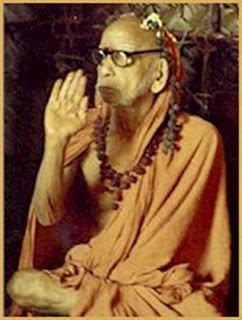
SOURCE::::www.periva.proboards.com

Natarajan

Read more: http://periva.proboards.com/thread/3023/thumbikkai-aazhwar#ixzz3GCEjiAW2

Happy Birthday ‘ People’s President ‘… DR. Abdul Kalam Turns 83 Today !!!

APJ Abdul Kalam turns 82 today

Indians, let’s wish ‘happy birthday’ to one of the most popular Rashtrapati the country every had – Dr APJ Abdul Kalam ! Kalam, also known as ‘missile man of India’, is celebrating his 83rd birthday today. He assumed the office as India’s 11th president in 2002. During his tenure, he made the highest office in India accessible to the common man in the country and was affectionately called ‘people’s president’. Kalam was a gentle, amiable, approachable president, known for his simplicity. Before his term as the country’s Rashtapati, Kalam worked as an aerospace engineer with Defence Research and Development Organisation (DRDO) and Indian Space Research Organisation (ISRO). Kalam was born into a family of Tamil Muslims in Rameswaram, a small temple town located in the southern most edge of India in 1931. A brilliant student, Kalam graduated from Madras Institute of Technology and joined DRDO and later, ISRO. “After observing my teacher teaching me how birds fly…I aimed something to fly…Then I pursued my studies in Physics and aerospace,” he said recently at an event attended by students. There are many missions to the credit of this ‘missile man’. Kalam is well-known for his work on the development of ballistic missile and launch vehicle technology and he played a pivotal role in India’s Pokhran-II nuclear tests in 1998, the first since the original nuclear test by India in 1974. Kalam was the project director of India’s first indigenous Satellite Launch Vehicle (SLV-III) which successfully deployed the Rohini satellite in earth’s orbit in July 1980. In a poll conducted by news channel CNN-IBN, he was selected as India’s Best President. The country has conferred on him the prestigious Bharat Ratna, Padma Vibhushan and Padma Bhushan. During his term as Rashtrapati, Kalam visited universities and schools across the country, interacted with children. No wonder, his 79th birthday was recognised as World Student’s Day by United Nations. Kalam has also received honorary doctoral degrees from 36 unversities and institutions worldwide. Kalam has penned a number of books including ‘The Wings of Fire’, his autobiography, which has been translated and published in 13 languages so far. His books are largely popular among the student community in the country. “For the last one decade when I became President and after it, I had one dream and that was when can I in my lifetime see smile on a billion faces,” he recently told a boy who asked him what kept him motivated all the time. More power to this great visionary !

SOURCE::::news.oneindia.in

Natarajan

Read more at: http://news.oneindia.in/india/happy-birthday-people-s-president-apj-abdul-kalam-tur-1540924.html

” A Peacekeeper in Afghanistan who Made India Proud …”

An Indian police inspector has been named recipient of a prestigious international female peacekeeper award by the United Nation’s police division for her “exceptional achievements” in her duty with the UN mission in Afghanistan, including her efforts towards helping victims of sexual and gender-based violence.

Inspector Shakti Devi of the Jammu and Kashmir Police, currently deployed in the UN Assistance Mission in Afghanistan, has been awarded the International Female Police Peacekeeper Award 2014.

Devi has been honoured for her “exceptional achievements” in leading the establishment of Women Police Councils in several parts of Afghanistan, the UN Police division said in a communication to the Indian mission.

It said Devi has contributed to the improvement of the status of female police and has effectively helped the police of Afghanistan move towards achieving their goals of fully adopting democratic principles of policing.

“In addition, her consistent engagement in improving the service for victims of sexual and gender-based violence has led to successful investigation and prosecution,” the UN agency said.

The award was delivered during the International Association of Women Police conference held earlier this month in Winnipeg, Canada.

The honour is a competitive award given to an outstanding female police peacekeeper serving in a UN peace operation.

The objectives of the award are to promote an understanding of police in peace operations throughout the world, highlight the efforts of female police in global peace operations, increase understanding of the roles of women officers in various countries and encourage participation in UN peace operations by all countries of the world.

It is also aimed at promoting membership in the UN International Female Police Peacekeepers Network and increasing international understanding and awareness of women in international police peacekeeping and in the network.

India is the largest contributor to UN peacekeeping operations, having contributed more than 170,000 troops in 43 out of 69 peacekeeping missions mandated by the United Nations Security Council so far.

Image: Inspector Shakti Devi of the Jammu Kashmir police receiving the award.  


SOURCE:::: Rediff.com

Natarajan


Message For the Day…” Why Lord Krishna told Arjuna ‘ You are My Devotee and My Friend ‘ …” ?

Krishna told Arjuna, “You are My devotee and My friend.” Neither Arjuna declared himself as a devotee nor Krishna remained content with just declaring Arjuna to be His devotee. Why did Krishna say: “You are My friend?” This declaration has a profound spiritual significance. This will be clear only when we practice the spiritual life. If merely the Lord were to call Arjuna, “My friend” his ego could get inflated and he could take undue liberties with Krishna. If He were to say, “My dear, you are My devotee,” he could become extremely submissive and maybe even develop fear towards the Lord. Fear should not be instilled; nor should he be encouraged to take excessive liberties. Hence the terms devotee and friend, were used by Krishna. “You are My friend. You may be free with Me up to a point. You are My devotee. So observe certain restraints. Exercise control over yourself in your devotion.”

Sathya Sai Baba

Message For the Day…” What is the Meaning of BABA …” ?

Fix your faith firmly in the Lord and not on the things of the world. When you have strong faith in the Lord, your discrimination will be perfect. You will be guided by your Conscience, which will always lead you properly. In vedantic parlance, the Conscience is called‘Chit’. God is ‘Sat-Chit-Ananda’. Sat means Being, Chit means Awareness. When and where these two are combined, there is Bliss. This is the meaning of the divine name, BABA – Being +Awareness Bliss + Atma. All of you are aspirants of bliss. You must enjoy uninterrupted bliss. To attain that Ananda (Bliss), you must combine Sat (Being) and Chit (Awareness). Without Divinity, there is no bliss or joy. Hence always think of Him, Live in His presence.

Sathya Sai Baba

Message For the Day…” God is the Changeless Creator…”

The base for making a pot is clay. For making a pot, the potter is the cause and the pot is the effect. The pot may break, but the clay remains as it is. Out of a permanent substance, clay, the potter makes a pot. The fate of the pot does not affect the potter. The clay in the pot too has no impact on the potter. Extending the analogy, God is the changeless Creator, who creates innumerable objects in creation, which are subject to change in name and form. A pot cannot be made without the potter and the clay; both are necessary. Similarly the Creator is the instrumental cause of creation (Nimitta Karana). The human body may perish, like the pots, but the Creator and the Elements used for creation are imperishable. The human beings, during their lifetime, have a choice – to put their body to good use or bad use …

Sathya Sai Baba

” அந்த வீணையை நான் வாசிக்கலாமா ….” ?

Source: Dinamalar dated 07 Oct 2014

ஒரு சமயம், மகாபெரியவர் மகாராஷ்டிர மாநிலம் சதாராவில் தங்கி இருந்தார். ஒரு அரசமரத்தின் கீழ் இளைப்பாறிய அவர், மரத்தின் வேரில் தலையை வைத்துப் படுத்துக் கொள்வார். முன்னால் திரை போட்டிருக்கும்.

பக்தர்களுக்கு தரிசனம் கொடுக்கும் சமயத்தில் மட்டும், திரையை விலக்குவார்கள்.

அன்று, சென்னையில் இருந்து வீணை வித்வான் ஒருவர் பெரியவரைத் தரிசிக்க நண்பருடன் வந்திருந்தார். பெரியவரைத் தரிசனம் செய்த அவர், அவரது அனுமதி பெற்று, வீணையை எடுத்து வாசிக்க ஆரம்பித்தார். பக்தர்கள் எல்லாரும் அந்த இசைமழையில் நனைந்து கொண்டிருந்தனர். வாசித்து முடித்ததும், வீணையை உறையில் இட தயாரானார் வித்வான்.

பெரியவர் அவரிடம், “”அந்த வீணையை என்னிடம் கொடு. நான் அதை வாசிக்கலாம் இல்லையா?” என்று கேட்டார்.

பெரியவர் வீணை வாசிக்கப் போகிறாரா என்று எல்லாருக்கும் திகைப்பு. வித்வான் உட்பட..! ஆனால், எதற்காக வாசிக்க இருக்கிறார் என்பது மட்டும் யாருக்கும் புரியவில்லை.
வீணையைக் கையில் வாங்கிய பெரியவர் சுருதி கூட்டி, வித்வானிடம் காட்டினார். “”நான் சுருதி கூட்டியிருப்பது சரியா இருக்கான்னு பாரு,” என்றார்.

வித்வானும், “”சரியா இருக்கு” என்று சொல்ல, பெரியவர் வீணை வாசிக்க ஆரம்பித்து விட்டார்.

சில நிமிடங்கள் தான் ஆகியிருக்கும்! வித்வான் பெரியவரின் பாதங்களில் விழுந்தார். கன்னத்தில் போட்டுக் கொண்டு, “”பெரியவா! என்னை மன்னிக்கணும்! என்னை மன்னிக்கணும்! தப்பு பண்ணிட்டேன்! தப்பு பண்ணிட்டேன்,” என்று திரும்பத் திரும்பச் சொல்லிக் கொண்டே கதறி அழ ஆரம்பித்து விட்டார்.

பெரியவர் வாசித்து முடித்தார். பின் வீணையை அவரிடம் திருப்பிக்கொடுத்து, “”வித்யா கர்வம் ஒருவனுக்கு கூடாது. கவனமாக இரு,” என்று சொல்லி ஆசிர்வாதமும் செய்தார். வித்வானுடன் வந்த நண்பருக்கு என்ன நடக்கிறதென்றே புரியவில்லை.

பின் நண்பர் வித்வானிடம்,”” இங்கே என்ன நடந்தது? நீ தப்பு பண்ணிட்டதா கதறி அழுதே! பெரியவர் வித்யாகர்வம் கூடாது என்றார். அப்படி என்ன தான் இங்கு தவறு நடந்தது?” என்றார்.

வித்வான் திகைப்பு கலையாமல் பதில் சொல்ல ஆரம்பித்தார்.

“”கைலாய மலையைத் தூக்க முயன்ற ராவணனின் கைகள் மலையின் அடியில் சிக்கிக் கொண்டன. அப்போது, அவன் சாமகானம் இசைத்து சிவனை மகிழ்வித்து விடுதலை பெற்றான் இல்லையா! அதுபோல, நானும் இங்கே சாமகானம் வாசிக்க துவங்கினேன். ஆனால், திடீரென எப்படி வாசிப்பது என்று மறந்து போய்விட்டது. இது யாருக்கு தெரியப்போகிறது என, ஏதோ ஒன்றை வாசித்து நிறைவு செய்து விட்டேன். பெரியவர் இதைக் கண்டுபிடித்து விட்டார். என்னிடம் வீணையை வாங்கி, அந்தப் பகுதியை சரியாக வாசித்து நிறைவு செய்து விட்டார். பெரியவர் ஸர்வக்ஞர் (எல்லாம் அறிந்தவர்). அவருக்கு எல்லாம் தெரியும் என்பது எனக்கு தெரியாமல் போச்சே! அபச்சாரம் பண்ணிட்டேனே! அதனால் தான் அவரிடம் மன்னிப்பு கேட்டேன்,” என்றார்.

நமக்கு தெரிந்ததைச் செய்ய வேண்டும். தெரியாத விஷயங்களைத் தெளிவாகக் கற்றுக் கொள்ள வேண்டும் என்ற பாடத்தை இதன் மூலம் வாழும் தெய்வமான மகாபெரியவர் நமக்கு இதன்மூலம் உணர்த்தியிருக்கிறார்.

Read more: http://periva.proboards.com/thread/8118/#ixzz3G2m7uTIf

Source”::::: http://www.periva.proboards.com

Natarajan

உங்களுக்கு இ.க்யூ. இருக்கிறதா….. ?

உங்களுக்கு இ.க்யூ. இருக்கிறதா?

stock-photo-beautiful-yellow-sunflower-petals-closeup-1975445

ஐ.க்யூ.தான் கேள்விப்பட்டு இருக்கிறோம். அது என்ன இ.க்யூ? என யோசிக்கிறீர்களா?

நெருக்கடியான சூழல்கள்

நீங்கள் ஒரு நிறுவனத்தின் மார்க்கெடிங் மேனேஜர். உங்கள் நிறுவனத்தின் தலைவர் சட்ட மீறலாக எதையோ செய்துவிட்டு இப்போது சிறையில் இருக்கிறார். இந்த நிலையில் உங்கள் அலுவல் தொடர்பாக நீங்கள் யாரை சந்தித்தாலும் (என்ன உங்க தலைவர் இப்படிச் செய்துட்டாரே) என்பது போல் கேட்கிறார்கள். மனதுக்குள் அவர்கள் கேலியாக சிரித்துக் கொள்வது தெரிகிறது.

இதோ இன்னொரு சூழல். உங்கள் நிறுவன ஊழியர்களுக்கு அதிக ஊதியம் கொடுக்க வேண்டிய கட்டாயம். எனவே தயாரிப்புப் பொருளின் விலையை உயர்த்துகிறீர்கள். வாடிக்கையாளர்கள் இப்படி ஒரு கேள்வியை முன்வைக்கிறார்கள். ‘’உங்க போட்டியாளர்கள் எல்லாம் விலையை ஏத்தலே. சொல்லப்போனா உங்களுடைய ஒரு போட்டியாளர் சமீபத்தில் தன் தயாரிப்பின் விலையைக் குறைத்திருக்கிறார். ஆனா நீங்க உங்க பொருளின் விலையை அதிகமாக்கி இருக்கீங்க. உங்ககிட்டே தொடர்ந்து வியாபாரம் செய்யனும்ணு எங்களுக்கு என்ன தலையெழுத்தா?’’ எப்படி இருக்கும் உங்களுக்கு?

நீங்கள் இரண்டு வாரங்கள் சிரமம் எடுத்து ராத்திரி பகலாகக் கண்விழித்து ஒரு விரிவான அறிக்கையைத் தயார் செய்திருக்கிறீர்கள். அதைப் படித்துப் பார்த்துவிட்டு உங்கள் மேலதிகாரி “புல்ஷிட்’’ என்றபடி அதை மேஜையின்மீது தூக்கி எறிகிறார். உங்கள் மனநிலை என்னவாக இருக்கும்?

உணர்ச்சி வசப்படல்

மூன்று சூழல்களையும் விவரித்துவிட்டு ‘’எப்படியிருக்கும் உங்களுக்கு?’’ என்ற பொதுவான கேள்வியை கேட்டிருக்கிறேன். வலி, ஆக்ரோஷம், வேதனை இவையெல்லாம் பொங்கும் தருணங்களாக அவை இருக்க வாய்ப்பு உண்டு. ஆனால் நீங்கள் உணர்ச்சிக் களஞ்சியமாக மனதில் பட்டதை வெளிப்படுத்தினால் அது உங்கள் நிறுவனத்துக்கு சாதகமான சூழ்நிலை நிச்சயம் ஏற்படுத்தாது.

அறிவுக் கூர்மையை அறிந்து கொள்ள ஐ.க்யூ (Intelligence Quotient) தேர்வு உண்டு. சமீபகாலமாக அறிமுகமாகியுள்ள இன்னொரு வகைத் தேர்வு இ.க்யூ. – அதாவது Emotional Quotient தேர்வு. உணர்ச்சிகரமான சூழலில் நீங்கள் நடந்து கொள்ளும் விதமும், கூறும் வார்த்தைகளும் உங்கள் நிறுவனத்தைப் பெருமளவில் தூக்கி நிறுத்தும் அல்லது பாதாளத்தில் இறக்கும். மேலே உள்ள உதாரணங்களில் நீங்கள் உங்கள் உணர்வுகளை தவறான (அதாவது சாமர்த்தியமில்லாத) வார்த்தைகளில் வெளிக்காட்டினால் உங்கள் நிறுவனம் தன் வாடிக்கையாளரை இழக்கலாம் அல்லது நீங்கள் உங்கள் வேலையை இழக்கலாம்.

இ.க்யூ கேள்விகள்

எனவேதான் இப்போதெல்லாம் நிறுவனங்கள் தங்களுக்கான ஊழியர்களை (முக்கியமாக அதிகாரிகளை) தேர்வு செய்யும் போது அவர்களுடைய E.Q.-வை அறிந்து கொள்வதற்காக சில கேள்விகளை முன்வைக்கிறார்கள். சில உதாரணங்களைப் பார்ப்போம்.

‘’உங்களுக்குப் பதவி உயர்வு கொடுக்காமல், உங்களைவிட ஜூனியர் ஒருவருக்குப் பதவி உயர்வு அளிக்கப்படுகிறது. நீங்கள் என்ன செய்வீர்கள்? அ) நிறுவனத்தின்மீது நீதிமன்றத்தில் வழக்குத் தொடுப்பேன்.

ஆ) மேலதிகாரிகளிடம் பேசி அவர்கள் முடிவை மறுபரிசீலனை செய்யச் சொல்வேன்.

இ) எனது தவறுகளை அல்லது குறைபாடுகளை யோசித்து சரிசெய்துகொள்வேன்.

ஈ) நிறுவனத்தைப் பற்றியும், ஜூனியரைப் பற்றியும் நண்பர்களிடம் கேவலமான கருத்துகளை உதிர்ப்பேன்.

இவற்றில் எந்த பதில் உங்களுக்கும், உங்கள் நிறுவனத்துக்கும் நல்லது என்பதை யோசித்துப் பார்த்தால் உங்களால் உணர முடியும். அந்த பதிலை அளிப்பவர்களுக்குத்தான் நிறுவனம் முன்னுரிமை தரும்.

இன்னொரு கேள்வி. விமானத்தில் செல்லும்போது கடுமையான பனியின் காரணமாக விமானம் கீழே இறங்காமல் மேலேயே வட்டமடித்துக் கொண்டிருக்கிறது. விமானத்தின் போதிய எரிபொருள் இல்லையென்று ஒரு ஊழியர் கூறுவது உங்கள் காதுகளை எட்டுகிறது. என்ன செய்வீர்கள்?

அ) வடக்கே சூலம்னு தெரிஞ்சே இன்னெக்கி கிளம்பினது என் முட்டாள் தனம் என எண்ணுவீர்கள்.

ஆ) எல்லாம் நல்லபடி நடக்கும். கடவுளை வேண்டிக் கொள்வேன்.

இ) படித்துக் கொண்டிருந்த புத்தகத்தைத் தொடர்ந்து படிப்பேன் அல்லது பார்த்துக் கொண்டிருந்த டி.வி. நிகழ்ச்சியைத் தொடர்ந்து பார்ப்பேன்.

ஈ) அடுத்த வாரம் போகலாமேன்னு பக்கத்து வீட்டுக்காரர் சொன்னார். அவருக்கு சரியான கரி நாக்கு. பாவி.

எந்த வித சங்கடச் சூழலையும் சமாளிக்கும் மன உறுதியும், கோபம் பொங்கும் கணத்திலும் அதை அடக்கிக் கொண்டு சரியான விதத்தில் வெளிப்படுத்துவதும் ஓர் அரிய கலை. அது உங்களுக்கு இருக்கிறதா என்பதைத் தீர்மானிக்கும் வகையில் சைகோமெட்ரிக் தேர்வு களின் கேள்விகள் அமையக் கூடும்.

நீங்கள் சிறப்பானது என்று கருதும் ஒரு ஐடியாவை உங்கள் நண்பர் ‘’இதெல்லாம் வேலைக்கு ஆகாது’’ என்ற ஒதுக்கினால் உங்கள் ரியாக்‌ஷன் எப்படியிருக்கும் என்பதைக்கூட எளிமையாகவும், உண்மையாகவும் யோசித்துப் பாருங்கள். அவரைத் திட்டுவீர்களா? அவர் அப்படிச் சொல்வதற்கான காரணங்களைக் கேட்பீர்களா? அவரது நட்பையே அறுத்துக் கொள்வீர்களா? அல்லது அவர் அப்படிக் கூறியதற்கான காரணங்களை நீங்களே மனதில் யோசிப்பீர்களா? இந்தக் கேள்விகளுக்கான உண்மையான பதிலை நீங்கள் சீர்தூக்கிப் பார்த்தாலேகூட போதும், இ.க்யூ. தேர்வில் நீங்கள் வெற்றி பெறுவீர்களா இல்லையா என்பது புரிந்துவிடும்.

Message For the Day…” Bhakthi Makes you Aware of the God …”

Srishti, Stithi and Laya (creation, sustenance and dissolution) are the three forms of the Divine Will; you have to penetrate the inner meaning of Srishti, by means of Karma Yoga; you have to grasp the significance of Stithi, by means of Bhakthi Yoga and when you master the Jnana Yoga, you arrive at the experience ofLaya, of manifoldness in the One. Bhakthi (devotion) makes you aware of the Lord who sustains and supports every being; it is love, which is eternal, true and blemishless. There is no one who is devoid of bhakthi; deep down in the core, everyone has the feeling of kinship with all creatures. It is this that makes a lonely person miserable, that makes everyone likeable to someone or other. If you have no love; you are like a lamp without the flame, blind and blinding. Love of the pure type is unmixed with hate, untampered with greed.  

Sathya Sai Baba