
Long Night Moon December 16
source:::::Earth sky news site
natarajan
தும்பா ராக்கெட் ஏவுதளத்தில் விஞ்ஞானிகள் 12 மணி நேரம் முதல் 18 மணி நேரம் வரை ஓயாது உழைத்துக் கொண்டிருப்பார்கள். அந்தத் திட்டத்தில் சுமார் 70 விஞ்ஞானிகள் ஈடுபட்டிருந்தனர்.

தங்கள் வேலைப்பளுவின் காரணத்தாலும், பாஸின் (திட்டத் தலைவரின்) நெருக்குதலாலும் கிட்டத்தட்ட எல்லா விஞ்ஞானிகளுமே மனத்தளவில் வெறுத்துப் போயிருந் தார்கள். ஆனாலும் “பாஸின்’ மீது கொண்டிருந்த விசுவாசம் நம்பிக்கையால் யாரும் வேலையை விட்டு வெளியே செல்லவில்லை.
ஒருநாள் காலை ஒரு விஞ்ஞானி, பாஸிடம் வந்து, “”சார்! நம் டவுனில் நடக்கும் கண்காட்சிக்கு மாலை 6 மணிக்கு என் குழந்தைகளை அழைத்துப் போவதாக வாக்குக் கொடுத்திருக்கிறேன். அதனால் இன்று 5.30 க்கு நான் வீட்டிற்குச் செல்ல அனுமதிக்கவும்” என்றார்.
அவரும் “”சரி! நீங்கள் சீக்கிரமே வீட்டுக்குப் போகலாம்” என்று கூறிவிட்டார்.
அந்த விஞ்ஞானி தன் வேலையில் மூழ்கிவிட்டார். ஒரு சிறிய இடைவேளையில் சாப்பிட்டுவிட்டு மீண்டும் பணியில் மூழ்கினார். தன்னை மறந்து வேலையில் இருந்து, தனது அன்றைய பணி நிறைவடையும் சூழ்நிலையில், கடிகாரத்தைப் பார்த்தால் மணி 8.30. திடீரென, குழந்தைகளுக்கு அவர் கொடுத்த வாக்கு நினைவுக்கு வந்தது. தனது பாஸைப் பார்க்கப் போனால், அவர் இல்லை!
பாஸிடம் அனுமதி வாங்கியிருந்தும் இப்படியாகிவிட்டதே என்று வருத்தம் கொண்டு, குழந்தைகளையும் இப்படி ஏமாற்றிவிட்டோமே என்ற குற்ற உணர்ச்சியோடு வீட்டினுள் நுழைந்தார். அவர் மனைவி மட்டும் ஒரு பத்திரிகையைப் படித்துக் கொண்டு கூடத்தில் அமர்ந்திருந்தார். நிசப்தமான அந்த வேளையில் இவர் வாயைத் திறந்து எதுகேட்டாலும் அது பூமராங்காக திருப்பித் தாக்குவது போல் இவருக்குத் தோன்றியது.
இவரைப் பார்த்துவிட்ட மனைவி கேட்டாள்… “”என்ன காப்பி போடட்டுமா? அல்லது இரவு உணவே சாப்பிட்டு விடுகிறீர்களா? பசி எப்படியிருக்கிறது?”
இவர் சொன்னார்… “”காபி போட்டாயானால் எனக்குக் காப்பி கொடு. சரி; குழந்தைகள் எங்கே?”
“”உங்களுக்குத் தெரியாதா?” ஆச்சரியமாகக் கேட்டார் அவர் மனைவி. “”உங்கள் மேலாளர் 5.15 க்கு வீட்டுக்கு வந்தார். கண்காட்சிக்குக் குழந்தைகளை அழைத்துச் சென்றாரே!” என்று வியப்புடன் பதிலளித்தார்.
அப்போதுதான் இவர் தன் பாஸிடம் கேட்டது நினைவுக்கு வந்தது. இவர் பாஸின் மனதை அறிந்தவராதலால் நடந்ததை ஒருவாறு யூகித்துக் கொண்டார்.
5 மணி வரை இவர் தன் வேலையில் மிக உன்னிப்பாக இருப்பதைக் கண்ட பாஸ், “இவர் இப்போதைக்கு சீட்டை விட்டு எழுந்திருக்கப் போவதில்லை’ என்று முடிவு செய்து, இவர் வேலையையும் தொந்தரவு செய்யாமல், அதே நேரம் இவர்  குழந்தைகளுக்குக் கொடுத்த வாக்கையும் நிறைவேற்றி குழ்தைகளும் ஏமாற்றமடையாமல் இருக்க, தானே குழந்தைகளைக் கண்காட்சிக்கு அழைத்துச் சென்றிருக்கிறார்.
அவர் ஒவ்வொரு முறையும் இப்படிச் செய்ததில்லை! ஆனால் ஒரேயொரு முறை இப்படிச் செய்ததால், தன்னுடைய அன்பையும் விசுவாசத்தையும் உறுதிப்படுத்தினார்.
எனவேதான் தும்பாவில் உள்ள அந்த விஞ்ஞானிகள் பல்வேறு மன உளைச்சல்களுக்கும் இடையில் அந்த பாஸின் தலைமையில் தொடர்ந்து வேலை செய்தனர்.
அந்த “பாஸ்’ நமது முன்னாள் ஜனாதிபதி அ.ப.ஜெ. அப்துல்கலாம் அவர்கள்!
source:::::Dinamalar …Tamil Daily
natarajan

Conor Ledwith Photography captured this flock of starlings on December 13, 2013. The bright object in the sky is the planet Venus. Visit Conor Ledwith on Facebook.
Conor Ledwith Photography posted this photo on EarthSky Facebook, late in the day on December 13. He wrote:
Today’s evening sky with a murmuration of starlings at Galway, Ireland. The planet Venus is peeking out in the last light of day.
.
These flocks frequently expand and contract, seemingly without any sort of leader. Each starling changes its course and speed based on the movement of its closest neighbors.
A flock of starlings is known as a “chattering,” “clattering,” “cloud,” “congregation,” or “murmuration.” Whatever the case, it’s breathtaking.
source:::::Earth sky News site
natarajan
Bijness is Bijiness
One day in a school in London, a teacher said to a class of 5-year-olds
I’ll give 10 pounds to the child who can tell me who was the most famous man who
ever lived.”
An Irish boy put his hand up and said, “It was St. Patrick.”
The teacher said, “Sorry Paddy, that’s not correct.”
Then a Scottish boy put his hand up and said, “It was St. Andrew.”
The teacher replied, “I’m sorry, Hamish, that’s not right either.”
Then a Jewish boy put his hand up and said “David”,
The Buddhist boy said “Gautama Buddha” and the Muslim boy said “Mohammed”.
They all were not successful. Finally, a Gujju Patel boy raised his hand and said, “It
was Jesus Christ.”
The teacher said, “That’s absolutely right, Jignesh, come up here and I’ll give
you the 10 pounds that I promised.”
As the teacher was giving Jignesh his money, she said, “You know Jignesh, since
you’re a Hindu Gujarati; I was very surprised you said Jesus Christ.”
Jignesh Patel replied, “Yes. In my heart I knew it was Krishna, but Bijness is
Bijness!!!!! !
source::::input from a friend of mine
natarajan
NASA scientists have discovered the coldest place on our planet. It’s a high ridge in Antarctica on the East Antarctic Plateau. On a clear winter night, temperatures can dip below -133.6 degrees F (-92 degrees C)
The new record is several degrees colder than the previous low of minus 128.6 F (minus 89.2 C), set in 1983 at the Russian Vostok Research Station in East Antarctica. The coldest permanently inhabited place on Earth is northeastern Siberia, where temperatures dropped to a bone-chilling 90 degrees below zero F (minus 67.8 C) in the towns of Verkhoyansk (in 1892) and Oimekon (in 1933).
Scientists at the National Snow and Ice Data Center made the discovery by analyzing 32 years of data from several satellites that have mapped Antarctica’s surface temperature.
Near a high ridge that runs from Dome Arugs to Dome Fuji, the scientists found clusters of pockets that have plummeted to record low temperatures dozens of times. The lowest temperature the satellites detected was minus 136 F (minus 93.2 C), on Aug. 10, 2010.

With remote-sensing satellites, scientists have found the coldest places on Earth, just off a ridge in the East Antarctic Plateau. The coldest of the cold temperatures dropped to minus 135.8 F (minus 93.2 C) — several degrees colder than the previous record. Image Credit: Ted Scambos, National Snow and Ice Data Center
The quest to find out just how cold it can get on Earth – and why – started when the researchers were studying large snow dunes on the East Antarctic Plateau. When the scientists looked closer, they noticed cracks in the snow surface between the dunes, which were possibly created when wintertime temperatures got so low the top snow layer shrunk. This led scientists to wonder what the temperature range was, and prompted them to hunt for the coldest places using data from satellite sensors.
Video Link is given below …
Read more about how scientists found and measured Earth’s coldest place, from NASA
source::::: Earth sky News site
natarajan
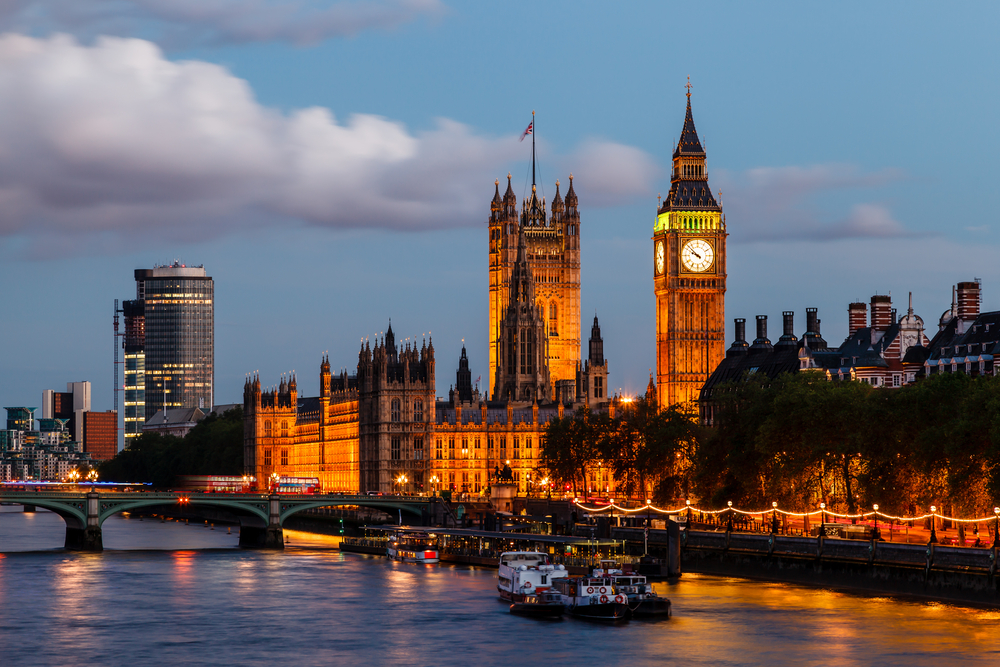 If you’ve ever been to London, or even seen a picture of London, you’ve probably seen the giant clock tower at the corner of the Palace of Westminster. This tower is one of London’s major icons, ranking right up there with red double-decker buses, the London Eye, and Platform 9 ¾.
Contrary to popular belief, the clock tower itself is not named “Big Ben”. Rather, it is named “Elizabeth Tower”, after Queen Elizabeth II; named such during her Diamond Jubilee (the 2012 60th anniversary of her accession to the throne). Before that, it was just called “Clock Tower”. So why is it so often called “Big Ben”? That is due to the great bell inside the tower that chimes the hour out and goes by that name. Over time this has morphed into many calling the clock tower itself that even today, despite the recent, very public, name change.
So how did “Big Ben”- the great bell- get its name? People seemed to be in the habit of nicknaming giant bells and Big Ben was one of the biggest in the world and the largest in the British Isles at the time of its casting, so certainly name-worthy. The origin of Big Ben’s name is probably rooted in Sir Benjamin Hall. Hall was reportedly a large man (6 ft. 4 in. or 1.93 m, with a girth to match) and was the first Commissioner of Works, affectionately known as “Big Ben.”
On the side of the great bell there was also supposedly the inscription “Sir Benjamin Hall MP Chief Commissioner of Works” in his honor, so the workers and others took to calling the bell “Big Ben”.
If you’re wondering why that text is not inscribed there anymore (if it ever truly was), it’s because the current Big Ben is not the original. The original bell actually cracked before the clock itself was even installed in the tower (more on this later). As to why the name supposedly was inscribed on the first and not the second bell, the reason often given is that Sir Hall was no longer the Chief Commissioner when the second bell was cast. In addition, different founders were used to cast the second bell, so they may not have felt inclined to put the inscription on.
As there is little documented evidence on the origin of the name “Big Ben”, we can’t say for 100% certainty that it was named after Sir Benjamin Hall. Another possibility that has been proposed is that it was named after Benjamin Caunt, a very popular heavyweight boxing champion in the 1850s, who was also nicknamed “Big Ben”.
Yet another popular theory is that it was named in 1857 during a sitting of the House of Commons. At some point someone, tired of the long meeting over the naming of the great bell, just shouted “Why not call it Big Ben?” as a joke while Sir Benjamin Hall was talking. However, if such a thing actually happened, there should be Parliament records of this, but there is not. Thus, it’s thought the original Hall inscription story is more likely; though in both that story and the Parliament story, it was named after Sir Hall who was integrally connected with the building of the tower, clock, and bells.
As to why the clock tower was built in the first place, in 1834, a fire destroyed the Palace of Westminster—then the seat of the British government—leaving only a few parts of the palace standing. The next year, with reconstruction well on its way, Parliament opted to include a clock tower in the redesign. It wasn’t the first clock tower that the parliament buildings had seen. The first one was built between 1288 and 1290 and contained a bell known as “Great Edward” or “Great Tom.” A second tower, containing the first public chiming clock in England, replaced the first in 1367. In 1707, that tower was demolished because it had fallen into disrepair. Instead of replacing the tower with another, a sundial was put up in its place.
After the fire, Sir Charles Barry’s design for the new Houses of Parliament was chosen out of 97 designs submitted for consideration- his design didn’t originally include a clock tower. He added one in 1836 and later drew up a detailed design with the help of Augustus Pugin. Pugin was never recognized by Barry for supplying the design for the clock, despite Pugin saying, “I never worked so hard in my life as for Mr. Barry for tomorrow I render all the designs for finishing his bell tower & it is beautiful…”
The tower was Pugin’s last design. In 1852, before work on the tower was completed, Pugin suffered a breakdown. He was unable to speak coherently or recognize his family, and died several months later despite attempted therapy. He was only forty years old and never knew how famous his last design would become.
Construction on the tower began September 28, 1843. It was built from the inside out so that scaffolding couldn’t be seen by passers-by.
Besides Pugin’s work, Sir Charles Barry also sought additional help when it came to the actual clock mechanism itself. He chose Benjamin Lewis Vuillamy, who was the Queen’s clockmaker, to work on a design, though other clockmakers were also brought in to give their advice and opinions. In 1846, a competition was held to see who would build the clock, but some amazingly tough standards- for the age- were set by the Astronomer Royal, Sir George Airy. Airy stated that the clock needed to strike the hour within one second’s accuracy, and the performance of the clock was to be telegraphed to the Greenwich Observatory twice daily. This harsh criteria caused seven years of delay.
When Edward John Dent was finally appointed to build the clock in 1852, he found that the tower was too small for the initial clock design. This caused further delays and alterations had to be made to the tune of £100 (adjusted for inflation by average earnings, that’s about £69,000 today). To top it all off, after finally getting construction underway, Dent died the next year and his stepson had to take over. The clock was finally finished in 1854, costing a total of £2500 to make.
The clock’s delay didn’t end up mattering very much, as the clock tower itself had suffered delays as well. The clock wasn’t actually installed until 1859. During the two-year wait, modifications were made to meet the Astronomer Royal’s standards. For instance, Edmund Beckett Denison invented a “Double Three-Legged Gravity Escapement” for the clock which made sure that the pendulum wasn’t affected by wind or other external factors putting pressure on the clock’s hands. Also known as the Grimthorpe Escapement, this revolutionary invention is still used on many clocks throughout the world today.
When the clock was finally installed in April 1859, it didn’t work. The original cast iron hands were too heavy to keep time and had to be replaced by lighter copper hands. At last, on May 31, 1859, the clock began successfully keeping time. But the tower wasn’t yet completed—it also needed a bell.
Like the rest of the features of the tower, the great bell also suffered delays. The first great bell was cast in 1856 and hung in the New Palace Yard where it was tested every day. On October 17, 1857, as mentioned previously, a crack over a metre long appeared on the bell. Fingers were pointed, but no one fessed up. Because the original bell casters—the Warners—asked for too much to replace the bell, the Whitechapel Foundry got the job for the replacement. The second bell weighed 2.5 tonnes less than the first (13.5 tons instead of 16), but it was still so large that it took thirty hours to winch it up to the belfry in the tower.
At last, on July 11, 1859, Big Ben rang out for the first time. Unfortunately, in September of that year, a crack appeared in the bell again. This time supposedly because the hammer used to strike it was approximately two times the maximum weight the original bell founder specified for the bell. This crack caused the great bell to remain silent for a few years. However, in 1863, Airy came up with a solution: turn the bell so that the hammer struck a different spot, make the hammer lighter, and cut a small square in the bell so that the crack wouldn’t spread. His solution worked, and to this day, the same cracked “Big Ben” sits in the belfry, ringing away on the hour.
source:::::today i foundout.com
natarajan

Light in the ocean. Image credit: Shutterstock / kerenby
Scientists have discovered huge reserves of freshwater beneath oceans off of Australia, China, North America and South Africa.
An estimated half a million cubic kilometers of low-salinity water are buried beneath the seabed on continental shelves around the world, according to a new study, published December 5, 2013 in the journal Nature.
How much water is that?
Dr. Vincent Post of Australia’s National Centre for Groundwater Research and Training is lead author of the study. He said:
The volume of this water resource is a hundred times greater than the amount we’ve extracted from the Earth’s sub-surface in the past century since 1900 … This volume of water could sustain some regions for decades.
The freshwater reserves were formed over the past hundreds of thousands of years when on average the sea level was much lower than it is today, and when the coastline was further out, according to researchers.
Dr. Post said that these water reserves are non-renewable.
We should use them carefully. Once gone, they won’t be replenished until the sea level drops again, which is not likely to happen for a very long time.
Read more from Australia’s National Centre for Groundwater Research and Training
source:::::Earth sky news site
natarajan
This new illusion has been making the rounds of the Internet the last few days:

What’s the illusion? It’s that the two squares are actually the same colour, it’s just the edges that are different. The middle area, where these edges meet, causes the illusion. When covered up you can see the two upper and lower sections are the same colour:

It’s actually just a take on the well-knownCornsweet illusion, which takes advantage of a phenomenon that occurs in your brain called lateral inhibition.
To understand how it works, you first need to know a little about how we see things. Cells on the back walls of our eyes react to the energy in light that is funneled to them.
They get excited and send an electric impulse to special cells in the brain, which collate signals from many eye cells and send the average of those signals on.
These brain cells interpret the millions of signals coming from the millions of eye cells into a picture with brightness and different colours.
There are special ways that these brain cells influence each other. Lateral inhibition is one of those interactions — the more active brain cell tones down the sensitivity of the one next to it, making it less excited.
That amplifies the signal on one side of the black/white boundary and diminishes the signal on the other side of the boundary, creating more contrast between them than actually exists. It allows us to see more vividly, but also creates these optical illusions.
It is also active in our other senses, like hearing, touching, and smelling.
Here are some more examples:
The Grey Square or Checker Shadow Illusion. The squares A and B are the same colour:

And here’s a gif proving it:

There’s also the Grid Illusion, which produces grey dots at the intersections of these white bars:


A third is the Mach Band Illusion, which suggests a gradient within a one-colour grey bar. The areas near the lighter colour look darker and those near the darker colour look lighter (as the red dotted line represents in the image below — when it veers left we are experiencing progressively lighter colours and when it veers right the colours look darker.):
source::::::businessinsider.com au
natarajan
MASSIVE, beautiful, weird, wonderful, futuristic and fun.
Here are some of the world’s best – and the downright craziest – airport interiors, according to travel website Skyscanner.com.au .
1. Suvarnabhumi, Bangkok, Thailand
Ancient meets modern minimalism in the main concourse of Bangkok’s Suvarnabhumi Airport, designed by Helmut Jahn. Suvarnabhumi – “the airport of smiles” – has the proud claim to fame of the world’s tallest freestanding control tower (123 metres if you were wondering).

Suvarnabhumi, Bangkok
2. Beijing Capital International, China
Beijing’s Terminal 3, built in time to cope with the extra millions of passengers coming for the 2008 Olympic Games, is the second largest airport terminal in the world after Dubai International Airport’s Terminal 3 (more of that later).

Beijing Airport.
3. Chicago O’Hare, US
Moving walkways are cool, but colourful moving walkways, like this one in Chicago, are cooler. Along with going on the monorail back and forth between terminals, jumping off the end of “travelators”, as they’re sometimes called, is one of the most fun ways to spend your time at an airport.

Chicago O’Hare.
4. Singapore Changi
The departure lounge at Singapore’s Changi airport looks like it was modelled on an imaginary retro-futuristic fast food outlet. Or Universal Studios. Or maybe a flying saucer landed on the first floor food court? Check out the matching floor and ceiling too.

Changi Airport.

5. Dubai International, UAE
Terminal 3 at Dubai International Airport is, you guessed it, the single largest building in the world by floor space. It’s Dubai, what do you expect, small and subtle?

Dubai Airport.
6. Lyon St. Exupery, France
If you arrive at Lyon’s St. Exupéry Airport by TGV or the Rhône Express from the city centre, it’s a long walk to check-in, especially if you’re laden down with bags and you’re leaving from Terminal 3. But do look up to appreciate the architecture


If you can get over the sensation that you are under attack from a swarm of alien jellyfish, and that you have landed in Madrid in 1968, appreciate the wonder of the arrival hall at Barajas, which looks like an unused set from 2001: A Space Odyssey.

8. Munich, Germany
Horizontalators don’t come much more D.I.S.C.O. than this example at Munich Airport. They really should pump out Stayin’ Alive. You’ll catch Saturday night fever even if it’s Monday morning.

9. Charles de Gaulle, Paris
If, like the author, you missed your flight home from Paris because you were toasting your engagement with a bottle of champers on a bench outside Charles de Gaulle, then spent five hours drinking gin, slumped staring at the ceiling, this view will be familiar.

10. Shanghai Pudong, China
Asia boasts some of the world’s most architecturally-exciting airports, and Shanghai Pudong International is no exception. The exterior of Terminal 1 is shaped like waves, while arrival by escalator feels like an ascent into a sci-fi flick version of heaven

11. Ronald Reagan Washington National, US
There’s no mistaking which country you’re in, however jet-lagged you’re feeling. The Reagan’s classical style, redolent of tearful goodbyes in a 1920s railway station, eschewts the futurism of most major international airports.

Ronald Reagan Washington National Airport.
source::::news.com.au
natarajan

 Take off with Natarajan