| Are you racking you brain trying to look for Christmas gift ideas to impress your friends and relatives this year? Well, if you are, I’ve got the right suggestions for you. But before you set high expectations, know one thing: Christmas is more about the special little gifts from the heart, and less about the ones nicely wrapped up under the tree. So if you truly care for the people around you, keep the following 10 gift suggestions in mind this Christmas:
|
environment


The Christmas Tree Worm ….!!!
Scientifically that are called spirobranchus giganteus, but they are better known by their colloquial name — Christmas tree worm. The worm is so called not because they feed on fig trees but because they look like them.
The spirobranchus giganteus live in the ocean and sports two magnificent spirals of plumes that protrude from its tube-like body and which look like tiny Christmas trees. These plumes are composed of hair-like appendages called radioles that radiate from the worm’s central spine, and help the animal to grab food, which typically consists of microscopic plants, or phytoplankton, floating in the water. The plumes are also used for respiration. Measuring less than 4 cm in height, they come in many colors including orange, yellow, blue, and white and, are easily spotted due to their shape, beauty, and color.
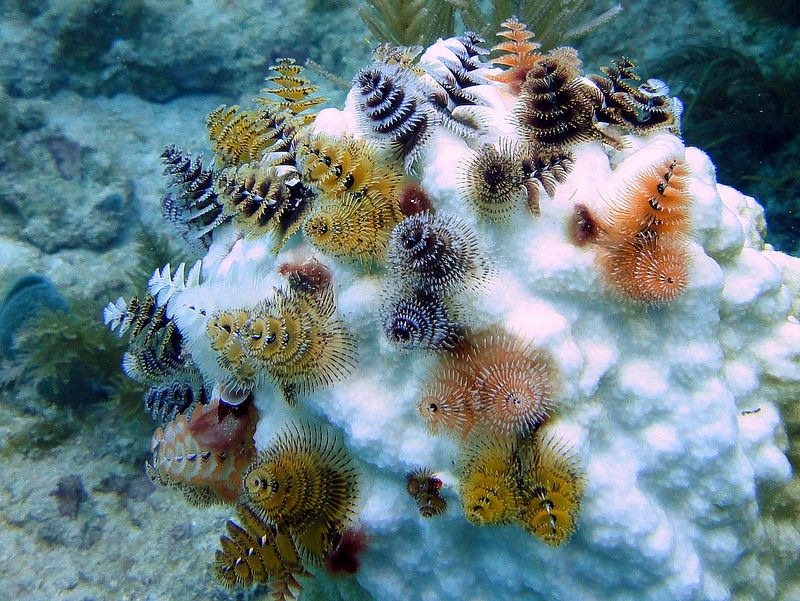
Photo credit: Matt Kieffer/Flickr
The Christmas tree worm doesn’t like to move about much. Once they find a good place on a live calcareous coral, they burrow a hole and live their for the rest of their lives, occasionally emerging from their home to catch passing plankton with their fully extended plumes. They are very sensitive to disturbances and will rapidly retract into their burrows at the slightest touch or passing shadow.
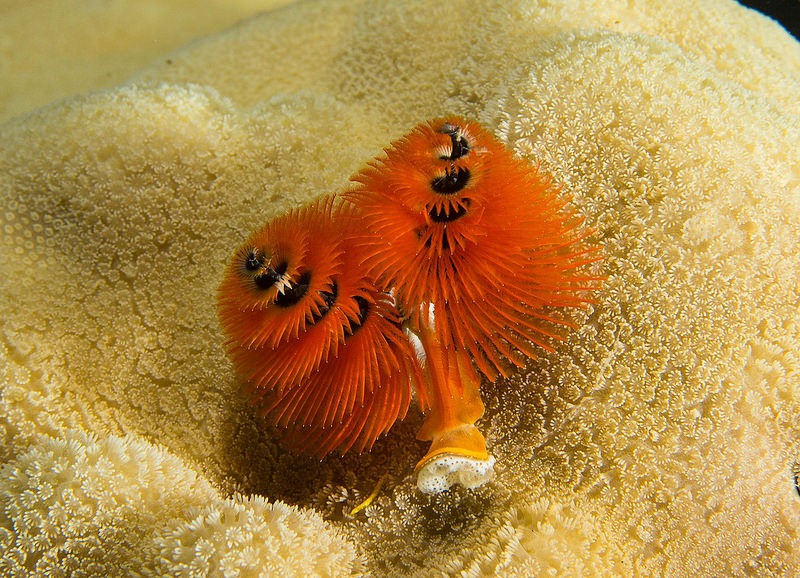
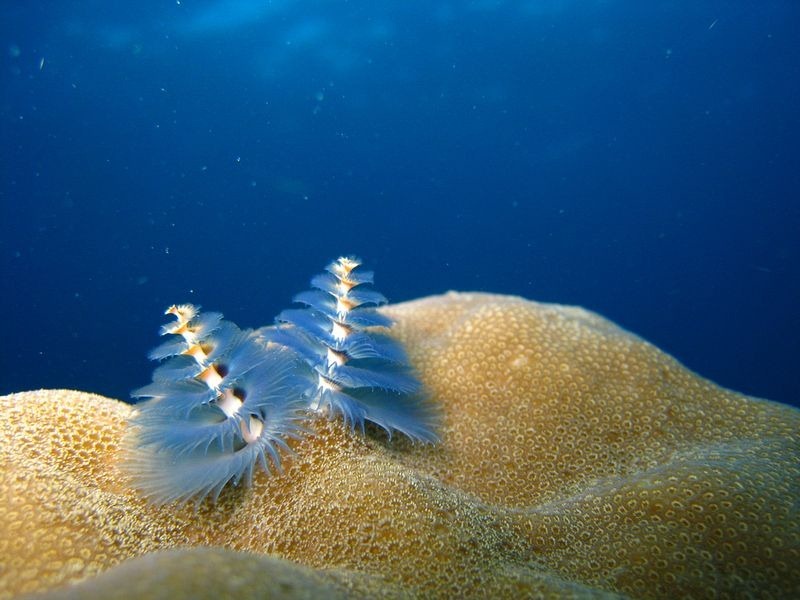
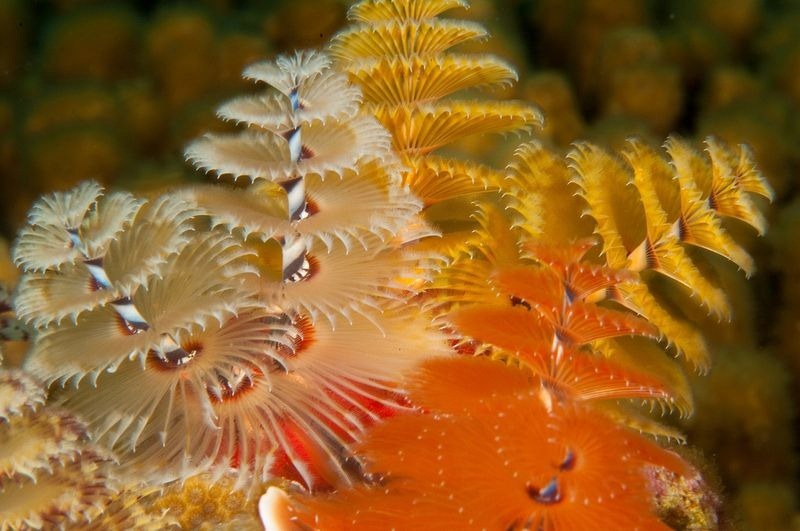
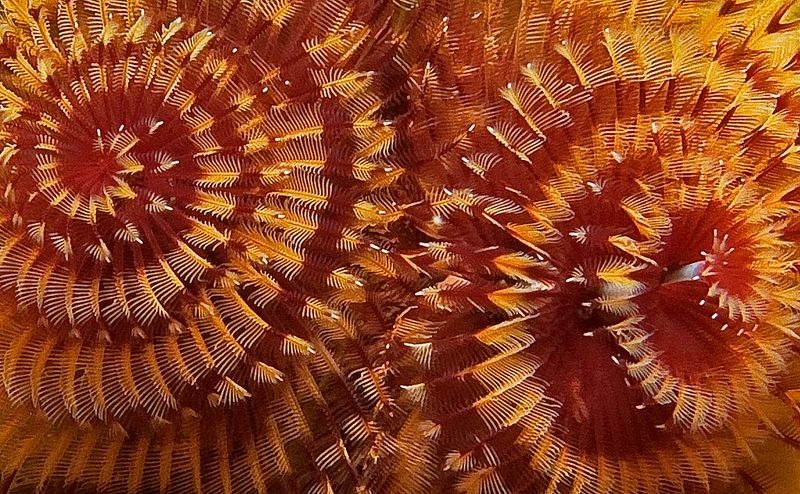
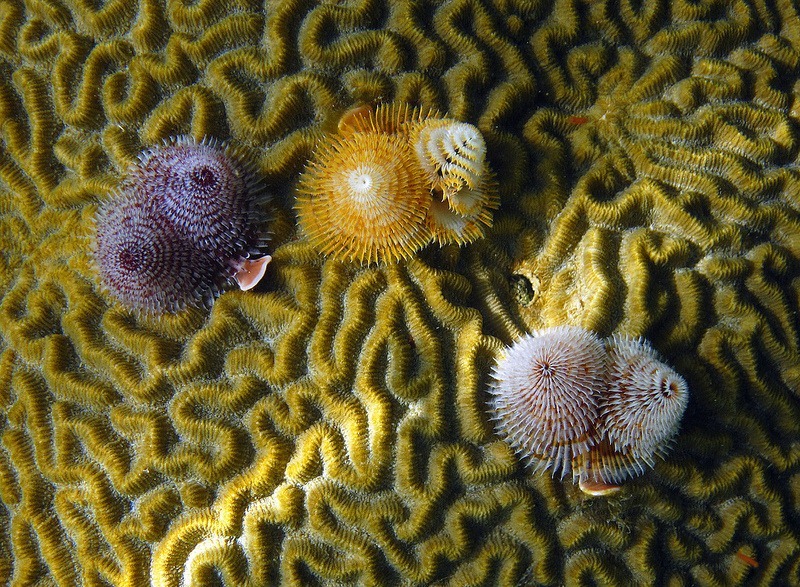
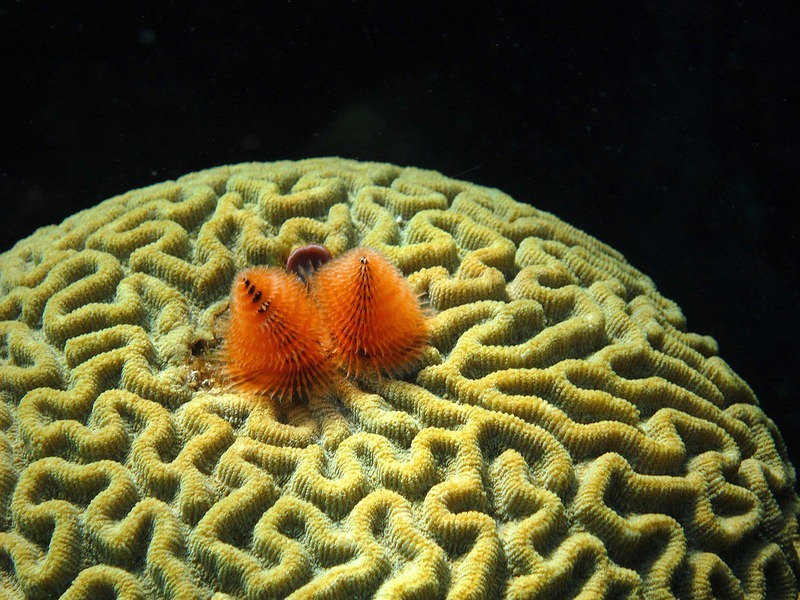
Photo credit: Doug Finney/Flickr
Sources: NOAA / Marine Bio via My Modern Met
Source….www.amusingplanet.com
Natarajan

Image of the Day…”Zinnia Flowers @ International Space Station…”
Zinnia Flowers Starting to Grow on the International Space Station

Zinnia flowers are starting to grow in the International Space Station’s Veggie facility as part of the VEG-01 investigation. Veggie provides lighting and nutrient supply for plants in the form of a low-cost growth chamber and planting “pillows” to provide nutrients for the root system. These plants appear larger than their ground-based counterparts and scientists expect buds to form on the larger plants soon.
The Veggie facility supports a variety of plant species that can be cultivated for educational outreach, fresh food and even recreation for crew members on long-duration missions. Previously, the facility has grown lettuce — which was consumed by the crew earlier this year — and now investigators are attempting to grow Zinnia flowers. Understanding how flowering plants grow in microgravity can be applied to growing other edible flowering plants, such as tomatoes.
Image Credit: NASA

” I Turn Scrap Metal Into Animals… ” !!!
My name is JK Brown. I live in rural West Wales. This peaceful part of the country is known for being a precious habitat for its native wildlife, which is of constant inspiration to me.
For as long as I can remember I have loved to watch animals (especially in the wild) and for as long as I can remember I have been drawing, making and creating as a way of celebrating the beauty of nature. Often when I’m out walking I pick up fragments of metal that have been thrown away. Sometimes fly-tipped or washed up on beaches, I patiently reassemble these pieces into monuments to the natural world around me: a habitat that is becoming increasingly fragmented.
I find that my own process of reversing this fragmentation is, for me, a calming antidote to the madness of endless consumption.
Kingfisher

Two holly blue butterflies

Magpie

Graze

Grasshoppers

Pheasant

Frogs

Native butterflies

Crow

Praying mantis

Source….www.boredpanda.com
Natarajan


 Take off with Natarajan