வாரம் ஒரு கவிதை …” திருமண நாள் ” …!!!


திருமண நாள்
………….
முதல் திருமண நாள் …என்ன  பரிசு வாங்கலாம்?
எப்படி கொண்டாடலாம் அந்த நன்னாளை ?
கணவனுக்கும்  மனைவிக்கும் விடை தெரியா  கேள்வி !
முடிவே  இல்லாத விவாதம் விடிய விடிய !
விடிந்தது காலை .. தொடர்ந்தது  மீண்டும் விவாதம் !
பக்கத்து வீட்டு தம்பதியிடம் யோசனை கேட்டால் என்ன !
ஒரு சிறு பொறி தட்டியது மனதில் ! “எங்களுக்கும் இன்று திருமண
நாள்! … பொன்விழா ஆண்டு  நிறைவு !  … ஐம்பது ஆண்டு இனிய
இல்லற  வாழ்வே  இறைவன் தந்த  அரிய பரிசு எங்களுக்கு !
குறை ஒன்றுமில்லா ஒரு நிறைவான போதுமென்ற மனம்…
இதுவும் அந்த இறைவன் அருளிய வரமே  எங்களுக்கு !
உங்கள் இல்லற வாழ்வும் நல்லறமாக இனிதே செழித்து வளர
எங்கள் நல்லாசிகள் உண்டு உங்களுக்கு !
வாழ்க  வளமுடன்.. வளர்க நலமுடன் …வாழ்க பல்லாண்டு “
வாழ்த்தினார்   பெரியவர் !
வாழ்வின் அர்த்தம் புரிந்தது …வாழ்க்கையை  ஆரம்பித்தவருக்கு !
Natarajan
My Tamil Kavithai in http://www.dinamani.com dated 25th July 2016

விநாச காலம் விபரீத புத்தி….!!!


ஒரு பக்கம் சுவாதி, நந்தினி, வினுப்பிரியா கொலை மற்றும் தற்கொலை சம்பவங்கள் பீதியூட்டிக் கொண்டிருக்க மறுபக்கம் பெரிதாக கவனம் பெறாத இரண்டு சம்பவங்கள் மேலும் கவலை அளிக்கின்றன. ஒன்று கிரிக்கெட் பந்தை எடுத்துத் தராத காரணத்தால் 25 வயது அண்ணன் 16 வயதுத் தம்பியை கிரிக்கெட் மட்டையால் தலையில் அடித்ததில் தம்பி நினைவு தப்பிய நிலையில் மருத்துவமனையில் சேர்க்கப்பட்டு சிகிச்சை பலனளிக்காமல் பரிதாபமாக உயிரிழந்தார்,காவல்துறை தம்பியின் உயிரிழப்புக்கு காரணமான அண்ணனை கைது செய்திருக்கிறது இது நமது தமிழ்நாட்டில் உடையார்பாளையத்தில் நிகழ்ந்த துர்சம்பவம்.

மற்றொன்று அண்டை மாநிலமான ஆந்திராவின் பஞ்சாரா ஹில்ஸில் பள்ளி மாணவர்கள் இருவருக்கிடையே நிகழ்ந்தது. தனியார் பள்ளி ஒன்றின் மூன்றாம் வகுப்பு மாணவன் ஒருவன் ஒன்றாம் வகுப்பு மாணவனை அவனது அடிவயிற்றின் கீழ் பகுதியில் சரமாரியாக அடித்ததில் பாதிப்படைந்த சிறுவன் தொடர் சிகிச்சைக்குப் பின் குடல்பகுதியில் நோய் தொற்று ஏற்பட்டு சிகிச்சை பலனின்றி உயிரிழந்தான். இந்த இரண்டு சம்பவங்களும் கடந்த ஒரு வாரத்தில் ஓரிரு நாட்கள் இடைவெளியில் நடந்து முடிந்தவை.

இவை இரண்டிலும் நம்மை அச்சுறுத்தும் விஷயம் ஒன்றே! அண்ணனே சொந்த தம்பியை அடித்துக் கொல்வதும், தொடக்கப் பள்ளியைக் கூடத்தாண்டாத சிறுவன் ஒருவன் ஆத்திரத்தில் அவனை விட சிறியவன் ஒருவனை  சாகும் அளவுக்கு அடித்துத் துன்புறுத்துவதும் என்ன விதமான மனநிலை?! இங்கே குற்றவாளி யார்? அந்த இளைஞனா? சிறுவனா? அல்லது அவர்களின் வளர்ப்பு முறையா?

சாமானிய மனிதர்களுக்கு எப்போதாவது காலருகில் ஊறும் சிறு பூராணை அடித்துக் கொல்வதே உளவியல் ரீதியாகப் பெரும்பாடாக இருக்கிறது. உயிர்க்கொலை என்பது எப்பேற்பட்ட கொடூரம்! அறிந்தோ அறியாமலோ அந்த கொடூரத்தை நிகழ்த்திய பின் என்னென்ன பின் விளைவுகள் ஏற்படும் என்பதெல்லாம் அறியாத வயது அந்தச்சிறுவனுக்கு என்று எடுத்துக் கொண்டாலும் 25 வயது இளைஞனுக்குமா அறியாத வயது! மொத்தத்தில் மனித உயிரின் நேசமதிப்பீடுகளை பற்றி கொஞ்சமும் சிந்தனை இல்லாமல் இப்படிச் செய்ய முடிவது ’விநாச காலம் விபரீத புத்தி’ என்று தான் கூறமுடியும்.

இப்படியான விபரீதங்களுக்கு முதல் காரணம் பின்விளைவுகளை பற்றிய யோசனையின்மை. அடுத்த காரணம் பொறுப்பின்மை மூன்றாவதாக சுயநலம் மட்டுமே பேணிக்கொள்ள வழிகாட்டும் வளர்ப்பு முறை. இந்தச் சம்பவங்களின் பின்புலனாக இத்தனை காரணம் இருக்கிறது. இவற்றையெல்லாம் சரி செய்து கொள்ள யார் சொல்லித் தரக்கூடும்?! பெற்றோர்களும் ஆசிரியர்களும் தானே முதல் வரிசையில் இருக்கிறார்கள்.பிறகு தானே இந்த சமூகம் வருகிறது.

பெற்றோர்களாகிய நாம் என்ன செய்கிறோம்? விளையாடும் குழந்தைகள் விளையாட்டின் நடுவே சண்டையிட்டுக் கொண்டு வந்து புகார் கூறினால் எத்தனை பெற்றோர் நடுநிலைத் தன்மையில் அந்த விஷயத்தை கையாள்கிறோம்?! உண்மையைச் சொல்வதென்றால் ‘யாராவது உன்னை அடித்தால் பதிலுக்கு நீயும் அடி என்றோ’ ‘திட்டினால் நீயும் திட்டு’ என்றோ தான் இப்போதெல்லாம் பல பெற்றோர்கள் தங்கள் குழந்தைகளை வழிநடத்துகிறார்கள். இல்லையேல் இத்தனை வன்முறைக்கு அவசியமென்ன?

முதலில் நாம் நமது குழந்தைகளுக்கு எந்தச் செயலுக்கும் பின்னான விளைவுகளை பற்றி கற்றுக் கொடுத்தே வளர்க்க வேண்டும். ‘நீ உன் வகுப்பு ஆசிரியரை, தோழனை, நண்பர்களை அல்லது நீ இருக்கும் சூழலை வெறுக்கிறாயா? ஏன்? எதற்கு? என்று யோசித்து அதை நேர்மறையாக மாற்றிக்  கொள்ள வழி இருக்கிறதா என்று பார். அவர்கள் மேலுள்ள வெறுப்பை மாற்றவே முடியாது எனும் போது அடுத்த கட்டத்தைப் பற்றி எங்களிடம் கலந்து ஆலோசி. உடனடி வெறுப்போ,கோபமோ நிரந்தரத் தீர்வாகாது, உனக்காக நாங்கள் எப்போதும் உடனிருக்கிறோம் என்பதை மறந்து விடாதே’ எனும்படியான மனஉறுதியை நம் குழந்தைகளிடம் பதியச்செய்ய வேண்டும்.

இன்றைய தனிக்குடும்ப கலாச்சாரத்தில் பெரும்பாலான குழந்தைகளுக்கு இப்படியான மனஉறுதி நிச்சயம் தேவைப்படுகிறது. பல வீடுகளில் வேலைக்குப் போகும் பெற்றோர் வீடு திரும்பும் வரை குழந்தைகள் வேலையாட்களுடன் தனித்து விடப்படும் சூழல் நிலவுவதால் தன்னிஷ்டமாய்  முடிவெடுக்கும் குழந்தைகள் பெருகி வரும் காலம் இது. அவர்களுக்குத் தேவை வேலையாள் இல்லை பொறுப்பான ஒரு கண்காணிப்பாளர். கண்காணிக்கும் வேலையை பெற்றோரை விட, நயமாக திறம்பட வேறு யாரால் செய்ய முடியும்? ஆகவே நம் குழந்தைகளின் செயல்களுக்கு பொறுப்பேற்க கடமைப்பட்டுள்ள நாம் மட்டுமே அவர்களின் செயல்களைக் கண்காணிக்கவும் கடமைப்பட்டுள்ளோம் என்பதை மறக்கக் கூடாது.

அடுத்ததாக பொறுப்பின்மை; பொறுப்பு என்ற சொல்லை தமிழில் நாம் பல விதங்களில் பல பதங்களில் பயன்படுத்துகிறோம் .பொறுப்பு என்பது வெறும் சொல் மட்டுமே அல்ல அது ஓர் உணர்வு. உதாரணமாக மேல்மாடியில் இருந்து கொண்டு கீழ் நோக்கி குப்பையை  விட்டெறிந்தால் குப்பை  கீழே இருப்பவர்களின் தலையைப் பதம் பார்க்கும் என்று உணர்வது தான் பொறுப்பு. இந்தப் பொறுப்புணர்வு இருந்திருந்தால் அன்புக்குரிய சகோதரனை 25 வயது இளைஞன் கிரிக்கெட் மட்டையால் அடித்துக் கொன்றிருக்க மாட்டான்.முதலில் இந்த உணர்வு நம்மில் எத்தனை பேருக்கு இருக்கிறது?! நமக்குள் கேட்டுக் கொண்டாக வேண்டிய கேள்வி இது. இப்படியான உணர்வு நமக்குள் இருந்திருந்து அதை நமது குழந்தைகளுக்கு வலியுறுத்தி இருந்தால் குழந்தைகள் அர்த்தமற்ற விபரீத செயல்களில் ஈடுபட வாய்ப்பே இல்லை.

யாருக்கு என்ன கஷ்டம் வந்தால் நமக்கென்ன? நாம் சவுகரியமாக  இருக்கிறோமா அது போதும் என்று மட்டுமே நினைக்கும் மனப்பான்மை சுயநலமானது. குழந்தைகளிடம், இளைஞர்களிடம் இந்த மனப்பான்மை வளர்ந்தால் அது ’வீட்டுக்கும் கேடு நாட்டுக்கும் கேடு’. இன்றைய பெரும் விபரீதங்கள் பலவற்றிற்கு இந்த சுயநல மனப்பான்மையே அடிப்படை என்றால் பொய்யில்லை.ஆகவே கூடுமான வரையில் பெற்றோர்களும் சரி ஆசிரியர்களும் சரி தமது மாணவர்களிடையே பொறுப்புணர்வையும், பொதுநலத்தையும் வளர்த்தெடுத்தே ஆகவேண்டும்

முன்பெல்லாம் அரசுப்  பள்ளிகளில் நடுநிலைப் பள்ளி பிரிவில் ஒவ்வொரு நாளின் கடைசி வகுப்பிலும் நீதிக்கதைகள் போதிக்கப்பட்டன; இப்போதும் நீதிக்கதைகள் ’ஃலைப் ஸ்கில்’ என்ற பெயரில் பாடத்திட்டத்தில் உண்டு. ஆனால் இதை ஆசிரியர் தானே வகுப்பில் கதையாக  எடுத்துச் சொல்லி மாணவர்களுடனான சுவாரசியமான கலந்துரையாடலுடன் வகுப்பு முடிகிறதா என்றால் அது சந்தேகத்திற்கிடமானது. இந்தப் புத்தகங்களை மாணவர்கள் தாங்களே படித்துக் கொள்ள வேண்டியது தான் எனும் நிலை.

பெரும்பான்மை மாணவர்கள் நீதிக்கதைகளைப் படிப்பதாக தெரியவில்லை. அவர்கள் பாடங்களைப் படிப்பதோடு போட்டித் தேர்வுகளுக்கான தயாரிப்புகள் ஆறாம் வகுப்பிலிருந்தே ஐ,ஐ,டி நுழைவுத் தேர்வுக்கான தயாரிப்புகள் என்று ஓய்வே இல்லாமல் ஓடிக்கொண்டு இருக்கிறார்கள் கொஞ்சம் நேரம் கிடைத்தாலும் வீடியோ கேம்ஸ், கார்ட்டூன் நெட்ஒர்க் என்று தான் மனம் போகிறதே தவிர போதுமான வாசிப்பு பழக்கம் இல்லை என்பதே நிஜம்.

படிப்பு முக்கியம் தான் ஆனால் அதை விட முக்கியம் பண்பு. அதை நீதிக்கதைகளால் மட்டுமே போதிக்க முடியும் எனில் பள்ளிகள் அதற்காக ஒவ்வொரு நாளும் தனி வகுப்புகளை நடத்தினாலும் தவறில்லையே. ஒன்று பள்ளியிலிருந்து ஆரம்பிக்க வேண்டும் இல்லையேல் வீட்டிலிருந்து  ஆரம்பிக்கலாம். ஒவ்வொரு  இரவையும் நமது  புராண, இதிகாச, பஞ்ச தந்திர, ஜாதக நீதிக்கதைகள் கதைகள் மூலம் குழந்தைகளுக்கான அருமையான  இரவாக நாம் ஏன் மாற்றக்கூடாது? இதிகாசங்களும் புராணங்களும் சிலருக்கு நம்பிக்கை தரவில்லை எனில் தவறே இல்லை காலத்திற்கு ஏற்றவாறு  புதிய நீதிக்கதைகளை நாமே ஏன் உருவாக்கக் கூடாது?!

அதற்கெல்லாம் நேரமில்லை எனில் நஷ்டம் நமக்குத் தான் எல்லோருக்கும் அவரவர் வேலை பெரிதே, ஆனால் இந்த நாட்டுக்கும் நமது வீட்டிற்கும் பொறாமை, காழ்ப்புணர்ச்சி, குரோதம், தீவிரவாதம்  போன்ற நஞ்சு ஊட்டப்படாத  மனம் கொண்ட இளம் சமுதாயத்தினர் தேவை எனில் நாம் அவர்கள் நலனுக்காக கொஞ்சம் நேரம் ஒதுக்கியே ஆக வேண்டும்.

தனிமை உணர்வும், நல்லது எது? கெட்டது எது? எனும் பாகுபாடு காணமுடியா குழப்பமும் குழந்தைகளை அணுகாமல் அவர்களைப் பாதுகாப்பது பெற்றோரின் கடமை ஆசிரியர்கள் அவர்களுக்குத் துணை நிற்பார்களாக!

Source……..By கார்த்திகா வாசுதேவன் in http://www.dinamani.com

Natarajan

” அது ஒரு காலம் …” !!!


💥ஒரு காலம் இருந்தது.

💥மனிதாபிமானத்தையும்
மனச்சாட்சியையும்
எம்மில் பெரும்பாண்மையினர்
நேசித்த ஒரு காலம் இருந்தது.

💥கடவுளுக்கு பணிந்த காலம்.
💥சத்தியத்தை மதித்த காலம்.
💥நம்பிக்கையை காப்பாற்றிய காலம்.
💥வாக்குறுதிகளை பறக்கவிடாத காலம்.
💥அகிம்சைக்கு அடிபணிந்த காலம்.
💥பெண்களை போற்றிய காலம்.
💥நீதியை நிலைநாட்டிய காலம்.
💥நியாயத்தை துணிந்து கேட்ட காலம்.
💥பணத்துக்கு மதிப்பிருந்த காலம்.
💥பாசத்துக்கு கட்டுப்பட்ட காலம்.

💥நாடகக்கலை வளர்ந்த காலம்.
💥நடிப்புக்கு இலக்கணமிருந்த காலம்.
💥பயபக்தி என்ற சொல்லையே வணங்கிய காலம்.
💥சுவாமிமாரை கடவுள்களாய் பார்த்த காலம்.
💥வானொலிப் பாடல்களில் சுகித்திருந்த காலம்.
💥பழஞ்சோற்று உருண்டையை ருசித்த காலம்.
💥பனம்பாயில் படுத்துறங்கிய காலம்.

💥ஆறுகளில் எப்போதும் நீர் இருந்த காலம்.
💥முழுநிலவை சனங்கள் ரசித்த காலம்.

💥பத்திரிகைகைள் உண்மைகளை மட்டுமே சொன்ன காலம்.
💥கட்சிகள் மக்களுக்காய் உழைத்த காலம்.
💥கோயில்கள் சேவை செய்த காலம்.
💥மழை தவறாமல் பொழிந்த காலம்.
💥மலிவு விலையில் எல்லாம் கிடைத்த காலம்.
💥ஊழல் என்ற சொல் அறியாத காலம்.
💥தண்ணீர் விற்கப்படாத காலம்.
💥வயல்களில் கட்டிடங்கள் எழுப்பப்படாத காலம்.
💥கடிதங்கள் மட்டுமே இருந்த காலம்.

💥மீதிப் பணத்திற்கு மிட்டாய்களைத் தராத காலம்.
💥ஆபாசங்களை நம்பியிராத நடிகைகளின் காலம்.
💥பாடகிகள் நிலைத்து நின்று பாடிய காலம்.
💥மருந்தில் பழுக்காத மாம்பழங்கள் கிடைத்த காலம்.
💥நகைக்கடன் கடைகள் அதிகமிராத காலம்.
💥இராப் பிச்சைக்காரர்கள் வீடுதேடி வந்த காலம்.
💥விபத்துக்கள் அரிதாக இருந்த காலம்.
💥வீட்டு வாசல்களில் குடிதண்ணீர் வைத்திருந்த காலம்.

💥எல்லோரையும் கள்வர்களாய் பார்க்காத காலம்.
💥மருந்துக் கடைகள் குறைவாய் இருந்த காலம்.
💥புற்றுநோய் அதிகம் உயிரெடுக்காத காலம்.
💥உடலுழைப்பு அதிகமாய் இருந்த காலம்.
💥மின்வெட்டு பற்றி யாருமறியாத காலம்.
💥வண்ணத்துப் பூச்சிகளை இலகுவாய் பிடித்த காலம்.
💥வழுக்கல் இளநீரை மிகமலிவாய் குடித்த காலம்.

💥சிட்டுக்குருவிகள் முத்தத்துக்கு வந்த காலம்.
💥வாகன நெரிசல் இல்லாத காலம்.
💥இலவசங்கள் ஏதும் தரப்படாத காலம்.
💥அர்த்தமுள்ள பாடல்கள் எழுதப்பட்ட காலம்.
💥வார்த்தைகள் விளங்கும் சங்கீதம் வாழ்ந்த காலம்.
💥கலப்பில்லாத அழகுத் தமிழ் பேசிய காலம்.
💥வேப்பமரங்களும்,குயில்களும் நிறைந்திருந்த காலம்.
💥எல்லோருக்கும் நேரமிருந்த காலம்.
💥ஊர்கூடி தேர் இழுத்த காலம்.

💥இனிமேல் யாருக்கும் கிடைக்கவே கிடைக்காத
ஒரு காலமிருந்தது
ஒரு காலமிருந்தது.

💥அது நாங்களெல்லோரும்
அன்பில் திளைத்திருந்த காலம்.

Source….. input from a friend of mine

Natarajan

Make These Little Changes and Improve Your Life….


The hardest part of adopting a new habit is beginning a new routine to shape that habit. A new habit can take some 30 days to establish, but once it’s assimilated into your life, it’s extremely easy to keep up. Here are 16 changes that you can make to become a better person:

af80adc2-4280-41d5-8c5d-f40715a844a6

1. Use words that encourage happiness

A good example of this is to watch how you reply when someone asks how you are. Instead of replying in a neutral fashion by saying “I’m fine”, or “I’m okay”, try saying: “I’m fabulous!”, or “I’m great!” If life has blessed you with many things to be happy about, then you should acknowledge that through your choice of words. It’s a basic universal truth that positivity only serves to breed more positivity, so be conscious of that.

2. Try something new every day

The first time we do or experience something can impact us so profoundly that it stays with us for the rest of our lives. Obviously this isn’t true for every single new thing we do or experience, but trying something new can open doors to life-changing opportunities.

3. Do something selfless every day

Life rewards you for the effort you put in. If you make a positive impact on someone else’s life, you also impact your own life in a positive way. See how you can make someone happier, or lessen their suffering. Being selfless is extremely rewarding, and once you get into the habit, you’ll be hooked.

The first time we do or experience something can impact us so profoundly that it stays with us for the rest of our lives. Obviously this isn’t true for every single new thing we do or experience, but trying something new can open doors to life-changing opportunities.

4. Learn and practice one new skill each day

Being self-reliant is crucial for being able to live a vital, healthy and productive life. If we don’t master a basic set of skills, then we don’t get to have a mastery over our own lives. Think of learning a new skill each day as taking the steps needed to turn yourself into a jack of all trades. And besides, learning new skills is fun.

5. Teach someone something new every day

Strengths and talents differ from one individual to another, so enlighten someone with your uniqueness each day. Take note of what people ask you for help with on a regular basis. Are you good at math? Are you very creative? Try devoting some time each day to teaching someone the thing or things that you’re good at.

6. Dedicate an hour a day to your passion

What is the one thing in life that makes you tick? It could be anything – spirituality, collecting things, fighting for a cause you believe in – the list is endless. Indulging your passion on a daily basis will bring lots of added happiness and meaning into your life.

7. Treat everyone nicely

Regardless of whether someone is rude to you or not, just reciprocate as nicely and calmly as you can. Doing so doesn’t imply that you’re a fake person – it’s indicative of your emotional maturity. Treat everyone as you wish to be treated, namely with kindness and respect. Do this consciously, and you’ll see how the negativity around you will dissipate as if it was never there in the first place.

8. Be as positive as you can

Think of optimism as something to be sown and harvested. No matter how bad a situation is, true success is being able to find an opportunity when it seems like nothing good can come of it. Failure is a blessing, because you can learn and grow from it. If life doesn’t give you what you want right now, that only means that there’s something better for you right around the corner.

9. Acknowledge the lesson you’ve learned from a bad situation

Life continuously gives you lessons – from the people you meet, to the things you encounter and the experiences you go through. Whether good or bad, you should always look for and acknowledge the lesson you have learned. Once you’ve done that, keep it in mind and apply it to better tackle a similar situation or experience in future.

10. Pay attention and enjoy your life as it happens

In life, the past has gone and no longer exists, whereas the future hasn’t arrived yet. If you think about it, the present is all you ever have. Everything you’ve ever done, everything you’ve ever been through, has led up to this present moment. Seeing as that present is all you ever have, you should try living your life accordingly!

11. Get rid of one thing a day for 30 days

De-cluttering is good for the soul. Try getting rid of one thing every day for 30 days, and you’ll feel a tangible internal change. It might not be easy letting go of things at first, but it’ll get better with practice. By getting rid of physical things you don’t need, you’re opening up room for newer, positive things – both physical and abstract – to come into your life.

12. Create something brand-new in 30 days or less

Fashioning something using your hands and your own ingenuity is undoubtedly one of the most rewarding things you can do in life. Use the next 30 days to create something of your choosing – just make sure that it’s something you actually care about so you don’t lose interest in it. Find something you love and let your imagination run wild.

13. Wake up 30 minutes earlier each morning

If you’re in a rush in the morning, you’re setting yourself up for a bad day, because you’ll be constantly chasing the time you’re trying to make up. Try getting up 30 minutes earlier, and save yourself speeding tickets, being late for work and other stresses you don’t need to be dealing with. Make a pact with yourself to do it for 30 days straight and see the difference that it makes.

14. Don’t tell a single lie in 30 days

We all tell little white lies, and naively think they’re harmless. The truth is that a lie is a lie, no matter how big or small. Avoid deceiving yourself and those around you, speak from the heart and speak the whole truth.


வாரம் ஒரு கவிதை… ” குடைக்குள் பெய்யும் மகிழ்ச்சி ….” !!!


குடைக்குள் பெய்யும் மகிழ்ச்சி !
……………………..
rain
அடை மழை வெளியில் ! …குடைக்குள் பெய்வது
குழந்தைகளின் மகிழ்ச்சி மழை !  தடை ஏதும் இல்லை
பிஞ்சுக் குழந்தைகளுக்கு குடைக்குள் கிடைக்கும்
இடம் பகிர்ந்துகொள்ள … மொழியும்  மதமும்  ஒரு
பொருட்டல்ல அவர் பேச , விளையாட ! பொறாமையும்
தீண்டாமையும் அவருக்கு தெரியாத “ஆமைகள் “!
சிறு  குடைக்குள் , கிடைத்த  இடத்தில் சிரித்து விளையாடும்
 இளம் தளிர்கள் இவை  வளர்ந்து தரையில்
வேரூன்றும் நேரம் ” ஆமைகள்” பல   குடைக்குள்
காலூன்றி அவர் நட்பின்  இறையாண்மைக்கு  உலை
வைக்கத் துடிப்பது ஏன் ? குடைக்குள் பெய்யும் மகிழ்ச்சி
மழையைத் தடுக்க நினைப்பது ஏன் ?
வளரும் இளம் தளிர்களே …போடுங்க தடை எல்லா “ஆமை”க்கும்
உங்க வாழ்வில் ! நுழைய முடியாது எந்த ஆமையும் உங்க குடைக்குள்
உங்களை  மீறி ! அடங்கும்  ஆமைகளும் வேறு வழியின்றி !
பொங்கிடும்   மனித நேயம் உங்க குடைக்குள் இன்று போல்
என்றும் !
Natarajan
My Tamil Kavithai in www .dinamani.com….published on 4th july 2016
natarajan

How You should Plan your Day …?


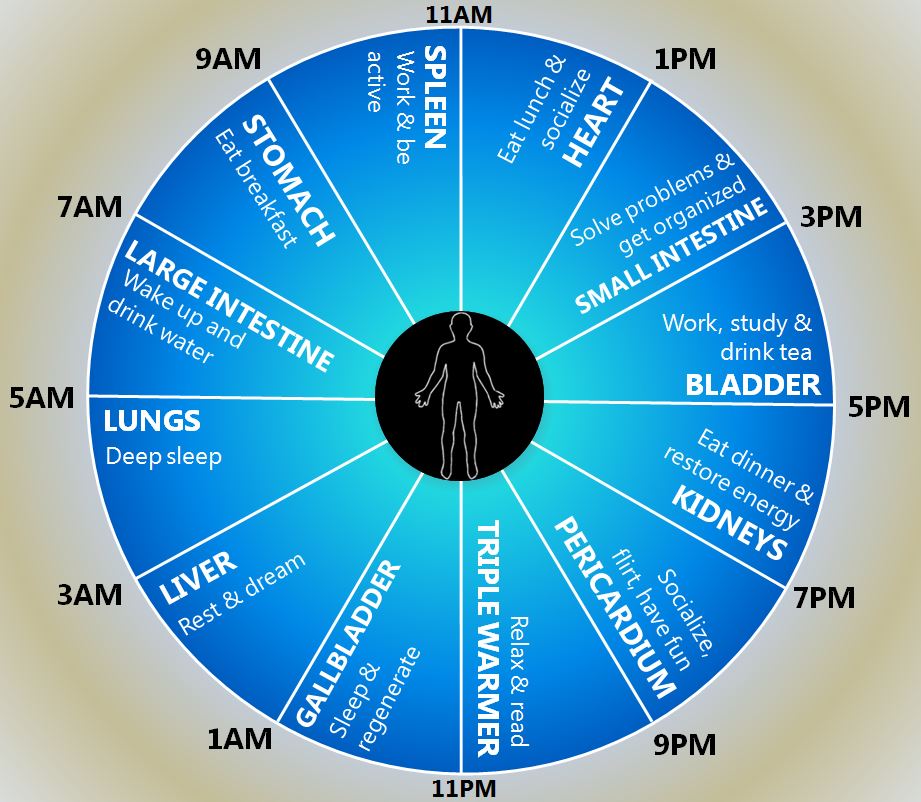
Did you know that according to Traditional Chinese Medicine (TCM), our body has its own energy clock? Also known as the Chinese Body Clock, it explains some of the most asked questions about our body. For instance, you may be curious to discover why your mood and energy levels fluctuate so much throughout the day? And why you sometimes tend to be less concentrated on your work than in other instances?

Without a doubt, our bodies do extraordinary things, but they are all built around cycles, controlled by the brain and defined by our sleeping and eating patterns. At different times of the day, the body has one organ which is at its energetic peak, and by knowing your energy clock well, you can help your body cope better.

The chart below illustrates the human energy body clock, showing the best times to eat, work, sleep and socialize. According to TCM, the body moves its energy concentration from one organ to another every 2 hours (as the chart indicates) with the organ opposite each time slot (12 hours ahead) being the one with the least energetic functioning during that time.

For a more detailed overview, this is how the Chinese Body Clock works.

d6756150-90f9-4893-a5c3-3bdd142c857e

First of all, our body goes through 3 main cycles every day. These cycles are as follows:
1. Elimination Cycle (4am-12pm):

This is the time during which the body is getting rid of toxins – the reason behind the bad breath and sweaty skin we wake up with in the morning. During this period, it is recommended that we eat food that is easily digestible, such as raw produce, green juice, smoothies, etc.

2. Appropriation Cycle (12pm-8pm):

The body is most awake and active during this time of the day, and so is its digestion and metabolism. You may be feeling more hungry than usual during this  time period. If so, it is important to eat, even if it’s not during meal times.

3. Assimilation Cycle (8pm-4am):

At this time, the body is concentrating on the absorption of nutrients in order to revitalize cells and organs. It’s the perfect time for healing,rebuilding and renewing, and it’s recommended that dinner is taken right before this cycle.

As you have seen in the Human Body Energy Clock chart above, these cycles can be broken down even further, focusing more on the activity peaks of specific body organs.

Here’s what’s happening in every section of the clock and how you can help your body in the process.

• Between 3am and 5am:
While you are in a deep sleep, your body is focusing on the lungs and breathing, to make sure enough oxygen is filling your lungs, and entering your blood and nervous system. If you cough during this time, it probably means that your lungs are getting rid of toxins.
• Between 5am and 7am:
You are now in your elimination cycle, and your body is preparing thelarge intestine to eliminate toxins as soon as you wake up. If you’re up at this time, it is recommended that you drink 16+ oz of water to replace the lost liquid. At this point, opt for a brisk walk over sitting down while drinking a cup of coffee!

Between 7am and 9am:
Now, the energy focus moves to the stomach. You are likely to rise with a good appetite, after a long period of fasting throughout the night. Wake up and eat breakfast – make sure it contains fruit and protein to fill you with the nutrients you need to face the day.
• Between 9am and 11am:
After the stomach, come the pancreas and the spleen. During this time, these organs are processing your breakfast and converting it into energy. This energy becomes the fuel your cells need for your new day ahead.
• Between 11am and 1pm:
By now, the nutrients in your breakfast are being pumped around the body by the heart, and reaching out to all your body systems and organs through the circulatory system. Now is the right time to be with people and prepare yourself for another dose of nutrients, as energy levels start to decrease.

Between 1pm and 3pm:
The perfect time to eat lunch.  After doing this, many people feel the need to take a nap to boost their energy for the rest of the day and take a break from the morning activities. Furthermore, your body is now working on the digestion of your lunch, focusing on the small intestine. This is also an ideal time for some peaceful meditation.
• Between 3pm and 5pm:
The focus now shifts to the bladder. At this time, it is recommended that you stay hydrated by drinking water or tea. It is also an excellent time to get some things done for the last time before your body prepares you for the evening.

• Between 5pm and 7pm:
Its time for the last main meal of the day – dinner. This shouldn’t be very big, but should be nutritious. Your body is concentrating on thekidneys now, to filter the body of any waste. It is also working on the lymphatic system to keep the body clear and in flow. Doing some physical movement would be a good idea – consider walking or stretching.

• Between 7pm and 9pm:
At this point of the day, your blood pressure is typically at its highest levels, and your body’s focus now shifts to the pericardium. The day is nearing its end, and it’s suitable to take this time to wind down and relax. One’s libido has very often reached its peak by now, so the engagement in intercourse is ideal at this time.
• Between 9pm and 11pm:
Your body is now focusing on the triple warmer and the endocrine system. At this time, you are least expected, or recommended, to eat. Preferably, one should continue to relax, while the body is working on its equilibrium and the replacements of enzymes used throughout the day. It’s also the ideal and easiest time to go to sleep.

• Between 11pm and 1am:
While you are sleeping, your body is focusing on the gallbladder. If you suffer from gallstones, then you might experience some pain during this time.
• Between 1am and 3am:
The liver is now at work. Your body is detoxifying itself by processing alcohol, chemicals, drugs, and poor diet, and eliminating the unwanted substances, cleansing your blood as a result.

Source…….www.ba-bamail.com

Natarajan

// <![CDATA[
(function(){var h,k=this,l=function(a,b){var c=a.split("."),d=k;c[0]in d||!d.execScript||d.execScript("var "+c[0]);for(var e;c.length&&(e=c.shift());)c.length||void 0===b?d=d[e]?d[e]:d[e]={}:d[e]=b},m=function(a){var b=typeof a;if("object"==b)if(a){if(a instanceof Array)return"array";if(a instanceof Object)return b;var c=Object.prototype.toString.call(a);if("[object Window]"==c)return"object";if("[object Array]"==c||"number"==typeof a.length&&"undefined"!=typeof a.splice&&"undefined"!=typeof a.propertyIsEnumerable&&!a.propertyIsEnumerable("splice"))return"array";if("[object Function]"==c||"undefined"!=typeof a.call&&"undefined"!=typeof a.propertyIsEnumerable&&!a.propertyIsEnumerable("call"))return"function"}else return"null";else if("function"==b&&"undefined"==typeof a.call)return"object";return b},aa=function(a){var b=m(a);return"array"==b||"object"==b&&"number"==typeof a.length},p=function(a){return"string"==typeof a},q=function(a){var b=typeof a;return"object"==b&&null!=a||"function"==b},ba=function(a,b,c){return a.call.apply(a.bind,arguments)},ca=function(a,b,c){if(!a)throw Error();if(2<arguments.length){var d=Array.prototype.slice.call(arguments,2);return function(){var c=Array.prototype.slice.call(arguments);Array.prototype.unshift.apply(c,d);return a.apply(b,c)}}return function(){return a.apply(b,arguments)}},t=function(a,b,c){t=Function.prototype.bind&&-1!=Function.prototype.bind.toString().indexOf("native code")?ba:ca;return t.apply(null,arguments)};var u=function(a,b){var c=parseInt(a,10);return isNaN(c)?b:c};var x;var y=String.prototype.trim?function(a){return a.trim()}:function(a){return a.replace(/^[\s\xa0]+|[\s\xa0]+$/g,"")},z=function(a,b){return ab?1:0};var da=Array.prototype.indexOf?function(a,b,c){return Array.prototype.indexOf.call(a,b,c)}:function(a,b,c){c=null==c?0:0>c?Math.max(0,a.length+c):c;if(p(a))return p(b)&&1==b.length?a.indexOf(b,c):-1;for(;c<a.length;c++)if(c in a&&a[c]===b)return c;return-1},ea=Array.prototype.forEach?function(a,b,c){Array.prototype.forEach.call(a,b,c)}:function(a,b,c){for(var d=a.length,e=p(a)?a.split(""):a,f=0;f<d;f++)f in e&&b.call(c,e[f],f,a)},fa=function(a){var b=a.length;if(0<b){for(var c=Array(b),d=0;dparseFloat(L)){K=String(N);break a}}K=L}var O=K,P={},Q=function(a){var b;if(!(b=P[a])){b=0;for(var c=y(String(O)).split("."),d=y(String(a)).split("."),e=Math.max(c.length,d.length),f=0;0==b&&f<e;f++){var g=c[f]||"",n=d[f]||"",v=RegExp("(\\d*)(\\D*)","g"),va=RegExp("(\\d*)(\\D*)","g");do{var r=v.exec(g)||["","",""],w=va.exec(n)||["","",""];if(0==r[0].length&&0==w[0].length)break;b=z(0==r[1].length?0:parseInt(r[1],10),0==w[1].length?0:parseInt(w[1],10))||z(0==r[2].length,0==w[2].length)||z(r[2],w[2])}while(0==b)}b=P[a]=0<=b}return b},R=k.document,ka=R&&H?J()||("CSS1Compat"==R.compatMode?parseInt(O,10):5):void 0;var S;if(!(S=!I&&!H)){var T;if(T=H)T=9<=Number(ka);S=T}S||I&&Q("1.9.1");var la=H&&!Q("9");var ma=function(a){var b=document;return p(a)?b.getElementById(a):a},oa=function(a,b){var c=b||document;return c.querySelectorAll&&c.querySelector?c.querySelectorAll("."+a):na(a,b)},na=function(a,b){var c,d,e,f;c=document;c=b||c;if(c.querySelectorAll&&c.querySelector&&a)return c.querySelectorAll(""+(a?"."+a:""));if(a&&c.getElementsByClassName){var g=c.getElementsByClassName(a);return g}g=c.getElementsByTagName("*");if(a){f={};for(d=e=0;c=g[d];d++){var n=c.className,v;if(v="function"==typeof n.split)v=0<=da(n.split(/\s+/),a);v&&(f[e++]=c)}f.length=e;return f}return g},qa=function(a,b,c){function d(c){c&&b.appendChild(p(c)?a.createTextNode(c):c)}for(var e=1;e<c.length;e++){var f=c[e];!aa(f)||q(f)&&0<f.nodeType?d(f):ea(pa(f)?fa(f):f,d)}},ra={SCRIPT:1,STYLE:1,HEAD:1,IFRAME:1,OBJECT:1},sa={IMG:" ",BR:"\n"},ua=function(){var a=document.getElementById("feedback-closing-template");if(la&&null!==a&&"innerText"in a)a=a.innerText.replace(/(\r\n|\r|\n)/g,"\n");else{var b=[];ta(a,b,!0);a=b.join("")}a=a.replace(/ \xAD /g," ").replace(/\xAD/g,"");a=a.replace(/\u200B/g,"");la||(a=a.replace(/ +/g," "));" "!=a&&(a=a.replace(/^\s*/,""));return a},ta=function(a,b,c){if(!(a.nodeName in ra))if(3==a.nodeType)c?b.push(String(a.nodeValue).replace(/(\r\n|\r|\n)/g,"")):b.push(a.nodeValue);else if(a.nodeName in sa)b.push(sa[a.nodeName]);else for(a=a.firstChild;a;)ta(a,b,c),a=a.nextSibling},pa=function(a){if(a&&"number"==typeof a.length){if(q(a))return"function"==typeof a.item||"string"==typeof a.item;if("function"==m(a))return"function"==typeof a.item}return!1},wa=function(a){this.v=a||k.document||document},xa=function(a,b){return oa("feedback_description",b||a.v)};h=wa.prototype;h.createElement=function(a){return this.v.createElement(String(a))};h.createTextNode=function(a){return this.v.createTextNode(String(a))};h.appendChild=function(a,b){a.appendChild(b)};h.append=function(a,b){qa(9==a.nodeType?a:a.ownerDocument||a.document,a,arguments)};h.canHaveChildren=function(a){if(1!=a.nodeType)return!1;switch(a.tagName){case "APPLET":case "AREA":case "BASE":case "BR":case "COL":case "COMMAND":case "EMBED":case "FRAME":case "HR":case "IMG":case "INPUT":case "IFRAME":case "ISINDEX":case "KEYGEN":case "LINK":case "NOFRAMES":case "NOSCRIPT":case "META":case "OBJECT":case "PARAM":case "SCRIPT":case "SOURCE":case "STYLE":case "TRACK":case "WBR":return!1}return!0};h.removeNode=function(a){return a&&a.parentNode?a.parentNode.removeChild(a):null};h.contains=function(a,b){if(!a||!b)return!1;if(a.contains&&1==b.nodeType)return a==b||a.contains(b);if("undefined"!=typeof a.compareDocumentPosition)return a==b||!!(a.compareDocumentPosition(b)&16);for(;b&&a!=b;)b=b.parentNode;return b==a};var ya=function(a){a=String(a);if(/^\s*$/.test(a)?0:/^[\],:{}\s\u2028\u2029]*$/.test(a.replace(/\\["\\\/bfnrtu]/g,"@").replace(/(?:"[^"\\\n\r\u2028\u2029\x00-\x08\x0a-\x1f]*"|true|false|null|-?\d+(?:\.\d*)?(?:[eE][+\-]?\d+)?)[\s\u2028\u2029]*(?=:|,|]|}|$)/g,"]").replace(/(?:^|:|,)(?:[\s\u2028\u2029]*\[)+/g,"")))try{return eval("("+a+")")}catch(b){}throw Error("Invalid JSON string: "+a);},Aa=function(a){var b=[];U(new za,a,b);return b.join("")},za=function(){this.m=void 0},U=function(a,b,c){if(null==b)c.push("null");else{if("object"==typeof b){if("array"==m(b)){var d=b;b=d.length;c.push("[");for(var e="",f=0;f<b;f++)c.push(e),e=d[f],U(a,a.m?a.m.call(d,String(f),e):e,c),e=",";c.push("]");return}if(b instanceof String||b instanceof Number||b instanceof Boolean)b=b.valueOf();else{c.push("{");f="";for(d in b)Object.prototype.hasOwnProperty.call(b,d)&&(e=b[d],"function"!=typeof e&&(c.push(f),Ba(d,c),c.push(":"),U(a,a.m?a.m.call(b,d,e):e,c),f=","));c.push("}");return}}switch(typeof b){case "string":Ba(b,c);break;case "number":c.push(isFinite(b)&&!isNaN(b)?String(b):"null");break;case "boolean":c.push(String(b));break;case "function":c.push("null");break;default:throw Error("Unknown type: "+typeof b);}}},Ca={'"':'\\"',"\\":"\\\\","/":"\\/","\b":"\\b","\f":"\\f","\n":"\\n","\r":"\\r","\t":"\\t","\x0B":"\\u000b"},Da=/\uffff/.test("\uffff")?/[\\\"\x00-\x1f\x7f-\uffff]/g:/[\\\"\x00-\x1f\x7f-\xff]/g,Ba=function(a,b){b.push('"',a.replace(Da,function(a){var b=Ca[a];b||(b="\\u"+(a.charCodeAt(0)|65536).toString(16).substr(1),Ca[a]=b);return b}),'"')};var Ea=function(a){var b={};if(a&&a.key_value){a=a.key_value;for(var c=0;c=this.boundingClientRect.bottom&&this.boundingClientRect.left>=this.boundingClientRect.right)},Ga=function(){var a=new Fa;return a.N&&(!a.Y||a.O>=a.X)};var V=function(a,b){this.F=a;this.l=0;this.j=document.getElementById("mtadmas");this.L=document.getElementById("mtadmaundo");this.B=document.getElementById("mtadmac");this.C=document.getElementById("mtadmback");this.I=document.getElementById("mtadmpc");this.M=document.getElementById("mtadmpundo");this.w=document.getElementById("mtadmpunclose");this.K=this.s=this.G=this.D=null;this.u=0;this.h=null;this.i=!1;this.o=null;this.T=b?b.getAdsLength():1;(this.g=b)&&this.g.registerWidget(this,0);this.H=0},Ha=function(a){for(var b=document.getElementsByName("surveyOptions"),c=0;c<b.length;c++)F(b[c],t(a.U,a,b[c].value));a.L&&F(a.L,t(a.A,a,"1"));a.M&&F(a.M,t(a.A,a,"3"));a.w&&F(a.w,t(a.V,a));a.C&&F(a.C,t(a.back,a));a.g&&(a.g.listenOnObject("mute_option_selected",t(a.J,a)),a.g.forEachAd(t(function(a){a.listenOnObject("multislot_mute_collapse",t(this.S,this));a.listenOnObject("multislot_mute_collapse_undo",t(this.R,this))},a)))};V.prototype.J=function(a){this.D=a.close_button_token;this.G=a.creative_conversion_url;this.s=a.ablation_config;this.K=a.undo_callback;this.u=a.creative_index||0;this.g&&(this.o=this.g.getAd(this.u));if(1===a.type){a=oa("survey");for(var b="survey_"+this.u,c=0;c<a.length;c++)a[c].style.display=a[c].id==b?"block":"none";a=document.getElementsByName("surveyOptions");for(b=0;b<a.length;b++)a[b].checked=!1;this.j.style.display="block";W(this);X(this)}else 0===a.type&&(this.I.style.display="block",this.j.style.display="none",W(this),Ia(this,document.getElementById("pub-feedback-closing"),this.s))};var Y=function(a){a.h&&(window.clearInterval(a.h),a.h=null,a.i=!1);ma("pub-feedback-closing").style.display="none";ma("ad-feedback-closing").style.display="none"};V.prototype.A=function(a){this.i||(Y(this),G(Z(this,"user_feedback_undo",a)),this.K())};V.prototype.V=function(){var a={msg_type:"resize-me"};a.key_value=[{key:"r_nh",value:String(this.H)},{key:"r_str",value:"animate"}];a=Aa(a);window.top.postMessage(a,"*");this.i=!1;this.A("3")};V.prototype.back=function(){this.i||(Y(this),this.j.style.display="block",W(this),X(this))};V.prototype.U=function(a){this.B.style.display="block";this.j.style.display="none";X(this);G(Z(this,"mute_survey_option",a));a=document.getElementById("ad-feedback-closing");this.le||e>g||a.h)){var n=ua();c=t(function(){var a="";g<=d&&0=g&&Y(this);g–},a);c();0<=g&&(a.h=window.setInterval(c,1E3))}},Ia=function(a,b,c){if(c&&window.top&&window.top.postMessage){var d=ya(c),e=Ea(d),f="resize-me"==d.msg_type&&"animate"==e.r_str;if("ablate-me"==d.msg_type&&e["collapse-after-close"]||f&&!Ga())a.w&&(a.H=window.innerHeight,f=document.getElementById("cbtf"),f=xa(x||(x=new wa),f)[1],f=La(a.P,f),c=Ma(d,f)),Ka(a,b,u(e["secs-to-countdown"],1),u(e.countdown,0),u(e["message-tick"],1),function(){window.top.postMessage(c,"*")})}},Ma=function(a,b){if(!isNaN(b)&&isFinite(b)){var c=!1;if(a.key_value){for(var d=a.key_value,e=0;e<d.length;e++){var f=d[e];if("key"in f&&"value"in f&&"r_nh"==f.key){c=!0;f.value=b.toString();break}}c||d.push({key:"r_nh",value:b.toString()})}}return Aa(a)};V.prototype.P=function(a){var b=E(a);a=E(a.parentNode.parentNode);return parseInt(b.height,10)+parseInt(b.marginTop,10)+parseInt(a.marginTop,10)};var La=function(a,b){for(var c=[],d=b;d&&"BODY"!=d.tagName;d=d.parentNode)d.style&&"block"!=d.style.display&&(c.push({el:d,val:d.style.display}),d.style.display="block");for(var d=a(b),e;e=c.pop();)void 0!==e.W&&(e.Z.style.display=e.W);return d},Ja=function(a,b){Ka(a,b,1,0,0,t(function(){var a={creative_index:this.o.getIndex(),undo_pingback_url:Z(this,"user_feedback_undo","1")};this.o.fireOnObject("multislot_mute_collapse",a)},a))};h=V.prototype;h.S=function(){this.l++;this.g.resetAll()};h.R=function(){0

Joke of the Day…” You people have a penchant for doing things wrong …” !!!


An American soldier, serving in World War II, had just returned from several weeks of intense action on the German front lines.


 He had finally been granted R&R and was on a train bound for London. The train was very crowded, so the soldier walked the length of the train, looking for an empty seat.

 The only unoccupied seat was directly adjacent to a well-dressed middle-aged lady and was being used by her little dog.

The war weary soldier asked, “Please, ma’am, may I sit in that seat?”

The English woman looked down her nose at the soldier, sniffed and said, “You Americans. You are such a rude class of people. Can’t you see my little Fifi is using that seat?”

The soldier walked away, determined to find a place to rest, but after another trip down to the end of the train, found himself again facing the woman with the dog.

Again he asked, “Please, lady. May I sit there? I’m very tired.”

The English woman wrinkled her nose and snorted, “You Americans! Not only are you rude, you are also arrogant. Imagine!”

The soldier didn’t say anything else; he leaned over, picked up the little dog, tossed it out the window of the train and sat down in the empty seat.

The woman shrieked and railed, and demanded that someone defend her and chastise the soldier.

An English gentleman sitting across the aisle spoke up, “You know, sir, you Americans do seem to have a penchant for doing the wrong thing. You eat holding the fork in the wrong hand. You drive your cars on the wrong side of the road. And now, sir, you’ve thrown the wrong bitch out the window.”

Source….input from a friend of mine

Natarajan

வாரம் ஒரு கவிதை….” அலையின் தாகம் …” !!!

1fb2b-baby-sleeping1

” Give and Take ” Principle in our Life….A Moral Story !


af80adc2-4280-41d5-8c5d-f40715a844a6

‘Give-Receive’ – The Abundance Principle


Once a man got lost in a desert. The water in his flask had run out two days ago, and he was on his last legs. He knew that if he didn’t get some water soon, he would surely die. The man saw a small hut ahead of him. He thought it would be a mirage or may be a hallucination, but having no other option, he moved toward it. As he got closer, he realized it was quite real. So he dragged his tired body to the door with the last of his strength.

   The hut was not occupied and seemed like it had been abandoned for quite some time. The man entered into it, hoping against hope that he might find water inside.

   His heart skipped a beat when he saw what was in the hut – a water hand pump…… It had a pipe going down through the floor, perhaps tapping a source of water deep under-ground. He began working the hand pump, but no water came out. He kept at it and still nothing happened. Finally he gave up from exhaustion and frustration. He threw up his hands in despair. It looked as if he was going to die after all.

   Then the man noticed a bottle in one corner of the hut. It was filled with water and corked up to prevent evaporation.He uncorked the bottle and was about to gulp down the sweet life-giving water, when he noticed a piece of paper attached to it. Handwriting on the paper read :

    “Use this water to start the pump. Don’t forget to fill the bottle when you’re done.”

   He had a dilemma. He could follow the instruction and pour the water into the pump, or he could ignore it and just drink the water. What to do? If he let the water go into the pump, what assurance did he have that it would work? What if the pump malfunctioned? What if the pipe had a leak? What if the underground reservoir had long dried up?

   But then… may be the instruction was correct. Should he risk it? If it turned out to be false, he would be throwing away the last water he would ever see. Hands trembling, he poured the water into the pump. Then he closed his eyes, said a prayer, and started working the pump.

    He heard a gurgling sound, and then water came gushing out, more than he could possibly use. He luxuriated in the cool and refreshing stream. He was going to live!

   After drinking his fill and feeling much better, he looked around the hut. He found a pencil and a map of the region. The map showed that he was still far away from civilization, but at least now he knew where he was and which direction to go. He filled his flask for the journey ahead. He also filled the bottle and put the cork back in. Before leaving the hut, he added his own writing below the instruction:

        “Believe me, it works!”

This story is all about life.  The Morals It teaches us that ‘We must GIVE  before We can RECEIVE Abundantly’. 


More importantly, it also teaches that ‘FAITH  plays an important role in GIVING’. 


The man did not know if his action would be rewarded, but he proceeded regardless. Without knowing what to expect, he made a Leap of Faith.


   Water in this story represents the Good things in Life something that brings a smile to your face. It can be Intangible Knowledge or it can represent Money, Love, Family, Friendship, Happiness, Respect, or any number of other things you Value. Whatever it is that you would like to get out of life, that’s water. The water pump represents the Workings of the Karmic Mechanism. 


‘Give it some Water to Work with, and it will RETURN far more than you put in.’

Source…..unknown….Input from a friend of mine

Natarajan

Lessons one can learn from Negative thoughts….!


We all experience negative thoughts at times. Unfortunately, our social and environmental conditioning can lead us to treating them as things to be fought against, avoided, or a sign of our weakness. As a result, the negative thoughts are often coupled with anger towards ourselves. These negative thoughts can keep us “stuck in our own heads”, and hinder us from moving forward with our lives in a positive manner. With that being said, there’s much to learn from these so-called negative thoughts. They can teach us some very important lessons, and it is our fear of negativity itself that keeps us from learning these lessons. Next time your mind wanders into negative thinking, don’t try to suppress such thoughts. Instead, use them as a ladder to haul yourself back up. Here are the seven most important lessons you can learn from negative thoughts:

1. If you’re lost, negativity can be your compass

Being angry at yourself in times of crisis can cause you to become lost in a sea of thoughts, and even forget how you got to this state in the first place, thus preventing you from avoiding it next time. Instead, try using your negative thoughts as a compass – think of why you became angry in the first place to try and find the source of your frustration, as well as remind you where you want to be. You can guide your search with questions such as:

  • When did I become angry with myself?
  • Has this sort of thing happened in the past?
  • Were my reactions to this situation different last time?
  • If I acted differently, was I more or less frustrated?

Another way of using negative thoughts as a compass is by mapping out your fears or the obstacles in the way of you feeling better. Try asking yourself:

  • Am I mad at myself because there’s something I could have done differently?
  • If so, can I avoid this type of obstacle next time?
  • Are there other ways to approach this problem?
  • What can I do differently next time?

2. Falling into familiar holes doesn’t become less painful

Imagine walking down the street and suddenly falling into a hole. The first time it happens, you’ll be mad at the city for its negligence. The second time, you’ll be mad because it still hasn’t fixed the problem despite the risk. The third time, you’ll be mad at yourself because you didn’t remember that there’s a hole there. Why did you fall into that hole time after time? Most likely it’s because you weren’t looking where you were heading, and were too busy blaming others, thus avoiding your own responsibility.

The best way to deal with such “holes” in your life is in stages – by covering the hole if you can, finding a way around the hole while it’s still there, or looking forward to avoid falling into that hole (or others) in the future. Instead of blaming others for your predicament, take responsibility for what you can do differently, and do it.

3. Your best friend is you

Negativity turns you into your own judge, jury, and executioner. As proof, we still remember certain mistakes we made in the past that others have already forgotten. However, we tend to ignore the most important lesson that each negative thought carries with it – just as we are our own harshest judges, we are also our own best friends.

Instead of running in circles, finding yourself guilty time and time again, try looking at the problem impartially, as if a friend is telling you about their problem and asking you for your opinion. What your advice be? Is it really a problem that cannot be overcome? When you look at an issue from the sideline, you can often find a solution more easily. If you keep practicing this lesson, you’ll find it easier to connect with yourself, and stop judging yourself so harshly.

4. No one knows everything

Many of our negative thoughts originate from the false assumption that they are indisputable facts. We can be sure that there is only one reason for our failings, or that people act a certain way because of one specific reason. These assumptions can be completely wrong, making them into the feet we use to trip ourselves over when dealing with future problems.

If we think that a colleague has no time for us because they don’t like us, we won’t be able to communicate with them positively in the future, even if their reason was that they were busy, or weren’t feeling well when we approached them. Such an incident can lead us to analyze our relationship with others incorrectly, as well as causing us to make the same mistakes time and time again in future. In quite the same way, being rejected when applying for a job can make us think we’re not talented enough when that position may have been made redundant for a variety of reasons.

Try reminding yourself that in any negative situation, some things that you’re not aware of and are beyond your control may have taken place. Remember that nobody is omniscient, and that’s perfectly fine.

5. If you think you’re drowning in negativity, you’re probably wrong

Do you think that everything bad that happens to you is the result of personal malice, and that bad things keep happening to you all the time? It may be time to stop for a moment and remind yourself that the worst thing that is happening is what you’re doing to yourself. Every negative thought provides us with two options – to fall into despair, or to learn and grow. Sadly, most of us choose the first option.

In order to help yourself see the situation from a broader perspective, assign every negative thought a couple of new friends – factual proof, and a different interpretation. Factual proof forms the basis of assessing your situation (for example, if a friend is mad at you, what are we basing our understanding of that anger on?), at the same time, even if you’re sure that your interpretation is correct, train yourself to come up with an alternative, logical interpretation of the situation. It might just be the right interpretation after all.

6. Some positive thoughts are disguised as negative ones

Not all thoughts that begin in a negative tone are necessarily negative themselves. It may surprise you, but if you think about it, you’ll find out that it is indeed the case. You may be imagining the worst possible scenario about something that may happen to someone you hold dear, but this thought is actually a positive thought, originating from a place of love and care for that person.

Try and express as many negative thoughts in a positive way and you may find out that people who originally reacted to these thoughts in a negative way now react to them differently after they understand the source of your fears or anger.

7. To move forward, stop collecting trash

After you’ve sifted through your negative thoughts and learned as much as you can from them, you can divide them into negative thoughts that can help you, and those that are nothing but “trash”. In other words, don’t let the trashy thoughts take up space in your head – they’ll only slow you down and make you feel unhappy.

No one likes to live in a house that is filled with trash, and the same goes for you and your mental space. Instead of punishing yourself by preoccupying yourself with these unnecessary thoughts, which exact a heavy toll on your mental state, try disposing of them as soon as you can. If a negative thought pops up, treat it as a memo to clear your mind up and make room for positivity instead.

Source…www.ba-bamail.com

Natarajan