History of ICC Cricket World Cup…

The stage is set for the 11th ICC World Cup, which will be staged Down Under from February 14 to March 29.

India will be looking to add to their triumphs of 1983 and 2011, while Australia, co-hosts with New Zealand, are gunning for a fifth title in the 50-overs-a-side quadrennial tournament, having won it in 1987, 1999, 2003 and 2007.

For a recap of the previous World Cups click on the images below.


1975 World Cup  


1979 World Cup  


1983 World Cup  


1987 World Cup  


1992 World Cup  


1996 World Cup  


1999 World Cup  


2003 World Cup 


2007 World Cup    


2011 World Cup  

SOURCE:::: http://www.rediff.com

Natarajan

” A day you have learned something is a day …Not Wasted …” !!!

I Never Knew These Amazing Facts

My father used to say: “A day you’ve learned something is a day not wasted.” As usual, he was right. I always feel good learning and discovering things I never knew before. Things like how amazing humans can be, how far our technology has come, how amazing our world is. Here are some facts that I hope will make your day worthwhile.

amazing facts

amazing facts

amazing facts

amazing facts

amazing facts

amazing facts

amazing facts

amazing facts

amazing facts

amazing facts

amazing facts

SOURCE::::: ba-bamail.com

Natarajan

JAN 30… 1826… Day on which Construction of This Suspension Bridge was Completed…

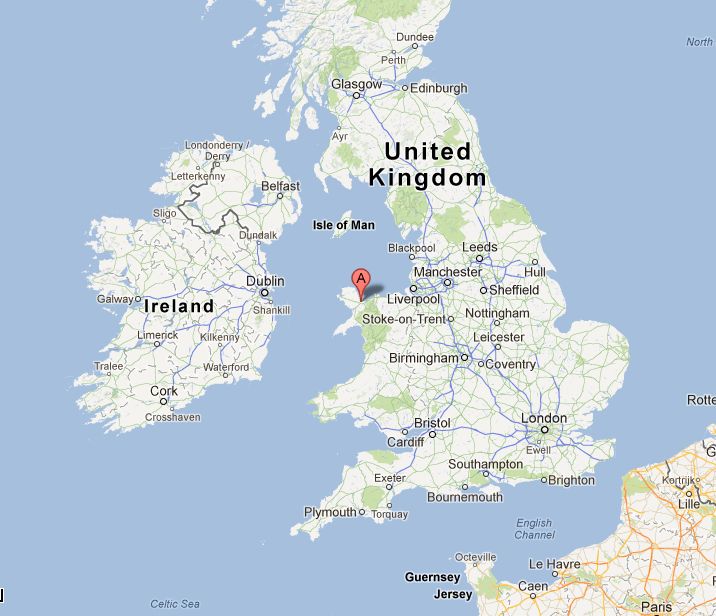
January 30, 1826. Workers completed construction of the first modern suspension bridge on this date. It was the Menai Bridge between Wales on the island of Great Britain and the smaller island of Anglesey, to the west. According to local reports about the bridge from nearly 200 years ago, travel in the strait between Wales and Anglesey was hazardous, due to shifting currents and unpredictable weather patterns. But the island of Anglesey had the Atlantic Ocean and Irish Sea to its west, and, especially after Ireland joined the United Kingdom in 1800, people increasingly wanted to use Anglesey as a jumping off point to reach the Emerald Isle by ferry boat.

A Scottish civil engineer, architect and stonemason named Thomas Telford designed the Menai Bridge. It’s a suspension bridge, with its deck (load-bearing portion) hung below suspension cables on vertical suspenders. Examples of this type of bridge were built in 15th century Tibet and Bhutan, but the Menai Bridge was heralded as the first modernsuspension bridge in the world.

The Menai Bridge reportedly stands 100 feet (about 30 meters) above the waters. It’s tall enough to allow sailing ships to pass underneath. It spans 579 feet (about 175 meters) from the Wales coast to the coast of Anglesey, and it’s supported by 16 large chains.

The chains has been changed out over the years to allow heavier truck traffic to pass through.

The Menai Bridge is still in use today.

Bottom line: On January 30, 1826, workers completed the Menai Bridge between Wales and Anglesey, the first modern suspension bridge in the world.

SOURCE::::  www.earthskynews.org

Natarajan

Why Pencil Lead is callled ” Lead ” ?

Why Pencil Lead is Called “Lead”

In the 16th century, a large deposit of pure, solid graphite was discovered in Borrowdale, England.  This was the first time in recorded history that high quality, solid graphite had been found.  When metallurgists first encountered this substance, they thought it was some sort of black lead, rather than a form of carbon.  Thus, they called it “plumbago”, which is derived from “plumbum”, which is Latin for “lead”.

It didn’t take people long to realize that solid sticks of high quality graphite were good for marking things. At that point, this newly discovered substance from the mines of Borrowdale became extremely valuable.  So much so that guards were eventually posted at the entrance to the mine and laws were passed to stop people from stealing the solid graphite.  In addition, once a sufficient stock of the graphite was mined, the mine itself would be flooded until more graphite was needed.

Of course, sticks of pure graphite are fairly brittle, so people started embedding them in various things such as hollowed out pieces of wood and also simply wrapped tightly in sheep skin.  Thus, the pencil was officially born with a core of solid graphite, which was known then as black lead.  The tradition of calling sticks of graphite “lead” has endured to this day.

Bonus Facts:

  • English speakers aren’t the only ones who still follow this misnomer.  The German word for “pencil” is actually “bleistifit”, which literally means “lead stick”.
  • Roman StylusThere was a form of writing instrument before the pencil called a stylus that sometimes was made of lead.  The stylus was a thin rod used originally by the Ancient Romans, and later by many others, for writing without ink.  The stylus was made with a very sharp point and could be used to write on wax tablets.  This was also a reusable form of writing in two ways.  First, each stylus generally had a blunt end for rubbing out some bit of writing on the wax.  Second, the entire wax tabled could be “erased” by simply warming up the wax sufficiently until the writing disappeared.  These stylus, which were occasionally made of lead due to its cheapness and how easy it is to work with, are sometimes said to be why we call pencil cores lead.  In fact, though, it is as stated above-  simply that people mistook graphite for a form of lead.
  • “Pencil” comes from the Latin “pencillus”, meaning “little tail”.
  • Graphite deposits have been found elsewhere, but nothing close to the purity and quality of the English find. Due to the impurities in these other deposits, the graphite from these must be crushed into a powder to filter out the unwanted bits.  Eventually, a method was found to use this powder in pencil form, by using clay as a binding agent.  But before then, England had a monopoly on the world’s pencil supplies because only their graphite deposit could be cut and made into high quality pencil form, without any other processing needed.
  • The method for being able to use graphite powder for use in pencils was independently discovered by both Frenchman Nicholas Jacques Conté, in 1795, and Austrian Joseph Hardtmuth, around 1790.   During the Napoleonic Wars, France wasn’t able to import pencils from Great Britain, which had the only supply of pure solid graphite in the world.  Nicholas Jacques Conté, who was an officer in the army, discovered that if you mix the graphite powder with clay, you can then form this mixture into sticks and fire this substance in a kiln.  You also can vary the clay/graphite ratio to achieve different levels of hardness and darkness.  This is more or less exactly how pencil cores are made to this day.
  • Conté was also the one that came up with the system to use numbers to signify the grade of the pencil, in terms of the hardness/darkness of the core.  This system was later adopted in the United States and is known as the Conté/Thoreau system (John Thoreau being the one who helped introduce it to the U.S.).  This system, translated to the European system, is as follows: #1 = B; #2 = HB; #2.5 = F; #3 = H; #4 = 2H.
  • The tradition to paint pencils yellow was started in 1890 by the L. & C. Hardtmuth Company of Austria-Hungary.  In 1890, they introduced the Koh-I-Noor brand of pencil, which was a top-tier pencil.  The name itself was after the famed diamond.  This pencil was extremely popular, due to its high quality. Thus, many other manufacturers copied the color to make their pencils look like  Koh-I-Noor brand pencils. Today, yellow is the most popular outer pencil color in the United States and various other countries.  However, in Germany and Brazil, green is the most popular color.  In Australia and India, red with black bands at one end wins out.
  • A certain type of lead (tetraethyl lead) was once commonly used in gasoline in order to reduce engine knocking (For more on this, see: Why Was Lead Added to Gasoline).  However, this had the negative side effect of releasing massive amounts of lead into the air, which is of course toxic to humans and to the environment in general.  So “Regular” gasoline has been phased out in most of the world in favor of “Unleaded”.


SOURCE:::: http://www.todayifoundout.com

Natarajan

Jan 29 2015

Image For the Day… Astronaut Buzz Aldrin in the Apollo 11 Lunar Module !!!

 Astronaut Buzz Aldrin in the Apollo 11 Lunar Module

This July 20, 1969 photograph of the interior view of the Apollo 11 Lunar Module shows astronaut Edwin E. “Buzz” Aldrin, Jr. during the lunar landing mission. The picture was taken by astronaut Neil A. Armstrong, commander, prior to the landing.

Buzz Aldrin was born in Montclair, New Jersey, on Jan. 20, 1930. Aldrin became an astronaut during the selection of the third group by NASA in October 1963. On Nov. 11, 1966 he orbited aboard the Gemini XII spacecraft, a 4-day 59-revolution flight that successfully ended the Gemini program. During Project Gemini, Aldrin became one of the key figures working on the problem of rendezvous of spacecraft in Earth or lunar orbit, and docking them together for spaceflight. Aldrin was chosen as a member of the three-person Apollo 11 crew that landed on the moon on July 20, 1969, fulfilling the mandate of President John F. Kennedy to send Americans to the moon before the end of the decade. Aldrin was the second American to set foot on the lunar surface.

Image Credit: NASA 

SOURCE::::: http://www.nasa.gov

Natarajan

Jan 22 2015


Beagle 2 Spacecraft… Lost in 2003 … Found in Mars in 2015 !!!

Long-Lost Spacecraft Spotted on Mars

Long-Lost Spacecraft Spotted on Mars

IT turns out the Beagle has landed after all — but it never called home.

The gone-but-not-forgotten spacecraft Beagle-2 went AWOL on Christmas Day, 2003, when it was supposed to land on Mars and start transmitting data back to Earth.

Instead, the British-built craft went dark. After several months, it was declared lost — presumed to have been destroyed during its approach or while trying to land on the red planet.

On Friday, more than 11 years later, European Space Agency officials reported that the Beagle-2 had been finally found — thanks to extensive detective work based on new photos taken by the high-resolution camera on NASA’s Mars Reconnaissance Orbiter.

DISCOVERY: Have scientists solved the Beagle 2 mystery?

The photos show the craft landed safely on Mars and partially deployed — but was unable to fully deploy and start communicating.

Still, it was a vindication of sorts for space scientists who had wondered for more than a decade about the fate of their pet project, which was designed to search for signs of life on Mars.

Rudolf Schmidt, ESA’s Mars Express project manager at the time, called the finding “excellent news.”

He said not knowing what happened to Beagle-2 had “remained a nagging worry.”

Soon after Beagle-2’s disappearance, NASA landed both Spirit and Opportunity near the Martian equator.

Both sent back troves of images and discoveries, providing the sort of information astronomers had been seeking when the first Mars probes began.

There it is ... This NASA annotated image shows a bright feature interpreted as the Beagl

There it is … This NASA annotated image shows a bright feature interpreted as the Beagle 2 Lander with solar arrays at least partially deployed on the surface of Mars. Pic: AFP PHOTO/NASA Source: AFP

Mars is notoriously hard to reach. In a half-century of launch attempts, more than half of the missions by various countries have failed to get off the ground on Earth or overshot Mars.

Landing on the red planet is particularly treacherous because of the thin atmosphere.

Incoming spacecraft travelling at 19,300kph have only minutes to slow to a stop.

The Martian terrain is also full of obstacles — boulders, cracks and cliffs — and a wrong move can doom a spacecraft.

The Mars Reconnaissance Orbiter, which has circled the planet since 2006, has periodically searched for spacecraft missing in action.

Still missing is NASA’s Mars Polar Lander, which lost contact during its arrival at the south pole in 1999.

Officials said careful analysis of the high-resolution photos showed the Beagle-2 had landed within its expected landing area in a basin close to the Martian equator. Signs of key entry and descent components were also spotted.

Identifying the craft was made more difficult by its small size — it is just over 1.8 metres wide with its solar panels unfurled.

 An undated computer generated image made available in London, Sunday June 1 2003 by the the European Space Agency, of the Ma...

Lost in space … A computer generated image of the Mars Express in orbit around Mars. Pic: AP Photo/European Space Agency Source: AP

The 143-pound Beagle-2 was named for the ship that carried naturalist Charles Darwin on his voyage of discovery in the 1830s.

It is shaped like an oversized pocket watch and was designed to descend through the Martian atmosphere, deploy parachutes, and “bounce” to a safe landing on inflatable bags.

Experts who helped identify the lander at the University of Arizona’s Lunar and Planetary Lab said the photographs are “consistent” with only a partial deployment of the Beagle-2 upon landing.

They said a failure to fully deploy would explain why no data or signals from the craft were ever received, since a complete deployment of all of its solar panels would have been needed for successful transmissions.

Alfred McEwen, chief investigator of the project, said the special camera had been used to search for all of the landers that have tried to descend to the surface of Mars.

“This the first time we found one that didn’t send a signal after it landed,” he said.

The Beagle has landed ... A computer-generated image showing the Beagle 2 Probe on surfac

The Beagle has landed … A computer-generated image showing the Beagle 2 Probe on surface of Mars. Pic: AP Photo/European Space Agency Source: AP

“If the landing sequence works correctly, the probe sends a radio signal, and you can use that to pinpoint where it is coming from, even if it broadcasts only very briefly. But in the case of Beagle-2, we didn’t get anything. All we had to go by was the target landing area.”

Experts who worked on the project said the Beagle-2 mission can now be classified a partial success — even if it never provided information about possible life on Mars.

UK Space Agency chief executive David Parker said the discovery of the craft showed its complex landing procedures had worked.

“This finding makes the case that Beagle-2 was more of a success than we previously knew and undoubtedly an important step in Europe’s continuing exploration of Mars,” he said.

The Beagle-2 was launched on ESA’s Mars Express orbiter. It was released from its mother ship on December 19, 2003, and was supposed to land six days later, but no communications with the lander were ever established.

Professor Mark Sims of the University of Leicester, who worked on the project, said the new information shows the team came extremely close to its goal of getting data from Mars, with the deployment failing only in its final stage.

“To be frank, I had all but given up hope of ever knowing what happened to Beagle-2,” he said, admitting he was troubled every Christmas Day by the unknown fate of the craft.

SOURCE:::: http://www.news.com.au

Natarajan

Jan 17 2015

Who Invented the Paper Clip … ?

The Invention of the Paperclip

The paperclip is today a ubiquitous item in offices and homes the world over. So who invented it?

One very popular false origin of the paperclip was that it was invented by Norwegian patent office manager, Johan Vaaler. He was even granted patents in Germany and the U.S. for a paperclip of similar design as the Gem style paperclip, which is the most commonly used paperclip today. However, Vaaler’s paperclip came after the Gem paperclip was already popular throughout Europe. His design was slightly different than the Gem paperclip in that it didn’t include the all too critical second loop that makes the Gem style much more functional. His paperclip had the papers inserted by lifting the outer wire slightly and pushing the papers into the clip such that the rest of the clip stood out from the paper at a 90 degree angle, which was necessary because of the lack of the critical second loop to allow the papers to be more or less embedded in the clip flatly.

This also made it so the papers wouldn’t be held together very well as they relied only on how bendable the wire used was to hold the papers. The Gem style paperclip, on the other hand, exploits the torsion principle to help bind papers together. Vaaler’s design was never manufactured or sold and his patents eventually expired.

Why Vaaler gets the credit in so many places, including in many encyclopedias and dictionaries after the 1950s, is largely thanks to a patent agency worker who was visiting Germany to register Norwegian patents in the 1920s. When he was doing so, he noticed Vaaler’s design for the paperclip and wrote an article stating Vaaler was the original creator of the paperclip.

This misinformation found its way into encyclopedias around the 1950s thanks to WWII. During WWII in Norway particularly, along with France and some other occupied countries, the paperclip became a symbol of unity for those rebelling against the Germans. It is not thought that the Norwegians did this because they thought a Norwegian had invented the paperclip, but rather because it simply signified being bound together and was useful as it wasn’t initially a banned symbol or item by the Germans and could be easily clipped to one’s clothing. Eventually, the Germans caught on and people were prohibited from wearing paperclips.

After the war, the fact that the Gem style paperclip had served as a symbol of unity resulted in interest in the origin of the paperclip, at which point the article written by the patent agency worker and the subsequent patent by Vaaler, who was now long dead, was discovered. It was overlooked, of course, that his design was different than the Gem style paperclip and apparently they didn’t bother checking that the Gem style paperclip had already been around by the time Vaaler patented his version of the paperclip. It made a good story though, particularly after the war and how the paperclip was used in Norway among other places, and so this false origin subsequently found its way into many encyclopedias.

The myth is so popular, in fact, that a Gem style, 23 foot tall paperclip was placed near a university in Oslo in 1989 to honor Vaaler, who in fact had nothing to do with the Gem style paperclip design. Further, a commemorative stamp was created honoring Vaaler that also depicted the Gem style paperclip, not Vaaler’s design.

Another false origin of the modern day paperclip often attributes it to Herbert Spencer, who was the man who came up with the term “survival of the fittest”. He claims in his autobiography that he invented a pin that bound papers together. This led to the false belief that he invented the paperclip. In fact, though, his drawing of his binding pin looked more like a cotter pin and, thus, held papers together more like Vaaler’s design. Unlike Vaaler’s design though, this cotter pin style clip wouldn’t stick out nearly as much and, thus, was a bit more functional.

So who really invented the paperclip as we know it today? It is thought to have first been made by the Gem Manufacturing Company in Britain around the 1870s and later introduced to the United States around the 1890s. This is also why the Swedish word for paperclip is “gem”. As for who within that company invented it, this isn’t known, as it was never patented nor did they realize at the time how historically significant that little invention would be, so nobody bothered to save the documentation of the invention.

SOURCE:::: http://www.today i foundout.com

Natarajan

Jan 16 2015

Image of the Day…. Jan. 12, 1986 Early Morning Space Shuttle Launch !!!

On Jan. 12, 1986, the space shuttle Columbia launched at 6:55 a.m. EST from Kennedy Space Center on the STS-61C mission. It was the first spaceflight for now-NASA Administrator Charles F. Bolden, who was a Pilot on the STS-61C crew along with Mission Commander Robert L. Gibson, Mission Specialists Franklin R. Chang-Diaz, Steven A. Hawley and George D. Nelson and Payload Specialists Robert J. Cenker of RCA and U.S. Rep. (now Senator) Bill Nelson. During the six-day flight, crew members deployed the SATCOM KU satellite and conducted experiments in astrophysics and materials processing. The mission was accomplished in 96 orbits of Earth, ending with a successful night landing at Edwards Air Force Base, California, on Jan. 18, 1986. Image Credit: NASA

SOURCE:::: http://www.nasa.gov

Natarajan

Jan 14 2015

” சுப்‌பா ராவ் …. மறக்கப்பட்ட ஒரு மா மேதை … “

சுப்பாராவ் சுப்பாராவ்

இந்திய அறிவியல் மேதை ஒருவர் புறக்கணிக்கப்பட்டதன் துயர வரலாறு!

அண்மையில் ஒரு கருத்தரங்கில் எல்லாப்ரகத சுப்பாராவைப் பற்றி ஓர் அமெரிக்க விஞ்ஞானி குறிப்பிட்டபோது அங்கிருந்த பலர், ‘யாரது?’ என்று கேட்டார்கள். அப்போது எழுந்த எனது வருத்தத்தின் விளைவே இந்தக் கட்டுரை.

ஆந்திரத்தில் உள்ள பீமாவரத்தில் 12.1.1895-ல் பிறந்தார் சுப்பா ராவ். பள்ளியில் படித்துக்கொண்டிருந்தபோது தந்தை இறந்ததால், படிப்பில் கவனம் செல்லவில்லை. என்றாலும், ஏதாவது பெரிய சாதனைகளைச் செய்து பெயரும் புகழும் பெற வேண்டுமென்ற ஆர்வம் அவருக்கு இருந்தது. தனது 13-வது வயதில் காசிக்குப் போய் வாழைப்பழ வியாபாரம் செய்து நிறையப் பணம் சம்பாதிக்க முயற்சி செய்தார்.

ஆனால், அவருடைய தாயார் அவரைத் திரும்ப அழைத்துவந்து, சென்னையில் ஹிந்து உயர்நிலைப் பள்ளியில் சேர்த்துவிட்டார். ஒருவழியாக மூன்று படையெடுப்புகளுக்குப் பின் மெட்ரிகுலேஷன் தேர்வில் வெற்றி பெற்றார் சுப்பா ராவ். நண்பர்களும் கஸ்தூரி சூரியநாராயண மூர்த்தி என்ற உறவினரும் பண உதவி செய்ததால் சென்னை மருத்துவக் கல்லூரியில் சேர்ந்து படித்தார். பிற்பாடு, அந்த உறவினரின் மகளைத் திருமணமும் செய்துகொண்டார்.

பட்டம் இழந்தார்

காந்தியின் விதேசிப் பொருள் பகிஷ்கரிப்புப் போராட்டத்தால் கவரப்பட்டு, கதர் துணியாலான கோட்டுகளை அணிந்து, கல்லூரிக்கு வரத் தொடங்கினார். அவருக்கு அறுவையியல் துறை ஆசிரியராக இருந்த பிராட்ஃபீல்டுக்கு அது அதிருப்தியைத் தந்தது. தேர்வுகளில் சுப்பா ராவ் சிறப்பாக விடையளித்திருந்தபோதிலும் அவருக்கு எம்.பி.பி.எஸ். பட்டம் கிடைக்க விடாமல் தடுத்து, எல்.எம்.எஸ். என்ற கீழ்நிலைச் சான்றிதழை வழங்கச் செய்துவிட்டார். அடுத்து, சுப்பா ராவ் சென்னை மருத்துவ சேவை அரசுப் பணியையும் பெற விடாமல் பிராட்ஃபீல்ட் முட்டுக்கட்டை போட்டார்.

சென்னையில் இருந்த டாக்டர் லட்சுமிபதியின் ஆயுர்வேதக் கல்லூரியில் உடற்கூறியல் விரிவுரையாளராகப் பணியில் சேர்ந்தார் சுப்பா ராவ். ஆயுர்வேத மருந்துகளின் நோய் தீர்க்கும் திறன்களால் கவரப்பட்ட சுப்பா ராவ், மேலைநாட்டுப் பகுப்பாய்வு முறைகளில் பரிசோதித்து ஆயுர்வேதத்தை நவீனப்படுத்த முனைந்தார்.

உயிரி வேதியியலில் பட்டம்

ராக்ஃபெல்லர் கல்விக்கொடைத் திட்டத்தின் உதவியுடன், இந்தியாவுக்கு வந்திருந்த ஓர் அமெரிக்க மருத்துவருடன் தற்செயலாக நிகழ்ந்த சந்திப்பு அவருடைய மனதை மாற்றியது. அறக்கொடை ஒன்றின் ஆதரவையும் மாமனாரின் பண உதவியையும் பெற்று சுப்பா ராவ் 1922-ம் ஆண்டு அக்டோபர் இறுதியில், அமெரிக்காவில் உள்ள பாஸ்டன் நகருக்குப் போய்ச் சேர்ந்தார்.

ஹார்வர்ட் மருத்துவப் பள்ளியில் சேர்ந்து, வெப்பமண்டல நோய் மருத்துவத்தில் டிப்ளமா பட்டம் பெற்றார். அதன் பின்னர், மருத்துவத் தொடர்பில்லாத உயிரி வேதியியல் பயின்றார். அடுத்து, அதே பள்ளியில் ஓர் இளநிலை ஆசிரியராகச் சேர்ந்தார். அவருக்கு உயிரி வேதியியலில் ஆர்வம் மேலிட்டு, அத்துறையில் டாக்டர் பட்டம் பெற்றார். திசுக்களிலும் உடல் திரவங்களிலும் பாஸ்பரஸின் செறிவை அளவிட ஓர் உத்தியை சுப்பா ராவ் கண்டுபிடித்தார். சில குறிப்பிட்ட வளர்சிதை மாற்றக் கோளாறுகளைக் கண்டறிய அவருடைய உத்தி இன்றளவும் பயன்படுத்தப்பட்டுவருகிறது. தசைச் செயல்பாடுகளில் பாஸ்போ கிரியேட்டின் அடினோசைன் டிரைபாஸ்பேட் ஆகியவற்றின் பங்குபற்றி அவர் கண்டுபிடித்த விவரங்கள் அமெரிக்காவில் பயன்படுத்தப்படும் உயிரி வேதியியல் பாடநூல்களில் இடம்பிடித்திருக்கின்றன.

அவருடைய ஆய்வு வழிகாட்டியாக இருந்த சைரஸ் ஃபிஸ்கி, சுப்பா ராவின் பங்களிப்பை மறைத்து அதற்கான பெருமையைத் தனதாக்கிக்கொண்டார். அதன் காரணமாக, சுப்பா ராவுக்கு ஹார்வர்ட் பள்ளியில் நிரந்தரமான பணி கிடைக்காமல் போயிற்று.

பாஸ்பரஸ் கொள்கை தவறு

அடுத்து, சுப்பா ராவ் பாஸ்பரஸின் வளர்சிதை மாற்றத்தைப் பற்றி ஆய்வு செய்தார். அதற்கு முன்பே ஆர்ச்சிபால்ட் ஹில், ஆட்டோ மெயர்ஹாஃப் என்ற இரு ஆய்வர்கள் அதை ஆராய்ந்து ஒரு கொள்கையை உருவாக்கி, அதற்காக 1922-ம் ஆண்டில் நோபல் பரிசையும் வென்றிருந்தார்கள். சுப்பா ராவ் அந்தக் கொள்கை தவறானது என்று நிரூபித்தார். அதன் காரணமாக உயிரி வேதியியல் ஆய்வு வட்டாரத்தில் பெரும் சர்ச்சை எழுந்தது. சுப்பா ராவின் கண்டுபிடிப்புக்கான அங்கீகாரம் கிடைப்பதும் தாமதமாயிற்று.

தசைகளுக்குத் தேவையான ஆற்றல் பாஸ்போ கிரியேட்டின், அடினோசைன் டிரைபாஸ்பேட் ஆகியவற்றிலிருந்தே கிடைக்கிறது என்று சுப்பா ராவ் நிரூபித்தார். அதற்கான பெருமையையும் ஃபிஸ்கியே தனதாக்கிக்கொண்டார். எனினும், அவருடைய சக ஆய்வர்களுக்கு சுப்பா ராவின் பங்களிப்பு தெரிந்தேயிருந்தது. பத்தாண்டுகளுக்கும் மேலாக ஹார்வர்ட் பல்கலைக்கழகம் சுப்பா ராவுக்குப் பயிற்சியும் உறைவிடமும் அளித்தபோதிலும் அவருக்குத் தேவையான ஆய்வக வசதிகளை வழங்கவில்லை. இதனால் மனம் கசந்த சுப்பா ராவ், அங்கிருந்து விலகி லெடர்லி ஆய்வகத்தில் பணியில் சேர்ந்தார்.

கீமோதெரபியின் முன்னோடி

அங்கு அவர் வைட்டமின்களைப் பற்றியும் நுண்ணுயிர்க் கொல்லிகளைப் பற்றியுமான ஆய்வுகளில் பங்கேற்றார். பன்றியின் கல்லீரலிலிருந்து ஃபோலிக் அமிலத்தைப் பிரித்தெடுக்கும் முறையைக் கண்டுபிடித்தார். அடுத்து ஒரு நுண்ணியிரிக் கரைசலை நொதிக்க வைத்து, அதிலிருந்து ஃபோலிக் அமிலத்தைப் பிரித்தெடுக்கச் செலவு குறைவான ஒரு முறையை உருவாக்கினார். அதையடுத்து வேதிமுறையில் ஃபோலிக் அமிலத்தைச் செயற்கையாக உற்பத்தி செய்யும் முறையையும் கண்டுபிடித்தார்.

ஃபோலிக் அமிலம் ரத்த சோகைக் கோளாறைக் குணப்படுத்த உதவும். சிட்னி ஃபார்பர் என்ற ஆய்வருடன் சேர்ந்து மித்தோட்ரெக்சேட் என்ற புற்றுநோய் எதிர்ப்பு மருந்தை உருவாக்கினார். புற்றுநோய்க்கான கீமோதெரபிக்காக முதன்முதலாக உருவாக்கப்பட்ட வேதி மருந்து அதுவே. இன்றளவும் அது பரவலாகப் பயன்படுத்தப்பட்டுவருகிறது. உலக சுகாதார நிறுவனத்தால் (W.H.O.) யானைக்கால் வியாதியைத் தடுக்கப் பயன்படுத்தப்படும் ஹெட்ராசான் என்ற மருந்தையும் சுப்பா ராவ் கண்டுபிடித்தார்.

மண் மாதிரிகளின் சேகரம்

இரண்டாம் உலகப் போர் முடிந்து, ஊர் திரும்பிக்கொண்டிருந்த அமெரிக்கப் படை வீரர்களைத் தாம் சென்ற இடங்களில் இருந்தெல்லாம் மண் மாதிரிகளைச் சேகரித்து வருமாறு லெடர்லி ஆய்வகம் கோரியது. அவ்வாறு சேகரிக்கப்பட்ட பல்லாயிரம் மண் மாதிரிகளிலிருந்து சுப்பாராவும் பெஞ்சமின் டுக்கர் என்ற தாவரவியல் நிபுணரும், நுண்ணுயிரிகளை அழிக்கும் திறன் பெற்ற கிருமிகளையும் பூஞ்சைகளையும் பிரித்தெடுத்தனர். அவ்வளவு பெரிய எண்ணிக்கையிலான மண் மாதிரிகளை அதுவரை எந்த ஆய்வர்களும் பகுப்பாய்வு செய்ததில்லை என்ற வகையில், அது ஒரு உலக சாதனை என்று பாராட்டப்பட்டது.

குழந்தைகளைக் காத்தவர்

குழந்தைகளைப் பீடிக்கும் லூகோமியா ரத்தப்புற்று நோயைக் குணப்படுத்தும் எதிர்ஃபோலிக் அமிலம் ஒன்றை சுப்பா ராவ் உருவாக்கியதன் மூலம், பல குழந்தைகளை மரணத்திலிருந்து மீட்க உதவியிருக்கிறார்.

இவ்வளவு சாதனைகளைச் செய்த பின்னரும், சுப்பா ராவ் எல்லாப் பெருமையும் சக ஆய்வர்களுக்கே என்று சொல்லி ஒதுங்கிக்கொண்டார். அதன் காரணமாக, அவருக்கு ஏராளமான வருமான வாய்ப்புகள் கைநழுவிப்போயின. அவருக்கு வியாபார சாமர்த்தியமே கிடையாது என்று ஒரு காப்புரிமை வழக்கறிஞர் சலித்துக்கொண்டார். எனினும், மருத்துவ அறிஞர்கள் எல்லோருமே அவரது பங்களிப்பை அங்கீகரித்தார்கள். சுப்பா ராவுடன் பணியாற்றியவரான ஜார்ஜ் ஹிட்சிங்ஸ் 1988-ம் ஆண்டில் ஜெர்ட்ரூட் எலியான் என்பவருடன் உடலியக்கவியலுக்கான நோபல் பரிசைப் பங்கிட்டுக்கொண்டவர். சுப்பா ராவின் கண்டுபிடிப்புகளை ஃபிஸ்கி மறைத்துவைத்ததன் காரணமாக, அவர் கண்டு

பிடித்து வைத்திருந்த பல நியூக்ளியோடைடு வகைச் சேர்மங்களைப் பல ஆண்டுகள் கழித்து மீண்டும் புதிதாகக் கண்டுபிடிக்க நேர்ந்தது என்று ஹிட்சிங்ஸ் புலம்பியிருக்கிறார். சுப்பா ராவின் தன்னலமற்ற இந்தக் குணமே, நோபல் பரிசை அவர் வெல்லும் வாய்ப்புகளை இழக்கச் செய்தது. நோபல் பரிசுக்குரியவர்களைத் தேர்வு செய்யும் ஸ்டாக்ஹோம் கரோலின்ஸ்கா ஆய்வுக் கழகத்தில் பேராசிரியராக இருந்த எரிக் ஜோர்ப்ஸ், மருத்துவ வேதியியல் களத்தில் முக்கியமான சாதனைகளைப் படைத்தவர்களில் ஒருவர் சுப்பா ராவ் எனப் புகழ்கிறார்.

அமெரிக்காவின் சையனமிட் ஆய்வகம் தான் கண்டுபிடித்த பூஞ்சை ஒன்றுக்கு சுப்பா ராவின் பெயரைச் சூட்டியுள்ளது. சுப்பா ராவ் 1948 ஆகஸ்ட் 9-ம் நாள் நியூயார்க்கில் காலமானார். அப்போது அவருக்கு 53 வயதுதான். “டாக்டர் சுப்பா ராவைப் பற்றி நீங்கள் கேள்விப்படாமல் இருக்கக் கூடும். ஆனால், அவர் வாழ்ந்ததால்தான் நீங்கள் இன்று உயிருடன், தேக நலத்துடன் வாழ்கிற வாய்ப்பு கிட்டியிருக்கிறது. நீங்கள் இன்னும் பல காலம் உயிர் வாழ்வதற்குக்கூட அவர் காரணமாக இருக்கக்கூடும்” என்று டோரன் ஆன்ட்ரிம் என்னும் மருத்துவ நிபுணர் 1950, ஏப்ரல் மாதத்திய ‘ஆர்கோசை’ என்ற சஞ்சிகையில் எழுதியிருக்கிறார்.

– கே.என். ராமசந்திரன்,
பேராசிரியர், ஓய்வு

SOURCE::::  www.tamil.thehindu.com.
Natarajan
Jan 12 2015

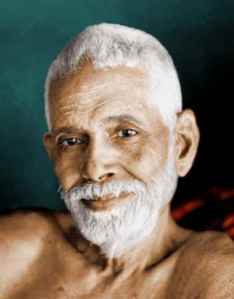
ரமணர் வாழ்வில்…. சுவையான நிகழ்ச்சிகள்…Part 5

முழு தியான நிலை என்பது கிணற்றில் கயிற்றால் கட்டித் தொங்கும் குடம் (தோண்டி) போன்றது. குடத்தில் உள்ள தண்ணீர் (மனம்),கிணற்றில் குடம் அமிழும்போது கிணற்று நீருடன் (ஆன்மா)ஒன்று கலந்து விடுகிறது. ஆனாலும் குடத்தில் நிரம்பிய நீரோ, கயிற்றின் (அகந்தையின்) மற்றொரு நுனியால் வெளியே இழுக்கப்பட்டுவிடும்.

–பகவான் ஸ்ரீ ரமண மகரிஷி

விரூபாட்ஷி குகையில் பகவான் இருந்தபோது கண் பார்வை இல்லாத ஒரு பாட்டி,தினமும் தட்டுத் தடுமாறி யார் உதவியுடனாவது மலை ஏறி வந்து, பகவானுக்கு ஏதாவது அன்புடன் தருவாள்.

அன்றைய தினம், பாட்டி பகவானுக்கு மிகவும் பிடித்த அரிசிப் பொரியைக் கொண்டு வந்தாள்.ரமண மகரிஷியும் அதை அன்புடன் பெற்றுக் கொண்டு, “பாட்டி, உனக்கோ முடியவில்லை. கண் பார்வையும் இல்லை. எதற்காக இவ்வளவு கஷ்டப்பட்டு மலையேறி வருகிறாய்?’’என்று வினவினார்.

அந்தப் பாட்டி, “பகவானே, உங்களை தரிசனம் செய்யத்தான் வருகிறேன்’’ என்றாள்.

”நீதான் என்னைப் பார்க்க முடியாதே? கீழேயிருந்தே என்னை நினைத்துக் கொள்ளக் கூடாதா?’’ என்றார் பகவான்.

”பகவானே, என்னால் உங்களைப் பார்க்க முடியாதுதான். ஆனால் உங்கள் அருட்பார்வை என் மீது விழுமே.அந்த பாக்கியத்துக்காகத்தான் நான் தினமும் வருகிறேன்’’ என்றாள் பாட்டி.

ஓம் நமோ பகவதே ஸ்ரீ ரமணாய!! 


SOURCE:::: http://www.balhanuman.wordpress.com

Natarajan