A Manipur farmer grows black rice that cures cancer….

Potshangbam Devakanta from Manipur shows the way in conserving the biodiversity of the state, farming around 100 traditional varieties of paddy and rare medicinal plants, finds Manu A B/Rediff.com.

Image: Devakanta has succeeded in persevering 100 traditional varieties of paddy. Photographs, courtesy: Devakanta

When farmers across India are grappling with weather woes and poor yields, Devakanta from Manipur has succeeded in adopting smart and eco-friendly methods of farming to ensure the harvest is satisfactory year after year.

Like thousands of farmers in India, 60-year-old Devakanta too toils in the paddy fields in Imphal for long hours.

What makes him different from other farmers is his passion to conserve a wide variety of rice in his organic farm, including cancer-curing black rice, called ‘chakhao poireiton’ and drought resistant varieties.

Image: Devakanta’s organic farm is an insiration for many farmers.

He has so far succeeded in persevering 100 traditional varieties of paddy and is cultivating 25 varieties of rice in his lush green farm.

Despite India being one of world’s biggest producers of rice, little is known about the rich variety of rice that is grown across the country.

Manipur has a treasure trove of rice varieties, which can be grown in other states, which too face vagaries of nature.

Image: Devakanta won the PPVFRA conservation award.

Devakanta, who won the PPVFRA conservation award (Protection of Plant Varieties And Farmers Rights Act) in 2012, also cultivates 5 varieties of the rare and highly nutritious variety of black rice, called ‘chakhao poireiton’.

He has travelled all over Manipur, collecting different types of rice – from drought-resistant white rice (crop which needs less water), brown rice and black rice. Manipur is famous for black rice, which has several medical properties as well.

“In Manipur, farmers grow about 20 varieties of black rice and chakhao protein is the best variety.

Image: ‘Black rice, ayurvedic medicines and organic food can lead to a complete cancer cure.’

It has a relatively high mineral content, including iron and amino acids. There are several cases where even cancer patients got cured by having this black rice,” says Devakanta.

Devakanta is currently working with about 200 farmers to increase the cultivation of chakhao poireiton in their farms as well. He inspires other Manipuri farmers to grow this rare rice.

“I am recommending chakhao poireiton to cancer patients who seek my advice. Considering the high prices of allopathic drugs which also have terrible side effects, it is advisable to have black rice. Black rice, ayurvedic medicines and organic food can lead to a complete cancer cure,” explains Dr Anjali Pathak, naturopath and organic consultant.

Image: Devakanta sells organically grown black rice from his farm for just Rs 150.

The rice is also good to fight dieases like viral fever, dengue, chikungunya or influenza.

While some e-commerce sites sell black rice for Rs 300-350 a kg, Devakanta sells organically grown black rice from his farm for just Rs 150.

“I have adopted organic methods of farming. I have also succeeded in convincing many farmers to switch to organic farming. It’s high time we stopped using harmful insecticides and fertilisers. The soil here is very fertile and it is our duty to maintain by using only natural manures and bio-agents to protect the crop,” explains Devakanta.

Image: The produce is high on nutritional value and ensures people who consume it are healthy and have a longer life span.

Many people know that he has an organic farm. So they come to him to buy different varieties of rice. However, if he gets the organic certification, he can package the rice better and sell it for a higher price.

“I don’t have the money to get an organic certification done. I don’t look at the profit aspect. I am more focused on how I farm. Now people who know me buy from my farm. Manipur is one of the few states in India where there is great awareness among people to curb the use of chemicals and fertilizers,” says Devakanta.

There are groups formed by local people who charge a penalty if anyone is found using chemical fertilisers in some districts.

“Traditional methods of farming do not give much yield. From a hectare, I get just 2-3 tonnes of rice every year. However, the produce is high on nutritional value and ensures people who consume it are healthy and have a longer life span, explains Devakanta.

Manipur is a hilly area and farming is done at different altitudes. Most villages are not connected by motorable roads.

Most of the time, Devakanta and his assistants walk for 2-3 days to reach the villages to collect plants and seeds of indigenous crops.

Image: An e-commerce site to sell his products would have helped farmers like Devankanta get good exposure.

Besides the infrastructural issues, there is threat from militant groups who can field workers. “I was once caught by militants. They demanded money. Luckily they let me go after I convinced them that I am a farmer,” says Devankanta.

Farmers like Devakanta need a proper godown to store the rice, machinery to clean and sort the rice, packaging machine machine,  computers to keep stock of the inventory, cameras to document the rice varieties and medicinal plants for the benefit of researchers, funds to train the farmers in better methods of organic farming and plant protection.

An e-commerce site to sell his products would have helped farmers like him get good exposure.

Several farmers will stop growing their unique rice varieties unless they have an incentive to grow it on a large scale. Therefore, Devakanta has turned into a small scale entrepreneur to encourage these small farmers to continue growing their indigenous rice varieties. He buys the harvested rice from the small farmers and is willing to supply it in bulk to buyers in any part of India,” says Anjali pathak.

Devakanta and many farmers like him are looking for support to sustain agriculture.

“The government is not doing enough to promote agriculture. Farmers who do organic farming should be given more incentives. Scientists too must work towards growing better varieties of paddy and other crops so that weather will not spread havoc on crop yield,” says Devakanta.

Devakanta also cultivates one of the hottest varieties of chilli called ‘Bhut jolokia’. It is grown in Assam and Nagaland as well but the Manipuri chilli is considered to be better.

Image: ‘Our nature is blessed with plants that can save us from several ailments.’

Though there is a good demand for this chilli, Devakanta needs funds to buy a sturdy drier to dry the ‘bhut jolokia’ chilis during the peak season.

Devakanta is also conserving medicinal plants of Manipur. He runs an NGO called All Manipur Medicinal and Aromatic Plant Growers’ Consortium.

“We have several high medicinal value plants, some of which are good to cure cancer. Several aromatic plants can be used as inset repellents also. It is difficult to grow and maintain medicinal plants. Our nature is blessed with plants that can save us from several ailments. It is important to protest our naturally available medicinal plans before many varieties get extinct,” says Devakanta.

“Devakanta’s major challenge is to find a place to store harvested rice and spices, dry them, clean and grade it according to the quality. With proper infrastructure in place, Devakanta can provide employment to a few locals and also bring Manipur on the organic map of India,” says Anjali Pathak.

If you want to know more about Devakanta’s initiatives, you can reach him at 09862565030 / 09774269517.

Source…….Manu A B  in http://www.rediff.com

Natarajan
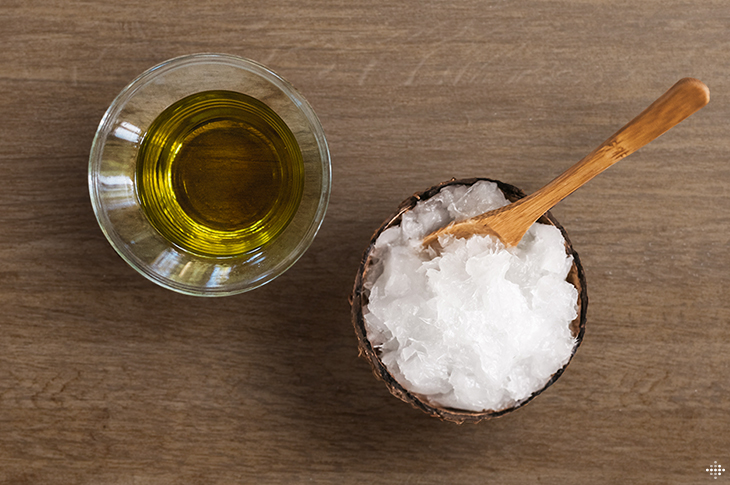
Fat Face Off: Extra Virgin Olive Oil vs. Virgin Coconut Oil….Which one is Good For Our Health ?

101515_OliveCoconutOil_Blog_730x485

Did you jump for joy when you heard coconut oil was no longer on the “bad foods” list? If you’re one of the many doing cartwheels down supermarket aisles and piling your cart high with every coconut item on the shelf, you may want to read on to find out if your jubilation is truly justified.

When comparing coconut oil to other fats, it does have some redeeming qualities. However, it’s not exactly the healthiest oil out there. It just doesn’t measure up when you pit virgin coconut oil(VCO), which is mechanically extracted from the coconut meat or milk, against extra virgin olive oil (EVOO), the juice squeezed or cold pressed directly from the olive fruit. (Neither oil extraction process involves the use of potentially harmful chemicals.) Take a look at how they fare against each other in five categories: fats, vitamins, antioxidants, health benefits, and cooking.

Extra Virgin Olive Oil

Virgin Coconut Oil

Nutrition Facts:
Serving Size: 1 tablespoonAmount Per ServingCalories 120Total Fat 14 g

  • Saturated Fat 15%*
  • Monounsaturated Fat 74%*
  • Polyunsaturated Fat 11%*
  • Trans Fat 0%*

Cholesterol 0%*

Vitamin E about 2mg

Vitamin K about 8µg

Polyphenol Antioxidants at least 36

*percent of total fat value

Nutrition Facts:
Serving Size: 1 tablespoonAmount Per ServingCalories 120Total Fat 14 g

  • Saturated Fat 88%*
  • Monounsaturated 7%*
  • Polyunsaturated Fat 2%*
  • Trans Fat 0%*

Cholesterol 0%*

Vitamin E about 0.01mg

Vitamin K 0.1µg

Polyphenol Antioxidants about 6

*percent of total fat value


Winner in the Fats Category: EVOO

The great news is both oils are very low in the worst type of fat—trans fat. But that’s where the similarity ends. EVOO is predominantly heart-healthy monounsaturated fat, while VCO is almost 90% saturated fat (that’s almost double the amount found in butter!). Some research shows coconut oil, which contains lauric acid, a medium chain triglyceride (or MCT) that is easier to burn as energy and less likely to be stored as fat, has the potential to increase good HDL cholesterol levels. Unfortunately, less than half of the saturated fat is lauric acid—the other half is still harmful saturated fat. And even through saturated fats aren’t all bad for us, they haven’t been proven healthy either. It’s still a good idea to limit total saturated fat, including from tropical oils like coconut, as the evidence backing the health benefits of diets low in saturated fat is just too strong to ignore.

Winner in the Vitamins Category: EVOO

The only notable micronutrients the oils contain are vitamin E, an antioxidant shown in studies to have properties that may protect against heart disease and certain cancers, and vitamin K, which is essential for blood clotting and healthy bones. And in this case, the olive is mightier than the coconut, as EVOO contains 160 times more vitamin E and 120 times more vitamin K than VCO.

Winner in the Antioxidants Category: EVOO

The main antioxidants you’ll find in both oils are polyphenols. EVOO contains significantly higher levels (40 times more!) with at least 36 different polyphenols—that’s a lot of highly bioavailable, disease-fighting antioxidants. VCO only contains about six different polyphenols.

Winner in the Health Benefits Category: EVOO

There is an enormous body of evidence supporting the health benefits of EVOO. The high levels of monounsaturated fats and antioxidants in EVOO, have been shown to improve heart health, aid weight control, decrease the body’s inflammatory response, and reduce the risk of certain cancers.

Until more research is conducted, the same cannot be said about VCO. Although it has been linked to many conditions, including weight loss, cholesterol, diabetes, chronic fatigue, Crohn’s disease, irritable bowel syndrome, and thyroid issues, there is insufficient scientific evidence to rate the effectiveness of coconut oil.

Winner in the Cooking Category: EVOO

Unrefined oils like EVOO and VCO have lower smoke points (the temperature at which oils begin to smoke and become less healthy) than refined versions. According to the International Olive Council, EVOO has a smoke point roughly around 410°F, making it great for sautéing, frying, and baking (below 410°F). VCO has a lower smoke point (up to 350°F) and is best used when sautéing over medium heat, or as a replacement for butter or shortening for medium-heat baking.

Overall Champion: Extra Virgin Olive Oil!

EVOO is the stand out winner when it comes to levels of heart-healthy, monounsaturated fats, vitamins, antioxidants, health benefits, and cooking. Virgin coconut oil can be used occasionally when a recipe calls for a solid fat, such as butter or shortening, or when cooking Asian cuisine—but adding oodles of the stuff to your morning smoothie isn’t going to do you any good. For undisputed health-boosting benefits, make extra virgin olive oil your go-to.

source….Tracy Morris in http://www.blog.fitbit.com

Natarajan

Tracy Morris holds a master’s degree in nutrition and dietetics. She has owned a nutrition consultancy and worked in private practice in Sydney, Australia and Cape Town, South Africa. Over the past 15 years, Tracy has lived in five different countries and has inspired people around the globe to be healthy. Currently, she is happily settled in Northern California where she writes, practices Pilates, runs after her three kids, and sips pinot noir with her husband.


Message for the Day…” You Need Determination to Face the Challenges in your Life with Utmost Faith in God…”

Sathya Sai Baba

Have high aims in life. Set before yourselves the examples of great men and women who have figured in the history of our country and the world. Take a lesson from their life of sacrifice and heroism. You need determination to face the challenges of life which is filled with ups and downs, successes and failures, and joys and sorrows. These challenges have to be faced with faith in God. The mind should not be allowed to waver and hop from one thing to the other. A steady mind is the mark of a truly educated person. Life should be governed by definite regulations. Self-control is essential for leading a righteous life. Our culture has always laid stress on the well-being of all. You should not be overwhelmed by difficulties that you may encounter in life. They are all transient; they come and go. The source of enduring bliss is within you. Do not give way to weakness of will.

Images of the Day….Hunter’s Moon

See it! Great photos of Hunter’s Moon

Thanks to all friends who shared your fantastic images of the October 2015 full moon – Northern Hemisphere’s Hunter’s Moon – shining down on all the world.

Everything you need to know: Hunter’s Moon 2015

Photo by James Younger at Vancouver Island.

Photo by James Younger who wrote: “Hello and good morning to you! Truly one of my best wild life experiences ever while photographing the moon. I had to keep stopping taking photographs because Smokey my dog was swimming with the whales 30 feet off shore and would not come back to land. I was stuck between exhilarated and freaked out as I could see the whales breaching near Smokey … an awesome night out on the shore of Vancouver Island.” P.S. Smokey came back.

October 27, 2015 moon in Spain by Javier Martinez Moran.

October 27, 2015 moon in Spain by Javier Martinez Moran.

Lynne Pitts took this photo in New Hampshire on October 26, 2015.  Lynne wrote,

Lynne Pitts took this photo in New Hampshire on October 26, 2015. Lynne wrote: “Went to  the lake to enjoy the sunset and the moonrise. Had a beautiful evening with soft colors and a spectacular moon.”

Moonrise, New Delhi, India, October 25, 2015. Photo: CB Devgun

New Delhi skyline seen as a planet – with a moonrise to one side – a panoramic view! Photo taken from New Delhi, India on October 25, 2015 by CB Devgun.

“This is my wife and my two kids watching tonight’s full moon rise above the horizon … The moon is somewhat deformed in the lower half due to atmospheric refraction.” By FotografGöranStrand on Facebook

Moon on a cloud. Photo: Dinh Nguyen

Moon on a cloud. Photo by Dinh Nguyen

“Spooky moonrise behind clouds from southern Wisconsin, October 26, 2015.” Photo by Suzanne Murphy

Boston, Massachusetts Photo: KL Chipman

Boston, Massachusetts Photo: KL Chipman

Monterrey, Mexico, October 26, 2015. Photo: Raúl Cortés

Monterrey, Mexico, October 26, 2015. Photo: Raúl Cortés

Hunter's Moon, taken by Donna Matthie Pray. October 26, 2015 at Mud Lake in DePeyster, New York

Hunter’s Moon, via Donna Matthie Pray. October 26, 2015 at Mud Lake in DePeyster, New York

Source….www.earthsky.org

Natarajan

ISRO Releases First Ever Hindi Atlas on MOM to Help More Indians Learn About the Mission ….

India’s Hindi-reading citizens can now get interesting updates about the country’s space missions, especially the Mars Orbiter Mission (MOM), as the government has released the first ever Hindi Atlas book based on Mangalyaan. –

mangalyaan

Photo: Twitter

The atlas has been launched to spread awareness about some of the landmark achievements of Indian Space Research Organisation (ISRO), and to engage those citizens who cannot understand English but are well versed in Hindi.

After success of many missions like Chandrayaan, Mangalyaan and ASTROSAT, ISRO has gained worldwide popularity and many foreign space agencies have shown interest in working with India.

This step will encourage young minds across the country to contribute to the field of space research, even if they do not possess the knowledge of English language.

The atlas will contain a compilation of images acquired by the Mars Colour Camera, and data collected by the five payloads of MOM. ISRO had also released a Mars Atlas in English on the occasion of Mangalyaan’s first anniversary on September 24, 2015. It provides a lot of detailed information about the different features of the red planet, such as its craters, moons, volcanic features, tectonic features and more.

– Source….Shreya Pareek…..www.thebetterindia.com

Natarajan


” I Thought I Was a Darn Good Environmentalist. Till I Met This Guy. ..” Says Abhinav Bajpai of Bengaluru

We always like meeting two kinds of people in life. Those who inspire us, and those who get inspired by us. Recently, Abhinav Bajpai got a chance to meet one from the first category – a guy who inspired him to work harder towards the cause that he has taken up. This is his story.

I work for an NGO and my work usually involves going out on the streets of Bangalore to raise awareness among people about the environment. So one day, while I was working in BTM Layout, a neighbourhood in South Bangalore, a young guy named Nikhil came up to me and started asking about my work. He was decently dressed, but did not have any footwear on. He asked what I and my NGO do for the welfare of the environment. I started explaining with a preconceived notion that he must be one of those people who usually criticize NGOs and their objectives.

Once I was done describing what we do and how we work for the environment, he just pointed towards a tree nearby and asked a simple question – “What have you done for this tree?”

flyer in street tree one_0

Picture for representation only. Source: http://www.atlanticyardswatch.net/

“Nothing really,” I said.

He then took me near the tree and showed how the surface of its trunk was covered with hundreds of staple pins. Nikhil told me that he is terribly pained on seeing a similar condition of thousands of trees in Bangalore, and wished this would come to an end.

During our conversation, he informed that he had left his job a few days back because of lack of interest, and was searching for something new. Also, his footwear had been stolen at a temple from where he was coming back when we met. In spite of all these talks, I was still not taking him very seriously as I did not know anything about him. Another reason for that could be his appearance and the way he was talking with a stammer.

Then he left and I resumed my work. But after half an hour, I saw Nikhil again. He was standing near the same tree.

I went to check what was going on, and to my shock, he was removing the staple pins on the tree with complete dedication.

nikhil1

I suddenly felt really small for judging him before. It was then that he told me how he chooses a tree each day and removes staple pins from it, working for as many hours on a tree as it takes. He was sad though; there are so may such trees in the city that he does not see his efforts having any impact. He also shared that the image of those trees covered in pins did not let him sleep peacefully at night.

I saluted Nikhil’s efforts, and told him that people like him should not work alone. They should be accompanied by a like-minded people who can work together to change the society for the better. My appreciation brought a precious smile on his face and then he continued pulling out those pins with even more energy.

Nikhil taught me that no cause is big or small. What matters is how dedicated you are towards it.

– Abhinav Bajpai

Source…..www.thebetterindia.com

natarajan


How One Award-Winning Radio Channel Forever Changed an Underserved Community in Haryana …


Everyone should be in a position to speak, say, listen and be heard,” says Archana Kapoor. As the founder of a national award-winning community radio initiative in Mewat, Haryana, she is certainly giving voice to many who have long been quiet in this backward community

“I was buying a register during my exam from the nearby shop. The shopkeeper charged me Rs. 184. When I reached home, I opened the packet and saw that the printed rate was Rs 124. I had heard in the ‘Jano Grahak Jano’ program on Radio Mewat that no one can charge you more than the printed rate. So I went back and confronted the shopkeeper. He said as it was exam time the demand was more – I could take it or leave it. I told him that I would go to Radio Mewat and get it announced. Sheepishly he called me back and returned Rs 60 to me.” – Irfan, a resident of Mewat, Haryana.

This is one of the many stories shared by Archana Kapoor, the founder of Radio Mewat and the NGO SMART (Seeking Modern Applications for Real Transformation).

archana

SMART is dedicated to ‘bringing about real transformation in the lives of socially and economically backward communities’ with the use of mass media and different tools of communication, according to Archana who started this NGO in 1997, at the age of 37. She is also known for her work as a publisher, filmmaker, author and activist.

Why Radio Mewat?

RM1

Radio Mewat, one of the many initiatives of SMART, is the first community radio station in Mewat, an extremely underprivileged district in Haryana that is located about 70 km from Delhi.

“The community radio was set up in September 2010. The one and only focus of the radio is to disseminate information that benefits the community, empowers them, gives them an identity and provides a platform for the marginalized and vulnerable sections of society to share their stories and talk about their issues.”

The radio station has received two national awards from the Union Ministry of Information and Broadcasting. It also won an award for being the ‘Most Sustainable Community Radio Station‘ in 2011 and for the ‘Most Creative and Innovative Programming‘ in 2012.

The radio station, the reporters and the team

RM2

While Archana used to visit Mewat every single day when she started out, she now has to go only once in a while because the community is learning to take over. Currently, there are 11 full time reporters, a committed managerial team and an administrative team — 75 per cent of them being from the local community.

But is it a challenge to find people who would be interested to work for the radio?

Archana does not feel so. She has seen the youth in the community being very excited about the entire set up since day one. “They love what they do. The station has given them a status and acceptance in the society. The radio has not only trained over a 100 local people, but has also provided opportunities of employment and exposure…Their involvement is beyond programming and broadcasting. If an FIR is not being lodged, Radio Mewat is expected to intervene; if a ration card is not being issued, we will be asked to help … so it a 24×7 engagement.”

The Impact

RM3

Radio Mewat broadcasts 17 hours a day and that shows the kind of impact it is having on the community. As the proud founder points out – “People are getting information which they never had access to…the administration has become an integral part of the station as repeated demands from the community and airing of grievances have forced them to provide answers. Transparency in governance has increased. Panchayats have been made more accountable. For the first time in the history of Mewat, Gram Sabhas were held. This happened only after a sustained intervention through the community radio station.”

Here are some stories from and about people in the community for a clearer picture of how a radio station is actually changing lives:

RM4

“I heard about the symptoms of TB from Radio Mewat and called the station. Their reporter came to see me and took me to the hospital for the tests. I am now getting my treatment done and am not ashamed of sharing this story. I am in fact telling everyone to get their sputum tested. I now know that TB is curable.” – Shahid –

RM5

Ever since she was a child, Zainab, a 29-year-old woman, wanted to study. But her parents did not let her continue with her education after grade 5. Today, she is married and lives in Palladi village in Mewat. Last year, when the radio came up with a program called ‘Masti ki Paathshala’, where they were teaching Math, she was very excited to join it.

“In this program, for every right answer to questions discussed during the program, we give the listener a star. Zainab is also participating. She listens to it regularly and calls when she has the answer. She has already collected seven stars and says that it is really good that she is able to learn Maths now. This is something she always wanted to do. So even if it is after ten years, she is able to learn now. And it is not just her; she makes her children and everybody in the family sit and listen to the program. On earning ten stars, she will get an award, even if it is a small thing,” says Archana.

The Challenges

RM6

While the team has overcome many initial challenges, there are still some that prevail. The most important one of them being the employment of women at the station, as families are still hesitant to send girls to work in the media sector. Archana is aiming for at least half of the content to be produced and broadcast by women. Then there are issues revolving around demands for increased remuneration, and the financial crunch. The team also has to deal with technical challenges because of limited resources.

“I have about 16 people working for me, so I had to get projects to sustain them and for their salaries. Because the guidelines are so strict, we cannot get sponsors from the private sector. So we end up looking at the government for sponsored projects…We have been able to break even now. We have been able to pay the salaries, keep the equipment working, and to keep afloat for five years.”

The Future

Archana now wants Radio Mewat to slowly become an independent community run entity, where the community realises the wisdom in supporting and running it. –

Source…..Tanaya Singh ….www.thebetterindia.com

Natarajan


ஆப்பிளுக்கு விடைகொடுப்போம்….

சத்தான உணவு கிடைத்தாலே 70% நோய்களைத் தடுக்க முடியும் என்கிறது உலக சுகாதார நிறுவனம்.

தெருக் கோடியில் நிறுத்தப்பட்ட தள்ளுவண்டியில் இஸ்திரி போடும் முத்துலட்சுமிக்குப் பெண் குழந்தை பிறந்தது. கிட்டத்தட்ட ஒரு வருடம் கழித்து எனக்கும் ஒரு பெண் குழந்தை பிறந்தது.

என் குழந்தையின் மூன்றாவது பிறந்த நாள் கொண்டாட்டத்தில் முத்துலட்சுமியின் நான்கு வயது பிரியா பாப்பாவும் ஆட்டம் பாட்டம் எனக் குதூகலமாக ஆடிப் பாடினாள். ஆனால், நிகழ்ச்சிக்கு வந்திருந்த பொடிசுகள் எல்லாரையும்விட பிரியா பாப்பா தோற்றத்தில் மிகவும் சிறுத்து இருந்தாள். மற்ற பிள்ளைகளெல்லாம் அந்தந்த வயதுக்குரிய வளர்ச்சி அடைந்திருக்க பிரியா பாப்பாவின் உடல் வளர்ச்சி மிகவும் குன்றி இருந்தது. சொல்லப்போனால், பிரியா பாப்பா பிறக்கும்போதே இரண்டு கிலோவுக்கும் குறைவாகத்தான் இருந்தாள். படபடவெனக் கண்கள் சிமிட்டி, அலறி அழவே ஒரு மாதம் எடுத்தாள். ஒரு வயதை எட்டியபோது திடீரென ஒரு நாள் மூச்சுப் பேச்சின்றி மயங்கி விழுந்தாள். அரசு மருத்துவமனையின் தீவிர சிகிச்சைப் பிரிவில் சேர்க்கப்பட்டாள். எப்படியோ பிரியா பாப்பா பிழைத்துக்கொண்டாள். ஆனால், கிட்டத்தட்ட ஐந்து லட்சம் இந்தியக் குழந்தைகள் ஊட்டச்சத்துக் குறைபாட்டால் ஐந்தாவது பிறந்த நாளைக் காண்பதே இல்லை என்கிறது இந்தியக் குழந்தைகள் மருத்துவக் கழகம். அப்படியே உயிர் பிழைத்தாலும் 2.3 கோடிக் குழந்தைகள் எடை குறைவாகவே சத்தின்றி அவதிப்படுகின்றனர் என்கிறது அங்கன்வாடியின் ஆய்வறிக்கை.

சூழலும் விருப்பமும்

2005-2006 தேசியக் குடும்ப சுகாதார ஆய்வின்படி மூன்று வயதுக்கும் குறைவான இந்தியக் குழந்தைகளில் 38.4% பேருக்கு அந்த வயதுக்குரிய உயரம் இல்லை.

2013-2014 யூனிசெப் நிறுவனமும் இந்திய அரசாங்கமும் இணைந்து நடத்திய குழந்தைகள் குறித்த விரைவான ஆய்வில் 30% இந்தியக் குழந்தைகள் எடை மிகவும் குறைவாகவும் எலும்பும் தோலுமாக இருப்பதும் தெரியவந்துள்ளது. எல்லாவற்றையும்விடக் கொடுமை, நிமிடத்துக்கு ஒரு தளிர் பூமியைவிட்டுப் பிரிந்துசெல்கிறது. நல்ல உணவின்றி ஒரு பச்சிளங்குழந்தை மரிப்பதை என்னவென்று சொல்வது!

சத்தான உணவு மட்டும் கிடைத்தாலே 70% நோய்களைத் தடுக்க முடியும் என்கிறது உலக சுகாதார நிறுவனம். தாய்ப் பாலுக்கு அடுத்து, குழந்தையின் உடல் மற்றும் மூளை வளர்ச்சிக்கு நல்லது என்று உலகம் நம்புவது ஆப்பிள்! உலகம் முழுக்கக் குழந்தைகள் எப்படி ஆப்பிளை விரும்பிச் சாப்பிடுகிறார்கள்? அமெரிக்காவின் ‘பிடியாட் ரிக்ஸ்’ பத்திரிகையில் வெளியான ஒரு ஆய்வறிக்கை இது குறித்து நம்மை யோசிக்கவைக்கிறது. “ஒரு குழந்தை எத்தகைய சமூகப் பொருளாதாரச் சூழலில், எத்தகைய உணவுப் பண்டங்கள் அளித்து வளர்க்கப்படுகிறதோ அதைப் பொறுத்துதான் அந்தக் குழந்தை ஒரு பழத்தைக் கூட விரும்பிச் சாப்பிடும்” என்று அந்த அறிக்கையில் சுட்டிக்காட்டுகிறது அமெரிக்கக் குழந்தைகள் மருத்துவக் கழகம். உண்மைதான், நாம் எதை அடிக்கடி கொடுக் கிறோமோ அதையே பழக்கமாக்குகிறோம்.

ஆப்பிள் அரசியல்

இந்தியாவைப் பொறுத்தவரை ஜம்மு காஷ்மீர், உத்தராஞ் சல், இமாசலப் பிரதேசம், அருணாசலப் பிரதேசம் உள்ளிட்ட மாநிலங்களில்தான் ஆப்பிள் விளைச்சல் அமோகமாக உள்ளது. தமிழகத்திலோ 0.1%தான். இப்படியாக இந்தியாவில் விளையும் ஆப்பிள் நம்முடைய 40% தேவையை மட்டுமே பூர்த்திசெய்கிறது. எஞ்சிய 60% அமெரிக்கா, சீனா, சிலி, நியூசிலாந்து, இத்தாலி, இரான், பிரான்ஸ், பெல்ஜியம், துருக்கி உள்ளிட்ட நாடுகளிலிருந்து வரும் ஆப்பிளைக்கொண்டே சமாளிக்கப்படுகிறது. ஆனால், இந்தியாவிலேயே அதிகப்படியான ஆப்பிள்களை இறக்குமதி செய்யும் நகரங்களில் ஒன்று சென்னை. இப்போது இன்னொரு செய்தி வேறு வெளியாகி இருக்கிறது. “இனி, வெளிநாட்டு ஆப்பிள் பழங்கள் மும்பையின் நவ சேவா துறைமுகத்துக்கு மட்டுமே வந்திறங்கும்” என இந்திய வெளி வர்த்தகத் தலைமை இயக்குநர் அறிவித்திருக்கிறார். இதனால், இறக்குமதி ரக ஆப்பிளின் விலை 100% உயரும் நிலை ஏற்பட்டுள்ளது. ஆனாலும், நம்மாட்கள் சளைப்பார்களா? வாய்ப்பே இல்லை. காரணம், பழக்கம். கூடவே, ஆப்பிள்தான் சிறந்தது என்ற நம்பிக்கை. ஆனால், இது எந்த அளவு உண்மை?

ஆப்பிளைச் சாப்பிடச் சொன்னது யார்?

இந்த மண்ணில் ஆப்பிளுக்கு இணையான, அதை விடவும் கூடுதலான சத்துகள் கொண்ட பழங்களே இல்லையா என்ன? ஆய்வுகள் அப்படிச் சொல்லவில்லை. உதாரணத்துக்கு, 1 கப் ஆப்பிள் (138 கிராம்) பழத்தில் 81 கலோரி, 21 கிராம் மாவுச்சத்து, 3.7 கிராம் நார்ச்சத்து மற்றும் இதயத்துக்கு ஆரோக்கியம் அளிக்கும் ஆண்டிஆக்சிடெண்ட்ஸ் உள்ளன. அதே ஒரு வாழைப் பழத்தில் (சுமார் 118 கிராம்) 108 கலோரி, 27 கிராம் மாவுச்சத்து, 1.2 கிராம் புரதச்சத்து, 2.8 கிராம் நார்ச்சத்து, வைட்டமின் பி6, வைட்டமின் சி, மாங்கனீசு, பொட்டாசியம் போன்ற கனிமச் சத்துகளும் உள்ளன.

ஒரு கொய்யா (100 கிராம்) பழத்தில் 68 கலோரி, 14.32 கிராம் மாவுச்சத்து, 8.92 கிராம் சர்க்கரை, 5.40 கிராம் நார்ச்சத்து, 2.55 கிராம் புரதச்சத்து, வைட்டமின் ஏ, பீட்டா கரோட்டின், வைட்டமின் பி1; பி2; பி3; பி5; பி6; பி9; சி; கே, மெக்னீசியம், மாங்கனீசு, பாஸ்பரஸ், பொடாசியம் உள்ளன.

ஒரு சிறிய பப்பாளிப் பழத்தில் (சுமார் 100 கிராம்) 39 கிலோ கலோரி, 9.81 கிராம் மாவுச்சத்து, 0.61 கிராம் புரதச்சத்து, 0.14 கொழுப்புச்சத்து, 1.80 கிராம் நார்ச்சத்து, வைட்டமின்கள், கனிமங்கள், எலெக்ட்ரோ லைட்கள், பைட்டோ சத்துகள் உள்ளன.

அதிலும் நெல்லிக்காய் அபாரமான சத்துகளைத் தன்னகத்தே கொண்டுள்ளது. வெறும் 100 கிராம் நெல்லிக்காயில் நீர்ச் சத்து மட்டும் 81.8%, 96 கலோரி, 0.5 மில்லி கிராம் கனிமம், 3.4% நார்ச்சத்து, 13.7 கிராம் மாவுச்சத்து, 1.2 மில்லி கிராம் இரும்புச் சத்து, 50% சுண்ணாம்புச்சத்து (கால்சியம்), இன்னும் ஏராளமான வைட்டமின்களும் உள்ளன.

இப்படி இந்திய மண்ணில் எத்தனையோ பழ வகைகள் இருக்க வந்தேறியான ஆப்பிளுக்கு ஏன் இவ்வளவு மவுசு என்பதை உற்றுக் கவனித்தால், உணவு அரசியல் புரியும். எப்பாடுபட்டாவது 60% ஆப்பிள் பழத்தை இறக்குமதி செய்வது யாருக்கு லாபம்? இத்தனை மடங்கு ஆப்பிள் சிலாகித்துப் பேசப்படுவது ஒரு விதத்தில் நுகர்வுக் கலாச்சாரத்தின் நீட்சியே. ஆப்பிள், ஸ்டிராபெரி எனப் பெருமையாக உச்சரிக்கும் நம் உதடுகள் வாழைப்பழம், சீதாப்பழம், கொய்யாப்பழம் போன்ற உள்ளூர் பழ வகைகளைச் சொல்லும்போது ஸ்ருதி குறைவது காலனிய ஆதிக்கத்தின் பிடியிலிருந்து இன்னும் நாம் விடுபடவில்லை என்பதையே காட்டுகிறது.

இன்று உலக அளவில் காய், கனிகள் விளைச்சலில் சீனாவுக்கு அடுத்தபடியாக இரண்டாம் இடத்தைப் பிடித்திருப்பது இந்தியாதான். அதிலும் மாம்பழம், வாழைப்பழம், தேங்காய், முந்திரி, பப்பாளி, மாதுளை, திராட்சை என்று பல காய்/ கனிகள் விளைச்சலில் முதலிடம் பிடித்திருப்பது நாம்தான். இவற்றில் பல நம்மால் ஆப்பிளைக் காட்டிலும் குறைந்த விலைக்கு வாங்கக்கூடியவை. ஆனால், வாங்க முடியாத ஆப்பிளைப் பார்த்துக்கொண்டே 16 கோடிக் குழந்தைகளின் எதிர்காலத் தோடு விளையாடிக்கொண்டிருக்கிறோம் நாம்!

ம.சுசித்ரா, தொடர்புக்கு: susithra.m@thehindutamil.co.in

Source….. http://www.tamil.thehindu.com

Natarajan

“க்ரகங்களைத் திட்ட வேண்டாமே …”

18698_10153209347029244_3030028360467212073_n.jpg

ஐயோ…சனியன் புடிச்சு போனவனே…இந்த பாவி என்றைக்கு விலகுறது… இவனுக்கு படிப்பு மண்டையிலே ஏறப்போவுது…!”

“இந்த குரு நீசமாகி கிடக்கிறாராமே! இவளுக்கு எப்ப தான் கல்யாண யோகம் வந்து தொலையப் போகுதே…”

“ராகுவைப் போல கொடுப்பாருமில்லை… கெடுப்பாருமில்லையாம்…இவர் என்னத்த கொடுத்தாரு… கெடுக்கிறதுக்குனே என்னை தேர்ந்தெடுத்திருக்கிறானே…”

இப்படி ஒவ்வொரு கிரகத்தையும் திட்டித் தீர்ப்பவர்கள் ஏராளம். இப்படி கிரகங்களைத் திட்டக்கூடாது என்கிறார் காஞ்சி மகாபெரியவர்.

ஒருமுறை, பெரியவரைத் தரிசனம் செய்ய ஜோதிடர் ஒருவர் வந்தார். அவரது குடும்பம் மிகவும் பெரியது. ஜோதிடம் கணித்துச் சொல்வதில் கிடைக்கும் வருமானம் போதவில்லை. செலவுக்கு ரொம்பவே சிரமப்பட்டுக் கொண்டிருந்தார்.

பெரியவரை தரிசனம் செய்த அவர், “பெரியவா… எனக்கு வருமானம் போறலே! ரொம்ப சிரமப்படறேன்… நீங்க தான், எனக்கு அனுக்கிரகம் செய்து, வருமானம் உயர அருளாசி தரணும்,” என்று வேண்டிக் கொண்டார்.

பெரியவர் அவரிடம், “நீ உன்னோட அப்பா வசித்த பூர்வீக வீட்டில் தானே இருக்கே…?” என்று கேட்டார்.

அதற்கு ஜோதிடர், “இல்லை பெரியவா… அங்கே என் அண்ணா இருக்கான். அதற்கு மேலண்டை இருக்கிற ஒரு வீட்டில் நான் குடியிருக்கேன்…” என்று பதிலளித்தார்.

“நீ அந்த வீட்டில் குடியிருக்க வேண்டாம். உன்னோட பூர்வீக வீட்டிற்கு கிழக்கு பக்கத்திலே இருக்கிற பழைய மாட்டுக்கொட்டகை இருக்குதே…அந்த இடத்திலே, ஒரு குடிசை போட்டுகிட்டு அங்கே போய் குடி இரு,” என்றார் பெரியவர்.

அவர் அவ்வாறு சொன்னதற்கு காரணம் இருந்தது. அந்த ஜோதிடரின் குடும்பம் பரம்பரை பரம்பரையாய் அம்பாளை உபாசனை (பூஜை) செய்த குடும்பம். அதனால், புனிதம் மிக்க பசு கொட்டிலில் குடியிருக்கச் சொன்னார் பெரியவர்.

அத்துடன், “நீ எல்லாருக்கும் பலன்கள் சொல்லும் போது, கிரகங்கள் சரியில்லேன்னு பொதுவாகச் சொன்னால் போதுமே…!

எதுக்காக, உங்க ஜாதகத்திலே குரு நீசன்… சனி பாபி, புதன் வக்ரம் என்றெல்லாம் சொல்றே…குரு என்பவர், தட்சிணாமூர்த்தி சொரூபம். சனி என்பவர் சூரியனின் புத்திரர். ஈஸ்வர பட்டம் பெற்றவர். அவரை பாபி என சொல்லலாமா!

திருமணப் பொருத்தம் பார்க்க வருகிறவர்களிடம் கூட, “”பொருத்தம் இல்லே…” என நிர்தாட்சண்யமாக சொல்லாமல், பெண்ணுக்கு விவாகம் வர கொஞ்சம் தாமதமாகும் என்று சொல். புத்திர பாக்கியம் பற்றி கேட்டால், அதற்கு பாக்கியமில்லை என வெளிப்படையாகச் சொல்லாமல், கொஞ்சம் பொறுத்து பார்க்கலாமே… என சமாளி,” என்று புத்திமதி கூறினார்.

“இனிமேல் நீங்கள் சொன்னபடியே செய்கிறேன்,” என்ற ஜோதிடர், பெரியவரிடம் ஆசி பெற்று கிளம்பினார்.

நாமும் இனி கிரகங்களைத் திட்டாமல், அவை தரும் சோதனைகளை கடவுளிடம் ஒப்படைத்து விட்டு, நம் பணியைத் தொடர வேண்டும். அப்படி செய்தால், கிரகங்கள் மகிழ்ந்து நம்மை நல்வாழ்வுக்கு அழைத்துச் செல்லும்

Source….www.periva.proboards.com

Natarajan


” Being Happy Depends on us … We Should Not Be Dependent on Somebody for Our Happiness…”

This article is a must read for everyone
👍👍👍👍

After years of hard & dedicated service to his Company, Rahul was being appointed at  an elegant reception as the new Director.

It was a small function where his wife Anita , a Home Executive & some of the wives of the other persons in top management were also present.

In an adjacent room, Ann, the wife of the CEO of the Company, asked Rahul’s wife a very odd & usual question; “Does your  husband make you  happy?”

The husband, Rahul, who at that moment was not at her side, but was sufficiently near to hear the question, paid attention to the conversation, sitting up slightly, feeling secure, even filling his chest lightly in pride & hope,  would definitely not publically lower or degrade her husband, would answer affirmatively, since she had always been there for him during their marriage and generally in life.

Nevertheless, to both his & the others’ surprise, she replied simply; “No, no he doesn’t make me happy…”

The room became uncomfortably silent, as if everyone were listening to the spouse’s response. There was a sudden coldness in the air. The husband was petrified. A frown appeared on his face.
He couldn’t believe what his wife was saying, especially at such an important occasion for him. To the amazement of her husband & of everyone!

Anita sat up firmly & explained in a modest but stern tone to the other wives who were present;
“No, he doesn’t make me happy… I AM HAPPY. The fact that I am happy or not doesn’t depend on him, but on me. GOD has granted each of us intellect & discretion to reason, interpret & decide. GOD made me the person upon which my happiness depends.

I make the choice to be happy in each situation & in each moment of my life.
If my happiness were to depend on other people, on other things or circumstances on the face of this earth, I would be in serious trouble!

Over my life I have learned a couple of things: I decide to be happy & the rest is a matter of ‘experiences or circumstances’ like helping, understanding, accepting, listening, consoling & with my spouse, I have lived & practiced this many times.

Honestly true happiness lies in being content”

Relieved & reassured, a smile was clearly noticed on Rahul’s face.

Happiness will always be found in contentment, forgiveness & in loving ourselves & others.
To truly love is difficult, it is to forgive unconditionally, to live, to take the “experiences or  circumstances” as they are, facing them together & being happy with conviction.

There are those who say I cannot be happy  :
· Because I am sick.
· Because I have no money.
· Because it’s too cold.
· Because they insulted me.

· Because someone stopped loving me.
· Because someone didn’t appreciate me.

But what they don’t know is that they can be happy even though sick, whether it is too hot, whether they have money or not, whether someone has insulted them, or someone didn’t love or hasn’t valued them.

Being Happy is an attitude about life & each one of us must decide!

Being Happy, depends on us!

It Depends on Me.

I fall. I rise. I make mistakes. I live. I learn. I’ve been hurt but I’m alive. I’m human. I’m not perfect but I’m Thankful.
Worth reading.  and Sharing too…

Source…input from a friend of mine

Natarajan