Earth … Our Beautiful Earth !!!

In celebration of Earth Day 2014, EarthSky has brought together some of our favorite images of Earth received from friends in past years. Thank you all!


EarthSky is fortunate and grateful to have many talented friends on Facebook and Google+ who share their photos of the Earth, the sky and their surroundings. In celebration of Earth Day 2014, here are a few of our favorites from past years. We hope they help you enjoy Earth’s beauty and diversity. Our thanks to all who posted!

Glenn Miles wrote on April 22, 2014,

On Earth Day 2014, dogwood at sunrise from our friend Mike O'Neal.  Thank you, Mike.

Earth Day from East Bay of Sestri Levante, Ligurian Sea, Genoa, Italy, from Maranatha.it Photography.  Thanks, guys!  See larger photo.

Our friend Beverly Fish wishes everyone a happy Earth Day 2014 from Okinawa!  Thank you, Beverly.

Pearls of water on grass, in the morning, as captured by our friend VegaStar Carpentier.

On Earth Day 2014, our friend Theresa Lynch wrote at EarthSky Facebook:

Guy Livesay posted this photo on EarthSky's Facebook page. It’s Red-winged Blackbirds, over Mattamuskeet Lake in Hyde County, North Carolina. Thank you Guy!  More on flocking birds moving in unison here: http://earthsky.org/earth/how-do-flocking-birds-move-in-unison

View larger. | Wesley Liikane in Severn Bridge, Ontario captured these light pillars on December 23, 2013.   See more photos by Wesley at Cowboy with a Camera on Facebook.

Crepuscular rays, sometimes called sunrays, via Rick Trommater.  View larger.

During a total or nearly total solar eclipse, as mid-eclipse nears, you can look on the ground, on the walls of buildings, or under trees for tiny crescent suns.  Here's a sun crescent shining on adobe seen during the May 2012 solar eclipse, as captured by Liz Gold in Chimayo, New Mexico.

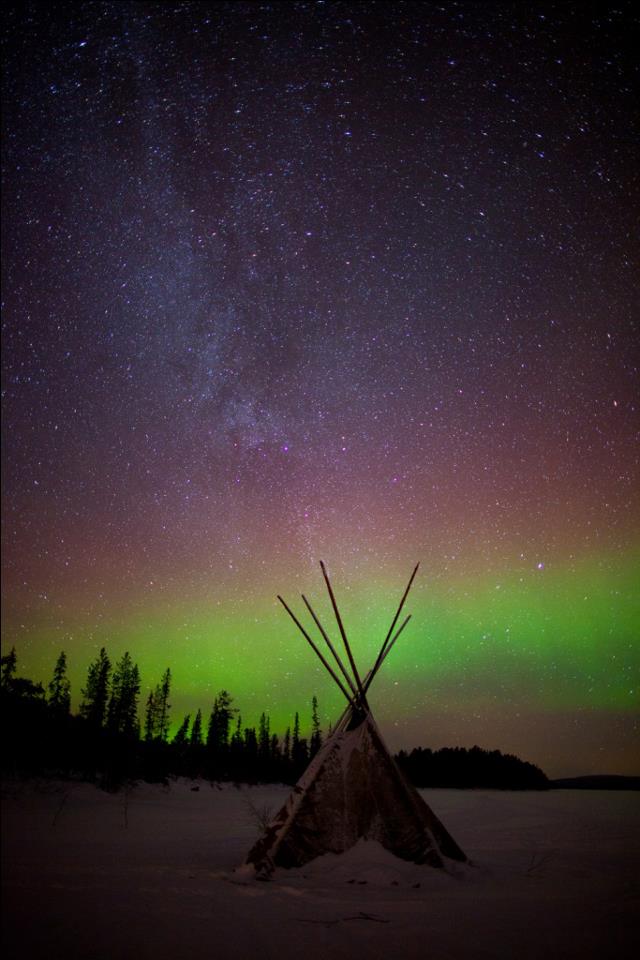
Aurora and teepee, captured November 2012 by EarthSky Facebook friend Aurora Zone.

A haboob or dust storm entering the town of Scottsdale, Arizona on July 21, 2012, as captured by our friend Ryan Behnke.

From our friend Neha Golwala in India who wrote,

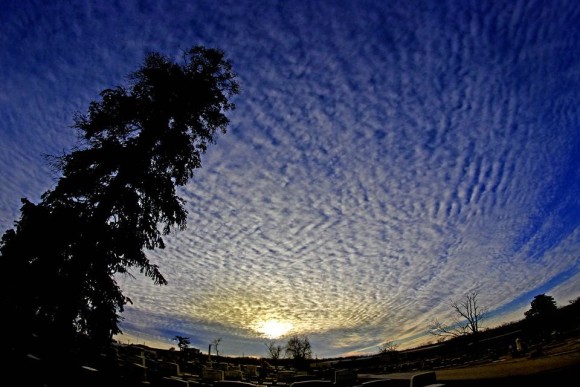
Winter clouds by our friend Duke Marsh in New Albany, Indiana.

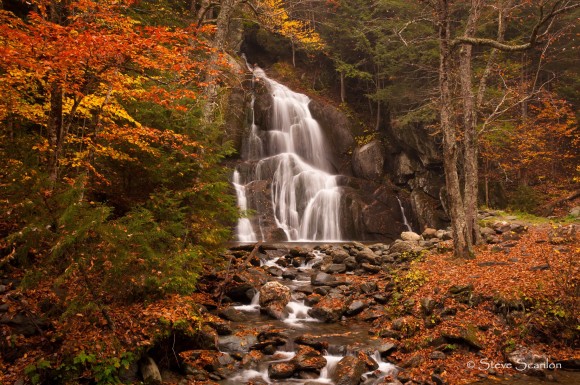
Autumn 2012 via Steve Scanlon Photogrpahy.

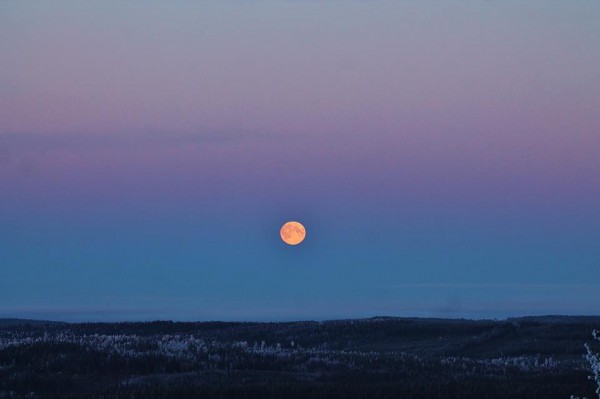
Earth's shadow, with full Hunter's Moon, on October 30, 2012.  Photo from EarthSky Facebook friend Birgit Boden in northern Sweden.

EarthSky Facebook friend Lynton Brown of Australia captured this fogbow.  Thank you, Lynton.  Click here to expand image

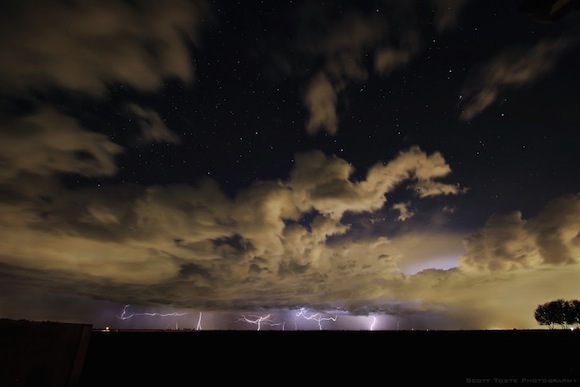
Starry skies and lightning strikes

Crepuscular rays, or sunrays, from EarthSky Facebook and G+ friend VegaStar Carpentier in Paris.

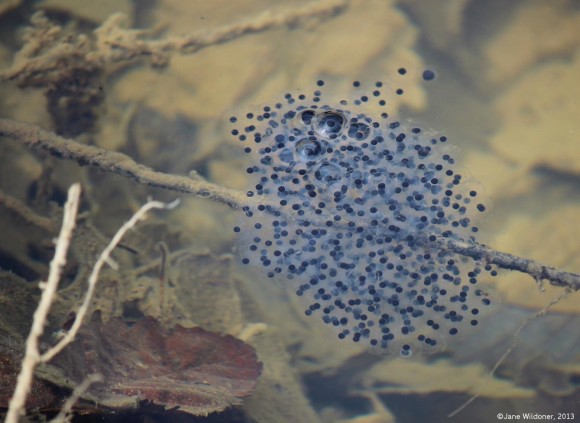
Frog eggs in springtime 2013 via our friend James Frances.  This photo was taken on Broad Mountain in Carbon County, Pennsylvania.

Lightning in Lubbock, Texas as seen by our friend Erin Shaw.  Thanks, Erin!

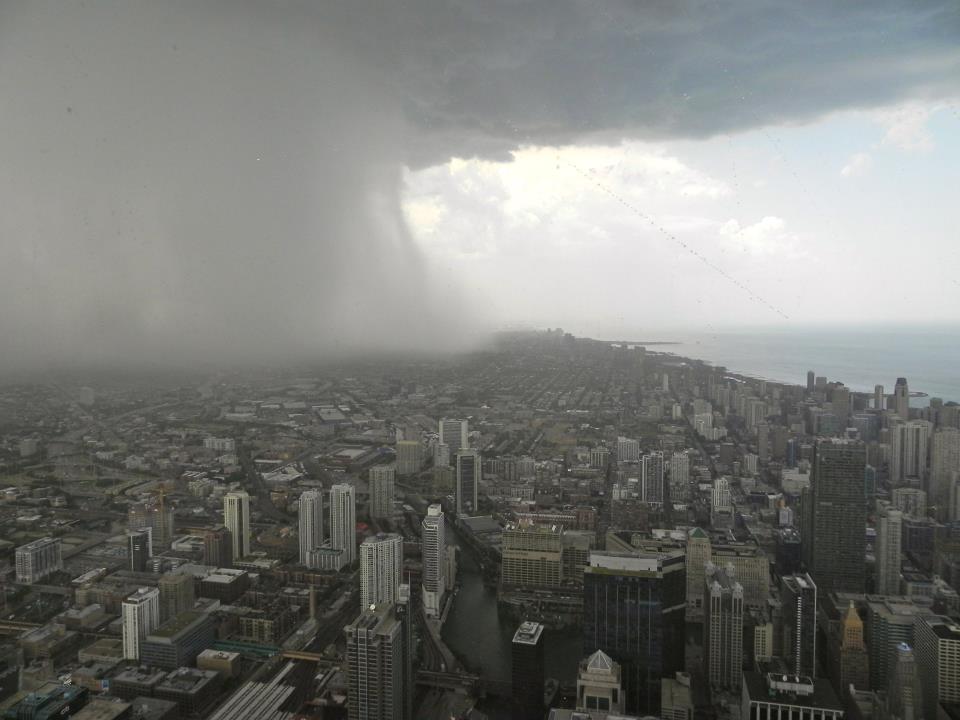
Storm coming, as seen from the Sears Tower in Chicago in July 2012, from our friend Caryn Elder.  Thank you, Caryn.

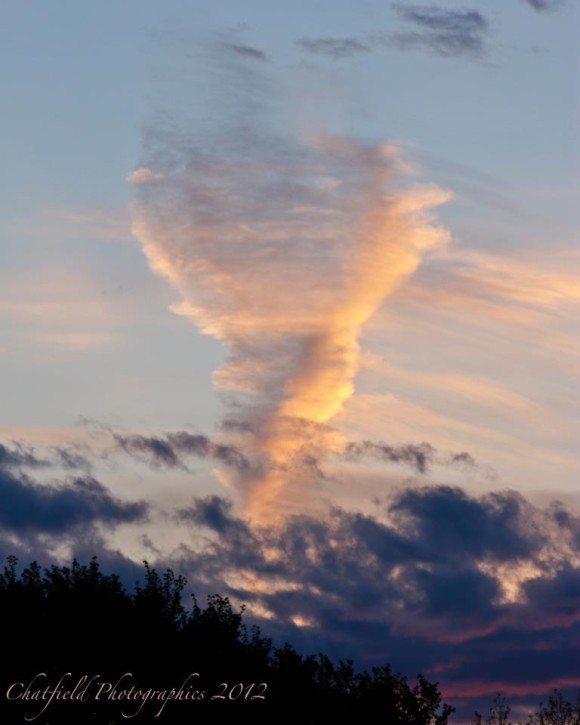
Funnel shaped cloud seen in May 2012 by our friend Colin Chatfield in Saskatoon, SK, Canada.  Thank you, Colin.

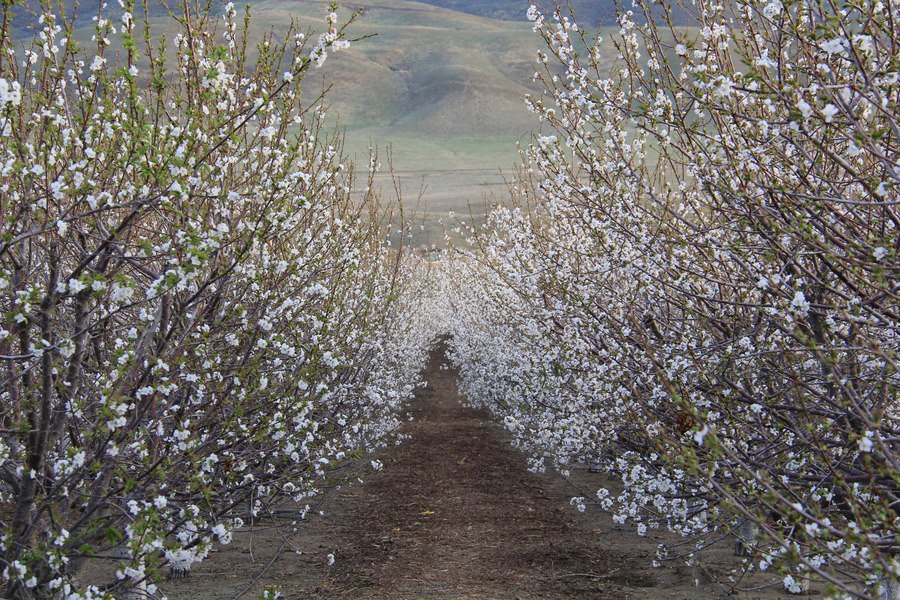
Cherry trees blooming in Antelope Valley California in spring 2013, as captured by our friend Kerri Willerford.  Thanks Kerri!

Green flash and mock mirage seen from Ocean Beach, California by our friend Jim Grant.  Thanks, Jim.

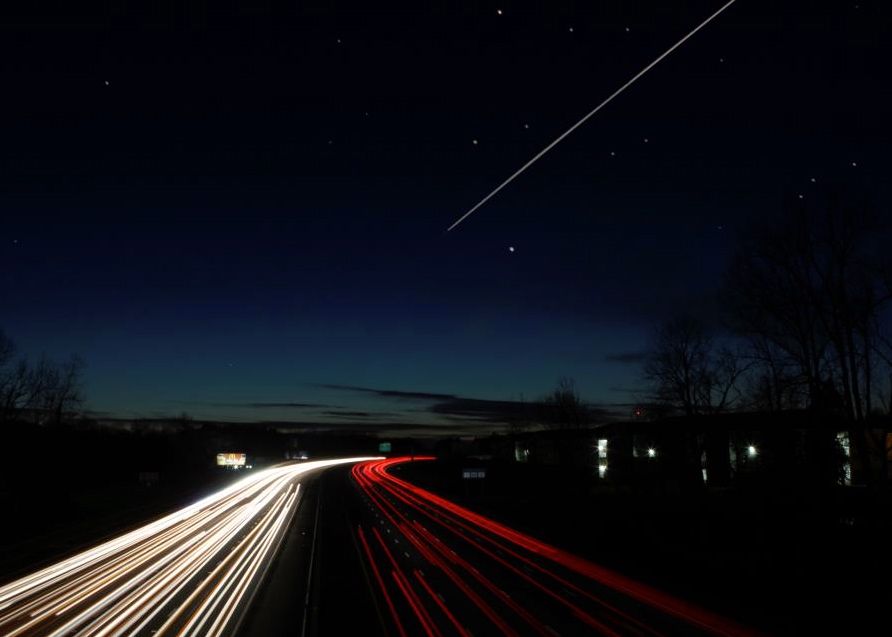
International Space Station flyover seen by EarthSky Facebook friend Lee Capps Photography.  View larger. Lee caught this photo in Whitsett, North Carolina on February 9, 2013.  Visit Lee's Facebook page here.

Cargo ship at sundown on the West Philippine Sea, as seen by our friend Jv Noriega.  Thanks, Jv.

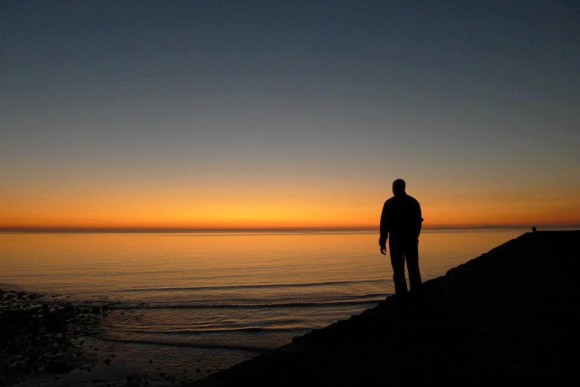
Evening twilight in Wjitehaven, England in March 2013, as captured by our friend Adrian Strand.  Thanks, Adrian.

Bottom line: Best nature images, in celebration of Earth Day 2014.

Message For the Day…” Let Our Mind and Heart are Not Polluted…”

Once a friend asked the famous sculptor from Italy, Michelangelo, “Why are you working so hard, chiselling this large piece of rock? Why don’t you go home and take some rest?” Michelangelo replied: “I am trying to release the Divine that is in the rock. I wish to bring out of this lifeless stone the living Divinity that is embedded in it.” If a sculptor could create from an inanimate stone a living Image of God, cannot human beings vibrant with life manifest the living Divinity that resides within them? What is the reason for this incapacity to realise the Divinity within? It is because we do not realise the soiled cover in which it is wrapped up. If our clothes get dirty, we change them because we are ashamed to appear in unclean garments. If our house is shabby, we try to clean it. But when our minds and hearts are polluted, we do not feel ashamed! To purify our hearts and minds, the first thing we have to do is to lead a righteous life. Our actions must be based on morality.


Sathya Sai Baba

Earth Day On APRIL 22… Why On This Date ?…


First Earth Day 1970

The first Earth Day – April 22, 1970 – marked the beginning of the modern environmental movement. Approximately 20 million Americans, especially on college campuses, participated in a national teach-in on environmental issues and protests against environmental deterioration on the first Earth Day. It’s hard to imagine it now, but the first Earth Day was a revelation to many, a way not only of raising consciousness about environmental issues but also of bringing together separate groups that had been fighting separately against issues including oil spills, pollutions from factories and power plants, raw sewage, toxic dumps, pesticides, the loss of wilderness, air pollution and more. Since then, Earth Day is always celebrated on April 22. But why April 22?

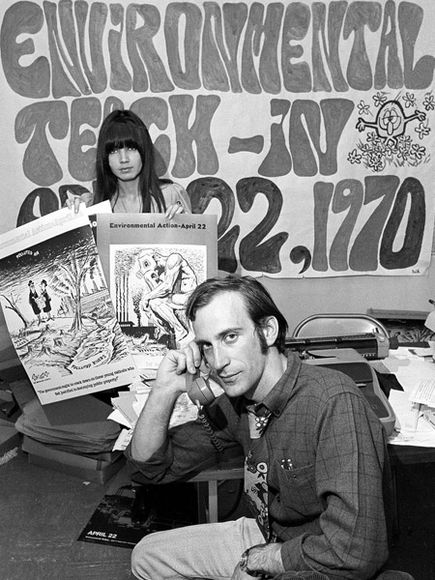
In the late 1960s, there were love-ins, be-ins ... and, like the first Earth Day, teach-ins.  Here are two organizers of the first Earth Day.  Image via earthday2013funphotos.com

Wisconsin Senator Gaylord Nelson is widely credited with suggesting the first Earth Day on April 22. It was a movement whose time had come, and Nelson wasn’t alone in 1970 in suggesting a grassroots demonstration aimed at protecting the environment. San Francisco activist John McConnell also asked Americans to join in a demonstration in 1970, and McConnell chose the spring equinox (March 21, 1970) as his date. Today, you can find Earth Day events on both the spring equinox and April 22.

April 22 continues to be the larger event, however, and the official date of Earth Day. Some say April 22 was chosen to maximize the number of students who could be reached on university campuses, and that’s undoubtedly true. But the April 22 date for the first Earth Day also stemmed from a much-earlier observance: Arbor Day, which began in Nebraska in 1872.

The date of Earth Day, April 22, stems from an earlier observance, Arbor Day. The most common practice on Arbor Day was the planting of trees.  Here is Arbor Day at N.Y. Public School #4, 173rd St. & Fulton Ave., New York.  Date unknown.  Via Library of Congress.

J. Sterling Morton was a Nebraska pioneer, a writer and editor for Nebraska’s first newspaper, and later secretary of the Nebraska Territory. He advocated planting trees in what was then a dusty and treeless prairie. At a meeting of the State Board of Agriculture in January 1872, Morton proposed that Nebraska citizens set aside April 10 as a day to plant trees. He suggested offering prizes as incentives for communities and organizations that planted the most trees. It’s said that Nebraskans planted about one million trees on that first Arbor Day in 1872. Ten years later, in 1882, Nebraska declared Arbor Day as a legal holiday and the date was changed to Morton’s birthday, April 22. Arbor Day grew to become a national observance. I can recall learning about it as a child in the 1950s and ’60s.

It seemed natural to schedule April 22, 1970 – Arbor Day – as the first Earth Day. Today, a common practice in celebration of Earth Day is still to plant new trees.

Bottom line: Why do we celebrate Earth Day on April 22? The date stems from an earlier observance, Arbor Day. And the date of Arbor Day was set due to the birthday of J. Sterling Morton, a Nebraska pioneer and journalist, who launched the first Arbor Day in 1872.

source::::Earth sky News

natarajan

Water Out Of Air !!!….


.


One of the biggest problems still haunting the poor regions of the world is the lack of clean drinking water. This is such a nccessaity that we take for granted, but many populations do not. Now, a new solution has arisen, one that is both simple and very promising.

In the Namib desert where rain is rare but fog common, a beetle survives by condensing water on its back until drops roll down into the insect’s mouth. Now this principle has been magnified onto a grand scale, providing a possible solution to the desperate lack of water that plagues the populations of many of the world’s dry regions.
There is no lack of solutions being experimented with for water shortages. Wellsrecycling techniques and methods for cleaning poisoned water have all attracted considerable efforts, particularly since the Bill and Melinda Gates foundation have made the issue a priority for their considerable resources.
However, many of these techniques have floundered; great on the page but unsuited to real world conditions. Those technologies that are cost effective represent only partial solutions, working well where a permanent water supply is available, but unsuited to regions where surface water vanishes in the dry season and groundwater is hard to reach. As deforestation and Global Warming expand the areas where water is scarce or erratic something else is needed.
While Warka Water to be treated with caution after so many false dawns, it has the advantage of being designed to match the conditions where most alternatives perform the worst.
The towers have a 9m tall bamboo or juncus frame holding up a plastic mesh net. As the temperature falls during the night water condenses onto the net and rolls down to a reservoir at the bottom of the tower. Where the beetle draws just a few life-giving drops from the Namib fog, the much larger surface area of the nets allows a 100l a night to collect under ideal conditions. Mesh is used, rather than a solid surface, so that air can circulate, bringing in ever more water.
As the designers Arturo Vittori and Andrea Vogler put it, “The lightweight structure is designed with parametric computing, but can be built with local skills and materials by the village inhabitants.”
The beetle has proven an inspiration to many but Warka Water claim their carefully shaped design produces much more water for less cost than previous versions.
The Warka Water tower is named after a fig tree native to Ethiopia, and depends for its success on a large temperature difference over a night. Since desert regions are notorious for huge temperature variations, particularly during the dry season, Warka towers should flourish where they are needed most.
“It’s not just illnesses that we’re trying to address,” Vittori told the Smithsonian Magazine, although with 1400 children a day dying from waterborne diseases that would be reason enough.  “Many Ethiopian children from rural villages spend several hours every day to fetch water, time they could invest for more productive activities and education,” Vittori says. “If we can give people something that lets them be more independent, they can free themselves from this cycle.”
Vittori hopes to install two Warka Towers in Ethiopia next year, and believes that, “Once locals have the necessary know-how, they will be able to teach other villages and communities to build the Warka.” Cost estimates for the remote constructions of systems are notoriously unreliable, but Vittori believes the towers can be built for $500 each, a quarter or systems that purify equivalent amounts of water. They are seeking sponsorship to bring the idea to fruition. While we suggest Warka Beer would be a great fit, anyone wanting to get behind the idea should make contact.

Read more at http://www.iflscience.com/technology/water-fresh-air#dZH7jGzDxpyLOHWB.99

In the Namib desert where rain is rare but fog common, a beetle survives by condensing water on its back until drops roll down into the insect’s mouth. Now this principle has been magnified onto a grand scale, providing a possible solution to the desperate lack of water that plagues the populations of many of the world’s dry regions.
There is no lack of solutions being experimented with for water shortages. Wellsrecycling techniques and methods for cleaning poisoned water have all attracted considerable efforts, particularly since the Bill and Melinda Gates foundation have made the issue a priority for their considerable resources.
However, many of these techniques have floundered; great on the page but unsuited to real world conditions. Those technologies that are cost effective represent only partial solutions, working well where a permanent water supply is available, but unsuited to regions where surface water vanishes in the dry season and groundwater is hard to reach. As deforestation and Global Warming expand the areas where water is scarce or erratic something else is needed.
While Warka Water to be treated with caution after so many false dawns, it has the advantage of being designed to match the conditions where most alternatives perform the worst.
The towers have a 9m tall bamboo or juncus frame holding up a plastic mesh net. As the temperature falls during the night water condenses onto the net and rolls down to a reservoir at the bottom of the tower. Where the beetle draws just a few life-giving drops from the Namib fog, the much larger surface area of the nets allows a 100l a night to collect under ideal conditions. Mesh is used, rather than a solid surface, so that air can circulate, bringing in ever more water.
As the designers Arturo Vittori and Andrea Vogler put it, “The lightweight structure is designed with parametric computing, but can be built with local skills and materials by the village inhabitants.”
The beetle has proven an inspiration to many but Warka Water claim their carefully shaped design produces much more water for less cost than previous versions.
The Warka Water tower is named after a fig tree native to Ethiopia, and depends for its success on a large temperature difference over a night. Since desert regions are notorious for huge temperature variations, particularly during the dry season, Warka towers should flourish where they are needed most.
“It’s not just illnesses that we’re trying to address,” Vittori told the Smithsonian Magazine, although with 1400 children a day dying from waterborne diseases that would be reason enough.  “Many Ethiopian children from rural villages spend several hours every day to fetch water, time they could invest for more productive activities and education,” Vittori says. “If we can give people something that lets them be more independent, they can free themselves from this cycle.”
Vittori hopes to install two Warka Towers in Ethiopia next year, and believes that, “Once locals have the necessary know-how, they will be able to teach other villages and communities to build the Warka.” Cost estimates for the remote constructions of systems are notoriously unreliable, but Vittori believes the towers can be built for $500 each, a quarter or systems that purify equivalent amounts of water. They are seeking sponsorship to bring the idea to fruition. While we suggest Warka Beer would be a great fit, anyone wanting to get behind the idea should make contact.

Read more at http://www.iflscience.com/technology/water-fresh-air#dZH7jGzDxpyLOHWB.99

water bamboo tower
It’s not that scientists haven’t tried many solutions – wells, recycling systems, cleansing poisonious or fetid water – all of those have seen a lot of money and effort put in them.

Unfortunately, many of these techniques, while looking good on page, do not stand up to real world conditions. Now comes a solution that is so simple, yet ingenious – the Warka Towers.
water bamboo tower
These towers are 9 meters tall, built on a cheap bamboo or juncus frame and holding up a fine plastic mesh net. As the temperatures drop during the night, water condenses on the net and, like the beetle’s system, the drops of water roll down the net into a reservoir at the bottom of the tower.
water bamboo tower
But while the beetle extracts only a the few drops of water it needs to survive, the much larger area surface of the nets creates about 100 litres of water every night. Since the towers use a net and not a solid surface, the air circulates through, allowing the net to capture more and more moisture.
water bamboo tower
The architect of this brilliant idea, Artuo Vittori, says that the towers can be built for only $500 a tower, and he hopes that once more are introduced to the African continent, the local population will learn to build these towers for itself, thus populating the dry regions with these towers, an elegant solution for a terrible problem!
water bamboo tower
water bamboo tower
water bamboo tower
water bamboo tower

source::::ba-ba mail site

natarajan

” குழந்தைக்கு அனுஷா என்று பெயர் வை … “

மகான்கள் நம் கனவில் வருவதுற்கு மிகவும் புண்ணியம் செய்திருக்க வேண்டும் . அந்த கனவு நனவாகும் போது கிடைக்கும் மகிழ்சிக்கு அளவே கிடையாது .

இந்த கணவன் மனைவிக்கு இரண்டாவது பெண் குழந்தை பிறந்த நேரத்தில், ஒரு நாள் அந்த மனைவியின் கனவில் பரமாச்சார்யார் வருகிறார். அவர்கள் வீட்டிற்குள் வந்து எல்ல இடத்தையும் பார்த்து விட்டு, பூஜை அறையும் பார்த்து விட்டு வெளியே செல்கிறார்.

அச்சமயம் , அந்த பெண் ஆசார்யரிடம், என் குழந்தையை பார்த்து ஆசீர்வாதம் பண்ணுங்கோ என்கிறார். அதற்கு, மகான், நீ குழந்தையை அங்கே கொண்டு வா என்கிறார் . அத்துடன் கனவு கலைகிறது..

அது முதல் , அந்த பெண்மணிக்கு காஞ்சிபுரம் சென்று ஆசார்யாராய் தரிசனம் செய்ய வேண்டும் என்று தவிப்பு.

தன கணவனுடன், குழந்தையை எடுத்து கொண்டு, காஞ்சிபுரம் சங்கர மடம் செல்கிறார். அங்கு ஆச்சர்யாளை பார்க்க காலையில் பெருங் கூட்டம். . கையிலோ மூன்று மாத குழந்தை. இருப்பினும் அந்த பெண்மணி மனம் தளரவில்லை . எவ்வளவு நேரமானாலும் பெரியவாளை தரிசனம் செய்யாமல் செல்வதில்லை என்ற முடிவோடு குழந்தையுடன் அங்கேயே அமர்கிறார். மாலை வருகிறது .. ஆசார்யாள் தரிசனம் ஆரம்பம்.

அப்பொழுது, ஒரு அணுக்க தொண்டர் ஒருவர், அந்த பெண்மணியிடம், குழந்தையை பெரியவாளிடம் கொடுக்க சொல்கிறார். பெரியவா அந்த மூன்று மாத குழந்தையை தன் மடியில் வைத்து கொண்டு வைத்து கொண்டு, கொழந்தைக்கு பெயர் வைச்சாச்சா என்று கேட்கிறார். இல்லை என்கிறார் அந்த தாய். அப்படி என்றால் இவளுக்கு காமாக்ஷி என்று பெயர் வை என்கிறார். அதற்கு அந்த பெண்மணி, என்னுடைய பெயர் காமாக்ஷி என்கிறார். பிறகு மகான், அப்படினா இவளுக்கு ” அனுஷா ” என்று பெயர் வை என்கிறார் . மகான் திரு வாயால் பெயர் பெற்ற குழந்தை . தன்னிடம் 20 -30 நிமிடங்கள் வைத்து கொண்டு பிறகு குழந்தையை தாயிடம் திரும்ப கொடுக்கிறார்.

மகான் தன மடியில் குழந்தையை வைத்து கொண்டு இருப்பதை பார்த்ததில் அங்கு கூடி இருந்தவர்களுக்கு மிகவும் ஆச்சர்யம். அப்பொழுது , அந்த பெண்மணிக்கு, மகான் கனவில் வந்து, ” கொழந்தையை அங்கே கொண்டு வா ” என்று சொன்னதின் அர்த்தம் விளங்கியது.

மஹா பெரியவரை தரிசனம் செய்வதற்கே ஒரு கொடுப்பினை வேண்டும். அவரிடம் ஆசி பெறுவதற்கு மிகவும் புண்ணியம் செய்திருக்க வேண்டும்.

எங்கும் நிறைந்த அந்த பரப்ருமம் மடியில் இருக்க அந்த குழந்தை செய்த தவம் யாரறிவார் !! அந்த பரப்ருமமே அறியும் !!

” இலங்கை அழிந்ததேன் ?… இரவி மறைந்ததேன்? …” !!!

தமிழ்ச் சொற்சுவை உள்ளத்தே புகுந்து உணர்விலே ஒன்றி, கண்களில் நீர் கசியும் போதில்…
அடடா! அனுபவித்தவர்களுக்கே அதன் தரமும் சுவையும் புரியும். அற்றை நாளிலும் இற்றை நாளிலும் அடியேன் நாடுவது நல்ல நண்பர்களின் துணையை!
கவிஞர் நந்தலாலா – நெருங்கிய நண்பர்களில் ஒருவர். அவருடன் பேசிக் கொண்டிருந்தாலே போதும்… கவிச்சுவையும் தமிழ்ச் சுவையும் பண்டை இலக்கிய வாழ்வின் சுவையும் ஒருங்கே உளத்தில் புகும்.
ஆறேழு வருடங்களுக்கு முன்னர் பொதிகை-தொலைக்காட்சியில் ஒன்றாக நிகழ்ச்சிகளில் பங்கேற்றிருக்கின்றோம். அப்போதும் அச்சுவை பருகி மகிழ்வேன் யான்.
ஒரு நாள் காலை… பொதிகையில் நண்பர் நந்தலாலா சொல்லின் சுவையை தனிமையிலே எடுத்துச் சொன்ன வண்ணம் இருந்தார். கேட்டுக் கொண்டிருந்தேன் சுற்றுப் புறச் சூழல் மறந்து!
அற்புதமான நினைவாற்றல் அவருக்கு. காளமேகத்தின் சிலேடையை தொய்வின்றித் தொகுத்தளித்தார்.
சிறுவயதில் சொல் விளையாட்டு எங்களுக்கும் அத்துபடிதான். எல்லாம் நம் கிராமங்களில் பிறந்து, வளர்ந்து, நல்லோரிடம் தமிழ் படித்துப் பழகியிருக்க வேண்டும்… அந்த வாய்ப்பு கிடைத்தது நான் செய்த புண்ணியம்.
கவிஞர் நந்தலாலா சொன்ன ஓரிரு சொற்சுவையைக் கோடிட்டுக் காட்டாமல் இருந்தால் எப்படி?
அவருடைய சிறுவயதில் பெரியவர்கள் கேட்பார்களாம்… அந்தக் கேள்விகளுக்கு ஒற்றைச் சொல்லால் பதில் தரவேண்டும். இதுவும் ஒரு விளையாட்டு!
பெரியவர் கேட்பாராம்… “இலங்கை அழிந்ததேன்? இரவி மறைந்ததேன்?”
இதற்கான ஒற்றைச் சொல் பதில் – “இராமன் தாரத்தால்”!
அதெப்படி…? இலங்கை அழிந்தது – இராமன் தாரத்தால்! இரவி மறைந்தது – இரா மந்தாரத்தால்!
இன்னொன்று..
அக்ரஹாரம் கெட்டதேன்? விவசாயம் அழிந்ததேன்?
இதற்கான பதில்… “பார்ப்பான் இல்லாமையால்!”
பார்ப்பு எனும் வேதமோதும் வேதியன் இல்லாமல் அக்ரஹாரங்கள் கெட்டன. விவசாயத்தைப் பார்ப்பவன் இல்லாமல் அதுவும் அழிந்து வருகிறது!
தனிமையைப் பற்றிச் சொன்ன நந்தலாலா, ஒரு கவிதை நயத்தைச் சொல்லி விடைபெற்றார்…
இக்பால் சாகும்வரை உன் பிணத்தை நீதான் சுமக்க வேண்டும்!
– உள்ளத்தில் உழன்று கொண்டிருக்கிறது இந்த வாசகம்!

செங்கோட்டை ஸ்ரீராம் – in Dinamani…blog.dinamani.com

natarajan
பேர் ஆசை ….பேராசை !!!

பத்திரிகைத் துறைக்கு வந்த புதிது… இளம் வயது. நம் பெயரை அச்சில் ஏதேனும் ஒரு படைப்பிலேனும் பார்க்கும் போது ஒரு மகிழ்ச்சி மனதில் நிறையும். உணர்ந்து பார்த்தவர்களுக்கு அதன் அருமையும் பெருமிதமும் புரியும்.
வயது 23. அதுவரை பெரிதாக எதுவும் எழுதி அச்சில் வந்துவிடவில்லைதான். திருச்சி பிஷப் ஹீபர் கல்லூரி வருடாந்திர தொகுப்புகளில் கவிதைகளும், வானியல், கணிதம் குறித்த கட்டுரைகளும் வந்திருந்தன. ஆனால் இதழ்களில் அப்படி ஏதும் நான் அதுவரை முயற்சி செய்யவில்லை.
அப்படியாக இதழியல் துறைக்கு வந்த புதிது என்பதால், எனக்குள்ளும் நம் எழுத்தை அச்சில் பார்க்க மாட்டோமா என்று இருந்தது. வழக்கம்போல் சிறு கவிதைகள் எழுதினேன். இரு வரிகளில் அமைந்த புதுக் குறள் எனும் கவிதை எழுதினேன். அவற்றில் தளை தட்டாமல் குறள் வெண்பாவெல்லாம் அப்படி ஒன்றும் சரியாக அமைந்திருக்கவில்லை என்பது பின்னாளில் புரிந்தது. இருந்தாலும் கருத்தொடு நின்றது.
அப்படி ஒரு புதுக்குறள் கவிதையை கணினி அச்சுக் கோர்ப்பவர் அடித்து, மெய்ப்பு திருத்த (புரூஃப் பார்க்க) வைத்திருந்தார்.
அப்படியாக அச்சில் வந்த அந்தப் புதுக்குறள்..

kural
பொய்யர்தாம் என்றேனும் மெய்கூறின் அம்மெய்யும்
பொய்யெனக் கருதப் படும்.


நாகலிங்கம் என்று ஒரு பெரியவர். சினிமாத் துறை பழக்கமுள்ளவர். திரைக்கதைகளை செப்பனிட்டுத் தரும் பணியில் இருந்திருக்கிறார். அவரிடம் பேசியதில் அவர் பழுத்த அனுபவம் உள்ளவர் என்று எனக்குத் தெரிந்திருந்தது. அப்போதே அவருக்கு வயது 75ஐத் தொட்டிருந்தது.
இந்த மெய்ப்பைப் பார்த்தவர் வெடுக்கெனச் சிரித்தார். எனக்கோ, ஏதோ தவறு நேர்ந்துவிட்டதோ என்று உள்ளம் பதறியது. கலவரத்துடன் அவர் முகம் பார்த்தேன்….
சிரித்தபடியே என்னிடம் கேட்டார்…
“1330 குறள்களை எழுதின அவரோட பேர் என்ன தெரியுமா?” கேட்டார் சலனமில்லாமல்.
“திருவள்ளுவர்” என்றேன்.
“அது நாமாக வைத்த பெயர்… அவரோட பேர் என்ன தெரியுமா?”
“தெரியாது.”
“1330 குறள் எழுதின அவரே தன் பேரை எங்கயுமே சொல்லிக்கலை… நீ ஏதோ குறள்னு ஒண்ணு எழுதிட்டு…. அந்தக் கவிதை அச்சாகியிருக்கற 10 பாயிண்ட் லெட்டர் சைஸை விட பெரிதாக உன் பேரை 14 பாயிண்டில் போட்டிருக்கே….”
எனக்கு ஒன்றும் சொல்லத் தோன்றவில்லை. வேதம்புதிது படத்தில் சத்யராஜ் கன்னத்தில் சிறுவன் அங்கயும் இங்கயும் அடித்து திருப்பும் சத்தமும் காட்சியும்தான் மனதில் ஓடியது.
எழுத வந்த துவக்கத்திலேயே பேர் ஆசையை விட்டுவிட்டேன். பேராசையையும்தான்! எழுத்தாளன் என்ற கர்வத்தை மூட்டை கட்டி பரண் மேல் போட்டு விட்டு, பத்திரிகையாளன் என்ற ஏணிப்படியாய் என்னை மாற்றிக் கொண்டேன். அந்தத் துவக்கம்… எனக்குள் பெரும் மாற்றத்தைத் தந்தது. அதற்குக் காரணமாய் அமைந்தவர் நாகலிங்கம் தாத்தா… அவரை நன்றியுடன் இப்போதும் நினைவு கூர்கிறேன்..!

செங்கோட்டை ஸ்ரீராம் in Dinamani ….Blog.dinamani.com

natarajan

]பிள்ளையார் , முருகன் இருவருமே தமிழ் தெய்வங்கள்தான் …!!!

தமிழ்நாட்டின் தனிப்பட்ட சிறப்பு எங்கு பார்த்தாலும் பிள்ளையார் கோயில்கள் இருப்பதேயாகும். “கோயில்’ என்று பெயர் வைத்து விமானமும் கூரையும் போட்டுக் கட்டடம் எழுப்ப வேண்டும் என்பது கூட இல்லாமல், அரச மரத்தடிகளிலே கூட வானம் பார்க்க அமர்ந்திருக்கும் ஸ்வாமி நமது பிள்ளையார்.
தெருவுக்குத் தெரு ஒரு பிள்ளையார் கோயில், நதிக் கரைகளிலெல்லாம் பிள்ளையார், மரத்தடிகளில் பிள்ளையார் என்றிப்படி இந்தத் தமிழ் தேசம் முழுவதும் அவர் வேறெந்த ஸ்வாமிக்கும் இல்லாத அளவுக்கு இடம் கொண்டு அருள்பாலித்து வருகிறாரர். அவரைப் “பிள்ளையார்’ என்றே அன்போது கூறுவது நம் தமிழ்நாட்டுக்கே உரிய வழக்கம். சர்வலோக மாதா பிதாக்களாகிய பார்வதி பரமேசுவரர்களின் ஜேஷ்ட புத்திரர் அவர். “பிள்ளை’ என்றால் அவரைத்தான் முதலில் சொல்ல வேண்டும். வெறும் “பிள்ளையார்’ என்று சொல்லக்கூடாது என்பதால் மரியாதையாகப் “பிள்ளையார்’ என்று சொல்வது தமிழ்நாட்டுச் சிறப்பு.
தெய்வம் என்று ஒன்று இருந்தால் அது லோகம் பூராவுக்குந்தான். ஆனாலும் அதை “நம்முது’ (நம்முடையது) என்று விசேஷமாகப் பிரித்து வைத்த ப்ரியம் காட்டி உறவு கொண்டாடணும் என்று பக்த மனஸுக்குத் தோன்றுகிறதுண்டு.
ஒவ்வொரு தெய்வத்திடம் இப்படி ஒவ்வொரு ஜனÙமுஹத்திற்கு ஒரு அலாதி பந்துத்வம் இருப்பதுண்டு. தமிழ் மக்களுக்கு ஸுப்ரஹ்மண்ய ஸ்வாமி என்றால் தனியான ஒரு ப்ரியம். முருகன், முருகன் என்று சொல்லி, தமிழ்த் தெய்வம் என்று அவரை இந்த நாட்டுக்கே, பாஷைக்கே உரித்தானவராக முத்ரை குத்தி வைத்துக் கொண்டாடுகிறோம்.
எனக்கென்னவோ அவரை மட்டும் அப்படிச் சொல்லாமல் அவருடைய அண்ணாக்காரரையும் தமிழ்த் தெய்வம் என்று சொல்லணும் என்று (இருக்கிறது)! இளையவரைத் தமிழ்த் தெய்வம் என்று குறிப்பாகச் சொல்ல எவ்வளவு காரணமுண்டோ அவ்வளவு – ஒரு வேளை, அதைவிடக்கூட ஜாஸ்தியாகவே – அண்ணாக்காரரையும் சொல்வதற்கு இருப்பதாக எனக்குத் தோன்றுகிறது. அதனால் – அந்த அண்ணா – தம்பிகளைப் பிரிக்கவேபடாது. சேர்த்துச் சேர்த்தே சொல்லணும், நினைக்கணும், பூஜை பண்ணணும் என்பதாலேயும் – பிள்ளையார், ஸுப்ரஹ்மண்யர் இரண்டு பேரையுமே தமிழ்த் தெய்வங்கள் என்று வைத்தவிட வேண்டுமென்று தோன்றுகிறது. அப்படி ஒரு ரெஸொல்யூஷன் கொண்டு வரப் போகிறேன்! (அது) “பாஸ்’ ஆகணுமே! அதனால் புஷ்டியான காரணம் நிறைய காட்டுகிறேன். யுனானிமஸாகவே பாஸ் பண்ணிவிடுவீர்கள்!

– ஜகத்குரு காஞ்சி காமகோடி ஸ்ரீ சந்திரசேகரேந்திர சரஸ்வதி சங்கராச்சார்ய ஸ்வாமிகள்

source:::: KALKI…Tamil Weekly
natarajan

Message For The Day…” Service to Society Is the Highest Service… “

The Gita advises that service to the society (Sangha) is the highest service (Seva), as well as the most beneficial spiritual discipline (Sadhana). No one can run away from this obligation; you have to use the community wherein you are born for sublimating your ego and saving yourself. Service taken up as a Sadhana teaches fortitude (Sahana). That is why Krishna directed Arjuna to engage in battle to win back his share of the Kingdom, and ensure for the people righteous administration and an atmosphere wherein they can strive successfully to attain salvation. This he had to do in a spirit of dedication and surrender to the will of God, irrespective of his own likes and dislikes, and the consequences that might flow from his unselfish activities. Even Avatars (incarnations) demonstrate in their lives the supreme importance of Seva.


Sathya Sai Baba

Joke of the Day…!!!

Once there was an Antartian that was down on his luck. In order to get some money he decided to kidnap a kid and hold him for ransom.

He went to the playground, grabbed a kid, took him behind a tree and told him “I’ve kidnapped you.”

The Antartian wrote a note saying “I’ve kidnapped your kid. Tomorrow morning put $10,000 in a paper bag and put it beneath the pecan tree next to the slide on the north side of the city playground. Signed, An Antartian.”

The Antartian then pinned the note to the kid’s shirt and sent him home to show it to his parents.

The next morning the Antartian checked, and sure enough a paper bag was sitting beneath that pecan tree. The Antartian opened up the bag and found the $10,000 with a note. The note said, “How could one Antartian do this to another Antartian?!”


source::::joke a day.com

natarajan