Coldest Place on Earth !!!

NASA scientists have discovered the coldest place on our planet. It’s a high ridge in Antarctica on the East Antarctic Plateau. On a clear winter night, temperatures can dip below -133.6 degrees F (-92 degrees C)

The new record is several degrees colder than the previous low of minus 128.6 F (minus 89.2 C), set in 1983 at the Russian Vostok Research Station in East Antarctica. The coldest permanently inhabited place on Earth is northeastern Siberia, where temperatures dropped to a bone-chilling 90 degrees below zero F (minus 67.8 C) in the towns of Verkhoyansk (in 1892) and Oimekon (in 1933).

Scientists at the National Snow and Ice Data Center made the discovery by analyzing 32 years of data from several satellites that have mapped Antarctica’s surface temperature.

Near a high ridge that runs from Dome Arugs to Dome Fuji, the scientists found clusters of pockets that have plummeted to record low temperatures dozens of times. The lowest temperature the satellites detected was minus 136 F (minus 93.2 C), on Aug. 10, 2010.

With remote-sensing satellites, scientists have found the coldest places on Earth, just off a ridge in the East Antarctic Plateau. The coldest of the cold temperatures dropped to minus 135.8 F (minus 93.2 C) -- several degrees colder than the previous record. Image Credit: Ted Scambos, National Snow and Ice Data Center

With remote-sensing satellites, scientists have found the coldest places on Earth, just off a ridge in the East Antarctic Plateau. The coldest of the cold temperatures dropped to minus 135.8 F (minus 93.2 C) — several degrees colder than the previous record. Image Credit: Ted Scambos, National Snow and Ice Data Center

 
The quest to find out just how cold it can get on Earth – and why – started when the researchers were studying large snow dunes on the East Antarctic Plateau. When the scientists looked closer, they noticed cracks in the snow surface between the dunes, which were possibly created when wintertime temperatures got so low the top snow layer shrunk. This led scientists to wonder what the temperature range was, and prompted them to hunt for the coldest places using data from satellite sensors.

Video Link is given below …

Read more about how scientists found and measured Earth’s coldest place, from NASA

source::::: Earth sky News site

natarajan


பாரதி: வெடித்து அணைந்த விண்மீன்…

சரியாக, 38 ஆண்டுகள், 9 மாதங்களே வாழ்ந்த பாரதி தன் மொழிக்கும் சமூகத்துக்கும் விட்டுச்சென்றது ஏராளம். தனது குறுகிய வாழ்நாளுக்குள் எவ்வளவு செய்திருக்கிறார் பாரதி. கவிதைகள் மட்டும்தான் அவரது சாதனை என்று இன்றைய தலைமுறையினர் பலர் நினைக்கக்கூடும். கிட்டத்தட்ட, கவிதைகளுக்கு நிகரான சாதனையை பாரதி உரைநடையிலும் செய்திருக்கிறார்.

அது மட்டுமல்லாமல், அவருடைய இதழியல் பணி மகத்தான வீச்சுடையதாகவும் இருந்திருக்கிறது. சுதேசமித்திரன், சக்கரவர்த்தினி, இந்தியா போன்றவை உள்ளிட்ட பல பத்திரிகைகளில் பாரதி பணியாற்றியிருக்கிறார். வேறு சில பத்திரிகைகளில் பங்களிப்பும் செய்திருக்கிறார். தான் ஆசிரியராகப் பணியாற்றிய ‘இந்தியா’ இதழில், தென்னிந்தியப் பத்திரிகைகளிலேயே முதன்முறையாகக் கருத்துச்சித்திரத்தை அறிமுகப்படுத்திய பெருமை பாரதிக்கு உண்டு. சமூகத்துடன் ஊடாடுவதற்கு இதழியலையும் பாரதி மிகவும் திறமையாகக் கையாண்டார். அரசாங்கத்தின் தடை, பொருளாதாரக் காரணங்கள் போன்றவற்றால் ஒவ்வொரு பத்திரிகையும் முடக்கப்பட்டாலும் உடனடியாக வேறொரு பத்திரிகையில் எப்படியும் கால்பதித்து விடுவார். அந்த அளவுக்கு அவரது இதழியல் தாகம் தணியாததாக இருந்திருக்கிறது. அதனால்தான், பத்திரிகை தொடங்குவது குறித்துத் தன் நண்பருக்கு எழுதிய கடிதத்தில் ‘சொத்தை விற்றேனும்’ பணம் கொண்டுவரச் சொல்லியிருக்கிறார்.

கவிதைகள், உரைநடை, இதழியல் எழுத்துக்கள் என்று பாரதியை எழுத்து சார்ந்த மனிதராக மட்டுமே பார்த்துவிட முடியாது. தான் வாழ்ந்த காலத்தில் மகத்தான புரட்சியாளராக பாரதி இருந்திருக்கிறார். இந்து மதத்தில் ஈடுபாடுடையவராக இருந்தாலும், சாதிப் பிரிவினைகளையும் தீண்டாமைக் கொடுமையையும் கடுமையாக எதிர்த்தார். இந்த எதிர்ப்புணர்வைத் தனது வாழ்க்கை முறையிலும் செயல்படுத்திக் காட்டினார். பிற சமூகத்தைச் சேர்ந்தவர்களுடன் பாகுபாடு பார்க்காமல் பழகுதல், அவர்கள் வீட்டில் உணவருந்துதல் போன்ற பழக்கங்களைத் தான் பின்பற்றியதோடு மட்டுமல்லாமல், பிறரையும் பின்பற்றுமாறு வலியுறுத்தியிருக்கிறார். இந்தச் செய்கைகளெல்லாம் அவருடைய சமூகத்தைச் சேர்ந்தவர்களிடம் மிகுந்த கோபத்தை ஏற்படுத்தியிருக்கின்றன. இதேபோல், மத வேற்றுமையும் பாராதவர் பாரதி. அவருக்கு இஸ்லாமிய, கிறித்தவ நண்பர்கள் உண்டு. 1920-ல் நபிகள் நாயகத்தின் பிறந்த நாளன்று பொட்டல் புதூரில் அங்குள்ள இஸ்லாமிய மக்களிடையே இஸ்லாம் மார்க்கத்தின் பெருமையைப் பற்றி பாரதி பேசியதோடல்லாமல், தான் எழுதிய ‘அல்லா… அல்லா… அல்லா!’ என்ற பாடலையும் பாடிக்காட்டியிருக்கிறார்.

எப்பாடுபட்டாவது இந்தியாவுக்குச் சுதந்திரம் வாங்கித்தர வேண்டும் என்று தவிப்புடன் போராடியவர்களில் பாரதிக்கு முதல் வரிசையில் இடம் உண்டு. இந்தத் தவிப்பின் பிரதிபலிப்புதான் மிதவாதம், தீவிரப்போக்கு ஆகிய இரு வழிகளில் தீவிரப்போக்கை பாரதி தேர்ந்தெடுத்தது. விடுதலைபெற்ற இந்தியாவை, தீண்டாமை போன்ற பிரச்சினைகள் ஒழிந்த இந்தியாவை வாழ்த்திப் பாடும் முதல் பாடகனாக, தான் இருக்க வேண்டும் என்பதுதான் அவருடைய பெருங்கனவு. நாடு விடுதலை பெறுவதற்கு 26 ஆண்டுகளுக்கு முன்பே மறைந்துவிட்டாலும்கூட, ஏதோ ஒரு முன்னெச்சரிக்கை உணர்வால் மேற்குறிப்பிட்ட லட்சிய பாரதத்தை வரவேற்று முன்கூட்டியே பாடல்களைப் பாடிவிட்டுப் போயிருக்கிறார்.

பாரதியை நம் நாடு உரிய வகையில் கெளரவித்திருக்கிறதா என்று பார்த்தால், இல்லை என்பதுதான் உண்மை. தேசப்பற்றையும் சுதேசி உணர்வையும் வடிவமைத்ததில் தேசத்தின் எந்தத் தலைவருக்கும் நிகராகப் பங்குவகித்த பாரதி, இறுதியில் தமிழகத்துக்கு மட்டுமே உரியவராகப் பார்க்கப்பட்டவரானார். தமிழகத்தால் மட்டுமே தற்போது கொண்டாடப்படுகிறார். தாகூரின் புகழை இந்திய அளவில் பரப்பவும் நிலைநாட்டவும் இந்திய அரசும் மேற்கு வங்க அரசும் எவ்வளவோ திட்டங்களைச் செயல்படுத்திவருகின்றன. இதற்கெல்லாம் தாகூர் தகுதி வாய்ந்தவர் என்பதில் எந்தவிதச் சந்தேகமும் இல்லை. ஆனால், தாகூருக்கு இணையாகக் கருதப்பட வேண்டிய பாரதி போன்றவர்களும் கெளரவப்படுத்தப்பட வேண்டியது அவசியம்.

சமீபத்தில் பாரதியின் படம் பொறித்த நாணயம் வெளியிடப்பட வேண்டும் என்று எழுந்த சிறிய கோரிக்கையை, ‘பொருத்தமான காலம் இதுவல்ல’ என்று கூறி மத்திய அரசு நிராகரித்துவிட்டது. ஒரு நாணயத்துக்கே பாரதிக்கு இந்தப் பாடு! இந்தப் போக்கு இந்திய அரசுக்கு அழகல்ல. தேசத் தலைவர்கள், தேச உணர்வைத் தட்டி எழுப்பிய ஆளுமைகள் போன்றோர் விஷயங்களில் ஒரு சிலருக்கு மட்டுமே தொடர்ந்து கவனம் கொடுக்கப்பட்டு மற்றவர்கள் நிராகரிக்கப்படுவது முறையல்ல.

‘மந்திரம்போல் வேண்டுமடா சொல்லின்பம்’ என்றார் பாரதி. அப்படி உயிர்த்துடிப்பு கொண்ட ஒரு சொல்லாகத் தான் வாழ்ந்து மறைந்திருக்கிறார் அவர். அந்தச் சொல்லின் பெயர் ‘உத்வேகம்’, 100 ஆண்டுகள் கடந்தும் ஒளிவீசிக்கொண்டிருக்கும் உத்வேகம் அது.

source::::The Hindu…Tamil… Editorial Tribute to  Subramania Bharathi  on his Birthday today…11 dec.


“Big Ben” …Well Known Name …Not Known Facts !!!


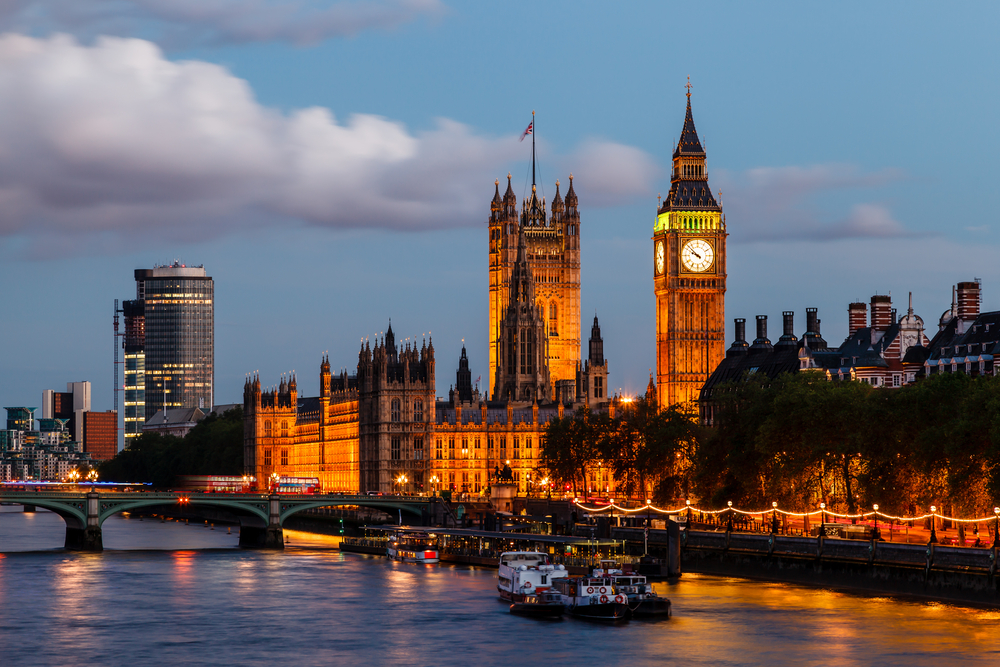
big-benIf you’ve ever been to London, or even seen a picture of London, you’ve probably seen the giant clock tower at the corner of the Palace of Westminster. This tower is one of London’s major icons, ranking right up there with red double-decker buses, the London Eye, and Platform 9 ¾.

Contrary to popular belief, the clock tower itself is not named “Big Ben”.  Rather, it is named “Elizabeth Tower”, after Queen Elizabeth II; named such during her Diamond Jubilee (the 2012 60th anniversary of her accession to the throne).  Before that, it was just called “Clock Tower”. So why is it so often called “Big Ben”?  That is due to the great bell inside the tower that chimes the hour out and goes by that name.  Over time this has morphed into many calling the clock tower itself that even today, despite the recent, very public, name change.

So how did “Big Ben”- the great bell- get its name? People seemed to be in the habit of nicknaming giant bells and Big Ben was one of the biggest in the world and the largest in the British Isles at the time of its casting, so certainly name-worthy. The origin of Big Ben’s name is probably rooted in Sir Benjamin Hall. Hall was reportedly a large man (6 ft. 4 in. or 1.93 m, with a girth to match) and was the first Commissioner of Works, affectionately known as “Big Ben.”

On the side of the great bell there was also supposedly the inscription “Sir Benjamin Hall MP Chief Commissioner of Works” in his honor, so the workers and others took to calling the bell “Big Ben”.

If you’re wondering why that text is not inscribed there anymore (if it ever truly was), it’s because the current Big Ben is not the original. The original bell actually cracked before the clock itself was even installed in the tower (more on this later).  As to why the name supposedly was inscribed on the first and not the second bell, the reason often given is that Sir Hall was no longer the Chief Commissioner when the second bell was cast.  In addition, different founders were used to cast the second bell, so they may not have felt inclined to put the inscription on.

As there is little documented evidence on the origin of the name “Big Ben”, we can’t say for 100% certainty that it was named after Sir Benjamin Hall.  Another possibility that has been proposed is that it was named after Benjamin Caunt, a very popular heavyweight boxing champion in the 1850s, who was also nicknamed “Big Ben”.

Yet another popular theory is that it was named in 1857 during a sitting of the House of Commons. At some point someone, tired of the long meeting over the naming of the great bell, just shouted “Why not call it Big Ben?” as a joke while Sir Benjamin Hall was talking.  However, if such a thing actually happened, there should be Parliament records of this, but there is not. Thus, it’s thought the original Hall inscription story is more likely; though in both that story and the Parliament story, it was named after Sir Hall who was integrally connected with the building of the tower, clock, and bells.

As to why the clock tower was built in the first place, in 1834, a fire destroyed the Palace of Westminster—then the seat of the British government—leaving only a few parts of the palace standing. The next year, with reconstruction well on its way, Parliament opted to include a clock tower in the redesign. It wasn’t the first clock tower that the parliament buildings had seen. The first one was built between 1288 and 1290 and contained a bell known as “Great Edward” or “Great Tom.” A second tower, containing the first public chiming clock in England, replaced the first in 1367. In 1707, that tower was demolished because it had fallen into disrepair. Instead of replacing the tower with another, a sundial was put up in its place.

After the fire, Sir Charles Barry’s design for the new Houses of Parliament was chosen out of 97 designs submitted for consideration- his design didn’t originally include a clock tower. He added one in 1836 and later drew up a detailed design with the help of Augustus Pugin. Pugin was never recognized by Barry for supplying the design for the clock, despite Pugin saying, “I never worked so hard in my life as for Mr. Barry for tomorrow I render all the designs for finishing his bell tower & it is beautiful…”

The tower was Pugin’s last design. In 1852, before work on the tower was completed, Pugin suffered a breakdown. He was unable to speak coherently or recognize his family, and died several months later despite attempted therapy. He was only forty years old and never knew how famous his last design would become.

Construction on the tower began September 28, 1843. It was built from the inside out so that scaffolding couldn’t be seen by passers-by.

Besides Pugin’s work, Sir Charles Barry also sought additional help when it came to the actual clock mechanism itself. He chose Benjamin Lewis Vuillamy, who was the Queen’s clockmaker, to work on a design, though other clockmakers were also brought in to give their advice and opinions. In 1846, a competition was held to see who would build the clock, but some amazingly tough standards- for the age- were set by the Astronomer Royal, Sir George Airy. Airy stated that the clock needed to strike the hour within one second’s accuracy, and the performance of the clock was to be telegraphed to the Greenwich Observatory twice daily.  This harsh criteria caused seven years of delay.

When Edward John Dent was finally appointed to build the clock in 1852, he found that the tower was too small for the initial clock design. This caused further delays and alterations had to be made to the tune of £100 (adjusted for inflation by average earnings, that’s about £69,000 today). To top it all off, after finally getting construction underway, Dent died the next year and his stepson had to take over. The clock was finally finished in 1854, costing a total of £2500 to make.

The clock’s delay didn’t end up mattering very much, as the clock tower itself had suffered delays as well. The clock wasn’t actually installed until 1859. During the two-year wait, modifications were made to meet the Astronomer Royal’s standards. For instance, Edmund Beckett Denison invented a “Double Three-Legged Gravity Escapement” for the clock which made sure that the pendulum wasn’t affected by wind or other external factors putting pressure on the clock’s hands. Also known as the Grimthorpe Escapement, this revolutionary invention is still used on many clocks throughout the world today.

When the clock was finally installed in April 1859, it didn’t work. The original cast iron hands were too heavy to keep time and had to be replaced by lighter copper hands. At last, on May 31, 1859, the clock began successfully keeping time. But the tower wasn’t yet completed—it also needed a bell.

Like the rest of the features of the tower, the great bell also suffered delays. The first great bell was cast in 1856 and hung in the New Palace Yard where it was tested every day. On October 17, 1857, as mentioned previously, a crack over a metre long appeared on the bell. Fingers were pointed, but no one fessed up. Because the original bell casters—the Warners—asked for too much to replace the bell, the Whitechapel Foundry got the job for the replacement. The second bell weighed 2.5 tonnes less than the first (13.5 tons instead of 16), but it was still so large that it took thirty hours to winch it up to the belfry in the tower.

At last, on July 11, 1859, Big Ben rang out for the first time. Unfortunately, in September of that year, a crack appeared in the bell again. This time supposedly because the hammer used to strike it was approximately two times the maximum weight the original bell founder specified for the bell.  This crack caused the great bell to remain silent for a few years. However, in 1863, Airy came up with a solution: turn the bell so that the hammer struck a different spot, make the hammer lighter, and cut a small square in the bell so that the crack wouldn’t spread. His solution worked, and to this day, the same cracked “Big Ben” sits in the belfry, ringing away on the hour.

source:::::today i foundout.com

natarajan

Why We Say ” o’ clock ” When We Tell Time !!!

The practice of saying “o’clock” is a remnant of simpler times when clocks weren’t very prevalent and people told time by a variety of means, depending on where they were and what references were available.

Generally, of course, the Sun was used as a reference point, with solar time being slightly different than clock time. Clocks divide the time evenly, whereas, by solar time, hour lengths vary somewhat based on a variety of factors, like what season it is.

Thus, to distinguish the fact that one was referencing a clock’s time, rather than something like a sundial, as early as the fourteenth century one would say something like, “It is six of the clock,” which later got slurred down to “six o’clock” sometime around the sixteenth or seventeenth centuries. In those centuries, it was also somewhat common to just drop the “o’” altogether and say something like “six clock.”

Using the form of “o’clock” particularly increased in popularity around the eighteenth century when it became common to do a similar slurring in the names of many things such as “Will-o’-the wisp” from “Will of the wisp” (stemming from a legend of an evil blacksmith named Will Smith, with “wisp” meaning “torch”) and “Jack-o’-lantern” from “Jack of the lantern” (which originally just meant “man of the lantern” with “Jack,” at the time, being the generic “any man” name. Later, either this or the Irish legend of “Stingy Jack” got this name transferred to referring to carved pumpkins with lit candles inside).

While today, with clocks being ubiquitous and few telling direct time by the Sun, it isn’t necessary in most cases to specify we are referencing time from clocks, the practice of saying “o’clock” has stuck around anyway.

source:::: today i foundout .com

natarajan

Vast Freshwater Reserve Under Ocean ? !!!

underwater ocean light

Light in the ocean. Image credit: Shutterstock / kerenby

Scientists have discovered huge reserves of freshwater beneath oceans off of Australia, China, North America and South Africa.

An estimated half a million cubic kilometers of low-salinity water are buried beneath the seabed on continental shelves around the world, according to a new study, published December 5, 2013 in the journal Nature.

How much water is that?

Dr. Vincent Post of Australia’s National Centre for Groundwater Research and Training is lead author of the study. He said:

The volume of this water resource is a hundred times greater than the amount we’ve extracted from the Earth’s sub-surface in the past century since 1900 … This volume of water could sustain some regions for decades.

The freshwater reserves were formed over the past hundreds of thousands of years when on average the sea level was much lower than it is today, and when the coastline was further out, according to researchers.

Dr. Post said that these water reserves are non-renewable.

We should use them carefully. Once gone, they won’t be replenished until the sea level drops again, which is not likely to happen for a very long time.

Read more from Australia’s National Centre for Groundwater Research and Training

source:::::Earth sky news site

natarajan


Message For the Day…” What is True Love ?”…


Today there are many who are highly educated. But what help are they rendering to society? Practically nothing! They are acquiring degrees for the sake of earning money. Modern students are taking to the wrong path in the name of love. They do not understand what true love is. People often use the word saying, “I love you, I love you.” You should be prepared to sacrifice for others all that is dear to you. That is true love. Love is God, live in love. Only then will you be able to understand the true nature of love. Do not misinterpret love in a worldly sense. Love is the gift of God to every individual. It should be utilized for the service of society. You must share your love with others through constructive service. Only then you will have the right to be a part of society.


Sathya Sai Baba


Optical Illusion Making Rounds in The Net !!!

This new illusion has been making the rounds of the Internet the last few days:

What’s the illusion? It’s that the two squares are actually the same colour, it’s just the edges that are different. The middle area, where these edges meet, causes the illusion. When covered up you can see the two upper and lower sections are the same colour:

It’s actually just a take on the well-knownCornsweet illusion, which takes advantage of a phenomenon that occurs in your brain called lateral inhibition.

To understand how it works, you first need to know a little about how we see things. Cells on the back walls of our eyes react to the energy in light that is funneled to them.

They get excited and send an electric impulse to special cells in the brain, which collate signals from many eye cells and send the average of those signals on.

These brain cells interpret the millions of signals coming from the millions of eye cells into a picture with brightness and different colours.

There are special ways that these brain cells influence each other. Lateral inhibition is one of those interactions — the more active brain cell tones down the sensitivity of the one next to it, making it less excited.

That amplifies the signal on one side of the black/white boundary and diminishes the signal on the other side of the boundary, creating more contrast between them than actually exists. It allows us to see more vividly, but also creates these optical illusions.

It is also active in our other senses, like hearing, touching, and smelling.

Here are some more examples:

The Grey Square or Checker Shadow Illusion. The squares A and B are the same colour:

And here’s a gif proving it:

There’s also the Grid Illusion, which produces grey dots at the intersections of these white bars:

HermannGrid

A third is the Mach Band Illusion, which suggests a gradient within a one-colour grey bar. The areas near the lighter colour look darker and those near the darker colour look lighter (as the red dotted line represents in the image below — when it veers left we are experiencing progressively lighter colours and when it veers right the colours look darker.):


source::::::businessinsider.com au

natarajan

Message For the Day…” Realise Brotherhood Of Man & Fatherhood of God ” …

What is true humanness? You should treat your fellowmen as your own brothers and sisters. You deserve to be called a human being only when you cultivate the spirit of unity. Where there is no unity, there you find enmity and hatred. Consequently, the principle of love is lost altogether. Your foremost duty is to share your love with others. Only then can you realise the dictum: ‘Brotherhood of man and fatherhood of God’. You may or may not believe in the fatherhood of God, but you must have faith in the brotherhood of man; practise it and experience bliss therefrom. It is only when we share our love with our fellowmen, can we experience Divinity.

  Sathya Sai Baba


Meet Sengai Podhuvan…”78 year old Poster Boy of Tamil Wikipedia ” !!!

As he lifts his left hand to type in front of his home PC, his fingers don’t keep pace with his mind.

Sengai Podhuvan, one of the oldest contributors of Tamil Wikipedia, has authored over 2,600 articles. His wife Sengai Selvi helps him with his work. Photo: Karthik Subramanian

Sengai Podhuvan, one of the oldest contributors of Tamil Wikipedia, has authored over 2,600 articles. His wife Sengai Selvi helps him with his work. Photo: Karthik Subramanian


“Look at that. The finger is trembling and refusing to listen to me,” Sengai Podhuvan, dressed in a blue T-shirt that sports logos of Tamil Wikipedia and a saffron dhoti, says. “Now I just have to wait for my hand to stabilise and type one letter at a time. It takes a while but I am used to it.”

The 78-year-old is an unlikely poster boy of the Tamil computing fraternity. Having authored over 2,600 articles in Tamil Wikipedia, Mr. Podhuvan is well known within the closed group of Tamil Wikipedia editors as the man who translated ‘Tolkappiyam,’ one of the oldest surviving Tamil works, into English for WikiSource.

He has also developed a new standard for transliteration of Tamil to English, using just the Roman alphabets available on regular keyboards. “I have avoided the use of diacritical marks and capitalisation. Instead, I have constructed the sounds of Tamil on a new standard that will allow any user to grasp the nuances of Tamil pronunciation,” he says.

Mr. Podhuvan, who types for five hours every day, has achieved all of these things despite having a degenerative neurological disorder. “It is most probably Parkinson’s and it is genetic. My mother had it and her mother before her,” he says.

He has refused medication because he feels that ultimately, it won’t matter, much to the chagrin of his wife, 71-year-old Sengai Selvi, his five children and his family doctor. Selvi supports Mr. Podhuvan through all of his chores at their home in Nanganallur, where the elderly couple live by themselves. Their four daughters are all married and live in different parts, while their son is in Canada.

Early affinity

Sengai Podhuvan’s love for Tamil started early. “I had studied only up to class VIII, but became a teacher when I learnt the government allowed those with at least three years of teaching experience to appear for SSLC exams,” he says, recalling the events of the early 1960s when he was in his 20s.

He continued in the teaching profession, earning subsequent degrees leading up to a PhD from Tiruchi Bharathidasan University, which he received just after retiring in 1994. His big break into the world of Tamil literature, however, started in 1971, when veteran Tamil scholar Dr. Mu. Va (Mu. Varadarajan) offered him a job as the editor of scholarly works for a project to record the ‘Authentic History of Tamilnadu’.

Mr. Podhuvan has also been the editor of sports journal ‘Tamizhar Vilayatu Madal’ brought out by the directorate of sports development during the Chief Ministership of M.G. Ramachandran.

His tryst with computers began in 2005, when he acquired his first PC and trained himself to be able to publish his own books. He has already published six books. “My ambition is to translate Sangam literature works — ‘Pathu Paatu’ and ‘Ettu Thogai’ — for Tamil Wikipedia,” he says.

Keywords: Sengai PodhuvanTamil computingTamil WikipediaTamil to English transliteration

source:::: Karthik Subramanian in The Hindu..

natarajan